Big Baba is a small family-owned eatery located in a quiet neighborhood dining enclave in Section 17 Petaling Jaya, an outlying suburb of metropolitan KL. Southern-style Nyonya cuisine, typical of those in Malacca and Singapore, is a totally different food culture from the Northern-style cuisine of Penang.
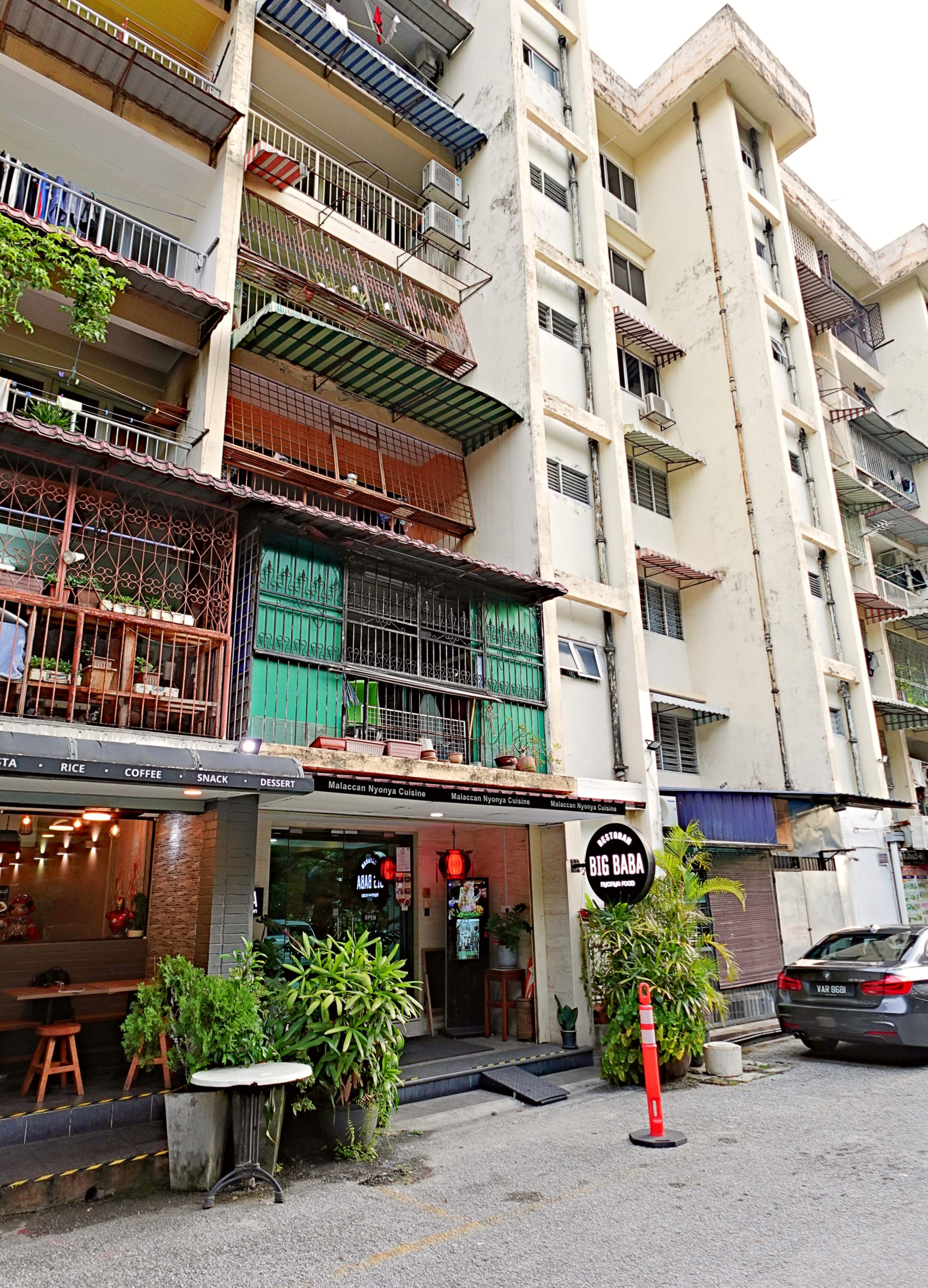
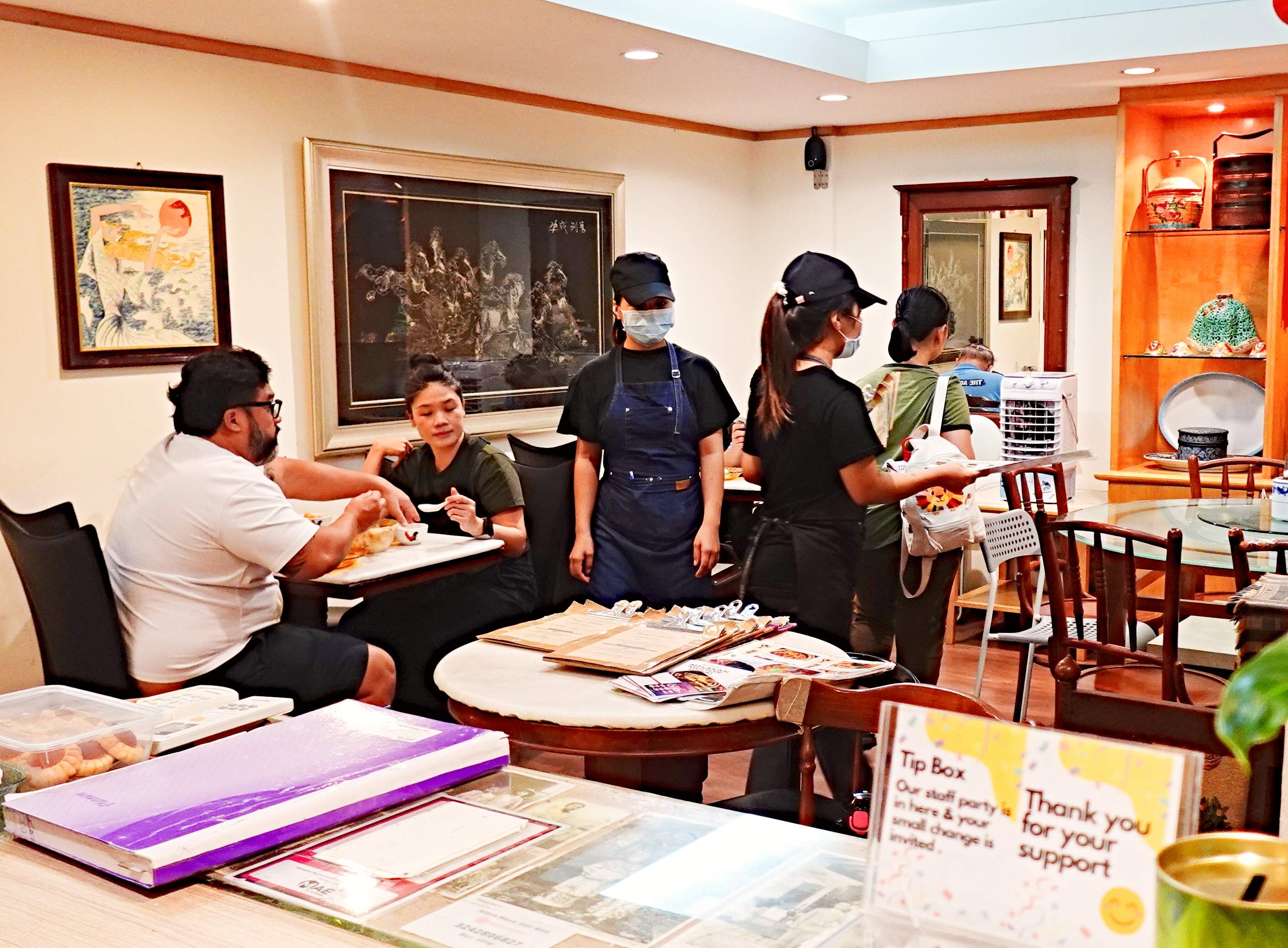
Big Baba is started by the Wee family of Tengkera, Malacca, and it has become a go-to spot for my relatives in KL who are of Malaccan descent. One of the best-run Nyonya spots in KL, and one of the very few offering Malaccan-style cooking in a Nyonya cuisine market dominated by Penang-style cooking.
Our lunch consisted of:
- Kueh pie tee - this popular starter consists of crispy, deep-fried pastry cups filled with savory shredded jicama, carrots, meats and prawns, similar to popiah filling.
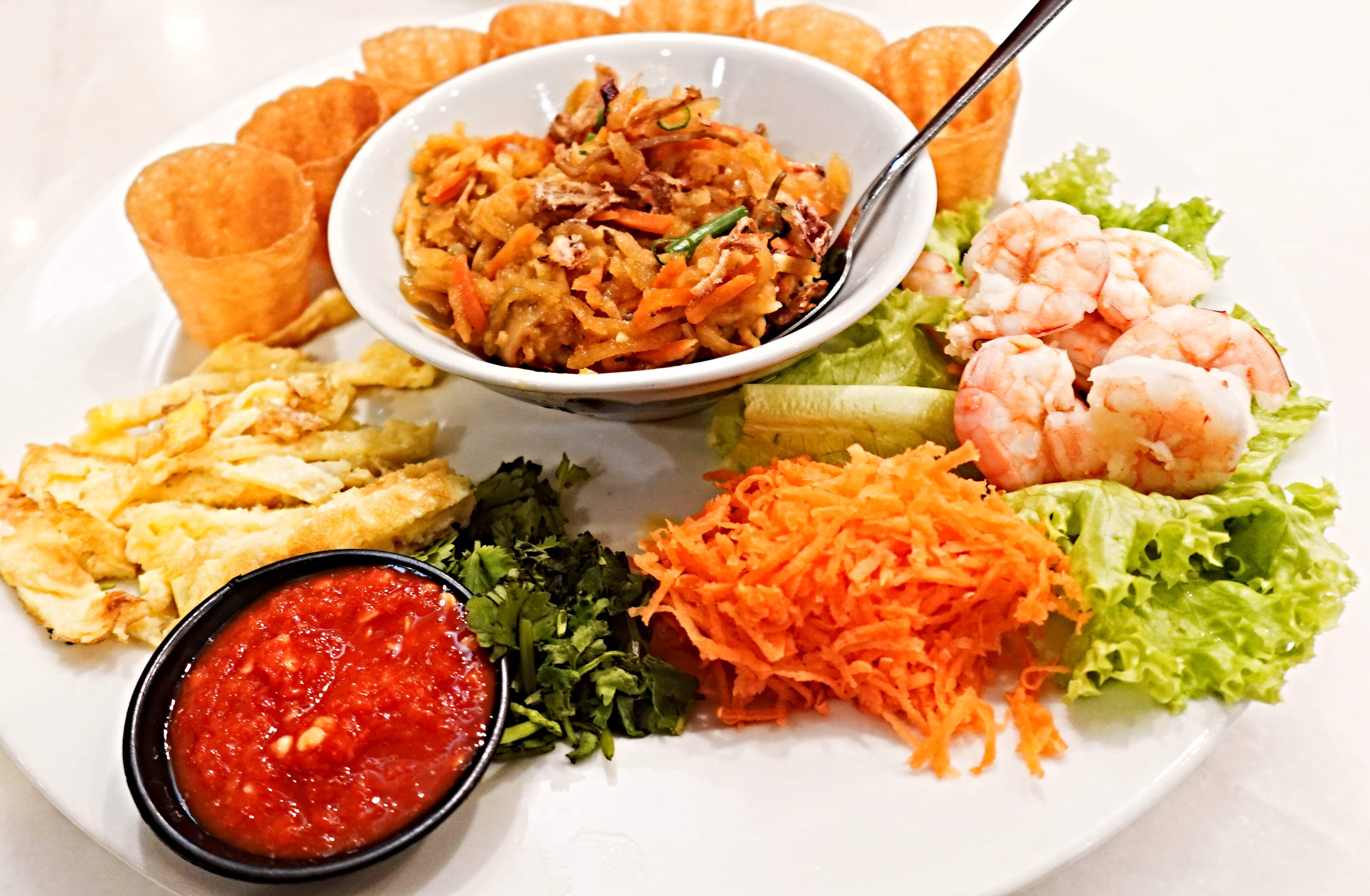

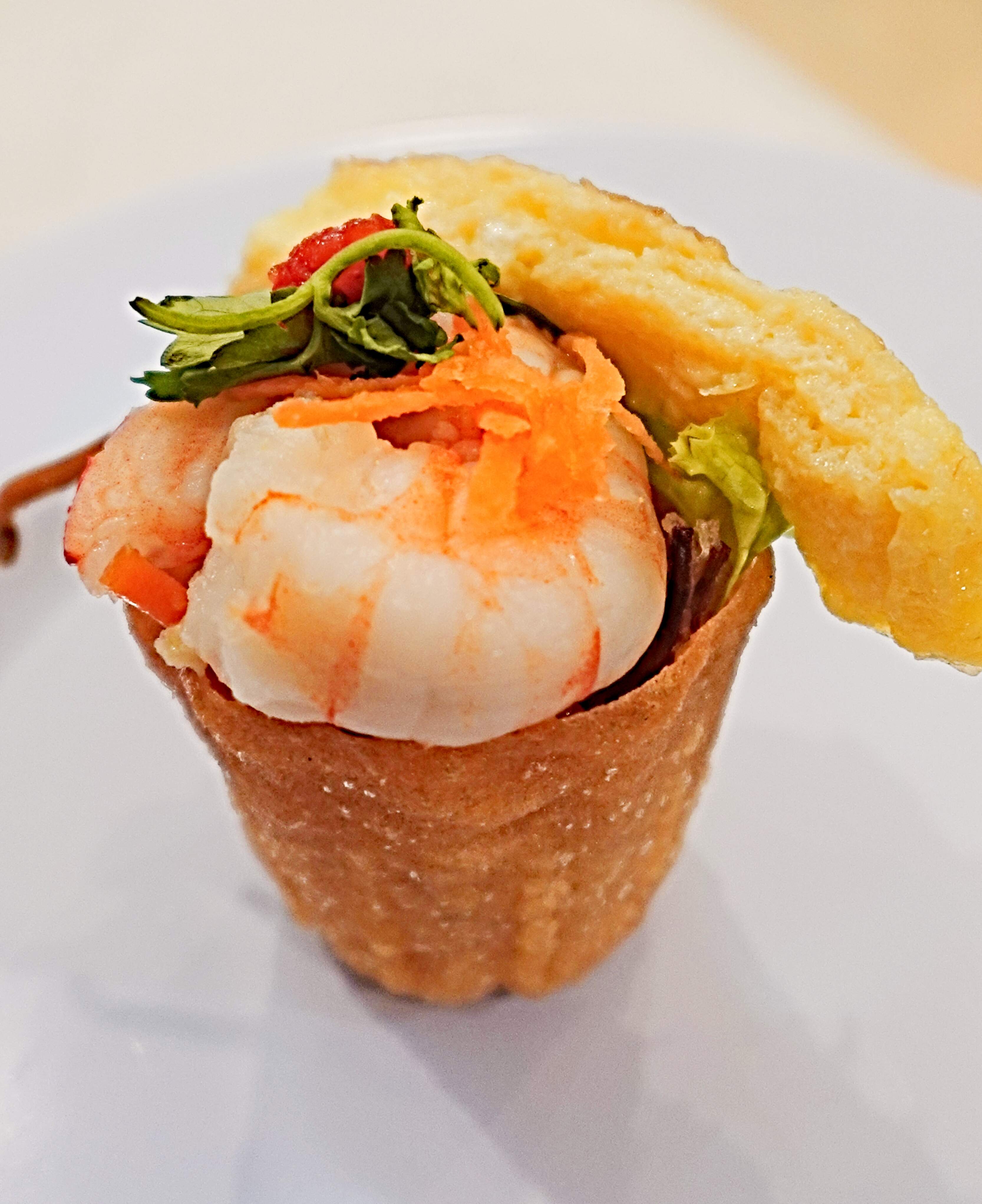
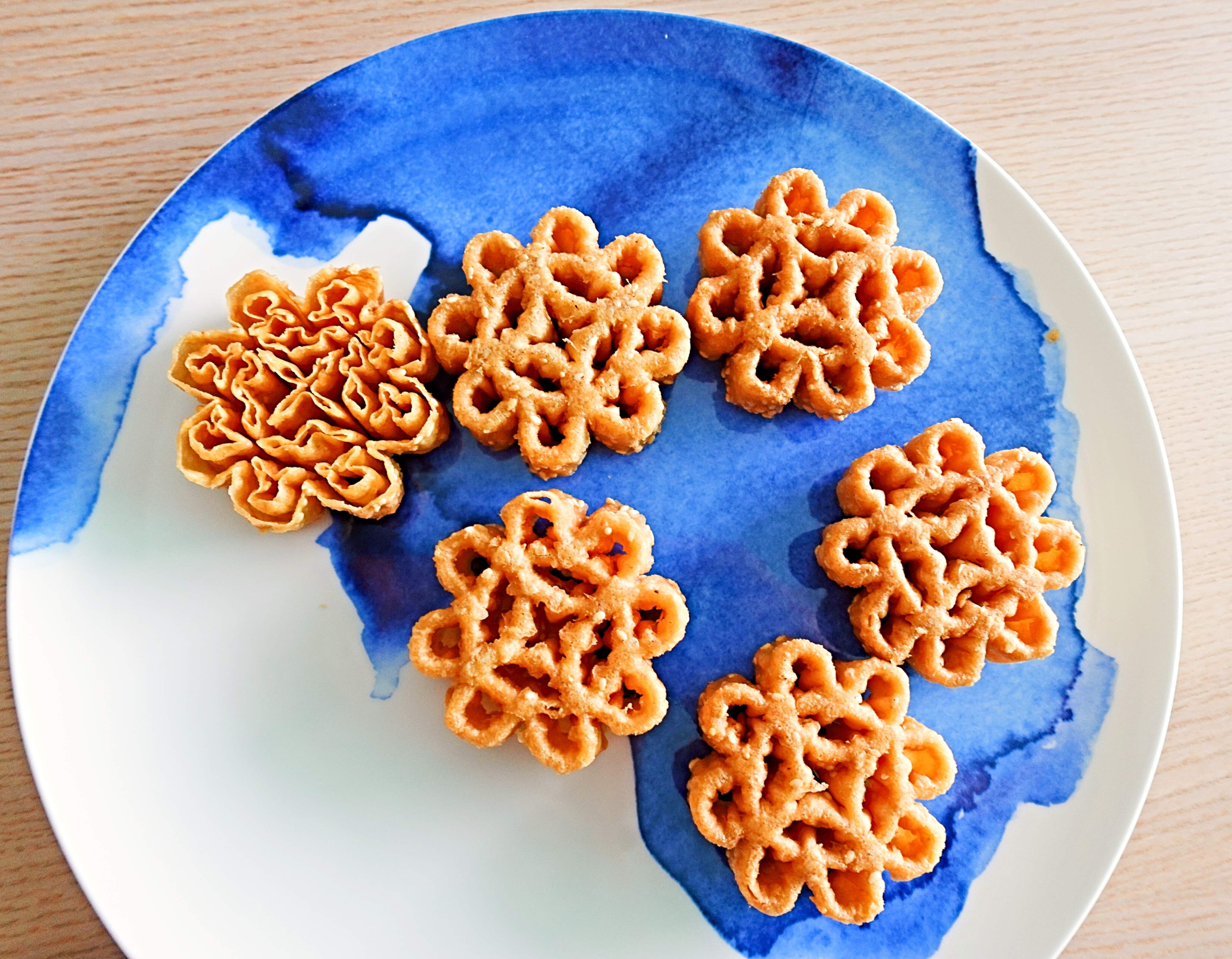
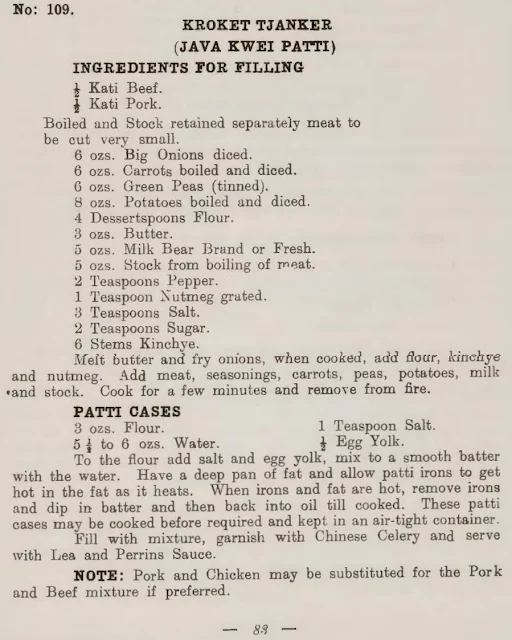
The name “pie tee” is an old mispronunciation of “pattie”, as the kueh pie tee was introduced by Dutch-influenced Indonesians - one of the earliest recipes of kueh pie tee can be found in Semarang-born Susie Hing’s In A Malayan Kitchen, published in 1956. In it, the kueh pie tee is known as Java kwei patti.
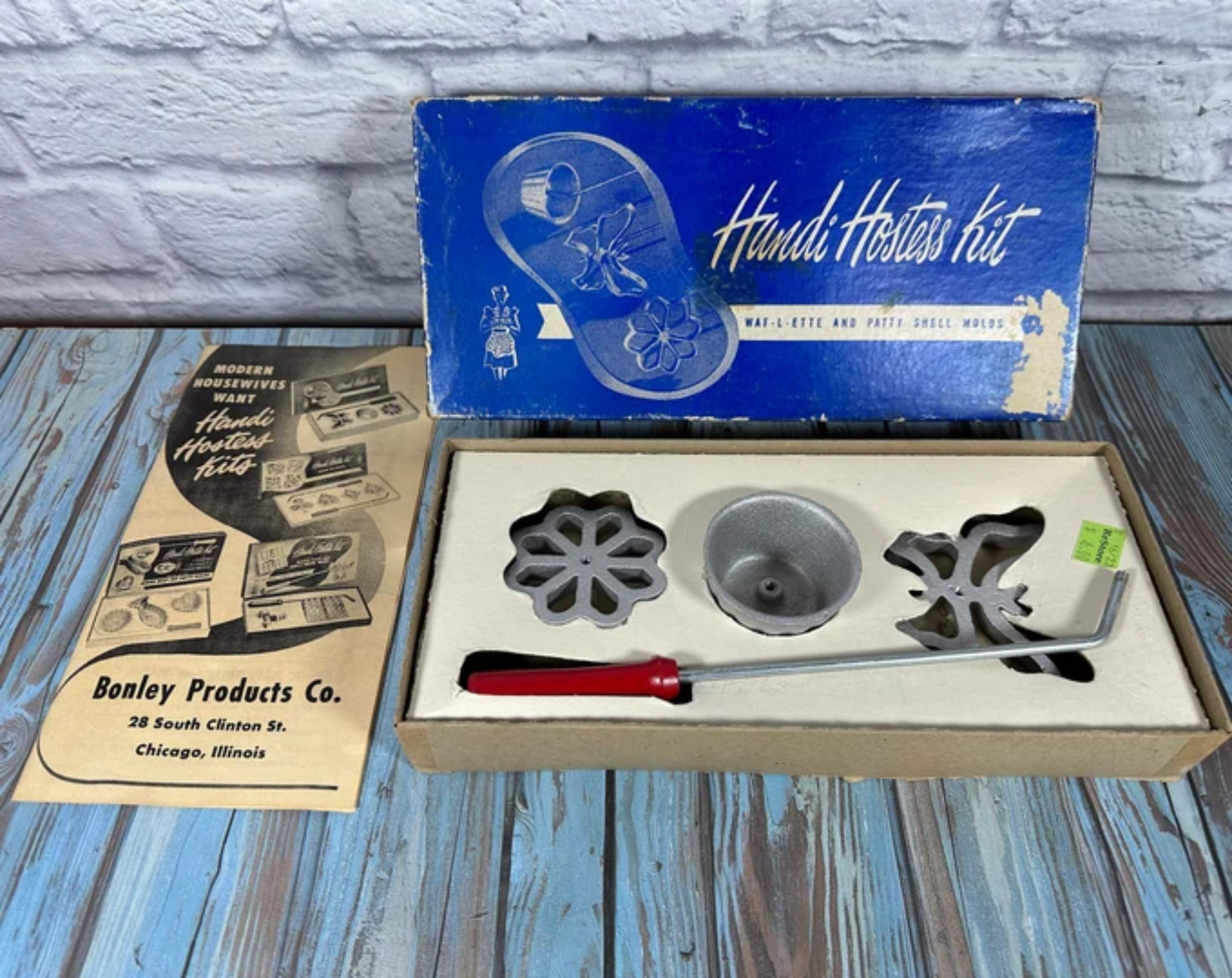
The mould used is known as the pattie shell mould, as seen in this vintage set produced in the United States in the 1950s.
-
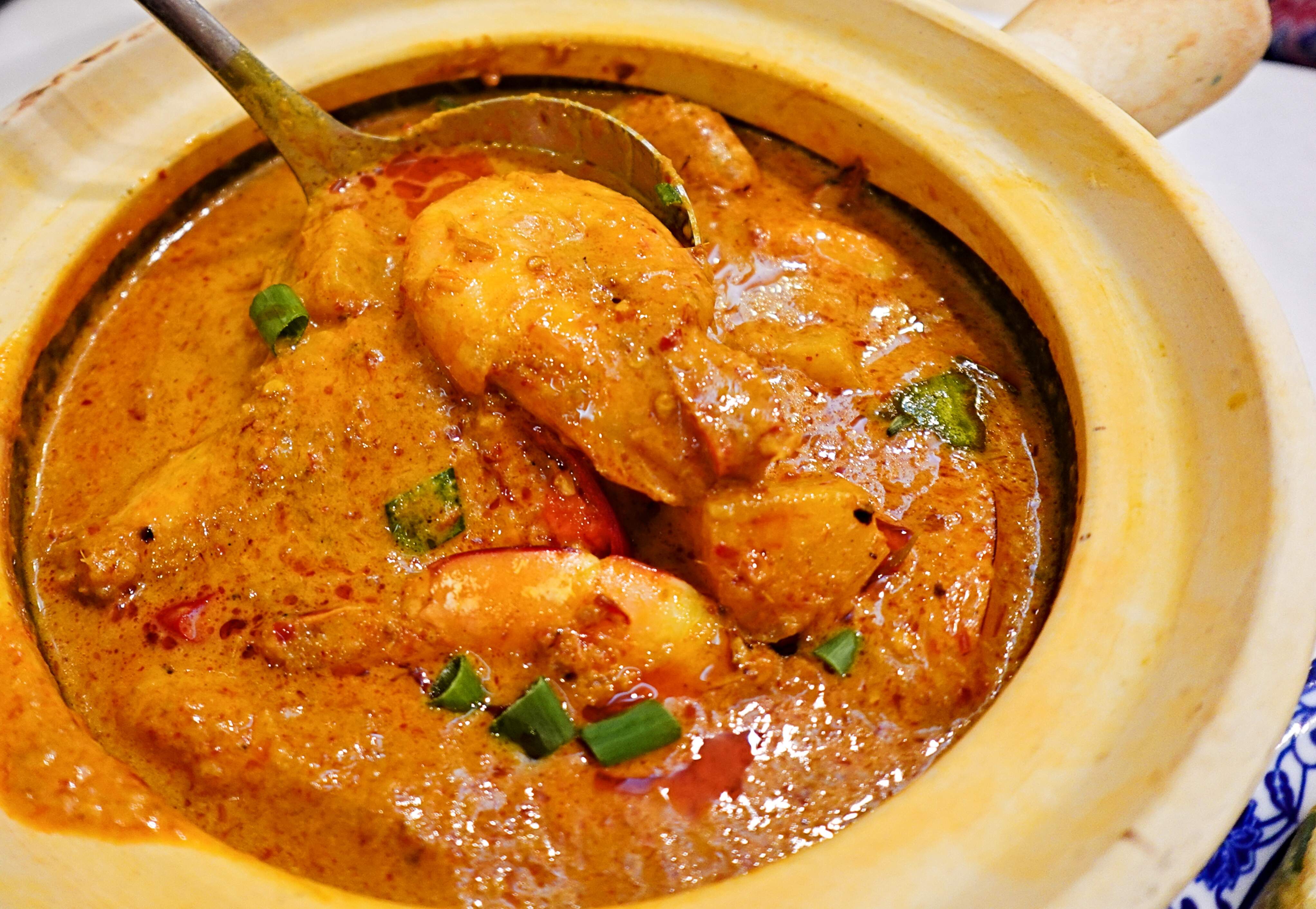
Udang masak lemak nenas - this is the very popular cloyingly-rich prawn curry, replete with coconut milk, and with a slight sweet-sour tinge with the addition of pineapple chunks.
-
Ayam buak keluak - the classic earthy, spicy stew of chicken-pieces (often paired with pork-ribs) which derives its dark, earthy shade from the flesh of buah keluak (Lat. Pangium edule) nuts.
-
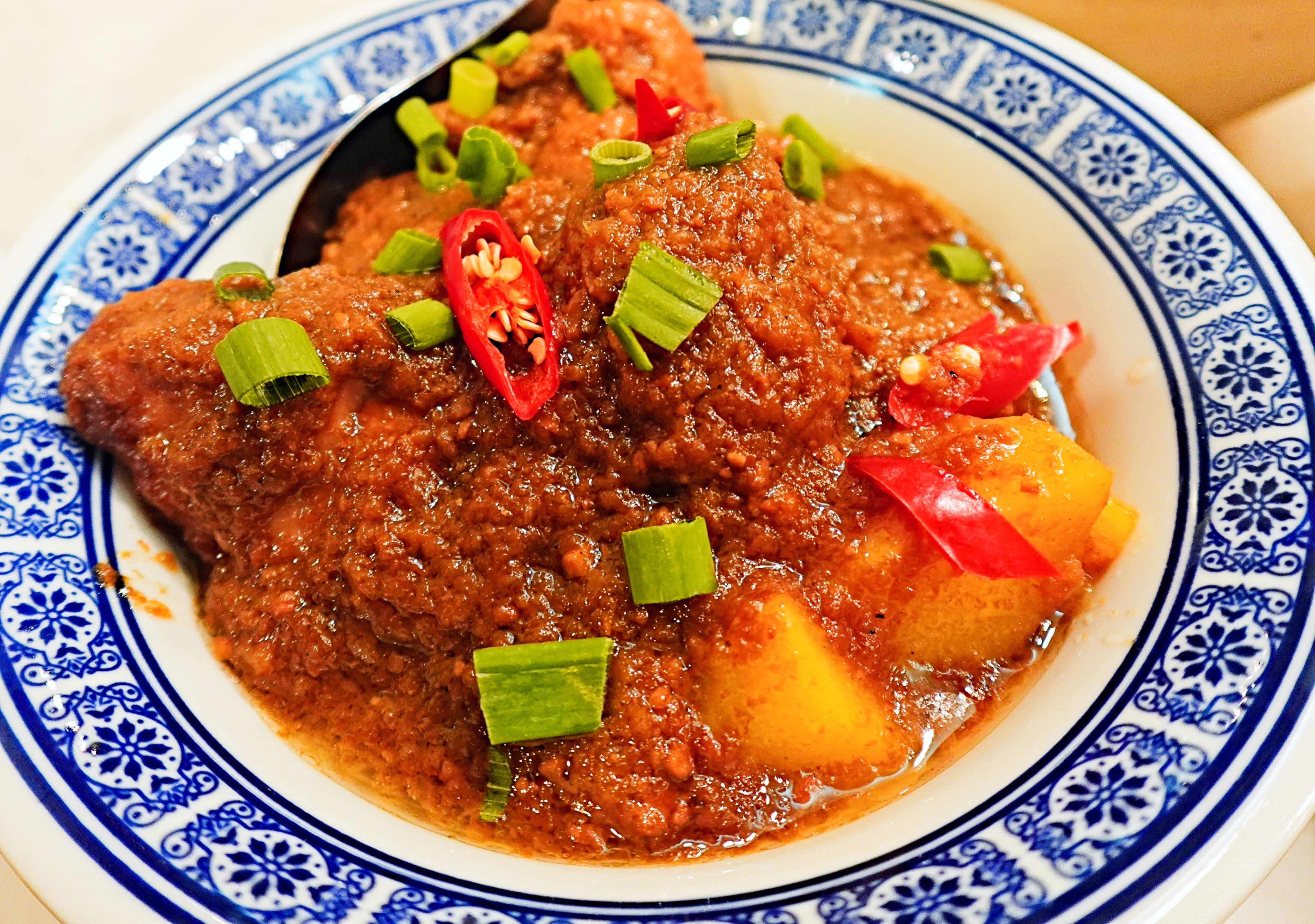
Rendang daging - listed on Big Baba’s menu as “Nyonya Beef Rendang”, which is wrong, since rendang is essentially Minang cuisine from Padang, in West-Central Sumatera.
Not a very authentic version here, with even potatoes added. Taste-wise, nothing like what one expects rendang to be.
-
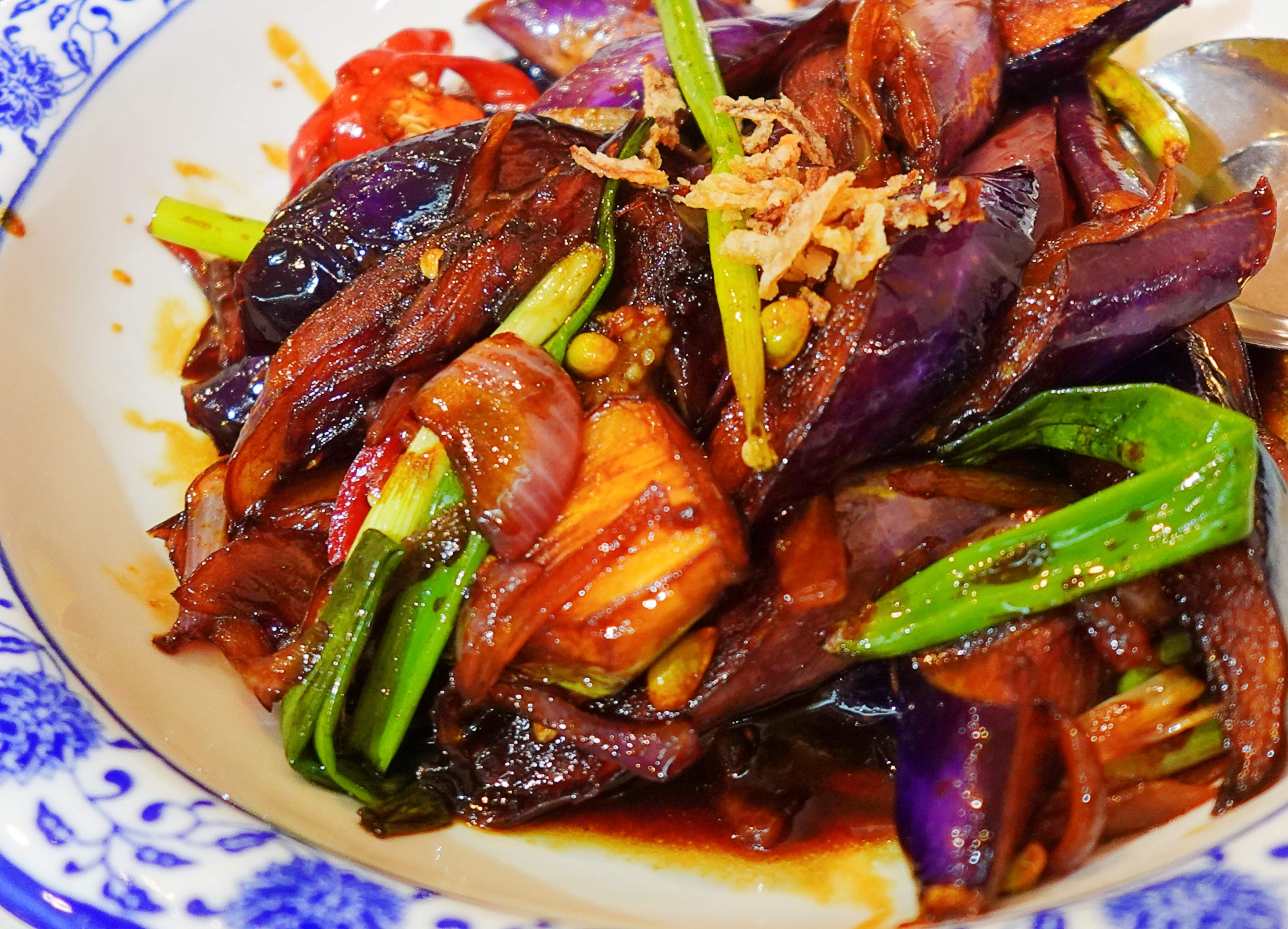
Terong masak tempra - pan-fried batons of aubergine, dressed in a spicy, sourish tamarind-inflected sauce. I love aubergines, so I enjoyed this dish, though it looked like nothing I’d seen in Malaccan-Nyonya cuisine. You can sort of guess that the kitchen has altered the recipe here.
-
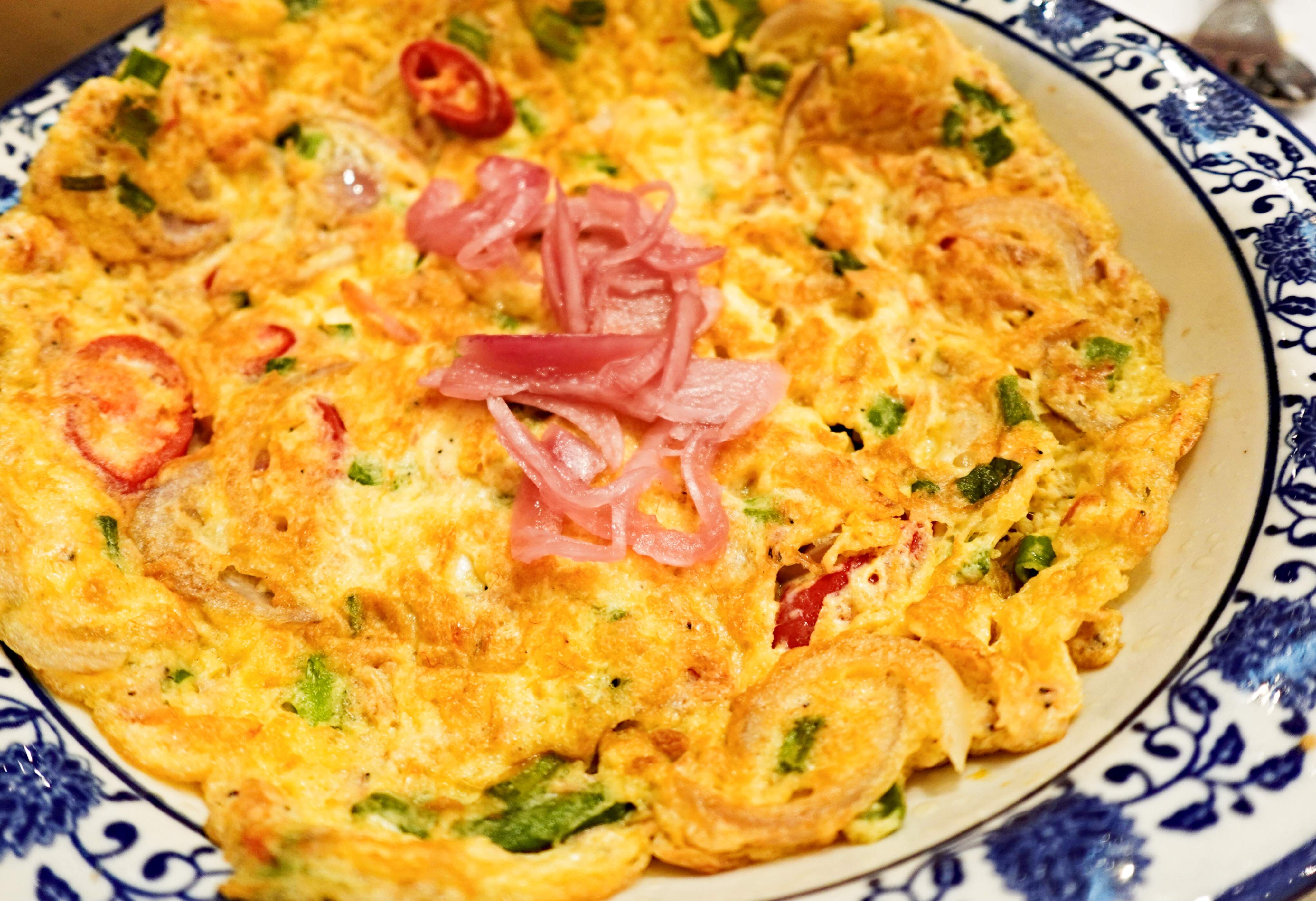
Telor cencalok - Egg omelette, with fermented shrimp paste to give it an umami, if funky-tasting flavor. The version here is pretty bland. To be fair, in all my years of tasting Nyonya cooking in commercial establishments, I’d only tasted good telor cencalok once, and I can’t even remember where at anymore.
-
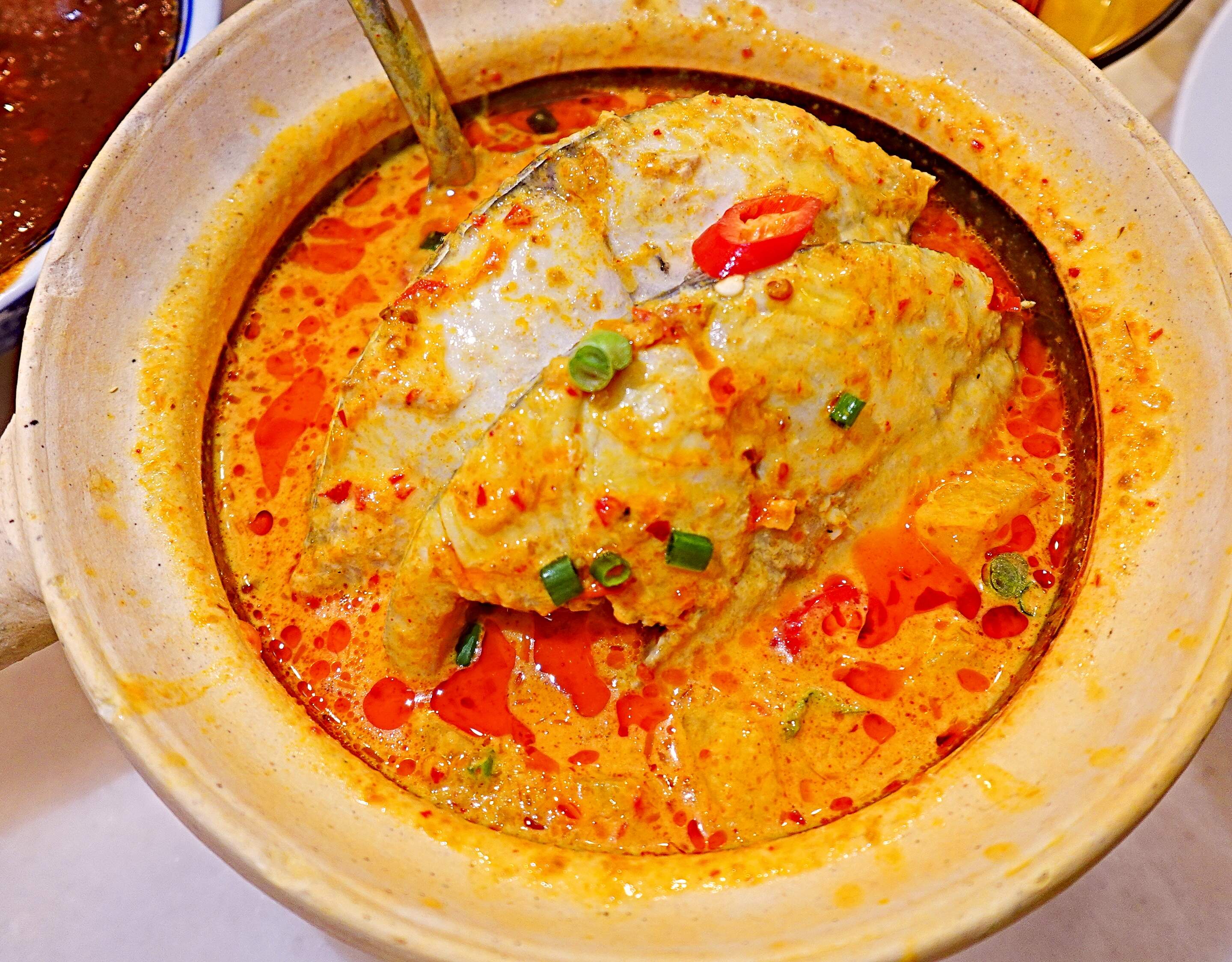
Ikan tenggiri masak lemak - we enjoyed the udang masak lemak nenas (prawn-and-pineapple curry) so much, we placed an extra order for the closely-related fish version, this one cooked using “ikan tenggiri” (mackerel) steaks. It’s pretty good, though the prawn-pineapple version has more depth of flavors.

Desserts
Two traditional desserts on offer here, both with interesting background stories.
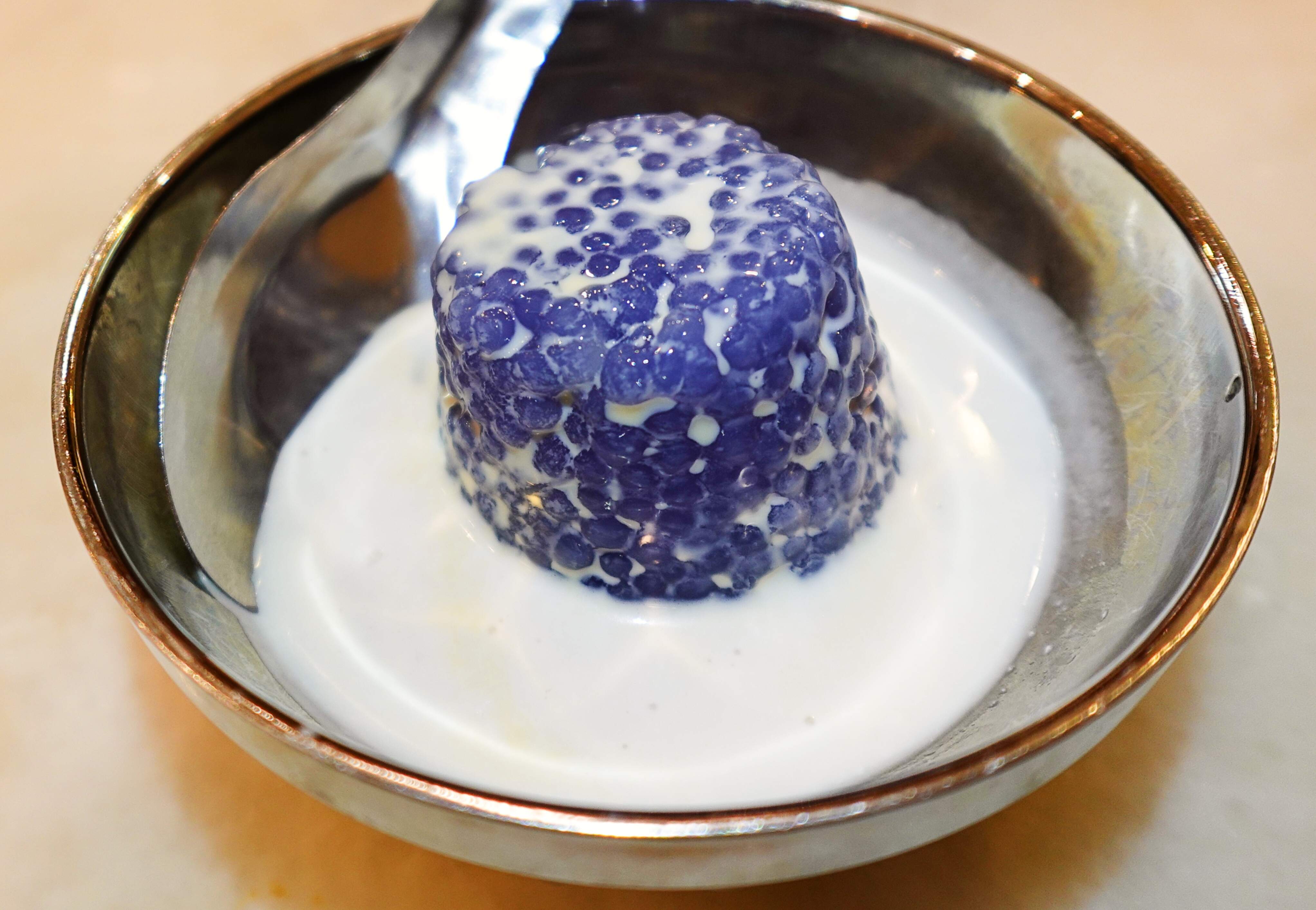
8) Sago Gula Melaka - which consists of a sago pearl pudding, slathered with creamy coconut milk, and drizzled with thick, dark gula melaka (palm sugar).
Sago palm originated in the Indonesian isles, from the Moluccas islands to New Guinea. As early as the 1790s, British East India Company sailing ships brought sago back to England. The British took to it so much, sago pudding even became a school lunch staple during the baby boomer years.
Mrs. Beeton’s Book of Household Management (published in 1861) included a sweet “Hasty Pudding” where sago was cooked with milk and sugar, and then served with cream and treacle, which echoed the modern-day Sago Gula Melaka dessert.
The journey of the humble sago from its Southeast Asian origins to Britain, and subsequently back to this region again occurred in the early 20th-century when British-style sago pudding was introduced to British Malaya. Here, Hainanese chefs working under their colonial masters came up with a tropical version, substituting dairy milk with readily available fresh coconut milk, and treacle with gula melaka. The result was the much-loved dessert we are familiar with today.
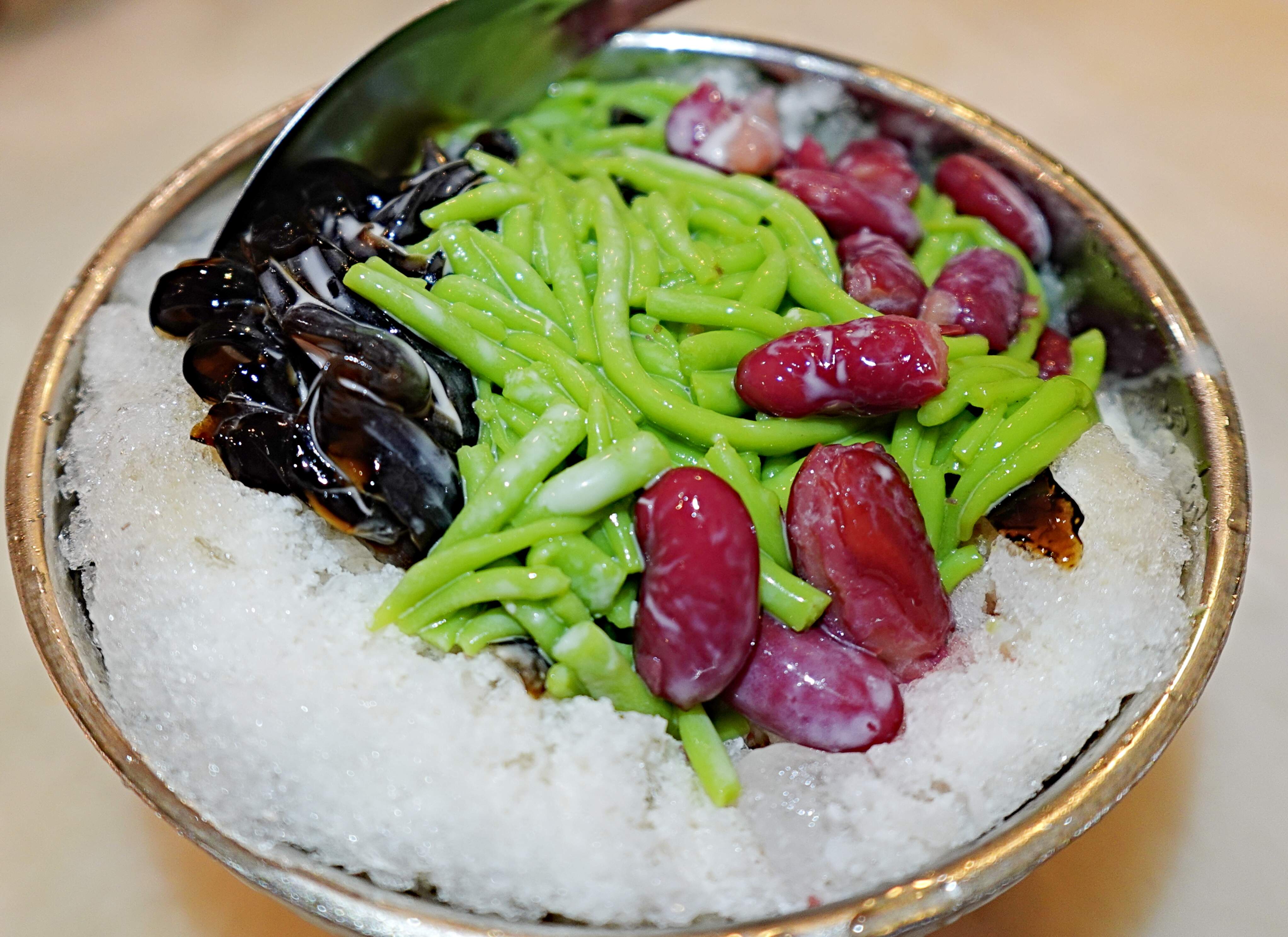
- Cendol - one of the best-loved local desserts, it consists of pandan-scented, short, green rice noodles, served with lashings of chilled coconut milk and sweet, treacly Gula Melaka.
This dessert actually has a thousand-year-old history: its earliest mention was in Kakawin Kresnayana, a tome written by East Javanese royal scribe and poet, Mpu Triguna, from the Kediri Kingdom circa 1104 AD. In Java, it was called dawet. The modern-day name cendol comes from the Javanese word “jendol” which means “bulge” or “swell,” referring to the way the sun-dried noodles expand when rehydrated in water.
Nowadays, it’s served on a bed of shaved ice, with stewed red beans and Chinese grass jelly added.
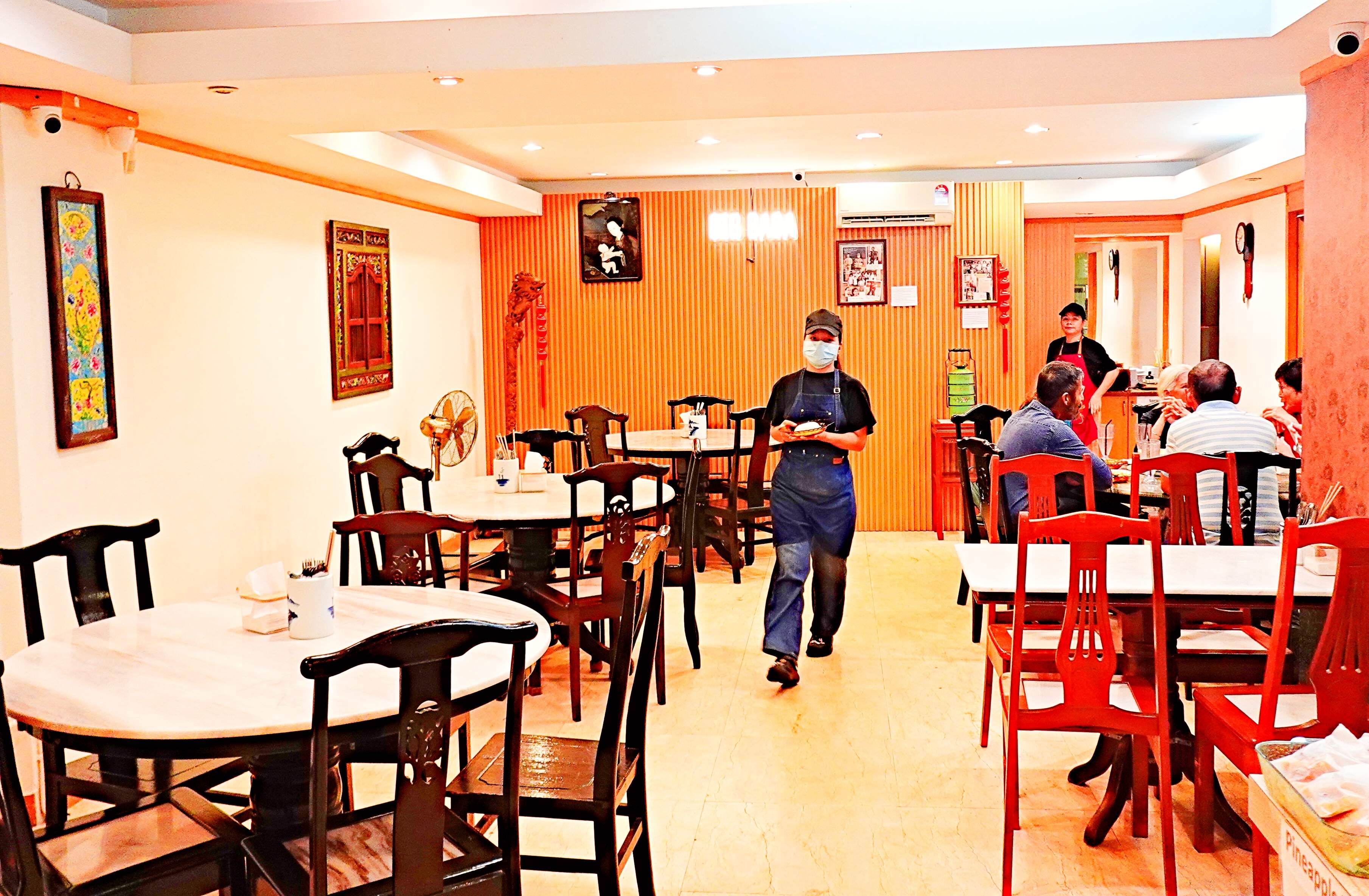
All in all, pretty good food and very friendly service. There are framed articles on the walls of the restaurant which explains the background of the Wee family who owns the place, and how the recipes of the matriarch of the family, Grandma Mary Lee, are used in the restaurant’s offerings. We’d been here numerous times from 2023 to 2025, but had never actually met anyone from the family, though. The place seems to be run entirely by foreign/migrant workers from Indonesia and Myanmar, albeit pretty reliable ones.
Address
Big Baba @ Happy Mansion
AG-02, Ground Floor, Block A, Happy Mansion, Jalan 17/13, Section 17, 46400 Petaling Jaya, Selangor, Malaysia
Tel: +603-7931 0228
Opening hours: 11am to 3pm, 5pm to 8.30pm daily
 – pattice, pettice, pettish, and so on – though all are delicious