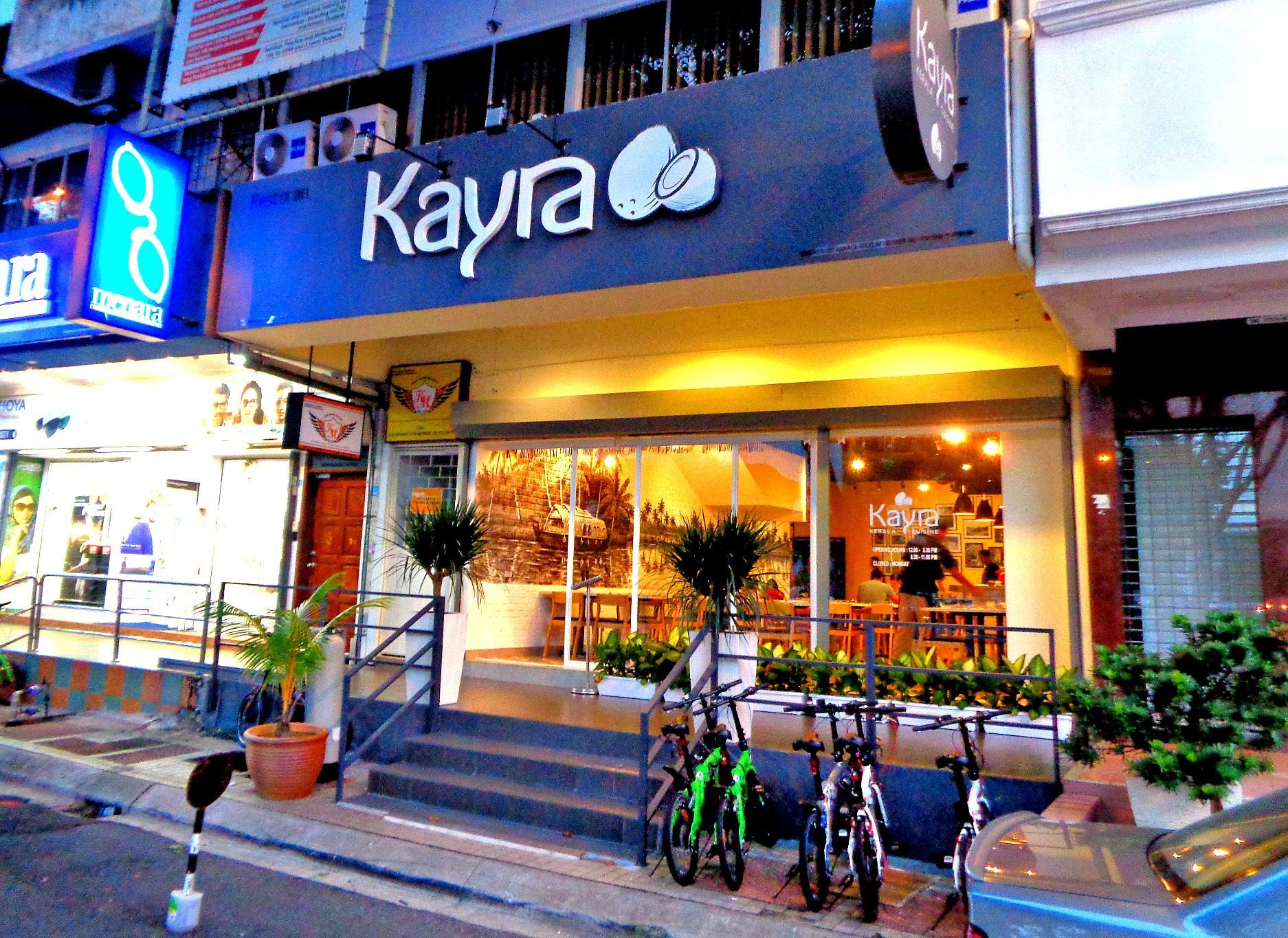
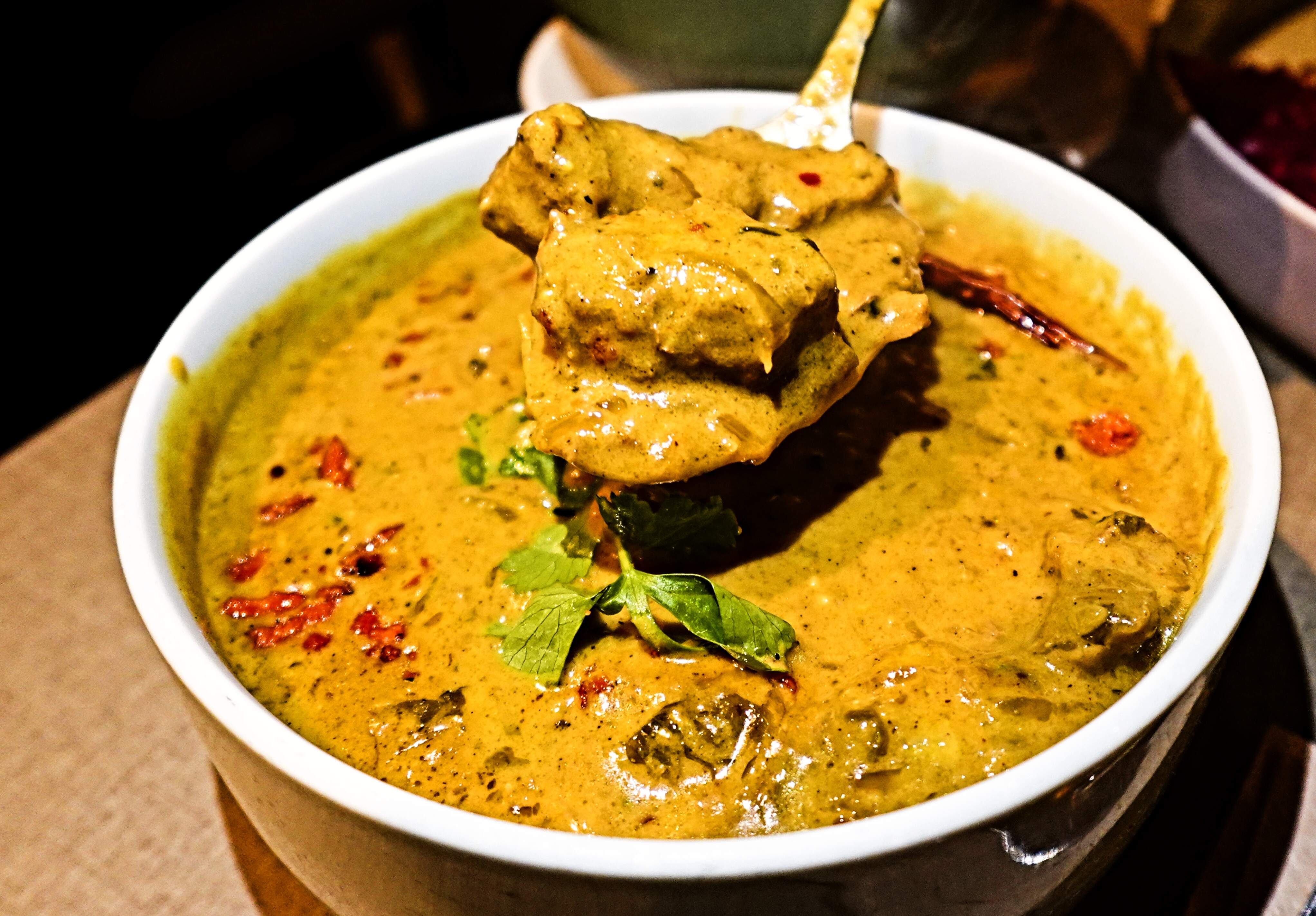
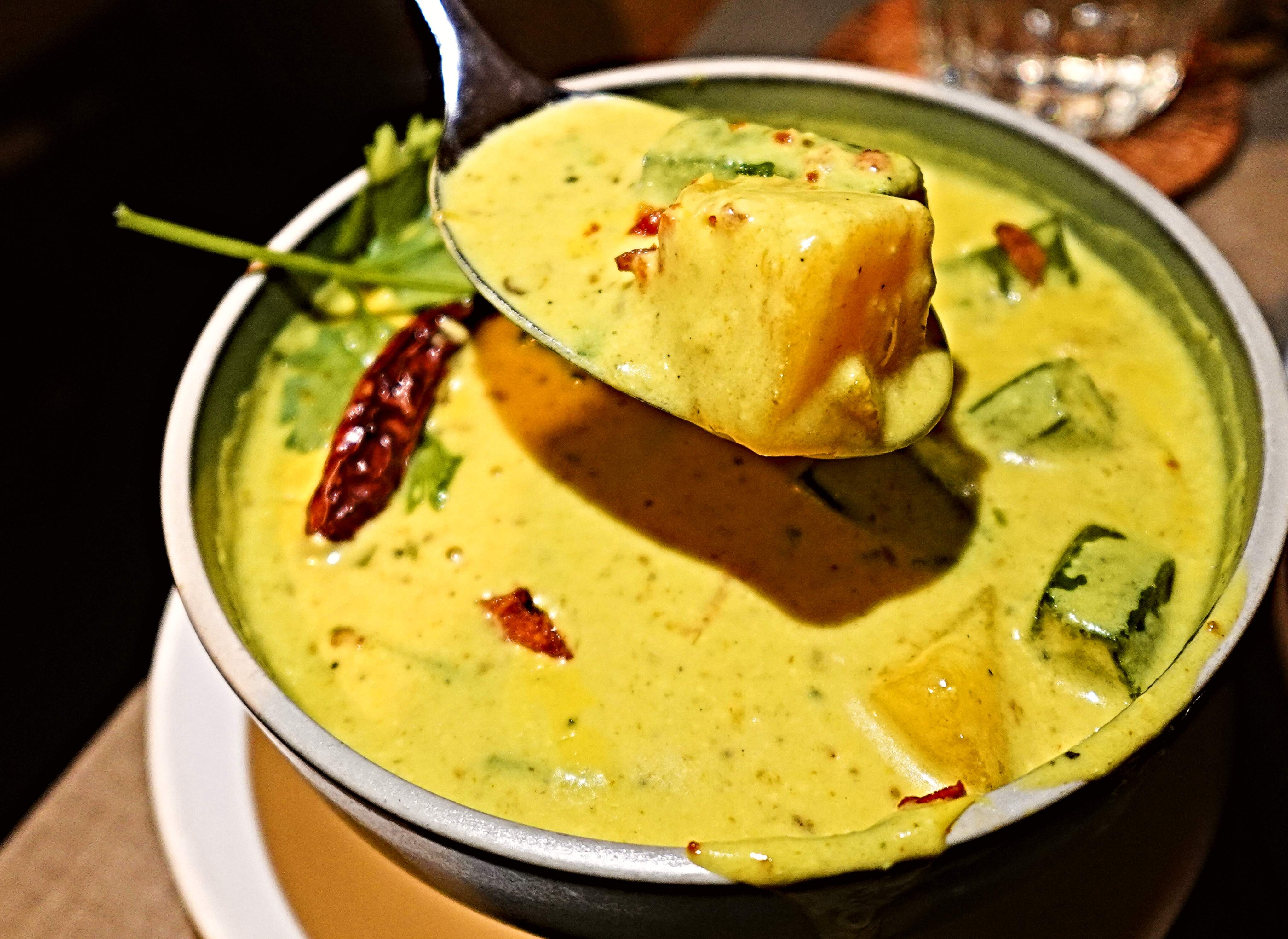
Keralan cuisine is the only Indian regional cuisine which utilises coconut milk to sooth the fiery spices used in their cooking. Kayra Keralan restaurant in Taman Tun Dr Ismail in KL offers a good spread of Keralan dishes, which is a nice alternative to the usual Tamil or else Northern Indian/Mughal regional options in the city.
Great food! Which did you like the most? Do they have other Keralan specialties like thalassery biriyani, chemmeen curry and a fish curry whose name escaped me?
They do have the Chemeen Mango Curry, also that famous fish dish Meen Pollichattu.
No biryani dishes there, though. Too many biryani options already in KL, perhaps. In KL, the Hyderabadi versions are available in quite a few places around town - KL has 3 separate “Little India” districts: Brickfields, Masjid India area in the old downtown, and Sentul. These areas have various Tamil-Muslim and Pakistani eateries which offers various types of biryanis.
If you go to Tengkat Tong Shin, near Jalan Alor/street food area in Bukit Bintang, there is a stretch where good Bangladeshi food can be found, including some really good kachchi biryani - absolutely mind-blowing.
Kachchi biryani from Esho Khai in Changkat Bukit Bintang. This is the mutton version, which has a more robust flavour. It also comes with the standard accompaniments: boiled potato, hard-boiled egg and a cold cucumber-carrot-onion salad.
When you said kachchi biryani, do you mean dum biryani, as in the type that’s really made in a dom and layered? I don’t even know if I have had those as most shops around where I am just mix the ingredients, including the mix. I suppose there is enough population there to support biryani specialists that use the dom technique?
There are two Types of biryani. Pakka (cooked) biryani is where you cook the meat and rice separate, then layer them to finish cooking together. Kacchi (raw) biryani is when you later the uncooked meat with the rice and cook until both are done through.
Dum biryani is just one method of cooking biryani, where the food is put into vessel,covered and sealed with dough. There are other ways to cook it too that aren’t dum preparation,
Thanks for the clarification. Is one better than the other - pakka vs kacchi? I was under the impression that kacchi was preferable (and more time consuming) because of the flavor infusion between meat and rice but i figure I should ask.
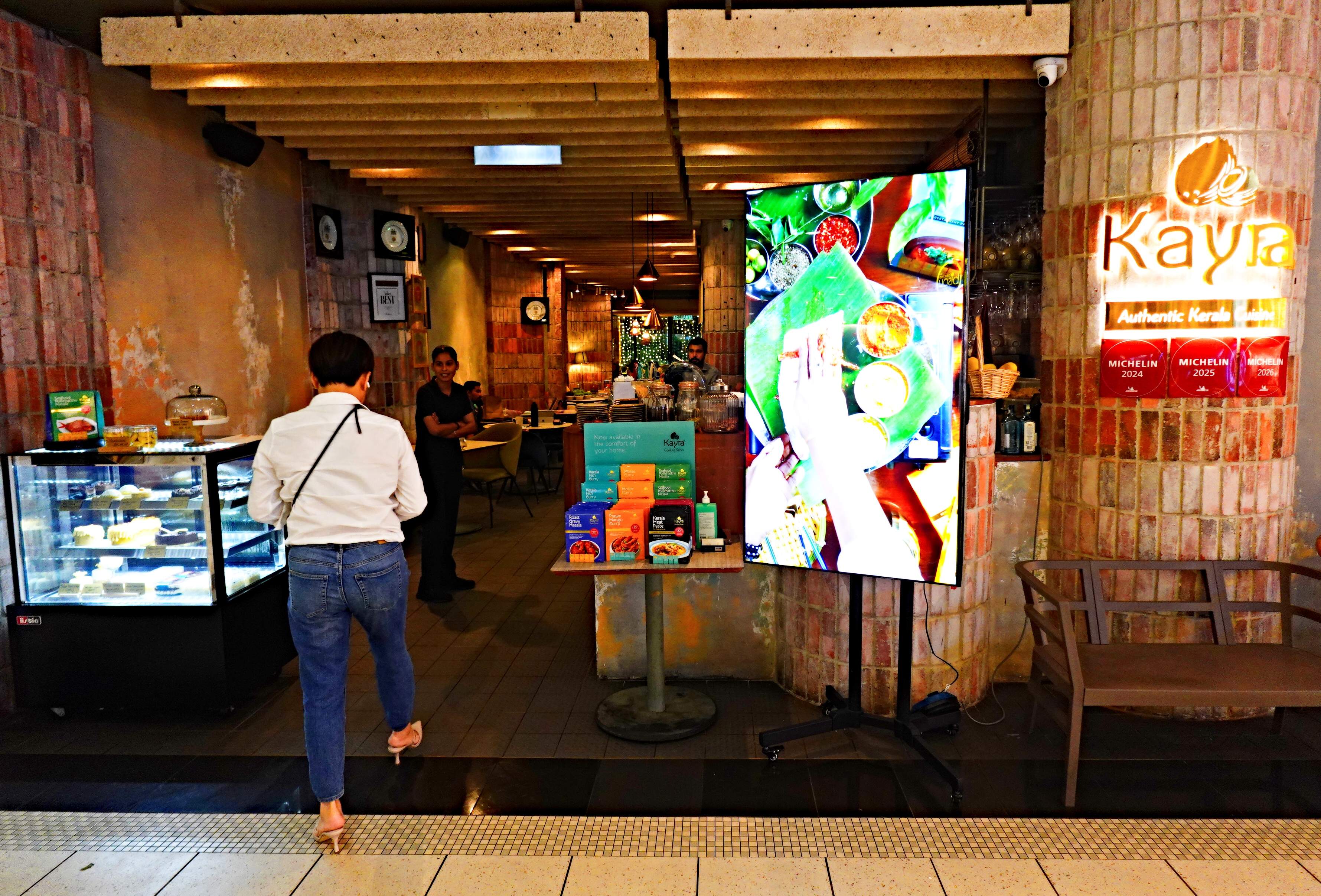
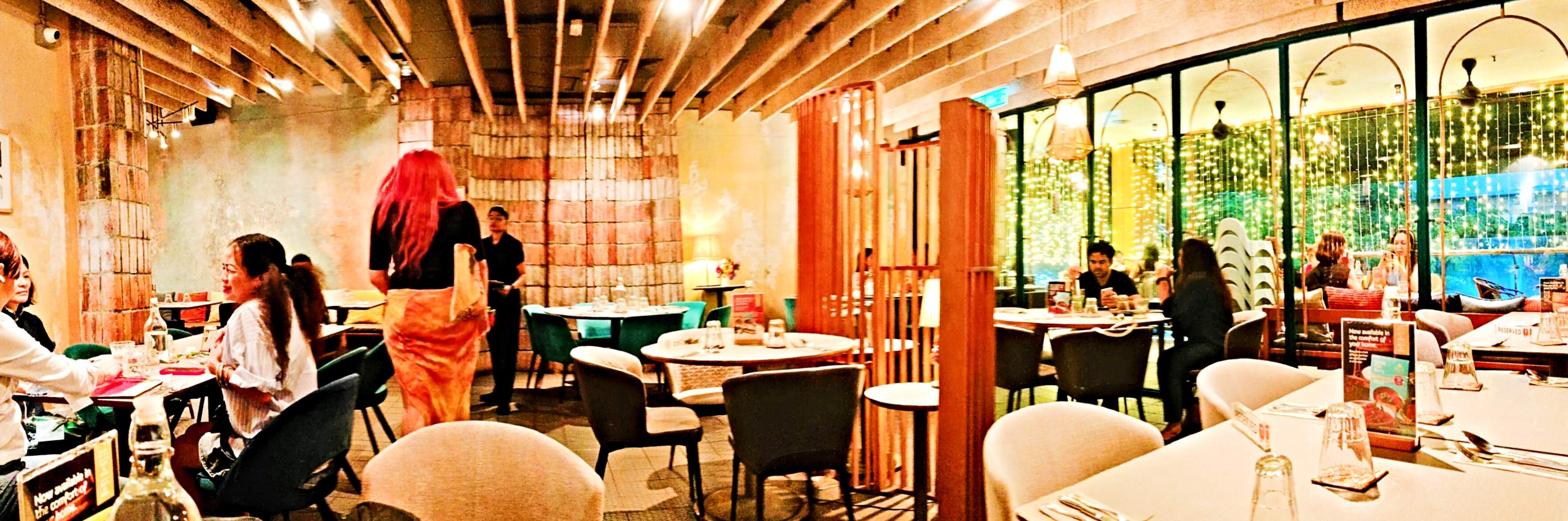
Back to Kayra for dinner this evening. They’d moved from their original location in Taman Tun Dr Ismail to Bangsar Village 1 in August 2019, taking over the location which was once occupied by London-Cantonese stalwart, Village Duck.
Now in the MICHELIN Select list, Kayra has become the standard-bearer of sorts for Keralan cuisine in KL’s strongly Tamil-influenced Indian culinary world.
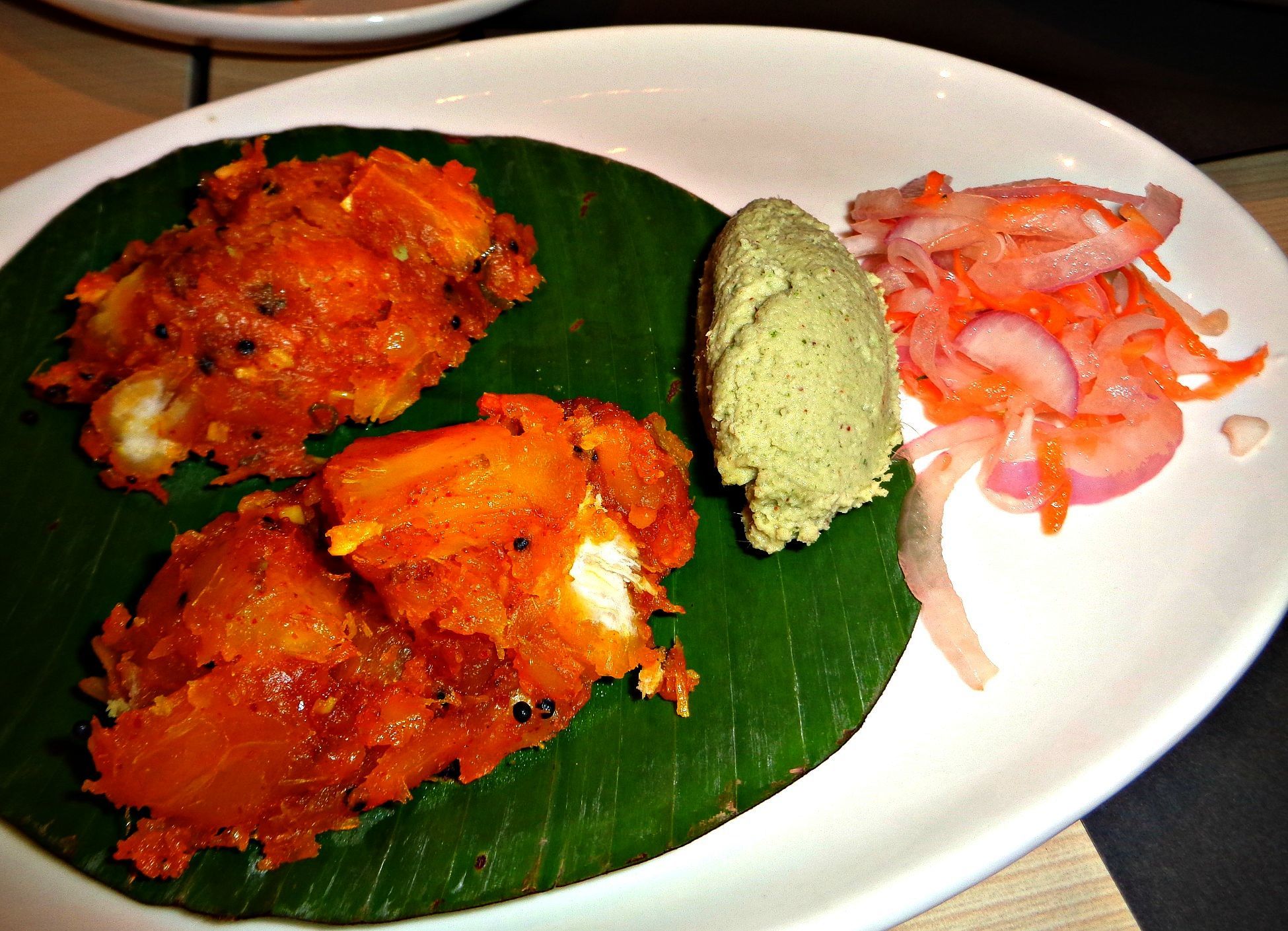
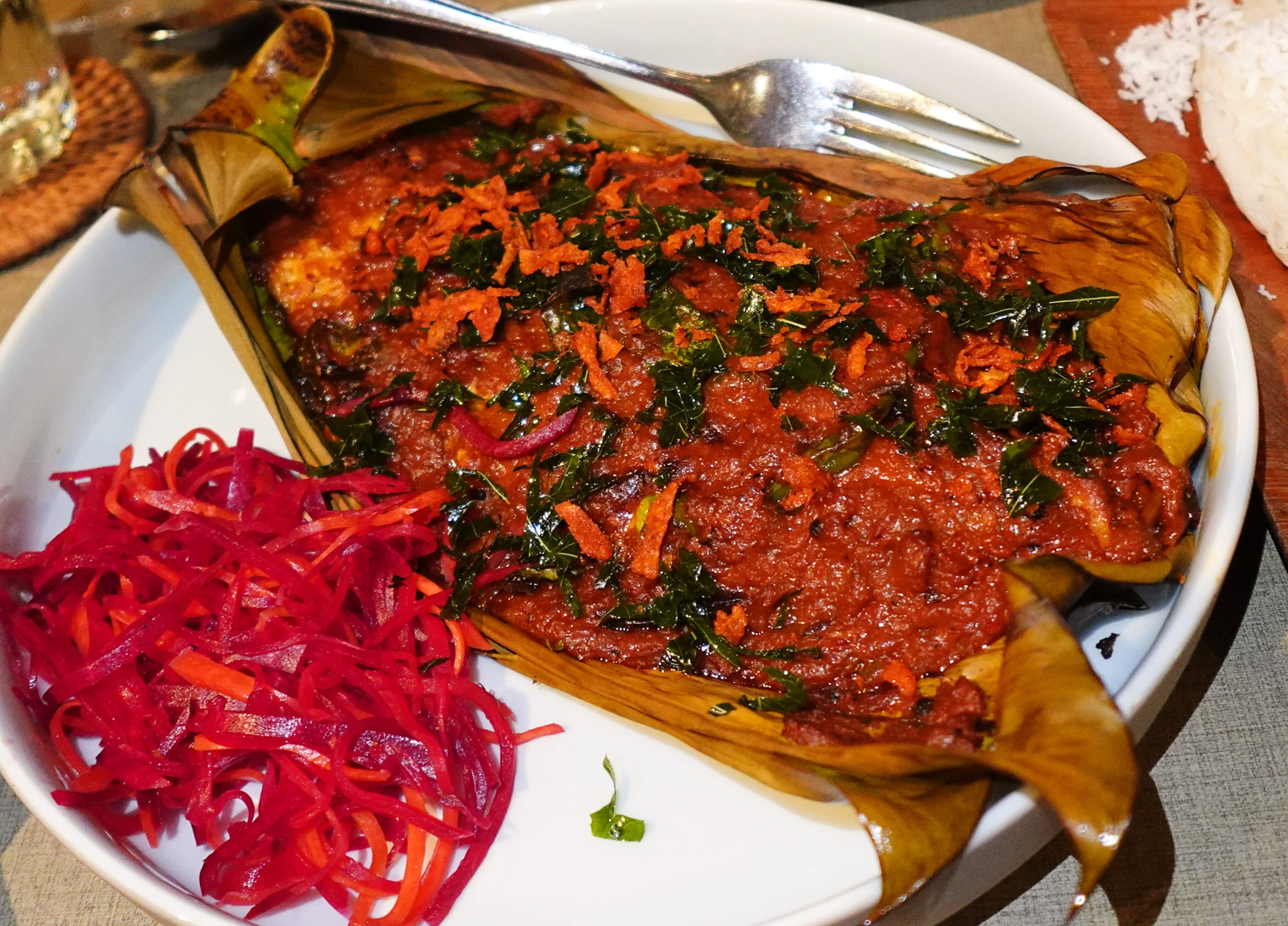
Kayra’s Meen Pollichathu is still its house special, and a must-not-miss. We ordered the one with seabass (there are also golden pomfret and snapper versions), marinated in a spice paste consisting of shallots, tomato, kokum and chili-masala.
The version here was well-executed: wrapped in banana leaves and grilled over open flames, the fish-meat was fresh and moist, whilst the spice-marinade was well-seasoned and aromatic.
Kerala Dahi Puri - Malaysians and Singaporeans grew up with Tamil and other South Indians amongst us for the last 2 centuries, and we are very familiar with South Indian cuisine. But, we had never come across Mumbai-style chaat, including pani puri/golgappa and dahi puri until sometime around 2005 onwards, when the (Northern) Indian diaspora came in large numbers.
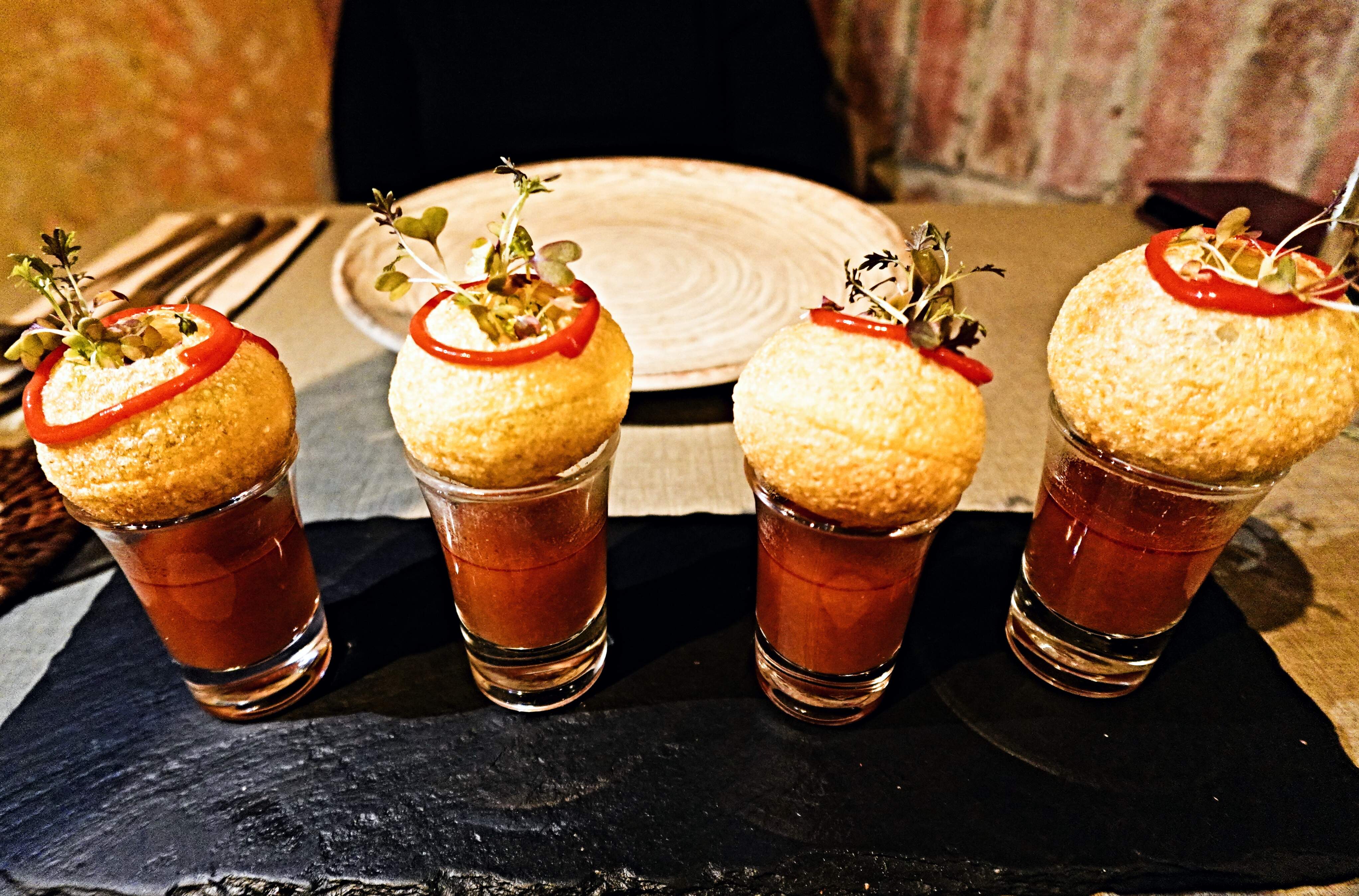
Today, it’s unthinkable for any respectable Indian restaurant here not to have a form of pani puri on their menu. The rendition in Kayra is called “Kerala Dah Puri”, a house creation, doubtless. Here, the crisp pastry globes are filled with spiced, chopped tapioca, and served with lightly-spiced tamarind shots.
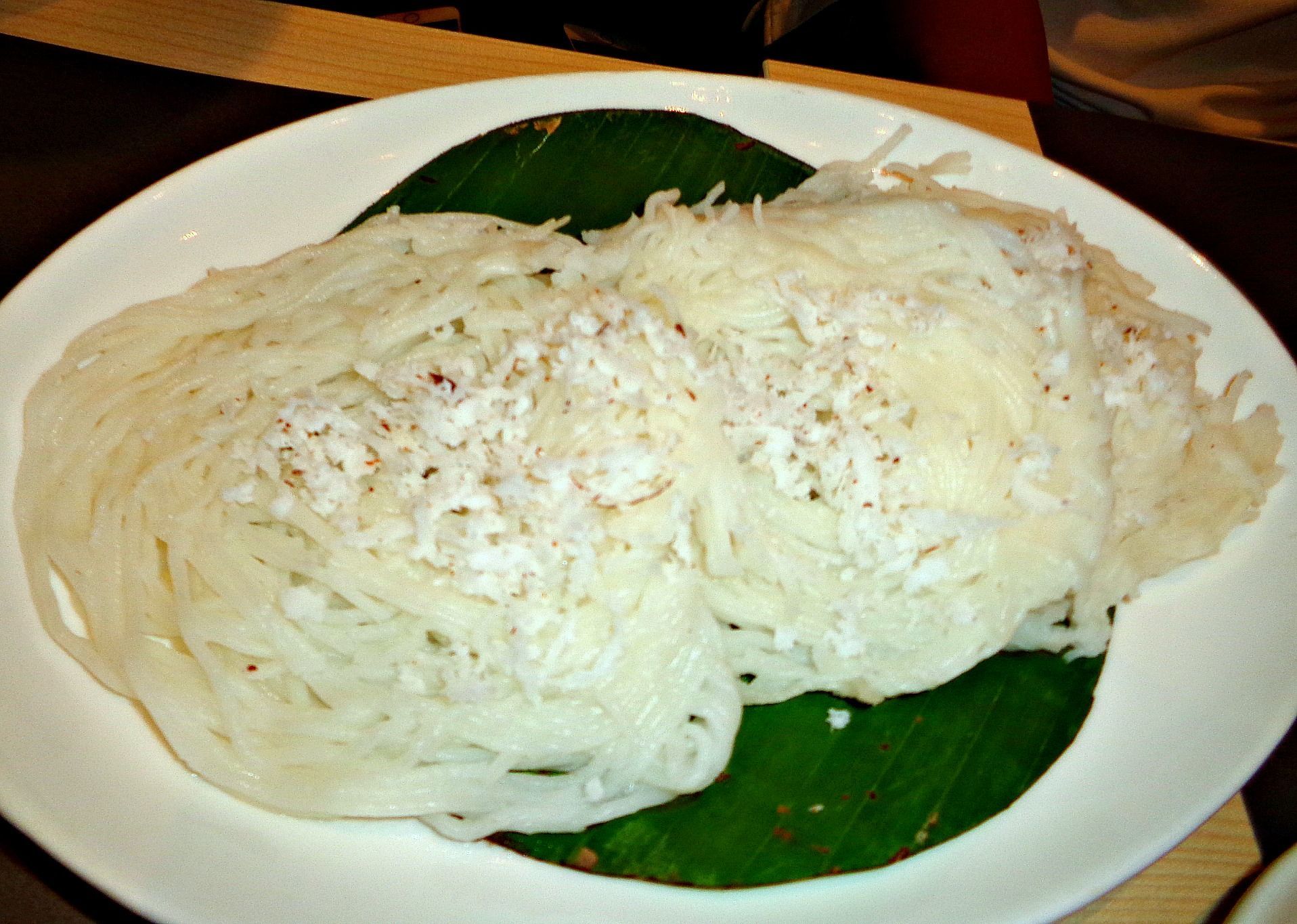
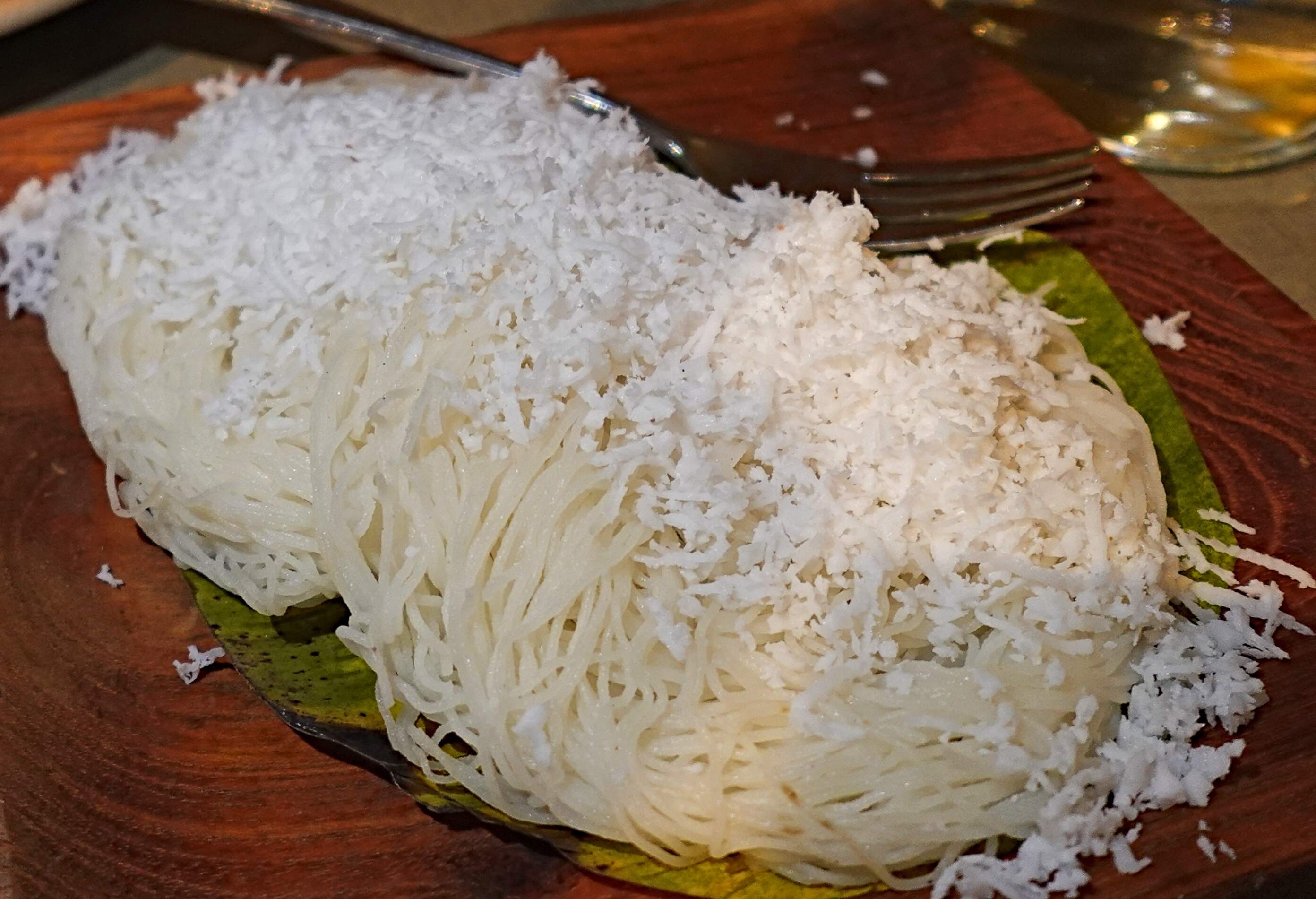
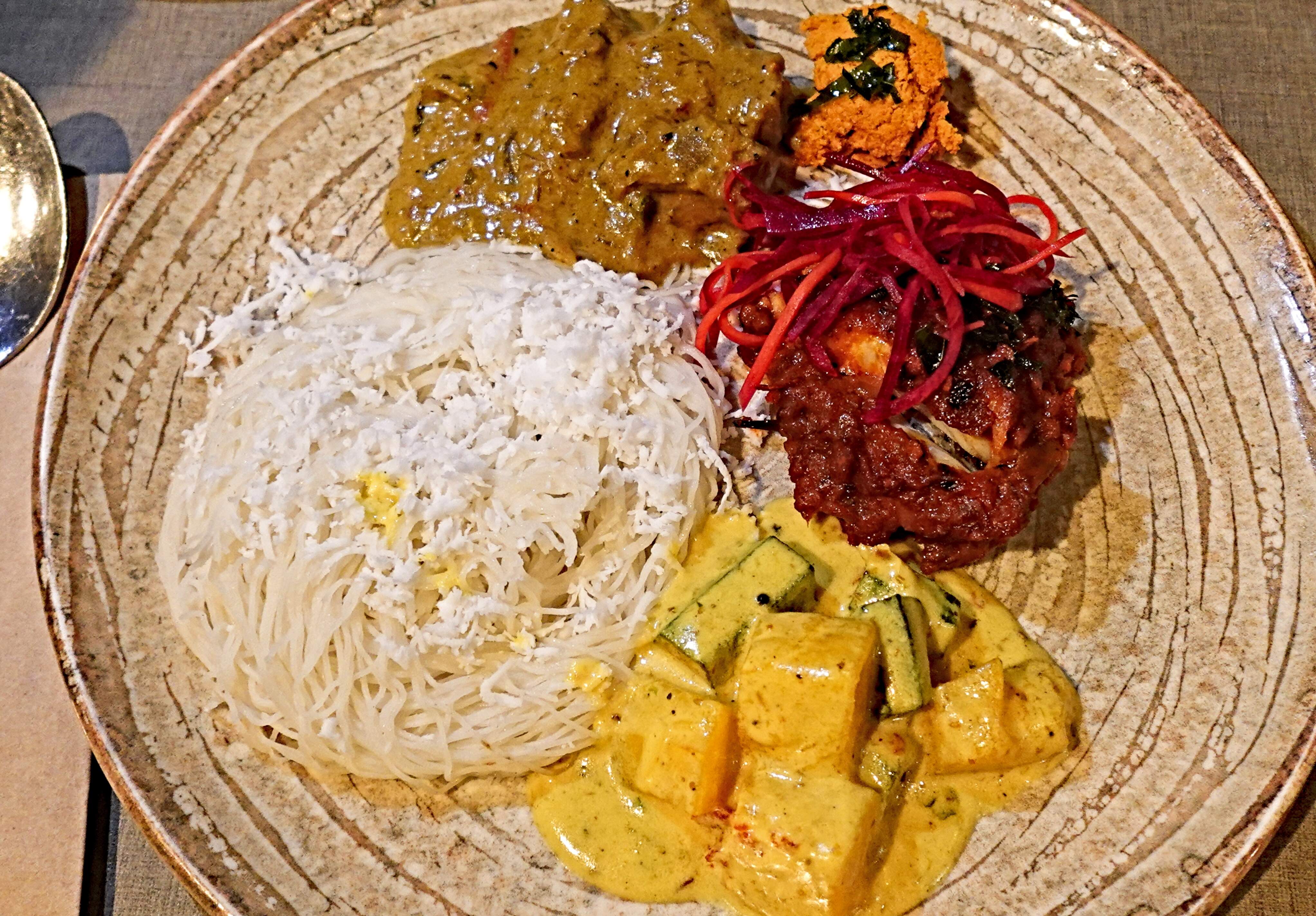
Idiyappam (String Hoppers) - steamed rice vermicelli topped with fresh, grated coconut - the perfect accompaniment to soak up the gravies in the curried dishes and stews.
Egg Appam, with Sambol - this was my fave food item in Sri Lanka, and we’d come across nice ones during our 20-day sojourn in Kerala back in Dec 2024.
The ones we had here were, unfortunately, a tad overcooked.
Address
Kayra
F-8, First Floor, Bangsar Village 1, Jalan Telawi 1, 59100 Kuala Lumpur, Malaysia
Tel: +6017-215 7382
Opening hours: 11.30am to 10pm daily
Nice reviews and photos. I’m from Kerala originally and it’s fun to see our cuisine becoming better known. But Kerala is definitely not the only Indian cuisine that utilizes coconut milk to cut heat and blend flavors. Coconut milk is used in almost all South Indian cooking—Malvani, Konkani, Andhra, Mangalorean, Bengali, Tamil, and even Goan. It’s just not used as much in the restaurant versions these cuisines, probably because coconut milk spoils easily, is hard to store in large quantities, and you can’t add it to masala mixtures in advance.
Yep, every region with a coastline uses coconut milk — from Maharashtra down the Konkan coast on the west, and back up the east coast all the way up to Bengal .
It’s interesting that they mention Kokum, because it’s not native to Kerala cuisine. I wonder if they are using Kudam puli but calling it Kokum on the menu.
Though neither of them would be ground into a masala as for polichathu — they’re steeped and simmered in sauces and curries (vs tamarind, which can be added as a paste to masalas for marination).
They’re definitely calling kudampuli kokum. I’ve even seen this mistake on English-language menus in Kerala. I think a lot of people think kokum is a general name for all plants in the Garcinia family and that kudampuli is a type of kokum.
They do look very similar, and are botanically related, so it’s not that much of a stretch I guess. Malabar tamarind is a more odd descriptor .
Having grown up with kokum in everyday use, I was surprised that folks who grew up in other regions had no idea what kokum was. And I similarly had no idea what kudampuli was until I started looking at Kerala recipes!
I guess it makes sense when you think about the vastness of the country and how narrowly regional ingredient usage and cuisine is (aside from some big cities).











 .
. .
.
