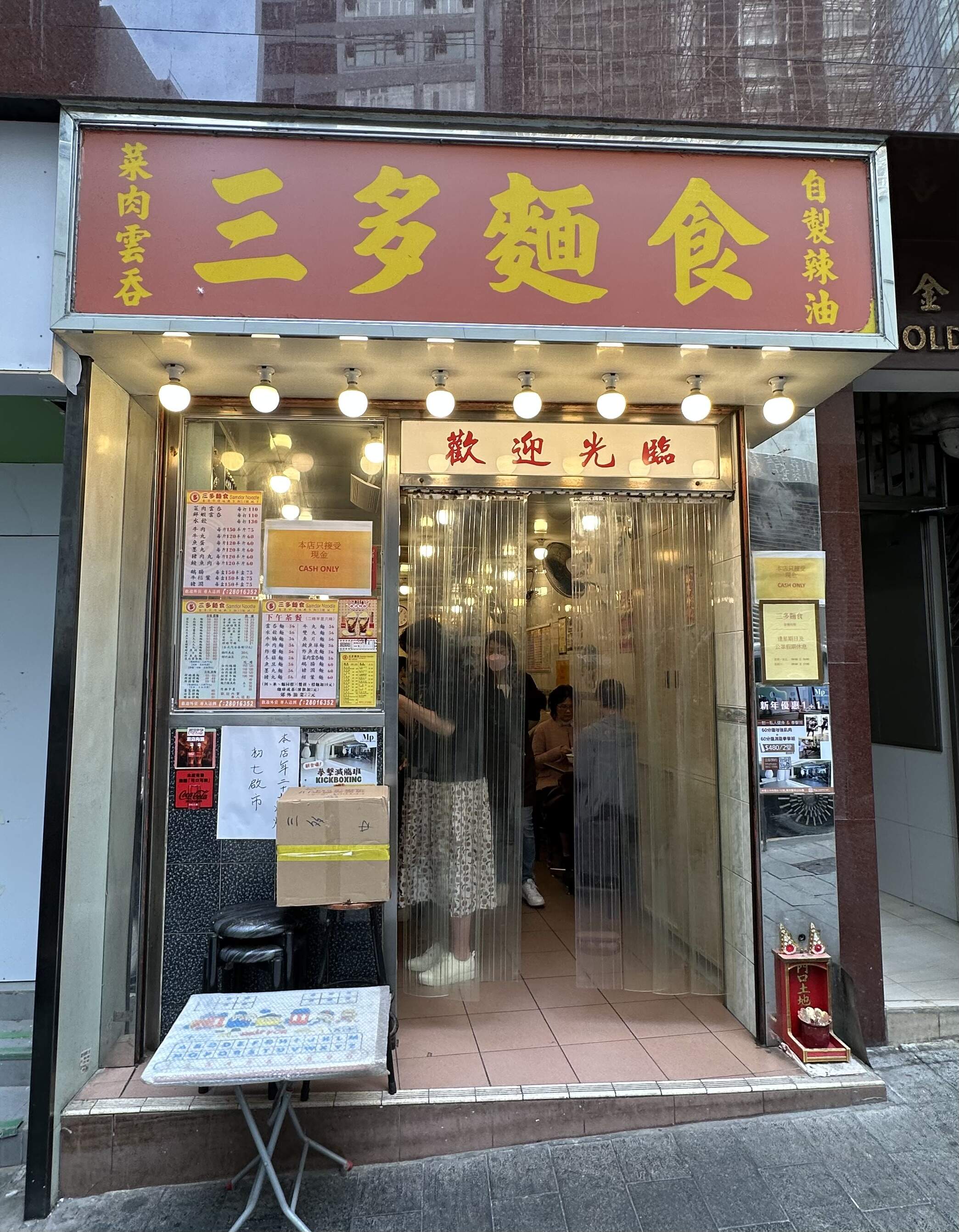
Back in Hong Kong for the final week of this first trip of 2026.
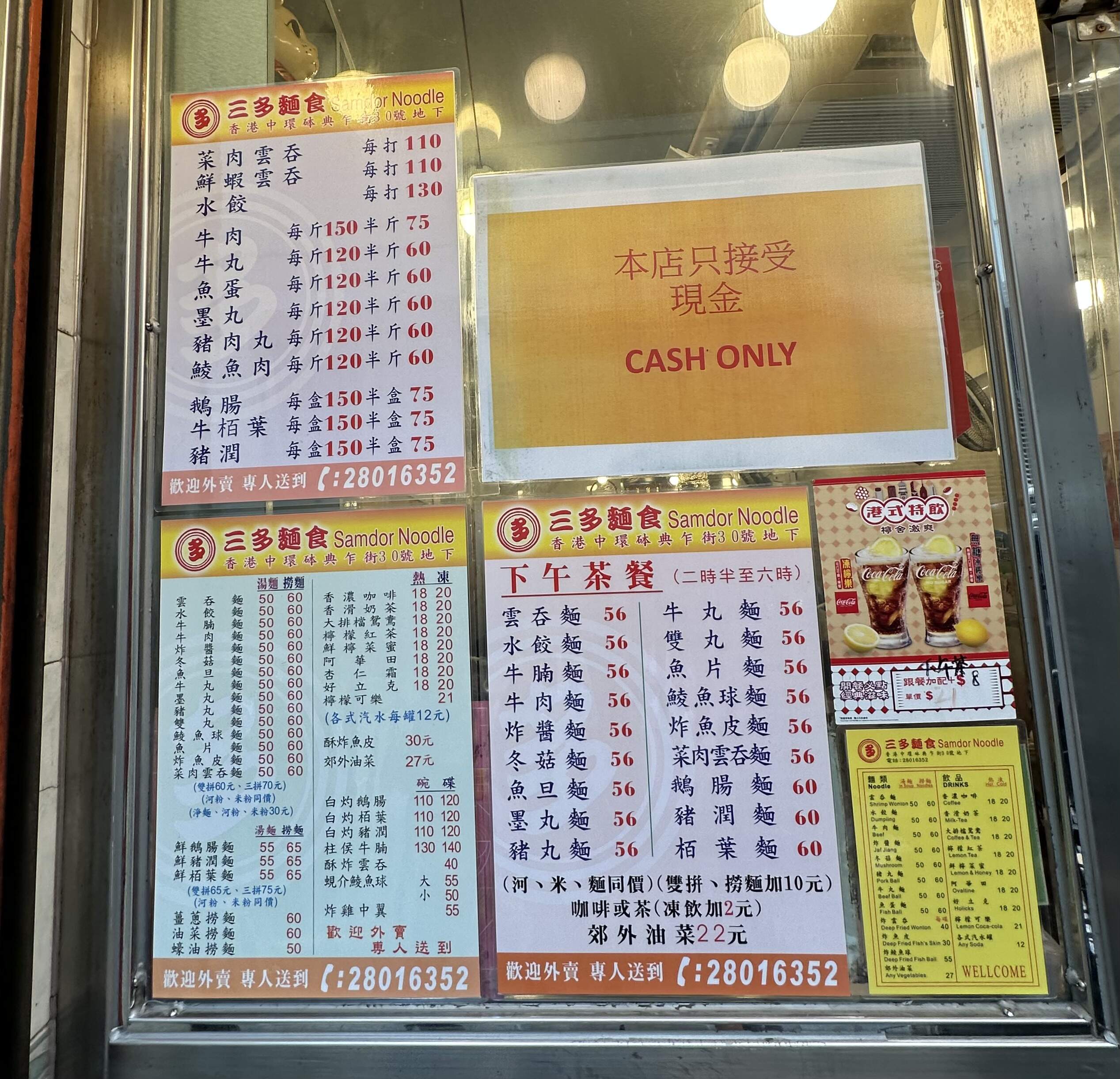
Takes more than just a few moments to readjust to prices outside of China Proper. Food in HK costs twice as much as in China, or at least seems to.
China continues to impress and amaze. The quality of food and service has vastly improved over the years, and dare I say, now SUPERCEDES Hong Kong in many aspects. . That said, it’s great to be back in HK and we will surely have a great stay and lotsa good eats.
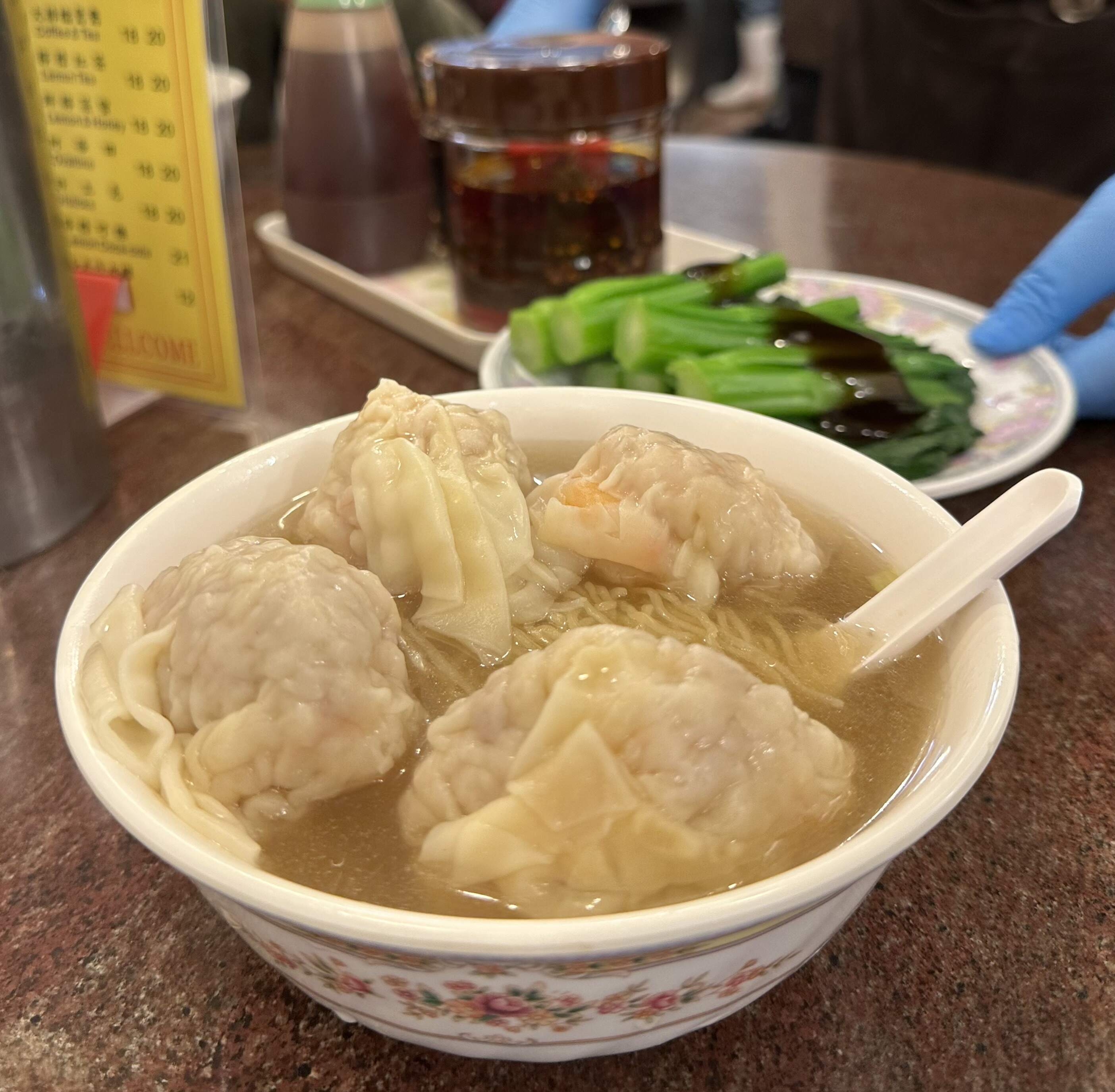
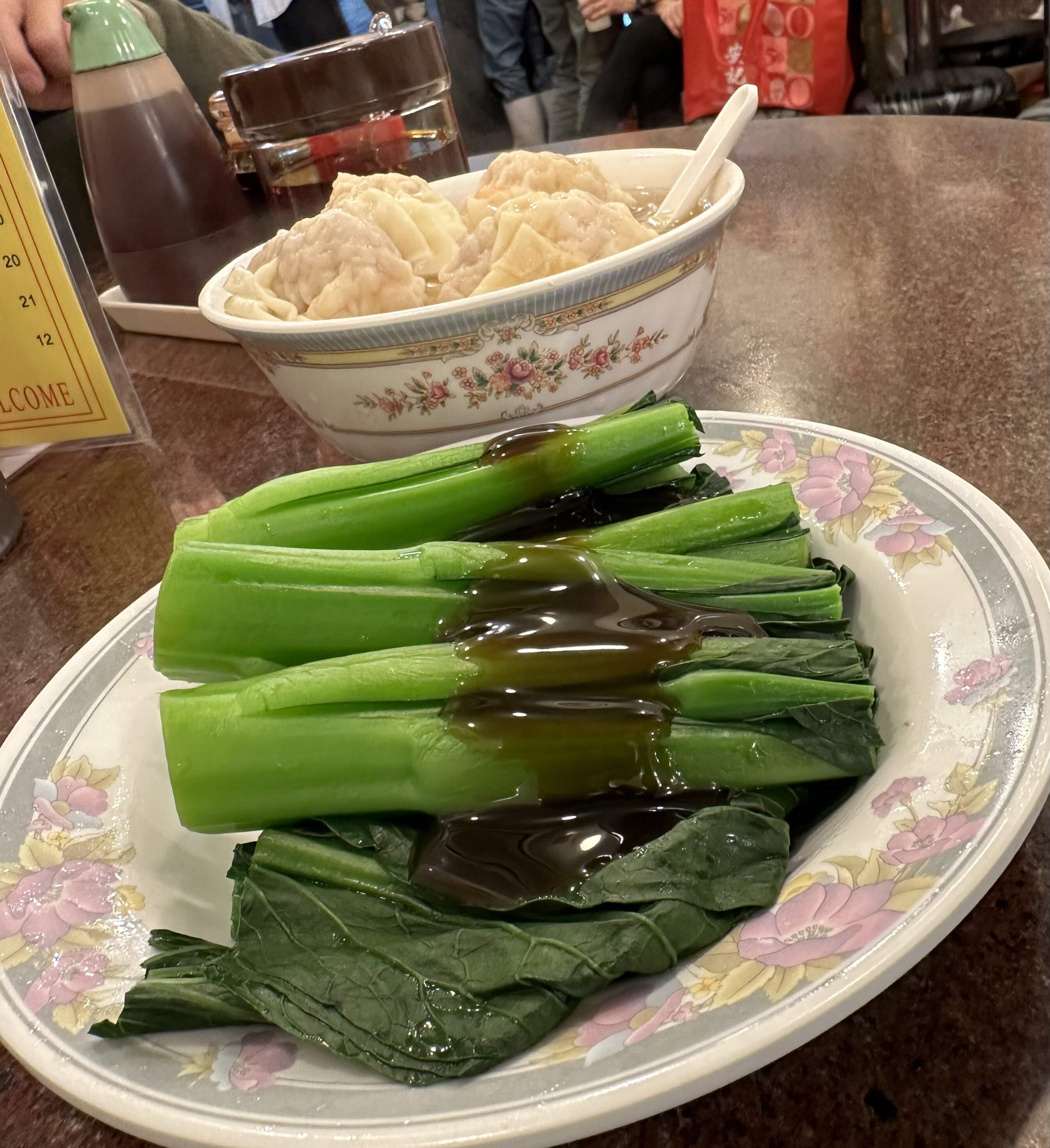
I may be (am) biased, but Hong Kong dishes out the BEST WON-TON MEIN. Anywhere.
Oh my, that is expensive. For much of my life, I used to regard HK as my “second home” of sorts, after Singapore, but that feeling has faded somewhat in recent years.
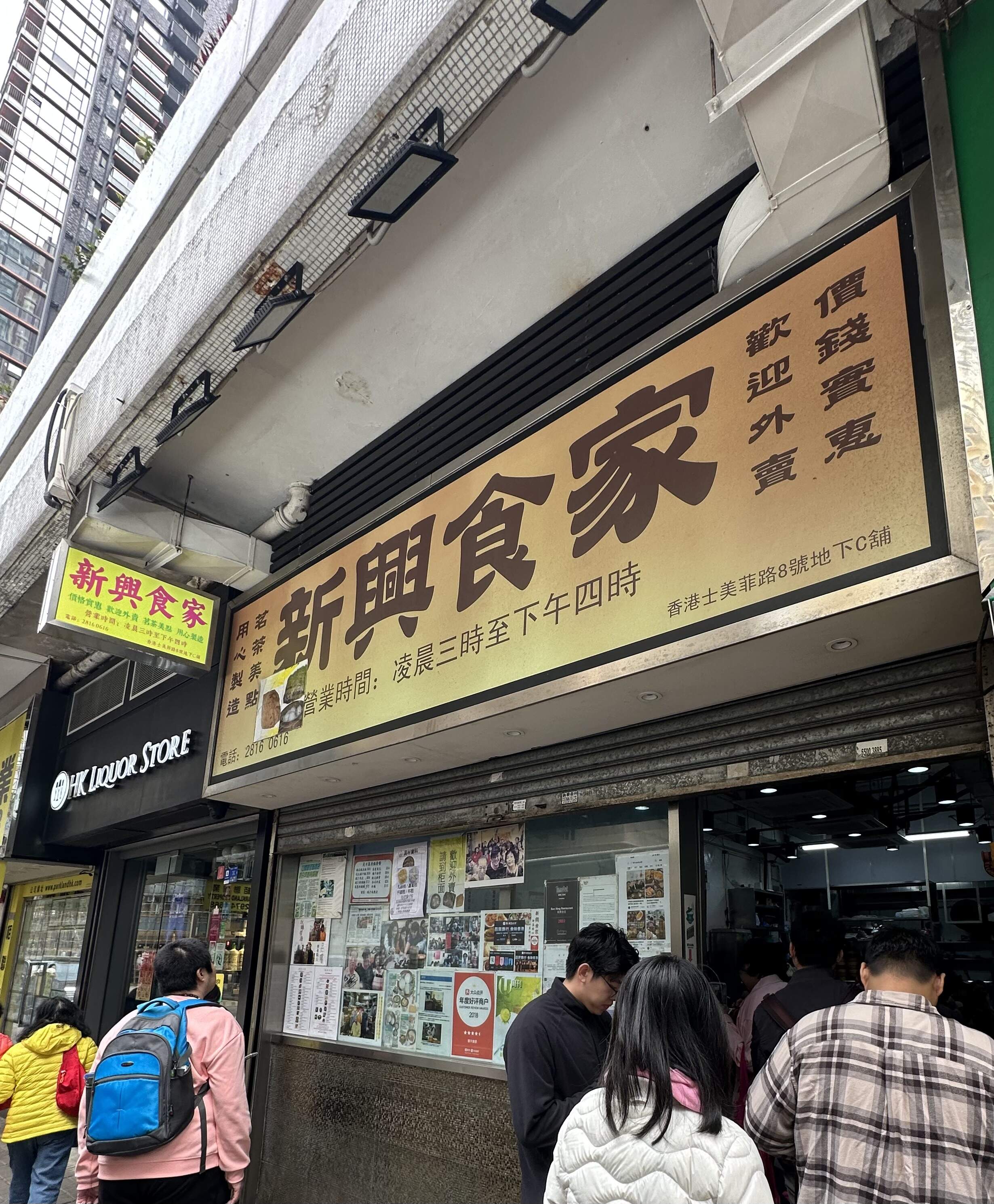
But if there is one place I want to check out on my next trip to HK, it has to be Sing Heung Yuen.
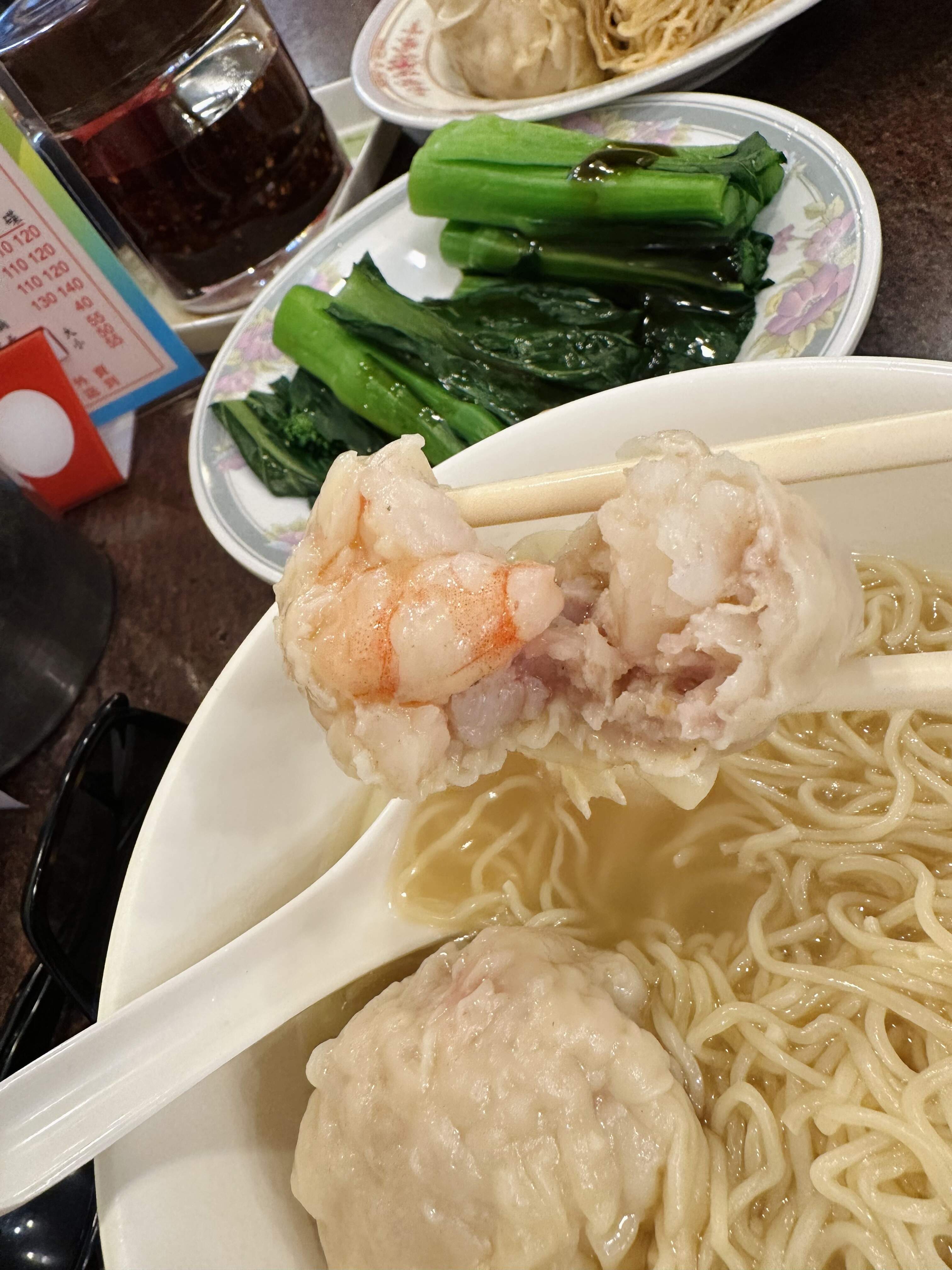
Haven’t tried this place but I have tried bigger than normal wontons in the past, even huge ones (in US), they might taste good, but they were not really wontons to me. I don’t know, I think right ratio of prawn, pork, skin and broth matters, I also like the remaining loose skin with the broth.
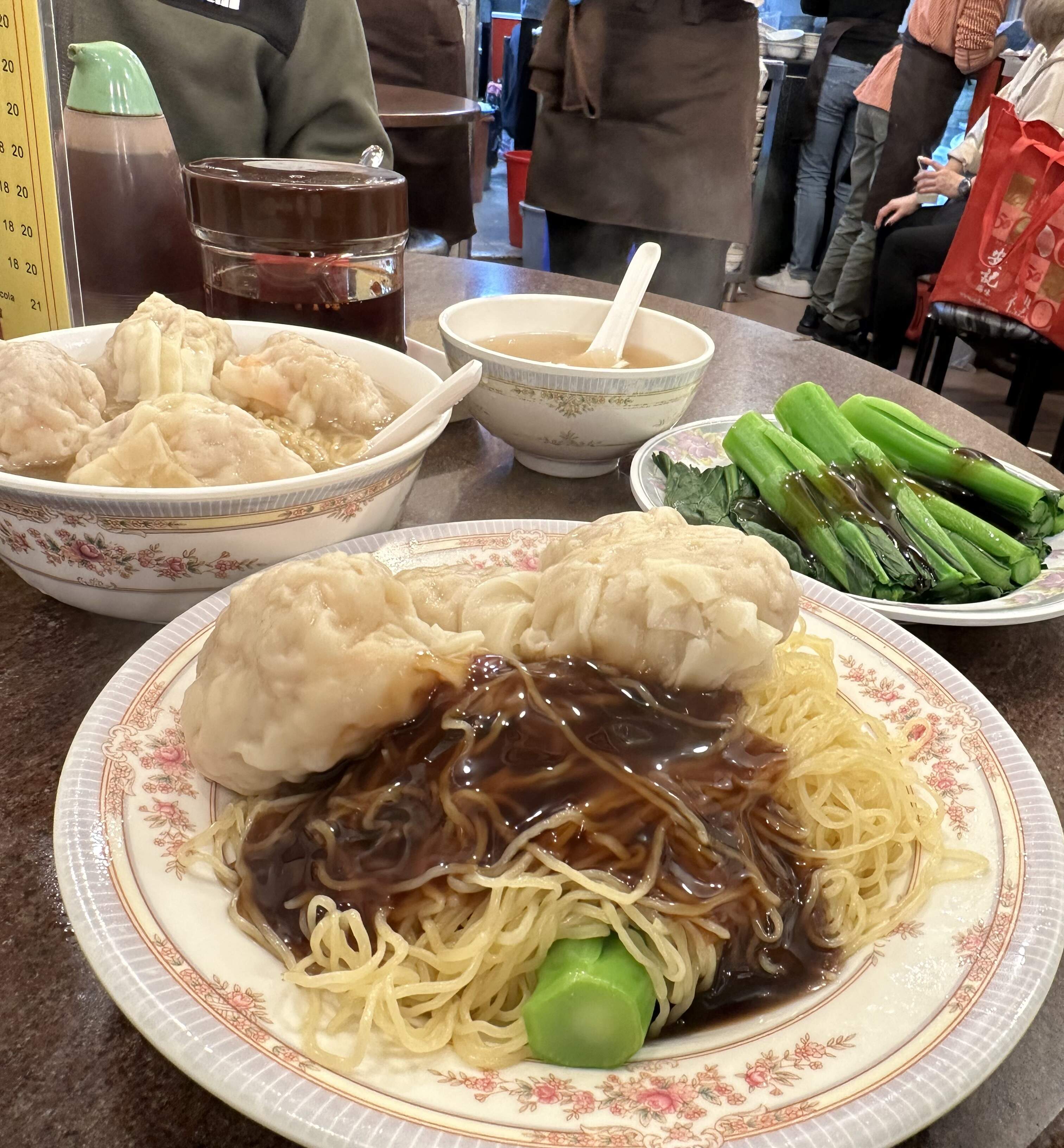
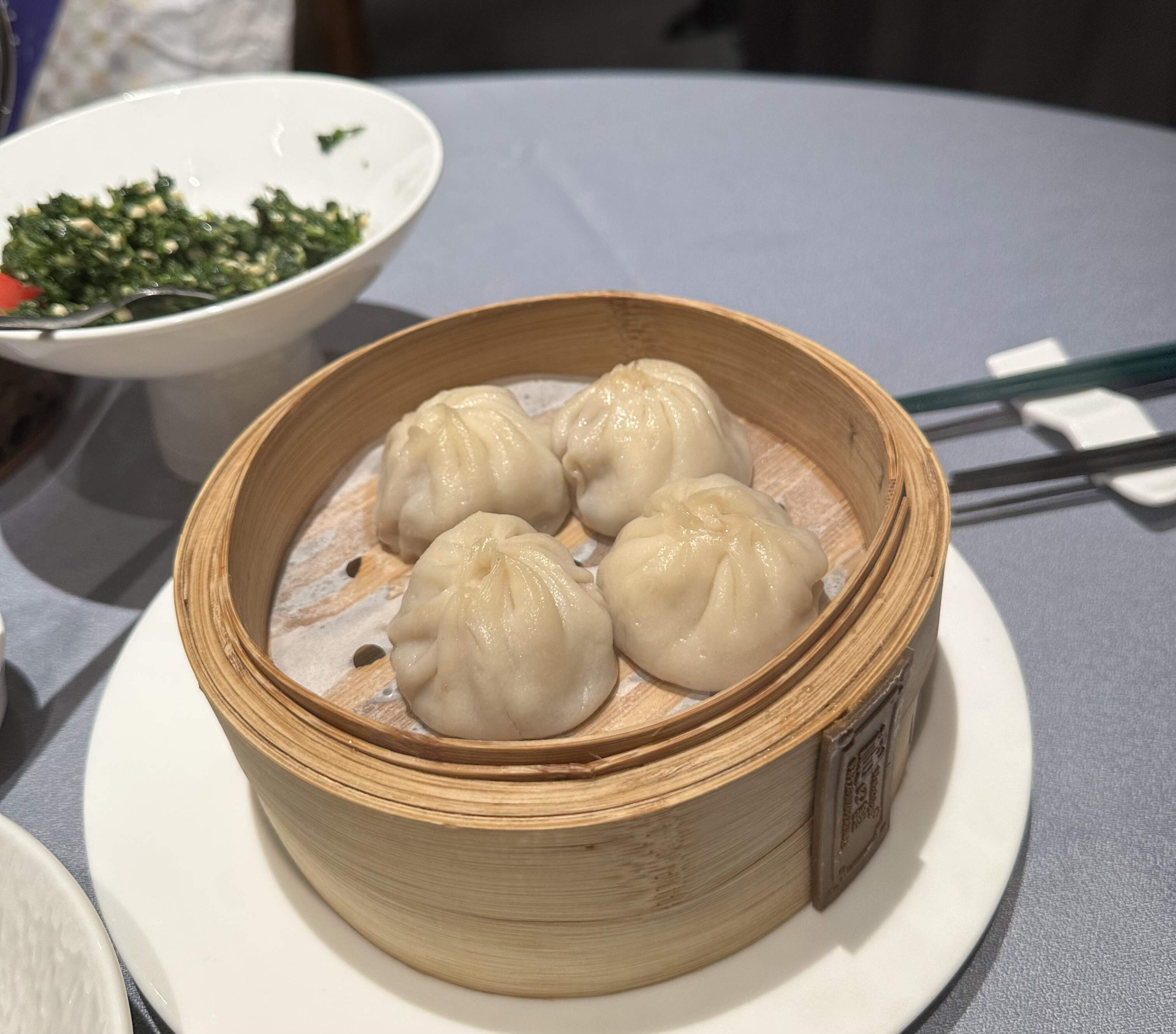
The regular HK one biters are just the right size for me. I did enjoy these larger ping pong size won-tons though. The shrimp was bouncy fresh and the package en total was very tasty.
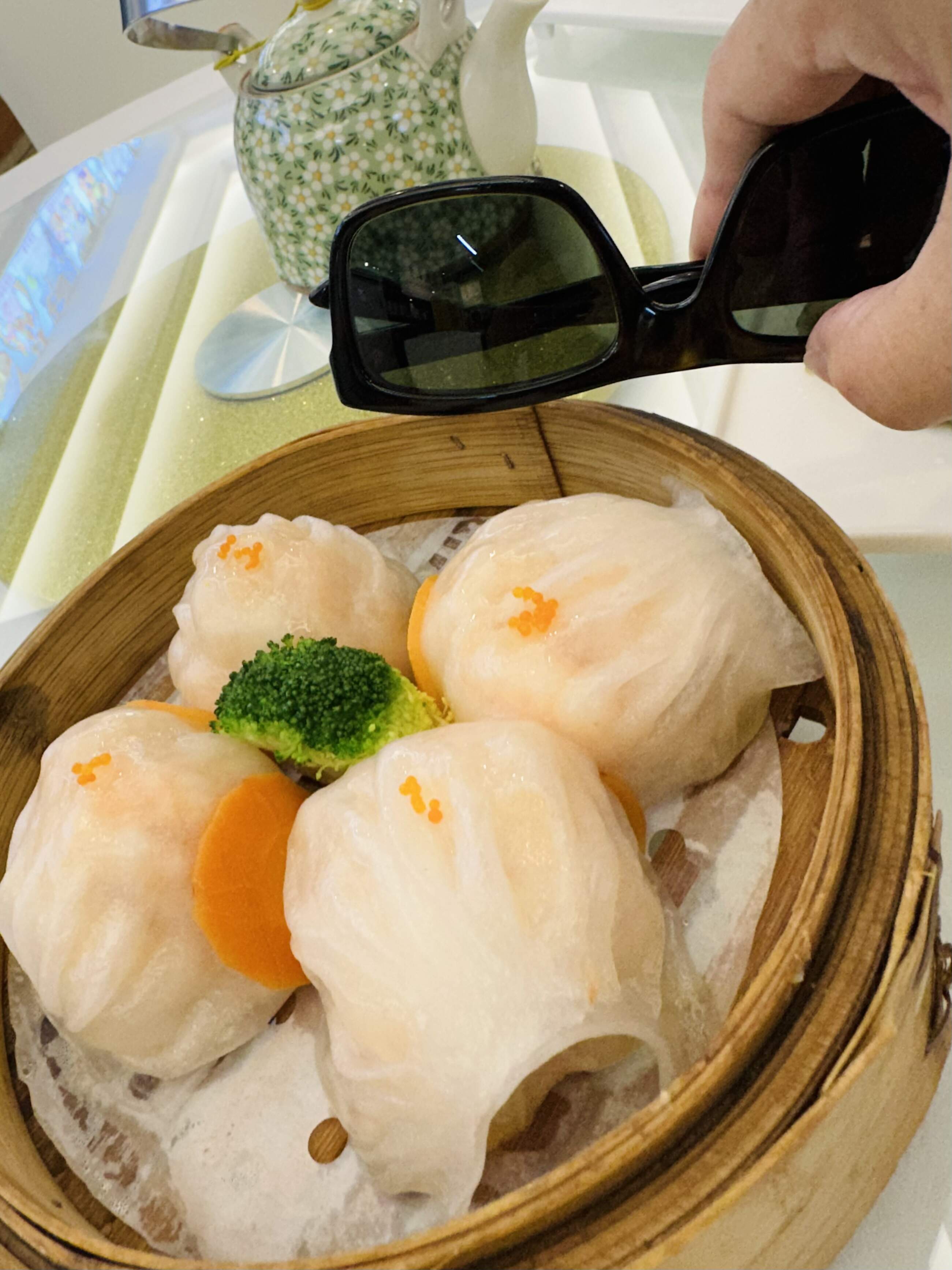
My wife still raves about the HUGE Ha Gow at a dim sum house in Zhuhai, another outsized dumpling. Also very delicious.
this was my conclusion after eating giant dumplings at maxi noodles in flushing but I’ve come to think of them as a whole new food category, I dunno maybe Dumplings Royale, and in the end, who can argue with more dumpling deliciousness?
Dinner with our Family Friends in Shatin is always warm and fulfilling. Our families have been close for generations, dating way back to our Great-grandfathers’ day back in our village in Hoi Ping.
A simple family style dinner this time. The captain suggested the 4 person dinner set for our party of 6, just right for our get-together.
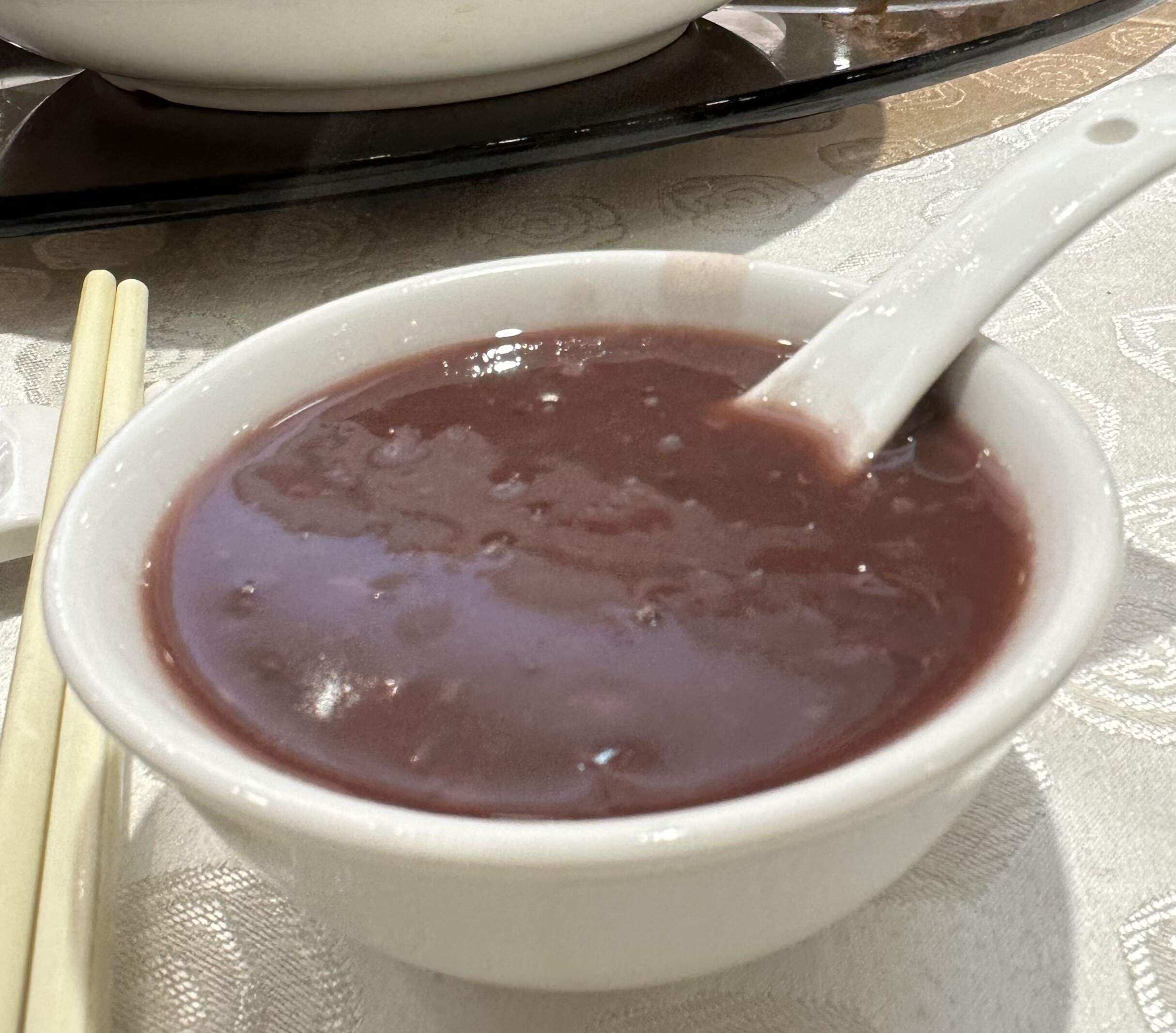
A home style Cantonese meal always starts with a soup. SILKY CHICKEN DOUBLE BOILED SOUP, for this meal.
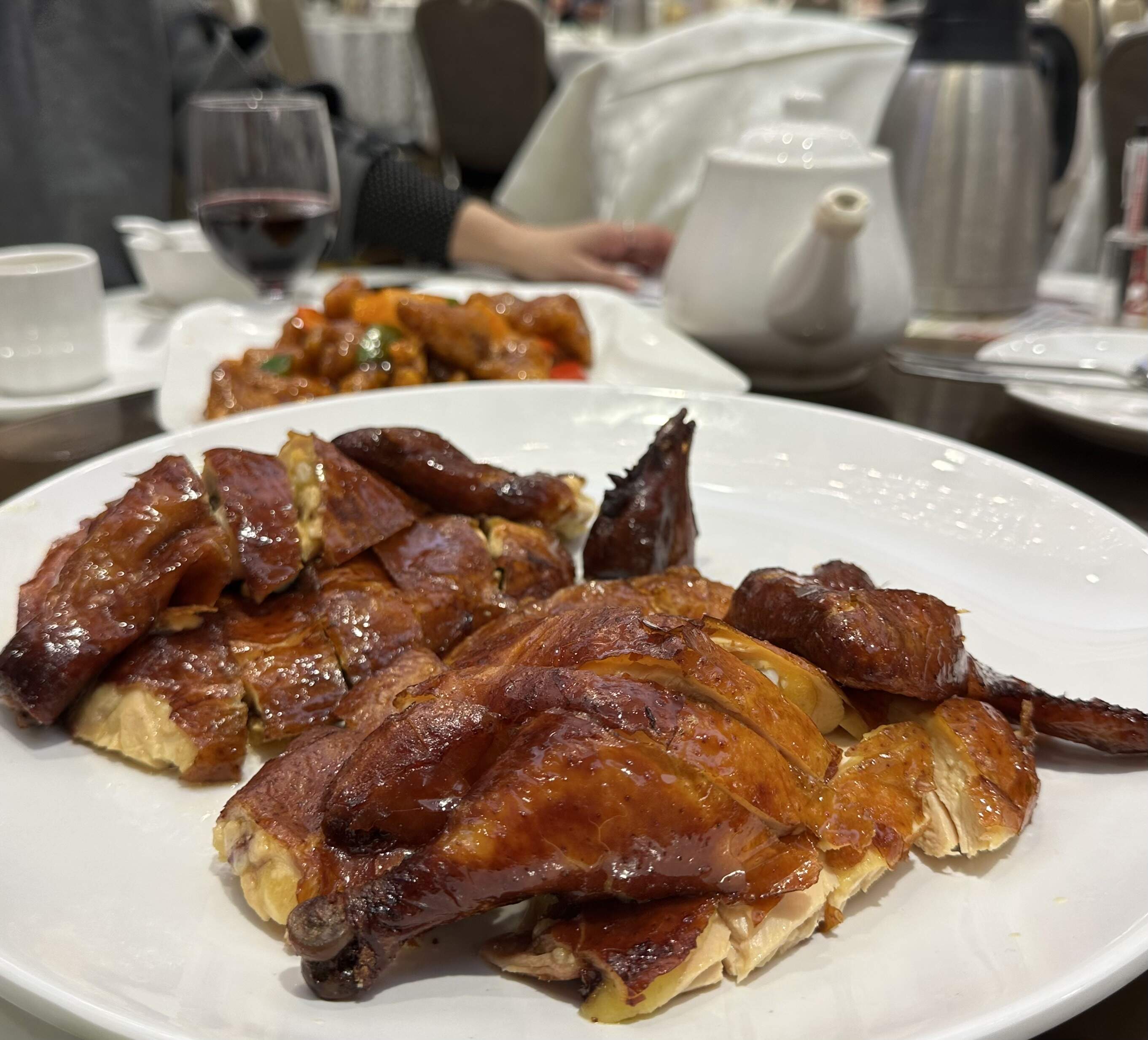
ROAST CHICKEN
Simple Yellow Feather Chicken. Non industrial chicken is so good. Tastes like CHICKEN!!
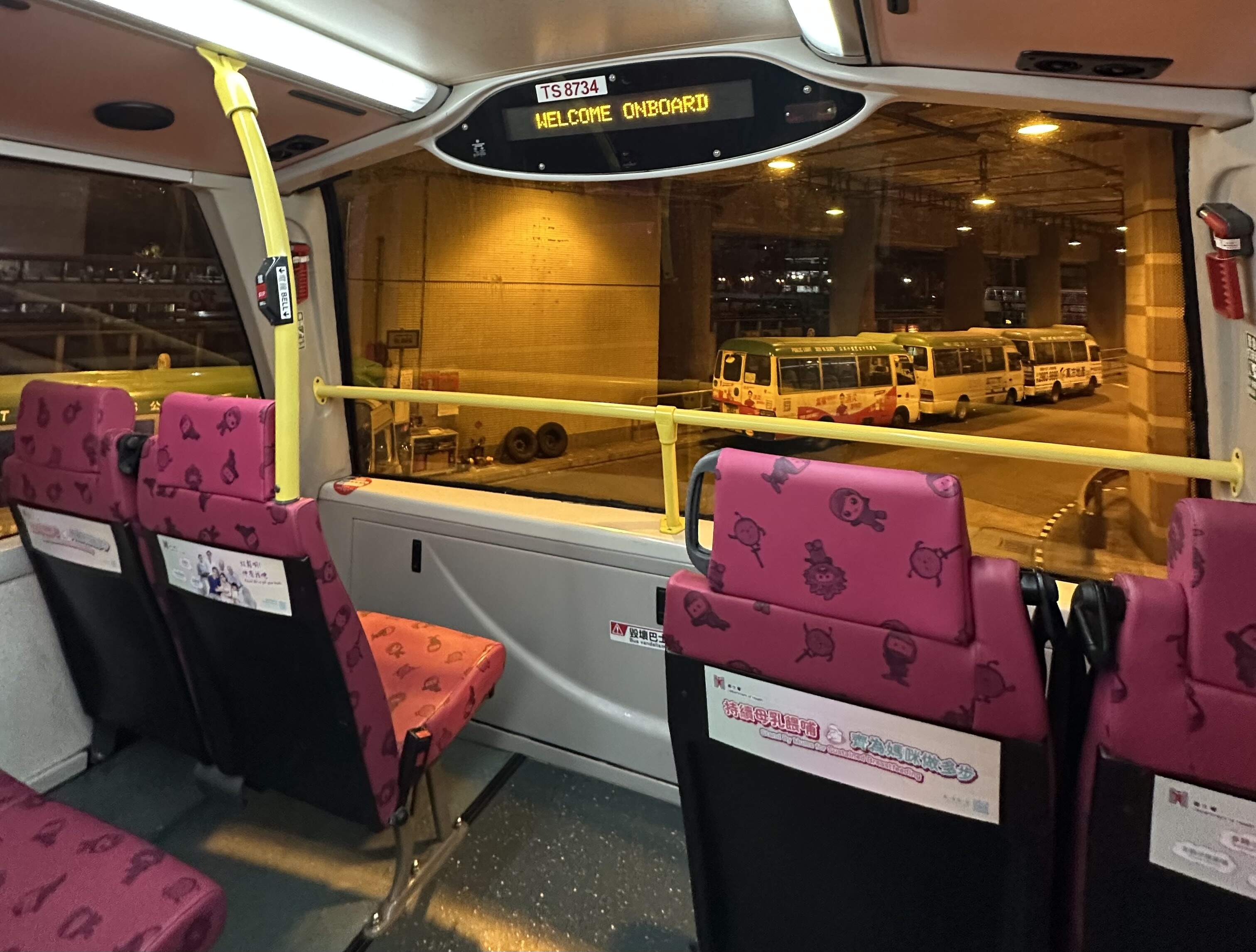
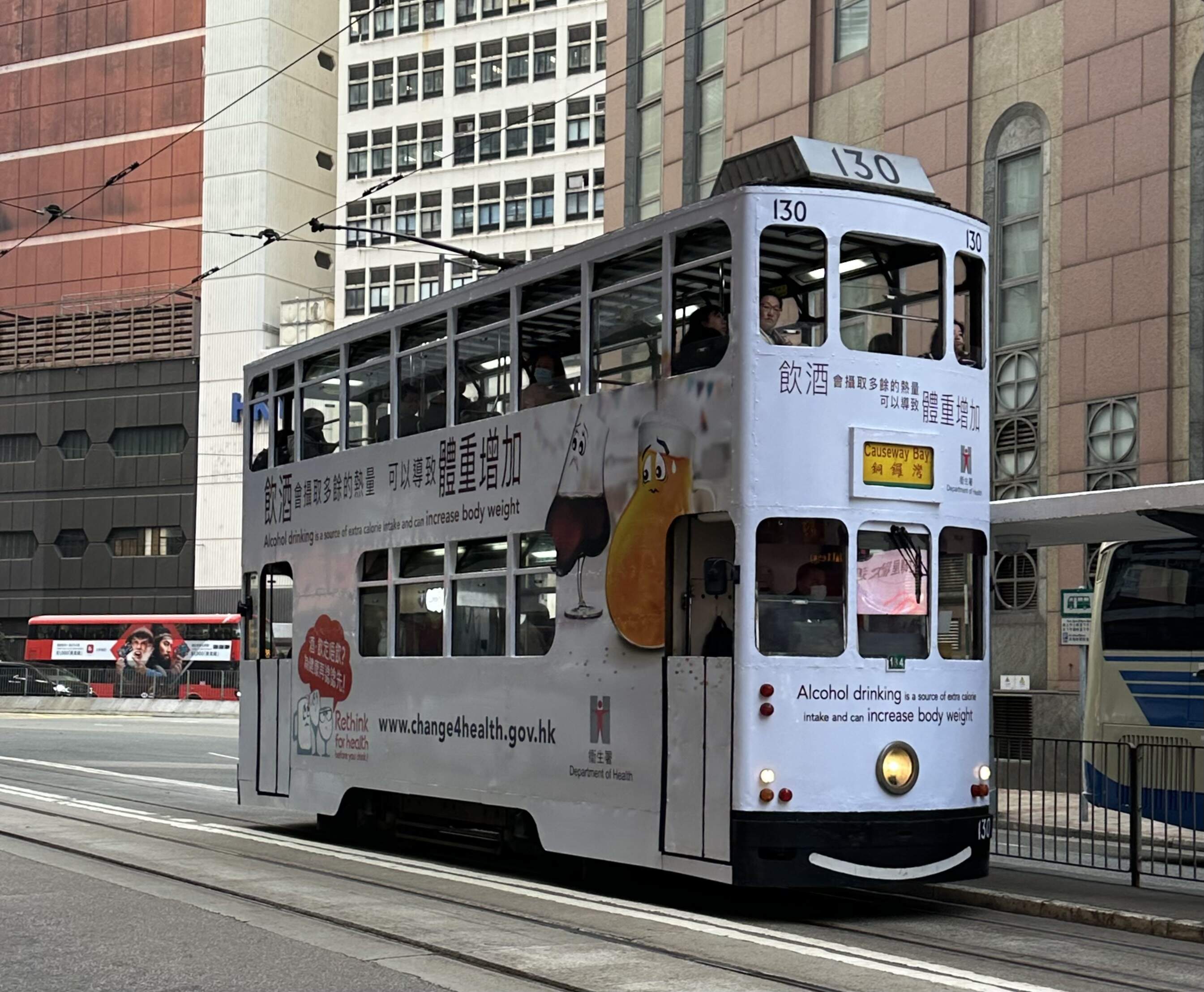
A well enjoyed evening for all. We scanned our Octopus Pass to our Double Decker#128, back to Wanchai with barely 2 minutes to spare. Even nabbed the FRONT SEATS on the TOP DECK.
I’m so glad to hear that - it seems to have gotten a second lease of life because of social media, and a rekindling of interest amongst diners for nostalgic, traditional places.
At one point, around 2000 thereabouts, we were genuinely worried that it might close shop - being the last of its kind in Central.
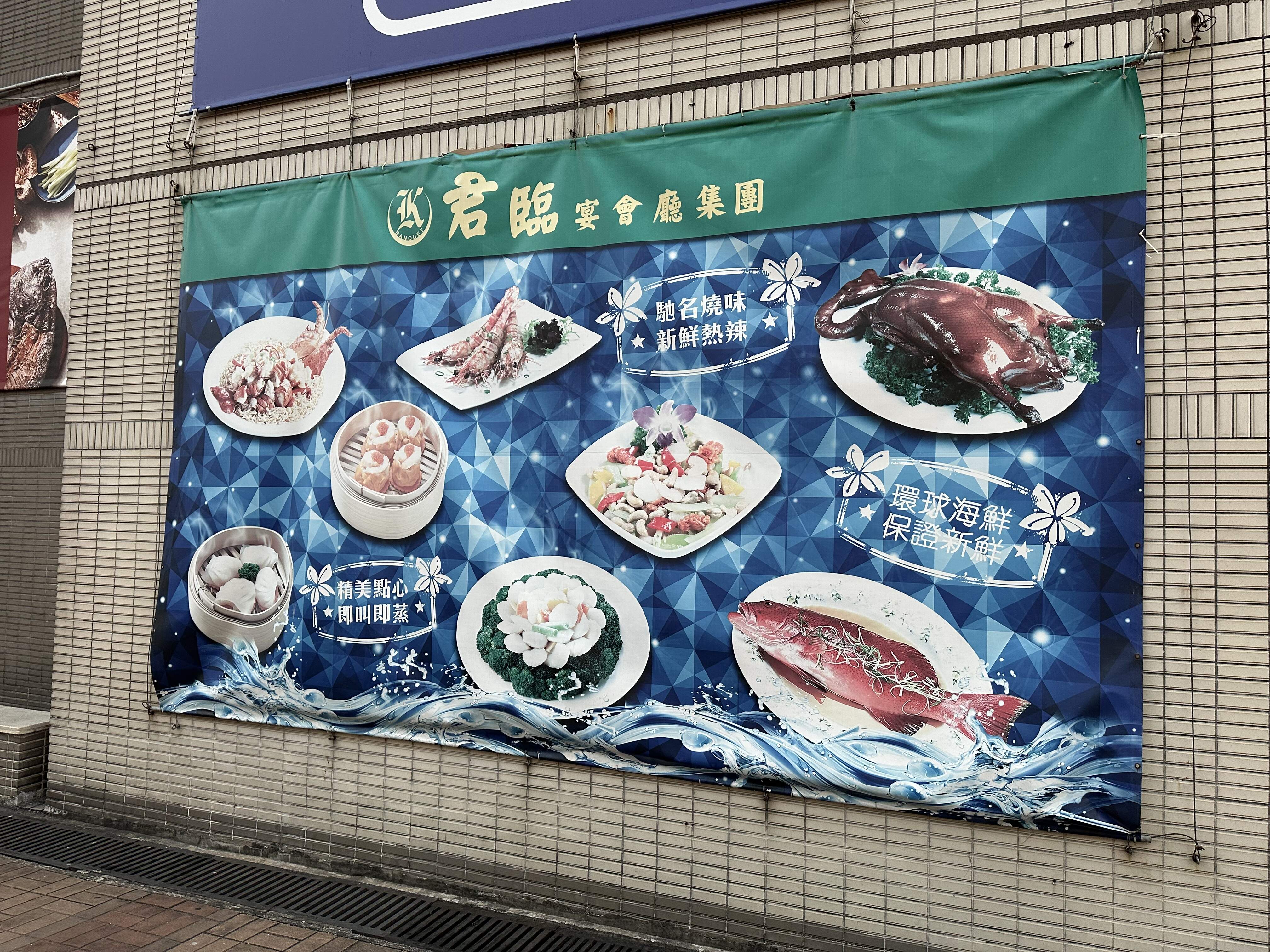
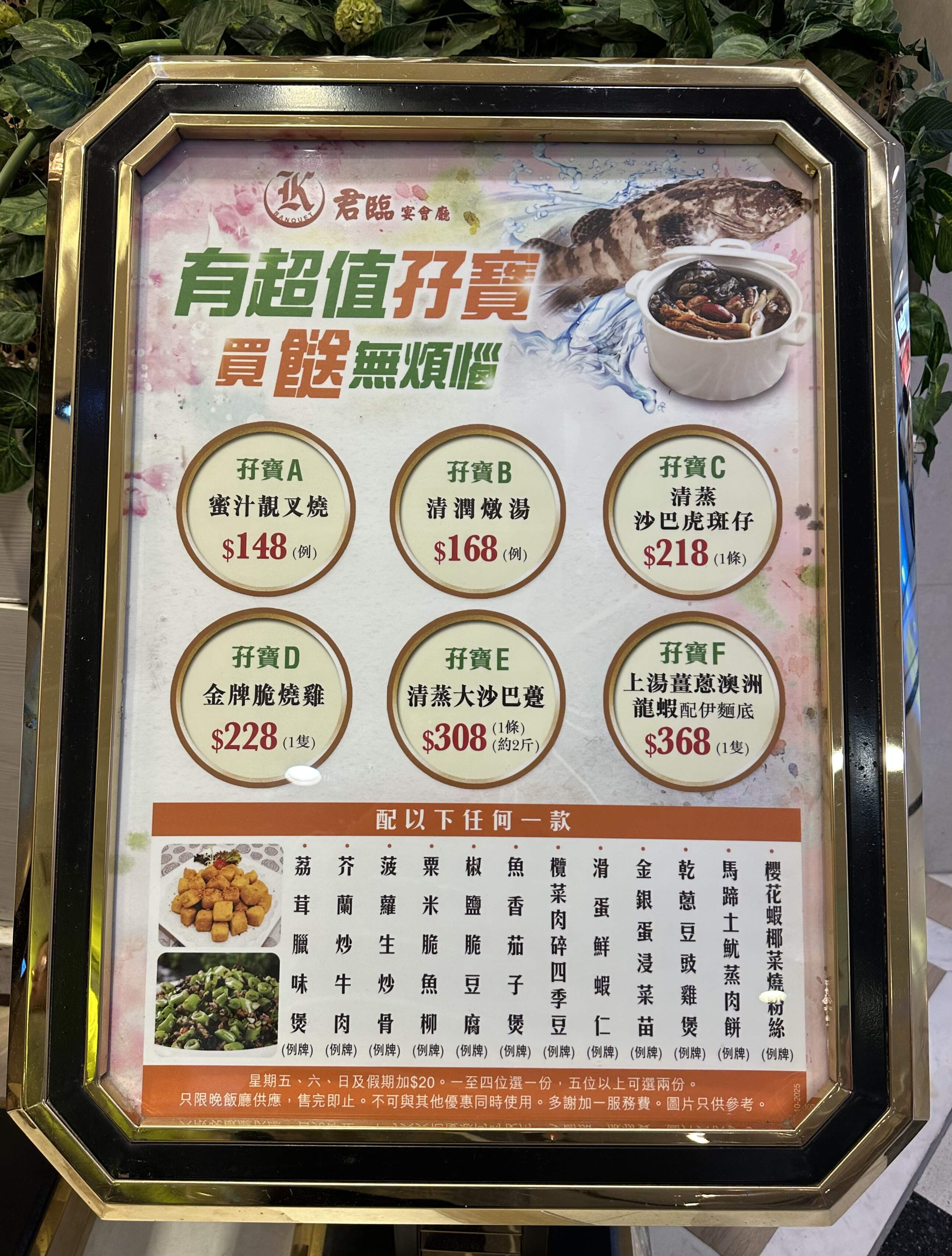
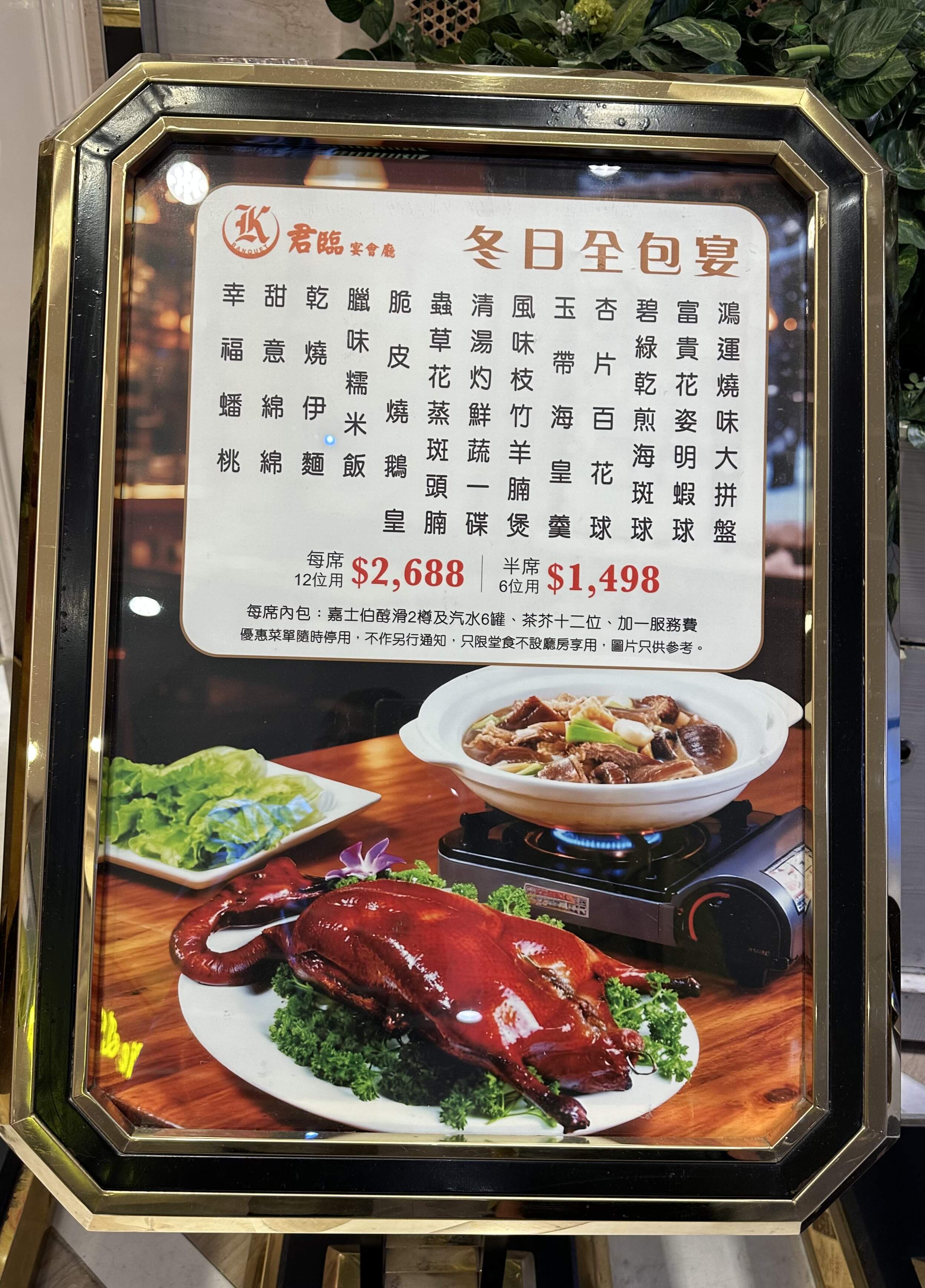
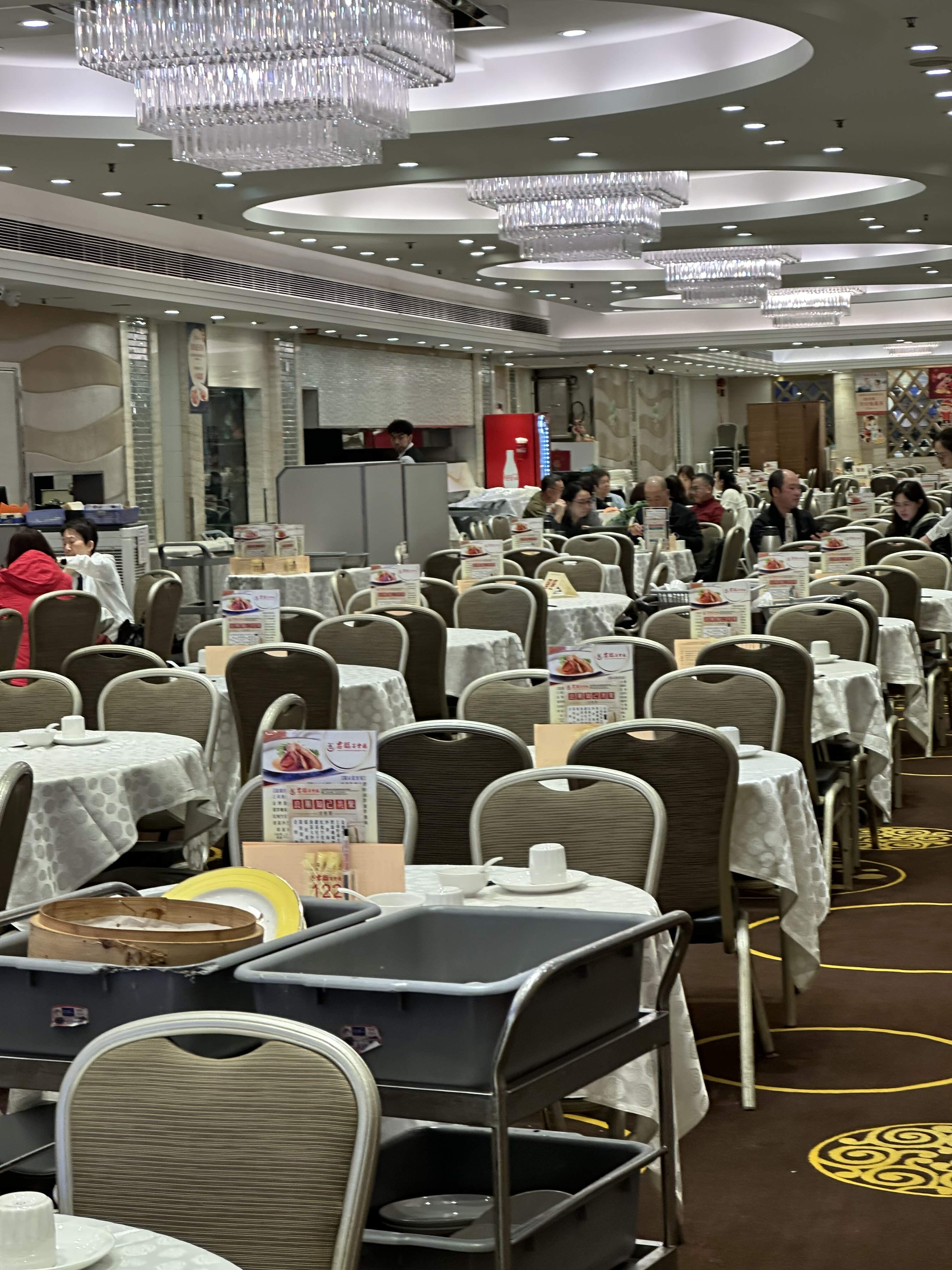
King’s Fortune Banquet Hall is a typical cavernous Hong Kong Dim Sum emporium. The restaurant has never been full the more than half dozen times we’ve been there in the evening.
I’m told they do a thriving business in the morning for Dim
Sum.
My wife LOVES the Hong Kong double deckers. Took the Ding Ding Tram down Hennessy Road to Kennedy Town. The view from the top deck as we Dinged by Central and other neighborhoods was well worth the HK$3 (usd$0.38).
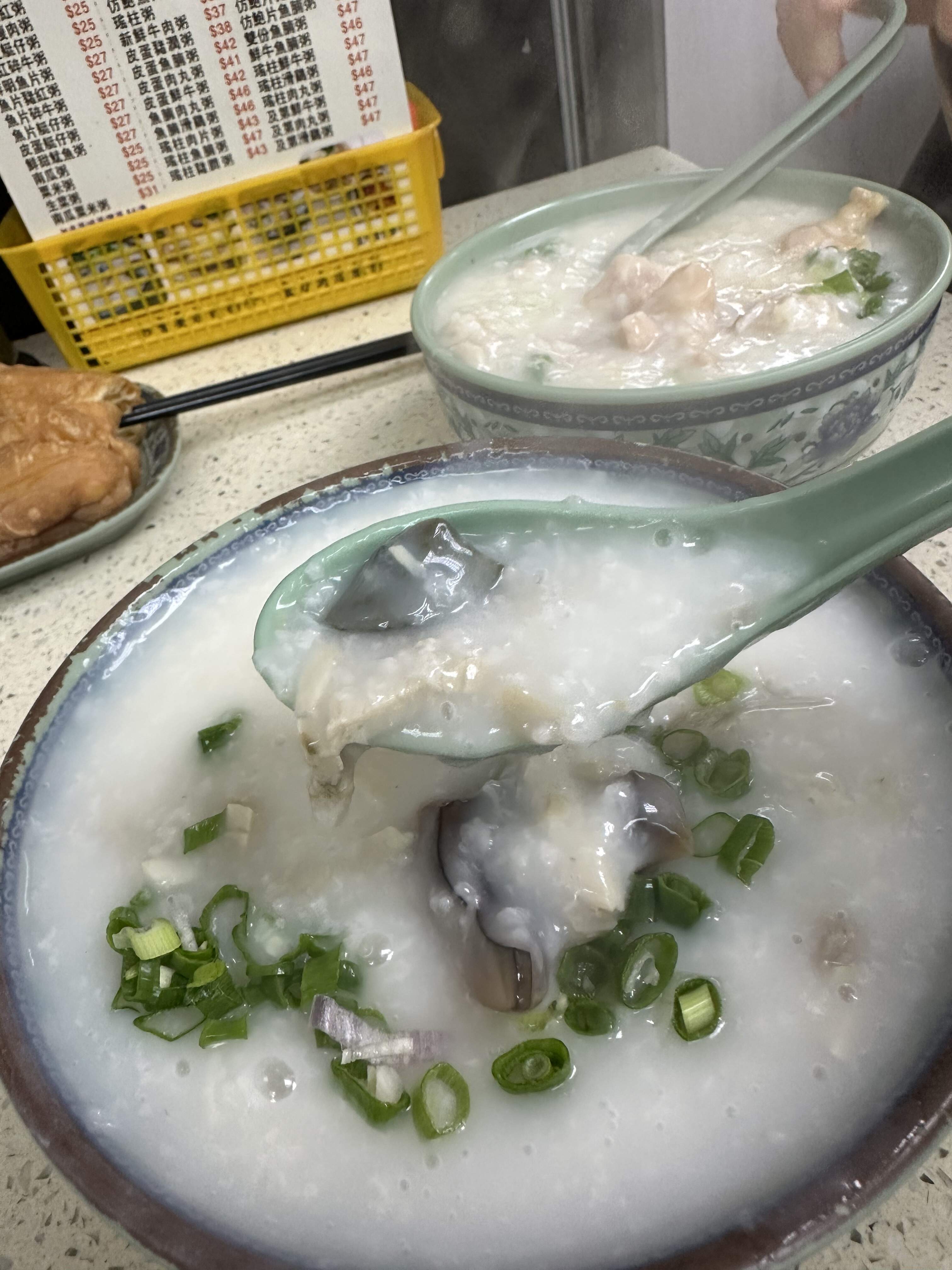
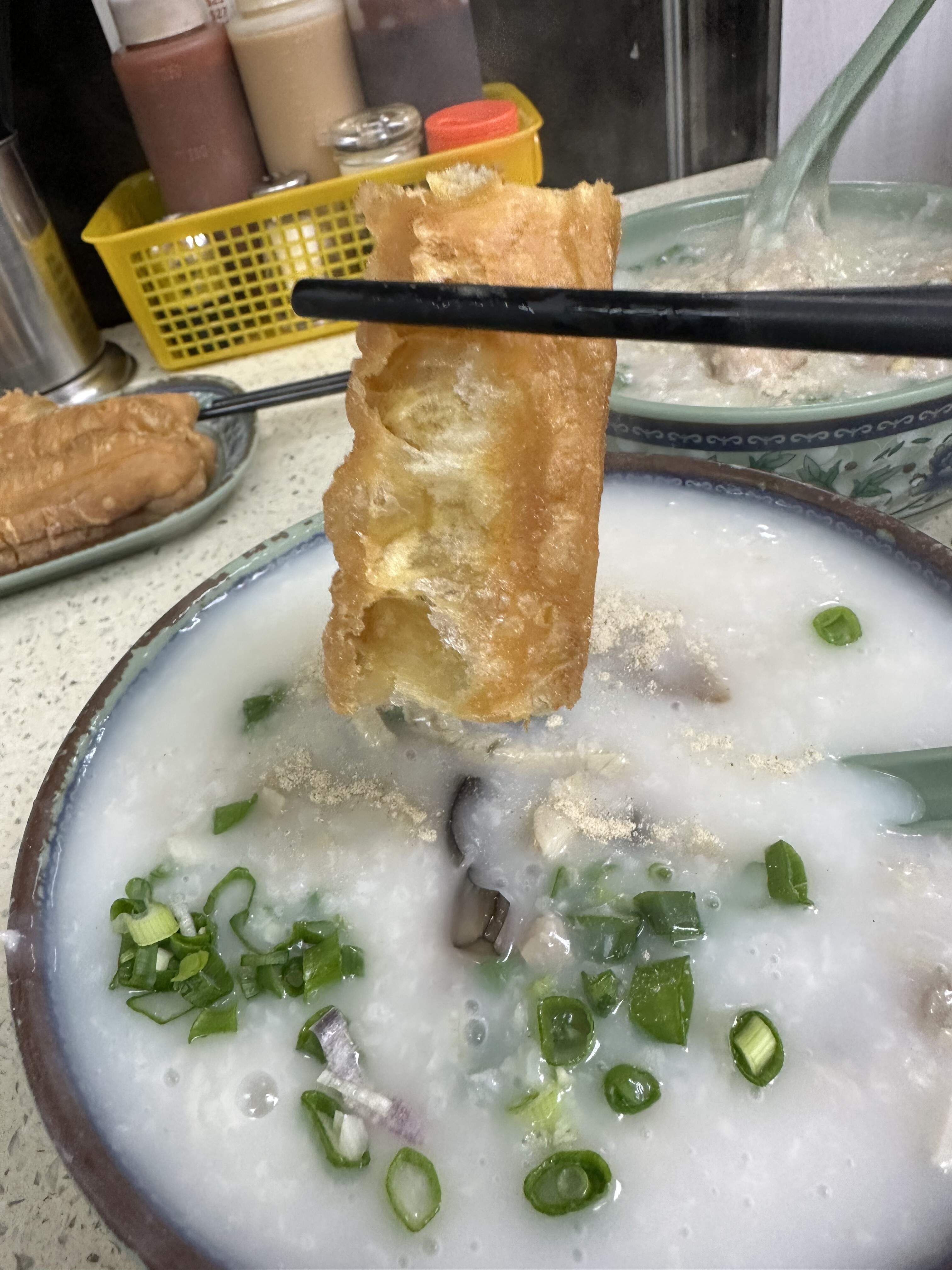
I’m assuming that’s what we call youtiao in NYC, though the Hong Kong version looks flakier, less greasy, and more appealing than what I usually see here. Ours tends to be pretty doughy, which is why I’ve come to prefer it with Cantonese noodle soup rather than alongside jook.
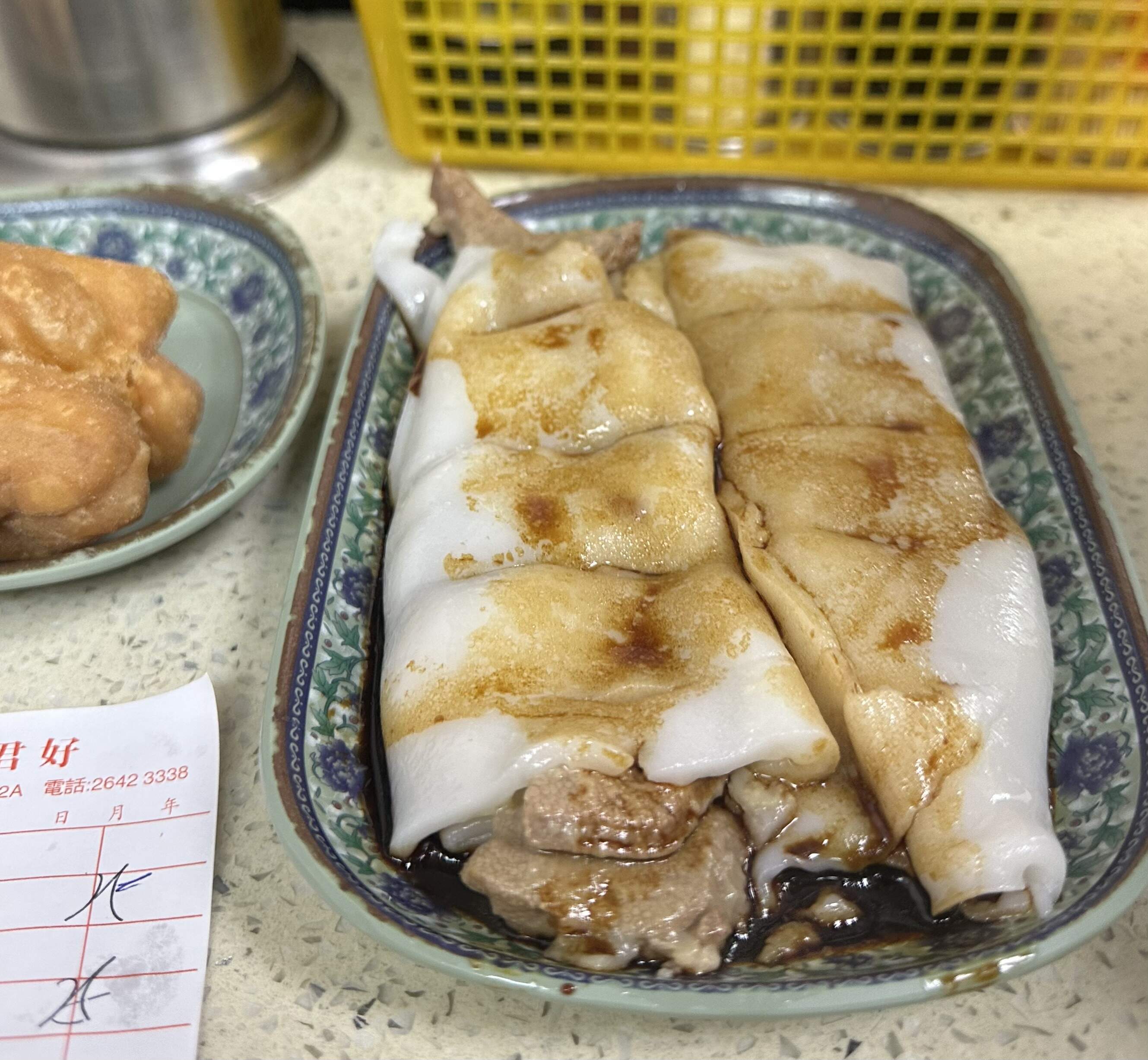
I’ve never had offal in cheong fun, in fact the idea is a little mindblowing. Now i’m going to look for it, maybe I can enlist @SteveR in the hunt!
This traditional Chinese snack has a long history. Known in Mandarin as “yu tiao” (Mandarin: 油條), and in Cantonese as “yau char kwai” (Cantonese: 油炸鬼), it’s called “eu char koay” (Fujianese: 油炸粿) in the Hokkien dialect used in Penang & Singapore.
There is an old Chinese folk tale about the corrupt, manipulative 12th-century Song dynasty official, Qin Hui, and his equally scheming wife, Lady Wang, who were vilified in Chinese history for their part in plotting against the patriotic Song general Yue Fei, an icon of patriotism in Chinese culture. The general was imprisoned and later executed in prison under false charges trumped up by the evil duo.
The “eu char koay”, hence, consisted of two pieces of conjoined dough, representing Qin Hui and Lady Wang, and they were “deep-fried” to show the people’s hatred towards the couple. Whilst the Hokkien term “eu char koay”/”油炸粿” merely translates to “deep-fried pastry”, the Cantonese are more direct, as “yau char kwai”/”油炸鬼” means “deep-fried devils”.
thank you for taking the time to explain the history of yau char kwai! I can’t help but think of some politicians here in the states that I’d like to see turned into deep fried devils
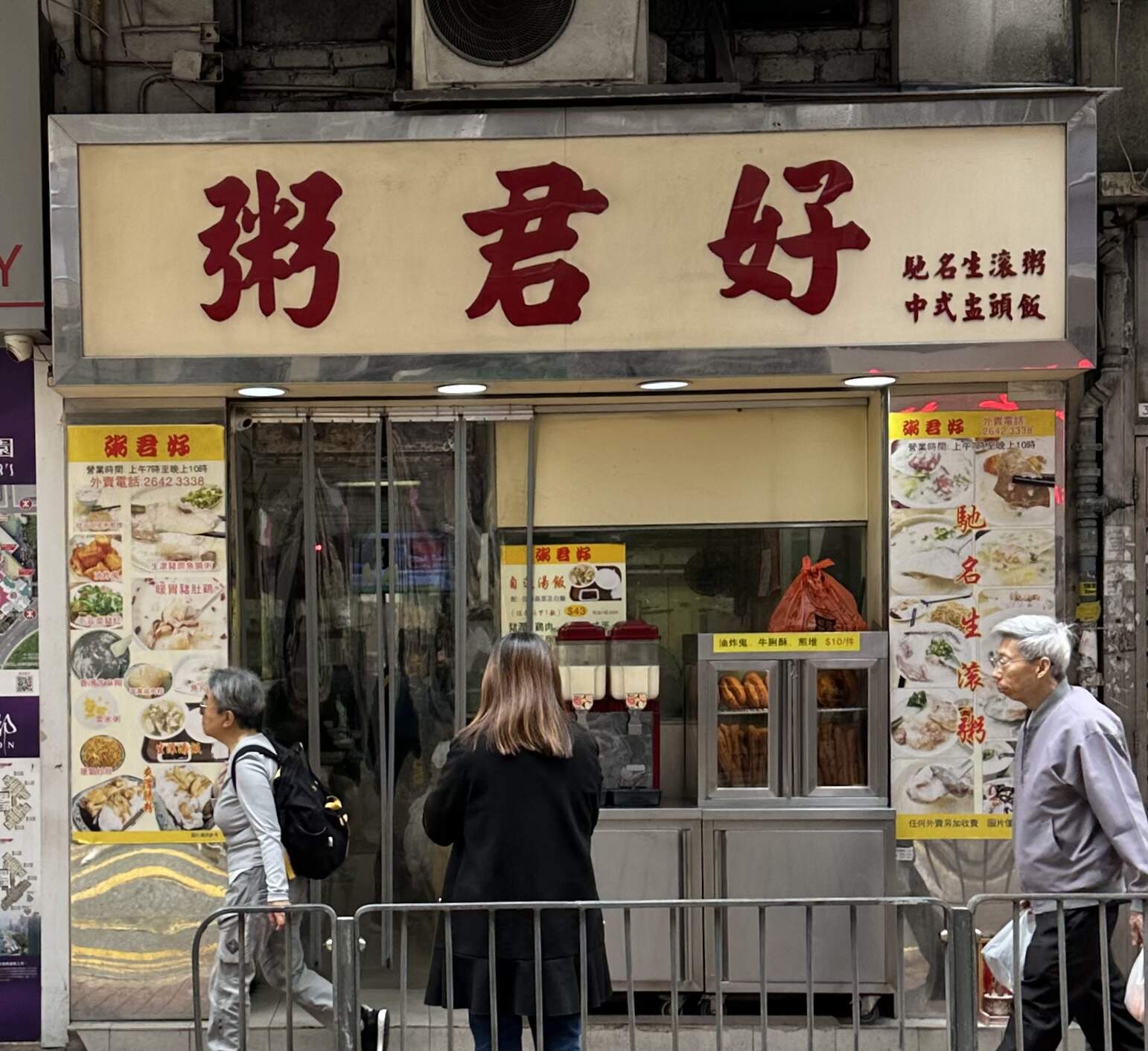
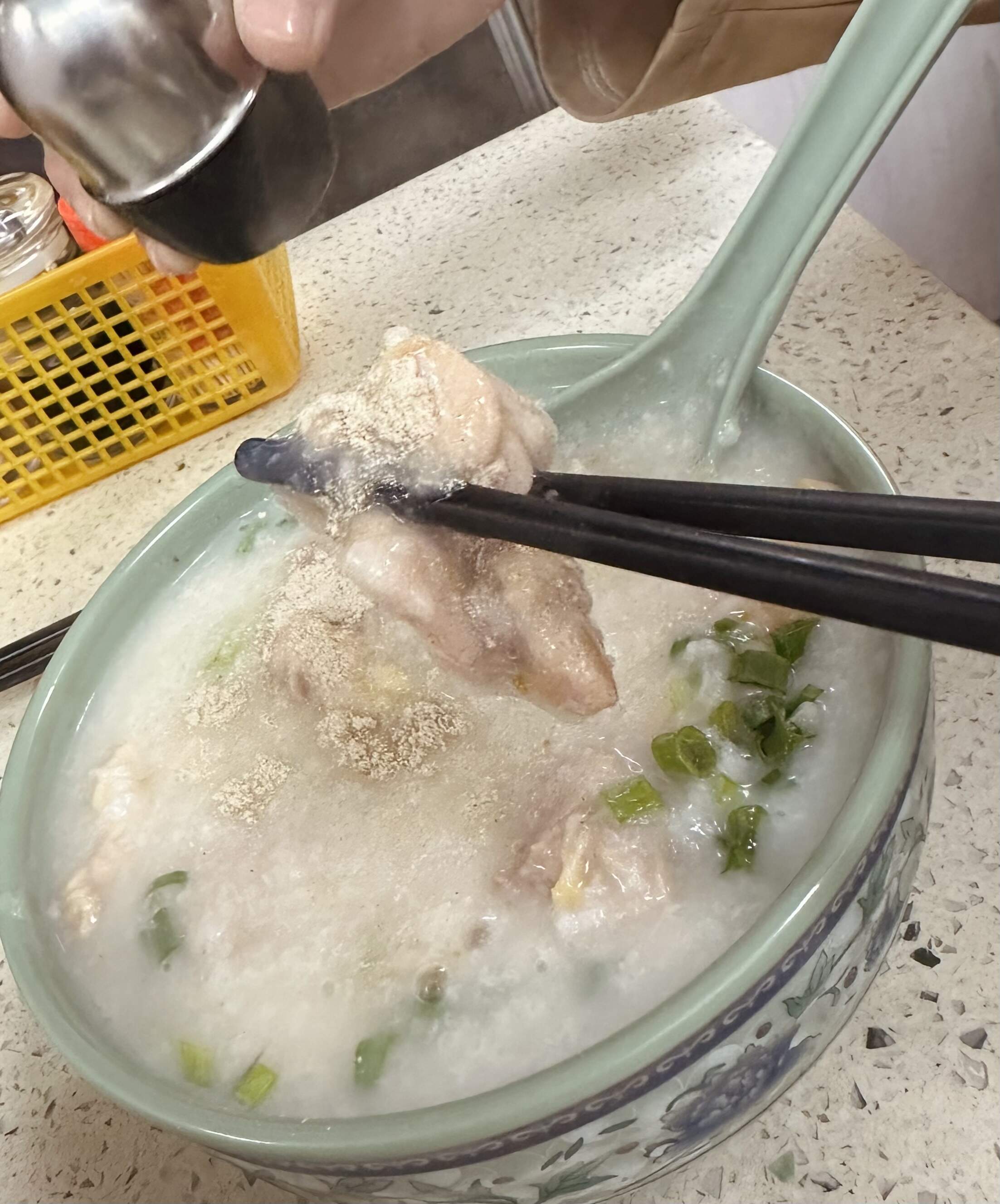
Congee Village here in NYC has an array of congees that include liver and other tasty parts. All in the $7-8 range. Havent been there in awhile and wouldnt mind a return.
𝗣𝗮𝘁𝗵𝗼𝗻𝗴𝗸𝗼 is a very popular breakfast/snack item in Thailand. It’s of Chinese origin, but here lies the Thai naming oddity, as the food item in question is actually Chinese yau char kwai (Cantonese: 油炸鬼) or 𝘆𝘂 𝘁𝗶𝗮𝗼 (Mandarin: 油條), a deep-fried cruller.
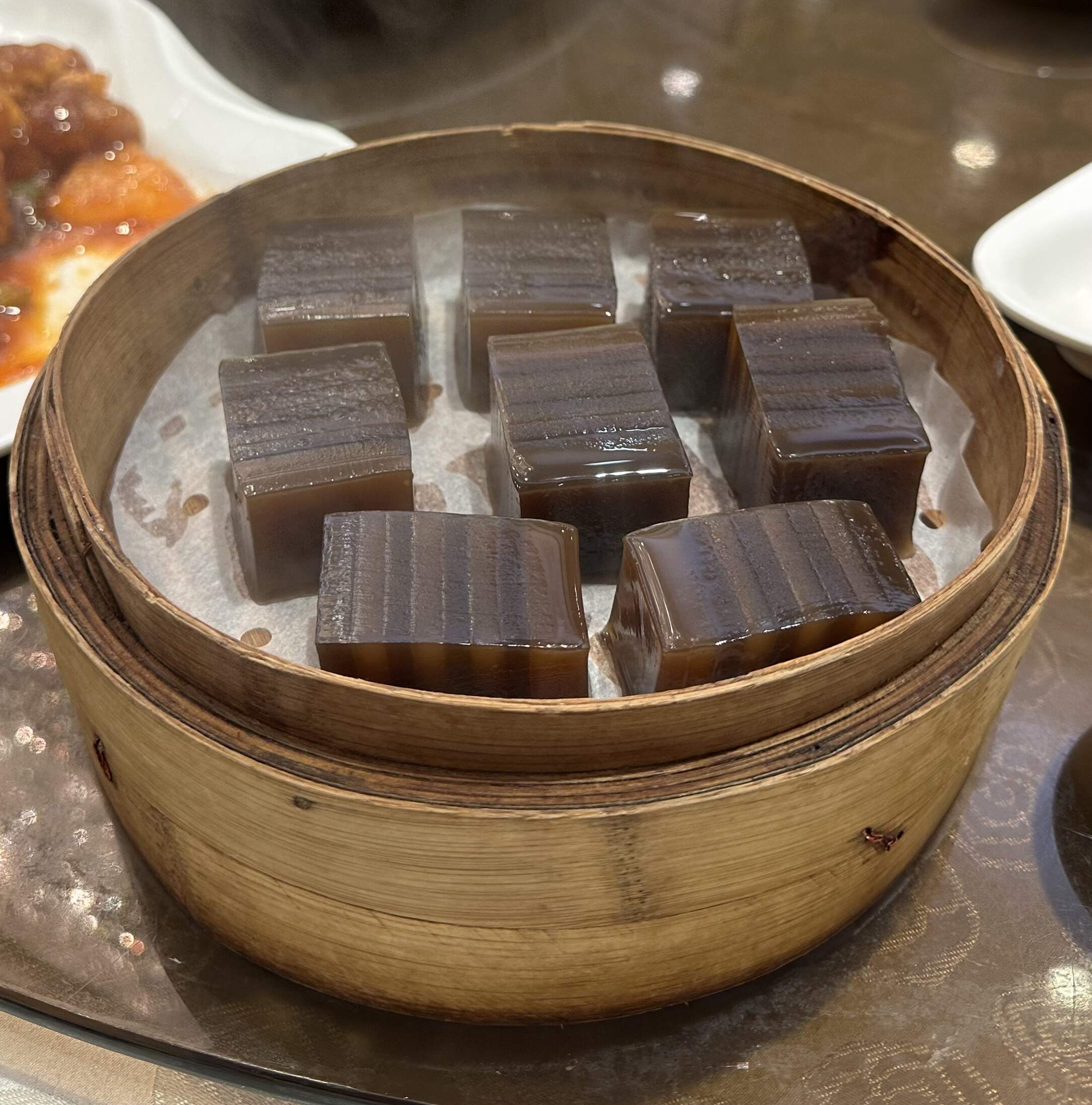
The Thai word 𝗽𝗮𝘁𝗵𝗼𝗻𝗴𝗸𝗼 (Thai: ปาท่องโก๋) actually came from Chinese word for another type of dessert: a steamed cake called 𝗽𝗮𝗸 𝘁𝗵𝗼𝗻𝗴 𝗸𝗼 (Cantonese: 白糖糕).
Traditionally in Singapore, Malaysia and Thailand, both yau char kwai (Cantonese: 油炸鬼) and 𝗽𝗮𝗸 𝘁𝗵𝗼𝗻𝗴 𝗸𝗼 (Cantonese: 白糖糕) are sold by the same itinerant Cantonese-Chinese street-food vendors.
However, in Thailand, the real 𝗽𝗮𝗸 𝘁𝗵𝗼𝗻𝗴 𝗸𝗼 (Cantonese: 白糖糕) steamed cakes proved to be unpopular amongst the local Thais, and the hawkers stopped making those, but continued selling yau char kwai (Cantonese: 油炸鬼).
However, by then, the local Thais had mis-took the name 𝗽𝗮𝗸 𝘁𝗵𝗼𝗻𝗴 𝗸𝗼 (Cantonese: 白糖糕) as referring to the deep-fried crullers – perhaps because the itinerant street-vendors in the old days would cry out “𝗽𝗮𝗸 𝘁𝗵𝗼𝗻𝗴 𝗸𝗼, yau char kwai!” when they walked the streets selling their wares, and the Thai customers only remembered the first item name.
Anyway, that was how yau char kwai (Cantonese: 油炸鬼) came to be known in Thai as 𝗽𝗮𝘁𝗵𝗼𝗻𝗴𝗸𝗼 (Thai: ปาท่องโก๋).
A very enjoyable evening with a good friend I had met as a rookie trader on my very first call to Hong Kong. We’ve since traveled and explored food together dozens of times in HK and China in the intervening decades, always a good time.