@ChristinaM had a great idea about starting a thread for preparing for a natural disaster or power outage.
Please share your ideas and suggestions!!
@ChristinaM had a great idea about starting a thread for preparing for a natural disaster or power outage.
Please share your ideas and suggestions!!
I think it depends on where you live. In Tornado country, I’m sure there’s a long list of “should haves”, such as gallons of water, flashlights, extra batteries, cell phone charger, extra clothes, non-perishable canned goods (and a manual can opener!) pet food, if necessary, spare medications, spare eyeglasses OR contact lenses and solutions, copies of personal documents in a waterproof Ziploc bag, disinfectant wipes or soap, baby shampoo and conditioners, first aid essentials. Oh - and cash.
Those are the first things I thought of.
If it’s a winter storm, or hurricane - something you can plan ahead for, the list can change.
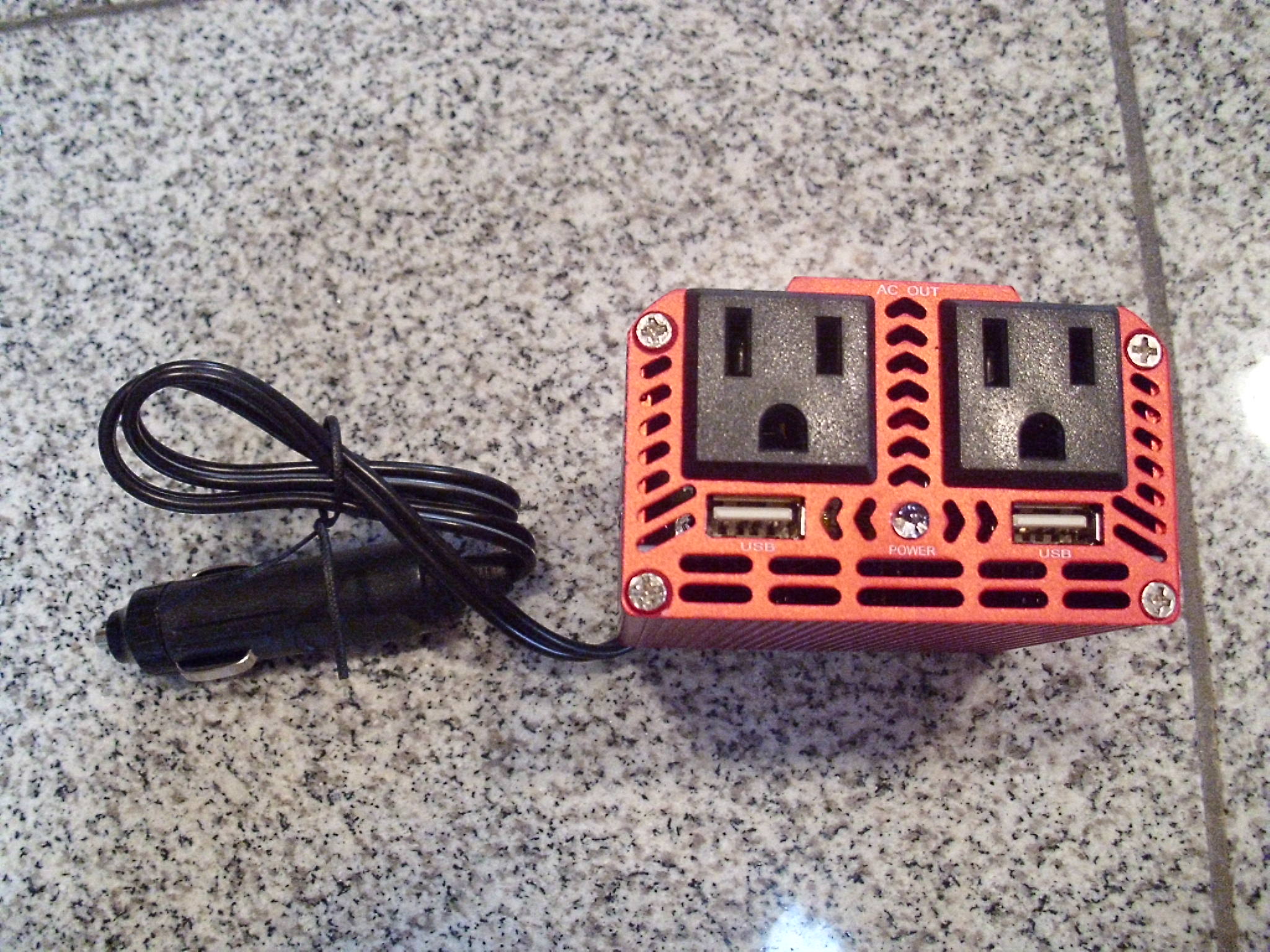
Sunshine gets a bit nervous during power outages, so I’ve come up with a few low cost ideas to get through a short power outage.
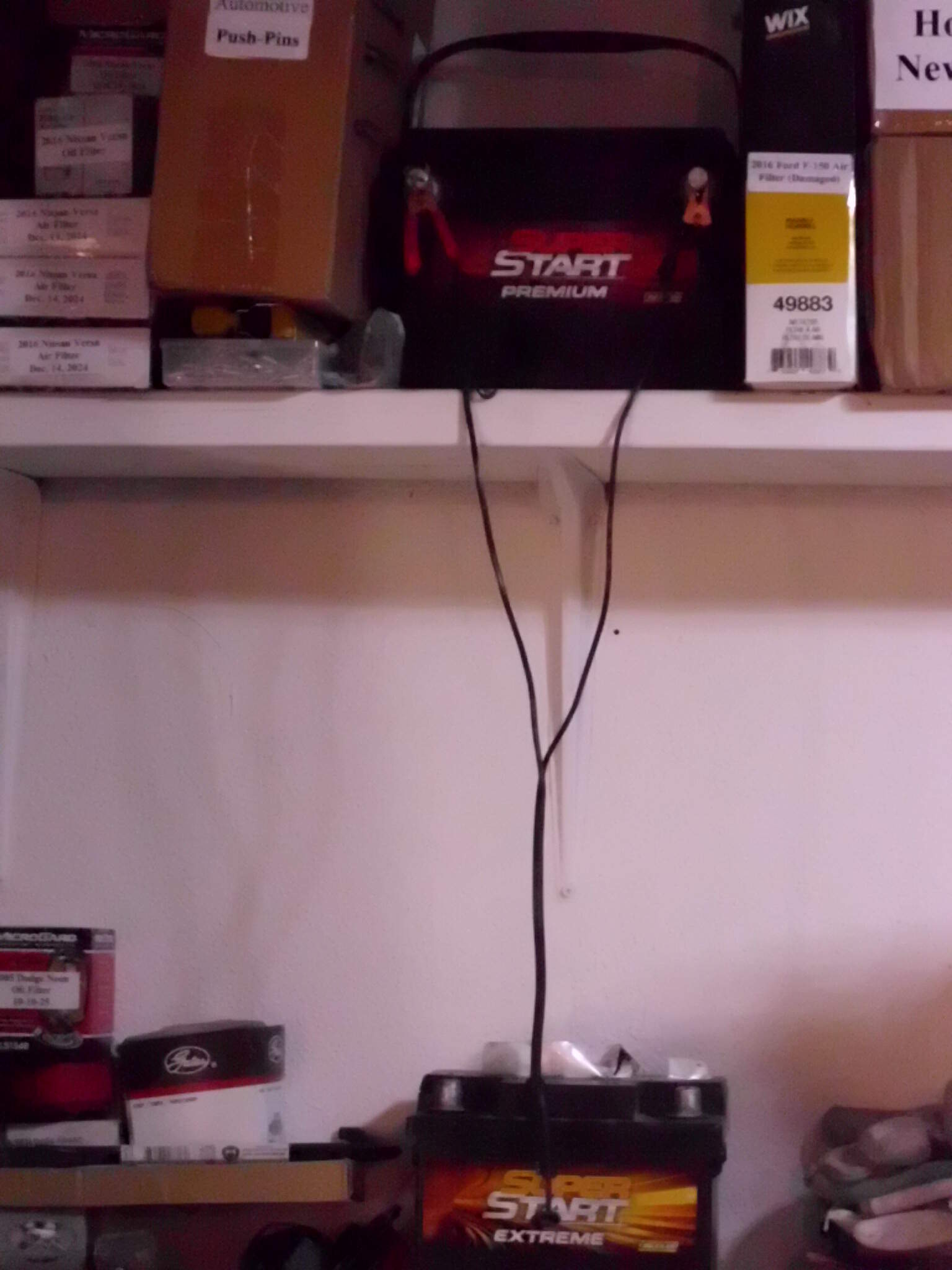
I’ve saved two old batteries from my vehicles (not a great picture). These aren’t strong enough to start the car/truck anymore, but still have enough amps to be useful. I trickle charge them once a month, so they are ready.
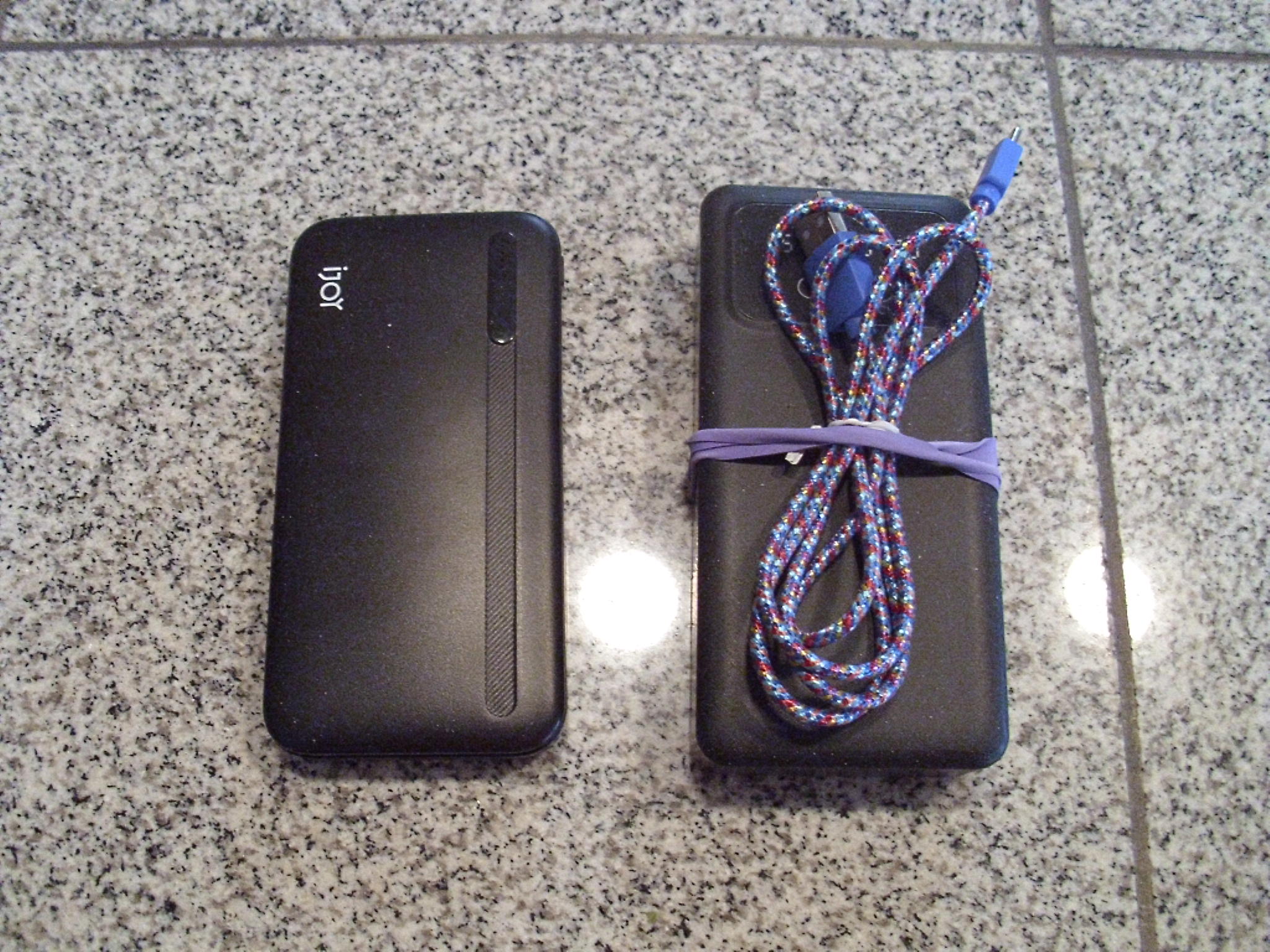
I also have two battery banks for charging cell phones. Again, this seems to help Sunshine to get through the power outage if she can use her phone.
I also keep a good supply of flashlights and batteries and a battery powered radio.
As far as food in power outage box, I have SPAM, canned salmon, sardines, canned chicken, pasta, Tomato and Alfredo sauce in a jar and a bunch of other canned/dry goods.
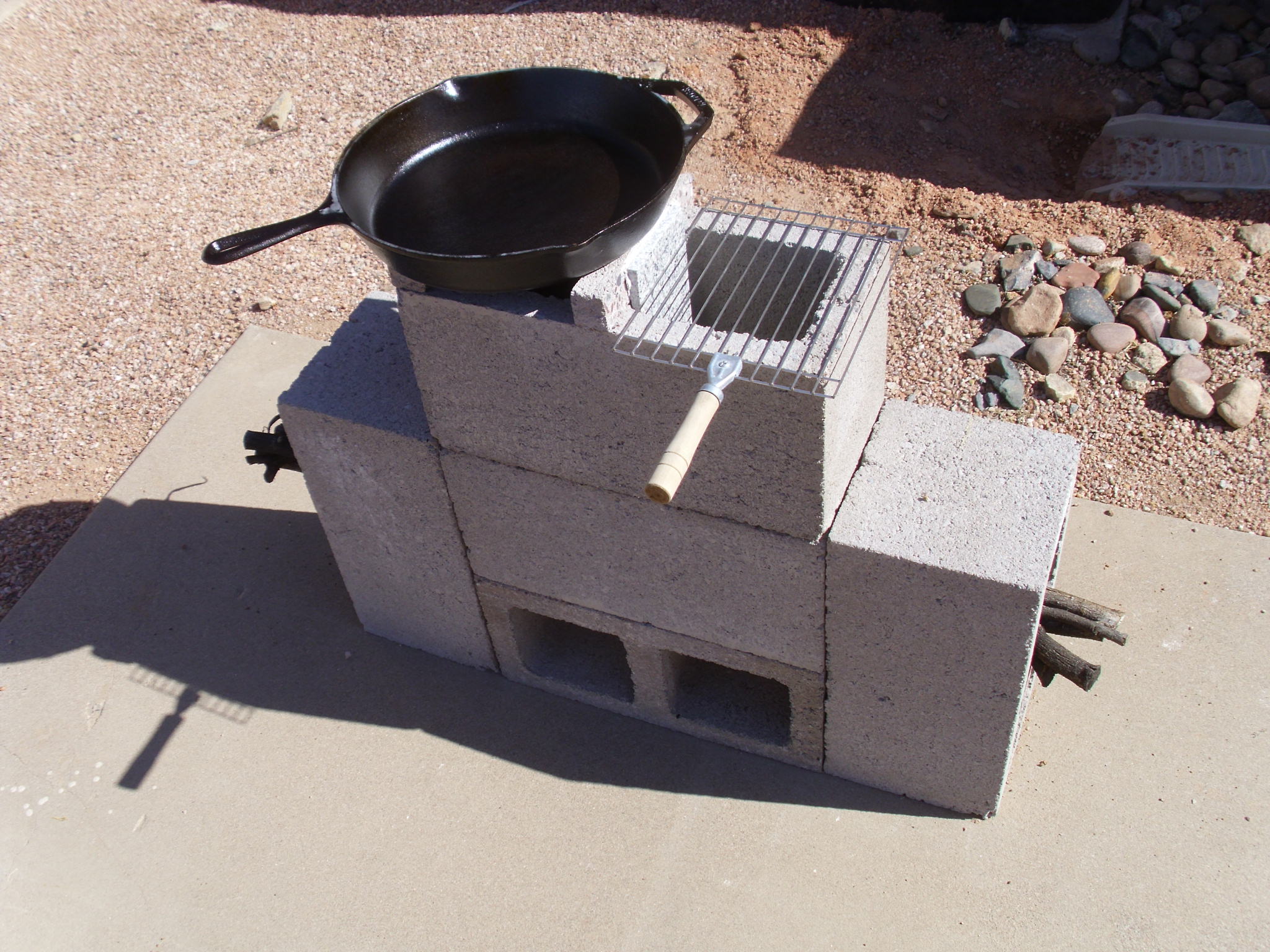
I have taught myself how to make tortillas on my rocket stove (outside). The bread is in the fridge (which I’m not going to open during a power outage), so making some homemade tortillas from pantry ingredients (in a cast iron skillet) became a useful skill.
Thank you, Dan! I’ll copy over some of what I wrote in the tinned fish thread here:
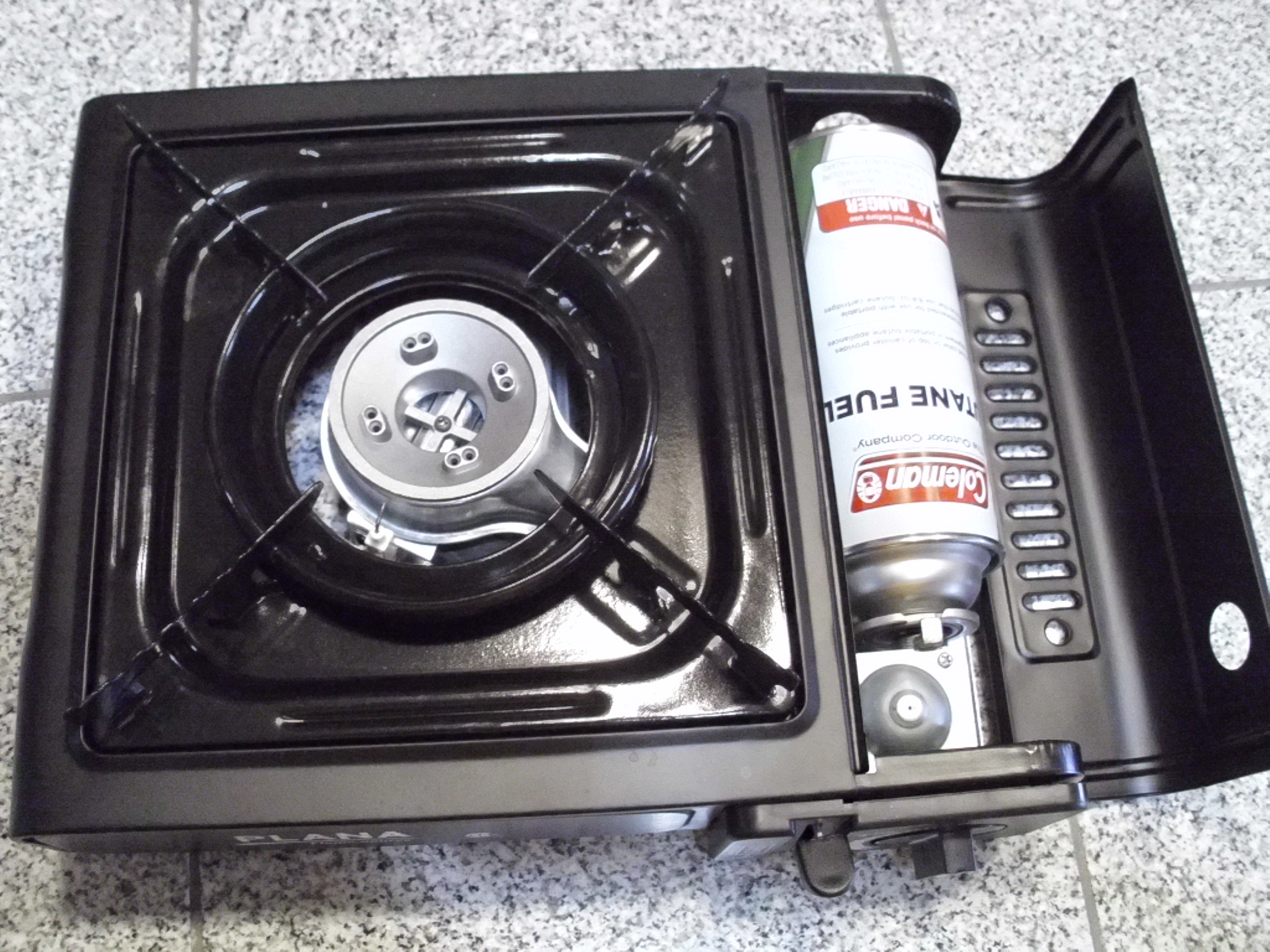
After the hurricane hit Asheville in 2024, most of the city was without power for around 3 weeks and without potable water closer to 3 months. I believe we had no running water at all for at least a month. The ability to cook food was what determined for many of us whether we would stay put or relocate. Having a gas range, camping stove, propane burner with fuel, or a gas grill was often a game changer. A friend of mine has a grill with in-line natural gas, which was especially helpful, but there were others who made do with charcoal for a while! It was hard enough keeping toilets flushed and preparing basic meals with a functioning stove; it’s hard to imagine getting by with just grilling, especially as most of us sought to avoid opening our fridges and freezers.
After the city got back on its feet, I dedicated some time to building a “go bag” of emergency supplies that we could easily tote with us if we had to leave suddenly. I looked at some examples on Amazon and included lightweight water pouches and high-calorie meal replacement bars and water filtration devices in addition to the usual first aid kit, multi tool, crank radio, etc. I looked at some examples of ready-made kits on Amazon and went from there, along with Red Cross recommendations, etc.
While I hope we never have to live through another disaster, chances are good we will. I hope to be better prepared this time! We have buckets of various sizes with lids that we fill up whenever there’s a chance of a bad storm that could take out power, water, or both. We have squirreled away a lot of boxed water that is good for 10 years, courtesy again of the National Guard.
It was a worthwhile experience in that I learned that in the first 72 hours, it’s crucial for the community/neighbors to come together so that an emergency response can gear up. Don’t expect to hear from the federal government in the first 24 to 48 hrs.!
Not only do I keep a hurricane tote, I have all my primitive camping gear. It’s actually great for both my stress levels and my self confidence… I am equipped and know how to live without electricity and water for a couple of weeks at a time.
We used to have electrical outages that would last for days, so I bought a small gas powered generator that is just enough to power the fridge and run the (gas fired) furnace. We also have a couple cases of MREs that we keep in case we (I) get stranded by snowstorms (I work in snow country during the winter). Other than those sad measures, we’re woefully unprepared. If/when a major earthquake hits, we’re hosed.
Also to add apartment dweller vs. homeowner. I live in an apartment with no access to a bbq, coleman stove or the like to get me through a power outage. Thankfully I always have lots of veggies on hand so the rare occasion we get a power outage I can throw together a dinner with some canned beans, fish or meat with the veggies on hand.
Well, I’m a homeowner, in an attached townhome situation. But we’re not allowed charcoal or gas grills; electric only. Which is useless in a lengthy power outage.
This reminds me of the time my mom needed a new can opener so she went out and bought one. An electric one. We asked her what she was going to do when the power went out so she took it back for a manual one.
I still don’t understand why there are so few underground power lines in the US - they are the main reasons when we had power outages on the west and east coast. Yes, it is more expensive but so much more reliable.
Diesel generator. When it’s -20 and the power goes out for days, it’s not just inconvenient, it’s dangerous.
Your quandary:
The answer in a nutshell:
In a lot of areas, utility companies are burying their lines, but that’s only after losing their asses in lawsuits. As for our particular situation, we are at the end of a distribution line that only serves about half a dozen properties, so when the greater region has a power failure, our little line is one of the last to get restored. PG&E prioritizes fixes that serve the greatest number of customers. Six houses? Our power gets restored much later.
In the US just about 20% of power lines are underground and yet companies and people lost for examples ~$121 billion in 2024 to power outages
We are now at a point where we lived about the same time in Europe as we do in the US and when we compare power outages there might have been 1 or two during that time whereas in the US more around 30. Companies and states would actually quite quickly get their money back if they would invest in a reasonable modern infrastructure
This was from several years ago but it might have some ideas;