I think when I first heard about it I thought it might be a good read historically. Growing up in 60’s rural Kansas I had no inkling of Jewish food culture or all the NY deli food history occurring. I’ve read the Smith & Daughters and Zabars books and wish I could’ve went to them in the hey-day.
Failures and semi-successes. I got a KA SM attachment grain grinder; I’m going cheap (vs a stand-alone better unit) until I know if I will keep doing the “grind your own flour” thing for more than just a fling.
In 2 days and 2 pounds of wheat berries, I’ve learned a bit about both how to handle this grinder and how to cook bread from the freshly ground wheat berries.
First, the grinder. It gets hot (the grinder attachment, not necessarily the KASM motor, which (the motor) barely gets warm even with 40 mins at highest speed). But the grinder piece, I mean it gets about 150°F or more, in just about 20 minutes of grinding on high speed (highest speed is what KA recommends for this attachment).
I charted grams flour produced per minute and found about 28 grams per minute for minutes 1-3, 24 gpm for minutes 4-6, and dropping off quickly thereafter, and by minute 20+, barely 7-8 grams per minute.
So, I tested again with grain that I had first run through the most coarse setting, then run again through the fine setting. Same problem - as the interior temp passed about 120F, the output in terms of g/minute dropped off precipitously.
Here’s what I figured out so far. As the temp rises, the metal in the two mill grinder plates expand a bit (it’s not possible that metal plates don’t expand with increasing temp). So you either stop grinding for a while as temp rises and let them cool off, or you can back off of the grind fineness, for example from finest to one or two less than finest - and still get the finest grind. (I have yet to test if going to minus 1 or minus 2, once the mill is hot, gets the same grind.)
The other thing that helps a fair bit with the KA grain mill is to shoot the wheat through (chilled) on a more coarse grind first, then shoot it back through a second time (chilled) on the more fine setting. This is just like grinding meat. It works better cold as long as you can keep it cold. I have tested this and it does help.
Using the stuff: Let the flour cool. Running my grain directly through the KAGM got the flour temps close to 90F. Interestingly, Charlie Chain Baker using a high-end countertop mill, found it got over 110F. Anyway, you need to let it cool a bit.
Bran: I’ve read that bran is a killer of gluten development. You can sift it out. I need to get one of those flat-bottomed sifters because my bowl-shaped shifter is really a PITA. But still I pulled almost 20 grams of bran from a 400g grind. That’sprobably less than 1/4 of the bran in the flour, though, but I think it helped.
Adding gluten. My first attempt had no additional gluten and also had all the bran in it. I developed no gluten and made an extremely tasty hocky puck. My second attempt tonight, I pulled out a bunch of the bran (maybe 20%???) and also added 15 g gluten for about 300g flour, and it turned out much better.
Still both tasted the same. Fantastic compared to what I’m used to, and I’ve always said “I don’t like the flavor of whole wheat bread”. Little did I know. I’m a convert. And I’ve got better wheat coming by Thursday…
Tonight’s vs last night’s.
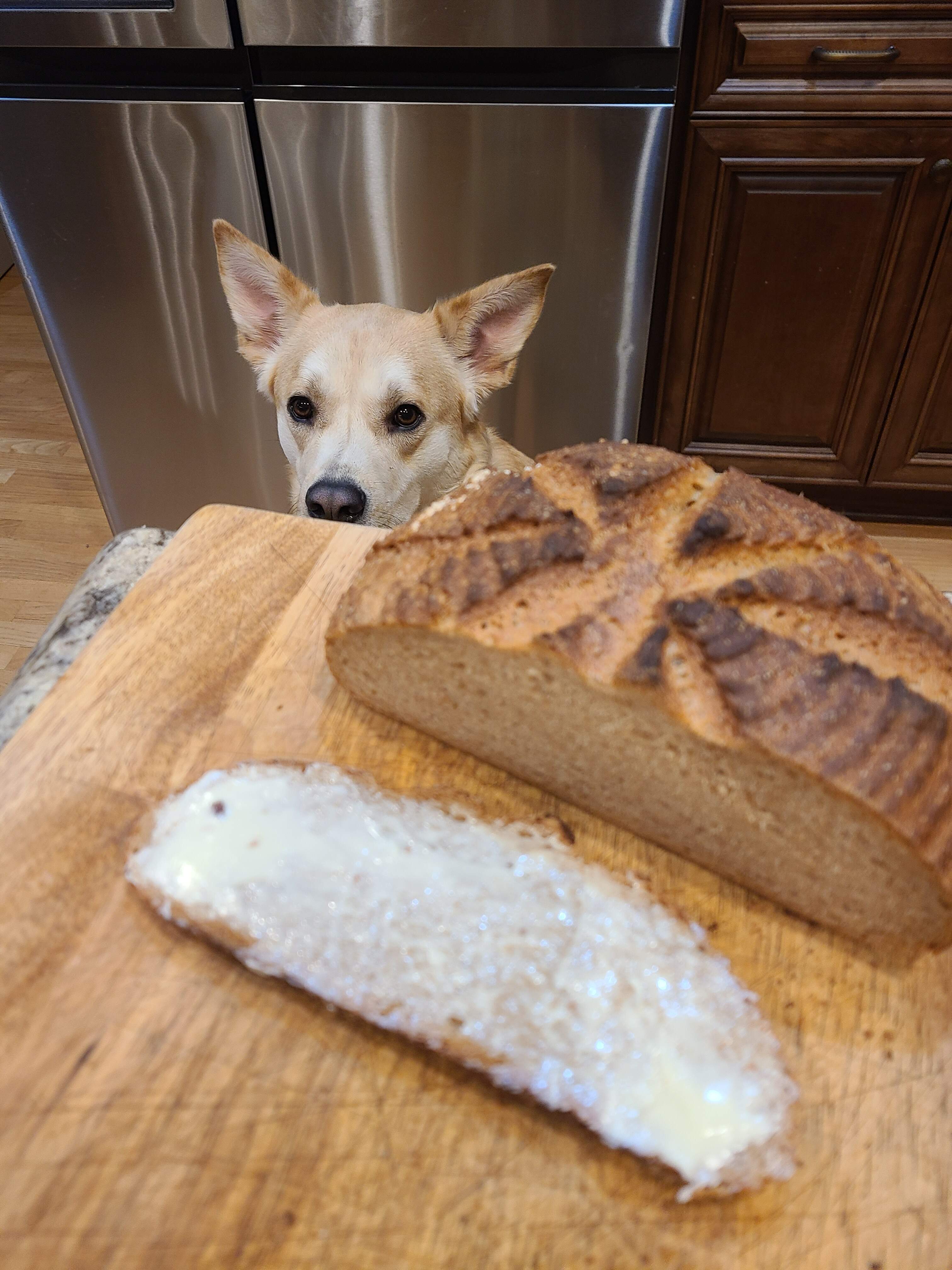
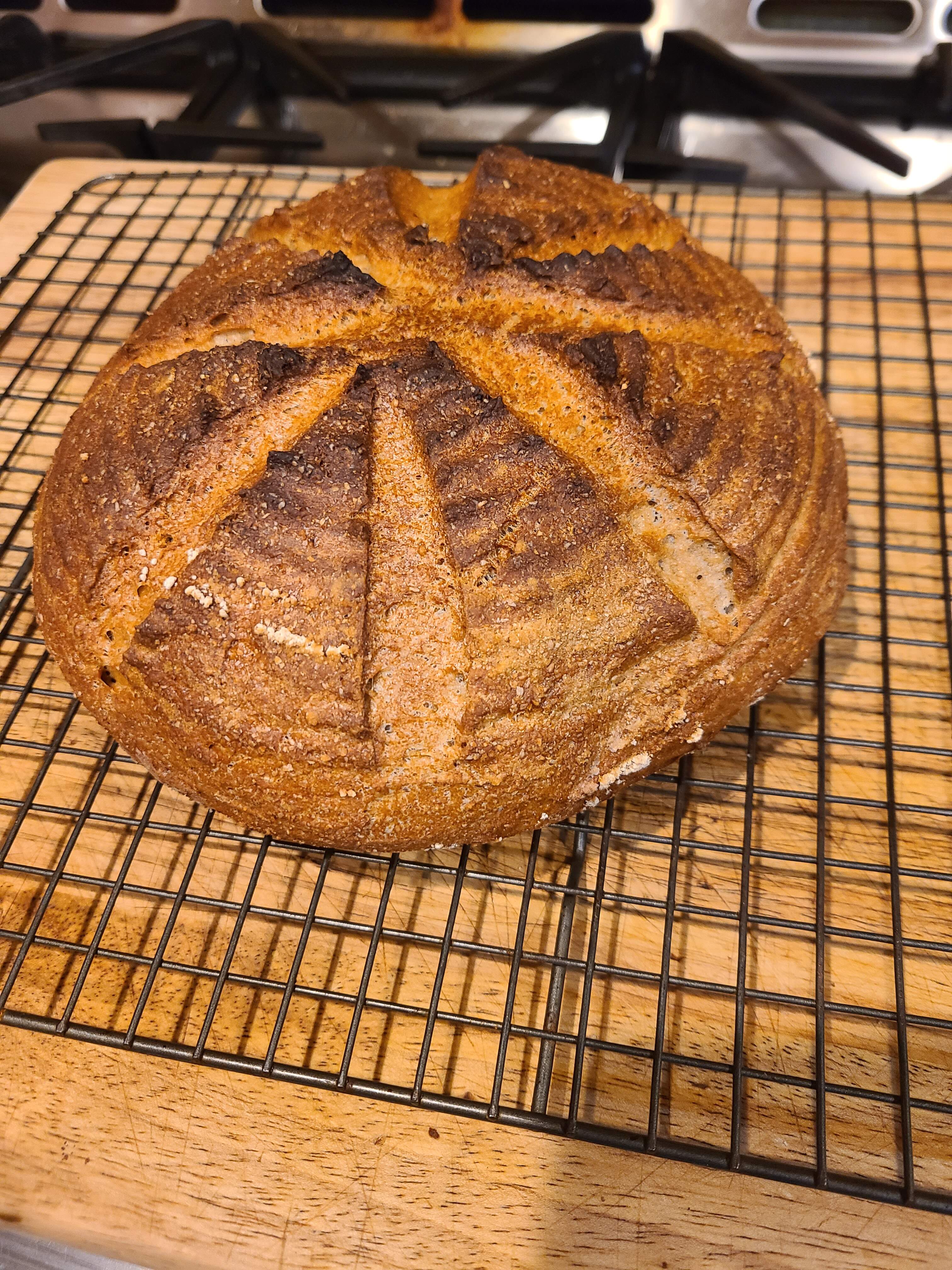
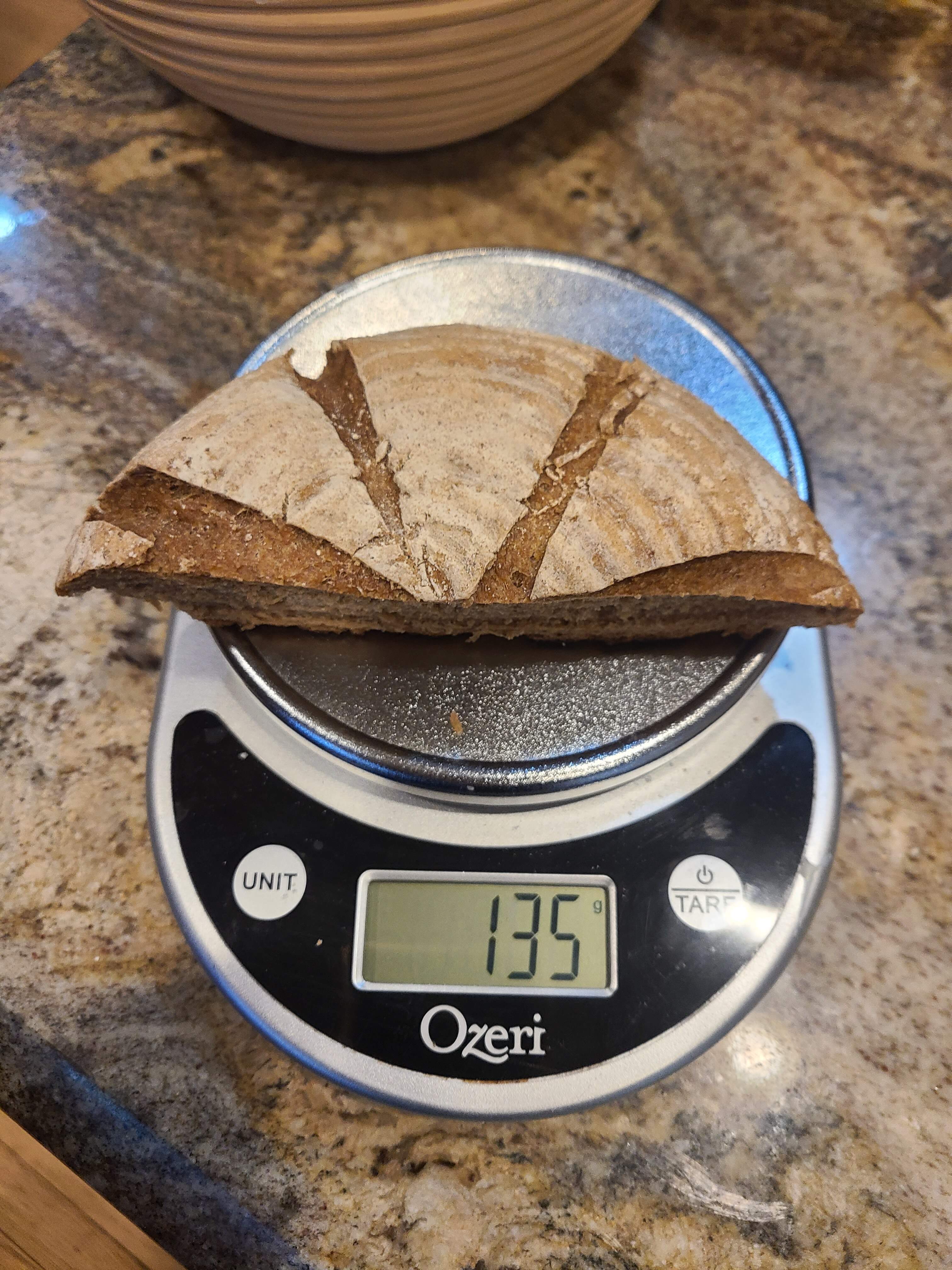
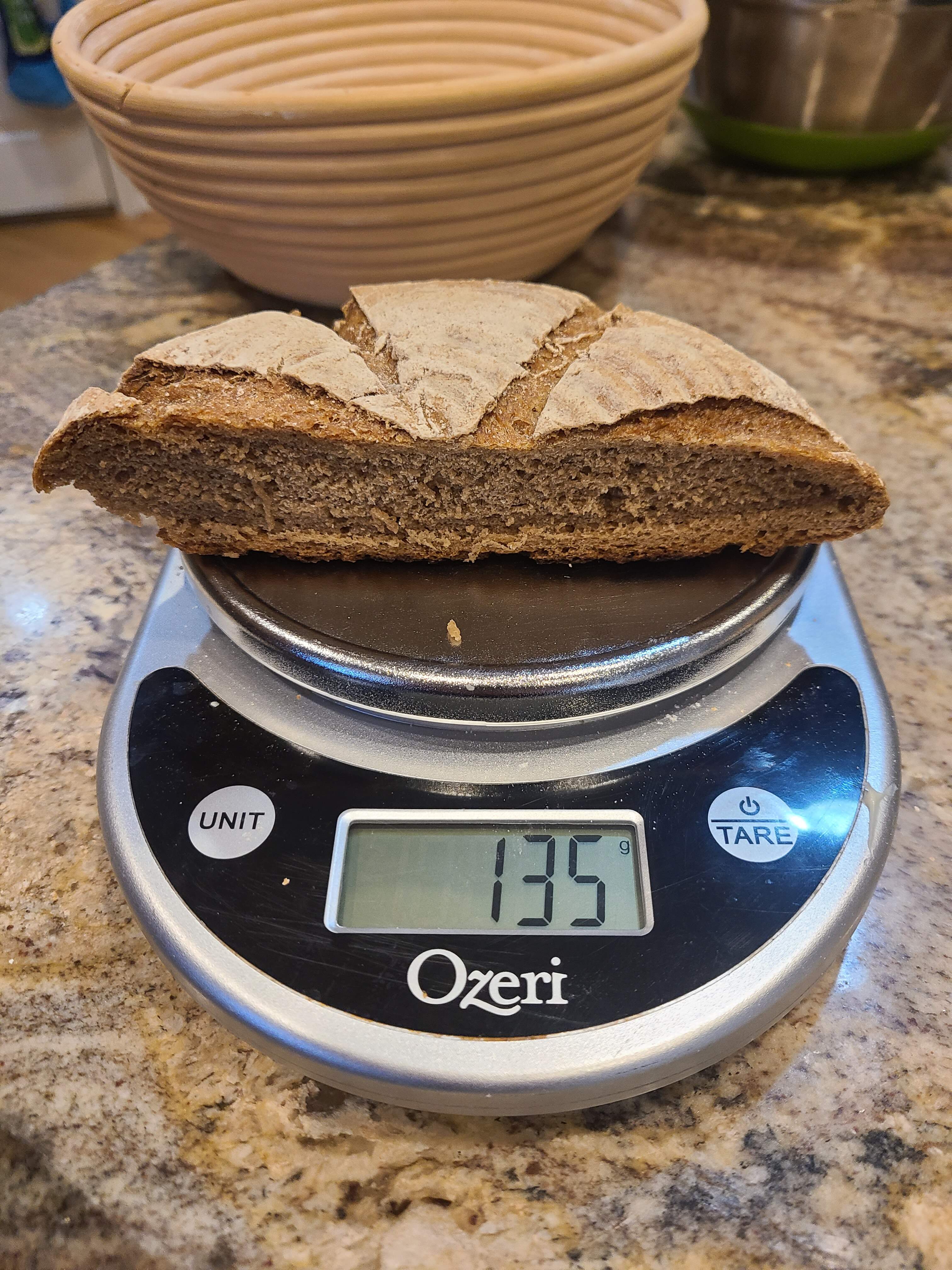
Breads: I first made a hockey puck just trying to mill the grain and make bread. Tasted really fantastic, but it was a tooth-breaker and super dense. Second try was maybe still not fantastic, but much more loft and nice crumb and the same great flavor. The difference was separating out some of the bran and also adding some gluten. Next up… we’ll see.
16 Likes
Enjoying the read-along experience. Grinding my own flour is not at all on my someday list, but I thank you for taking us along for the experimentation.
5 Likes
So reassuring to hear I’m not the only one who trips up on ingredient acquisition
Reminds me of the Gentlemen in Moscow cooking bouillabaisse chapters. https://tripodturnstilegates.com/a-gentleman-in-moscow-bouillabaisse-recipe/
4 Likes
This is really interesting. I also never liked whole wheat anything (being a vegetarian in the 80s scarred me in multiple ways) until I took a pie baking class (fairly recently) featuring freshly-milled whole wheat flour.
SO good.
2 Likes
There are more than several pages in the introductory area of the book that does discuss a lot of the historical background, you would most likely enjoy it!
1 Like
An excellent book, and that part was wonderful!
2 Likes
Yes. (The first batch was Zabar’s, but I ate that pre focaccia  )
)
1 Like
I mean, it’s hard to resist.
This is true 
Back to the drawing board – I am due to take dessert to a dinner party in a few days. One person doesn’t eat eggs.
I’ve been wanting to make either a cardamom coffee tres leches cake or a cardamom coffee tiramisu for a while, this might be a good group for that.
I was thinking of adapting the eggless tres leches cake @Sarahaha had recommended a few months ago.
Options I think are:
(1) vanilla or cardamom cake + cardamom coffee soaking milk mixture
(2) cardamom coffee cake + cardamom coffee soaking milk mixture
(3) cardamom coffee cake + vanilla or cardamom soaking milk mixture
I think I like the idea of (1) best.
For tiramisu, I have cardamom cake rusk that I thought would work well in place of ladyfingers, and then was thinking about mascarpone + whipped cream instead of zabaglione – or maybe vanilla (or cardamom) pudding made with cornstarch instead of eggs.
Thoughts? Suggestions?
2 Likes
Recently came across this eggless tiramisu- the filling components might be helpful to you.
1 Like
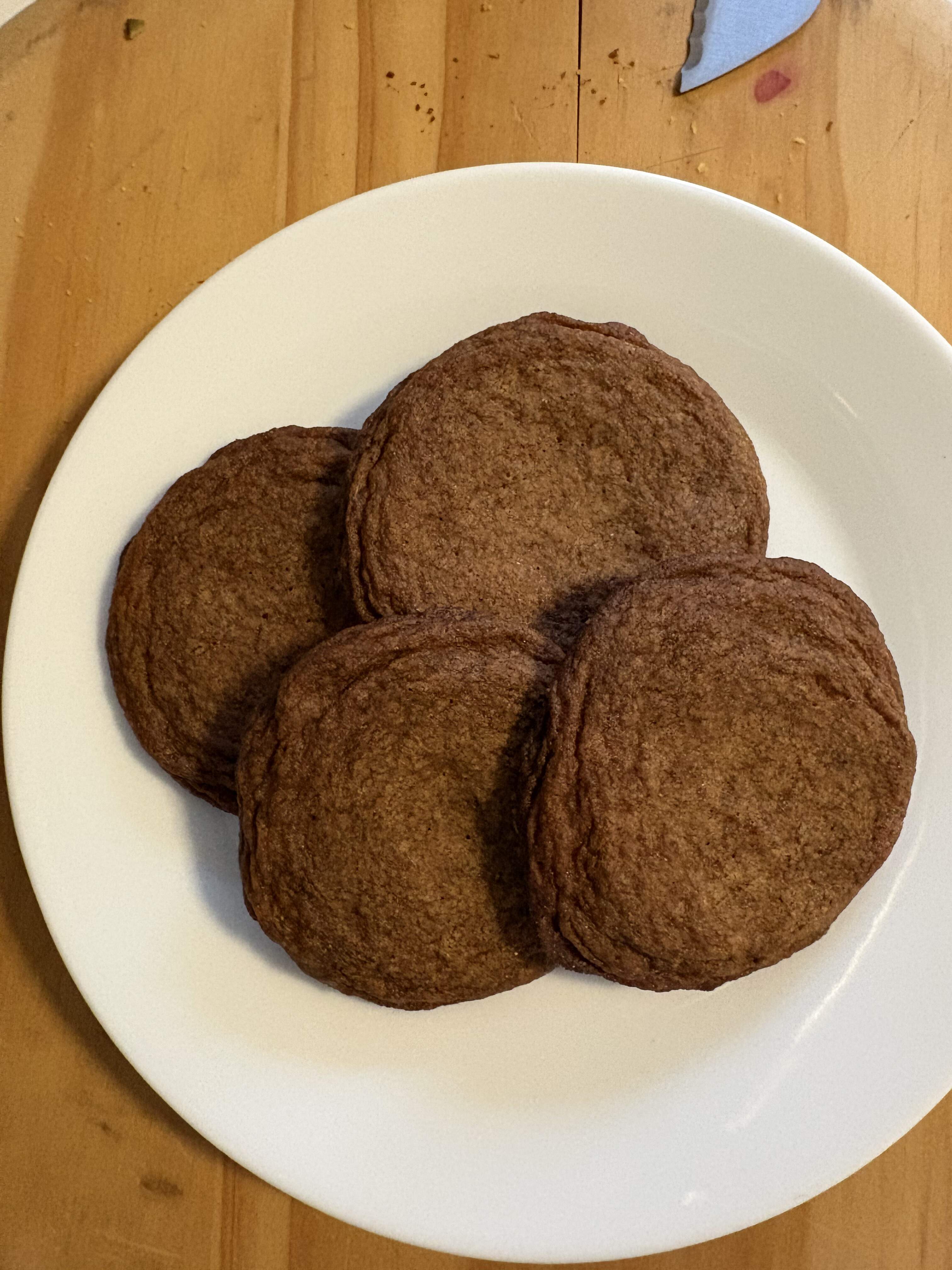
Chewy Gingerbread Cookies from NYT. These were good, but thinner than I wanted. I still have not found my ideal ginger cookie!
16 Likes
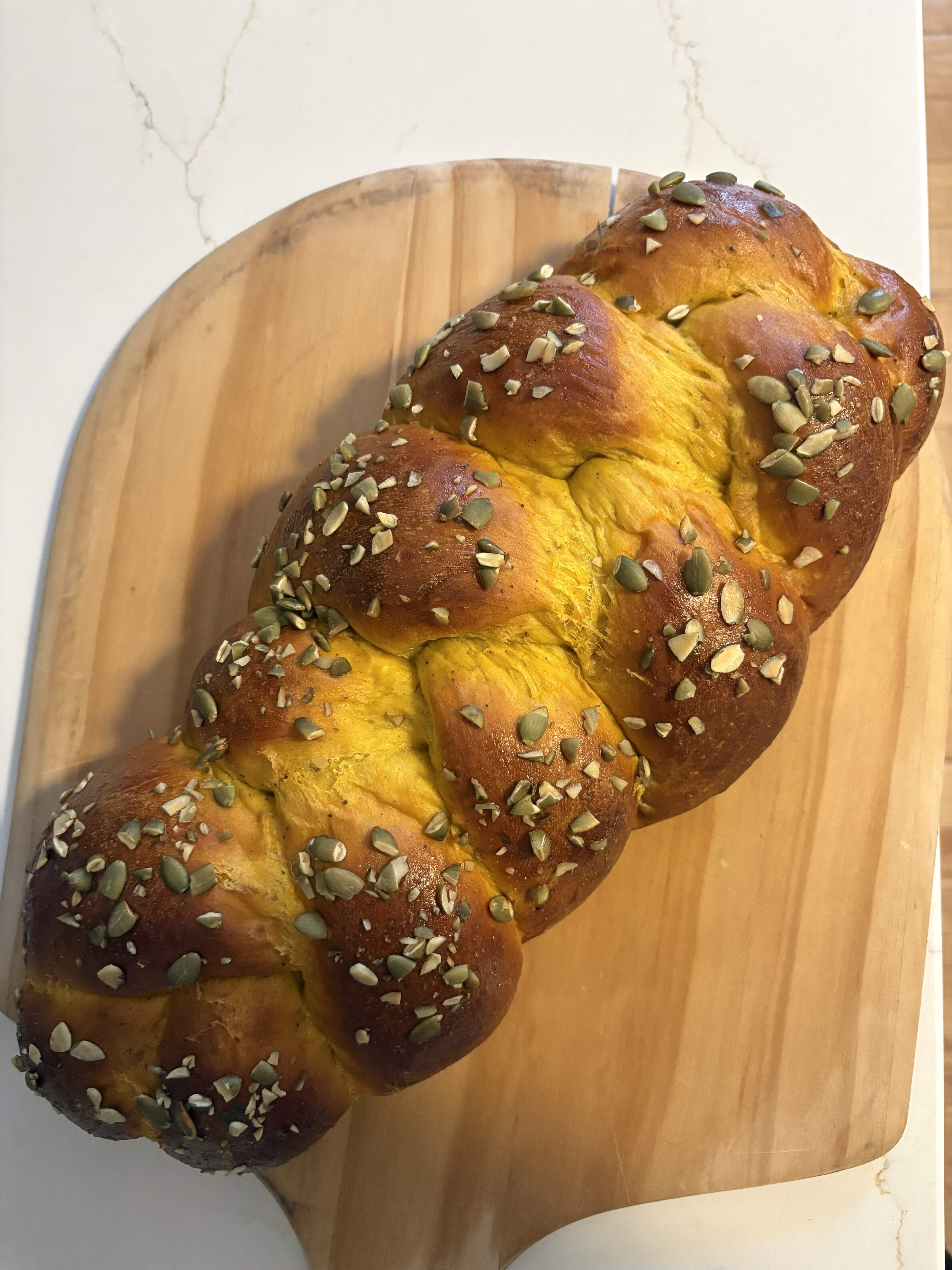
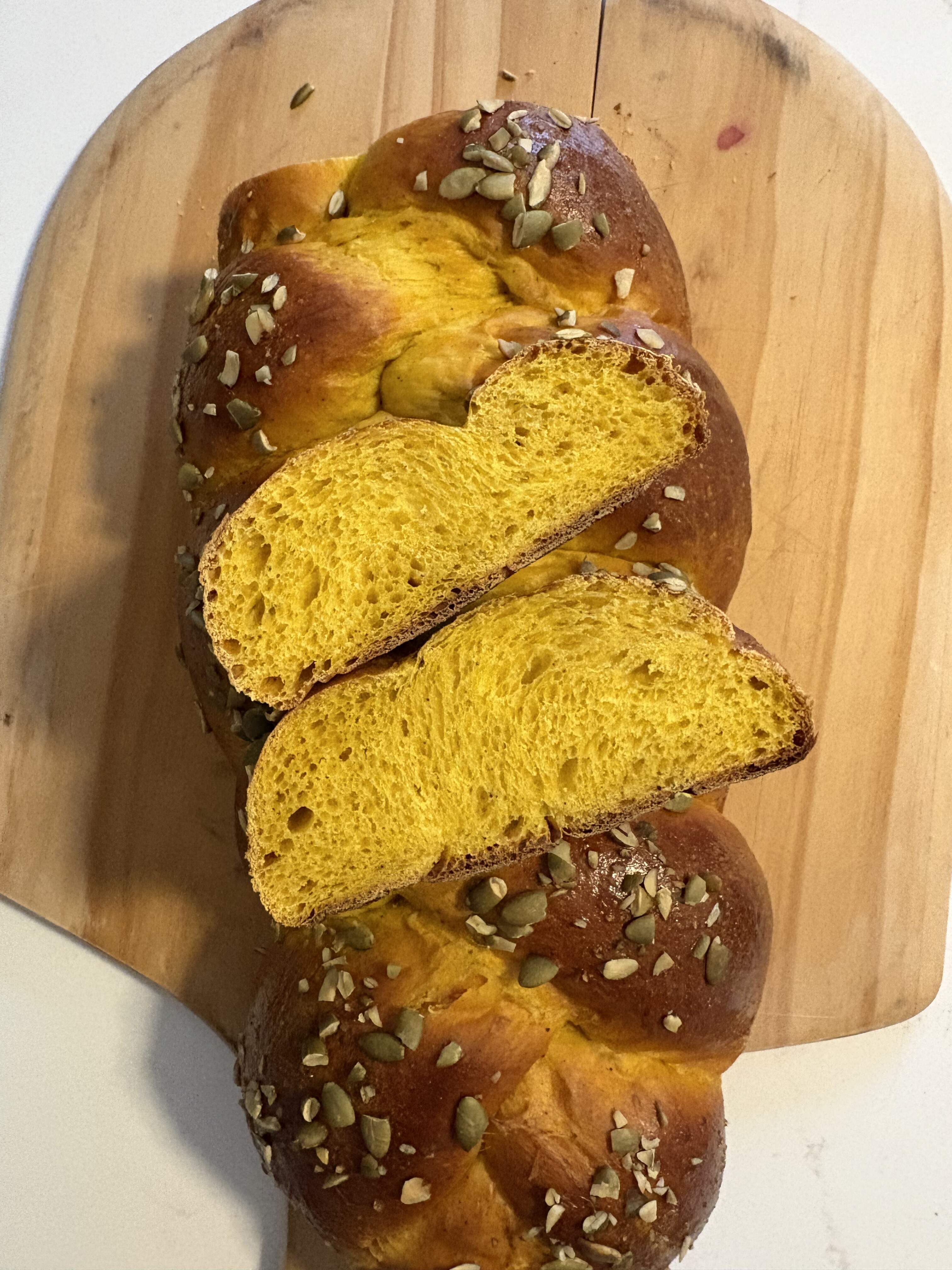
German style winter squash bread from Milk Street Bakes. This is adapted from a recipe in Classic German Baking. It has butternut squash, allspice, milk, eggs and butter. The dough was pretty soft, even when chilled overnight, but didn’t stick on the floured counter. I haven’t actually tried it yet, but it looks good.
19 Likes
i have a couple ginger cookies that i love - all have molasses in some quantity in them. do you want the cookie to be molasses-free?
2 Likes
You probably know about these already, Ultimate Ginger Cookie Recipe | Ina Garten | Food Network, but just in case.
2 Likes
looks great
1 Like
Looks great. I have that book. I like the book but there is just so much time for baking.
1 Like
Can you describe it?
We have an ideal in my family – it’s the one my grandfather would bring us every week after he visited his brother, from a small bakery under his clinic.
It was dark, crisp, slightly thick, no gratuitous spices (like cinnamon, which seems to plague most ginger cookies I have come across since), no crystal or chunk ginger, and a final flourish of crystal sugar on top. I can almost taste it as I write the description.
I haven’t tried my hand at recreating it yet, but when I taste ginger cookies and also biscoff-style cookies, I have clear flashbacks to what was and wasn’t in that perfect cookie!
3 Likes
That looks great! I’m not familiar with this bread.
1 Like

