We’re back in the USA after a month in South America. In general, the food didn’t move me the same way the food in Italy did last year. I also had some health issues along the way, which made it hard to focus on writing up restaurant reports. But health is good now, so I thought it would be worth providing a somewhat desultory summary of our meals. I’ll do everything in reverse order, as the most recent meals are freshest in my mind.
I have observed, over the years, that my wife and I evaluate restaurants using entirely different systems of measurement. Mine involves web technology, spreadsheets and ratios. Hers involves taste, ambiance, and an ironclad belief that lighting should flatter both the diner and the calamari.
On our second date, perhaps sensing a test, she declared the food at Minar (NYC) to be excellent, while making no mention whatsoever of the fact that their plastic water pitchers had bonded to the tables with a molecular enthusiasm usually reserved for volcanic rock. She had, I suspect, sensed a trap.
I’ve learned since then that for her, the food must be good, but the room must also be something you can describe without using the phrase “industrial adhesive.” I, on the other hand, once scraped the entirety of the Zagat website into a database and constructed a rating system based on the quotient of food and décor scores. She glanced at it, sadly smiled and nodded in the manner one reserves for people with the intellectual capacity of a rock, and returned to an article about Scandinavian ceramics or some such thing.
Over time, we’ve reached an equilibrium. She dines with friends at Cafe Sabarsky after touring the Neue Galerie, where I suspect she is on a first name basis with every server by now. I dine in what she has so uncharitably christened “Moe’s dead body shops,” establishments that feel as though they might have been furnished by a crime novelist with a bulk discount. But of course, when we travel together, each meal becomes an exercise in unspoken compromise.
On the final day of our vacation, after 30 such compromises, my wife awoke with a cold:
- wife: I feel dreadful. I must remain in bed all day
- me: Of course. Rest is essential (consults phone with the reverence of a wizard opening a grimoire)
- wife: If I rest sufficiently, perhaps I can go out to dinner’
- me: You mustn’t push yourself, dear. (feverishly begins ranking restaurants by google rating divide by price)
So it was that I found myself wandering Union Market, a place that looked as though it had been assembled from leftover building supplies and optimism. I was searching for Canta Ranita, a cevicheria whose operating philosophy was simple: buy fish in the morning, serve it until five, then stop before anyone is tempted to pay for refrigeration.
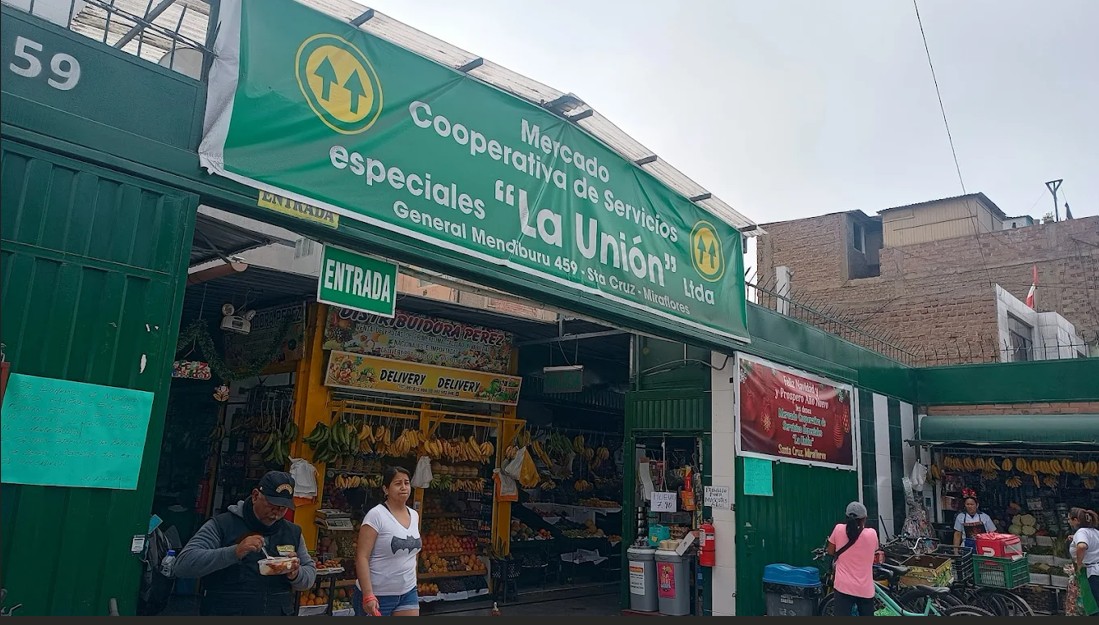
I should mention that up to this point, ceviche had always struck me as a dish that required more faith than evidence. Chewy white fish, small portions, big prices. I kept waiting for the revelation and it kept not arriving. An aguachile at an HO dinner at Mariscos El Submarino had nudged me in the right direction, but I was still not a convert.
After a bit of poking around, I found the place
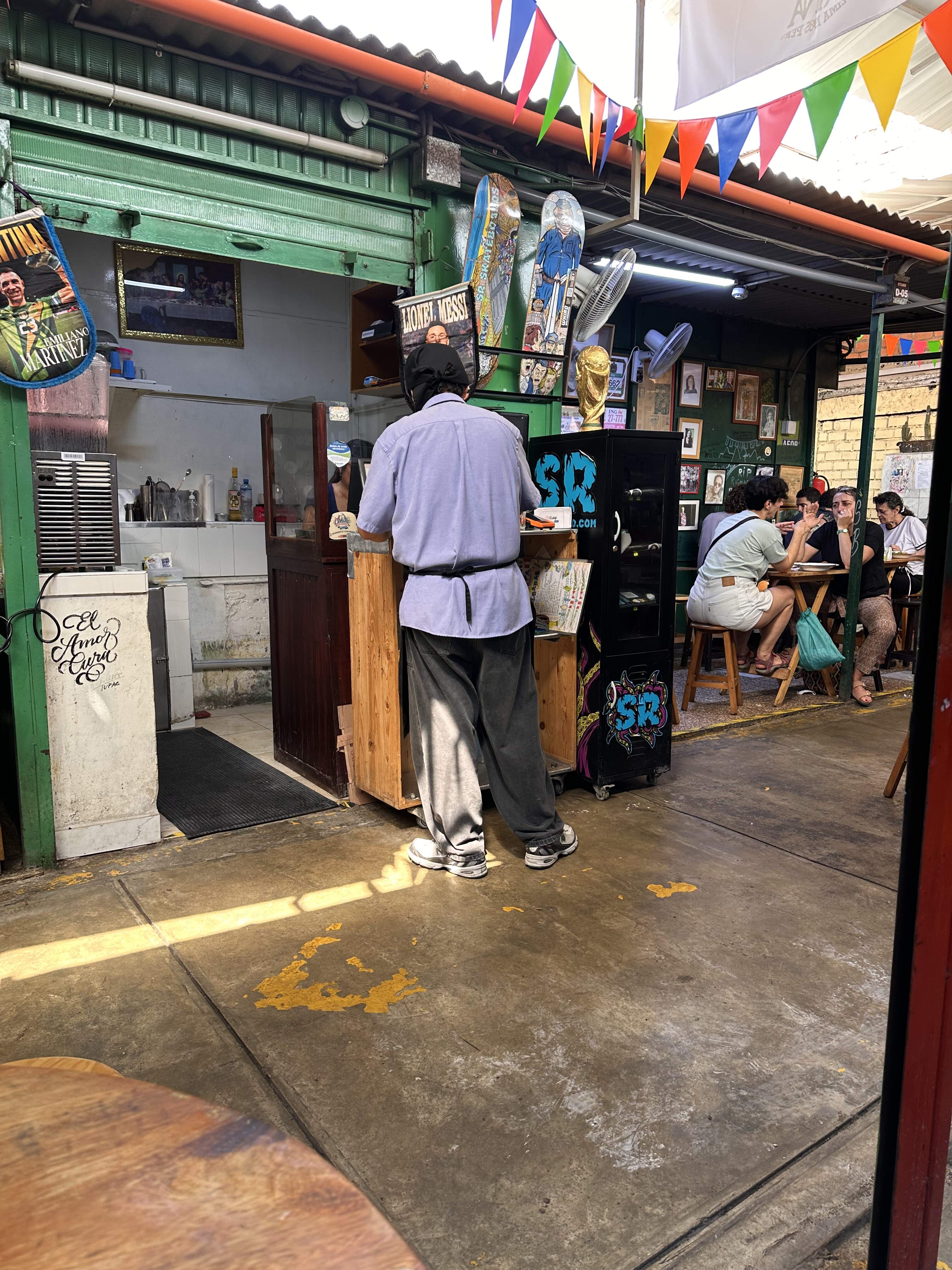
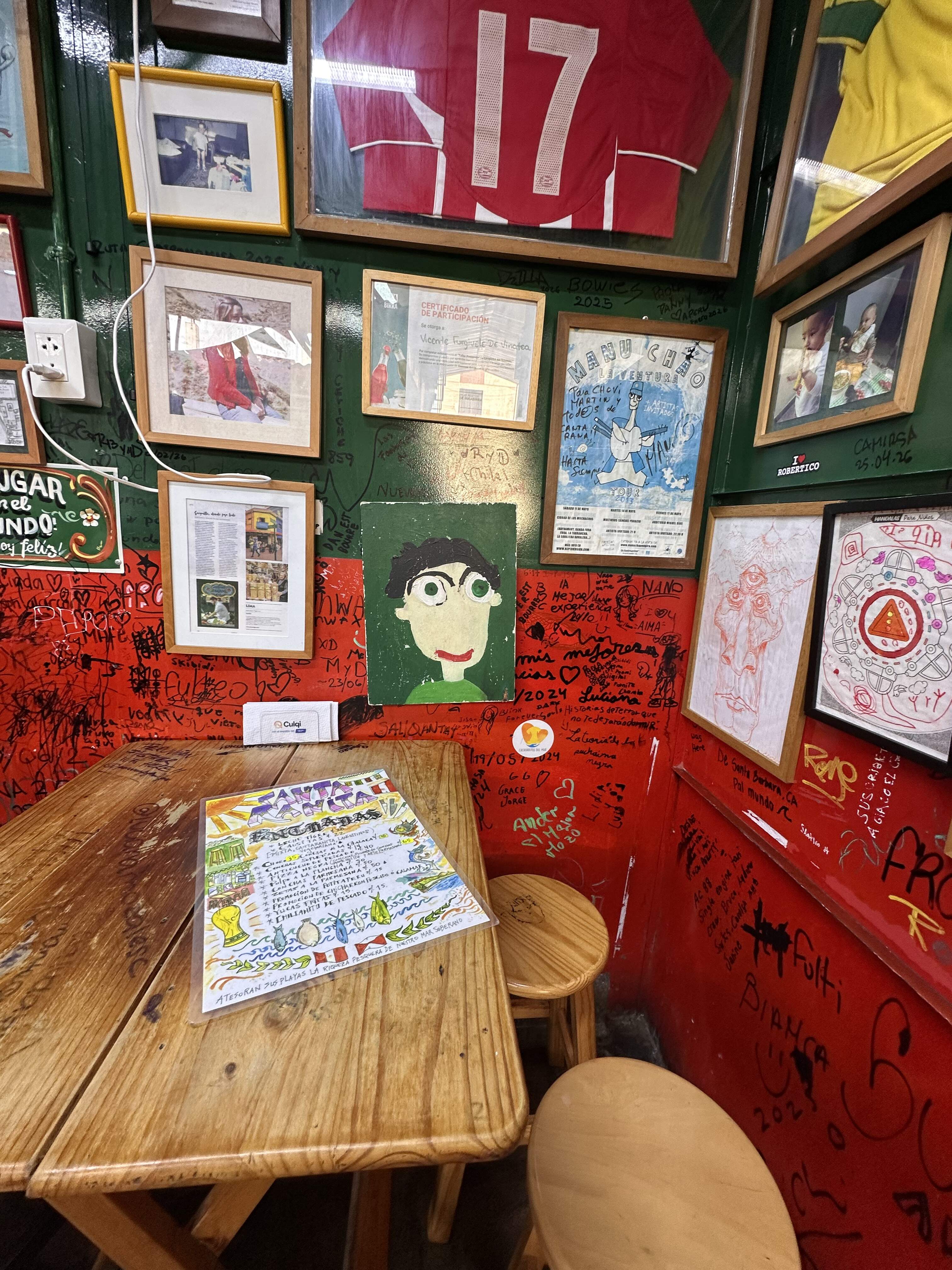
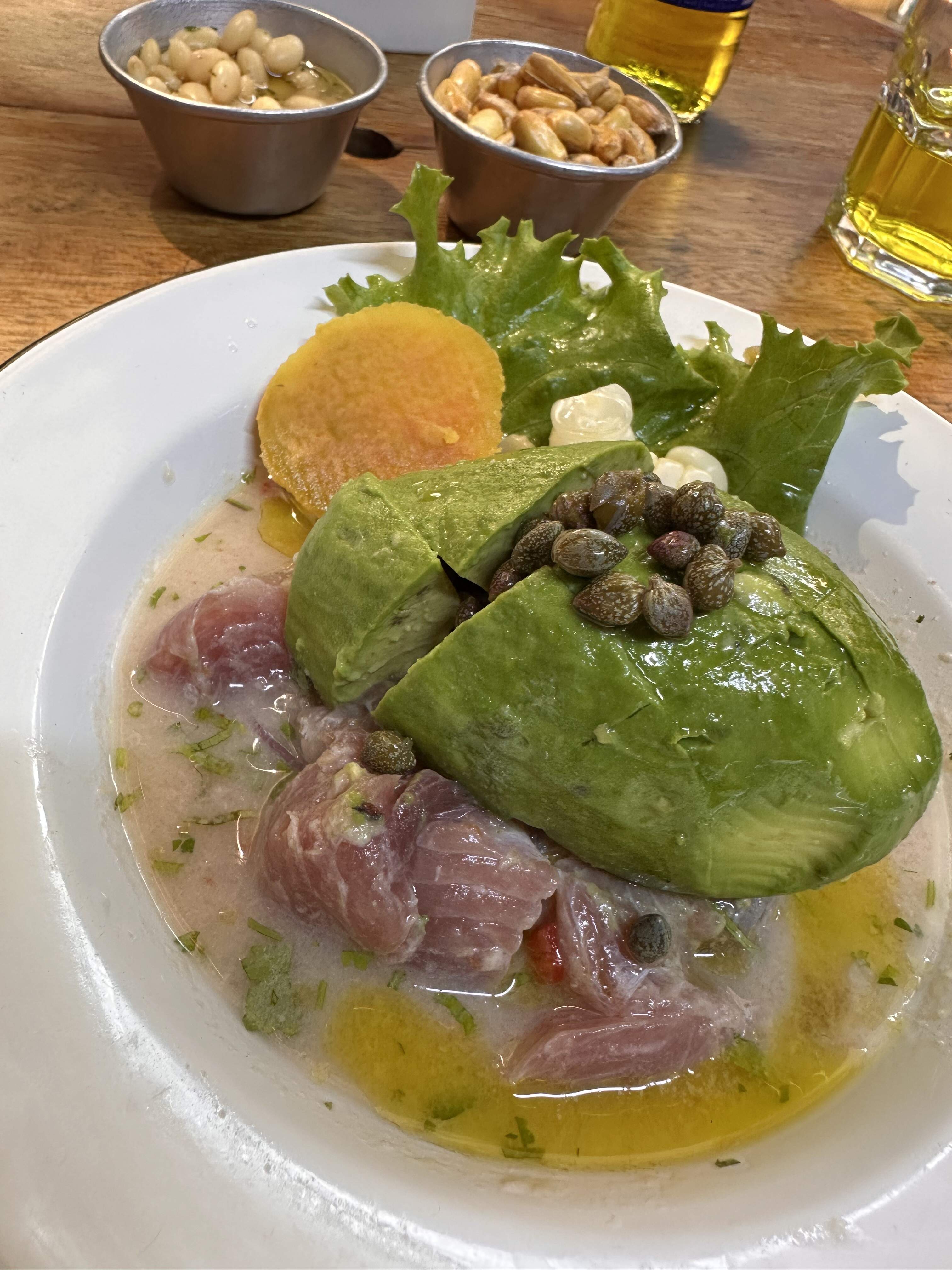
I briefly considered ordering both ceviche and jalea, which in hindsight was optimistic. I settled on their ceviche with avocado ($13). It was extremely fresh, but I struggled to finish it. The avocado made it richer than I wanted. What I really wanted, I realized, was the fish on its own.
Because the fish was the point. This was chita that tasted clean and carefully handled, lightly seasoned so that nothing distracted from its freshness. A little acid, a little heat. The kind of ceviche that makes you understand why someone would build a business around buying fish every morning and closing before dinner rather than compromise.

And yet, a week earlier I had encountered a bowl of ceviche swimming in tigre de leche so profound that this meal, splendid though it was, was destined to finish second. That story will follow in due course, as some fish require their own chapter.
best,
8 Likes
Good start. Looking forward to the rest.
Me, too…love your sense of humor!
The problem with publishing these reviews is that they take an absurdly long time to write. Like my Italy thread, I’m attempting to reconnect with the version of myself who once had an English minor and could dash off a page of biting satire in 30 minutes. Back then, the words outpaced my typing. Now it takes two or three days of fiddling, second-guessing, and mild self-loathing before I’m willing to let one of these pieces escape.
In any case, the next one will be up later today, largely because I’m sick of working on it.
Best,
4 Likes
It should be noted, for the benefit of those following along at home, that the prices at Lima’s top restaurants have risen precipitously over the last eight months or so, in the manner of things that are determined to become unaffordable and are making excellent progress toward that goal. Furthermore, your correspondent has arrived at that particular stage of life where he refuses, on principle and with some feeling, to eat at establishments that serve eight-course dinners of precisely composed, foam-inflected, 2x2 cubes or cylinders of meat or fish, topped with tweezer-placed microgreens. This is, it must be said, a very specific grievance, but it is held with great conviction.
These two factors conspired to eliminate the entire “best restaurants in the world” category, including Central, Mérito and Clon. God bless you if that’s your jam. Lima is absolutely your place and the food will doubtless be delicious. We shall say no more about it.
At the top of my list was Isolina, described by our food tour guide as good, traditional Peruvian pub food in a traditional setting at traditionally reasonable prices. This sounded, to at least one member of our party, like exactly the sort of thing one travels thousands of miles to find. A WhatsApp inquiry revealed they were sold out the entire week, though a handful of tables had been set aside for walk-ins, presumably for people such as ourselves, who believe that hope is a perfectly adequate reservation system.
And so it came to pass that we found ourselves at Isolina at 8pm, facing a half hour wait and the reasonable prospect of pisco sours at a nearby bar. Your correspondent produced his phone with the insouciant air of a man who has everything under control, at which point his wife announced that a) she was very hungry and b) something bad would happen if food did not materialize shortly. Having witnessed several “something bad will happen” events over the years, and being a quick study, he sighed, pocketed the phone, and abandoned the Isolina dream entirely in favor of a nearby backup, Awicha.
We walked straight in. Small wooden tables, simple setting, well-priced, devoid of tourists. The bread was very good. The cheese, roasted tomatoes and strawberries spread upon it were better.
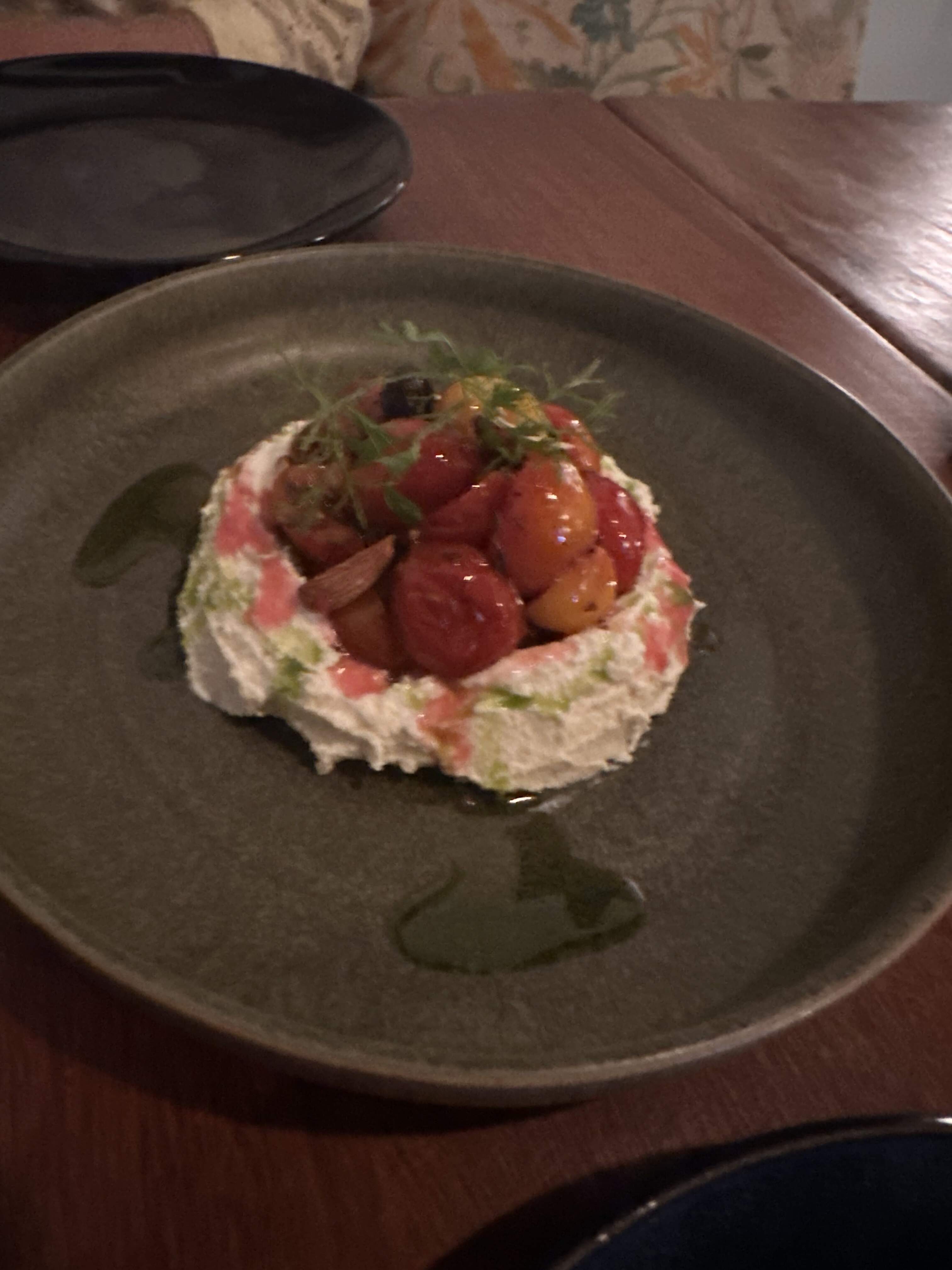
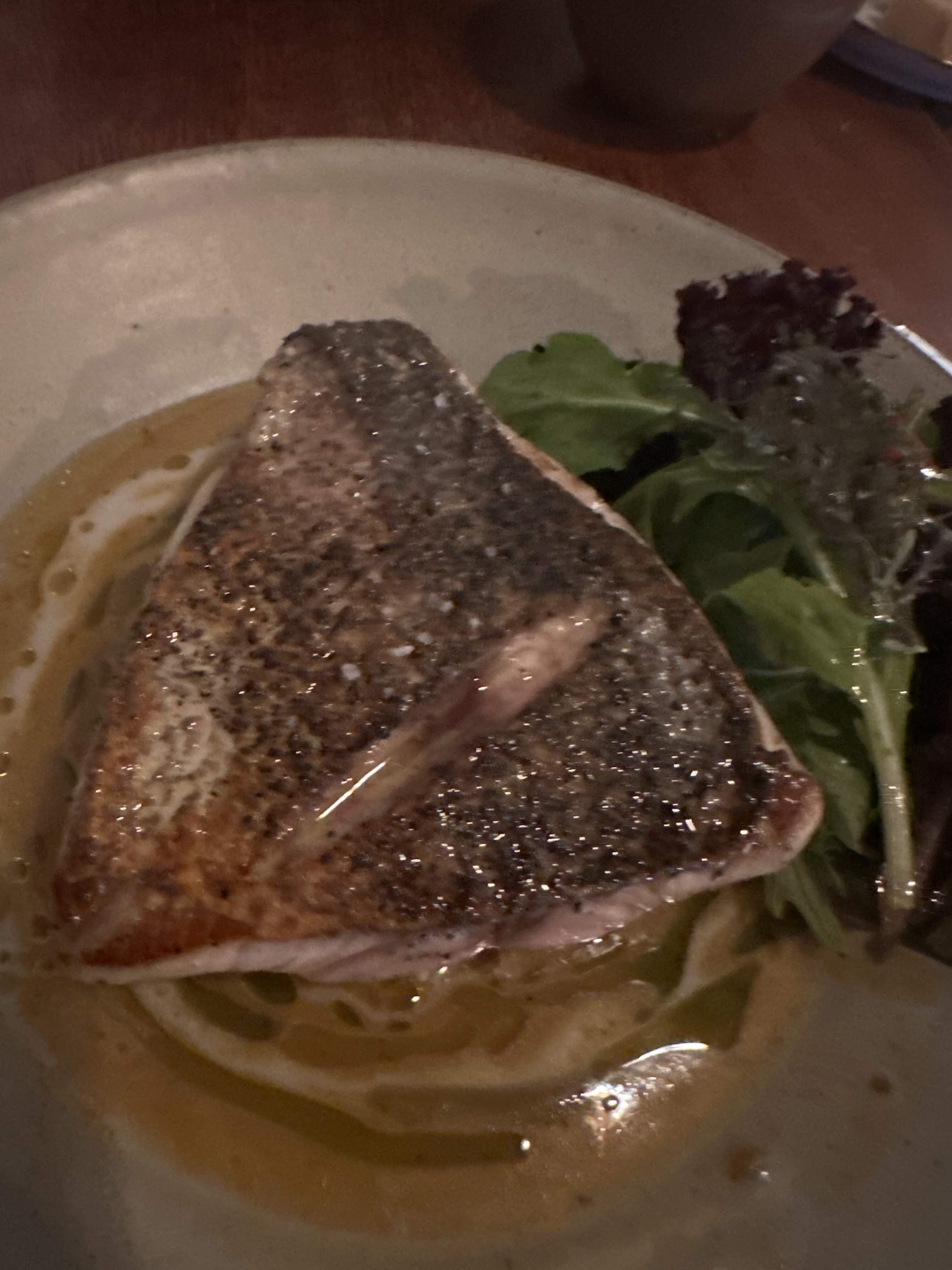
Your correspondent had the fish of the day with leche de tigre curry. The fish was, not to put too fine a point on it, incredible. The sauce was beautifully complex, perhaps a shade too salty, but this, it transpired, was a recurring theme in Peruvian cooking, which appears to have strong opinions about salt and is not shy about sharing them.
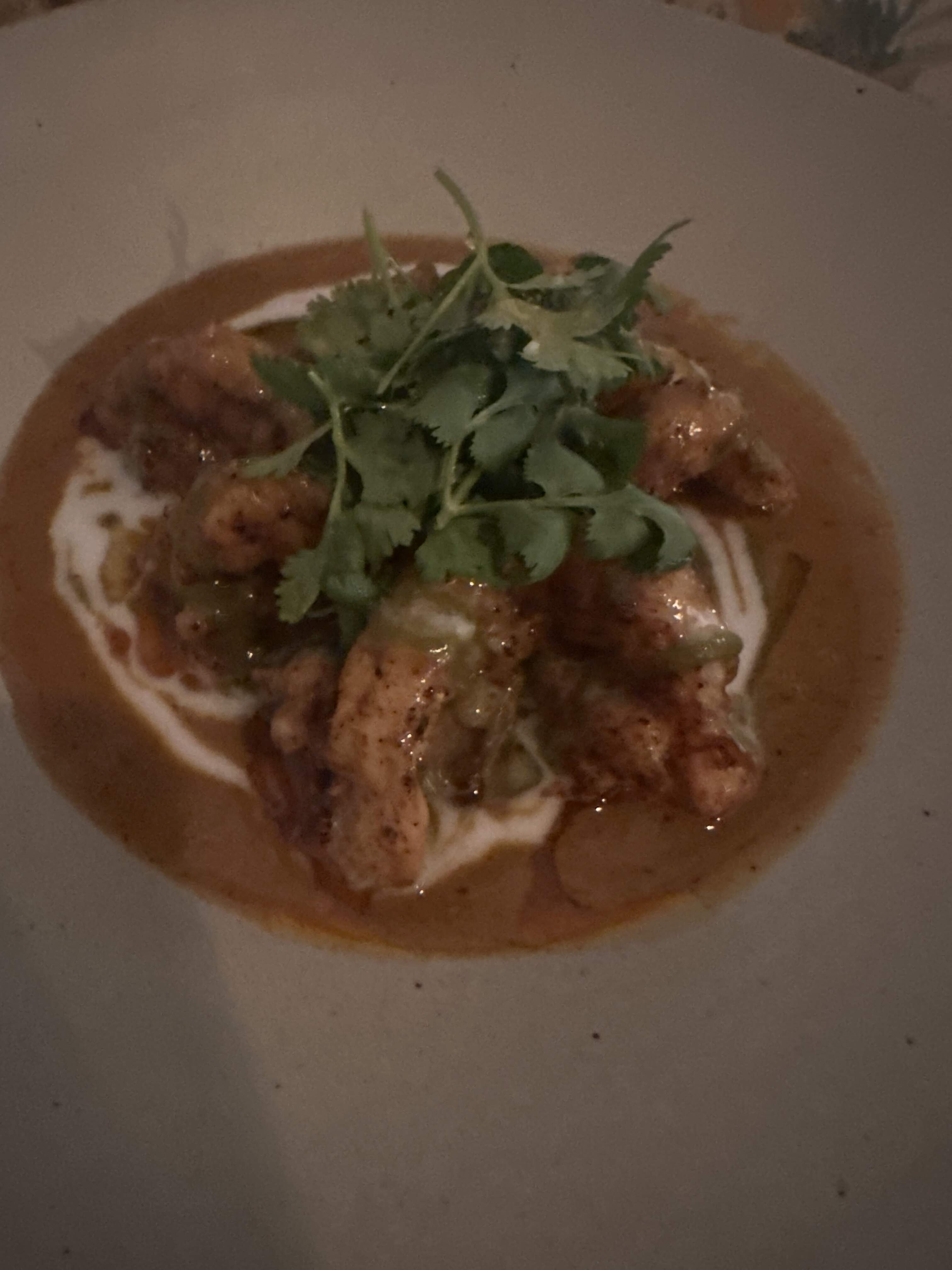
His wife had the coconut shrimp: perfectly cooked, admirably fresh, though perhaps slightly beneath the potential of a chef clearly capable of greater ambition. It was, one felt, the equivalent of Shakespeare dashing off a grocery list.
Dinner, with three glasses of wine, came to $90 with tax and tip. Were we residents of Lima, we would be here every week, without question and possibly without reservation.
Best,
8 Likes
At least you survived to tell us about it. Well done.
The price seems to be almost on par with North American cities? Why did the prices go up this much, tourism?
1 Like
no idea!
$90 for dinner for two with three glasses of wine would be dirt cheap in most American cities.
2 Likes
i would add that’s impossible to find fish of this quality in most american cities.
1 Like
I just read a (poor) review of CENTRAL, and so looked it up.
I literally almost could not believe what I was seeing.
Their least expensive menu–which takes “only” to hours, is priced at equivalent of USD 394.
Their SIX HOUR long menu costs USD 1057 at today’s rates.
For comparison, the two cartas at AKELARE (Spain; three Michelins stars; three Repsol suns) cost 370 euro each.
Menu at QUINTONIL in Mexico City=328 USD
Looked up BORAGO in Santiago=no mention of price on website that I could find
Menu at ULIASSI (Senigallia) maybe the best “fancy” meal I’ve ever had=280 euro, but oh, it’s way down at #43 on “that” list
The six hour “menu” isn’t just a tasting menu but in large part a day behind the scenes of the restaurant in their creative lab, garden etc. That goes far beyond just a tasting menu
It’s all well and good but I would never pay that. Ask nicely at other restaurants and they give you a kitchen tour. I’m not saying it’s the same thing or the it’s not worth it for some people…just curious why the price is so much higher than the big names, for example, in Spain? I’m curious who the diners are that are taking their long menu…? One thing we know is that they all have lots of money!! I have not been so should not even be commenting here.
Because it was on #1 on the World’s Best Restaurant List in 2023 and even though many people, including myself, are skeptical of many list, this is one list many people who frequent high-end dining worldwide rely quite often and that justified for Central to raise the prices
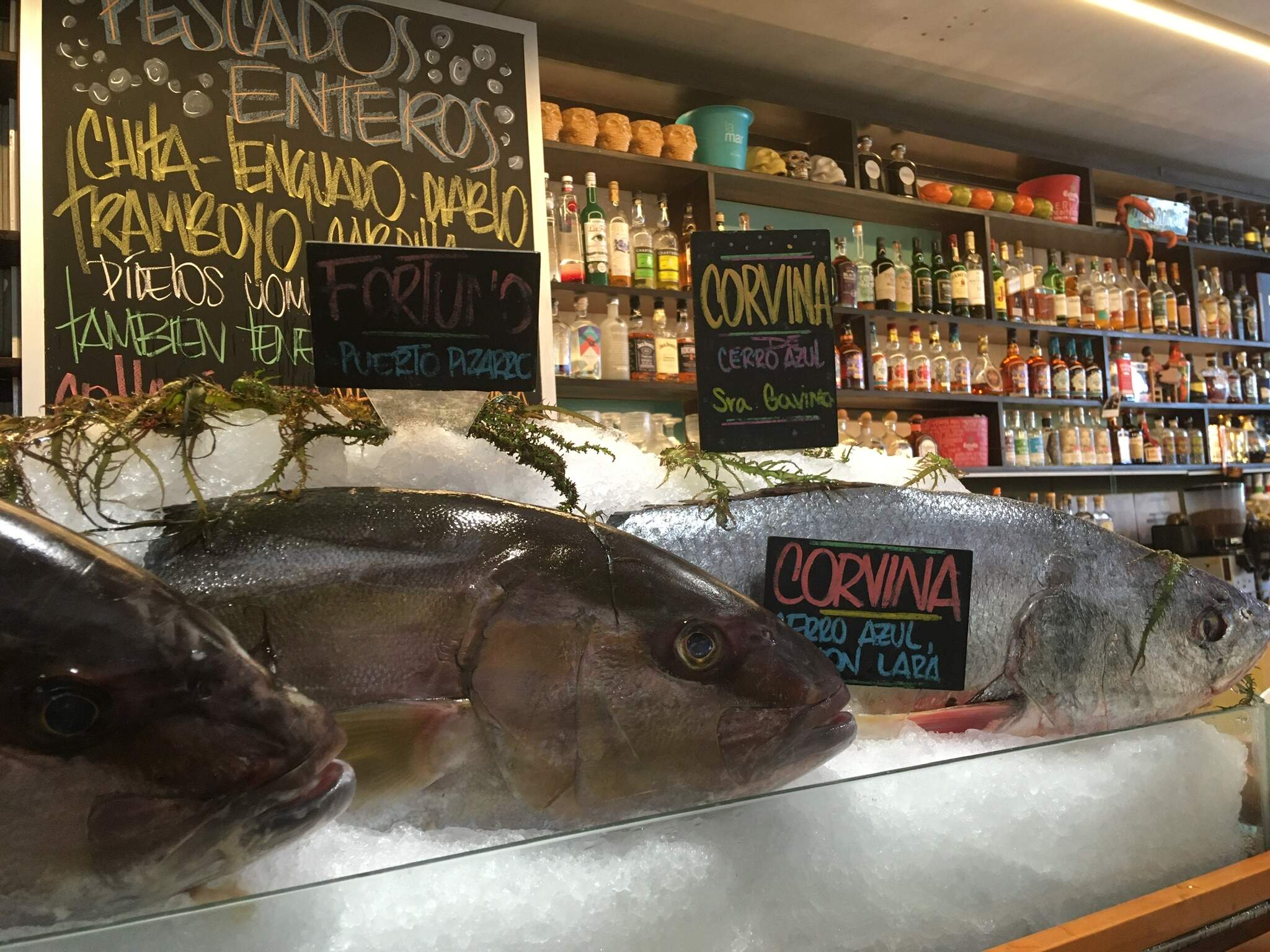
See @vinouspleasure’s mention of sharp price changes within the past year:
1 Like

