[Penang] Penang-Nyonya cuisine at Winn's Cafe, Cantonment Road

10-month-old Winn’s Cafe at Irrawadi Road is seriously pitching itself as a candidate for Best Nyonya Restaurant in Penang. In fact, many locals are looking for good alternatives to old stalwarts like Nyonya Breeze Desire (Straits Quay) and Perut Rumah (Jalan Bawasah) after standards of cooking deteriorated at both places. Finding good Nyonya food commercially in Penang has always been challenging - but that’s where Winn’s Cafe is a breath of fresh air, with its meticulously prepared and beautifully-plated dishes.

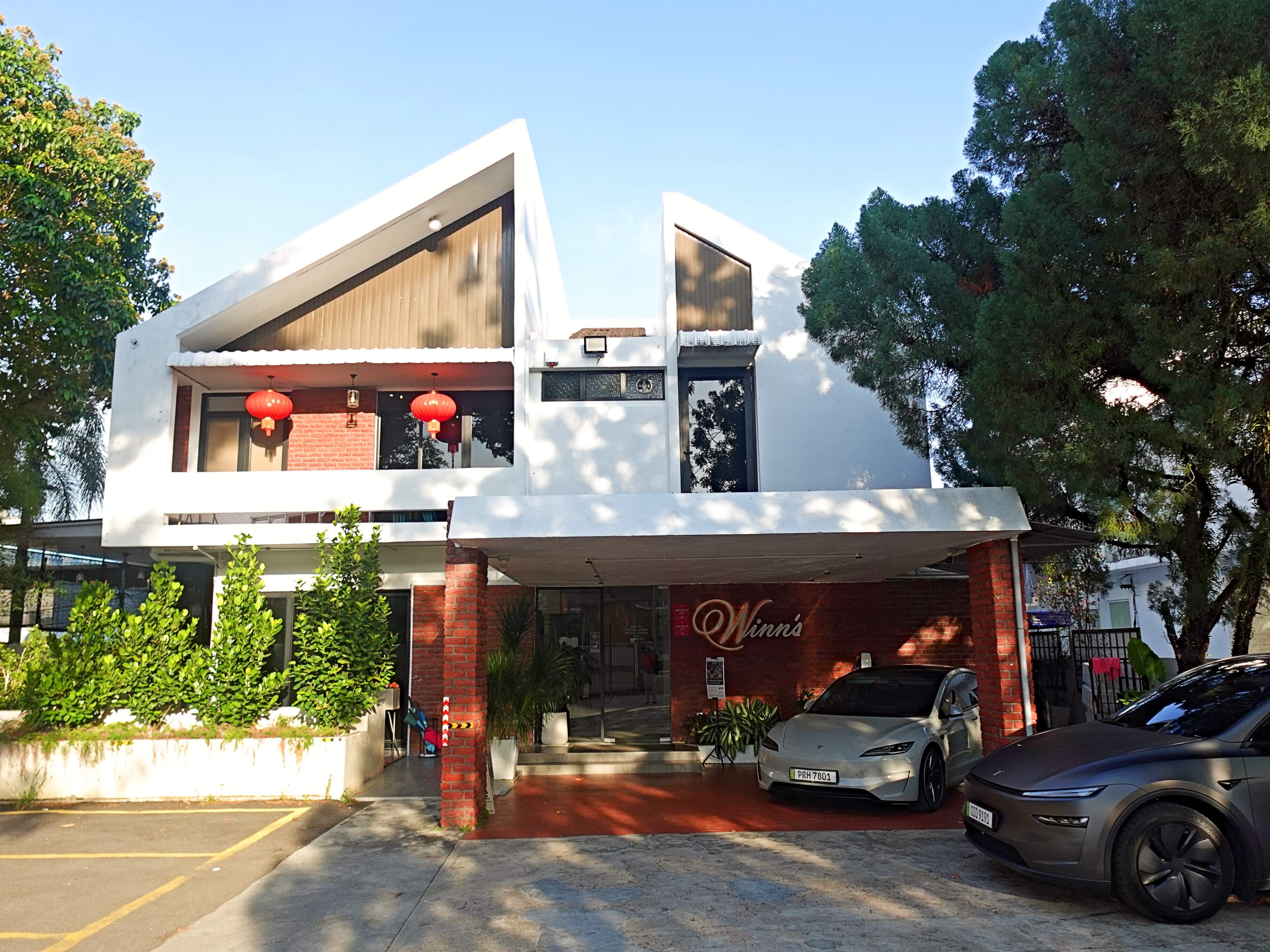
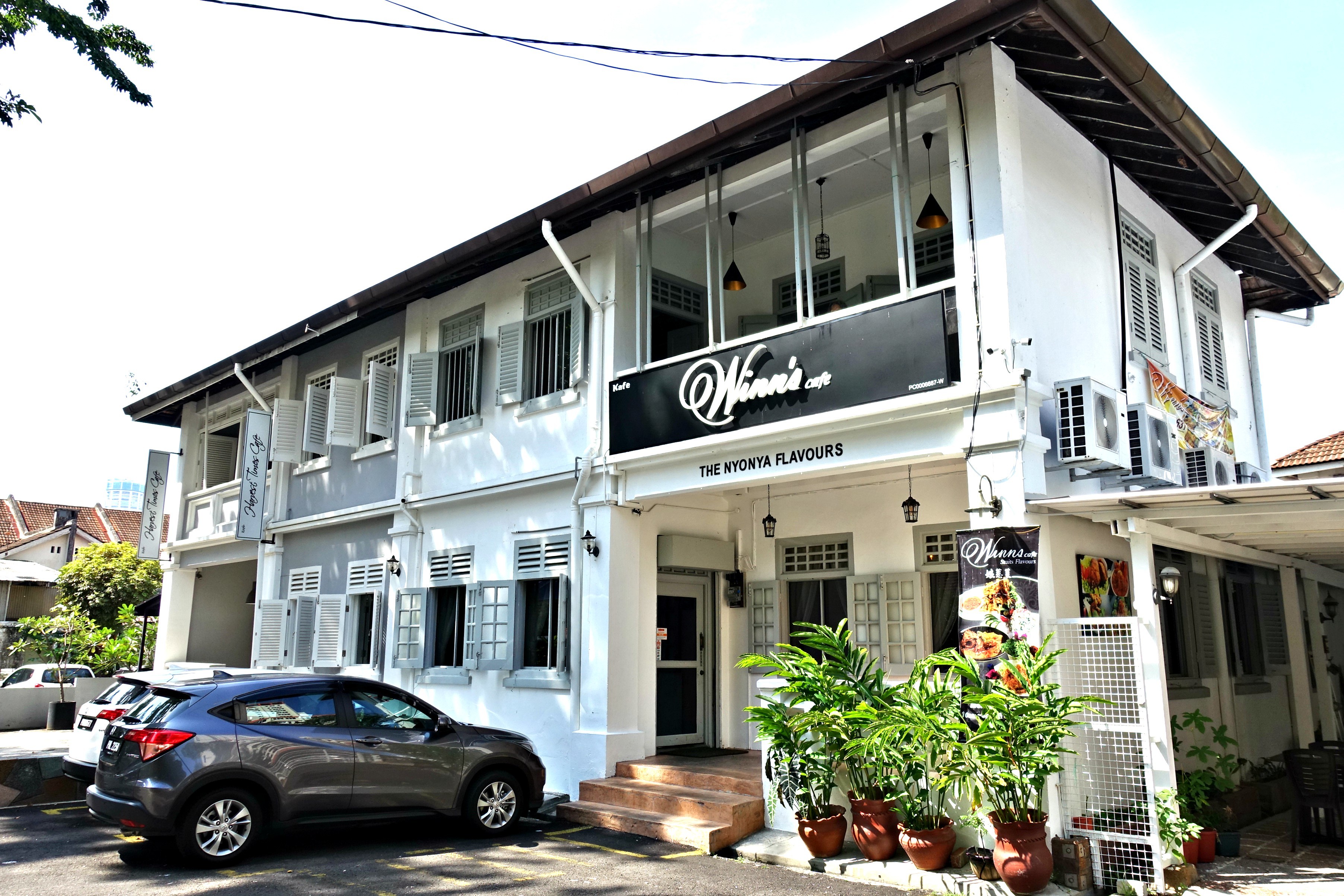
Irrawadi Road is lined with repurposed residential bungalows-turned-restaurants, and Winn’s Cafe is one of them:
The eatery offers both a la carte, as well as set meals, where a diner picks a main course, and it’ll be served with an appetiser platter consisting of tasting portions of 3-4 appetisers. We ordered two sets: one with Chicken Curry Kapitan, a Penang-Nyonya specialty dry curry made from fresh turmeric, galangal, onions, garlic, lemongrass, chillis, and flavoured with tamarind juice and coconut milk. It’s served garnished with finely-julienned kaffir lime leaves.
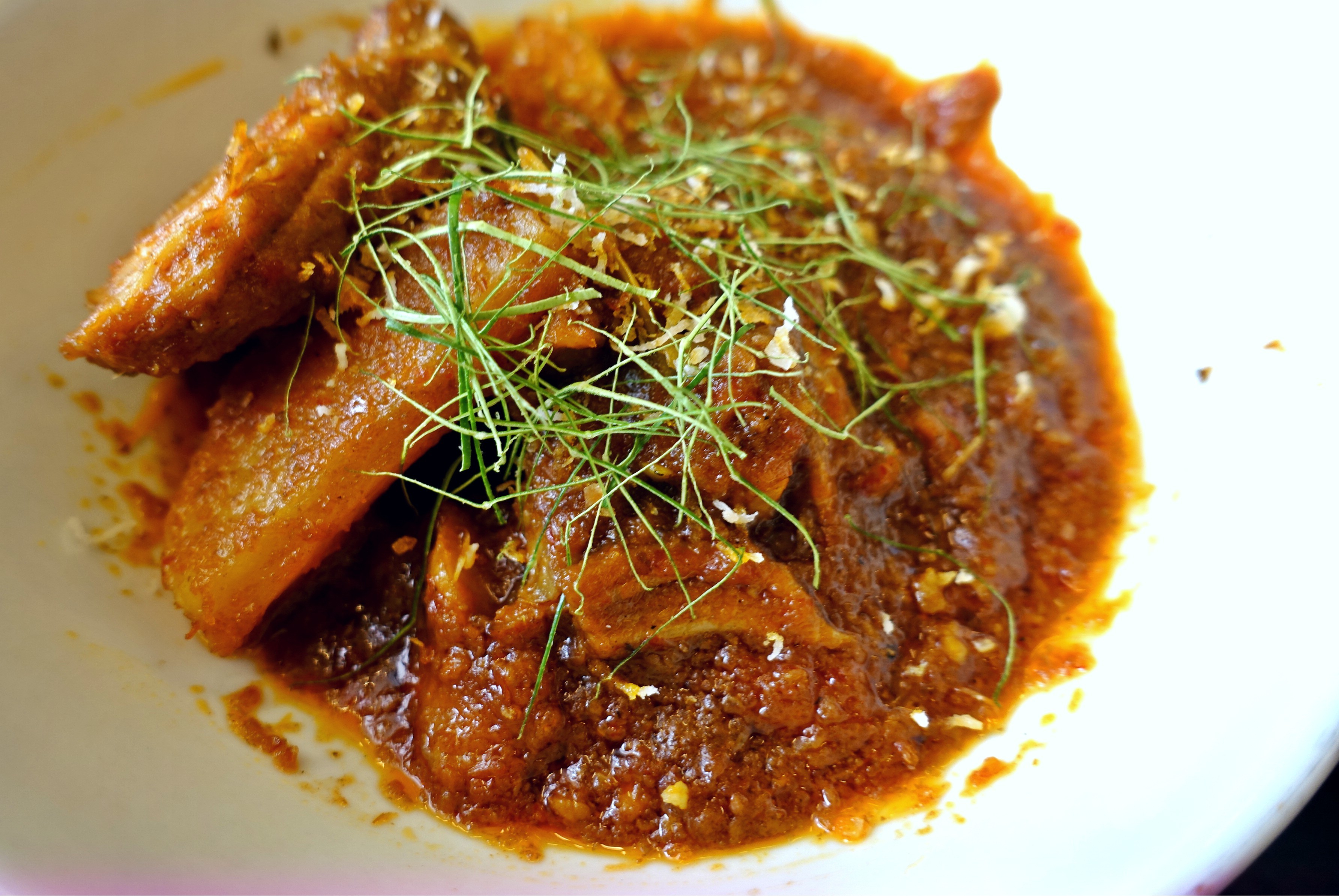
The second set came with steamed Nyonya-style fish, where the spice mix is a light, almost fruity mix of fresh turmeric, ginger, onions and chillis. It’s pretty sourish-sweet.

The appetiser platters were colourful affairs, and consisted of a variety of well-known Penang-Nyonya food items:

  1. Lor bak, or 5-spiced meat rolls:

  2. Cucur udang - Malay-style prawn fritters:

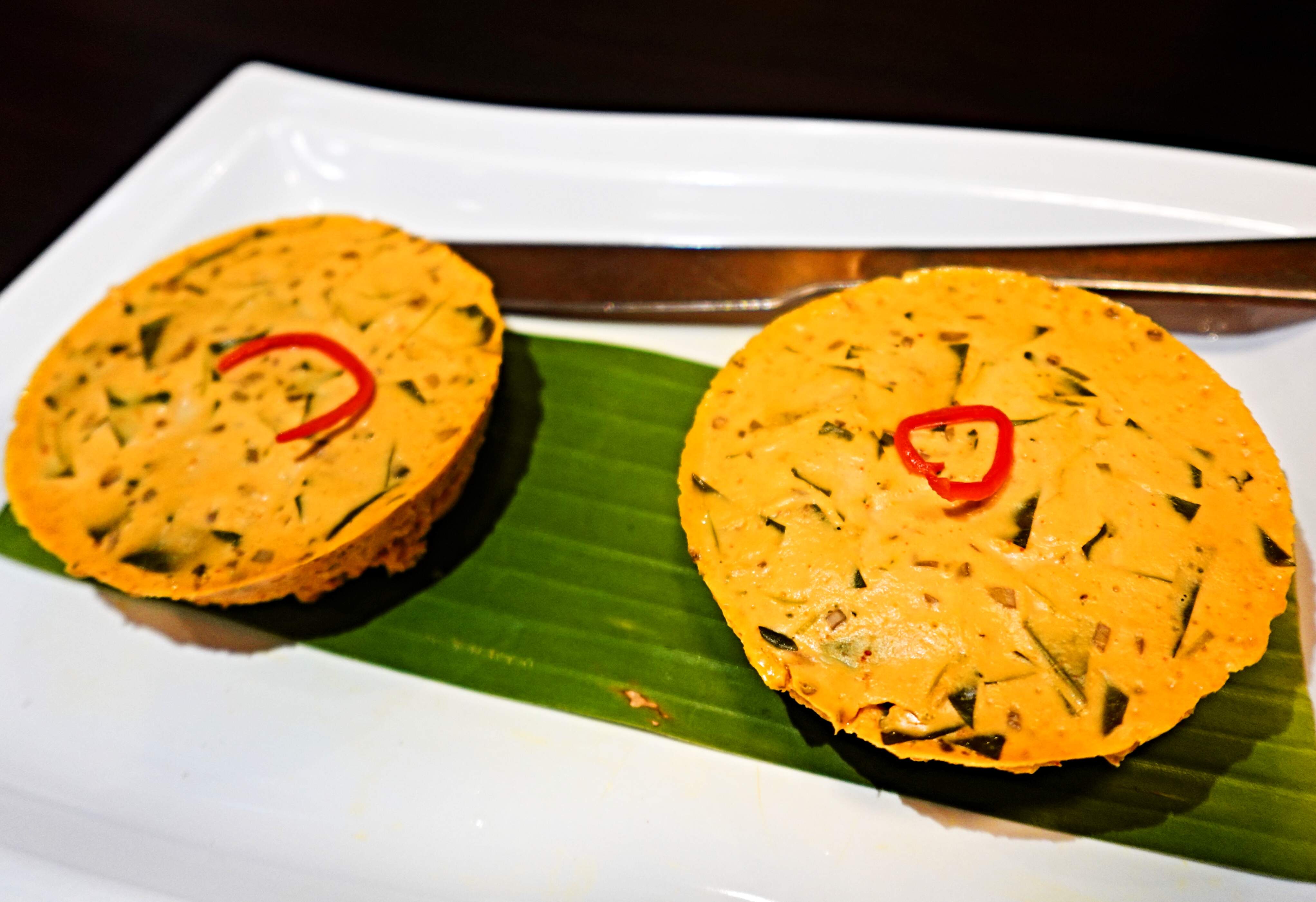
  3. Otak-otak - a spicy, custardy fish mousse.

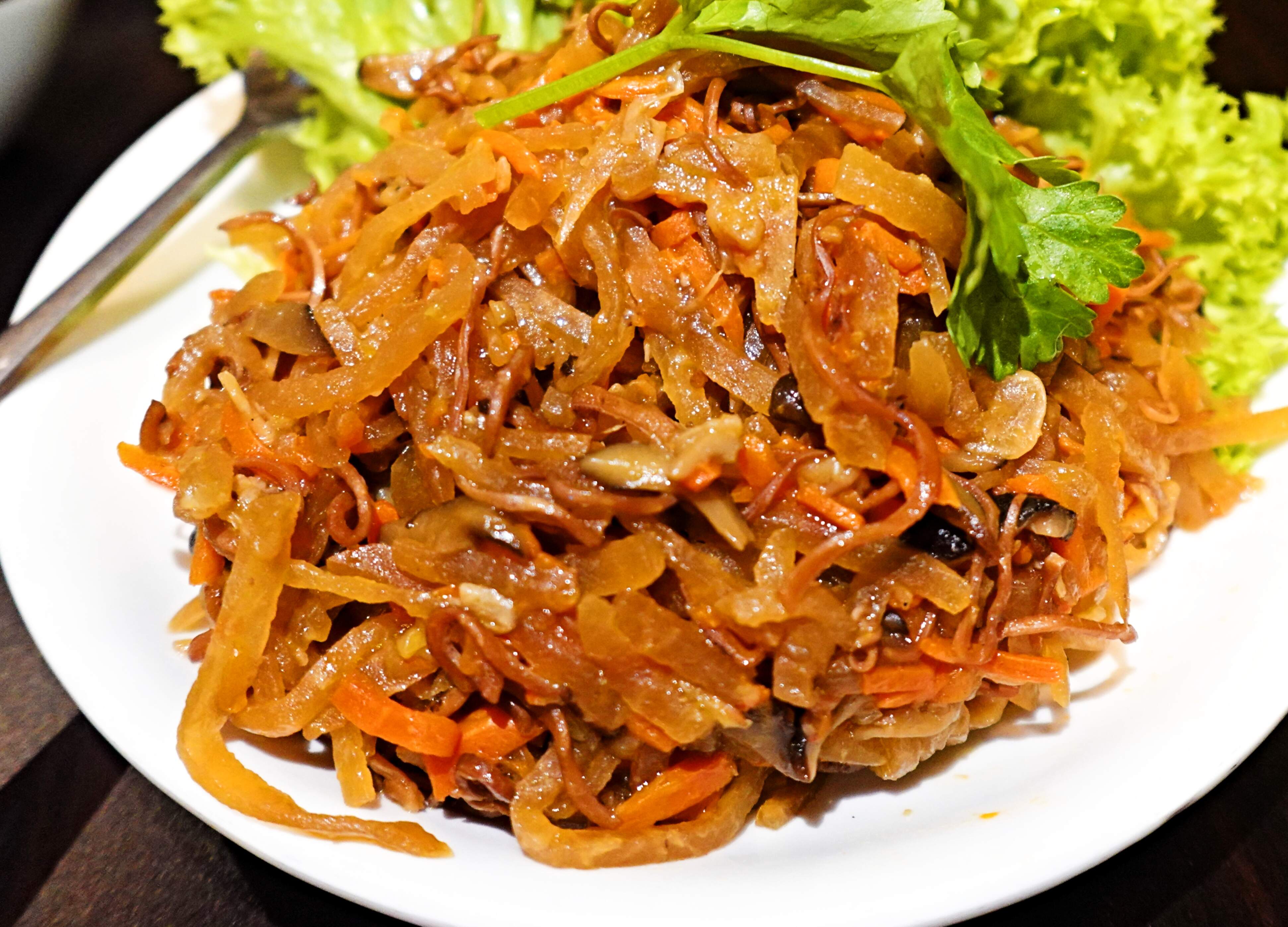
  4. Jiu Hu Char, or shredded jicama cooked with dried cuttlefish. Winn’s Cafe does not use pork for this dish, so the signature porky flavours of this dish was missing.

  5. Nyonya achar - vegetable pickles.

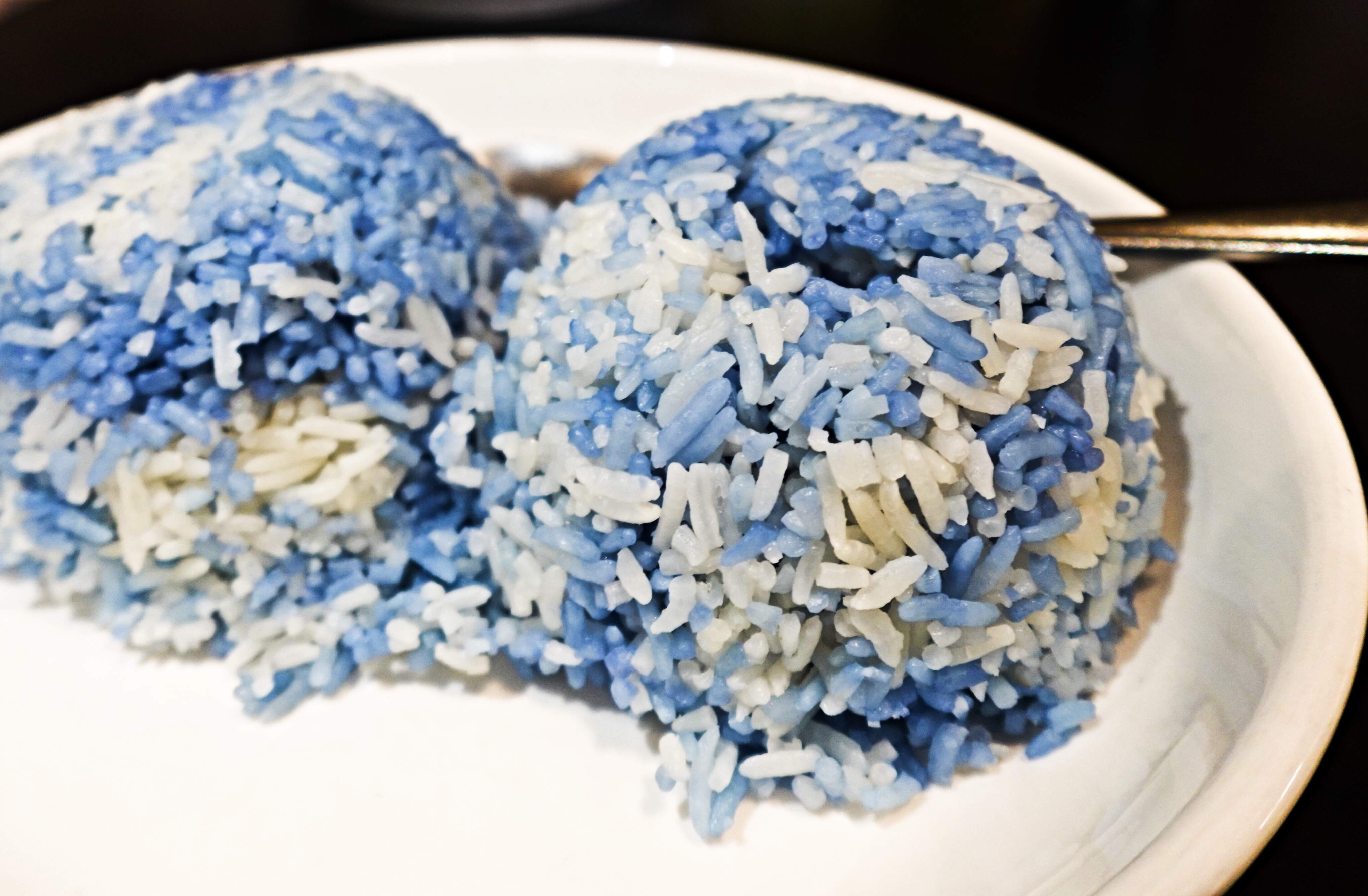
Winn’s Cafe uses the local “bunga telang” flower for garnishing and also to tint its steamed rice blue.

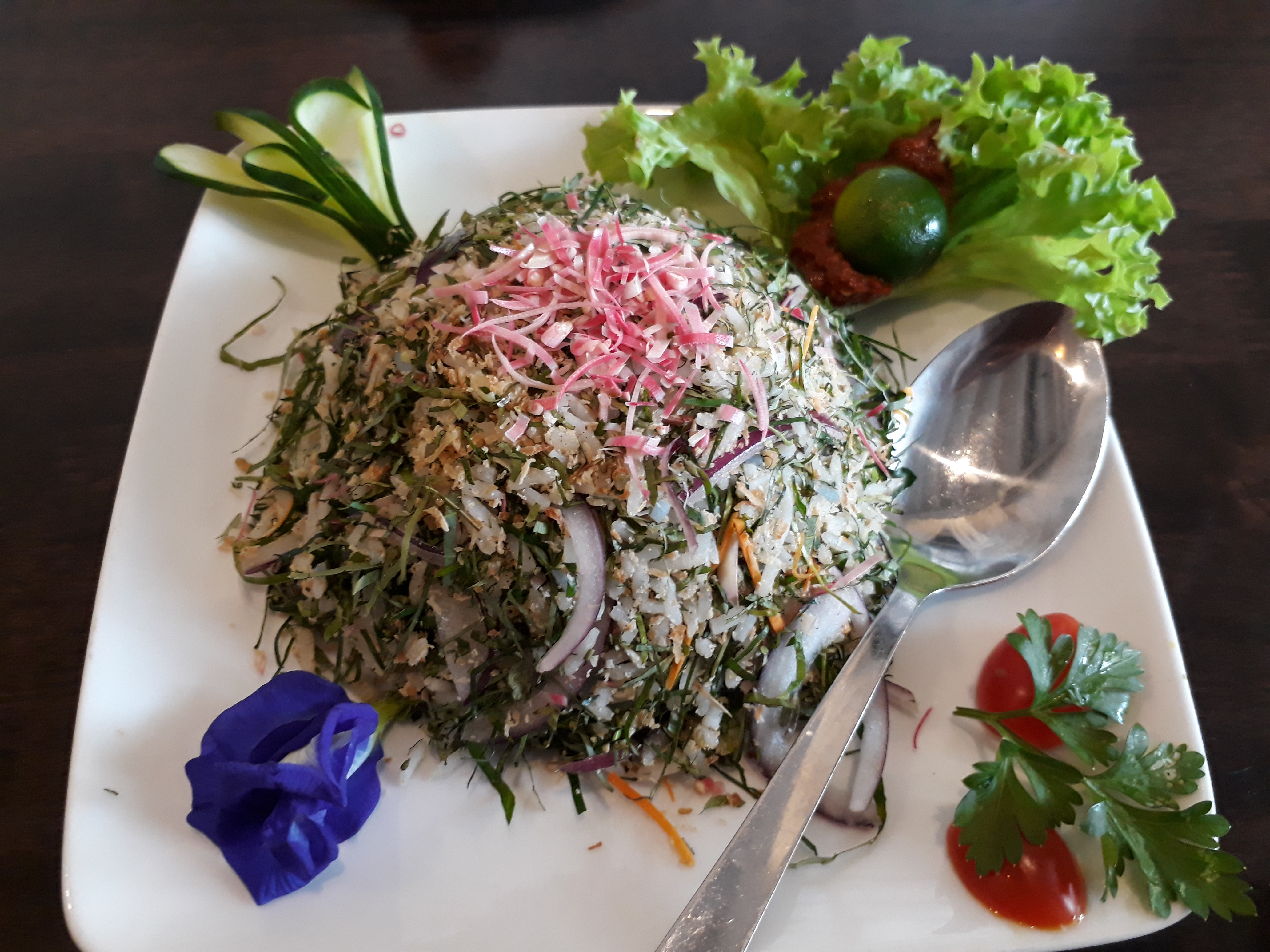
One popular a la carte one-dish meal is the Nasi Ulam, or herbal rice - basically steamed rice flavoured with a variety of finely-chopped herbs and vegetables, toasted grated coconut, dried shrimps, and “sambal belacan” (chilli paste with fermented shrimp). It comes garnished with finely-julienned “daun kadok” (aromatic wild betel leaves) and pink torch ginger.

Desserts are:
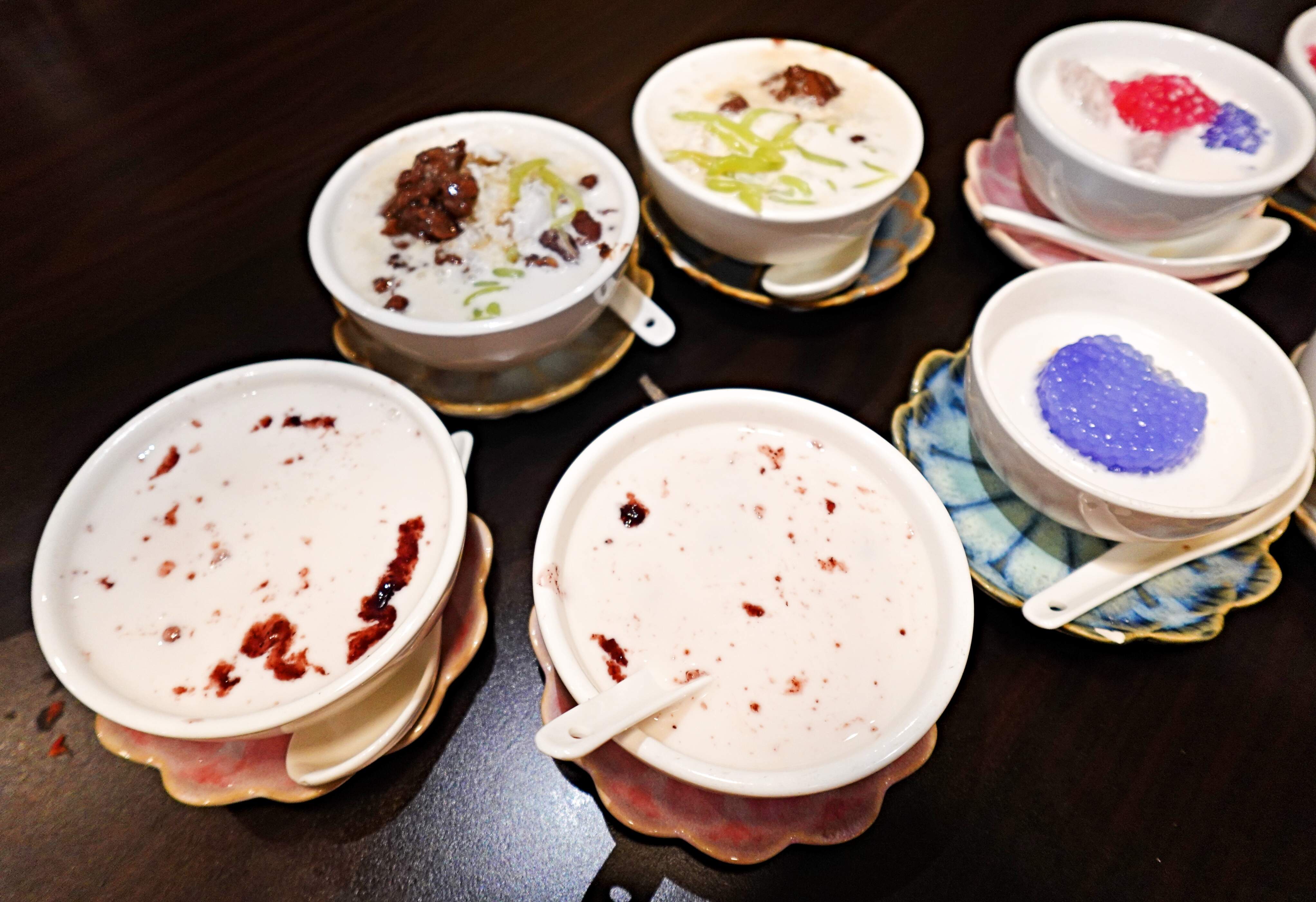
6) “Bee koh moi”, which is the Penang term for “pulut hitam”, as the same dessert is known in other parts of Malaysia and also Singapore. This is black glutinous rice cooked with sugar and coconut milk. The Penang version also incorporates dried longan. It is served with additional lashings of fresh coconut milk.

  1. Sago with Gula Melaka. This is a classic Nyonya dessert which is also common in Singapore and Malacca, two other cities with a strong Nyonya tradition. Winn’s Cafe serves a terrific version - very fresh coconut milk, and high quality Gula Melaka syrup, with a deeply aromatic, smoky fragrance which one cannot find in lower grade Gula Melaka (palm sugar). It was better than any version I’d ever had in Singapore or Malacca.
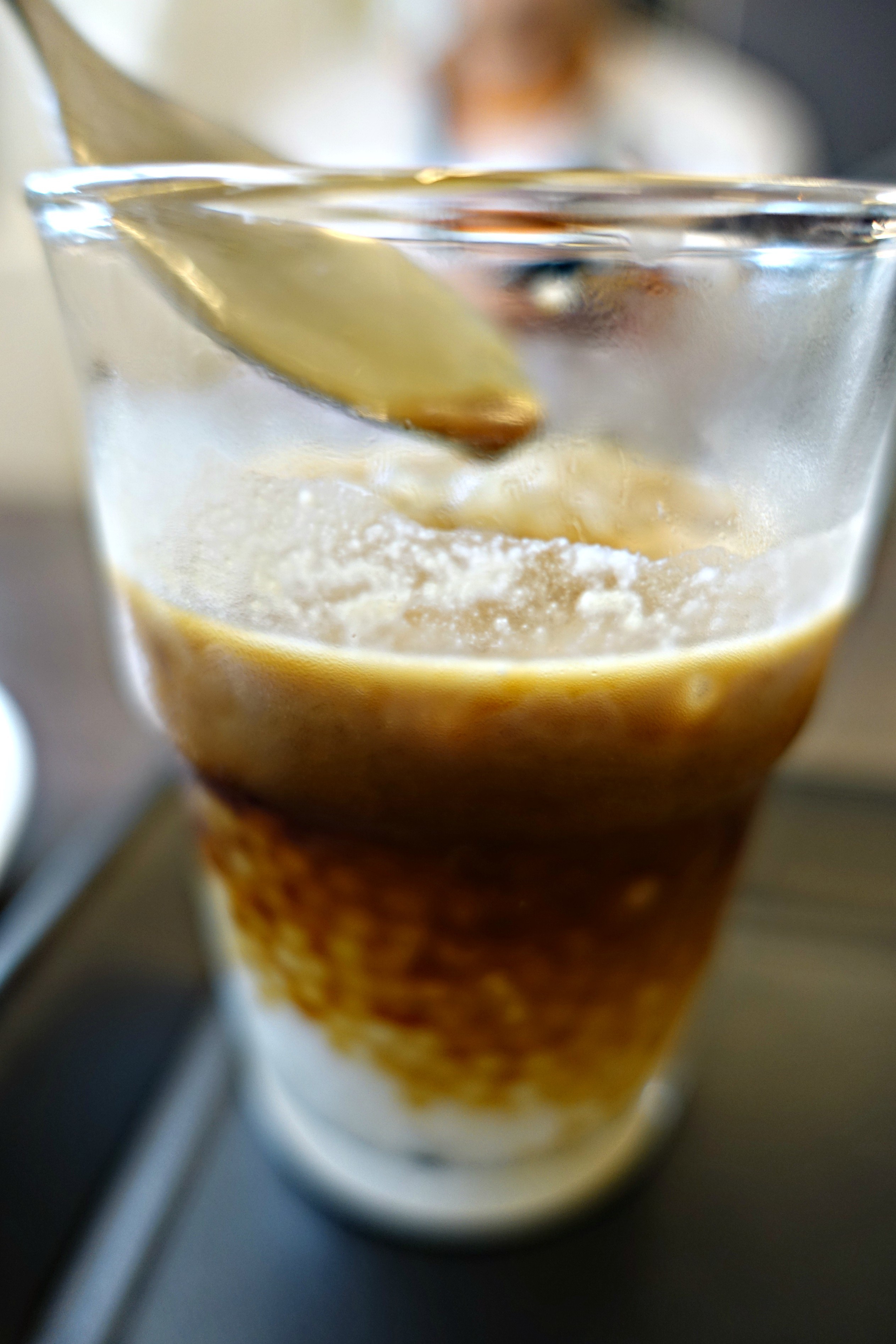
Overall, Winn’s Cafe provides a pretty comprehensive menu which should please most of the finicky diners in Penang. It’s not perfect, but it gives a better account of itself than other Nyonya restaurants in town currently.

Address
Winn’s Cafe
2, Jalan Irrawaddi, 10050 George Town, Penang, Malaysia
Tel: +60 19-451 1631
Operating hours: 10am-3pm, 6pm-10pm, Monday-Saturday (Closed on Sundays).

6 Likes

If I ate what I see you eating, I will be 300lbs soon. How do you do it? Very envious…

2 Likes

I never finish everything on my plate - at the rate I’m ordering, it’ll be an impossibility to eat that much. :joy:

1 Like

I think it’s possible to finish everything (me and husband), but we can only eat 1 big meal a day and another tiny meal, and skip breakfast. That’s why I like reading klyeoh’s breakfast posts (what we had missed in our trip!), when we are travelling, 70% of the time, we just skipped it.

1 Like

Back to Winn’s two days ago. This time, we tried some new dishes.

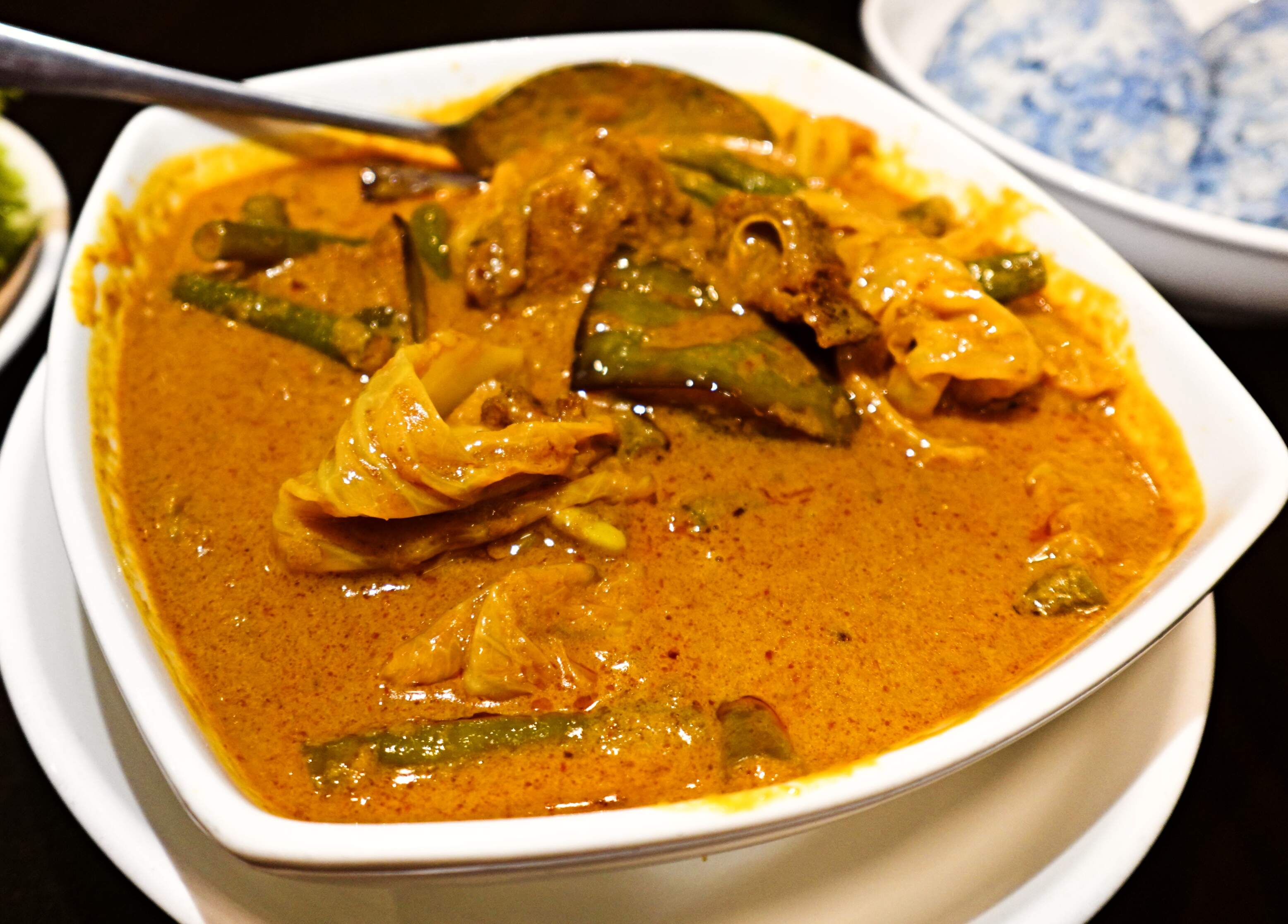
  1. Salted fish curry. This is one of Penang-Nyonya cuisine’s quintessential dishes, cooked using salted fish bones, together with a mix of vegetables which include cabbage, long beans and eggplants. An Indian spice mix is used, with strong fenugreek accents. The gravy is enriched with coconut milk, which neutralises the saltiness from the fish quite a bit.

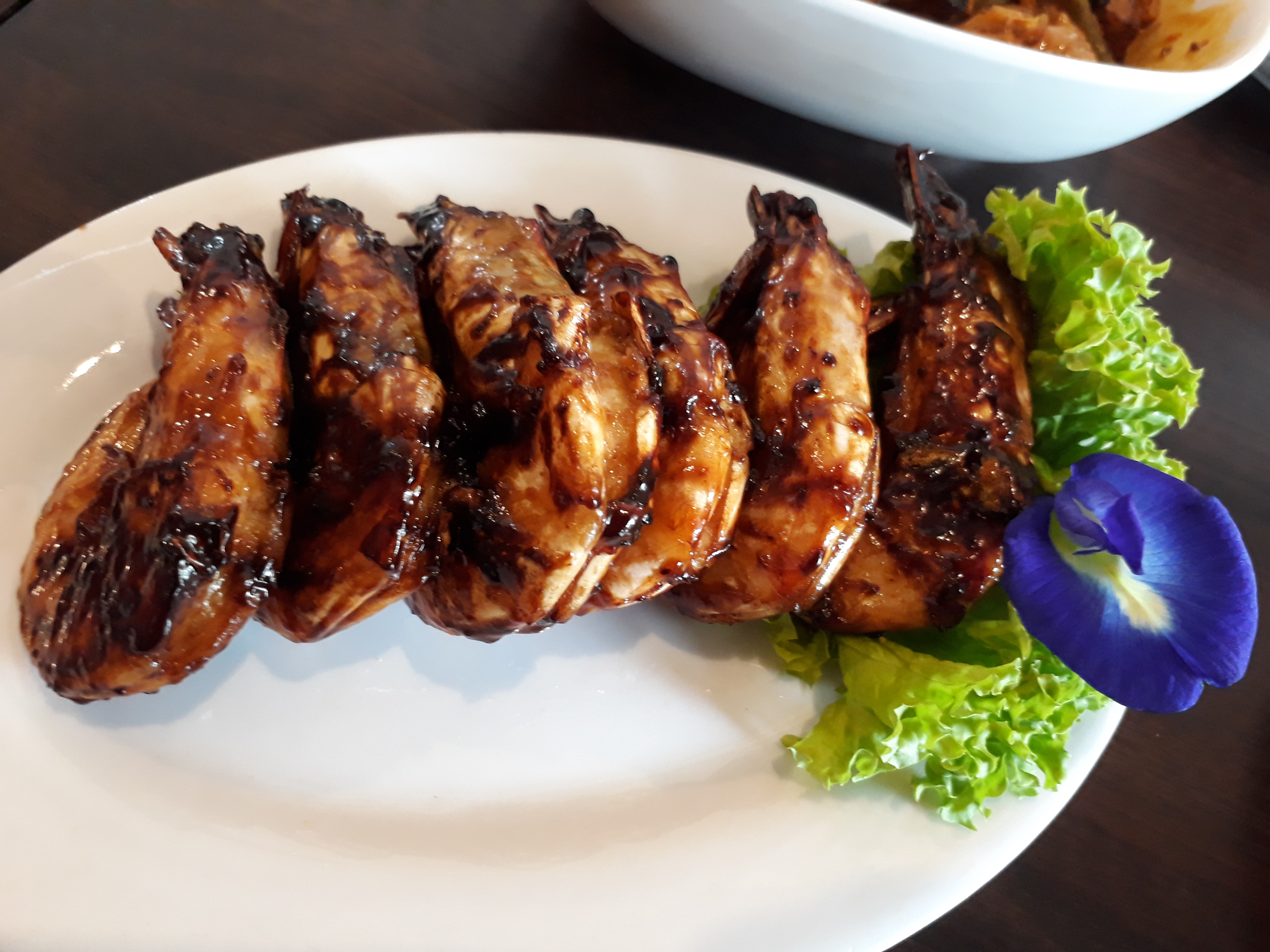
  1. Asam prawns. This is another typical Penang-Nyonya dish, almost impossibly easy to prepare and yet very tasty: shell-on prawns marinated in a mixture of tamarind pulp mixed with water, salt & sugar. The prawns are then pan-fried, turning them dark & glossy, extraordinarily aromatic, and with very assertive sour-sweet flavours. Perfect to go with steamed white rice.

  1. Duck with yam. This dish did not turn out the way I expected. Traditionally, duck with yam (this is actually Asian purple yam or taro) is very much a stew, but the version served at Winn’s turn out to be more soupy. The bone-in duck and thick slivers of yam are pretty well-cooked, but not really my preference.

  1. “Jiu Hu Char” - another common dish in the Penang-Nyonya cuisine repertoire: finely-julienned jicama or yambean, stir-fried with dried cuttlefish, onions and shitake mushrooms.

  1. “Nasi ulam” - the typical Penang-Nyonya rice salad dish, where cooked rice is mixed with finely-chopped herbs, toasted grated coconut raw onions and “sambal belacan”. Very tasty version here.

Winn’s Cafe can get pretty busy these days, as more people become aware of its offerings by word of mouth, so try and book ahead.

3 Likes

Back to Michelin Bib Gourmand-listed 𝗪𝗶𝗻𝗻’𝘀 𝗖𝗮𝗳𝗲 for dinner last Friday, when a bunch of foodie friends from Singapore came a-visiting. 𝗪𝗶𝗻𝗻’𝘀 𝗖𝗮𝗳𝗲 started back in late-2016, operating along the leafy, genteel Irrawaddi Road neighborhood. Unfortunately, in land-scarce Penang, green spaces are a premium, and the state government had re-gazetted the area, with the intention of building high-rises in place of the old two-storey townhouses.

𝗪𝗶𝗻𝗻’𝘀 𝗖𝗮𝗳𝗲 moved to its present location on 38, Cantonment Road in Pulau Tikus in October 2022.

Our dinner spread:
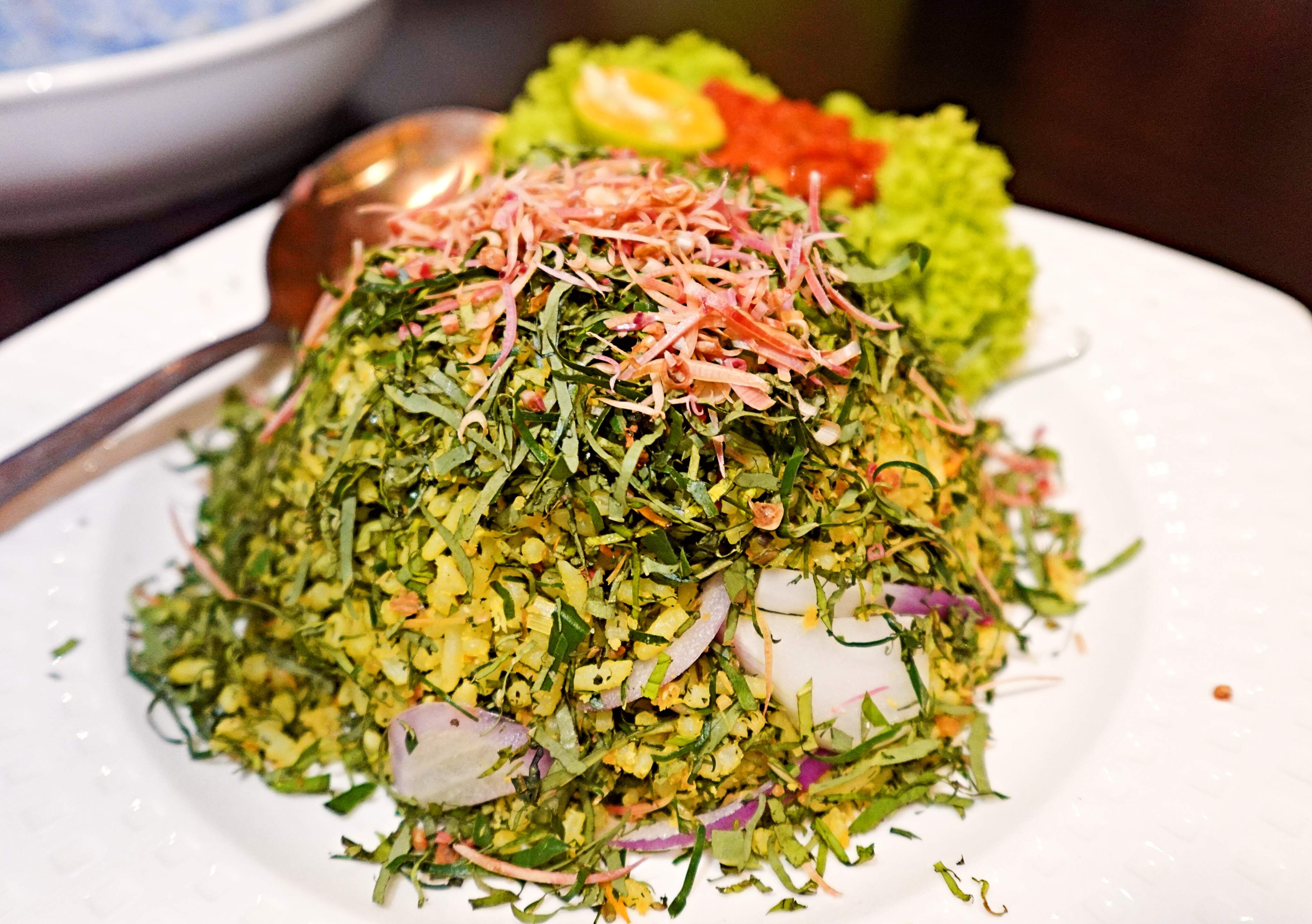
:small_orange_diamond:𝘕𝘢𝘴𝘪 𝘶𝘭𝘢𝘮 - the typical Penang-Nyonya rice salad dish, where cooked rice is mixed with finely-chopped herbs, toasted grated coconut raw onions and 𝘴𝘢𝘮𝘣𝘢𝘭 𝘣𝘦𝘭𝘢𝘤𝘢𝘯. It comes garnished with finely-julienned 𝘥𝘢𝘶𝘯 𝘬𝘢𝘥𝘰𝘬 (aromatic wild betel leaves) and pink torch ginger.
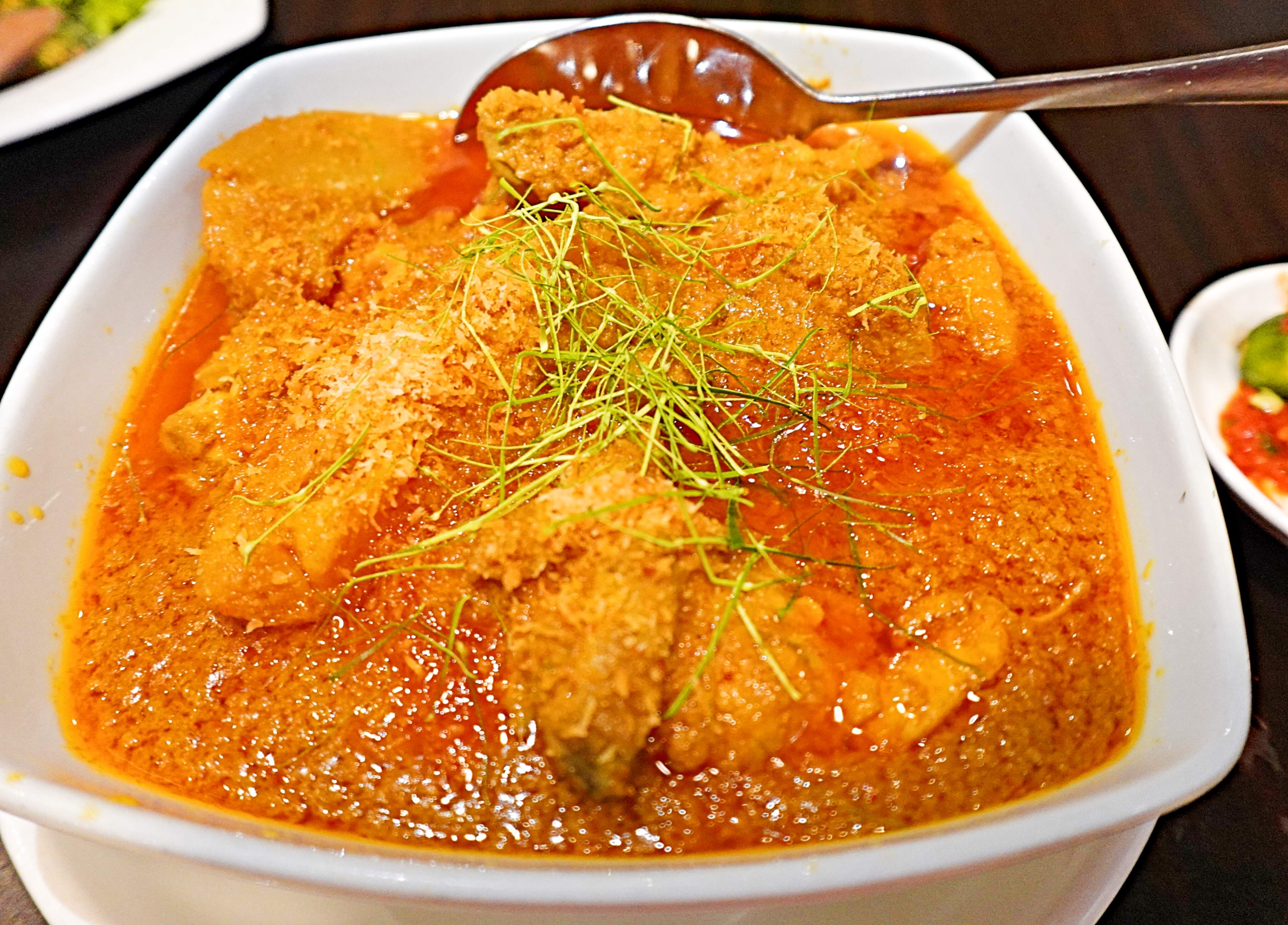
:small_orange_diamond:𝘊𝘶𝘳𝘳𝘺 𝘒𝘢𝘱𝘪𝘵𝘢𝘯 - a Penang-Nyonya classic: dry chicken curry cooked with fresh turmeric, galangal, candlenuts, shallots, garlic, lemongrass, and chillis, flavored with tamarind juice and tempered with coconut milk. The finished dish will be garnished with finely-julienned kaffir lime leaves. Often served as the 𝘱𝘪𝘦𝘤𝘦 𝘥𝘦 𝘳𝘦𝘴𝘪𝘴𝘵𝘢𝘯𝘤𝘦 on a Nyonya dinner table, its “kapitan” moniker refers to its status. During the Portuguese colonial days in 16th-century Malacca, the Portuguese governor was referred to as the “kapitan”. Subsequently, leader of the Chinese community in 18th-century Penang was called the “Kapitan China”.

:small_orange_diamond:𝘑𝘪𝘶 𝘩𝘶 𝘤𝘩𝘢𝘳- another Penang-Nyonya classic: finely-julienned jicama, stir-fried with dried cuttlefish, onions and shitake mushrooms.

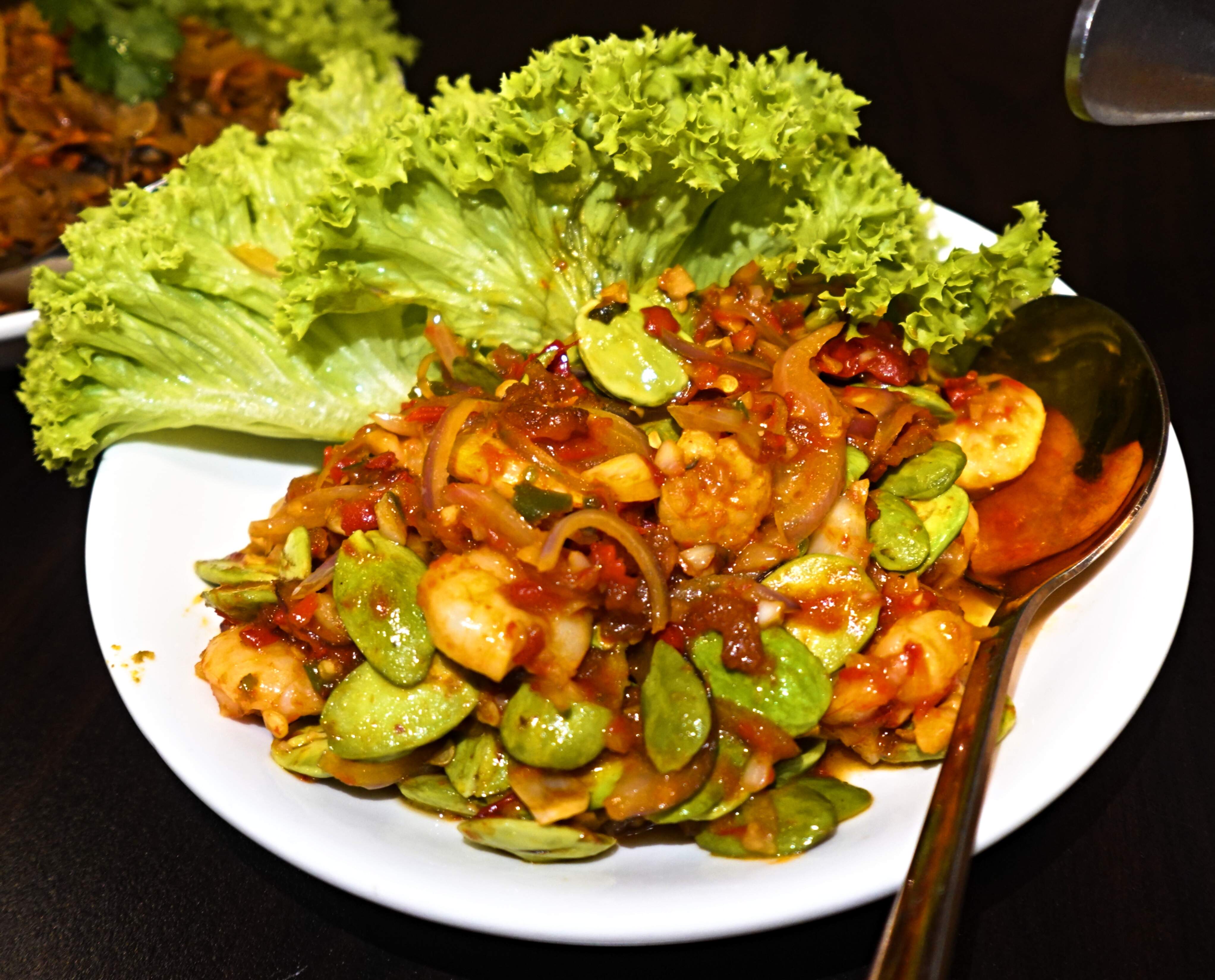
:small_orange_diamond:𝘚𝘢𝘮𝘣𝘢𝘭 𝘱𝘦𝘵𝘢𝘪 & 𝘱𝘳𝘢𝘸𝘯𝘴 - a potent, piquant spicy dish which gets its signature flavors from pureed red chilis and fermented shrimp paste (belacan).

:small_orange_diamond:𝘒𝘪𝘢𝘮 𝘩𝘶 𝘬𝘶𝘵 𝘨𝘶𝘭𝘢𝘪 - salted fish-bone curry, cooked with shrimps, cabbage, long beans and eggplants. A South Indian spice mix with strong fenugreek accent is used. The gravy is enriched with coconut milk, which neutralizes the saltiness from the fish.

:small_orange_diamond: Penang-Nyonya 𝘰𝘵𝘢𝘬-𝘰𝘵𝘢𝘬 - custardy spiced-fish pudding, more akin to Thai hor mok pla than to Southern-Nyonya otak-otak. It gets its flavors from daun kadok (wild betel leaves), fresh turmeric, galangal, lemongrass & coconut milk.

:small_orange_diamond:Rice, tinted blue using bunga telang (butterfly-pea flower) shows influences from Malacca.

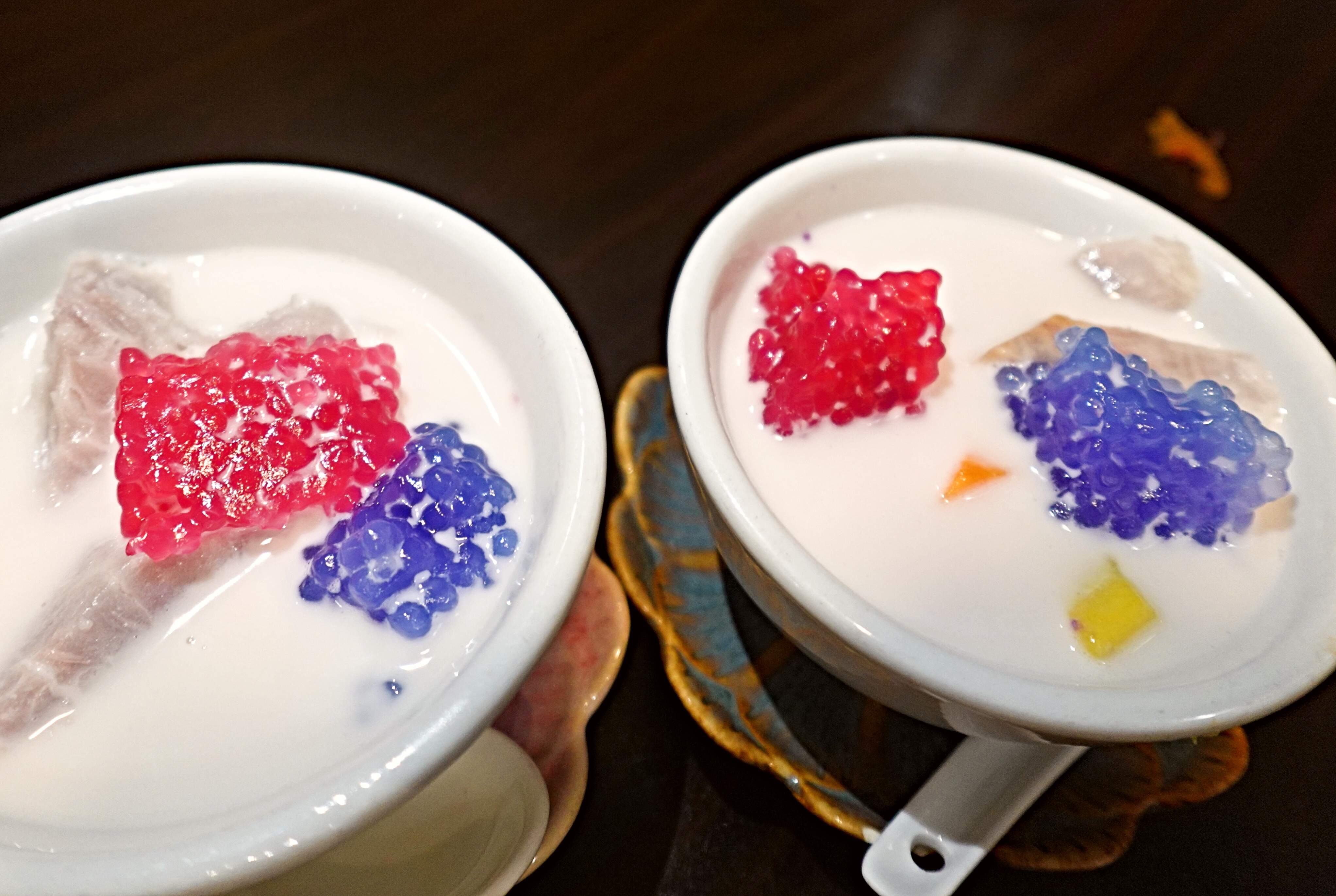
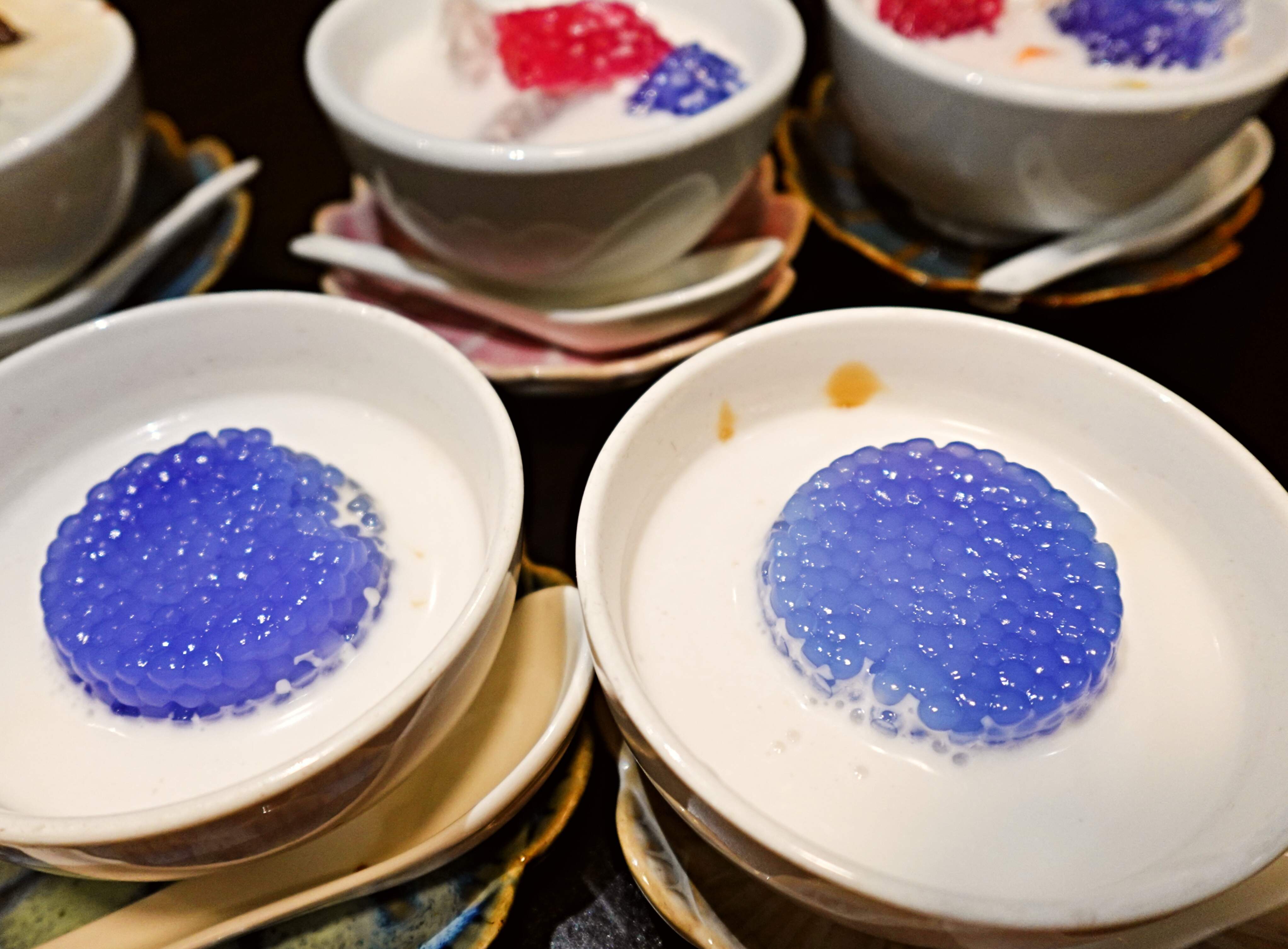
:small_orange_diamond:Desserts included bee koh moi (pulot hitam), bubur cha cha and sago Gula Melaka.

Bubur cha cha - taro, sweet potato, cassava and sago jelly in warm coconut milk, sweetened with palm sugar.

Sago Gula Melaka - this classic Nyonya dessert has an interesting history. Sago palm itself is native to South-east Asia, where it is an essential source of carbohydrates to the tribal people there. British East India-men who encountered this new food source introduced it back to the British Isles as early as the 18th century. The sago was made into a pudding, much like the tapioca.

Even Mrs. Beeton’s Book of Household Management, published in 1861, detailed a sweet “Hasty Pudding” where sago was cooked with milk and sugar, and then served with cream and treacle.

Things came one full circle when British-style sago pudding was introduced to British Malaya in the early 20th-century. There, Hainanese-Chinese chefs, working under their British colonial employers, came up with a tropical version, substituting dairy milk with more readily available coconut milk, and treacle with local Gula Melaka palm sugar. The result: the classic Gula Melaka Nyona dessert!

Always enjoyed dining at Winn’s Cafe. Its airy, spacious ambience a definite plus.

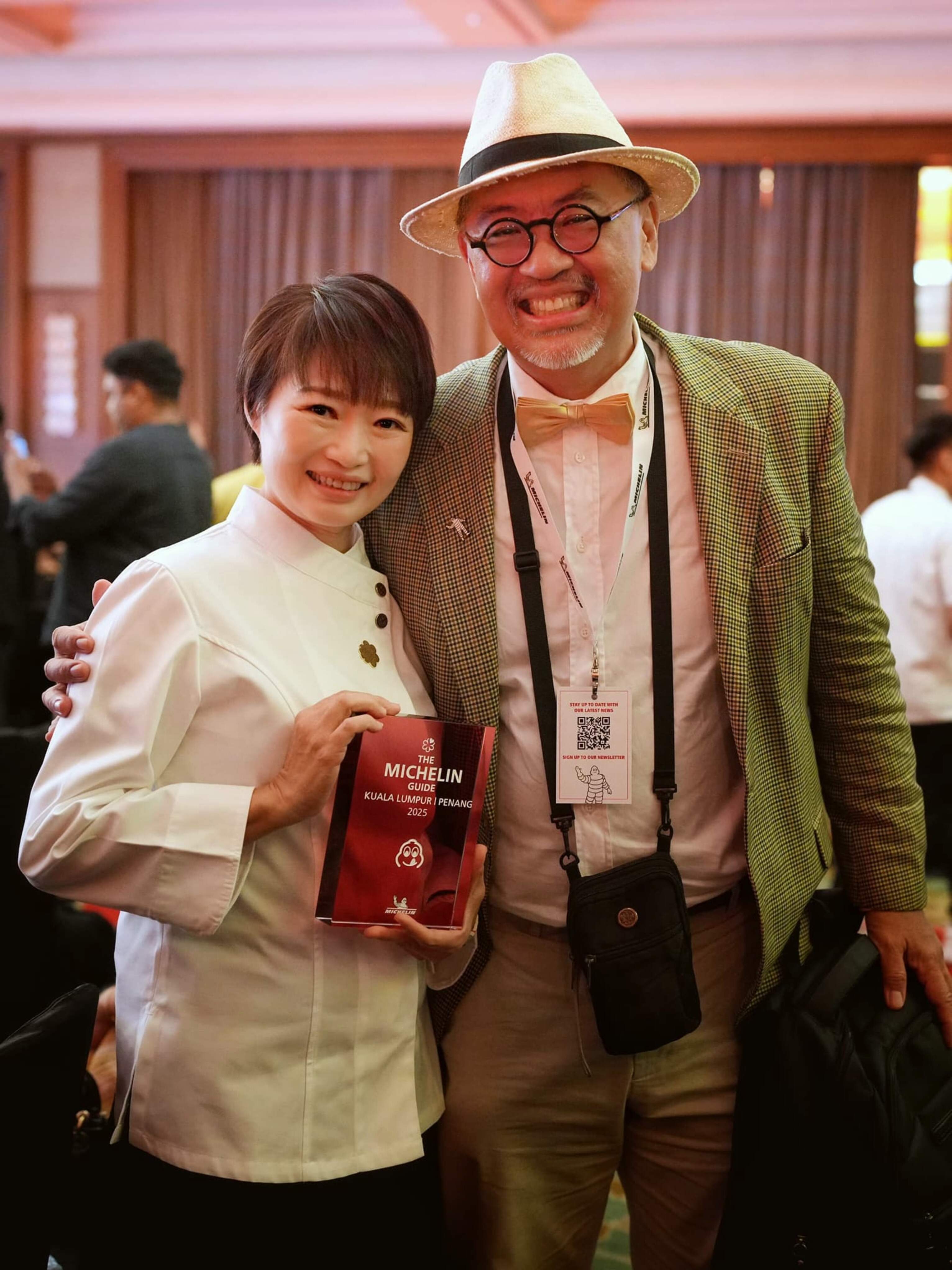
With Winnie Poh, owner of her namesake restaurant, at the Michelin awards ceremony in Nov 2024 when Winn’s Cafe received its Bib Gourmand listing. It still retains the status for the current Michelin Guide 2026

Address
Winn’s Cafe
38, Cantonment Road, Pulau Tikus, 10350 George Town, Penang, Malaysia
Tel: +6019-451 1631
Opening hours: 11am-3pm, 6pm-10pm, Mon to Sat. Closed on Sundays.

3 Likes

Tinned sago pudding was a regular dessert of my childhood. Always with a spoonful of jam stirred through it. Hasnt been available for many years and you can now only get tapioca which, truth be told, seems no different . And still has jam stirred through in this house.

1 Like

I like strawberry jam with rice pudding as well, John. :face_savoring_food:

1 Like