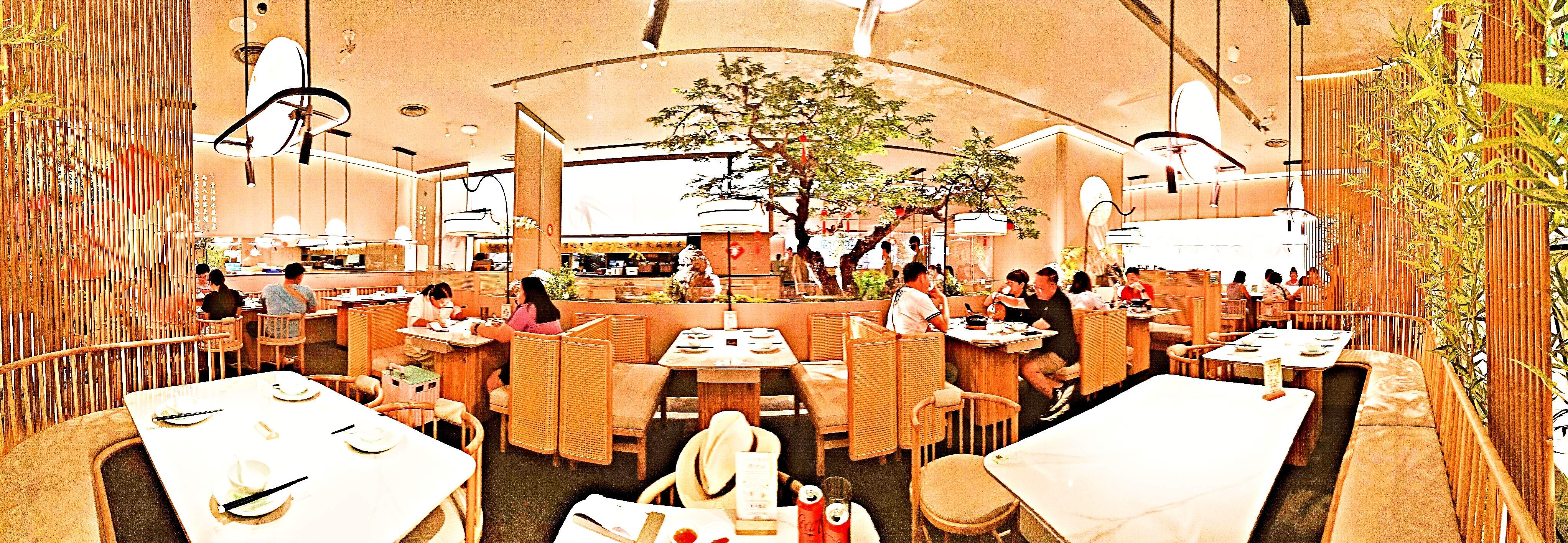
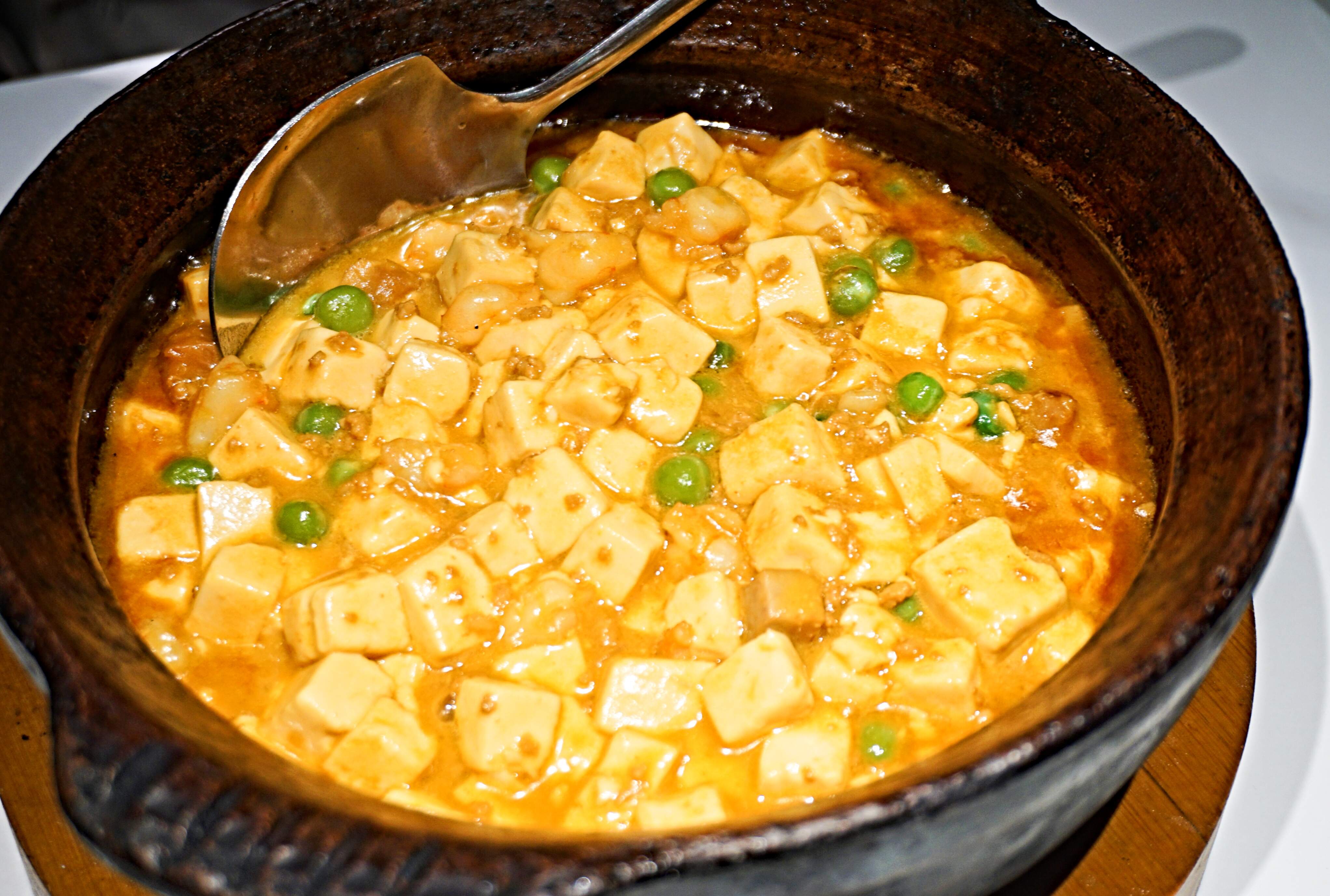
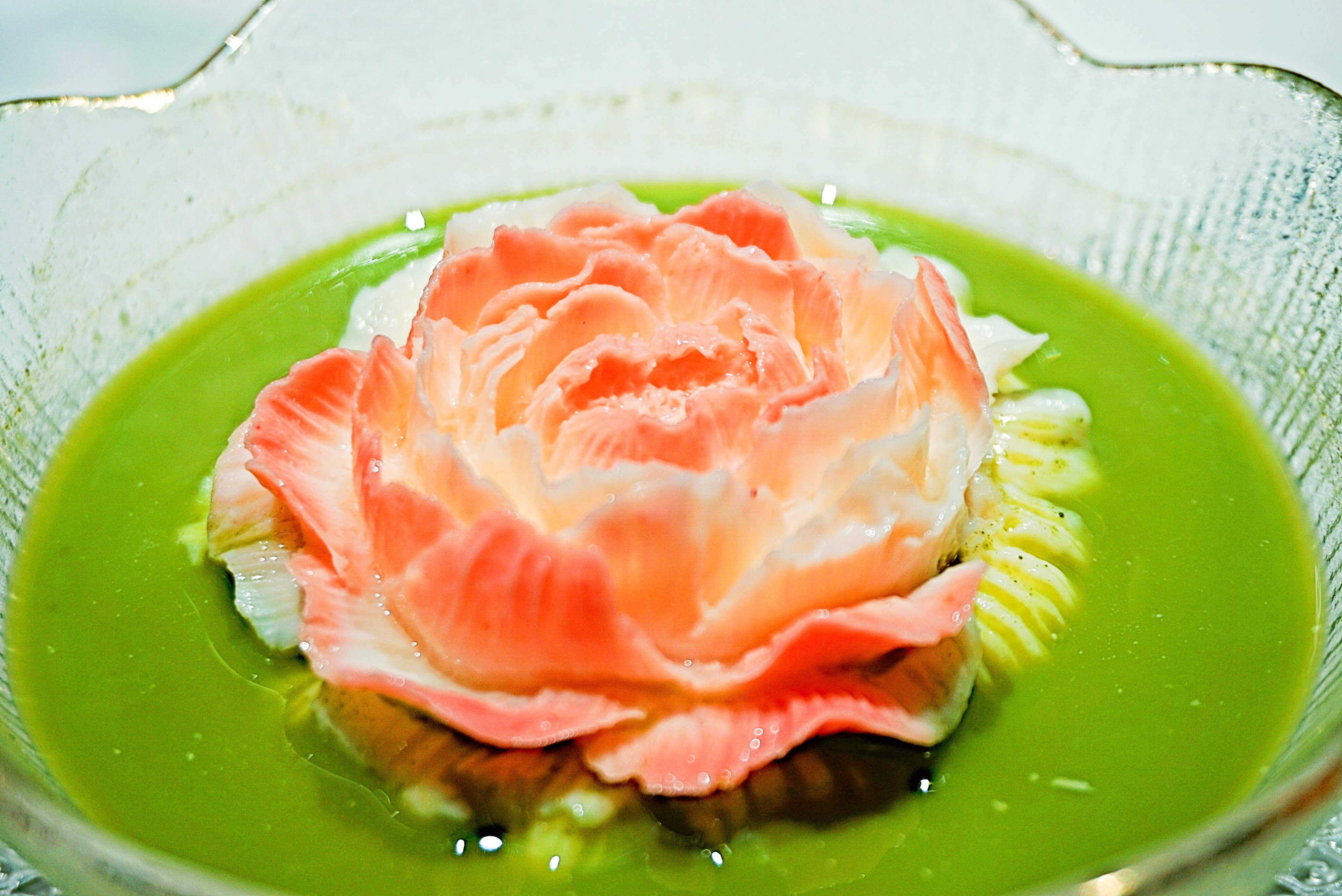
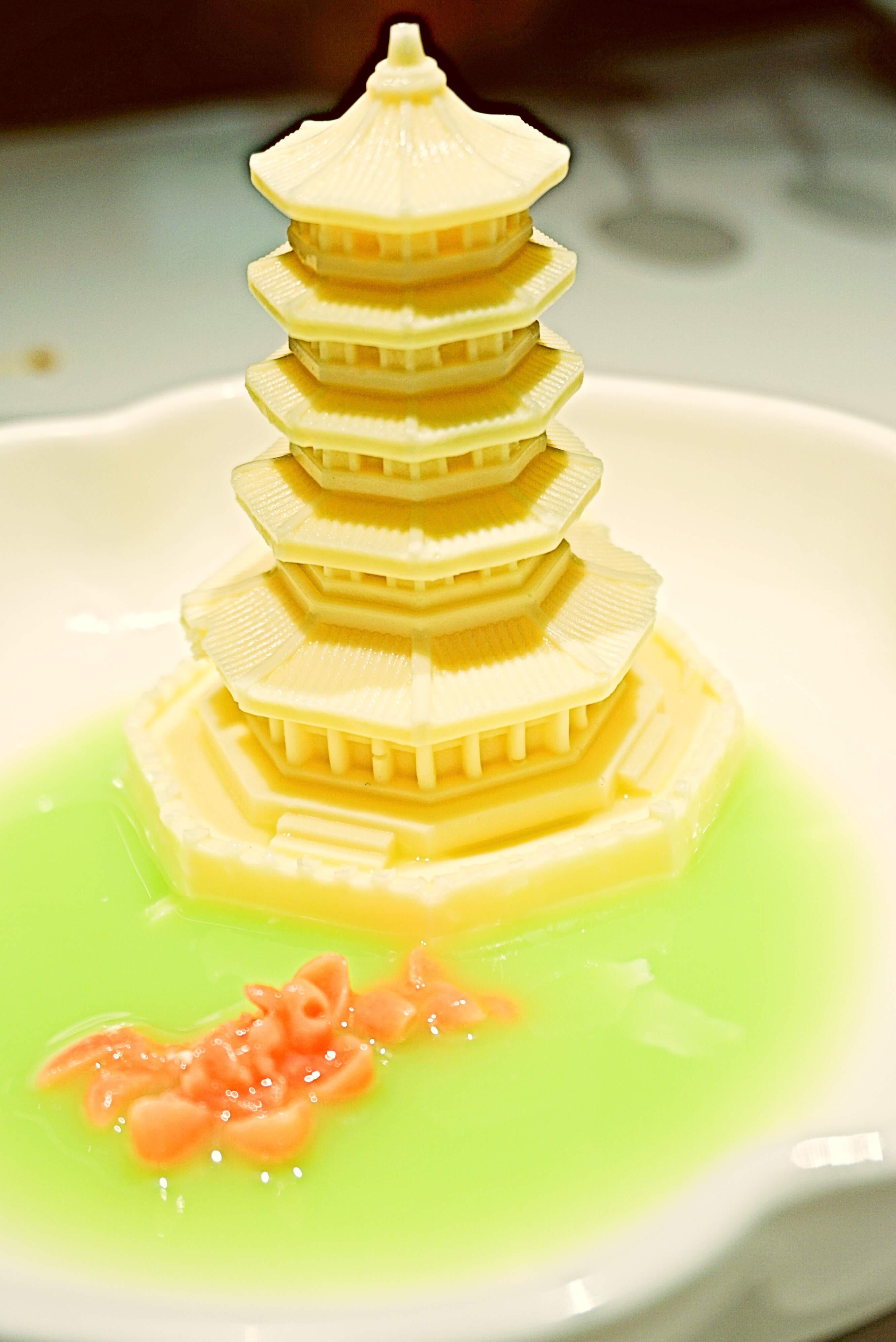
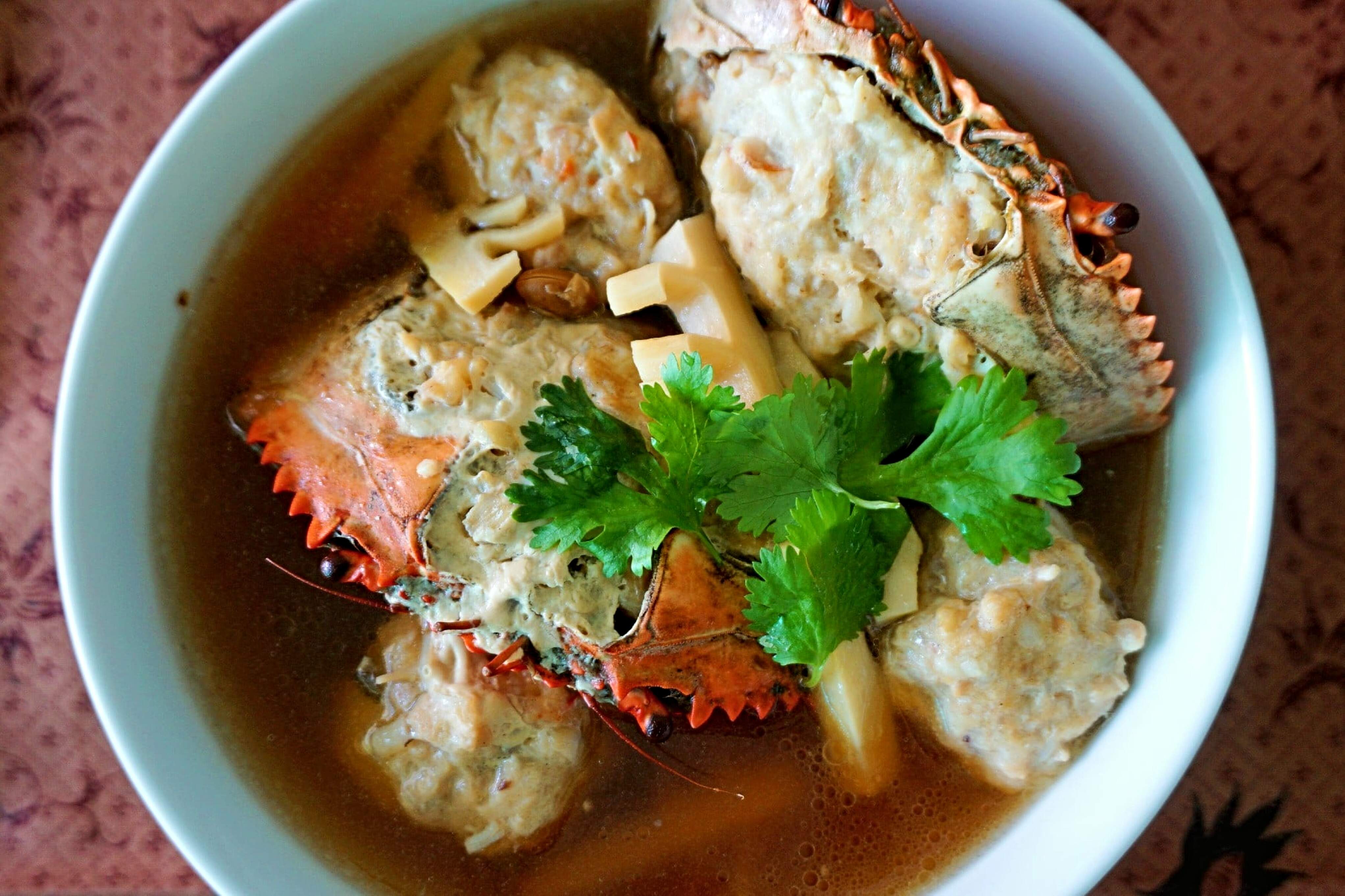
Longjing is a popular Hangzhou, China-based restaurant chain that has expanded rapidly in China and abroad - Singapore (Aug 2025), Bangkok (Sep 2025), Kuala Lumpur (Dec 2025) and now Penang (Jan 2026) - since its founding back in 2008. The chain took its name from Hangzhou’s famous 1,500-year-old Longjing (Dragon Well) tea gardens, which has a long history of producing some of the best quality tea leaves since the Song Dynasty (960–1279 CE).
The Longjing restaurant chain’s menu is based on Zhejiang cuisine (which encompassed cities like Hangzhou, Ningbo and Wenzhou), and was developed in collaboration with acclaimed consultant chef, Yu Bin of Michelin Bib Gourmand-listed Yue Ji (Binjiang).
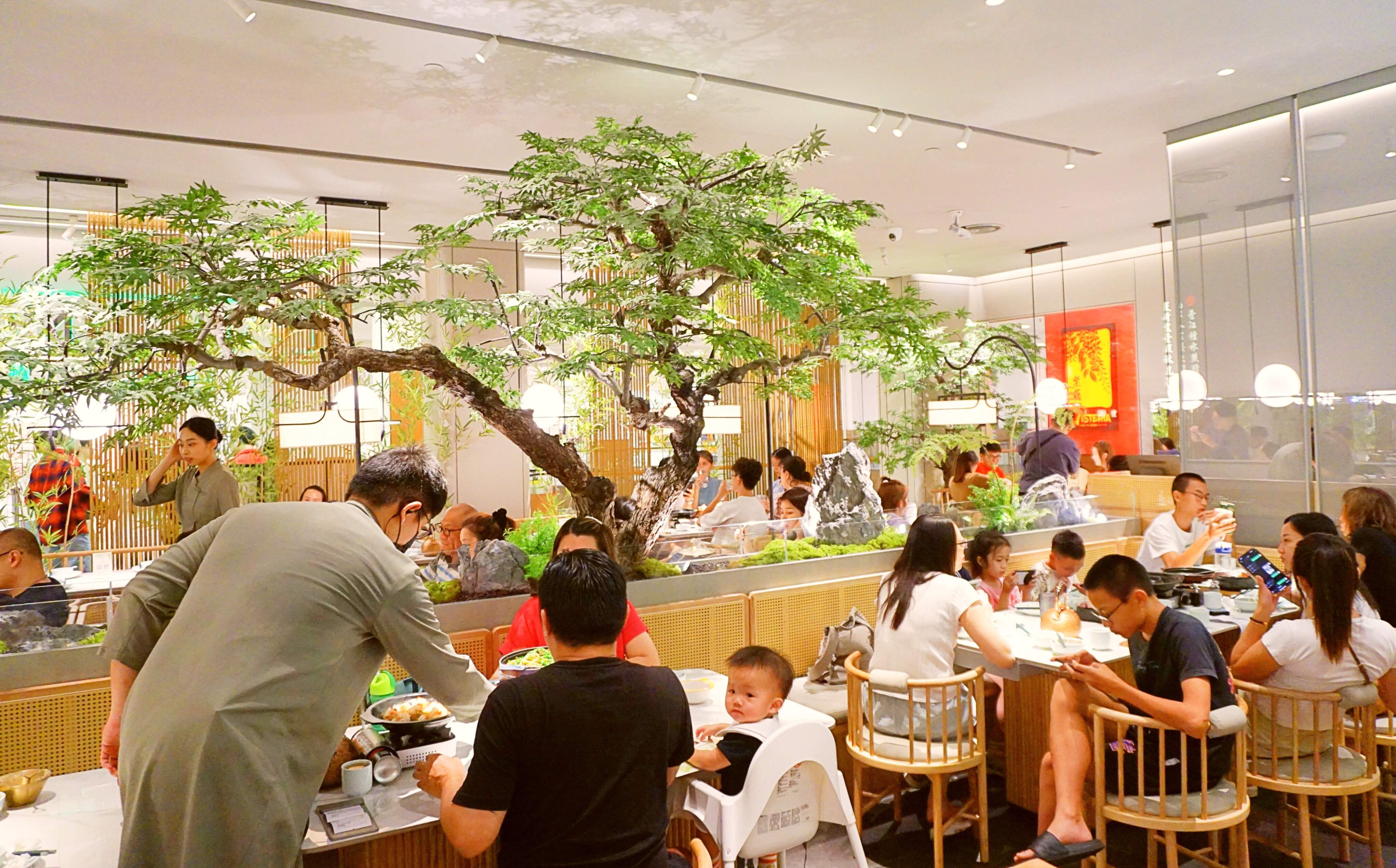
Its one-month-old Penang outlet, which opened on January 29, 2026, has been attracting two-hour-long queues in the beginning, but has tapered off to tolerable wait-times these days - just 20 minutes for us this evening.

Our dinner consisted of:
-
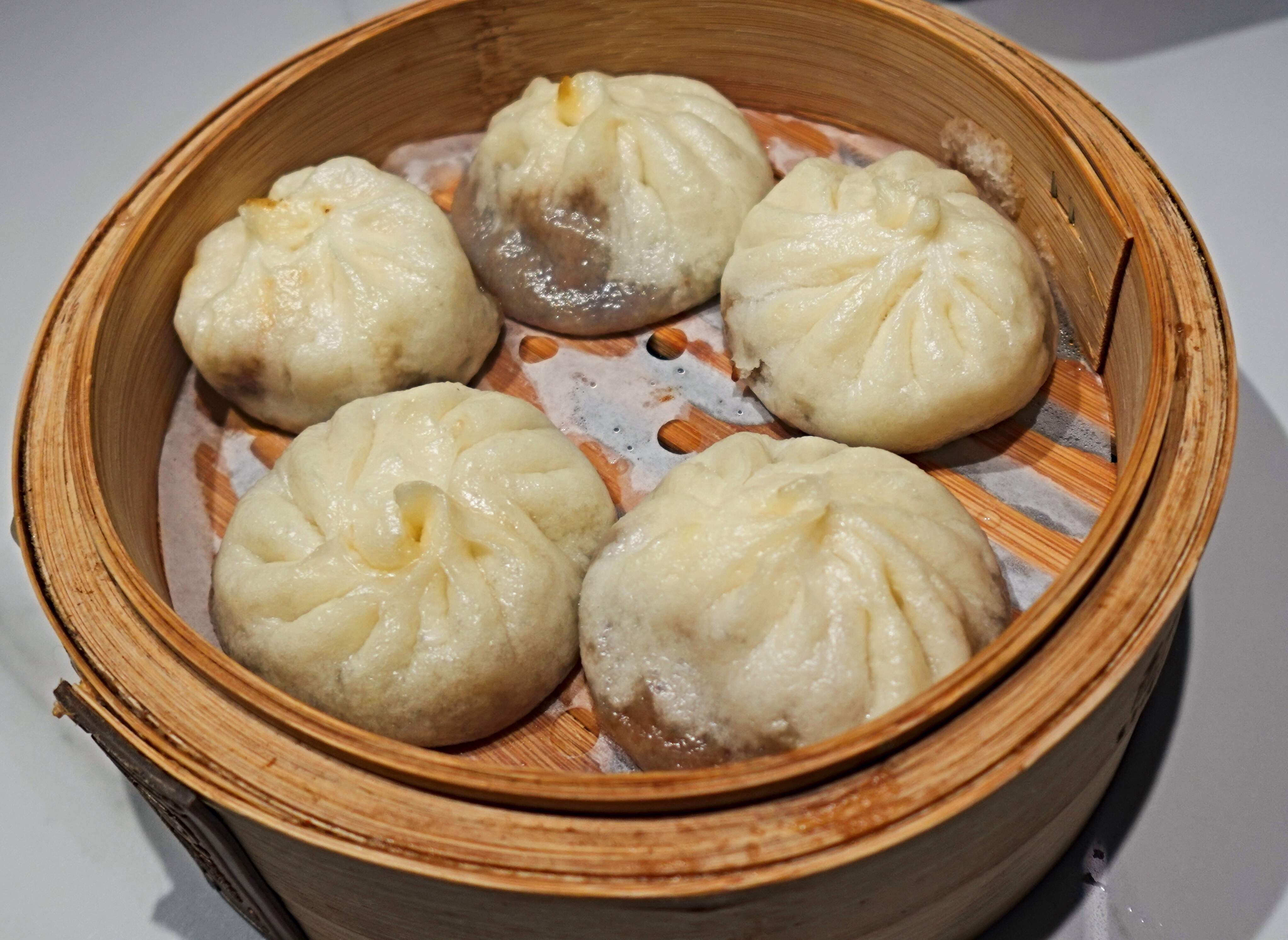
Shaoxing Pork Buns - steamed buns with pork-mushroom filling. The filling was rather cloyingly rich and unctuous, and a tad saltier than one would like.
-
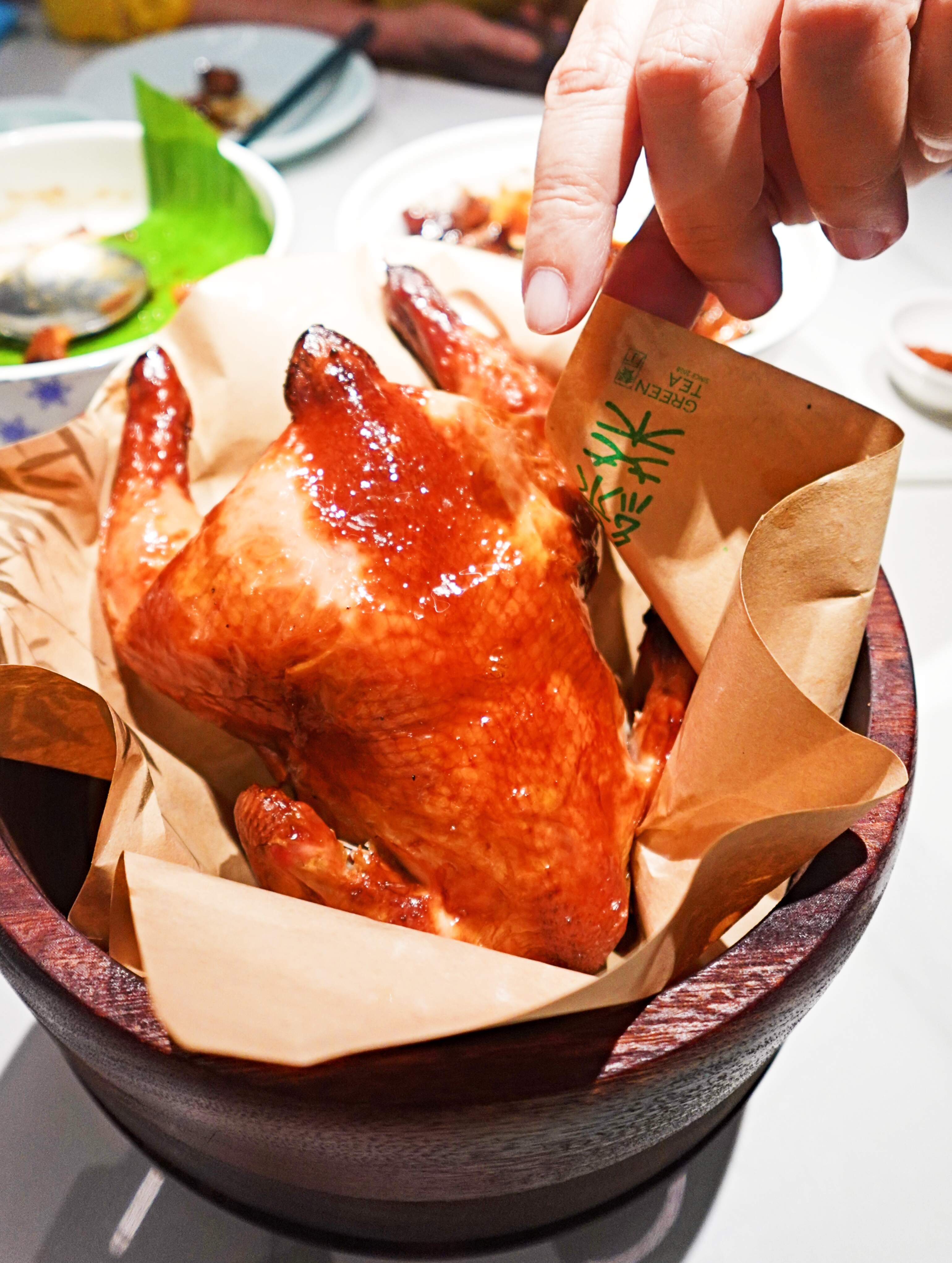
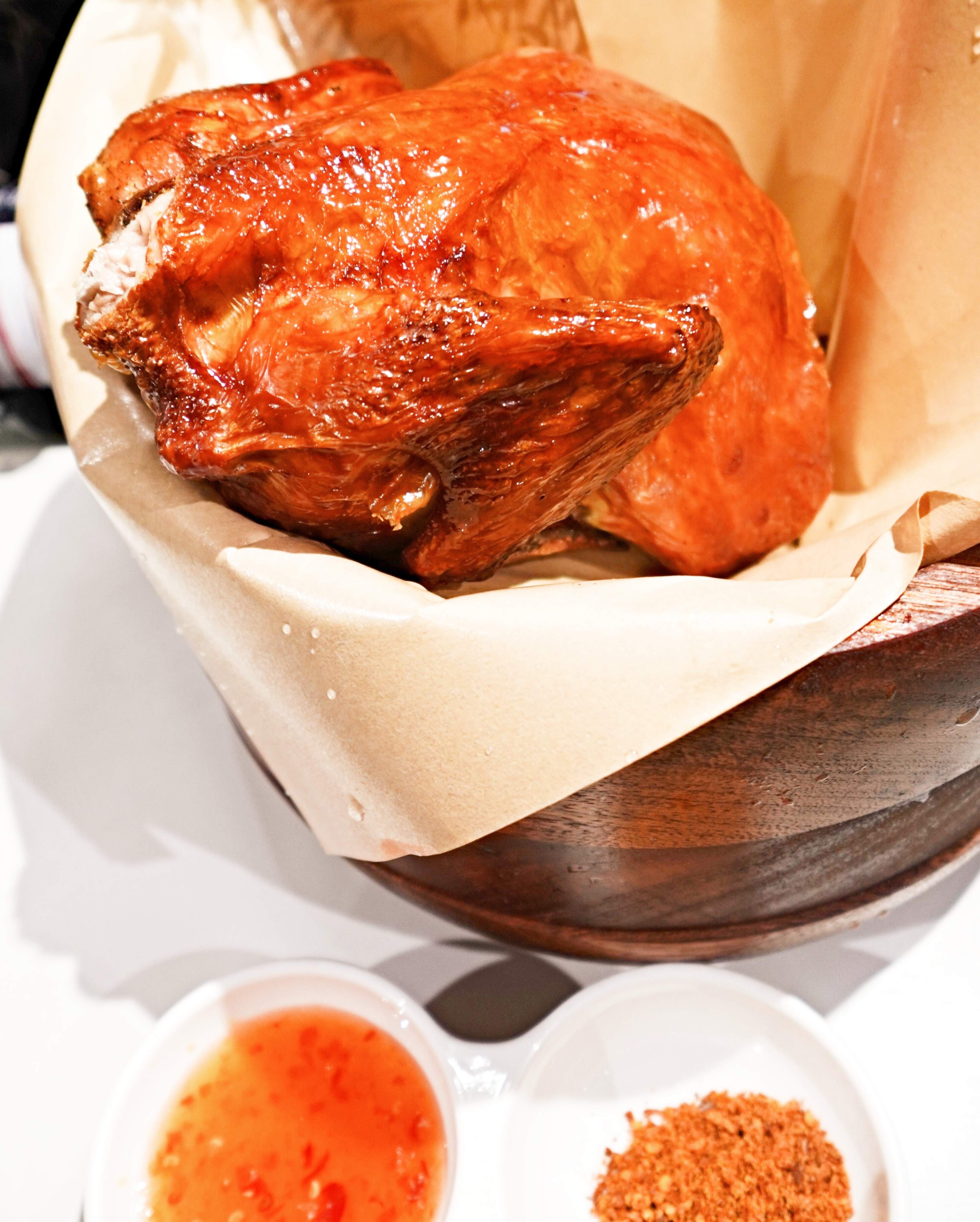
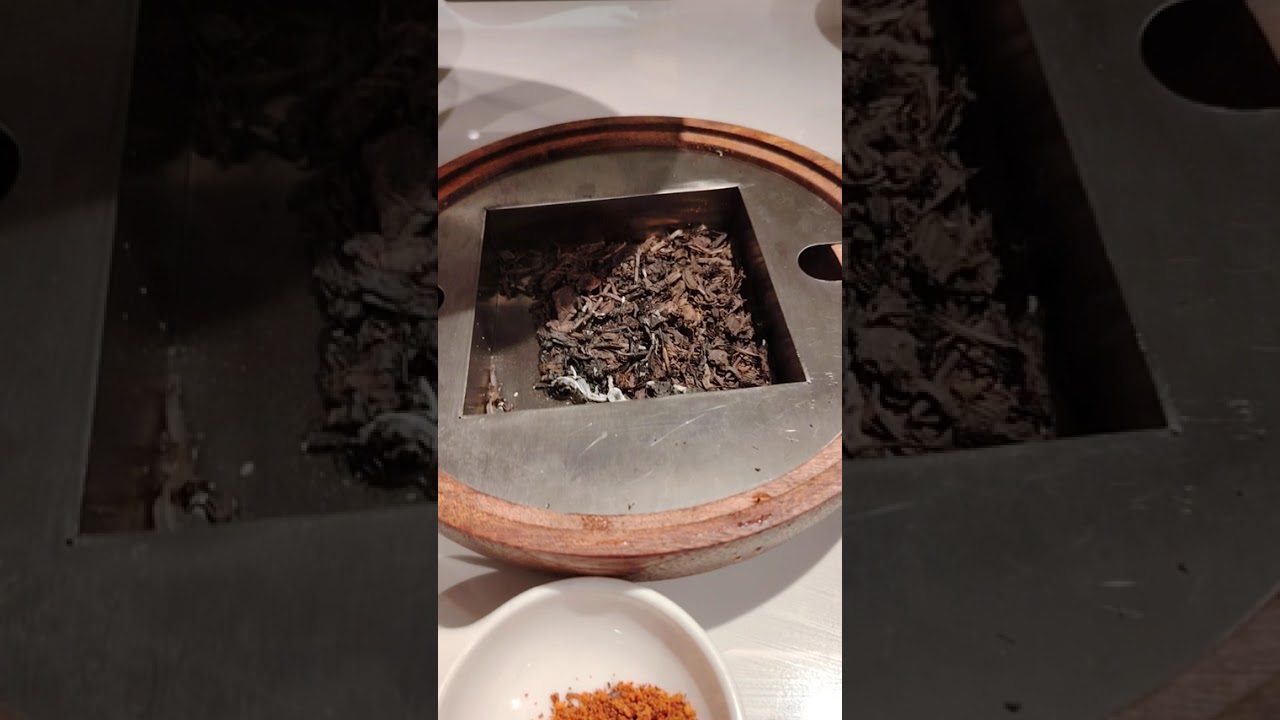
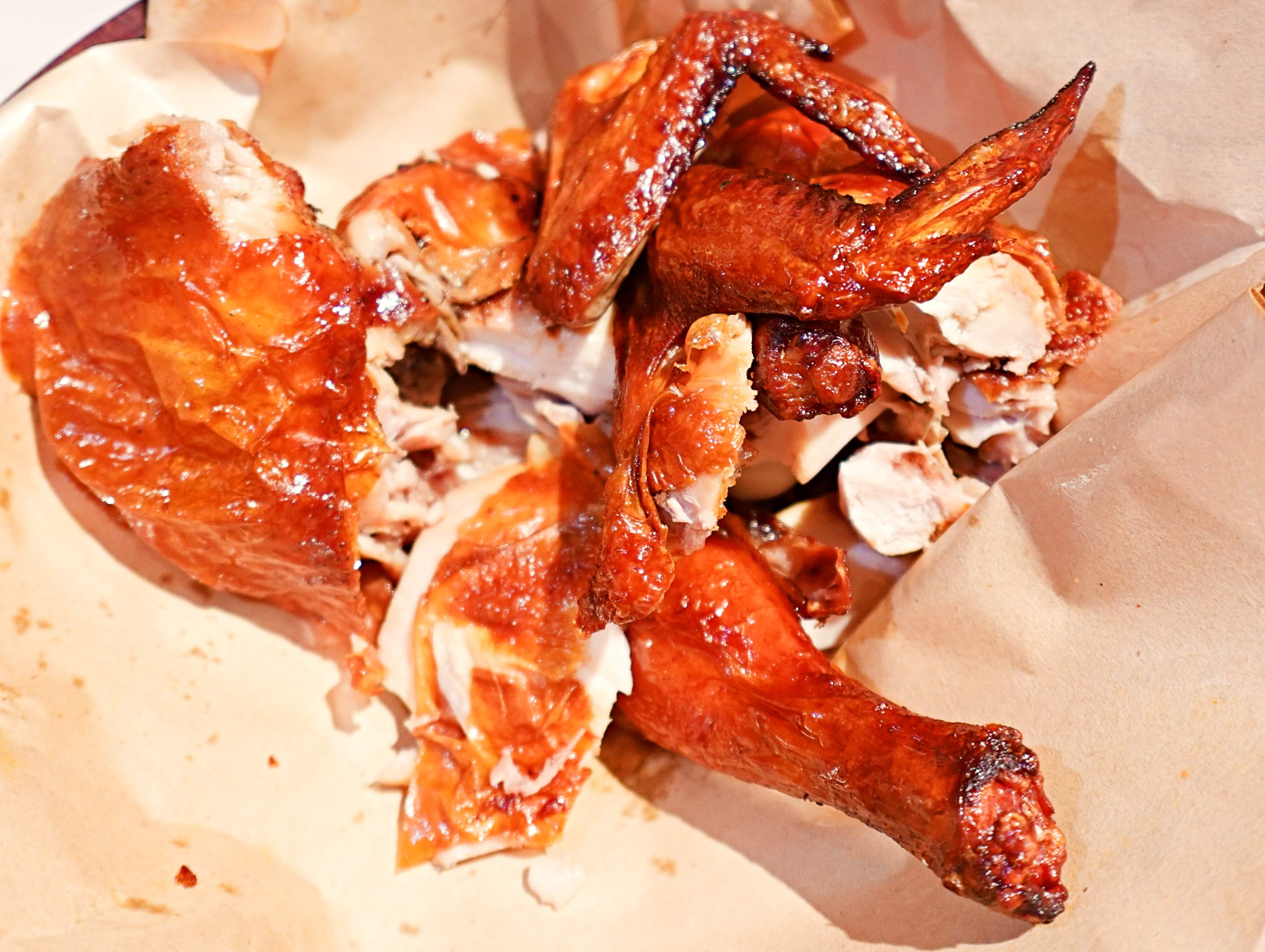
Longjing Roast Chicken - pepper-spiced whole roast chicken, scented with green tea leaves. It’s one of Chef Yu Bin’s signature dishes, and perhaps the most ordered item on the menu.
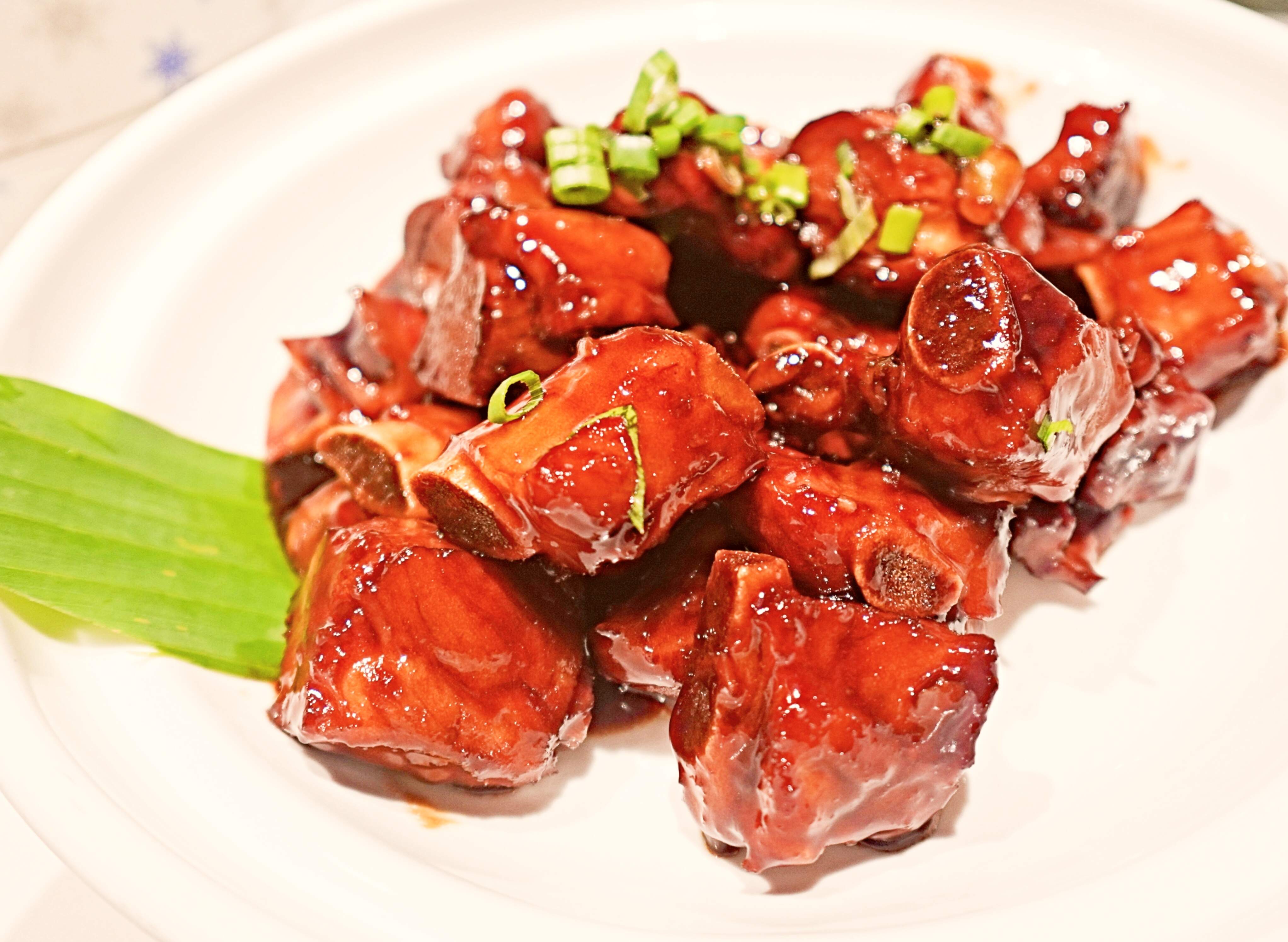
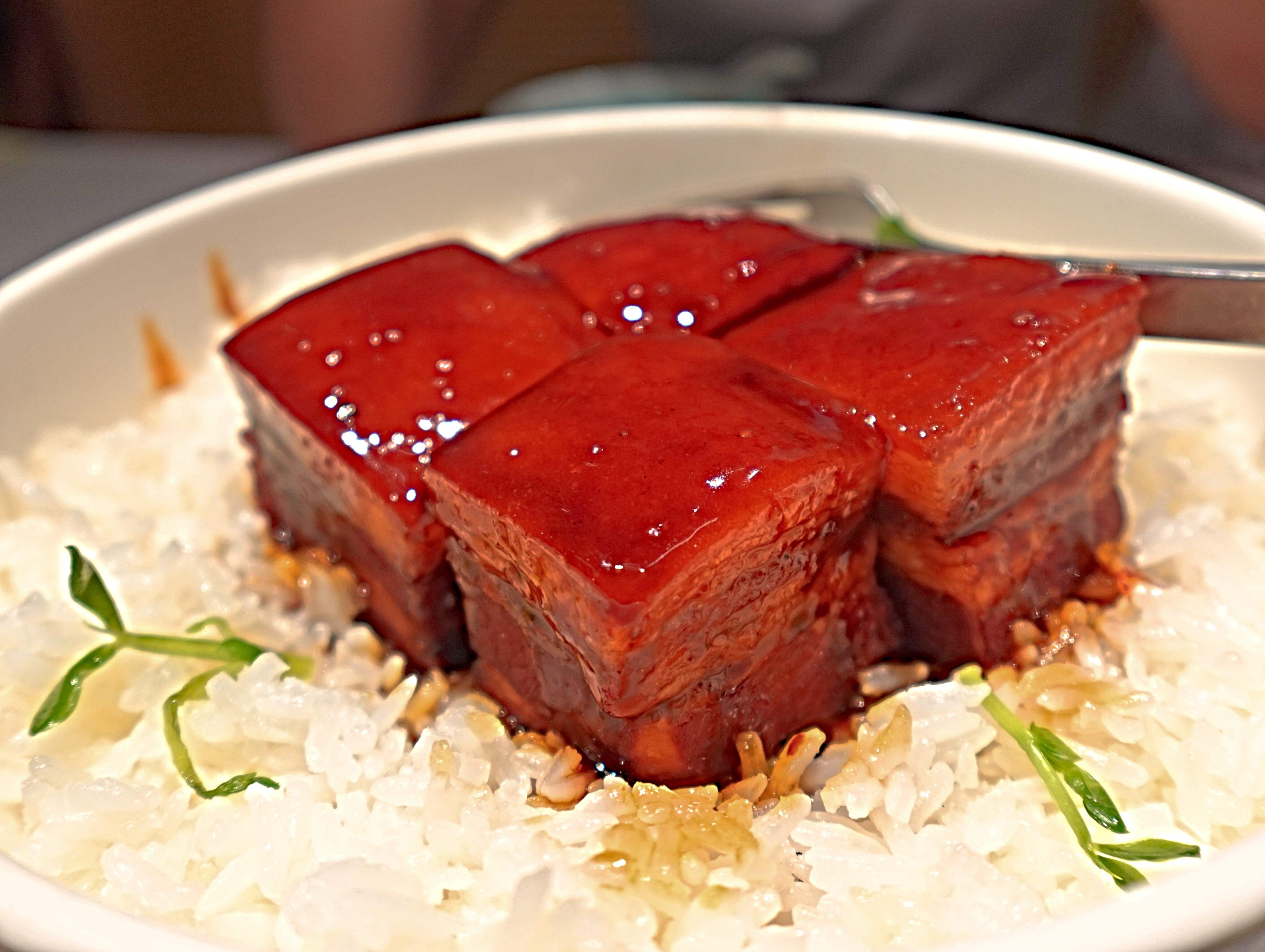
- Dongpo Pork Belly - this is a classic Hangzhou braised pork dish which I’d always associated with Hangzhou’s legendary restaurant, Lou Wai Lou (founded 1848 CE) on the edge of the picturesque West Lake.
One of the best-known dishes in the Chinese culinary universe, the creation of this dish is attributed to Song Dynasty poet-scholar and gastronome, Su Dongpo (1037 to 1101 CE), well-known for his love of the culinary arts. Legend has it that the dish was accidentally created when Su Dongbo forgot about a pot of pork which he’d left braising whilst he indulged in another of his passions: chess. The resultant slow-braised pork was exceptionally tender and aromatic.
The dish, initially known as “Huizeng pork”, continued to evolve and its taste further refined, until it became famous as “Dongpo pork” in Hangzhou in the 11th-century. There, Su Dongpo (who was the governor of Hangzhou twice: 1071–1074, and1089–1091), had rewarded workers who worked on further beautifying and maintaining West Lake by serving them this dish.
The version here at Longjing certainly looked the part: beautiful, mahogany-hued glossy cubes of rich, soy-baised fatty pork belly. But I’d tasted better - these weren’t exactly the melt-in-the-mouth tender ones I’d expected.
-
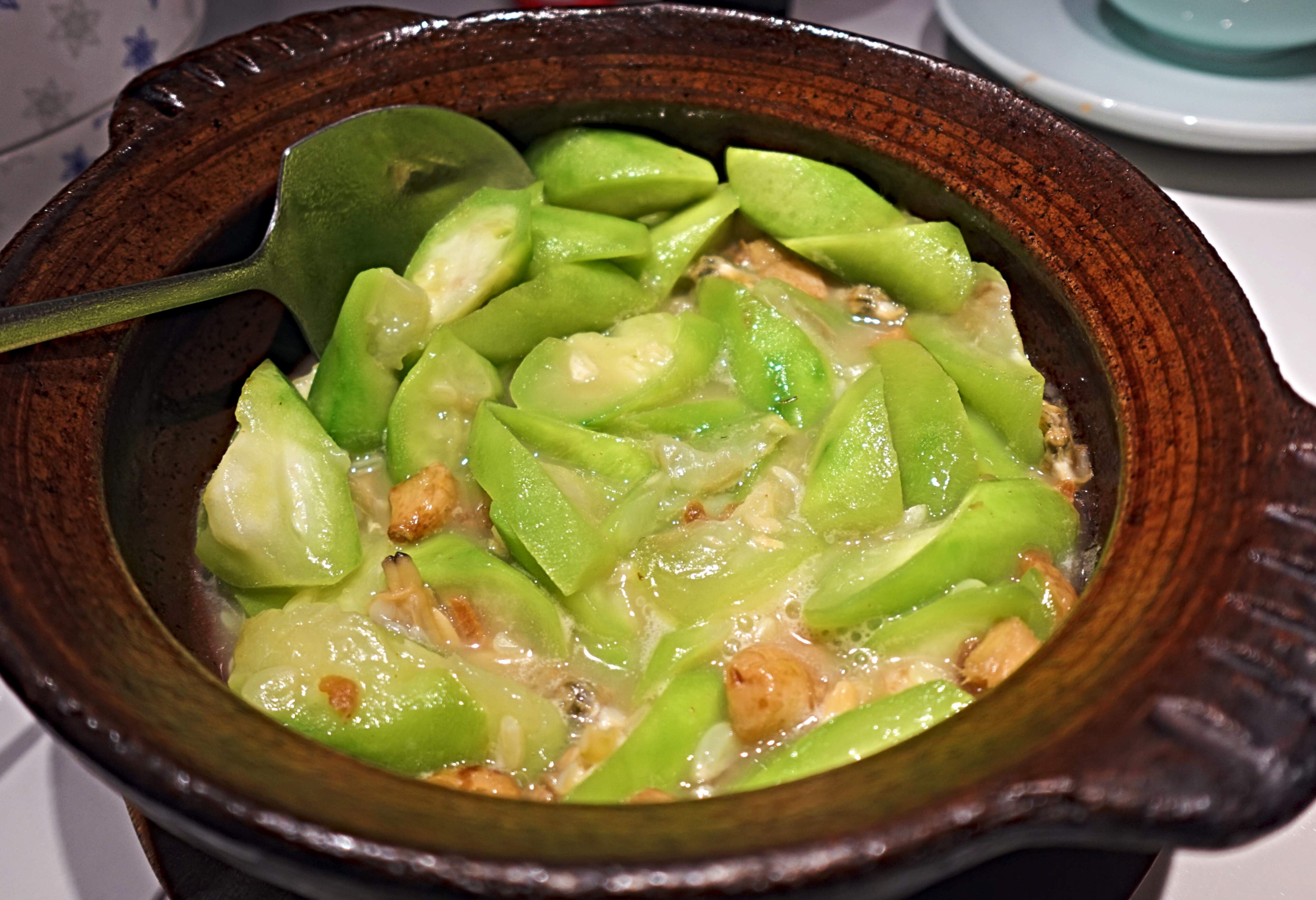
Clams with Loofah in Claypot - I’d always enjoyed the loofah gourd as a comfort food, and its pairing with Longjing clams resulted in a rather tasty, light casserole with a seafood-y brininess from the shellfish.
-
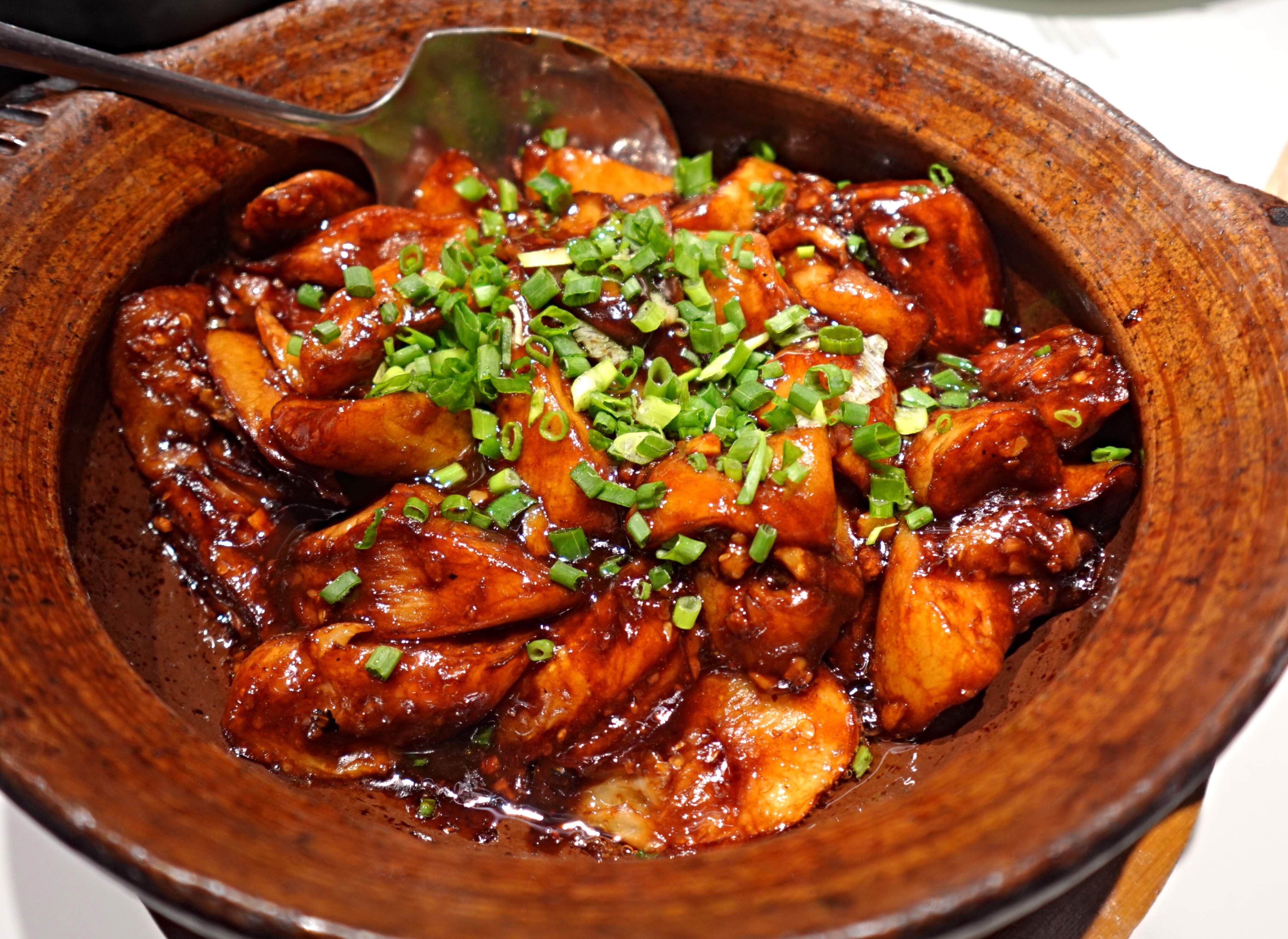
Stewed Eggplant in Claypot - this slow-cooked, soy-flavored eggplant dish was much tastier than we’d expected, with a rich, savory, minced pork flavor, and an umami-ness which probably came from dried shrimps. It’s topped with chopped, fresh green scallions which lend the dish a welcome astringency. Absolutely enjoyed this dish.
-
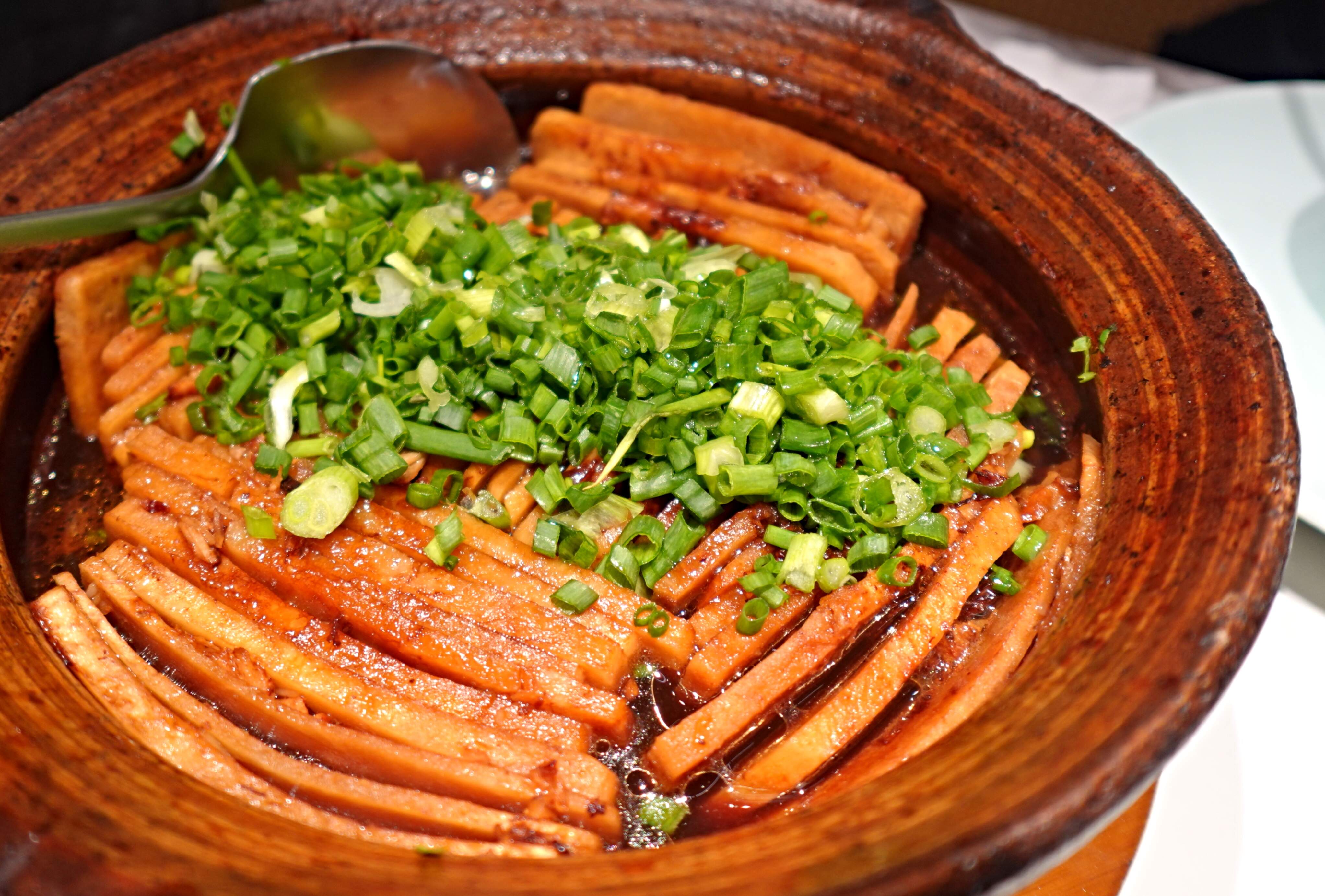
Baked Taro with Pork - layers of thickly-sliced taro was braised with minced pork, soy sauce, garlic, Shaoxing wine, and a complex blend of condiments. Very tasty, and we ate much more than we should. Absolutely delish!
Dessert:
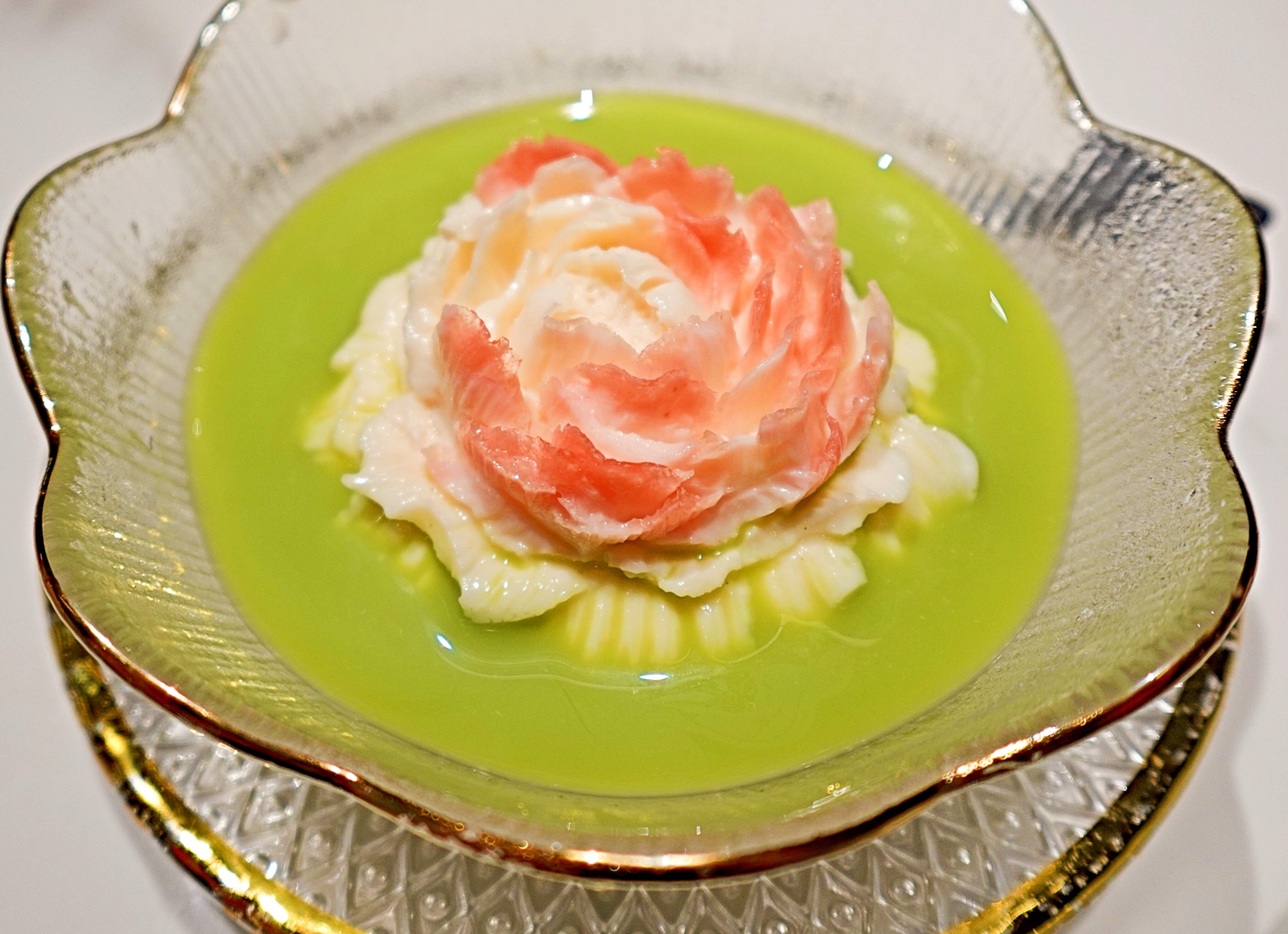
7. Flower-shaped Beancurd Pudding - light yet milky-rich, Perfect ending to a rather heavy meal.
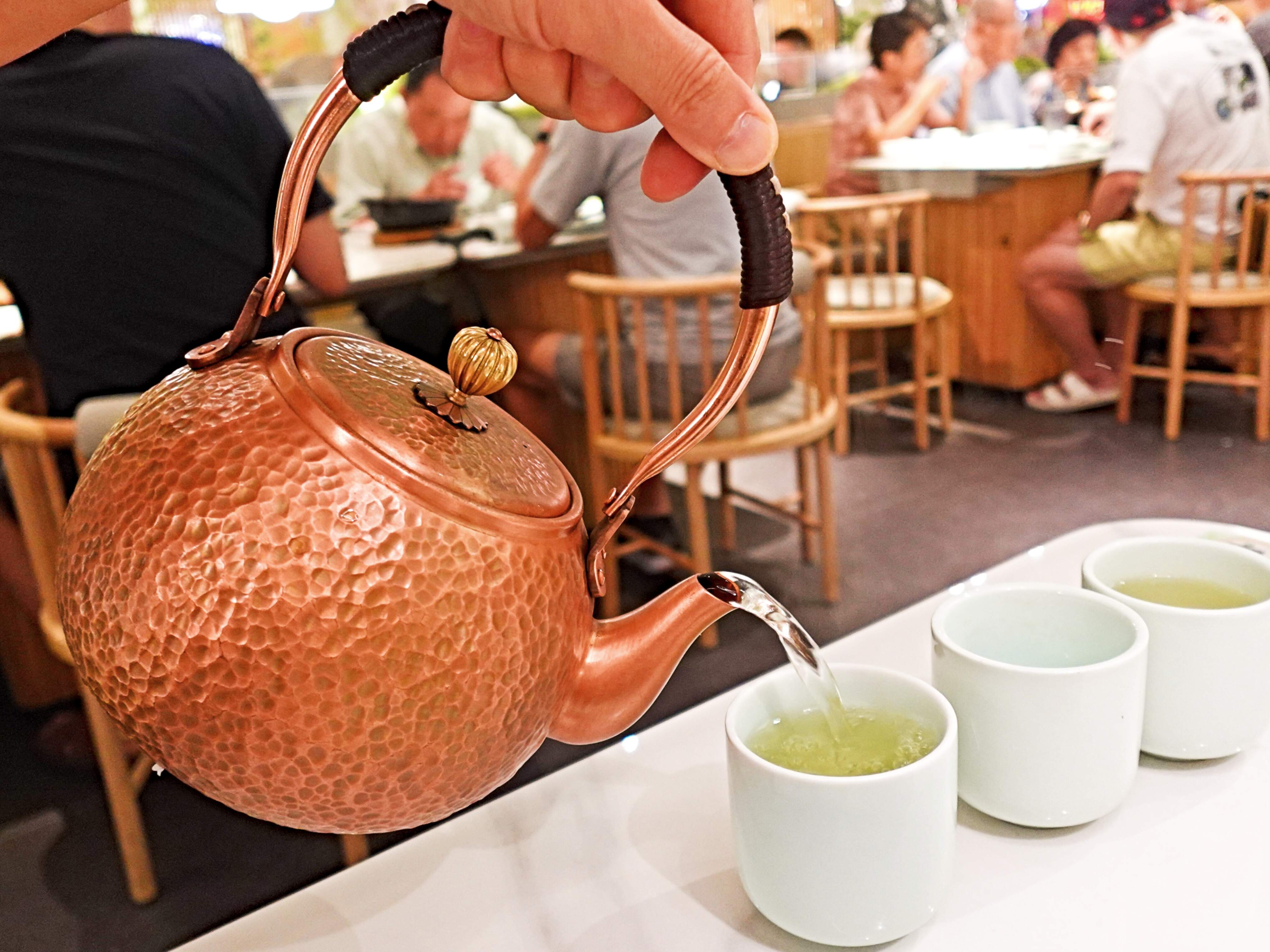
- Longjing Green Tea
Zhejiang cuisine is regarded as one of the 8 definitive regional cuisines of China, which consist of:
-
Cantonese (Yue) - best-known Chinese regional cuisine to the West as most of the Chinese emigrants to the West in the 19th-century and early 20th-century came from the Guangdong region and Hong Kong. In China, it’s known for its emphasis on fresh ingredients and light, subtle cooking style. Dim sum is perhaps its best-known export.
-
Sichuan (Chuan) - famous for its mala (numbing and spicy) flavor profile. It pairs Sichuan peppercorn (for its distinctive aroma and “numbing” sensation) with chilis, garlic and ginger. Its best-known dishes are mapo tofu, dumplings in spicy chili oil, and fish slices in chili-Sichuan peppercorn oil.
-
Fujian (Min): savory-sweet favors. Their cooking often incorporates both meats and seafood together in their dishes. It has strong influences on Taiwanese cuisine, and also South-east Asia (Thailand, Indonesia, Malaysia, Singapore, Vietnam, Cambodia and the Philippines) where Fujianese/Hokkien traders and merchants have been settling for more than 8 centuries.
-
Hunan (Xiang) - very spicy flavors, utilizing dried chillis, and often incorporating pickled ingredients for an added sourish dimension.
-
Zhejiang (Zhe)- emphasizes artistic presentation, its cooking often utilizes freshwater fish and root vegetables. Some best-known dishes are Dongpo pork, Longjing shrimps, Jinhua ham, and West Lake fish in black vinegar. It’s also often regarded as part of Jiangnan cuisine which encompasses Shanghai-style cooking.
-
Shandong (Lu) - known as the “mother” of Northern-style cooking, including Beijing cuisine. It features hearty meat dishes, and wheat-based staples like mantou, noodles and pancakes.
-
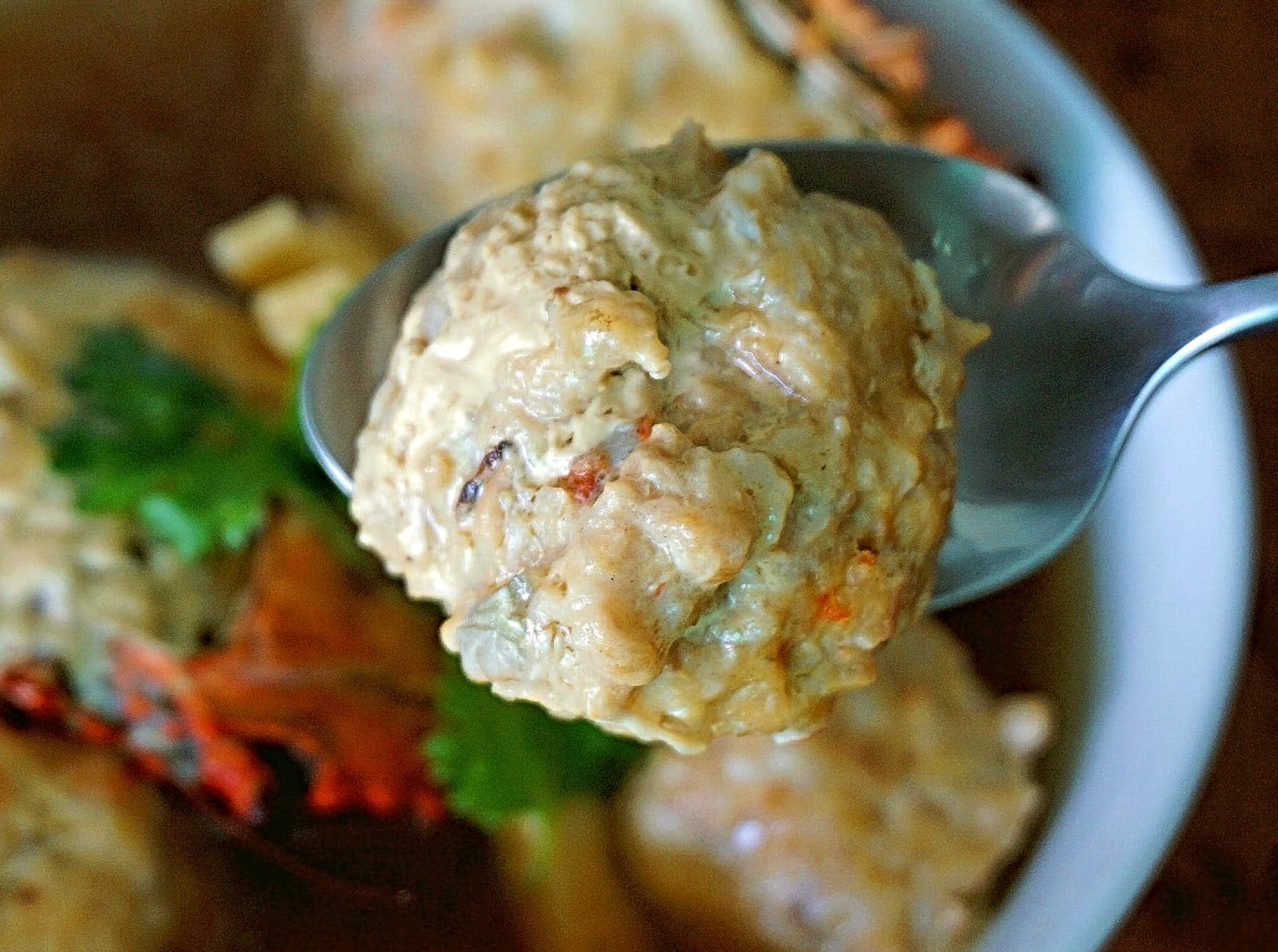
Jiangsu (Su) - refined dishes with meticulous preparation. It encompasses Nanjing, Suzhou and Wuxi cooking styles. Some well-known dishes include sweet-and-sour Mandarin fish (“Squirrel-shaped fish”), the rich, porky Lion’s Head Meatballs, and tender, caramelized Wuxi Pork-ribs.
-
Anhui (Hui) - often employing braising and smoking techniques.
Address
Longjing (Gurney Plaza)
170-03-85/85A, New Wing, Gurney Plaza, 10250 Penang, Malaysia
Tel: +604-271 1996
Opening hours: 11am-2pm, 5pm-10pm daily