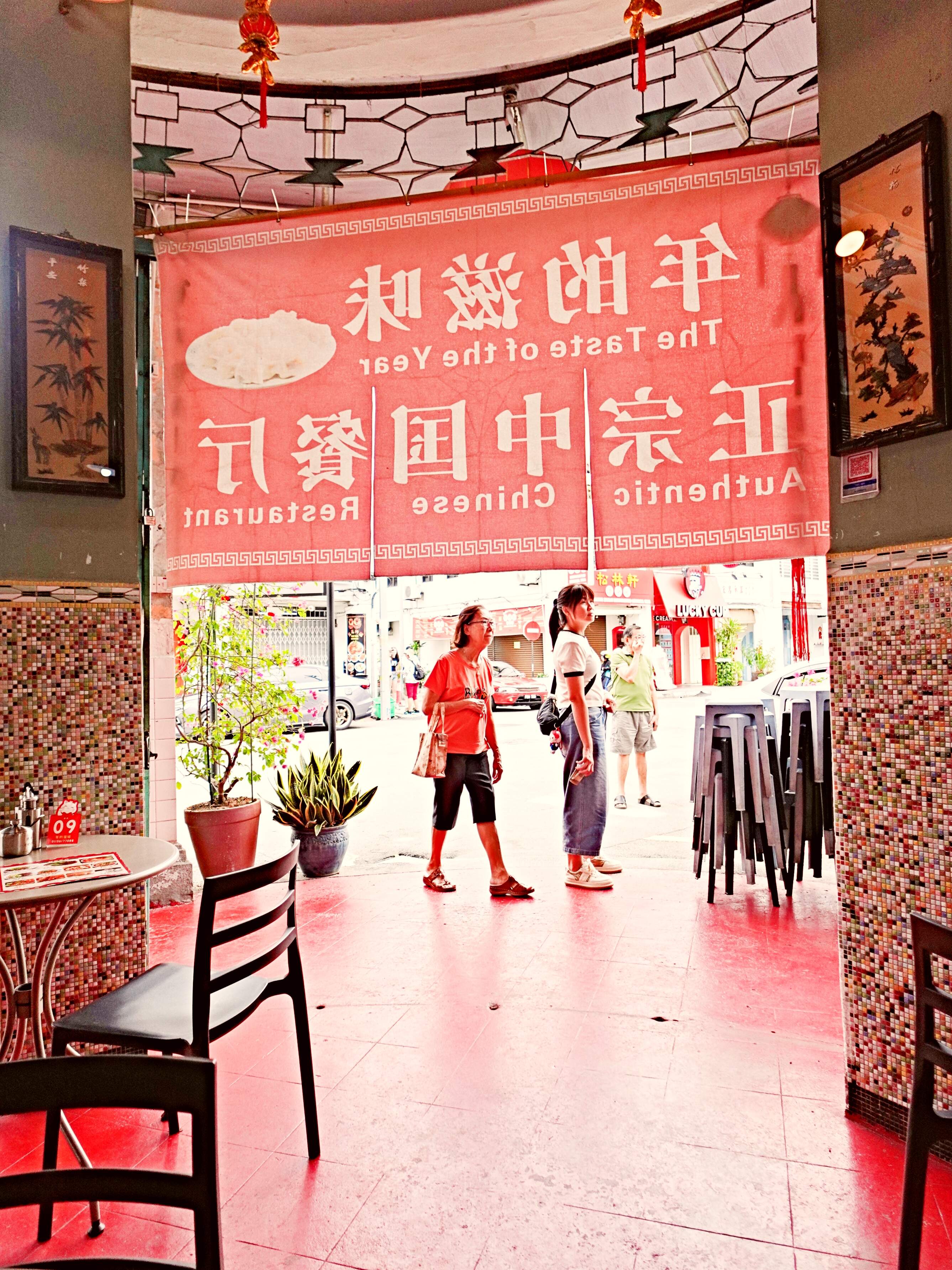
We found some of the best Northern Chinese noodles and dumplings at 𝗡𝗶𝗮𝗻 𝗪𝗲𝗶 𝗖𝗵𝗶𝗻𝗲𝘀𝗲 𝗗𝘂𝗺𝗽𝗹𝗶𝗻𝗴𝘀 on Kimberley Street yesterday. This 4-year-old spot is run by Penang-born Danny Woo and his Fujian-born Mainland Chinese wife.
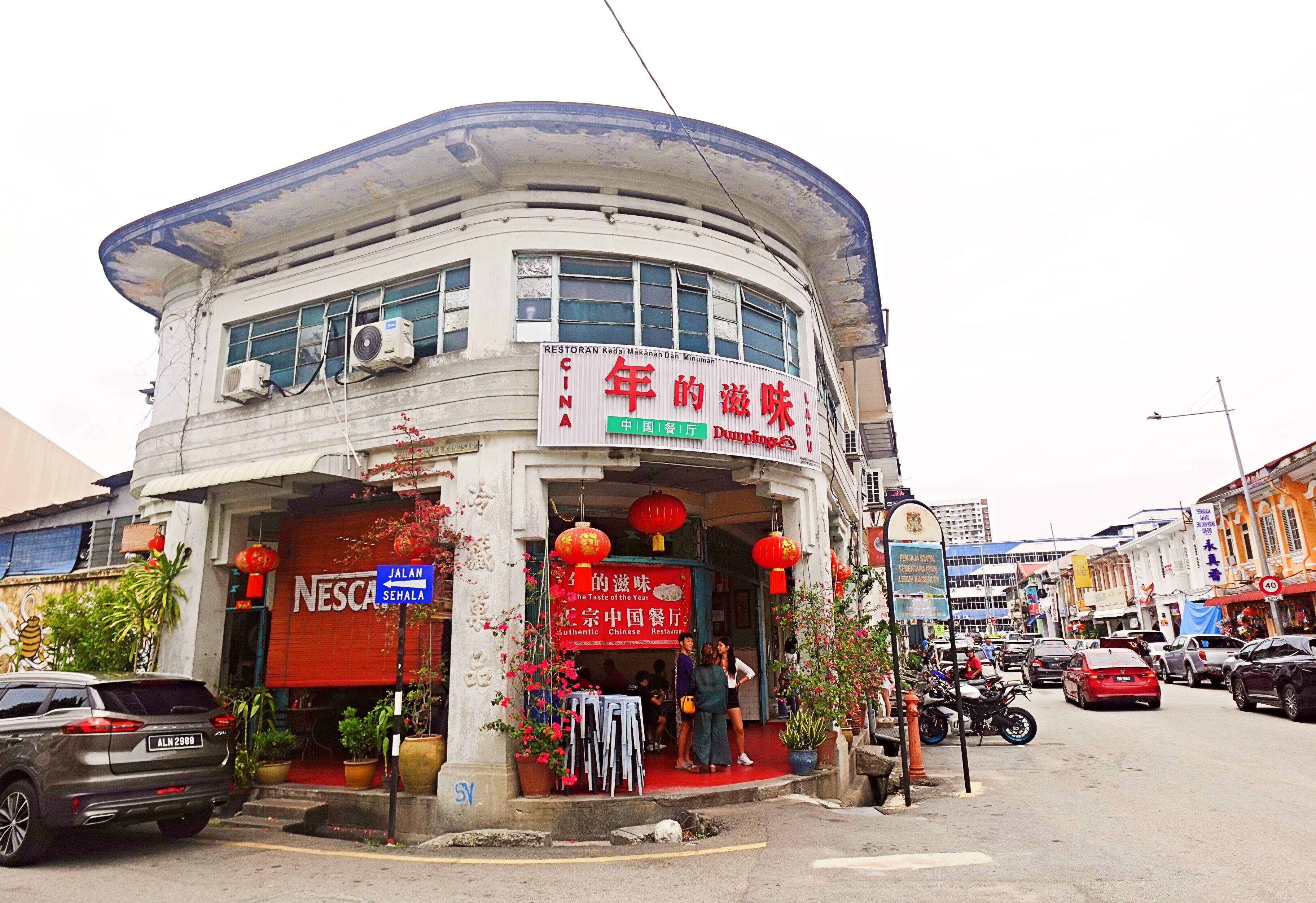
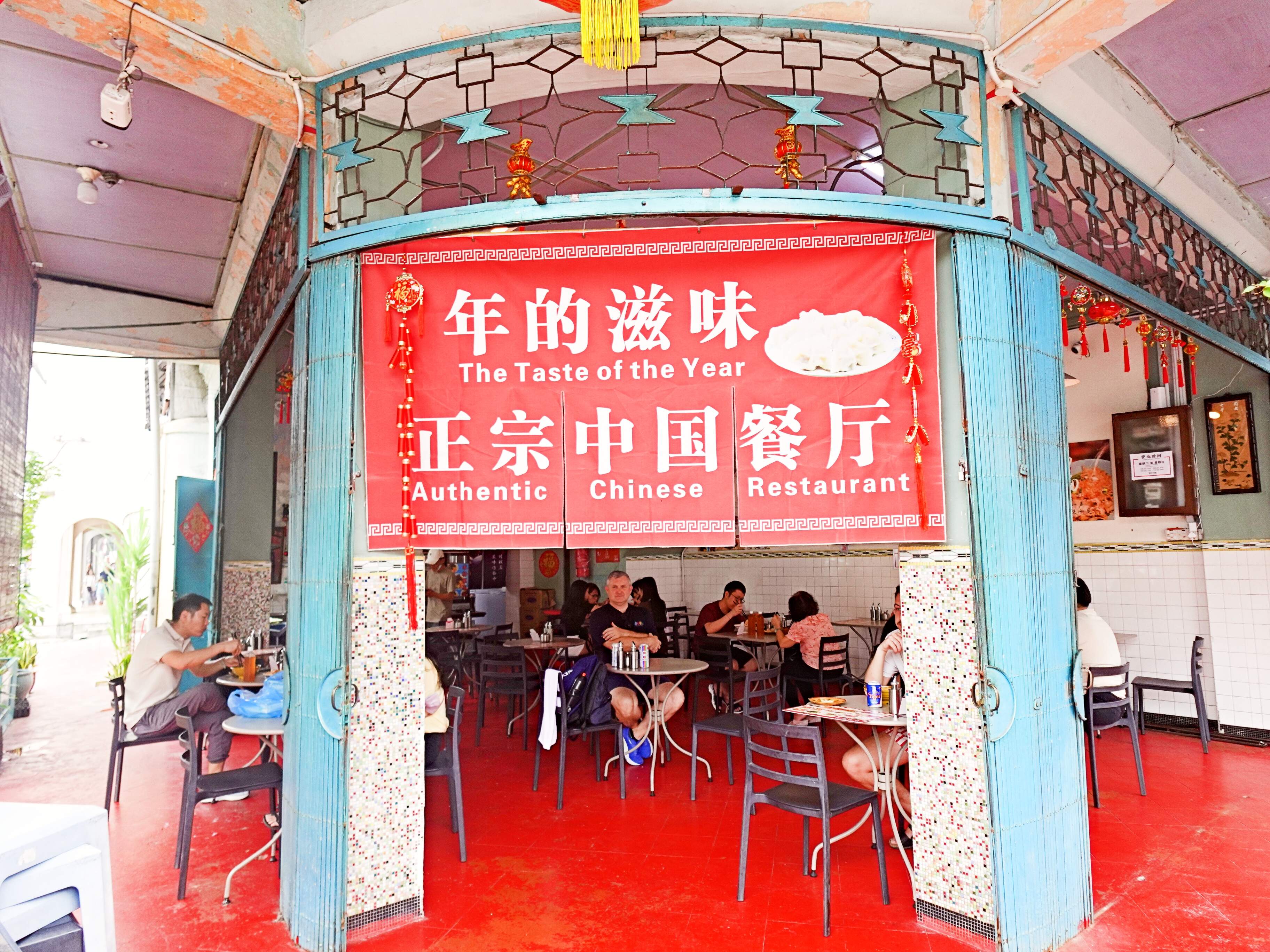
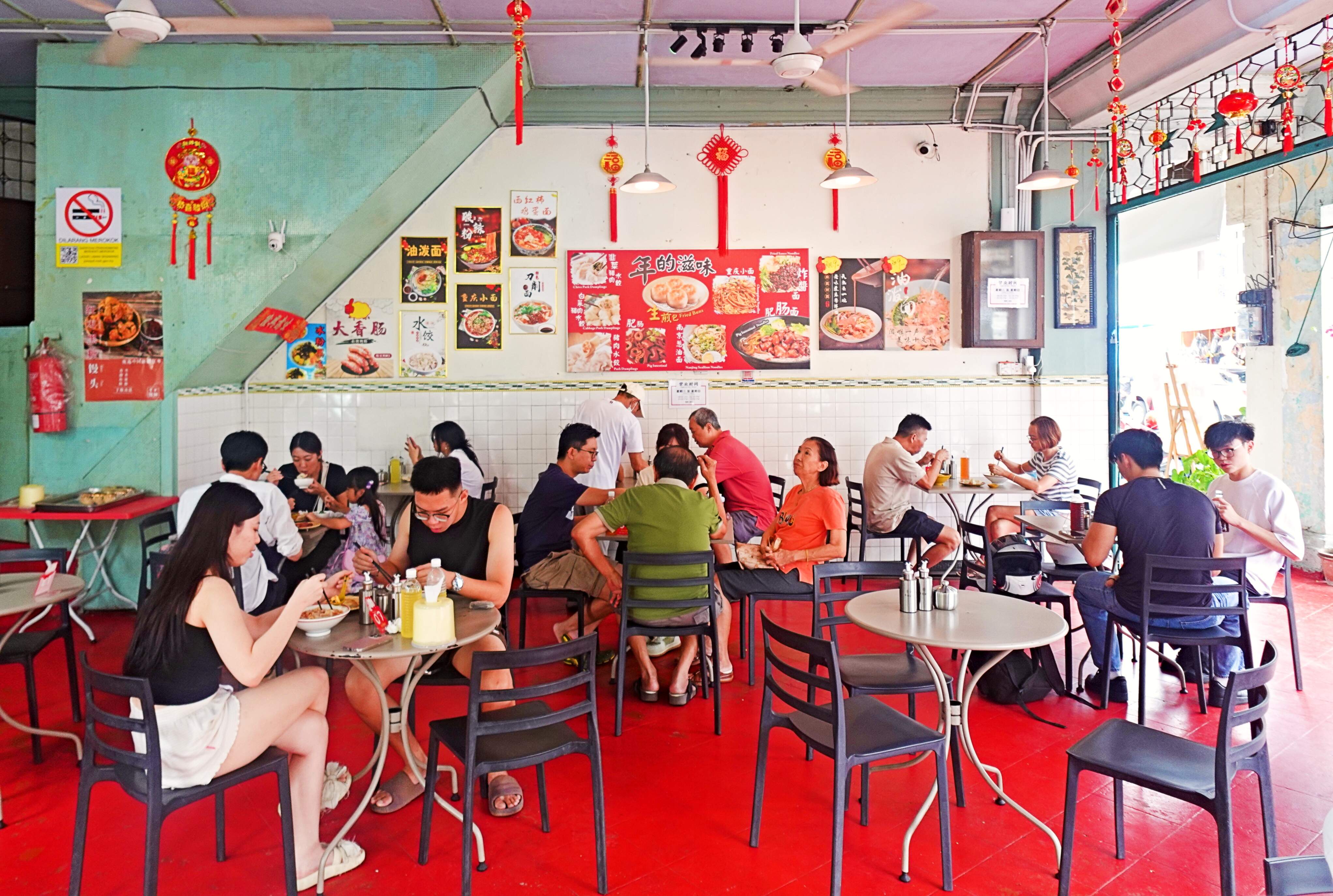
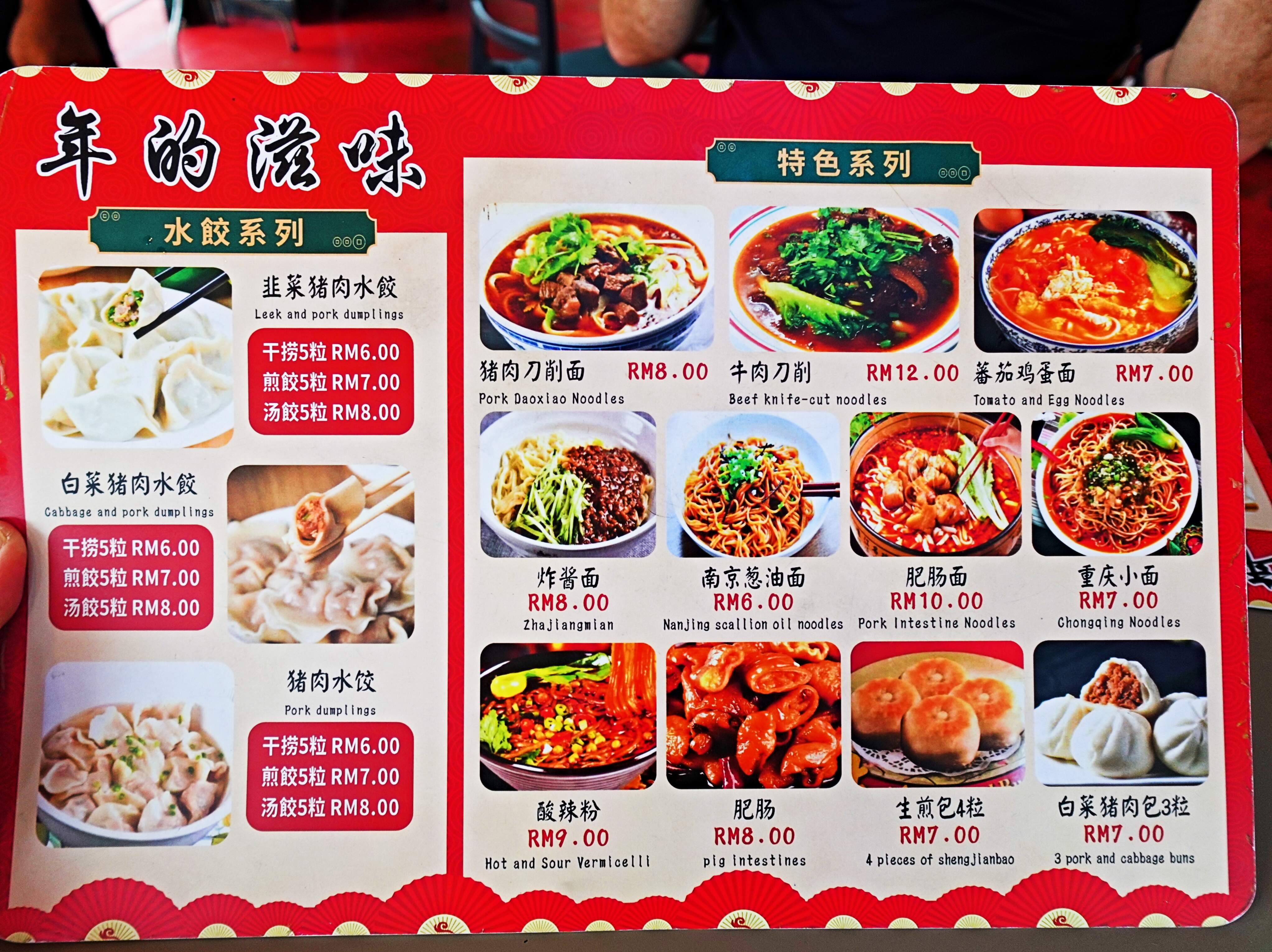
Whilst their menu offerings do not differ much from those at other Mainland Chinese-style eateries, we were very pleasantly surprised to find the same dishes here actually taste so much better than anywhere else we’d tried in Penang, with fresher and obviously much better-quality ingredients.
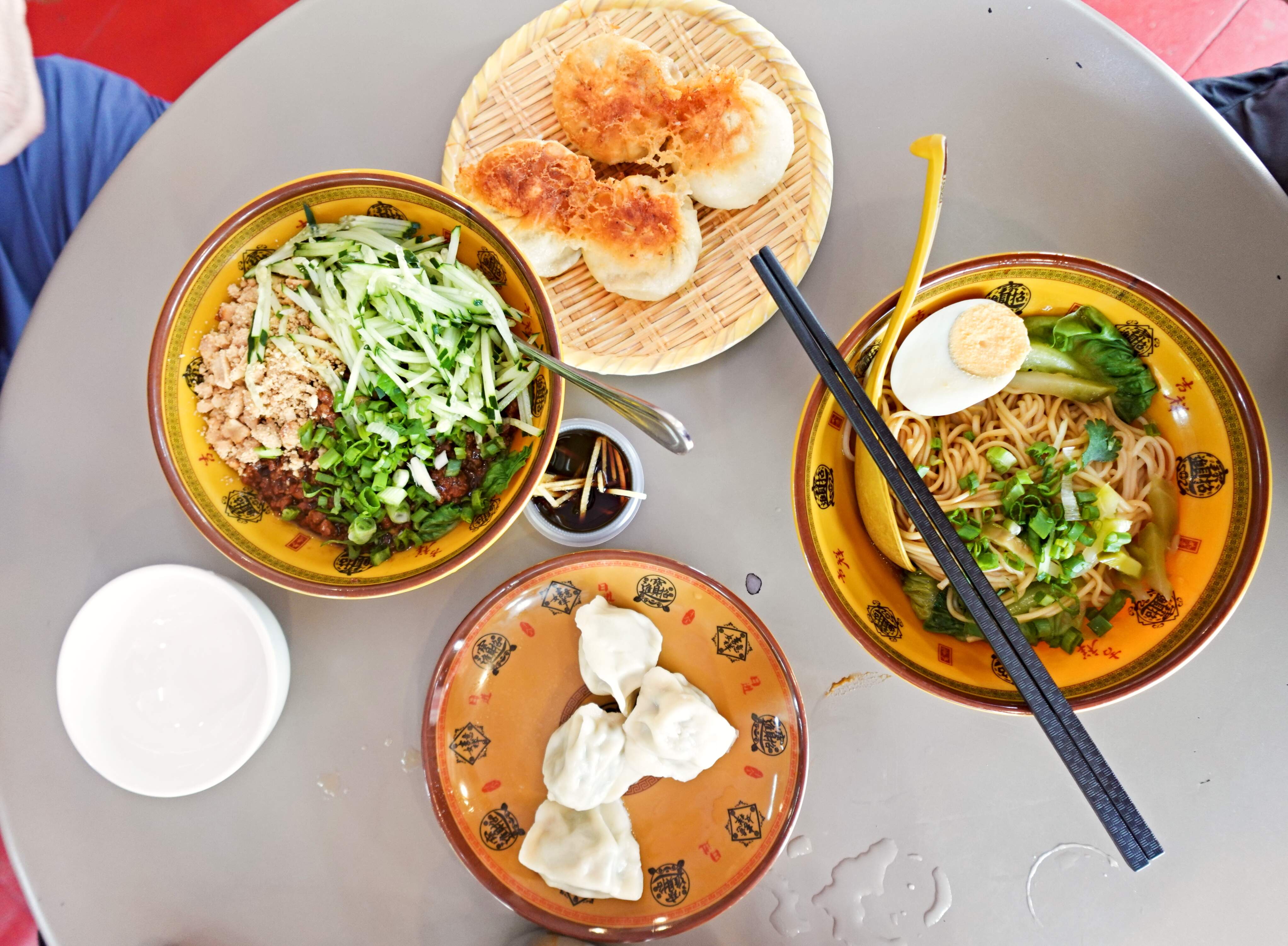
What we tried:
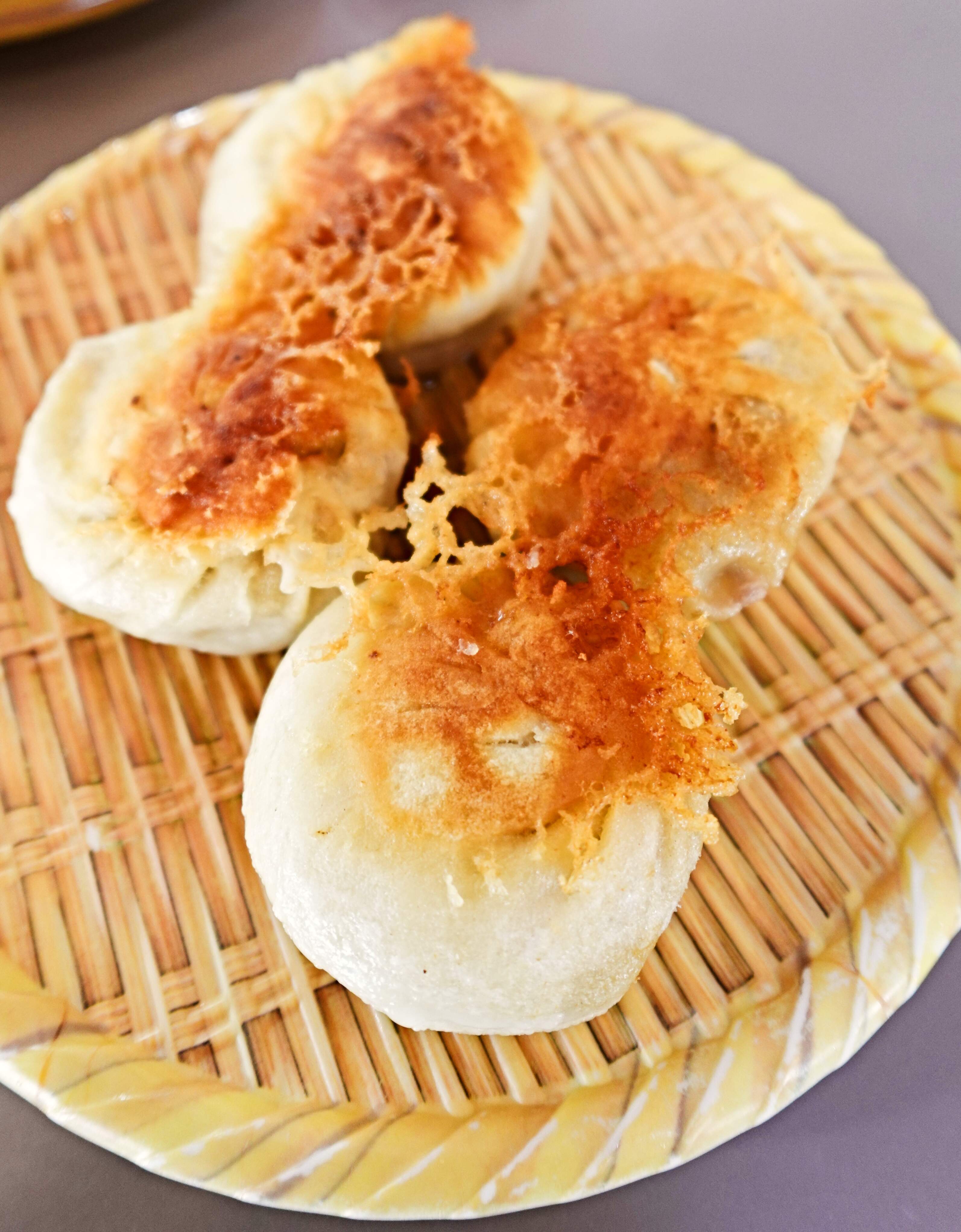
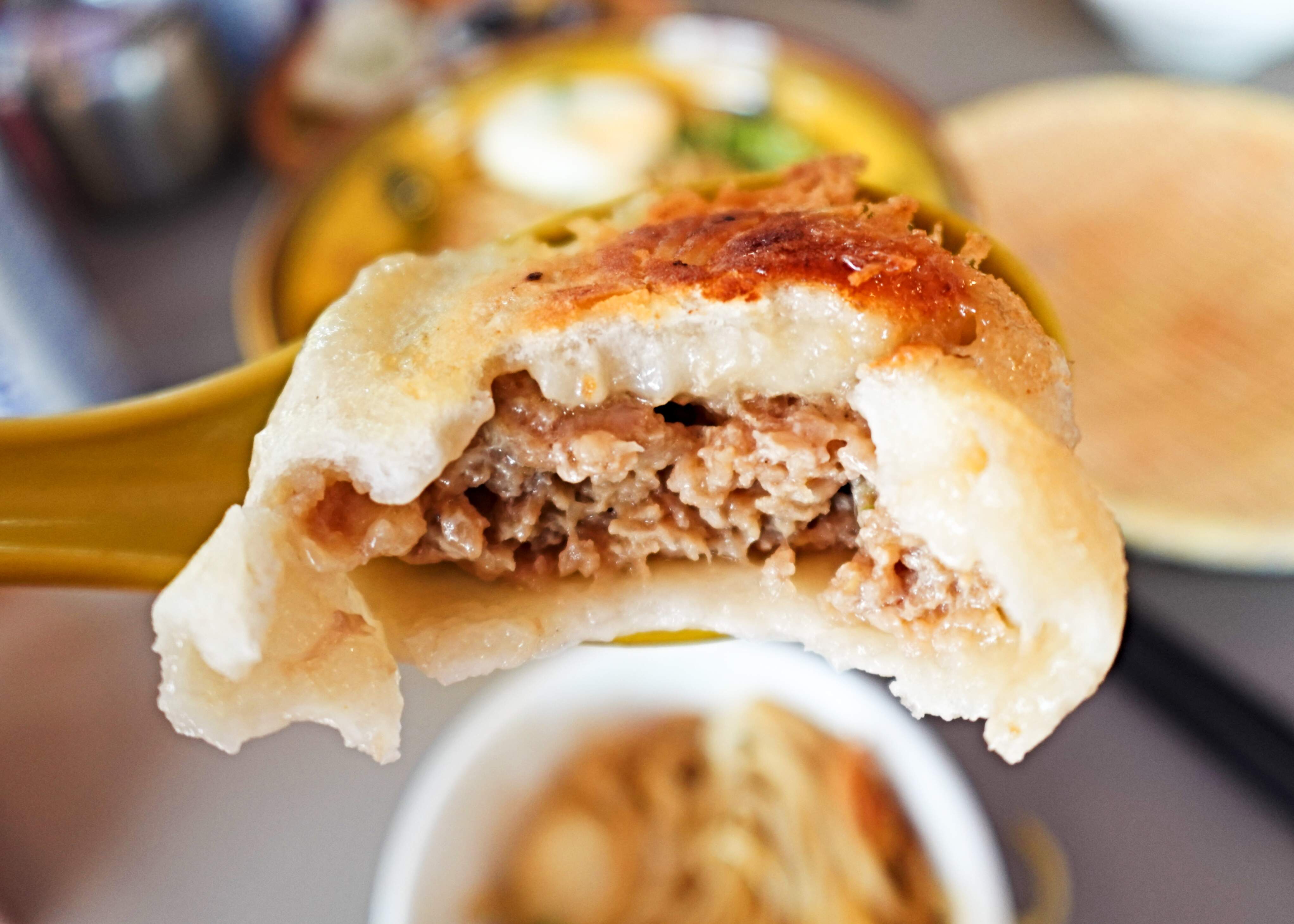
 𝘚𝘩𝘦𝘯𝘨 𝘫𝘪𝘢𝘯 𝘣𝘢𝘰 or Shanghainese pan-fried meat buns (Chinese: 生煎包). 𝘚𝘩𝘦𝘯𝘨 𝘫𝘪𝘢𝘯 𝘣𝘢𝘰 originated in Shanghai during the late 19th century (Qing Dynasty). They evolved from Northern Jiangsu-style steamed buns, adapted to local Shanghainese tastes by being pan-fried rather than steamed. Its characteristic feature is a fluffy, savory pork-filled bun with a crisp, golden-brown base.
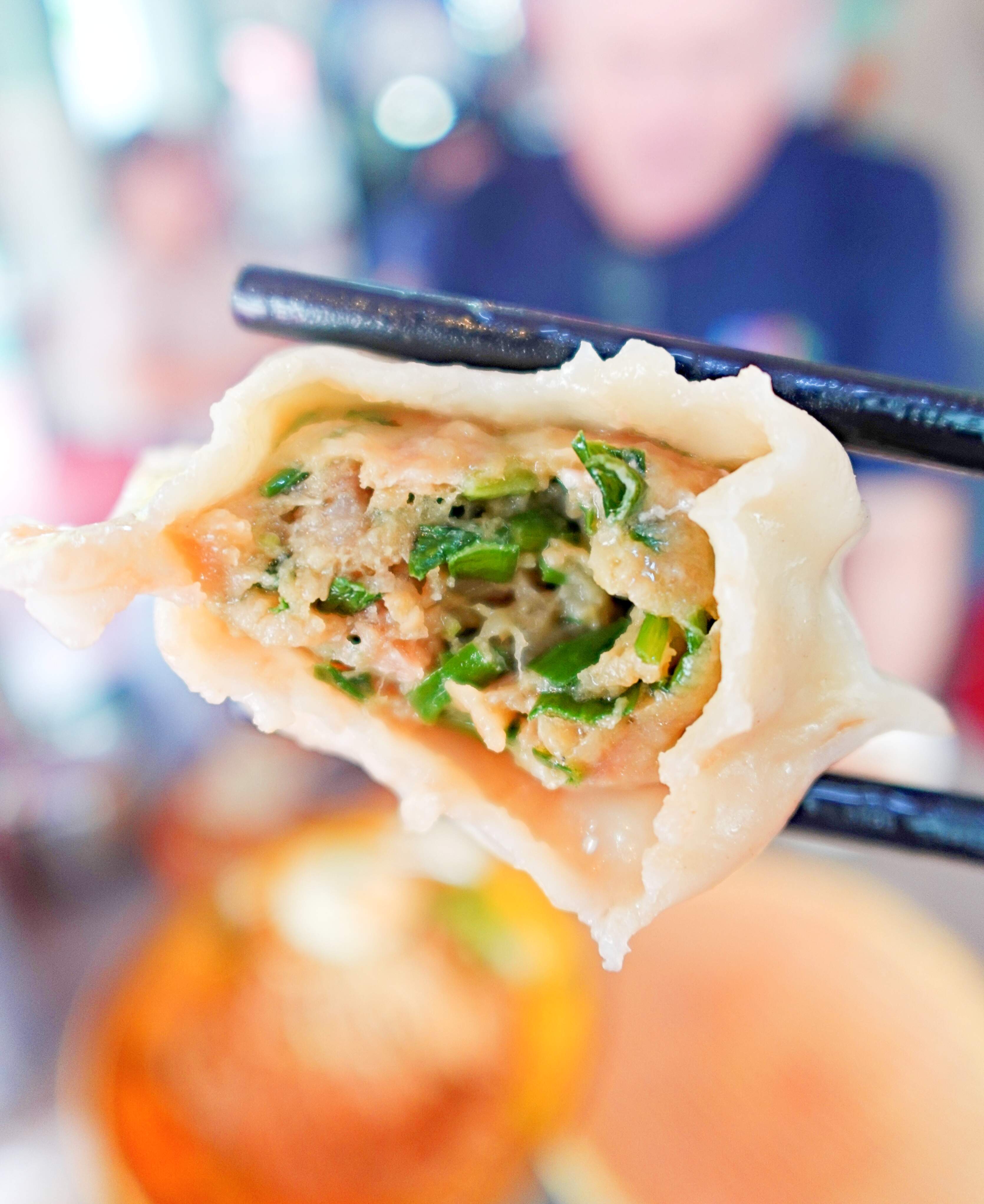
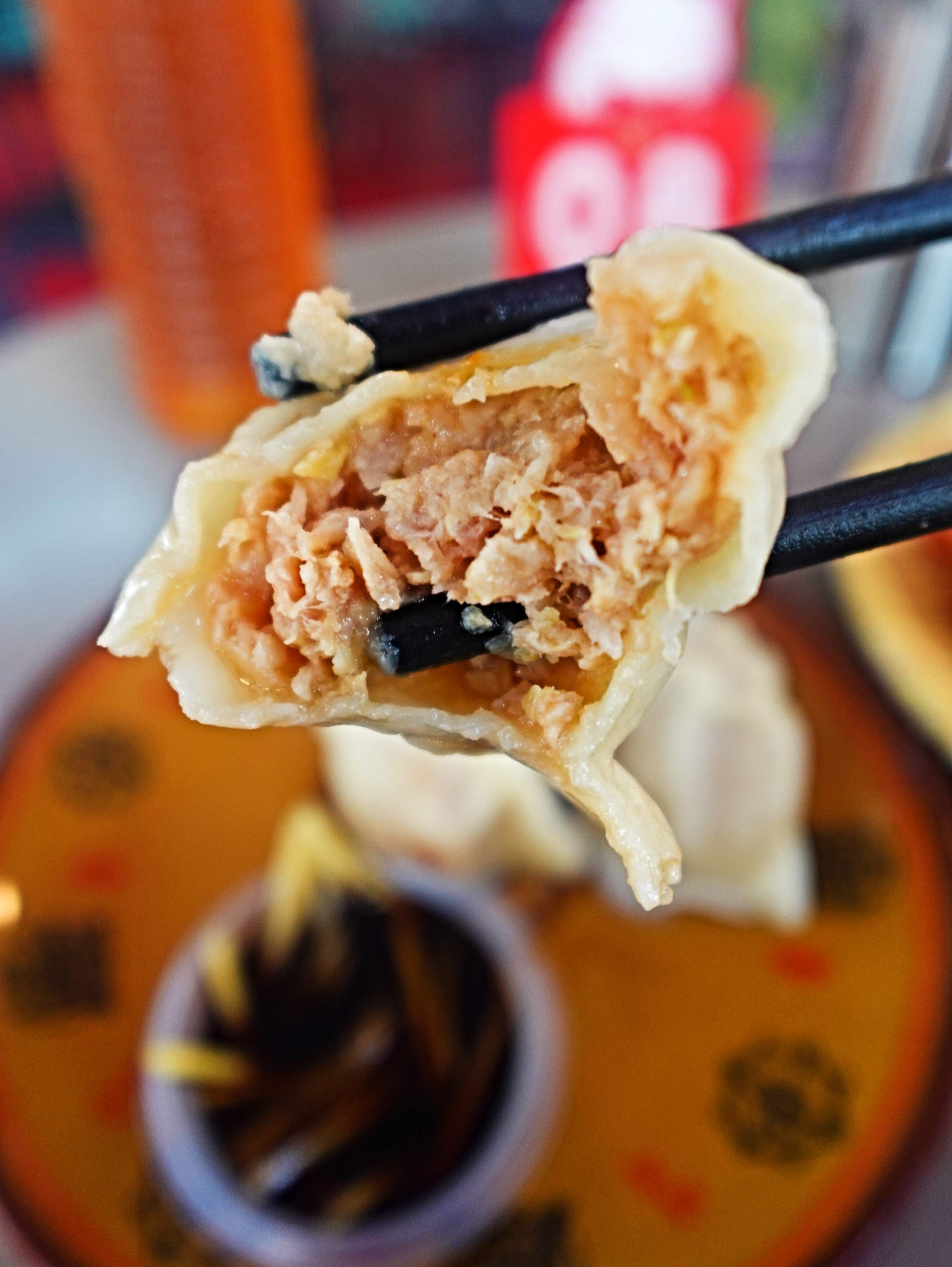
𝘑𝘪ǎ𝘰𝘻𝘪 or boiled minced pork-and-chive dumplings (Chinese: 餃子). The invention of 𝘑𝘪ǎ𝘰𝘻𝘪 is often attributed to Zhang Zhongjing, a famous physician of the Eastern Han Dynasty (approx. 1,800 years ago). Legend says he created them to help treat frostbitten ears by wrapping medicinal herbs and meat in wheat flour dough.

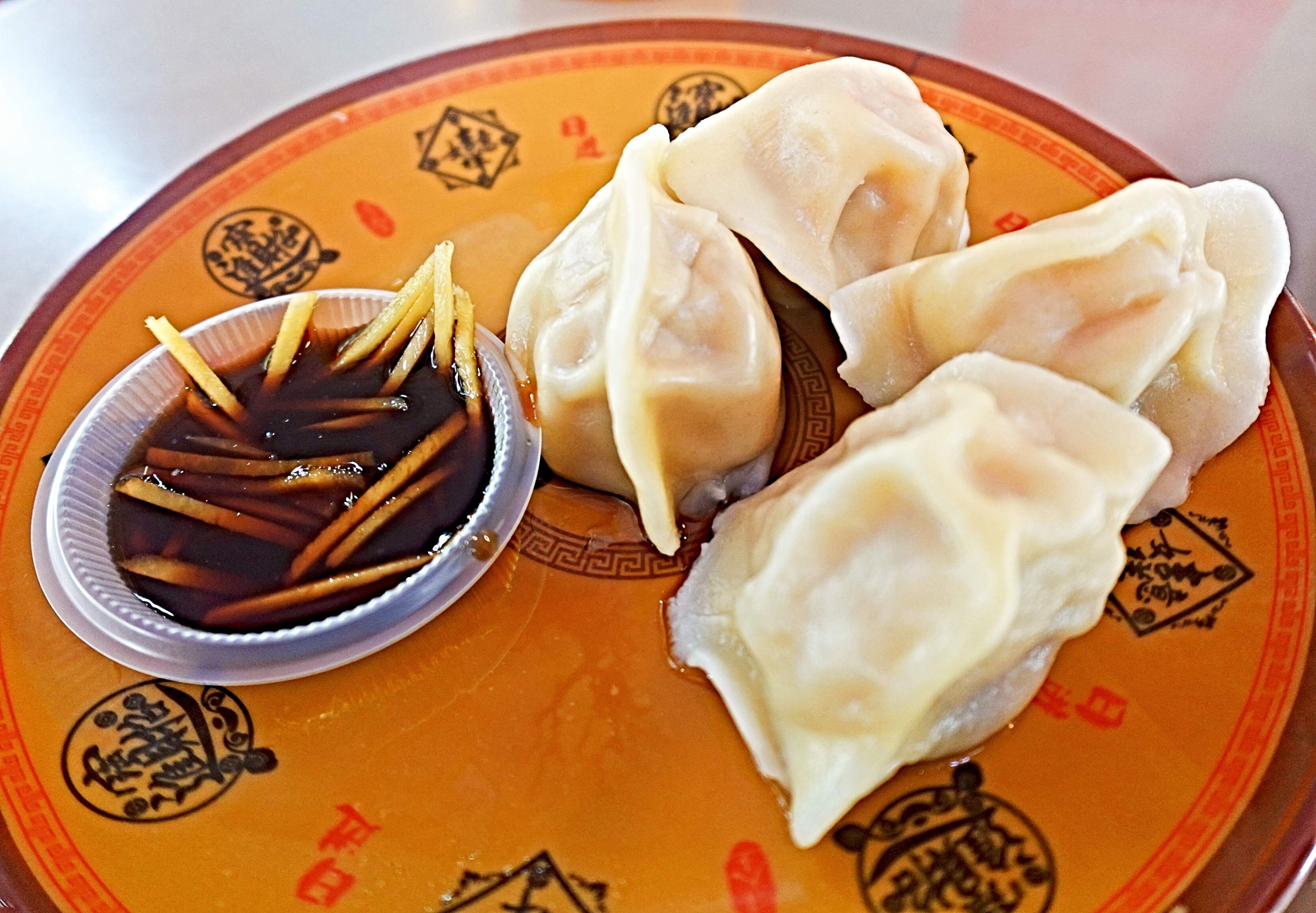
Minced pork-and-cabbage dumplings. These ones do not have the assertive chive flavor, but is sweeter from the cooked cabbage. Very tasty!
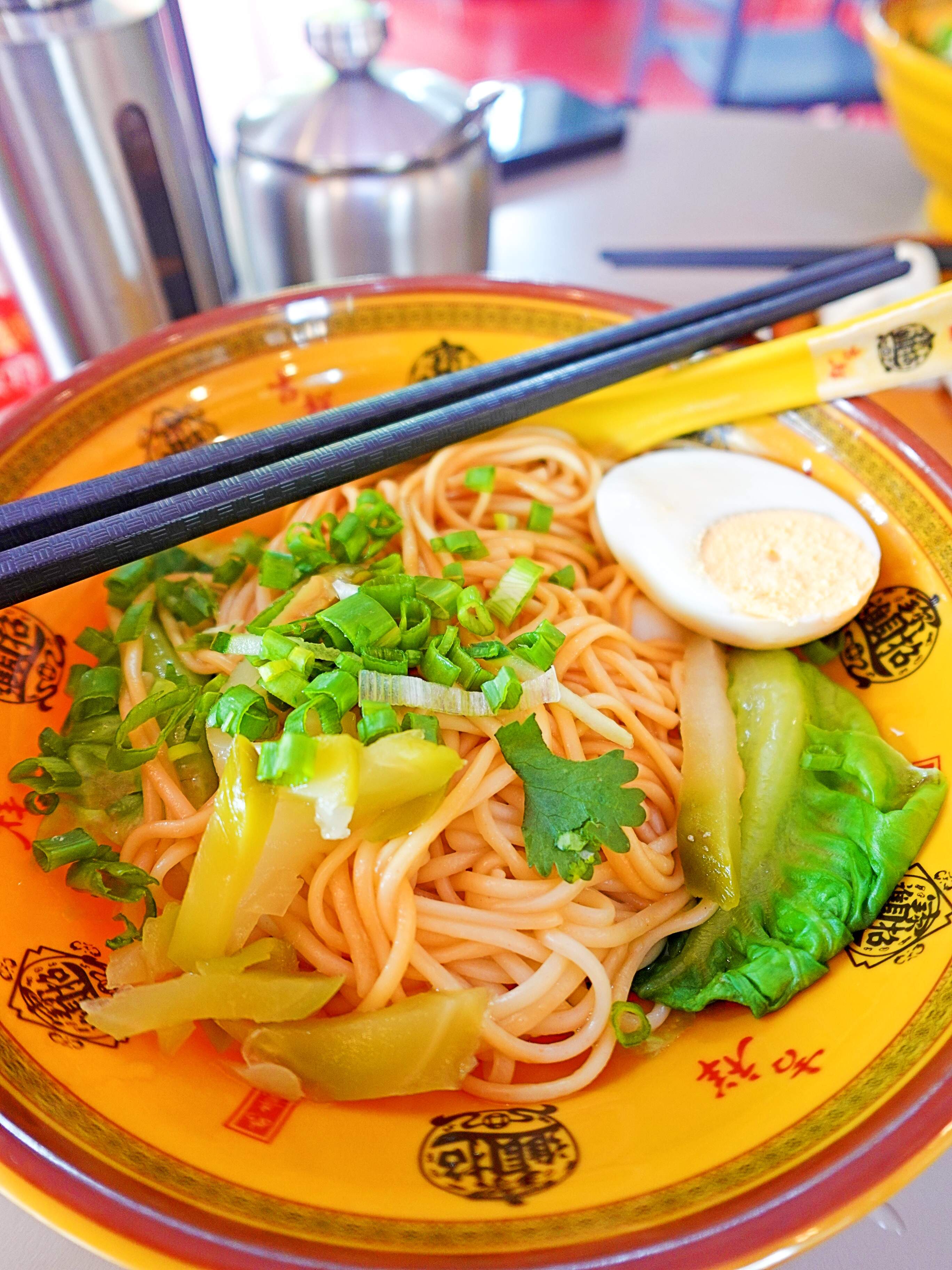
𝘊𝘰𝘯𝘨 𝘺𝘰𝘶 𝘣𝘢𝘯 𝘮𝘪𝘢𝘯 or Shanghainese scallion noodles (Chinese: 葱油拌面) - this simple, homely fare is often regarded as comfort food for the Shanghainese. The version here seemed to differ from the common Shanghai version due to its lack of soy sauce in the dressing - not sure why, probably need to ask the proprietor the next time I dine there
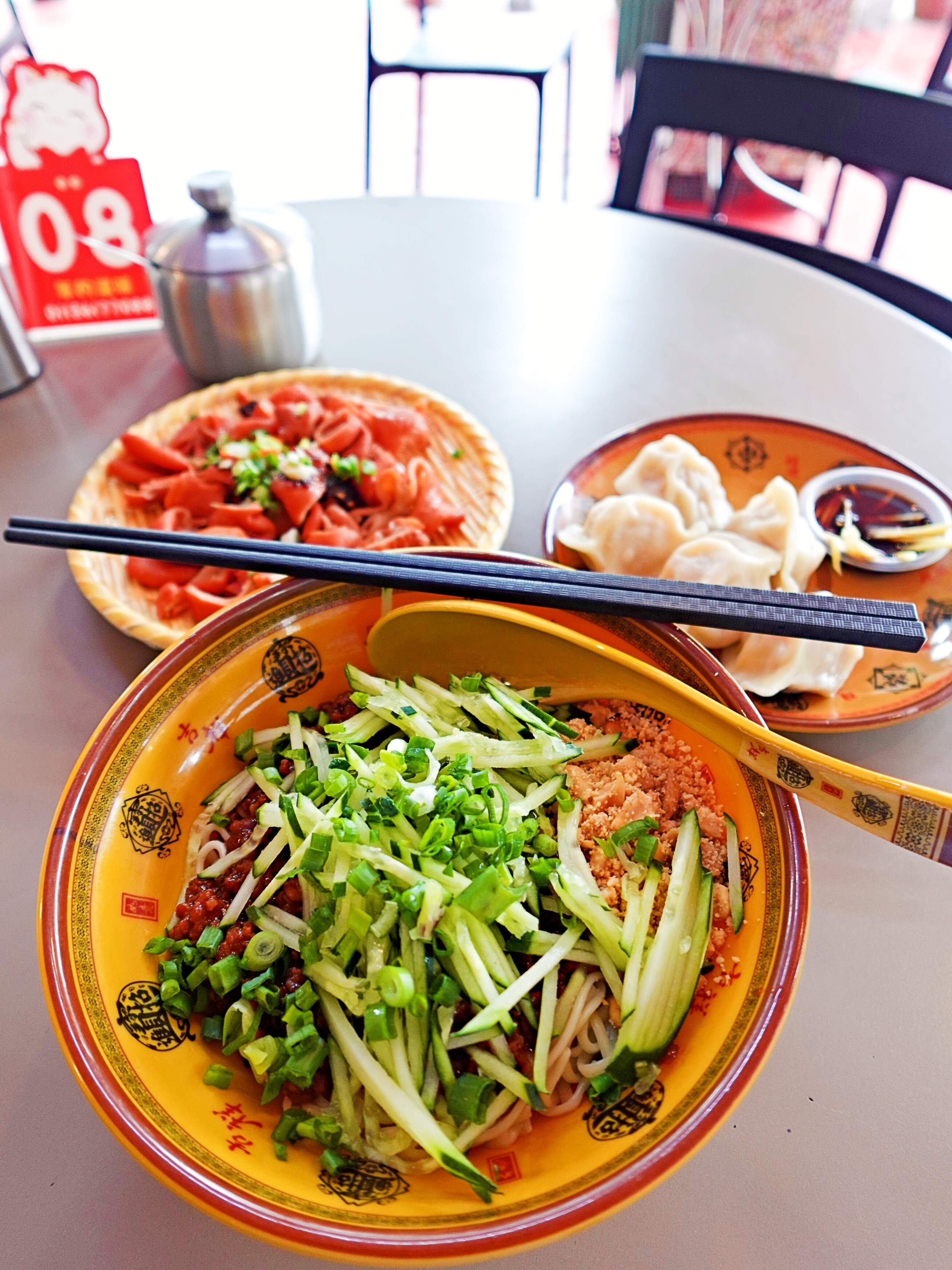
𝘡𝘩𝘢 𝘫𝘪𝘢𝘯𝘨 𝘮𝘪𝘢𝘯 or noodles with fried bean sauce (Chinese: 炸醬麵). Zha jiang mian is said to have originated in Shandong, China, but its creation has also often been attributed to the 16th century Manchurian Emperor Nurhaci of the Qing Dynasty.
The dish usually consists of wheat noodles topped with a fermented soybean-based sauce, minced pork, and a variety of preserved and fresh vegetables. The very tasty version here has minced pork in fermented bean paste, julienned cucumbers, scallions and crushed peanuts.
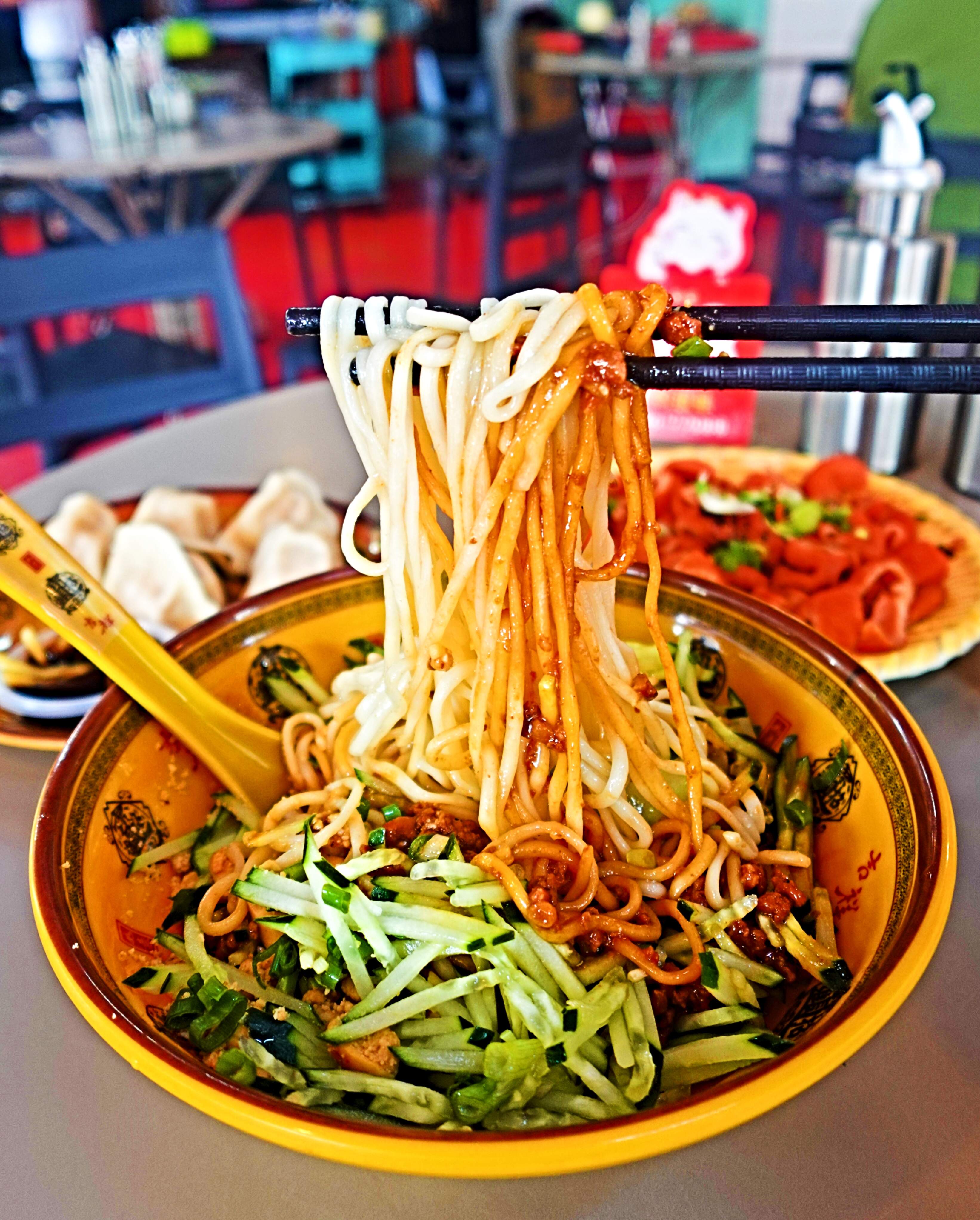
The zhajiangmian has also evolved into jajangmyeon in Korea, introduced by Shandong immigrants and adapted to the Korean palate (e.g. caramel is added to fermented bean sauce to make it sweeter). Gonghwachun (Korean: 공화춘) restaurant in Incheon’s Chinatown (founded 1905) is credited with creating the first Korean-style jajangmyeon. Today, jajangmyeon is perhaps Korea’s most popular lunch noodle staple.
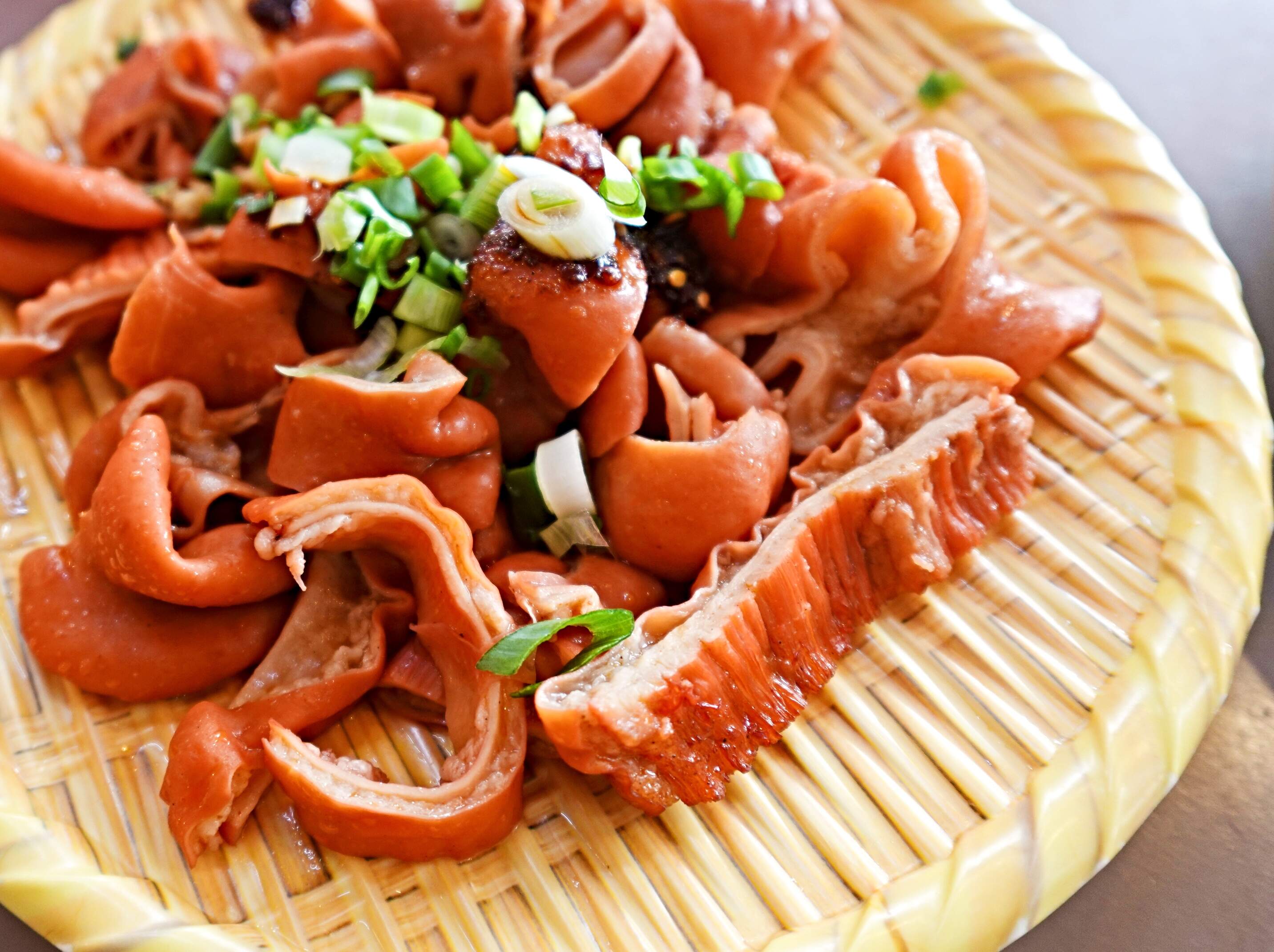
Soy-braised pig’s intestines. These were boiled till tender, whilst retaining a bit of the toothsome texture much appreciated by Mainland Chinese diners. The version here is much tastier than version I’d tried in China - perhaps because it’s been localised for the Penang palate: lighter, subtler and more flavors from the marinade and seasoning here.
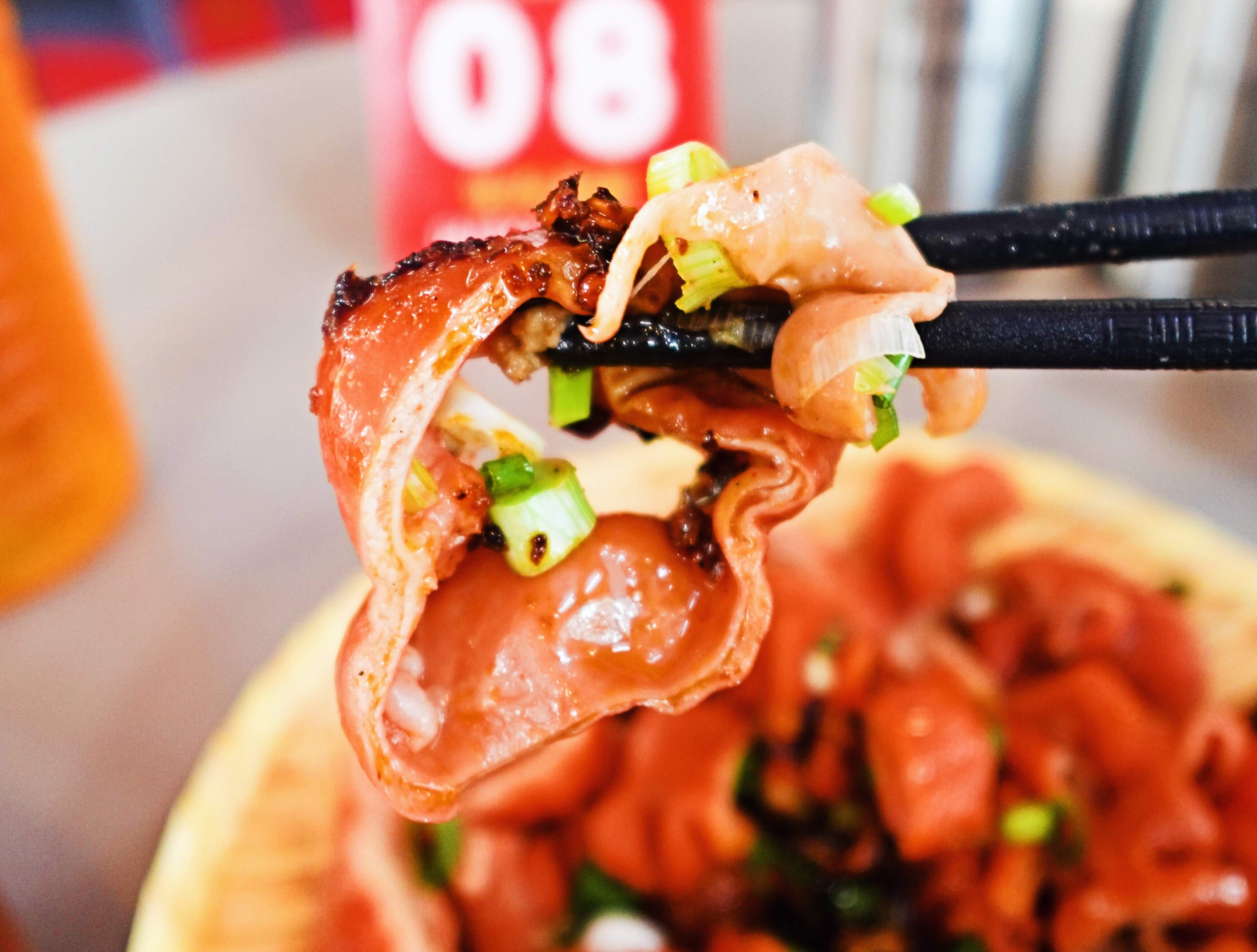
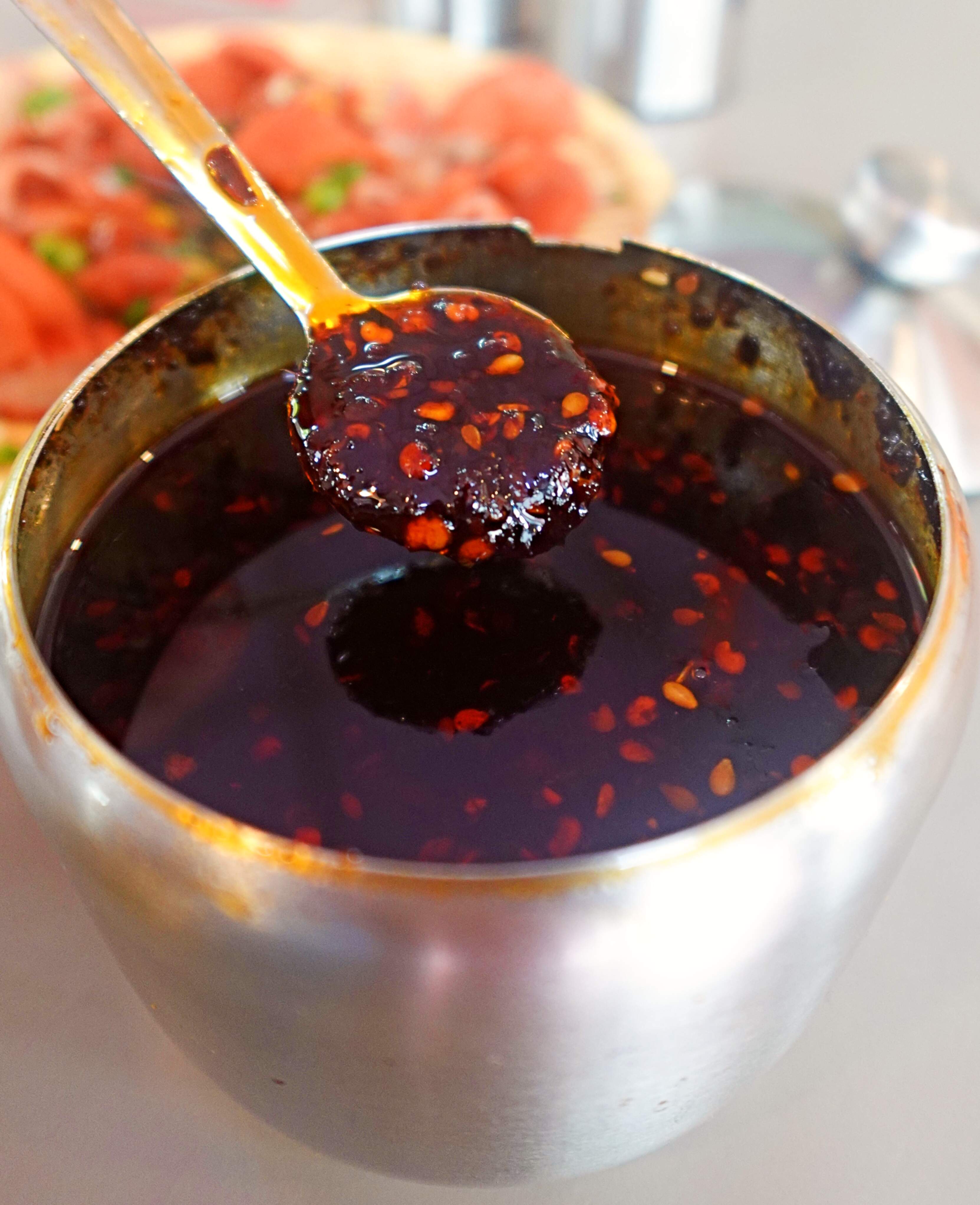
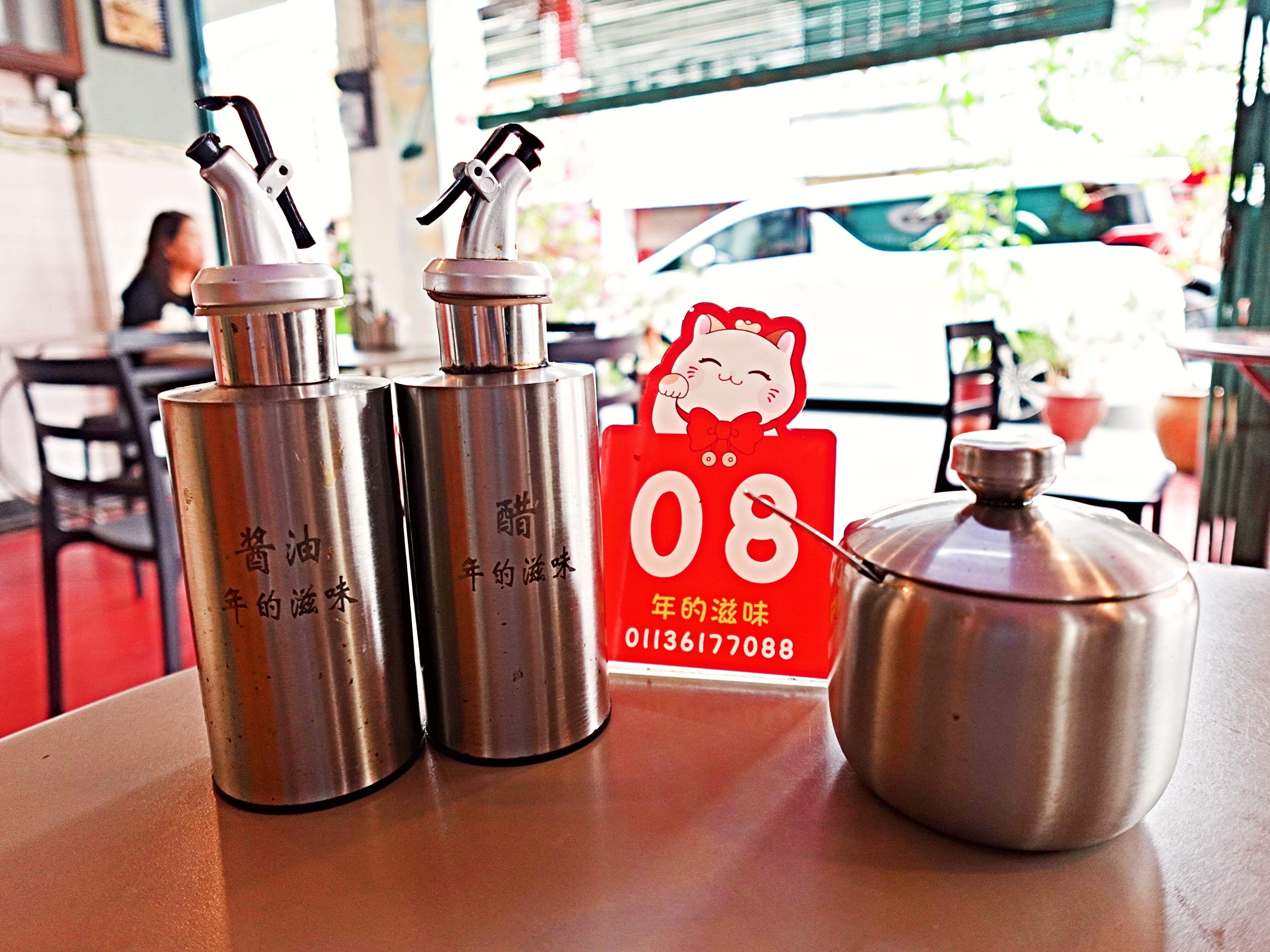
The fried, minced chili dip is da bomb! Adding a tiny bit of it can elevate every single dish to whole new level of deliciousness altogether.
Definitely a keeper.
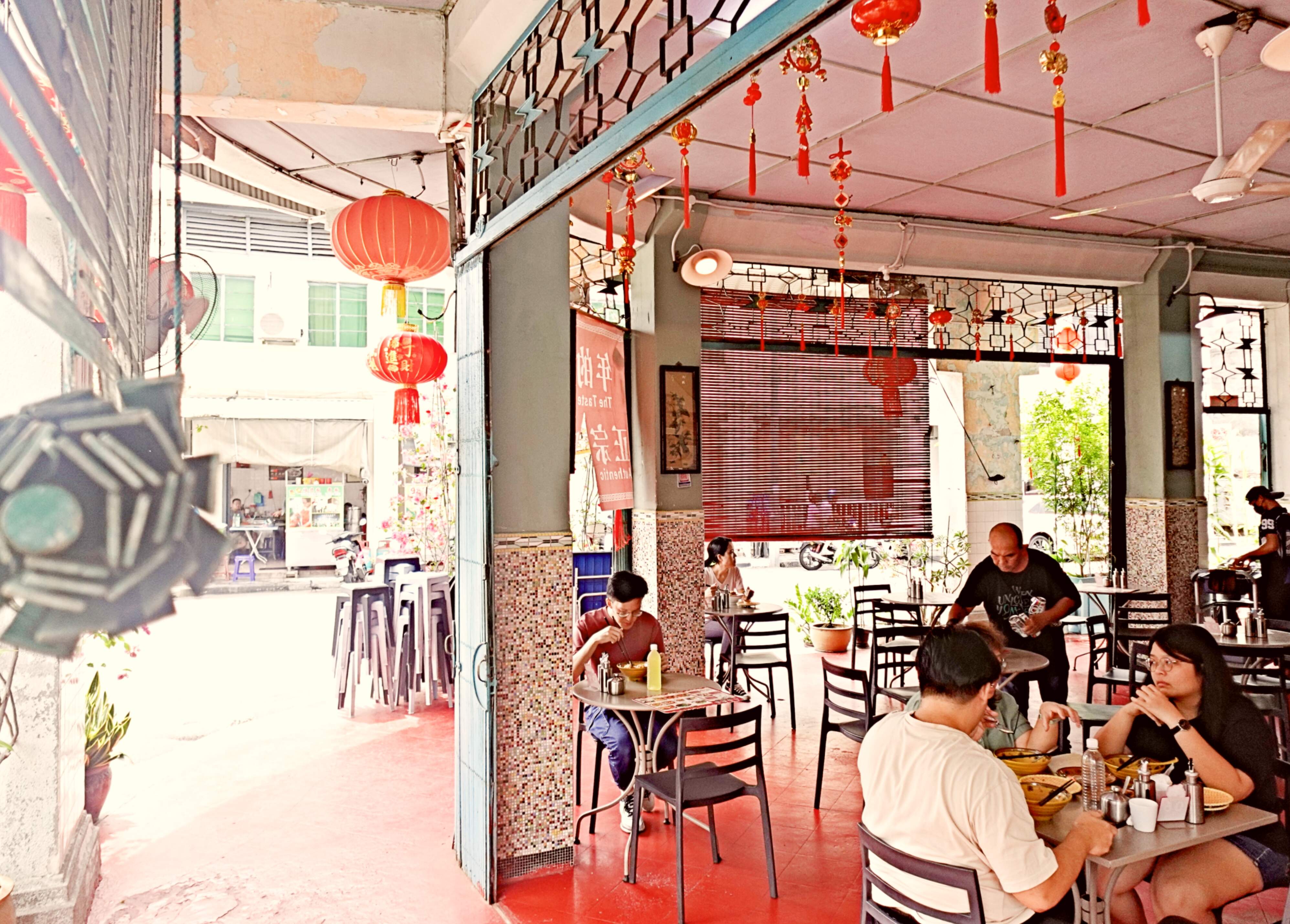
Address
Nian Wei Chinese Dumplings
219, Kimberley Street, 10100 George Town, Penang, Malaysia
Tel: +6017-546 0113
Opening hours: 8.30am to 2.30pm, 5pm to 10pm, Tue to Sun. Closed on Mondays.

