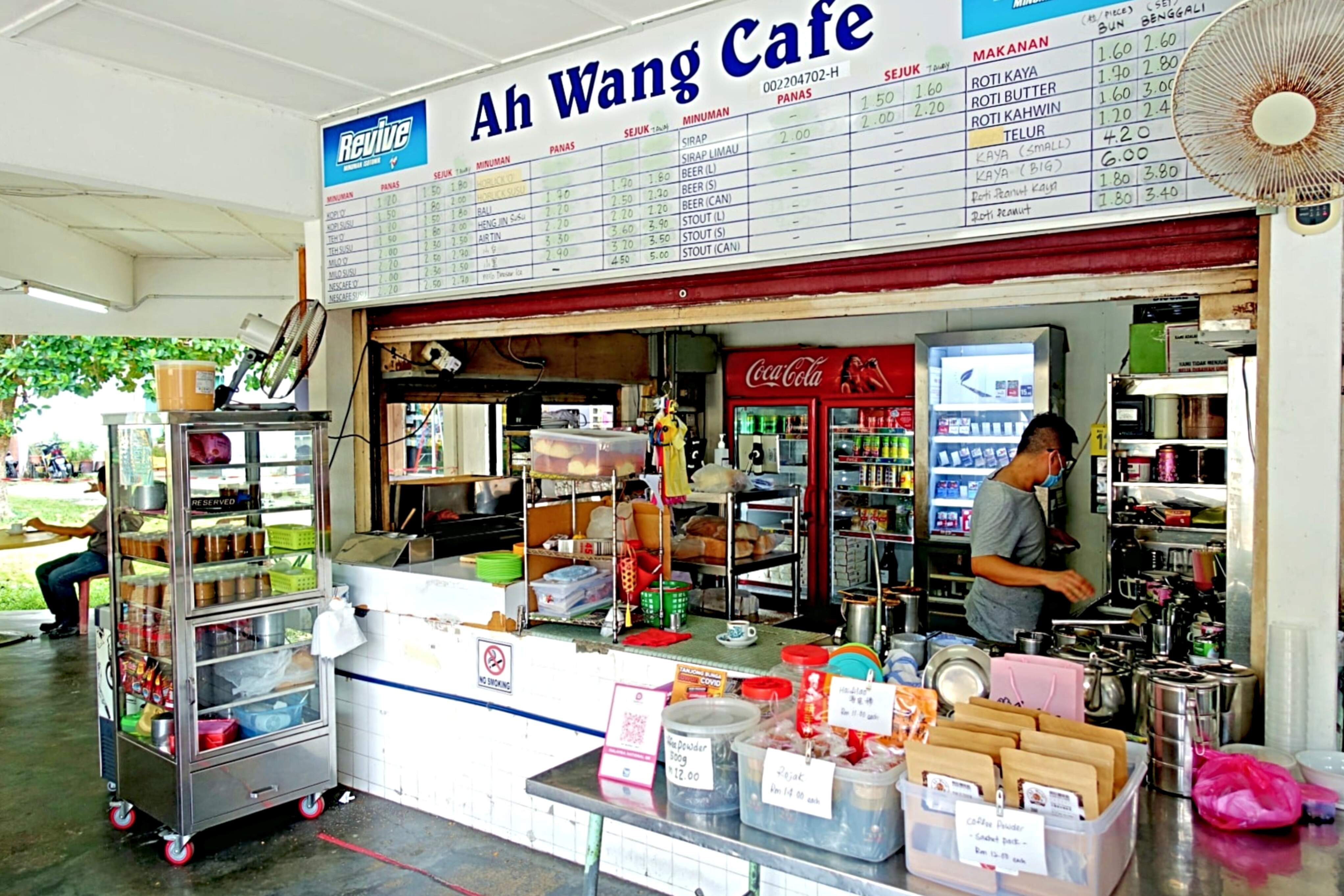
Ah Wang Cafe, was started back in 1983 by Hainanese coffee-maker, 𝐎𝐰 𝐉𝐢𝐧𝐠 𝐂𝐡𝐮𝐚𝐧. At the time, he started his business near a kampung along Jalan Lama, Tanjung Tokong. The Ow family later moved their business to its current location at the food court next to the UDA flats in the late-1980s.

It was renamed Ah Wang Cafe, a nickname given by the customers to Mr Ow Jing Chuan’s son, 𝐎𝐰 𝐒𝐞𝐞 𝐘𝐚𝐧𝐠. The mainly Malay clientele had always called him “Awang”, so he Sinicized it to “Ah Wang” for his stall’s new name.
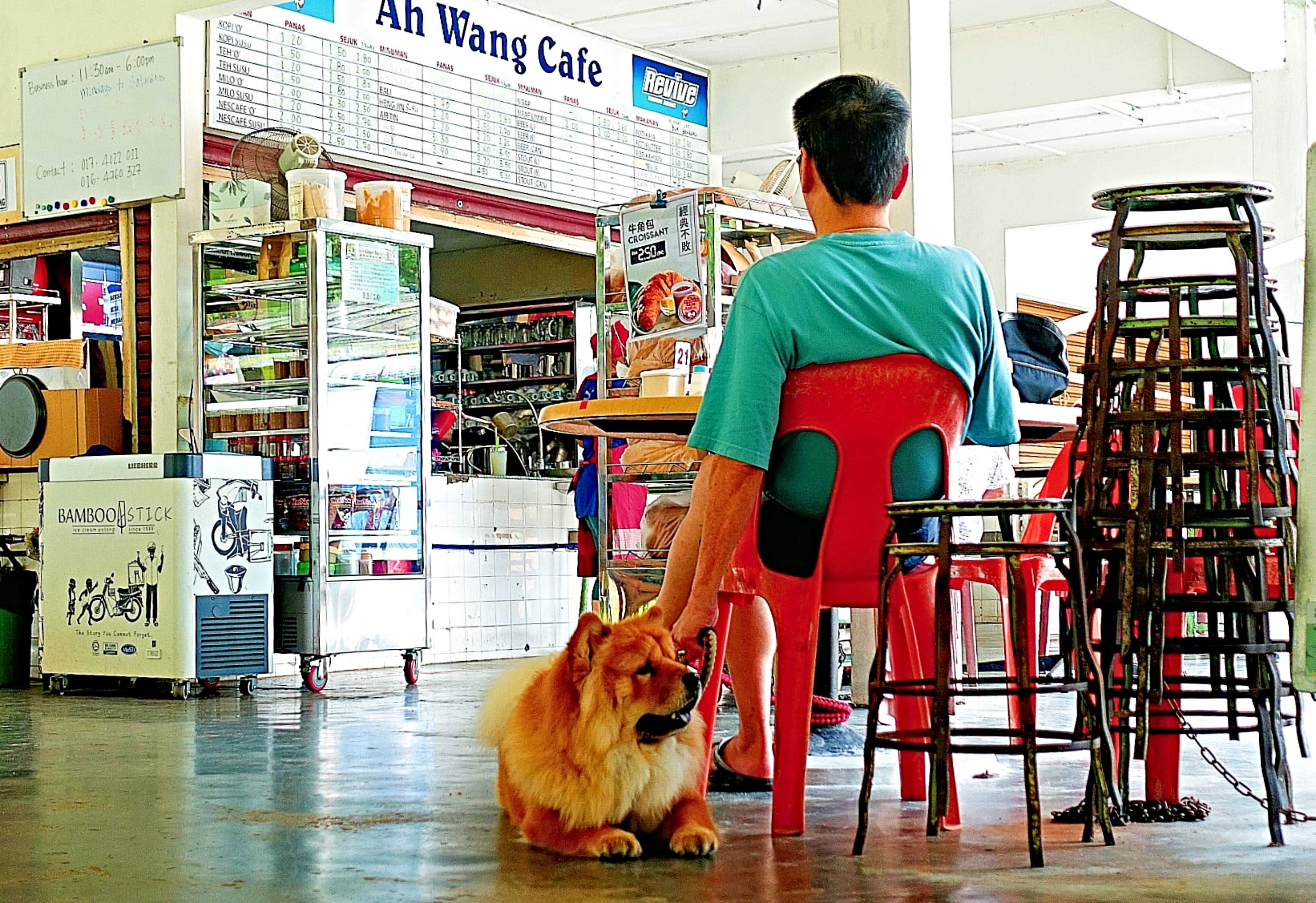
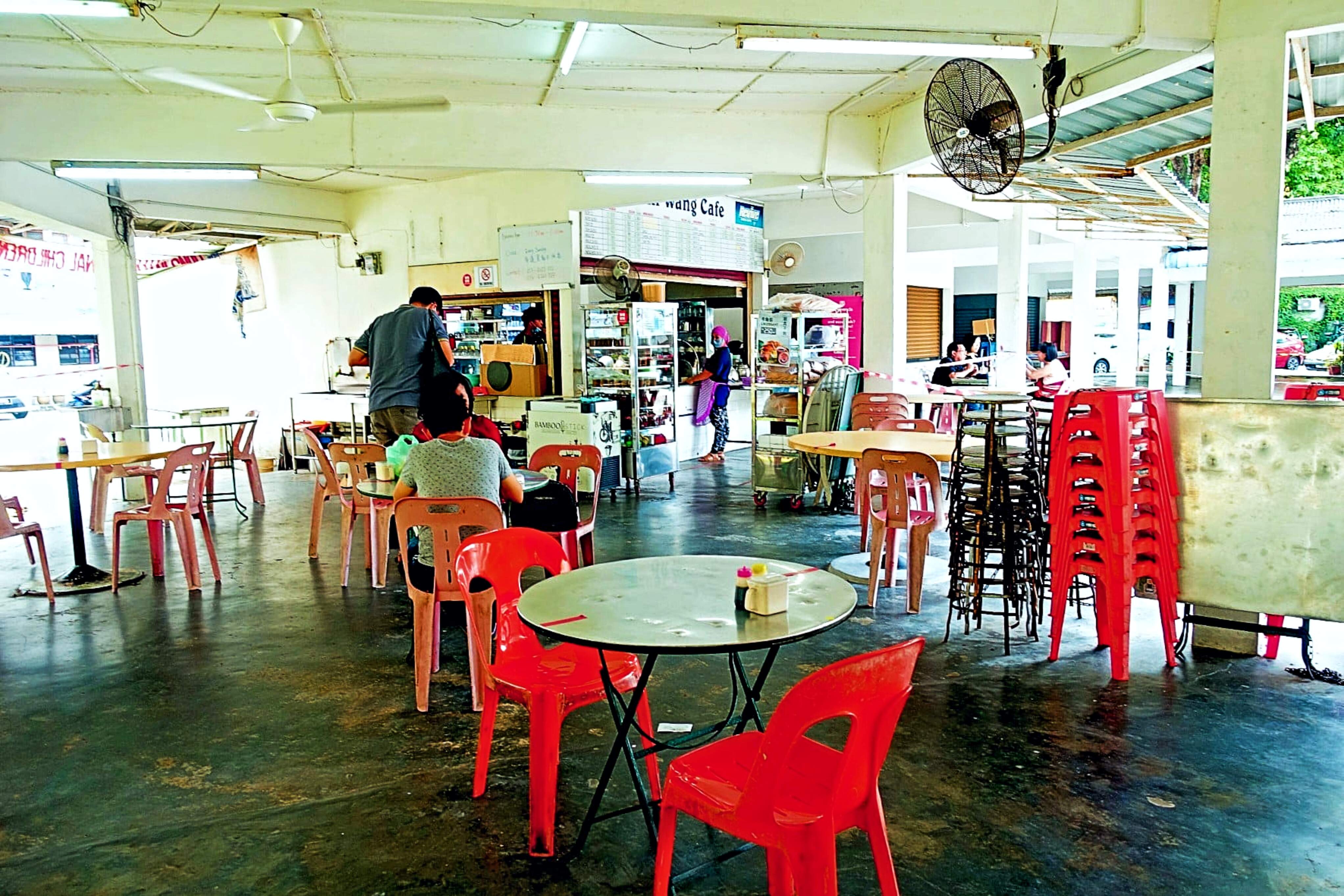
Today, grandson, 𝐎𝐰 𝐄𝐧𝐠 𝐋𝐢𝐚𝐧𝐠, runs the stall, brewing the coffee according to his family’s traditional style. True-blue Hainanese coffee, eggs and kaya toast here.
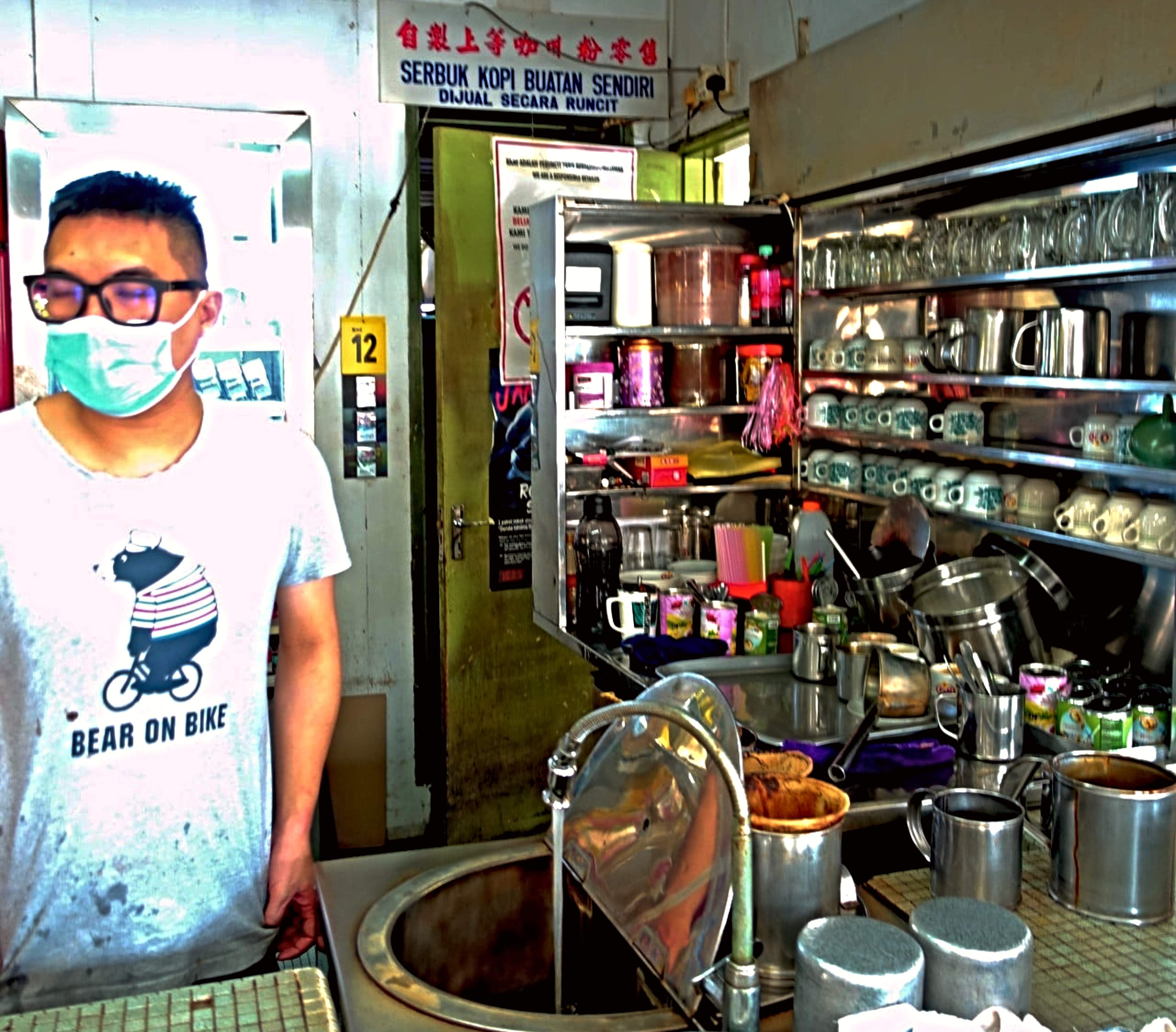
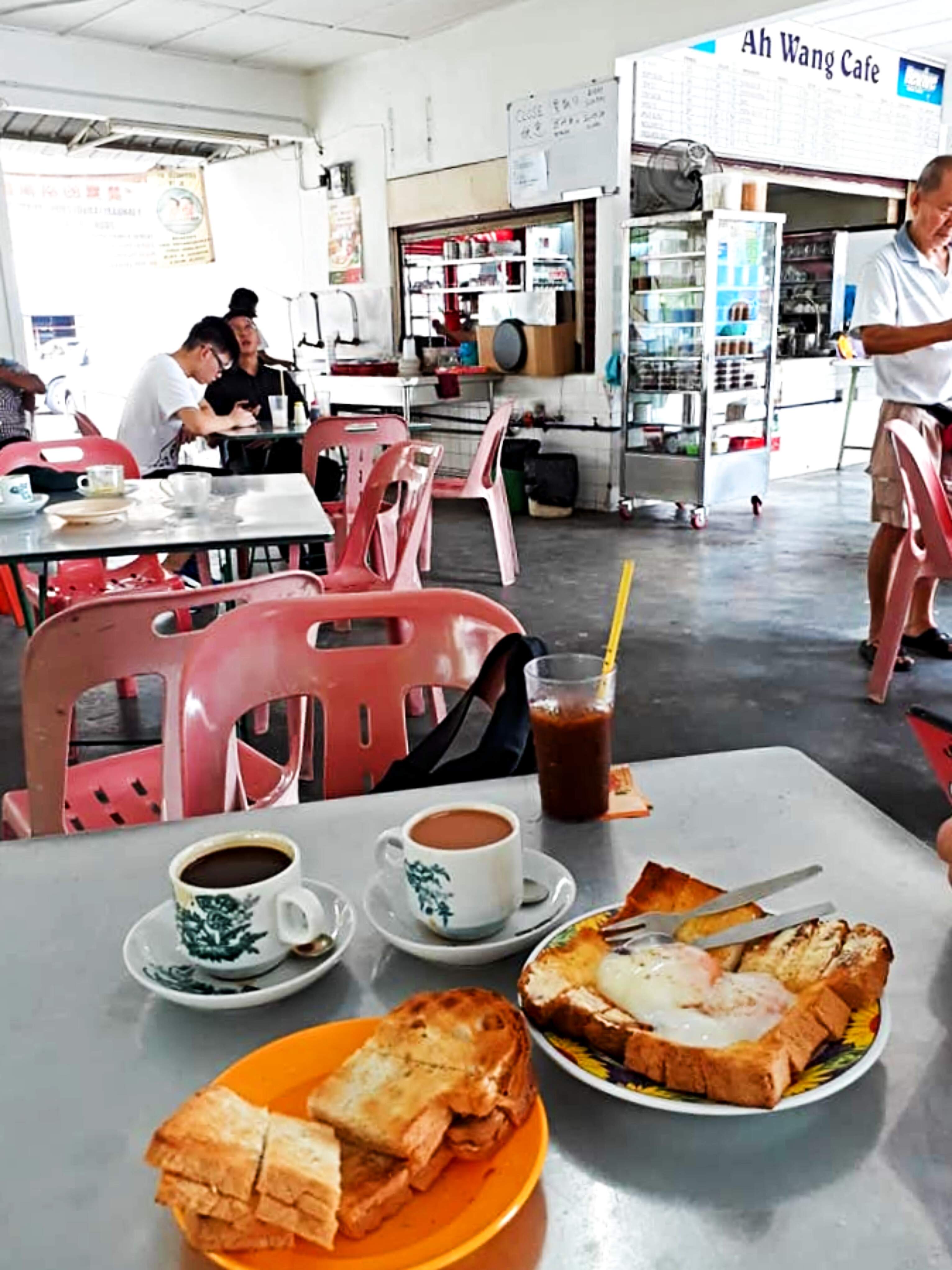
During the British colonial days, the Hainanese were live-in servants who ran the households and kitchens for their British employers. In the course of their employment, the Hainanese absorbed and adapted British dishes into their own repertoire. During the post-Great Depression era, when many British colonialists were recalled back home, a wave of Hainanese-run coffeeshops sprung up all over Malaya and Singapore, run by these former household staff of the great houses.
Consequently, the traditional Hainanese breakfast and tea-time options as we know them in present-day Malaysia and Singapore are British in origin, and do not exist back on Hainan island in China, the homeland of the local Hainanese here.
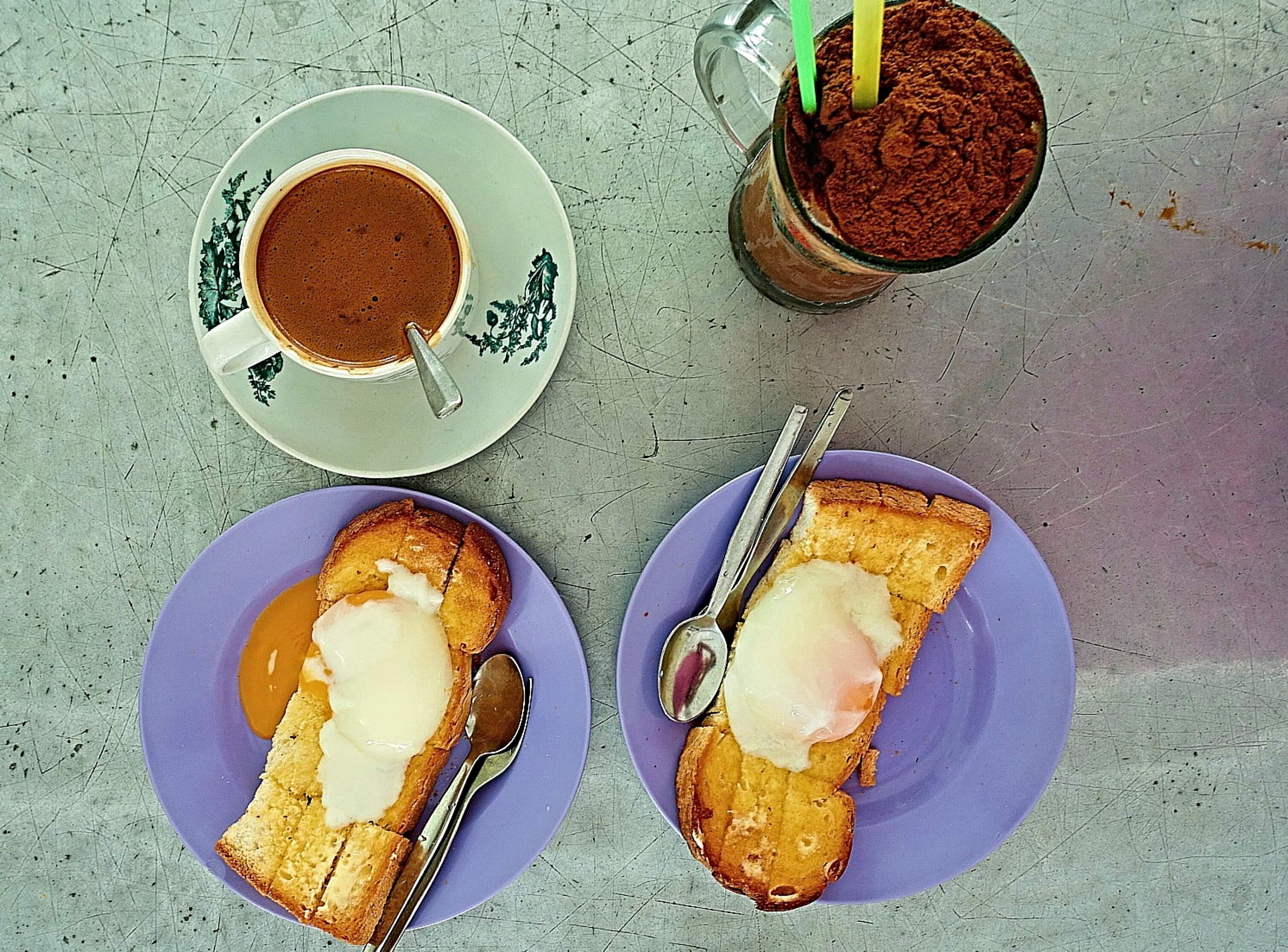
Traditional Hainanese coffee and tea. Hainanese coffee beans are roasted with sugar and butter till the sugar caramelizes and coats the coffee beans, which are then rapidly cooled down, broken into shards, then ground into Nanyang-style coffee powder: very aromatic, and with the barest underlying hint of sweetness when brewed.
The Hainanese are well-known amongst the Chinese for being the only dialect group to add milk (and sugar) to their tea, British-style.


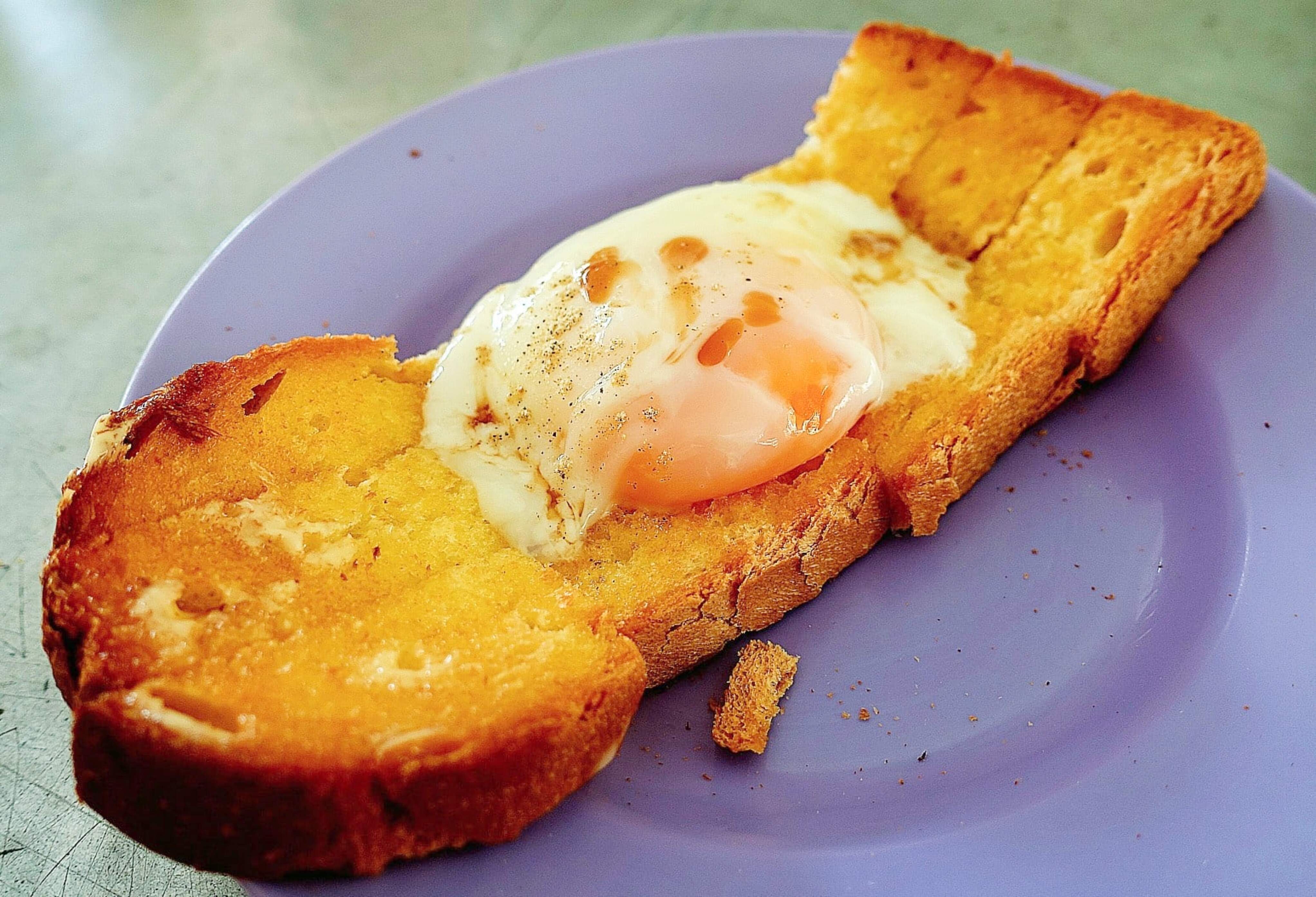
Soft-boiled eggs, served with buttered toasts - adapted from British eggs-and soldiers.

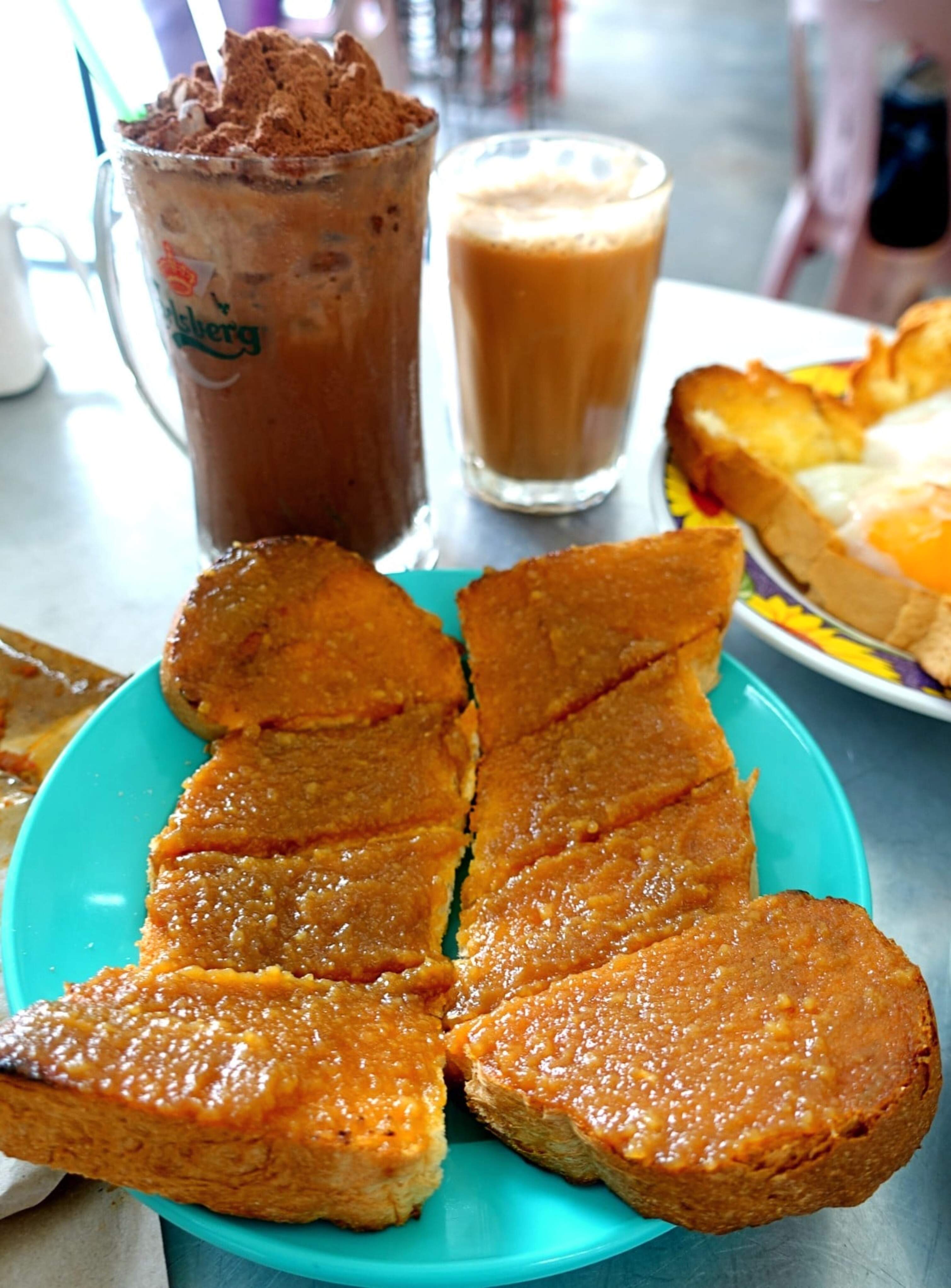
Toasts slathered with kaya - an eggy, coconut milk-enriched jam.
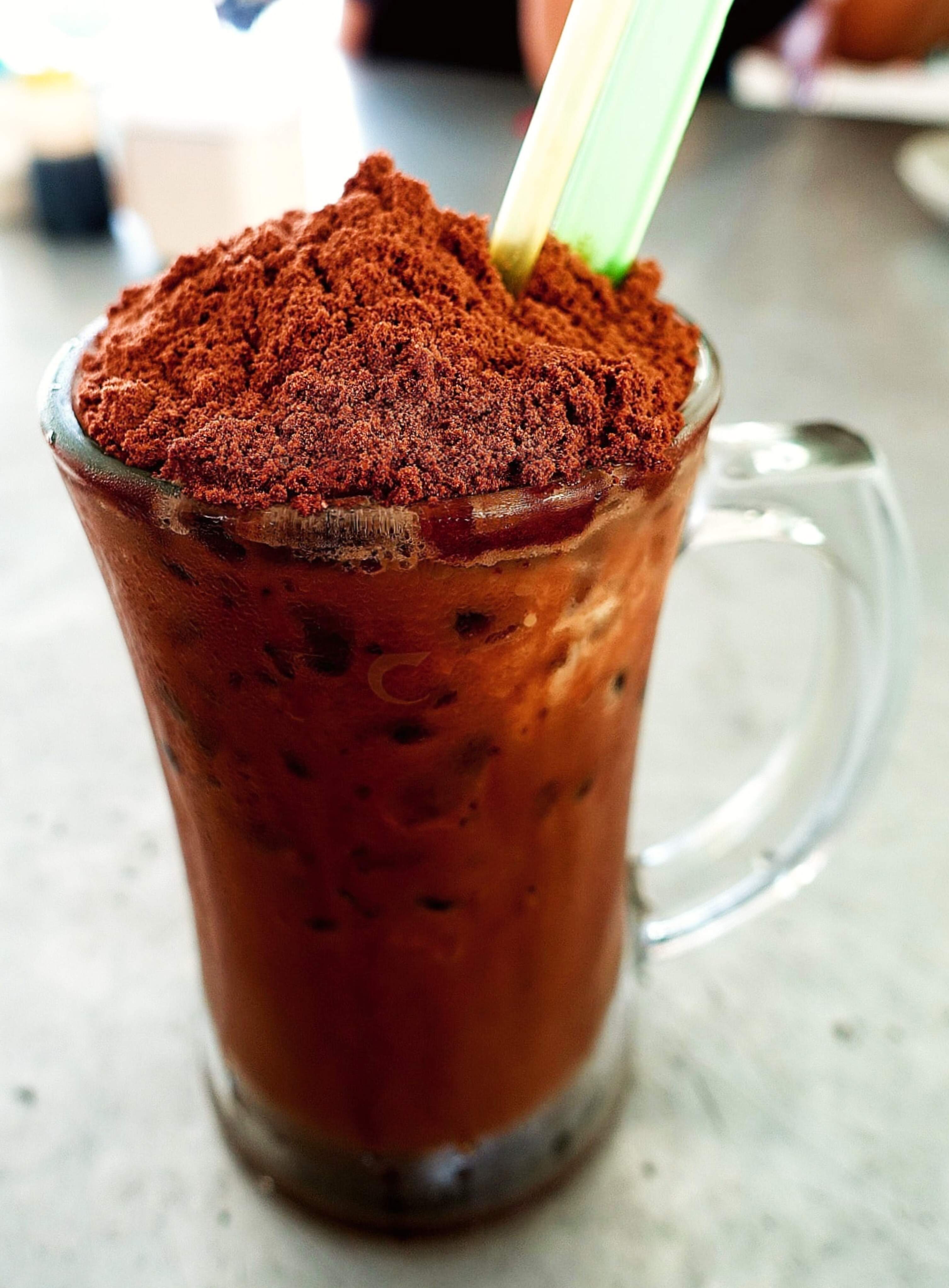
“Milo Dinosaur” - a fairly new cold beverage of malted chocolate. First introduced back in the early 1990s - both Singapore and Malaysia claim to be the inventors.
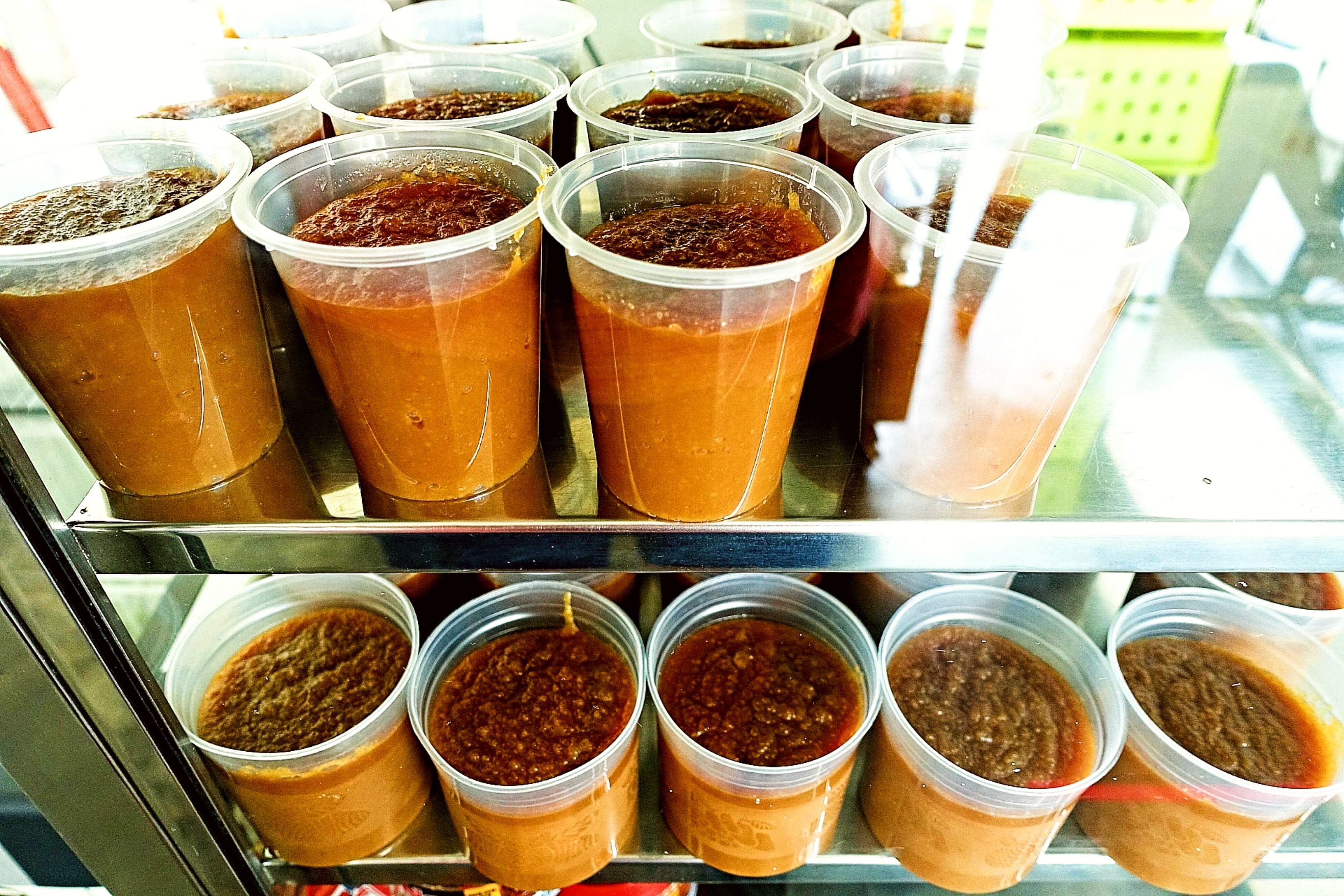
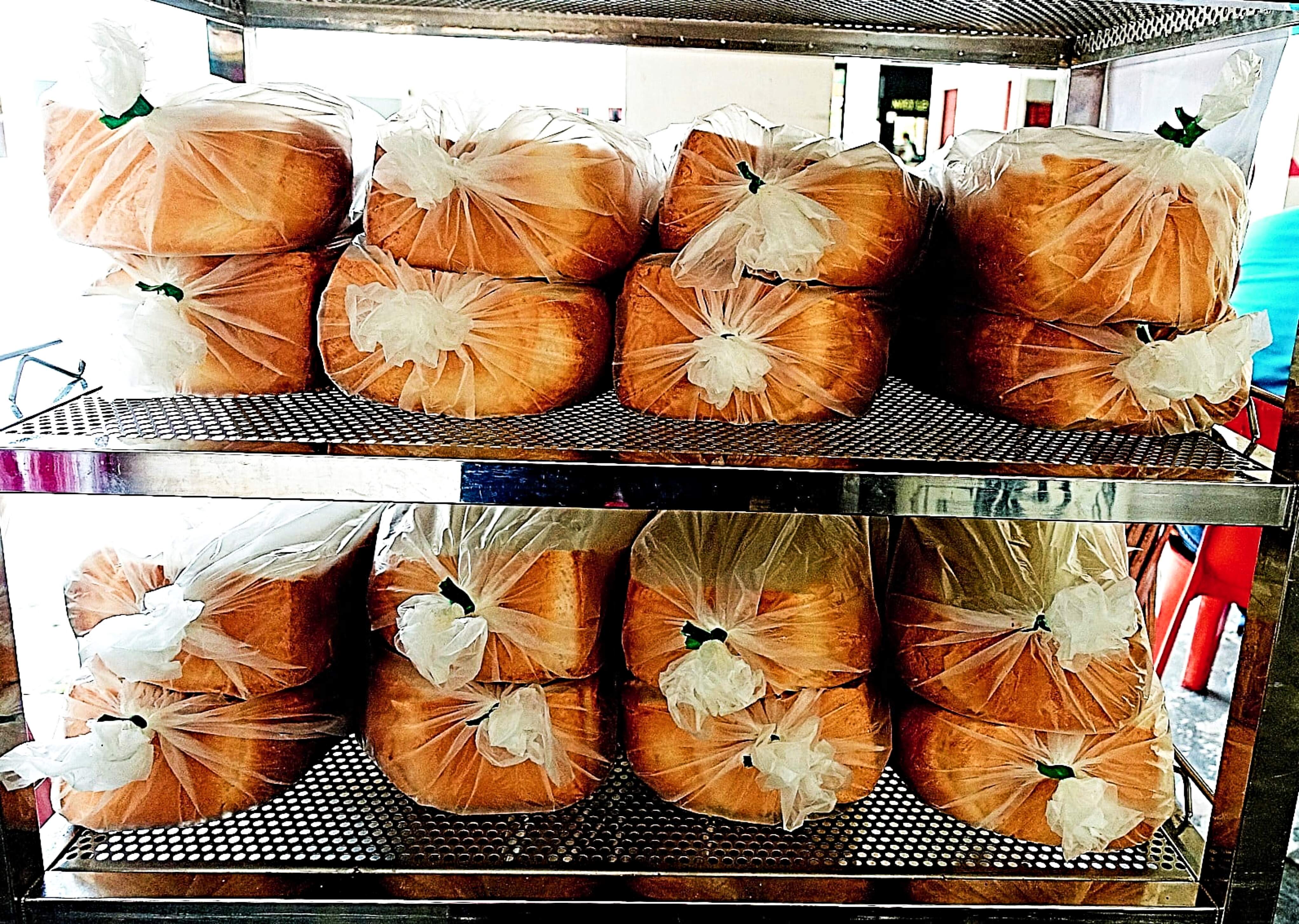
Little plastic tubs of “kaya” are sold alongside local white bread, for take-outs.
Address
Ah Wang Cafe
J-6, Jalan Tanjung Bungah, Tanjung Tokong, 10470 Tanjung Bungah, Penang, Malaysia.
Tel: +6 016-476 0327
Opening hours: 8.30am to 4.30pm daily, except Thu.

