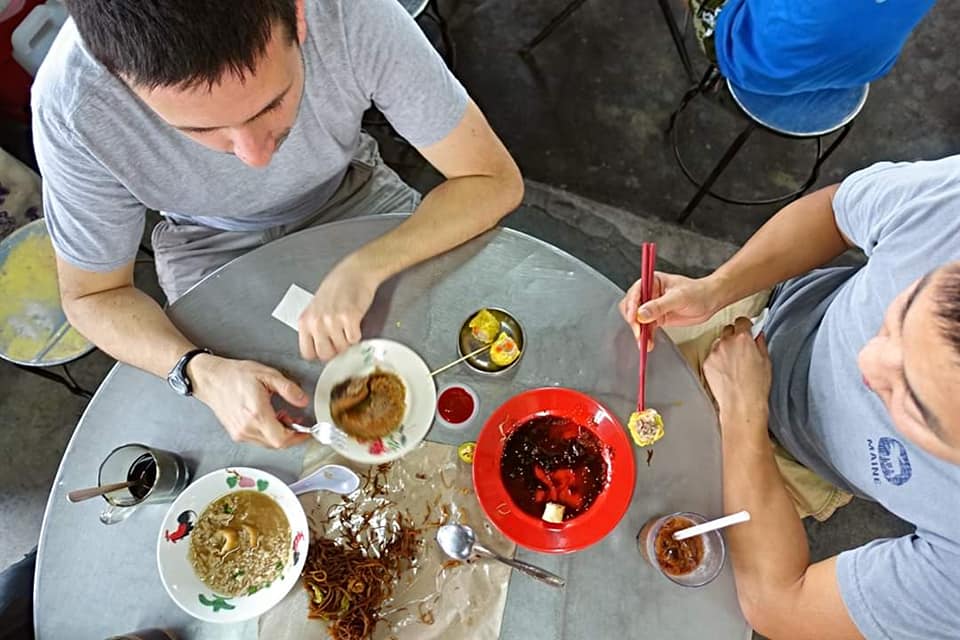
It’s Day Two of ex-UK Chowhounds’ chowdown in Penang. This morning, our food safari took us to:
- The popular 𝗦𝗼𝗼𝗻 𝗬𝘂𝗲𝗻 traditional coffeeshop behind the century-old Chowrasta Market.

Our breakfast options:
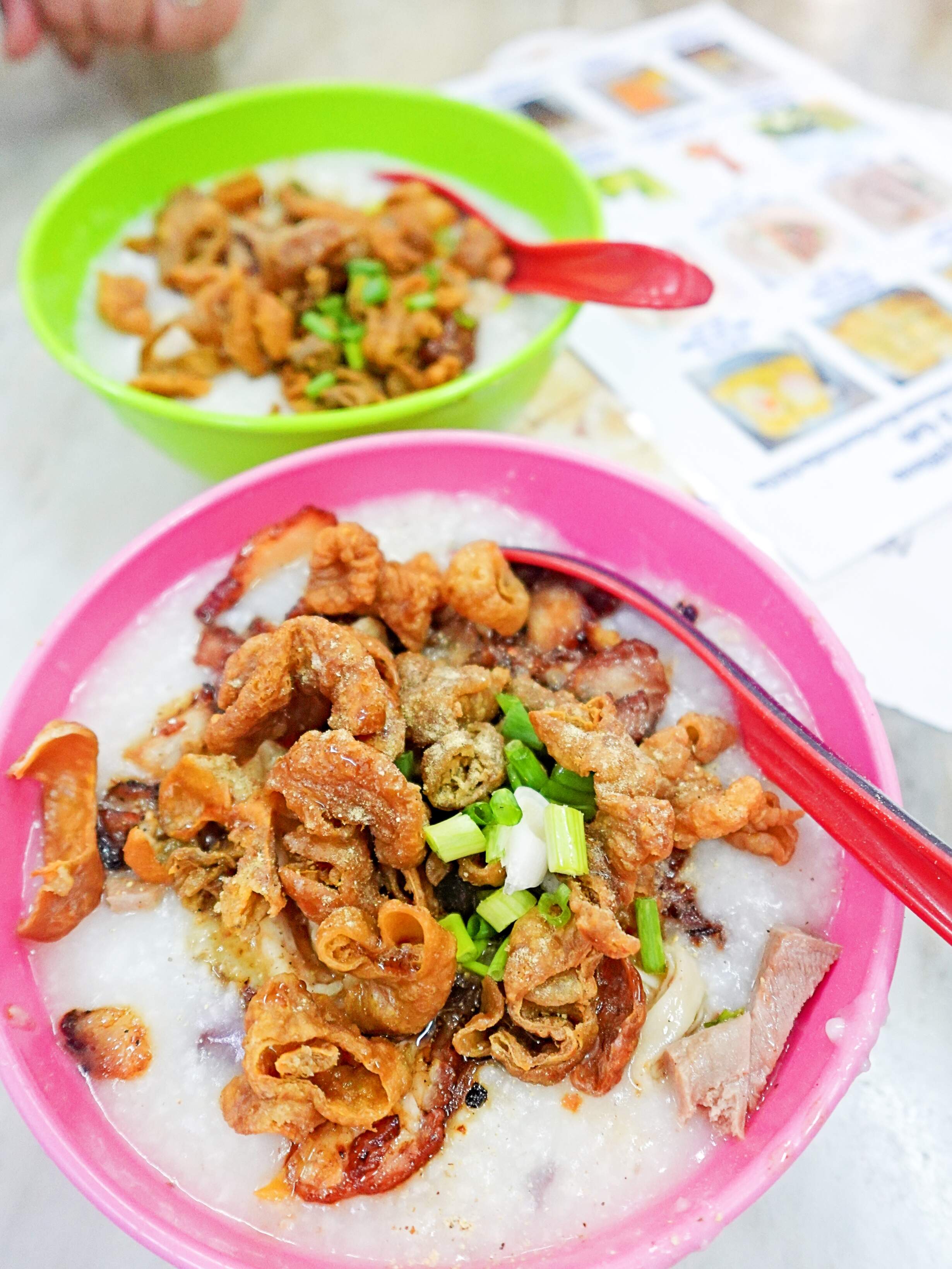
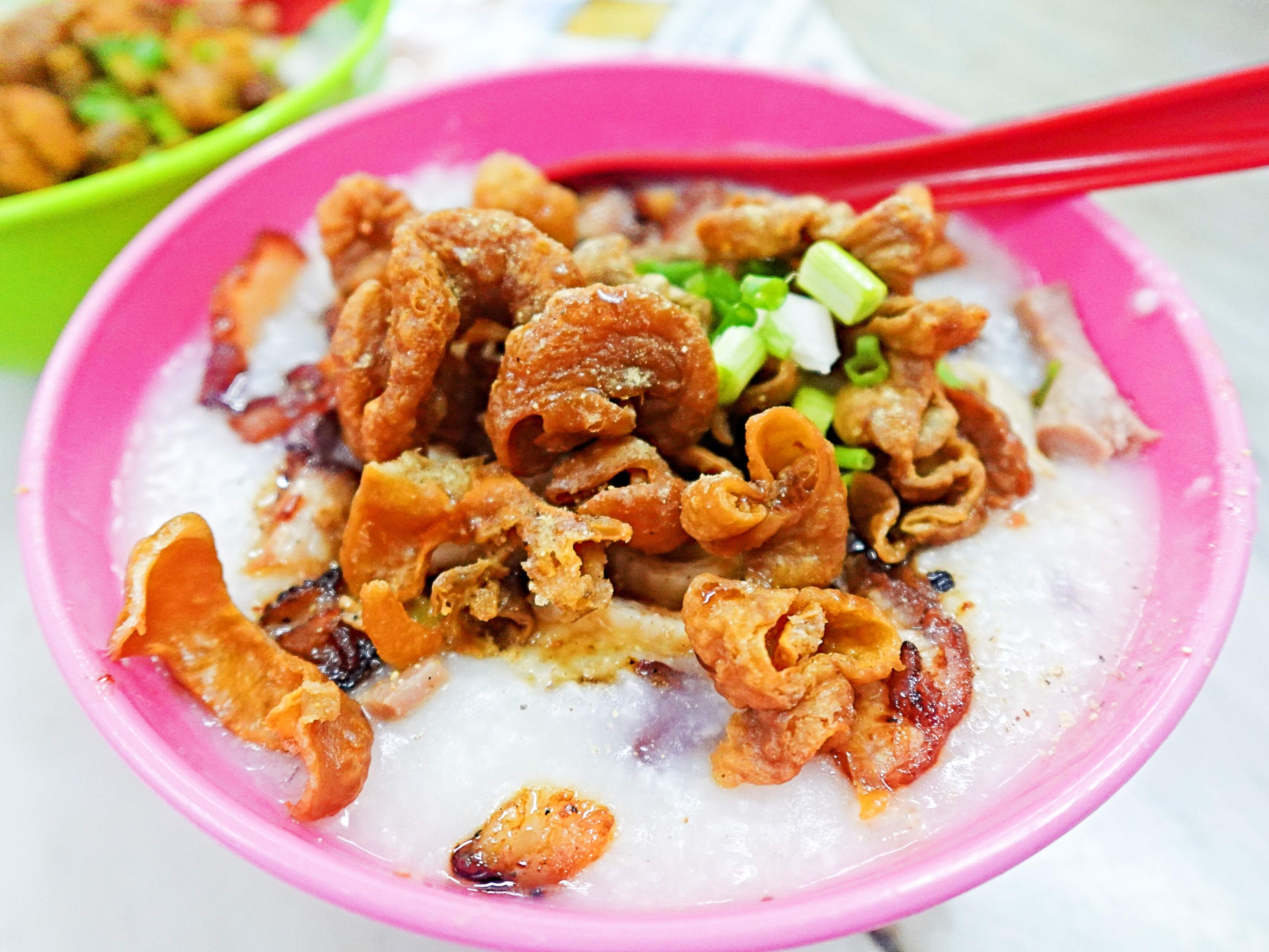
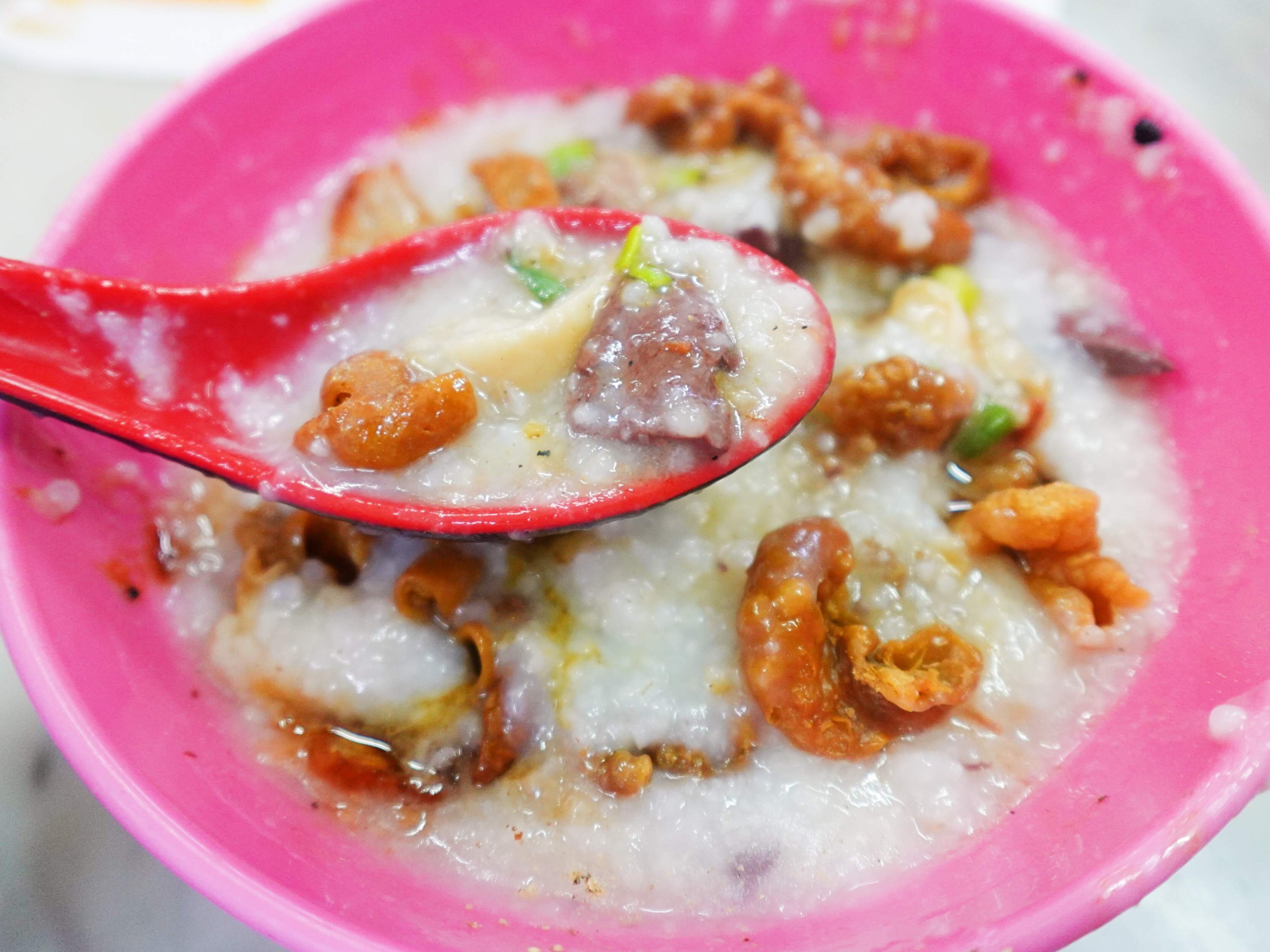
 Cantonese 𝘊𝘩𝘦𝘦 𝘤𝘩𝘦𝘰𝘯𝘨 𝘤𝘩𝘰𝘬 - pig’s intestines congee. Perhaps the tastiest bowl of rice porridge in the world: the rice has been cooked to a thick, smooth gruel, utterly flavorsome from the use of pork stock. Liberal servings of well-cooked pig’s intestines, pig’s liver, spleen, stomach and pig’s blood pudding have been added, topped with crisp, aromatic roasted pig’s intestines. Chopped scallions, a drop of light soy sauce, another of sesame oil, and a dash of white pepper complete the masterpiece.
𝘒𝘰𝘢𝘺 𝘵𝘦𝘰𝘸 𝘵𝘩’𝘯𝘨 - the popular Teochew rice noodle in soup dish. It is the forerunner of Vietnam’s pho, which is also of Teochew origins, albeit with beef broth instead of the popular pork or duck versions amongst the Teochew Chinese.
Koay teow th’ng consists of flat rice noodles steeped in a flavoursome, clear broth. There are three main variants of koay teow th’ng in Penang: a duck version, a pork version, and a chicken one, or a mix of 2 or even 3 of the meats for a more complex-tasting broth.
The version here combines chicken and pork. The garnishing includes slivers of chicken white meat, pig’s liver, pig intestines, and Teochew-style fish-balls.

𝘏𝘰𝘬𝘬𝘪𝘦𝘯 𝘮𝘦𝘦. The Penang take on Fujianese summer/prawn noodles. In Fujian, the same dish is known as prawn noodles or summer noodles, as the peak season for prawn-fishing falls during the summer. The trademark red-hued broth is obtained from boiling prawn shells and prawn heads, and is regarded as a suitable dish for the hot summer months. In Penang, the local version of the dish is much more intense in flavour, and spicy to boot, as ground red chillies are added to the broth to give it the signature reddish hue.
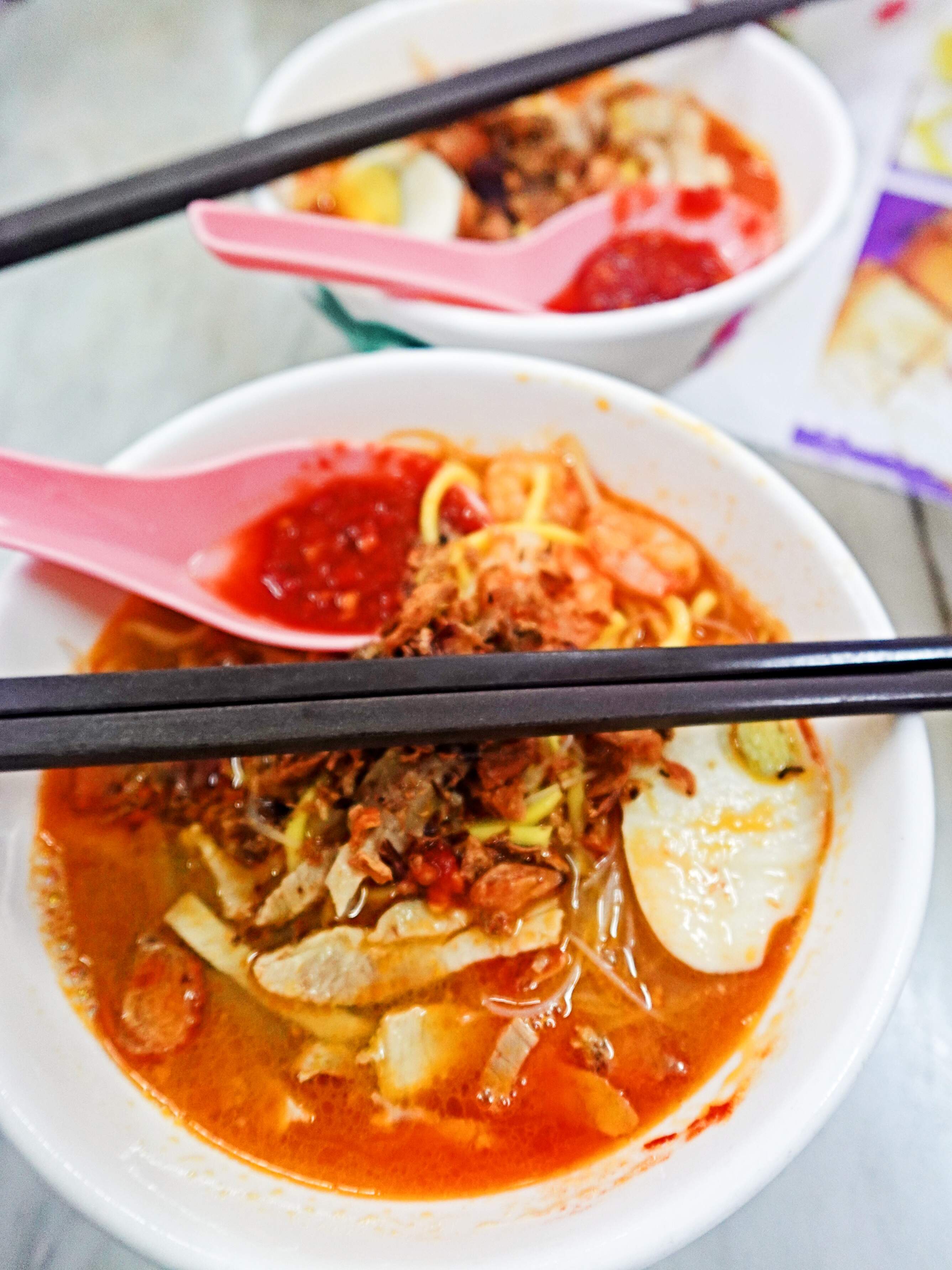
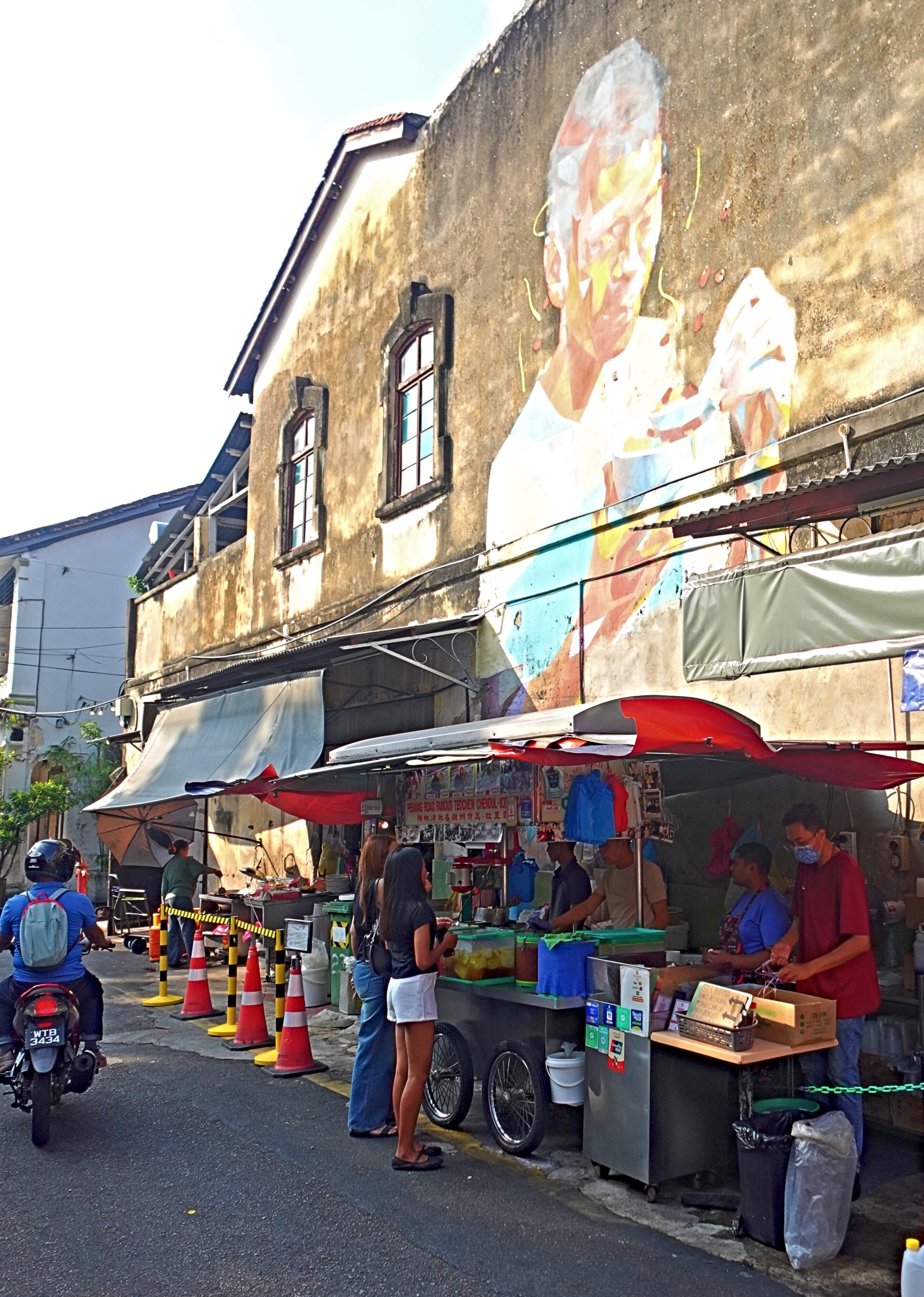
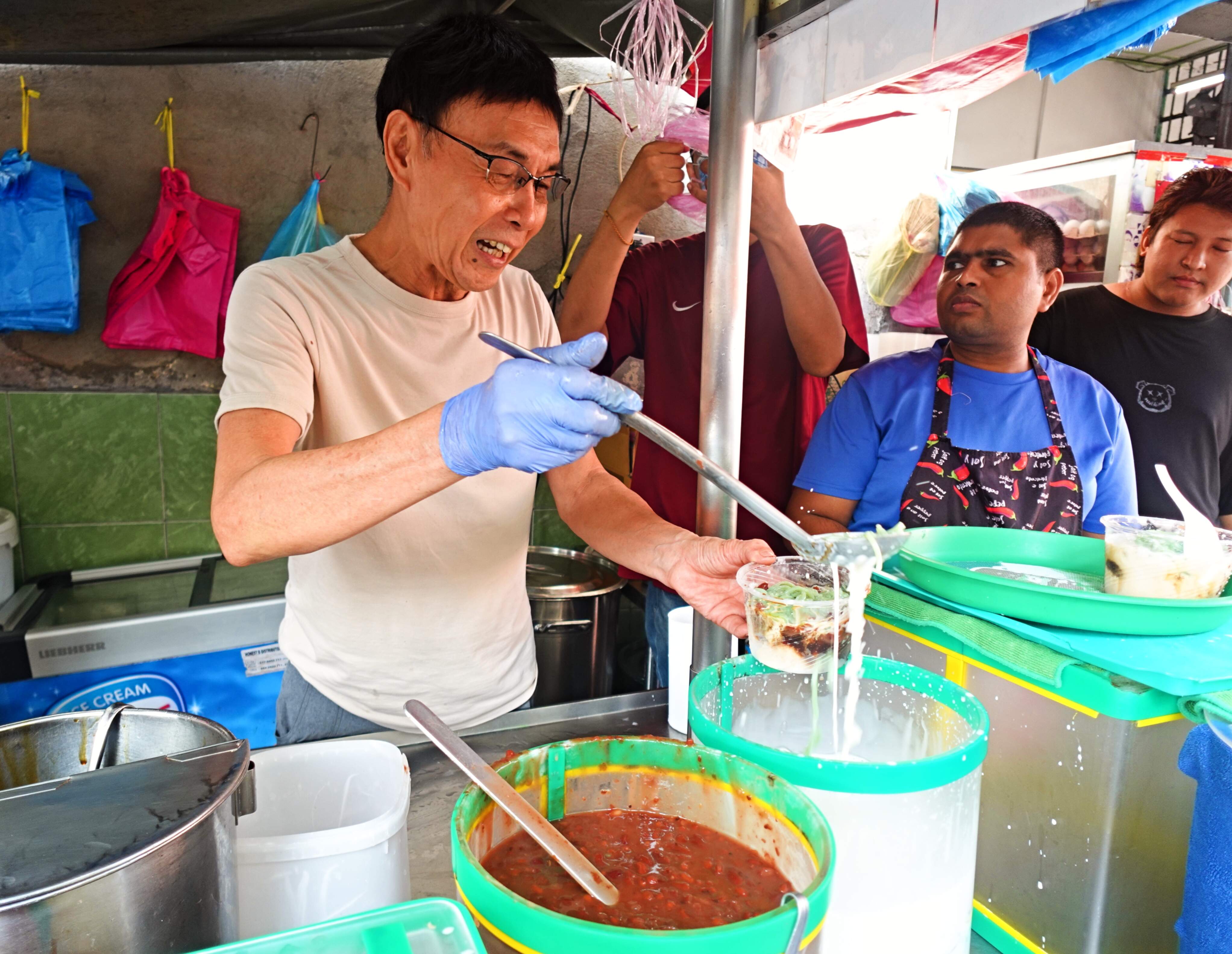
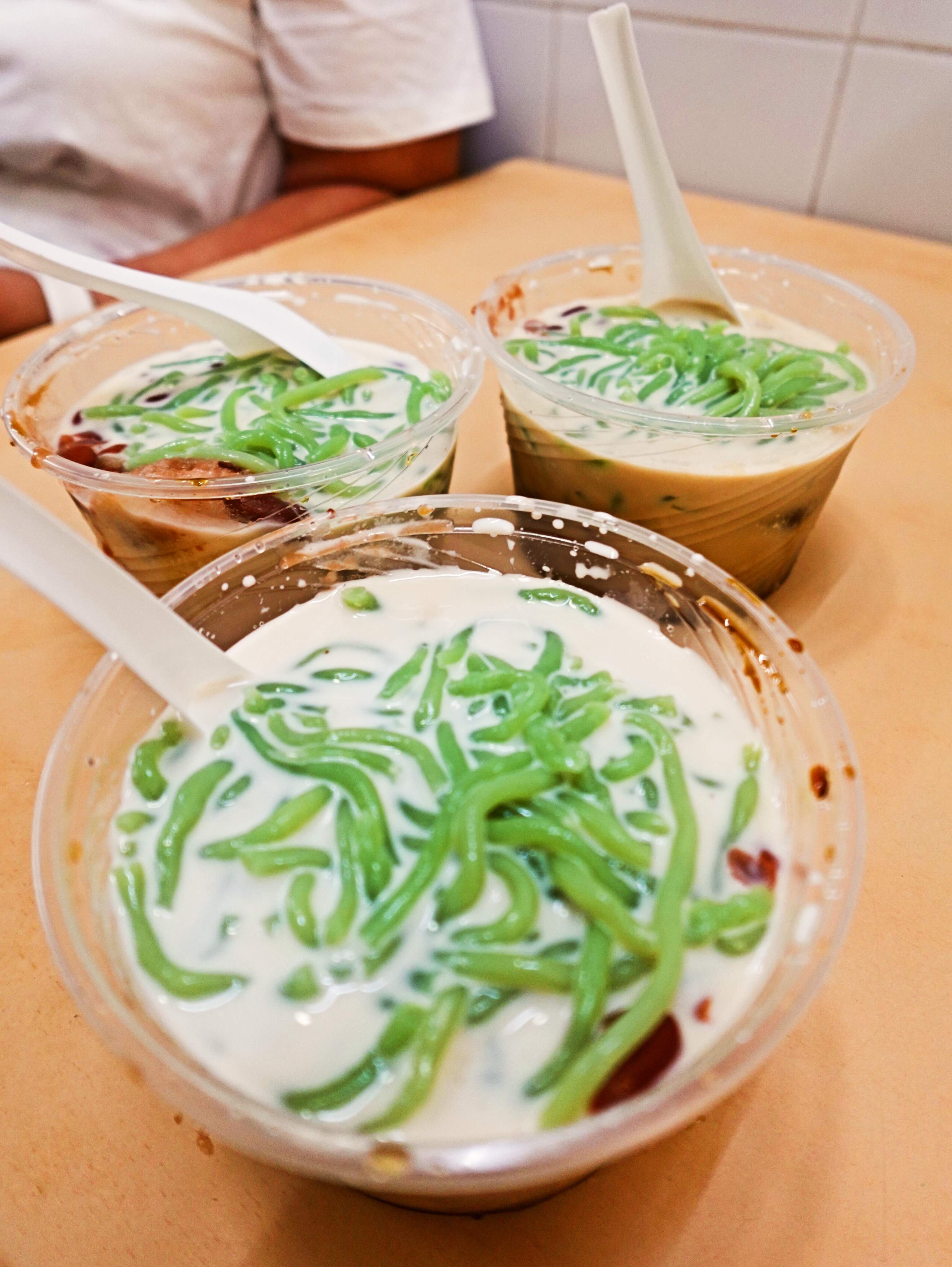
- 𝗝𝗼𝗼 𝗛𝗼𝗼𝗶 for the Penang Road Famous Teochew 𝘤𝘦𝘯𝘥𝘶𝘭. This popular dessert of pandan-scented rice noodles with lashings of fresh coconut milk and smokey-sweet palm sugar syrup dates back 1,000 years to the Kediri kingdom of East Java. Of course, nowadays, it’s served with shaved ice and is a much-loved cold dessert, with perpetual queues in front of this 9 decade-old stall.
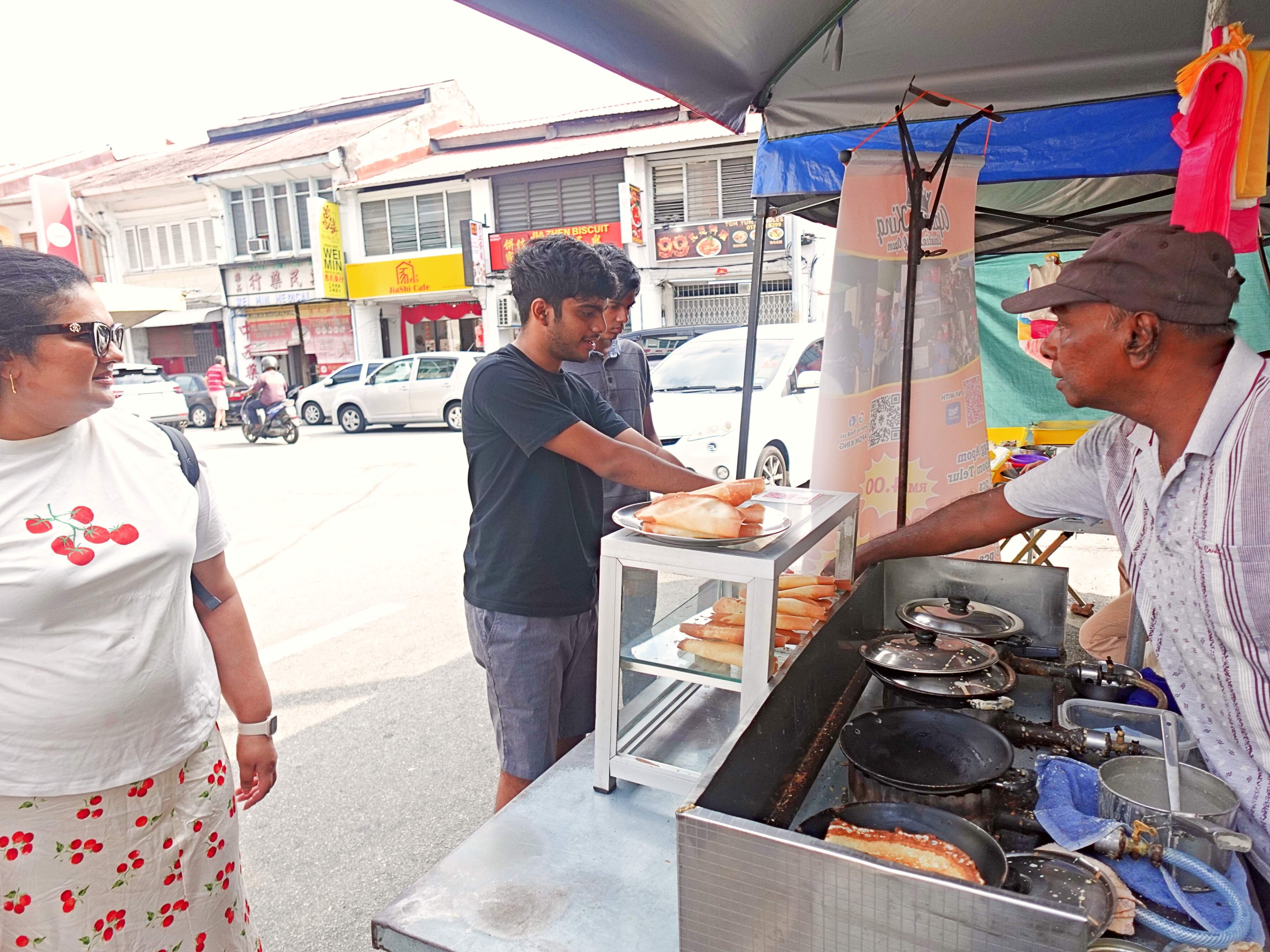
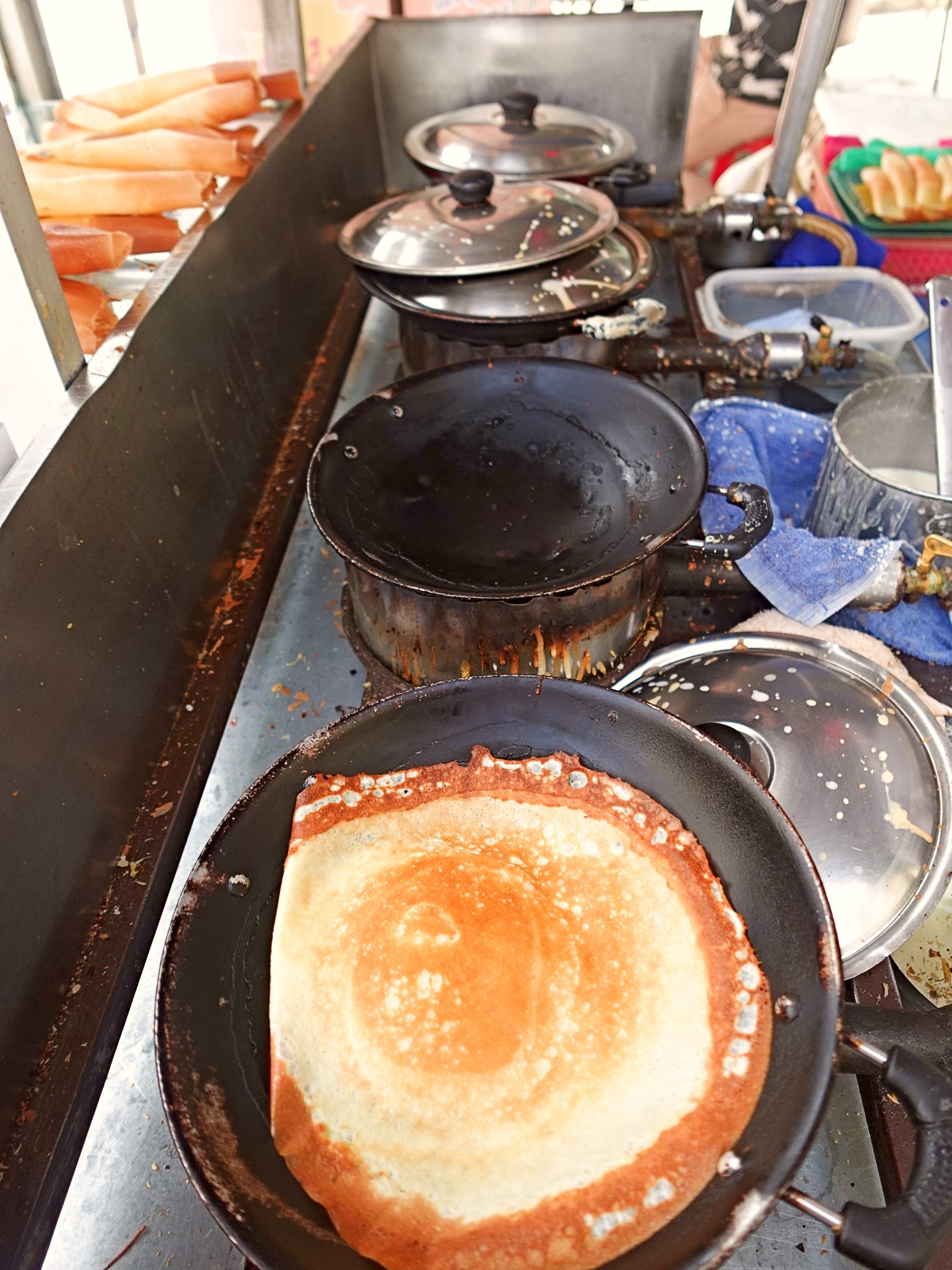
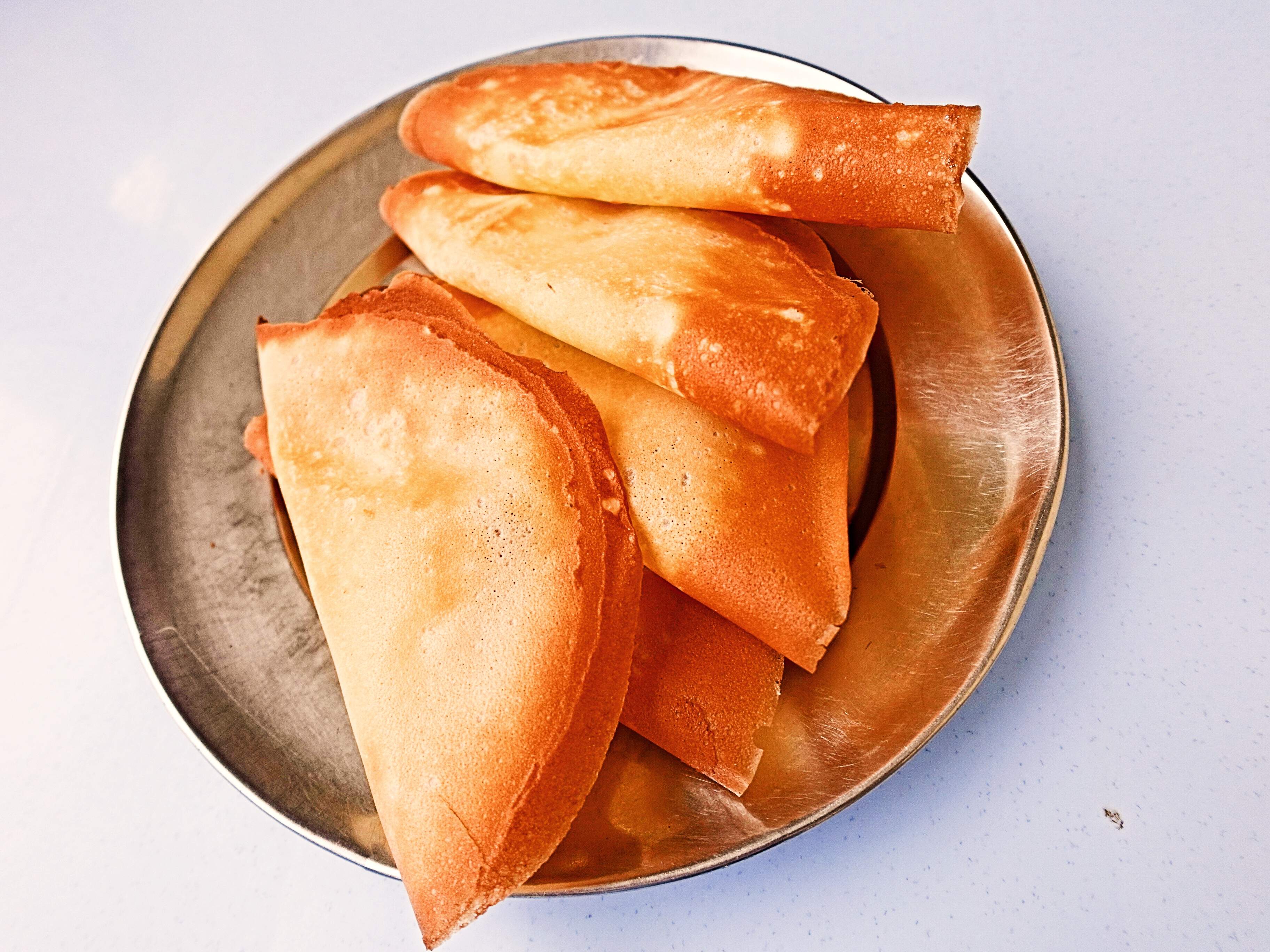
- 𝗞𝘂𝗮𝗹𝗮 𝗞𝗮𝗻𝗴𝘀𝗮𝗿 𝗥𝗼𝗮𝗱 for Martin Lourdes’ Indian 𝘢𝘱𝘰𝘮 𝘮𝘢𝘯𝘪𝘴. South Indian sweet appams trace their origins back to the 1st century AD. In Kerala, its creation has been attributed to the early Jewish emigrants to the Malabar coast. The first Jews ostensibly arrived on the Malabar coast as traders around 2,500 years ago, with some tracing their arrival back to the time of King Solomon (970–931 BC). A second wave of Jewish settlers arrived in 70 AD following the destruction of the Second Temple - settling around Kochi (Cochin).
The Penang version of sweet appams is distinguished by the inclusion of eggs in its batter, which imparts an intoxicatingly rich, sweet eggy aroma.
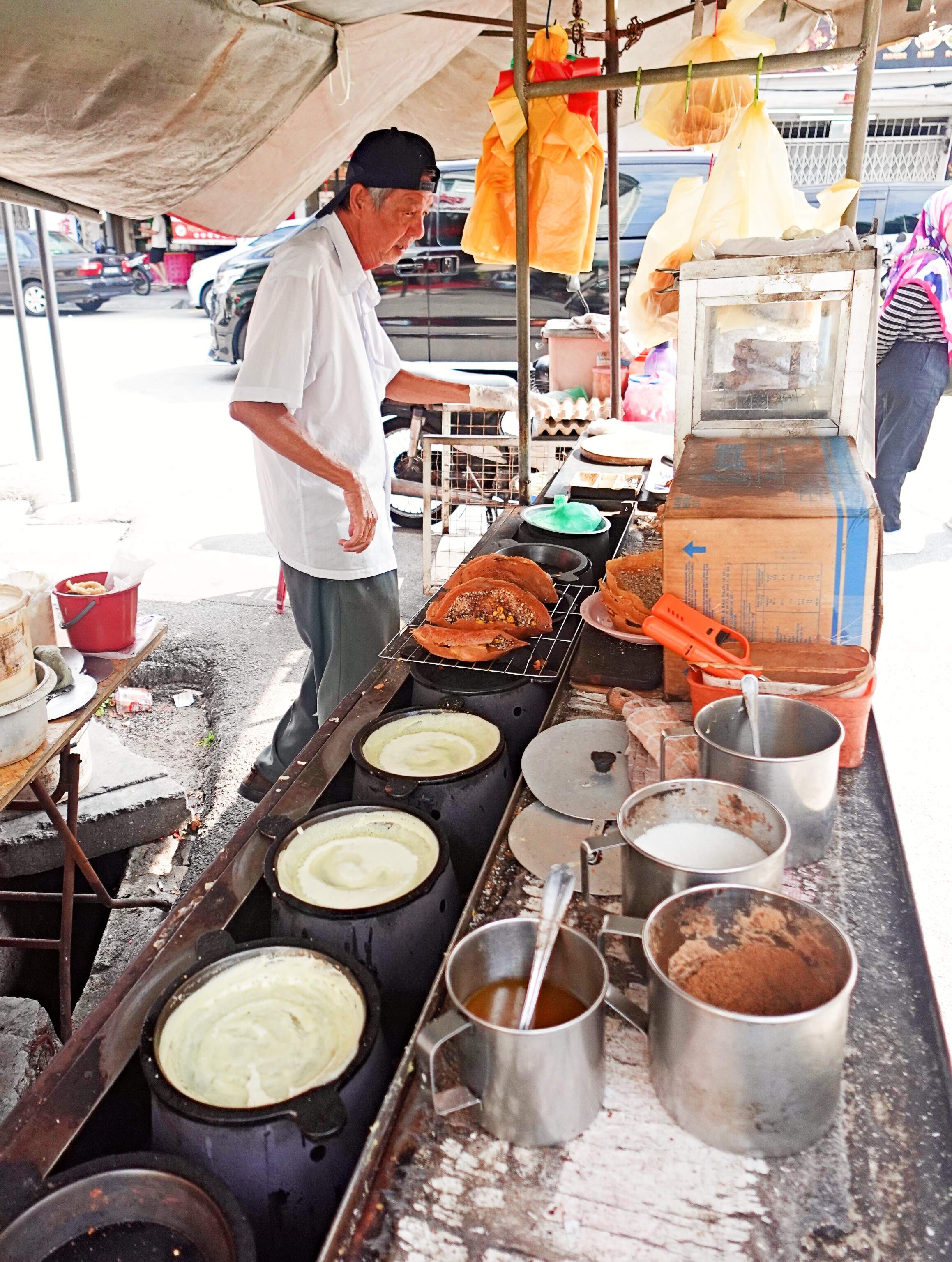
Uncle Lim’s Hokkien 𝘣𝘢𝘯 𝘤𝘩𝘢𝘯𝘨 𝘬𝘶𝘦𝘩. Legend has it that this style of pancake was invented by General Tso Tsung-tang (1812-1885), the same Qing dynasty viceroy who was commemorated in General Tso’s Chicken, a popular dish in American-Chinese restaurants. General Tso Tsung-tang started his military career during the Taiping Rebellion in the 1850s. During a military expedition in Fujian, where sugarcane and peanuts were found in abundance, he’d asked the army chefs to fill pancakes with sugar and peanuts in order to feed the Qing troops.
Traditionally, Hokkien ban chang kuehs are large - cooked in a large pan, and measures about a foot-and-a-half in diameter. It’s cut into slices before serving. But in Malaysia & Singapore, the Hokkien sellers adapted the small South Indian pans to make individual-sized, crisp-edged crepes - another case of cross-cultural culinary influences in this part of the world.
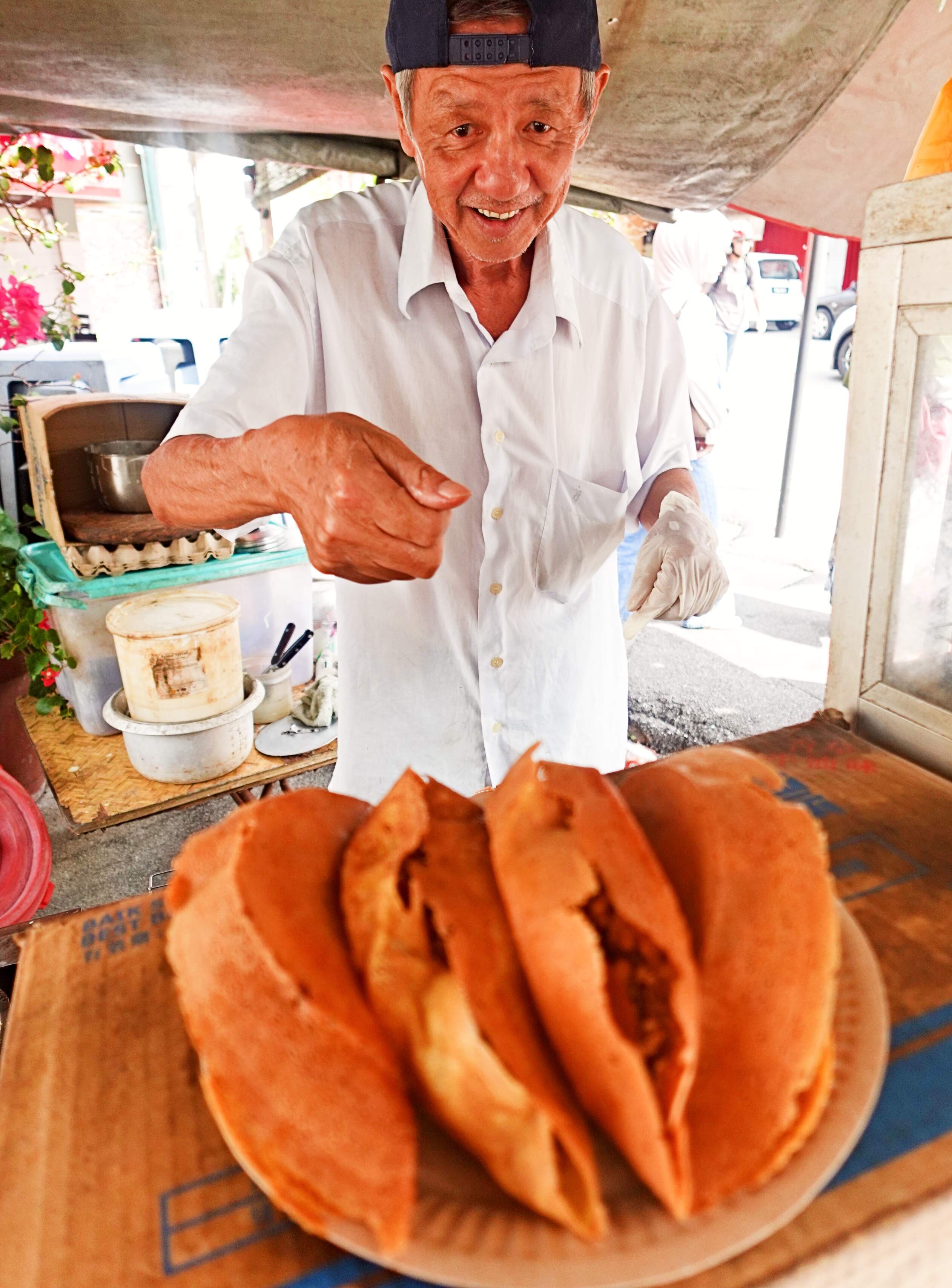
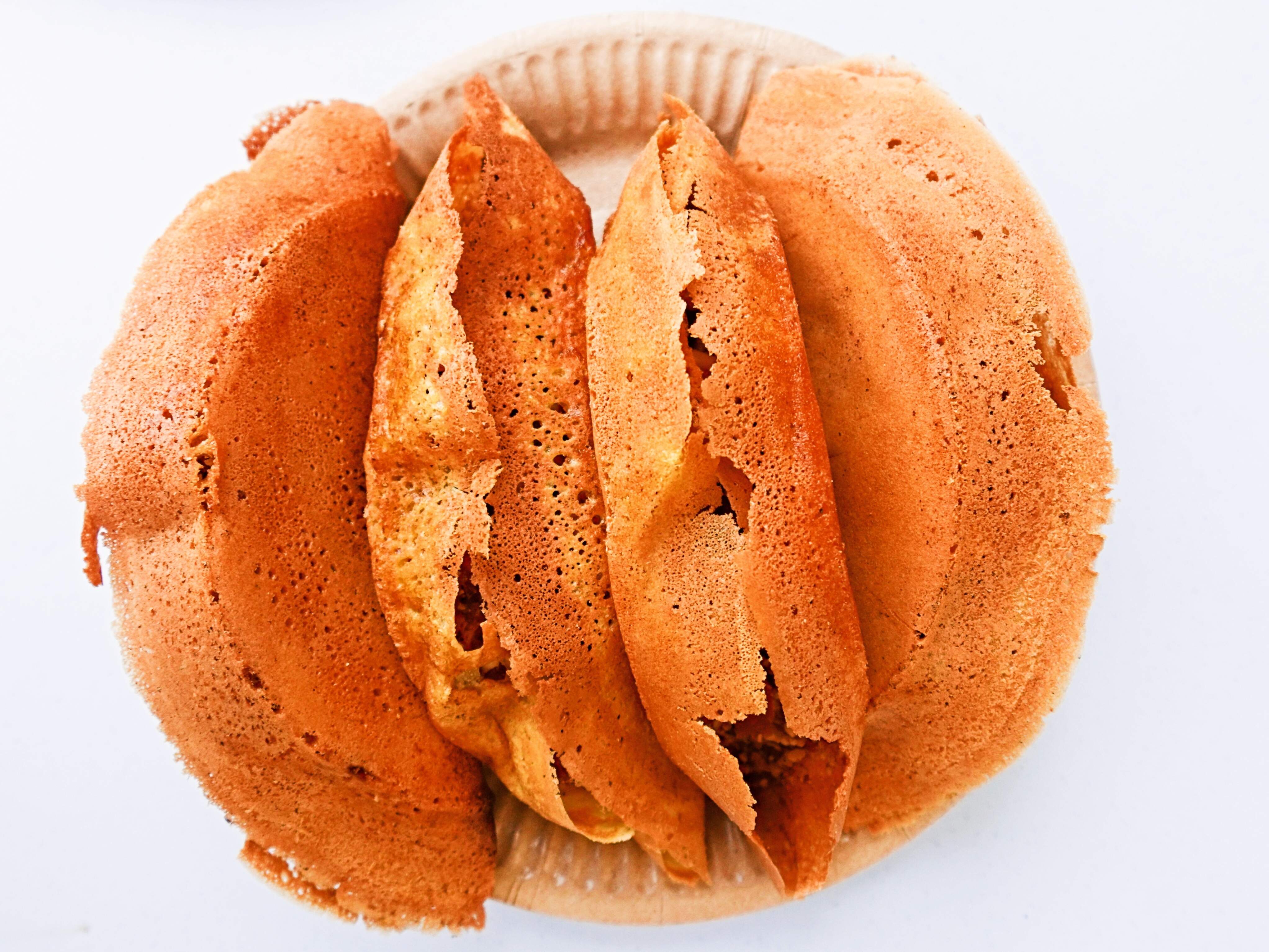
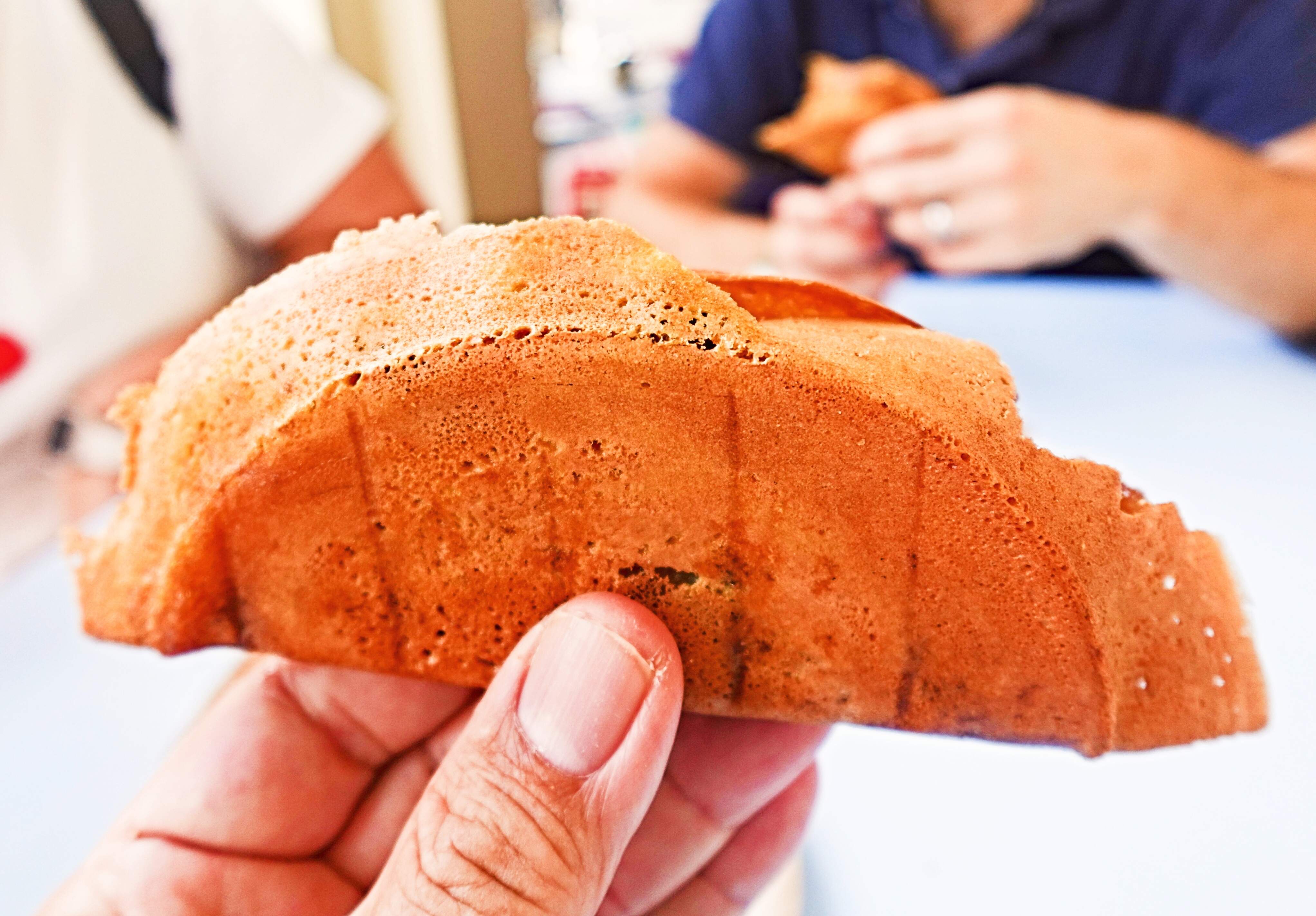
We traipsed around the Chinatown area - too many places to eat, too little time!
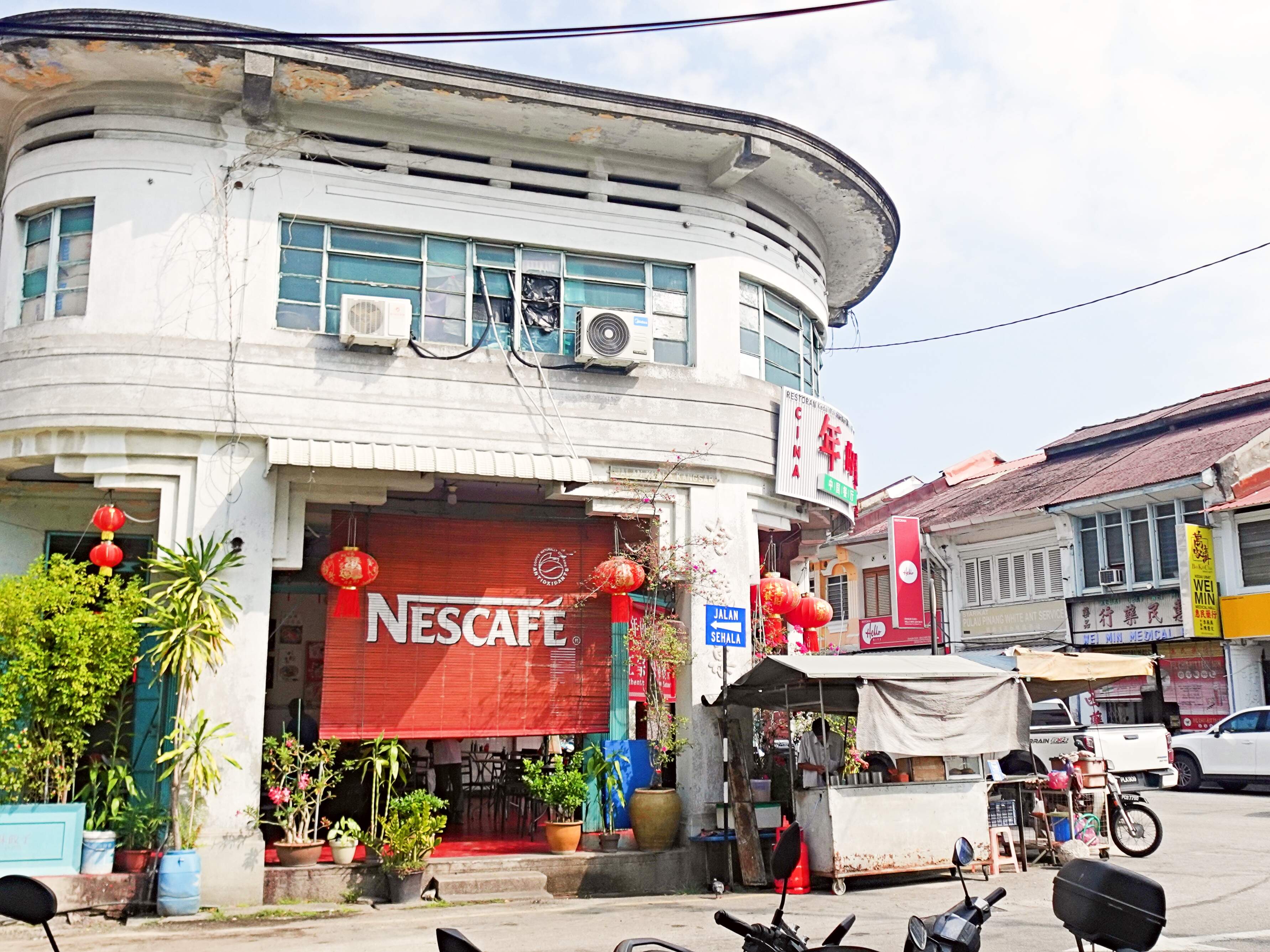
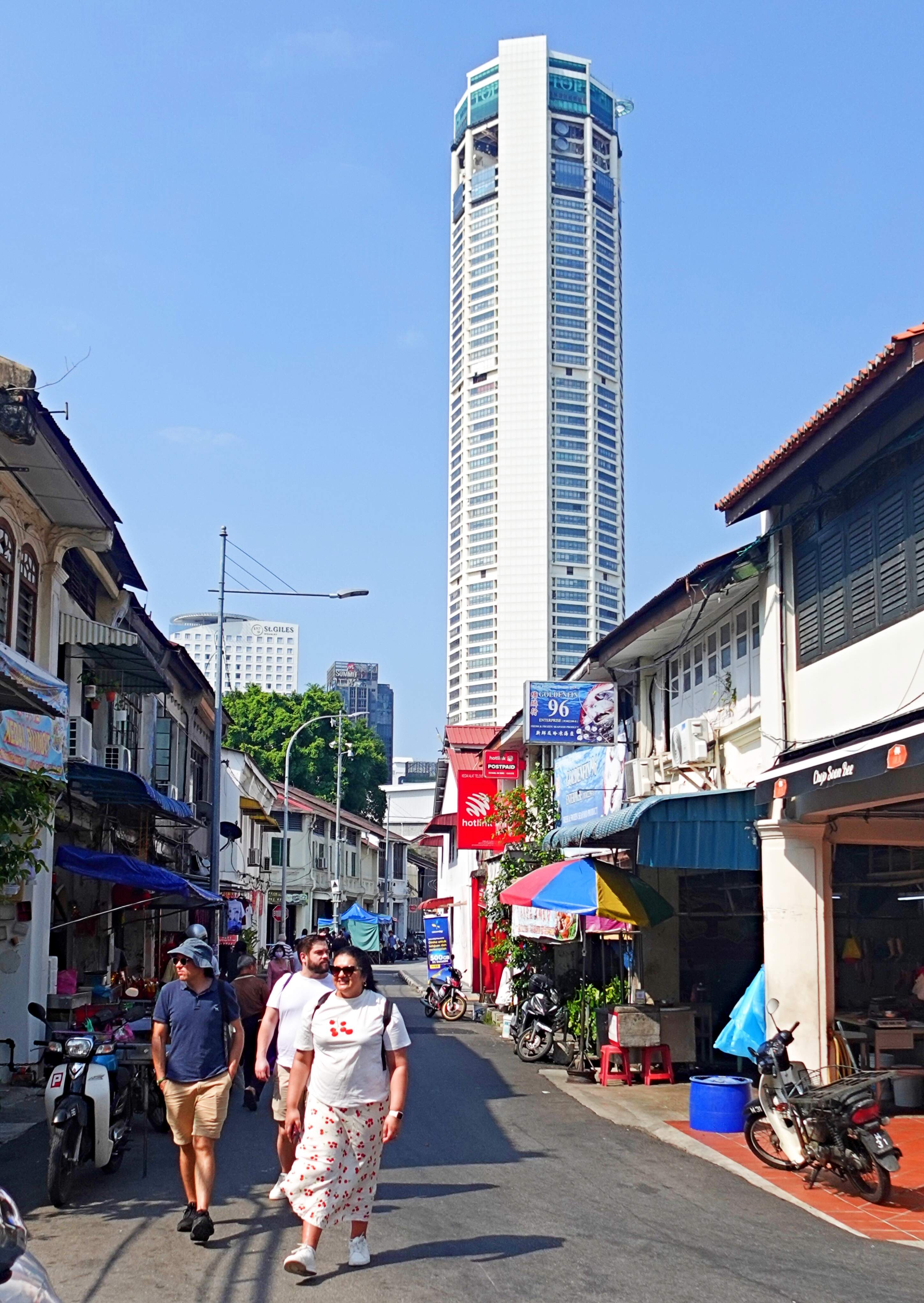
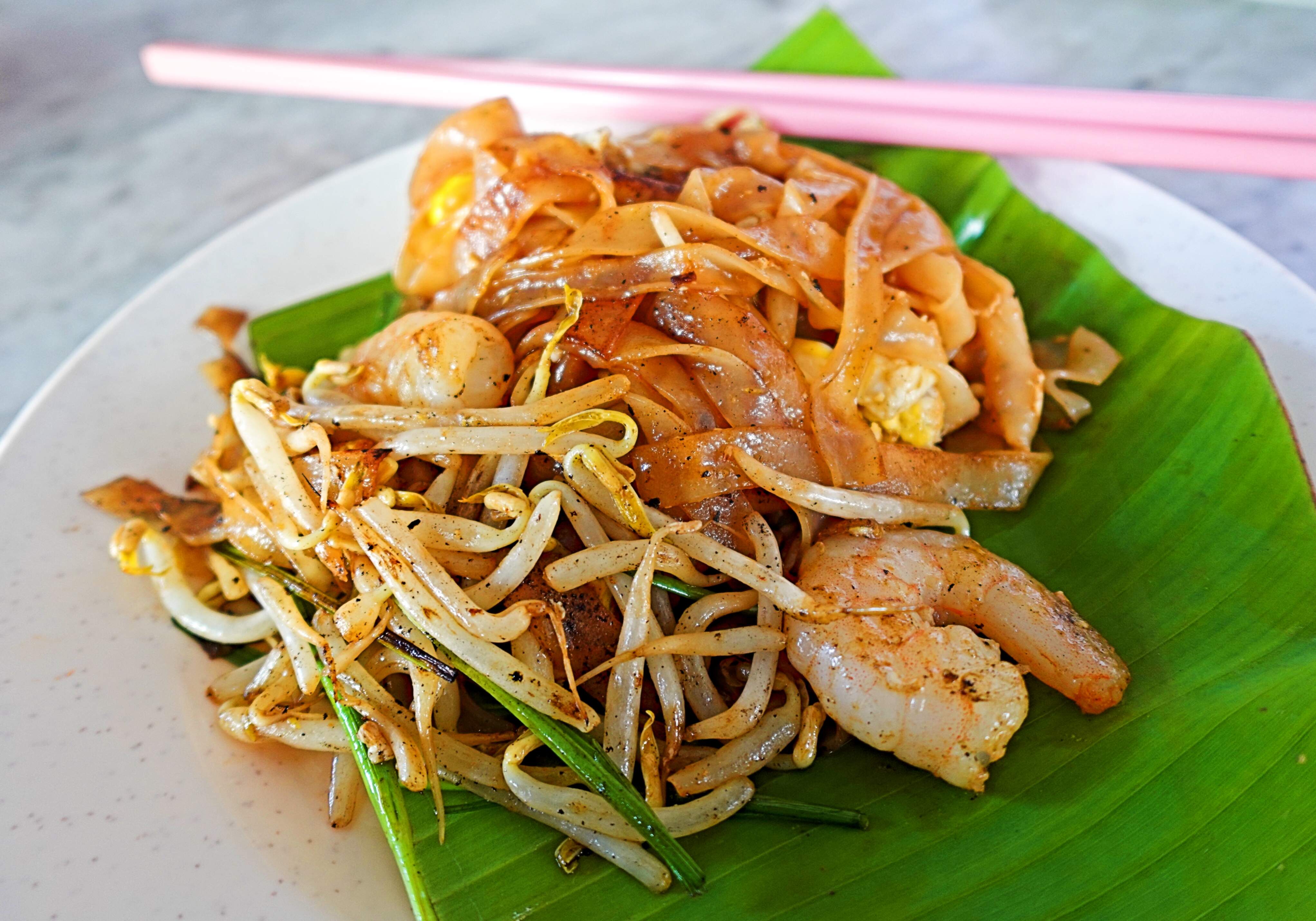
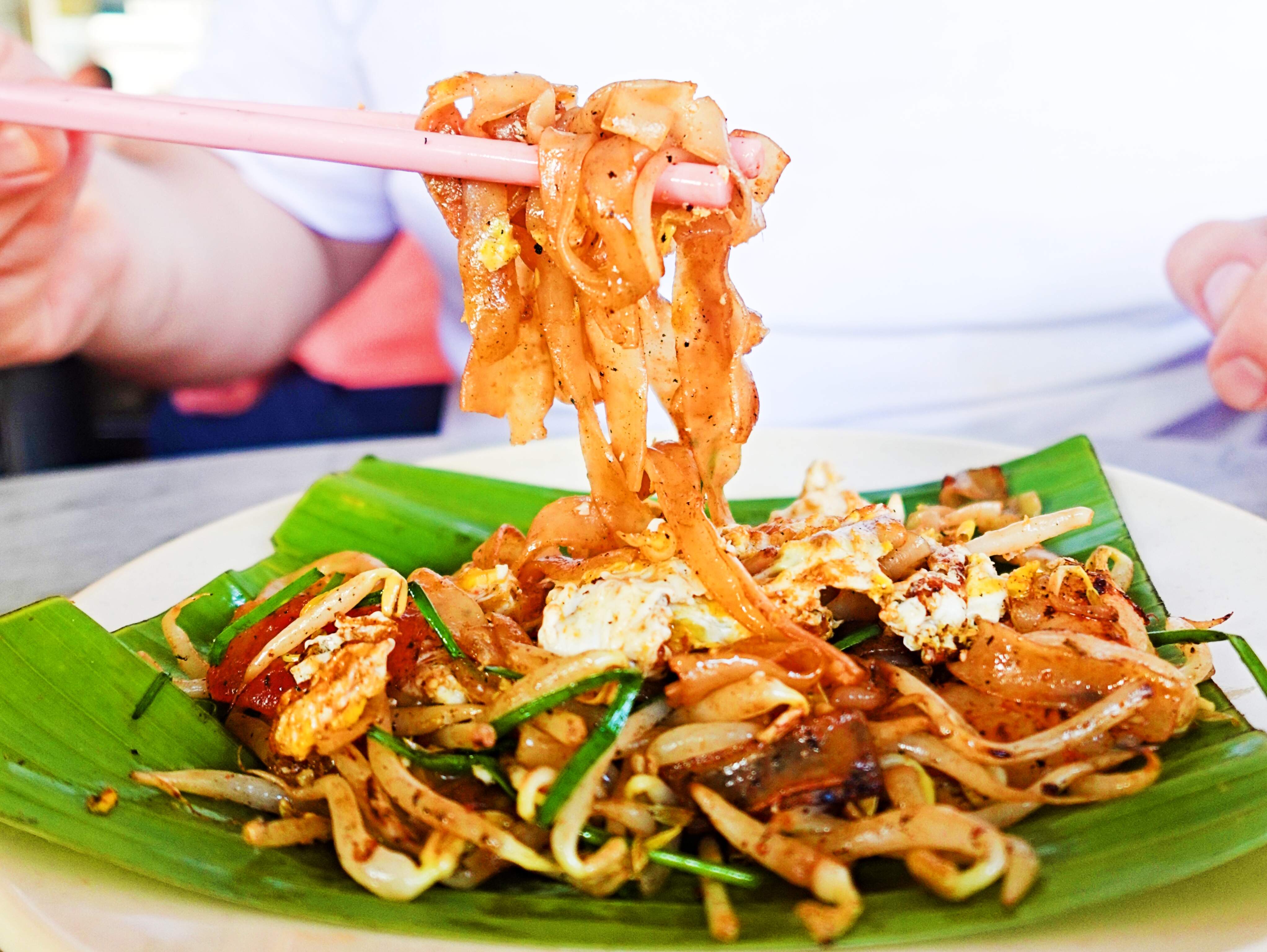
- 𝗝𝗶𝗻 𝗖𝗮𝗳𝗲 on the corner of Anson Road and Siam Road for two of the very best street food options in George Town: Mr Lee Seng Seng’s 𝘤𝘩𝘢𝘳 𝘬𝘰𝘢𝘺 𝘵𝘦𝘰𝘸, and Raymond Y S Teh aka 𝗔𝗵 𝗦𝗲𝗻𝗴’s 𝘧𝘶𝘬𝘶𝘪 𝘮𝘦𝘦.
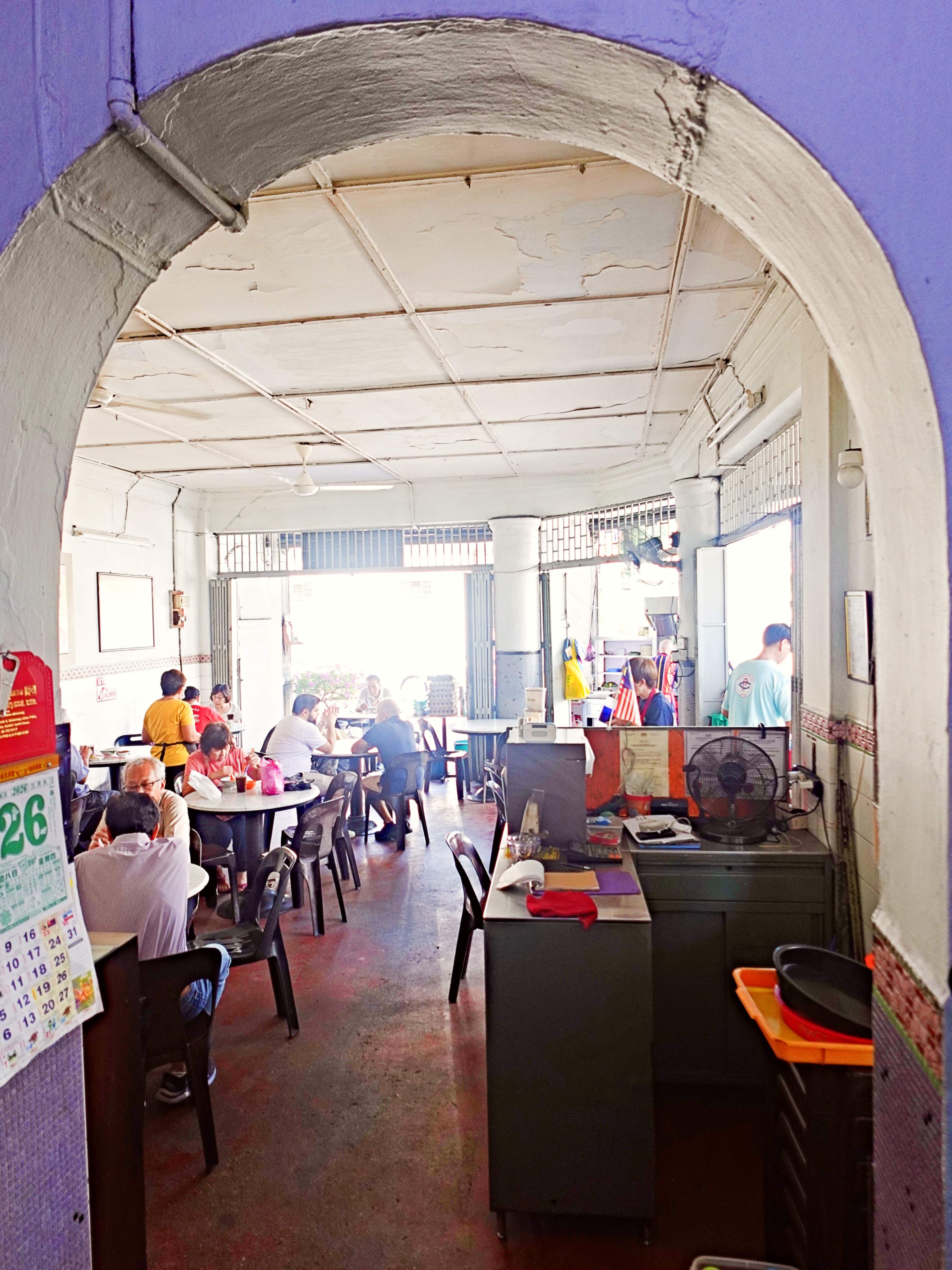
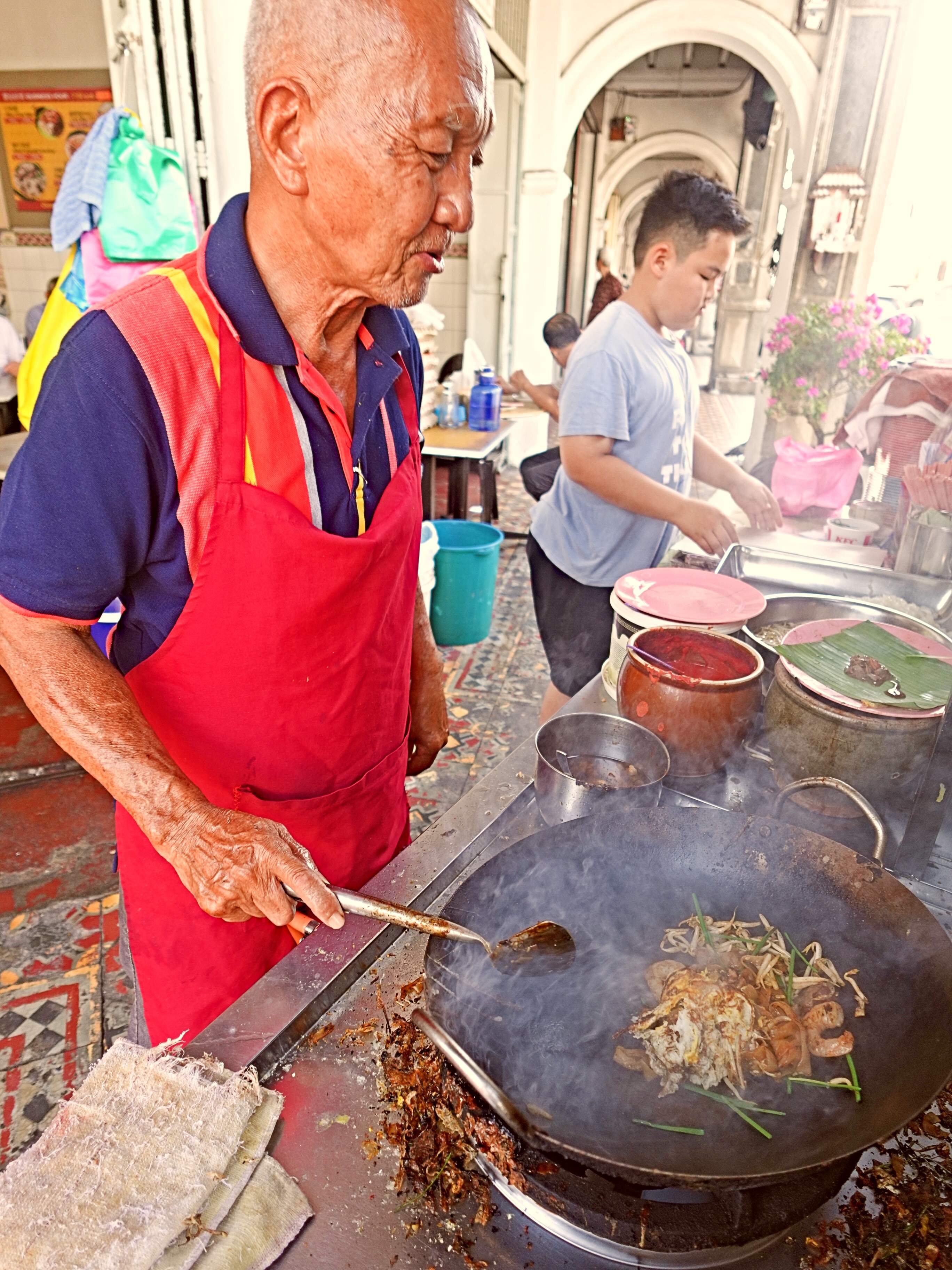
Mr Lee Seng Seng’s char koay teow incorporates pork lard, minced garlic, whole deshelled shrimps, blood cockles, Chinese sausages, chives, duck’s egg, and beansprouts, seasoned with a well-balanced blend of light soy sauce, fish sauce, dark soy sauce, and other secret condiments. A dollop of chili paste and a shake of white pepper complete the ensemble.
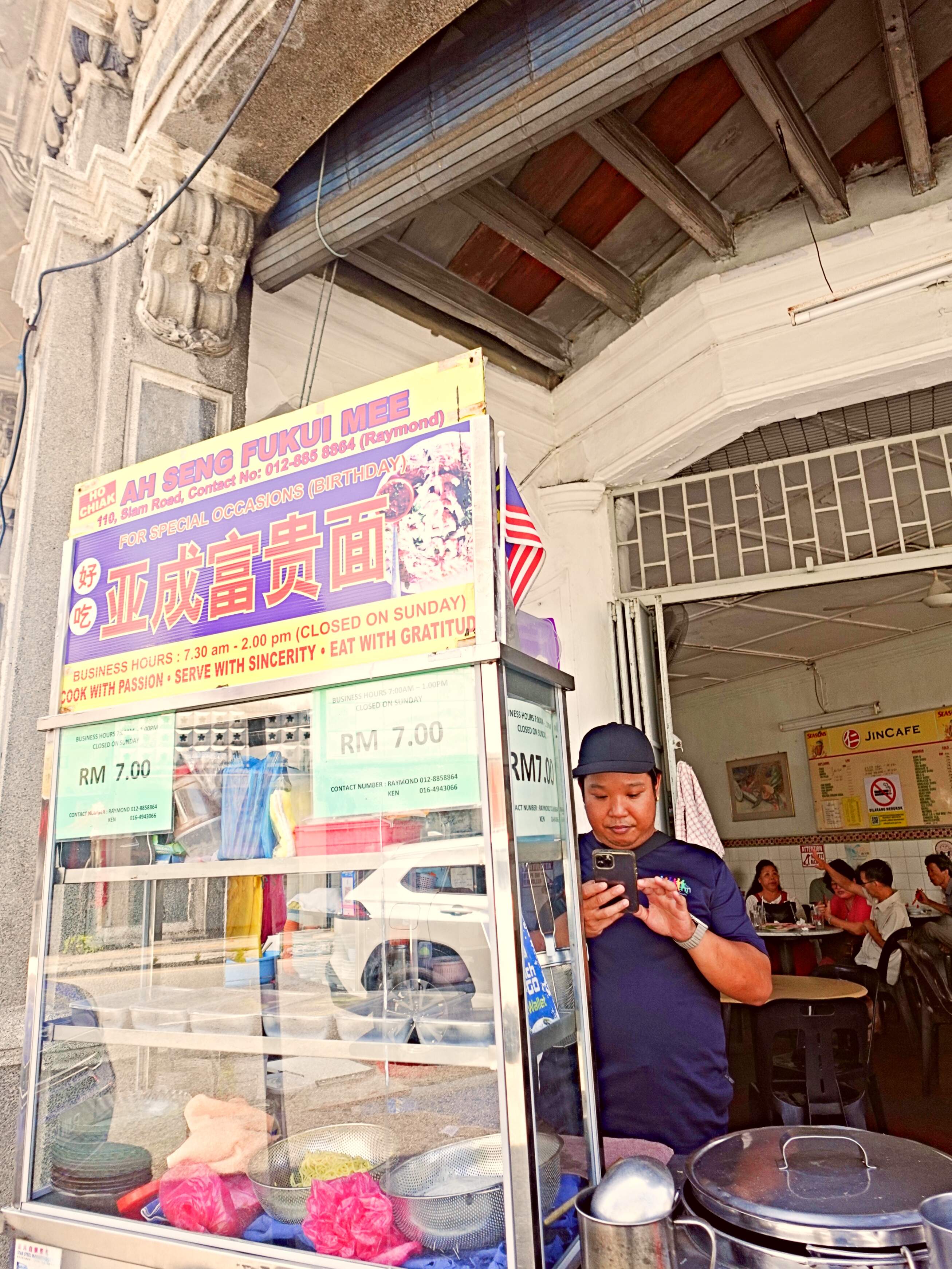
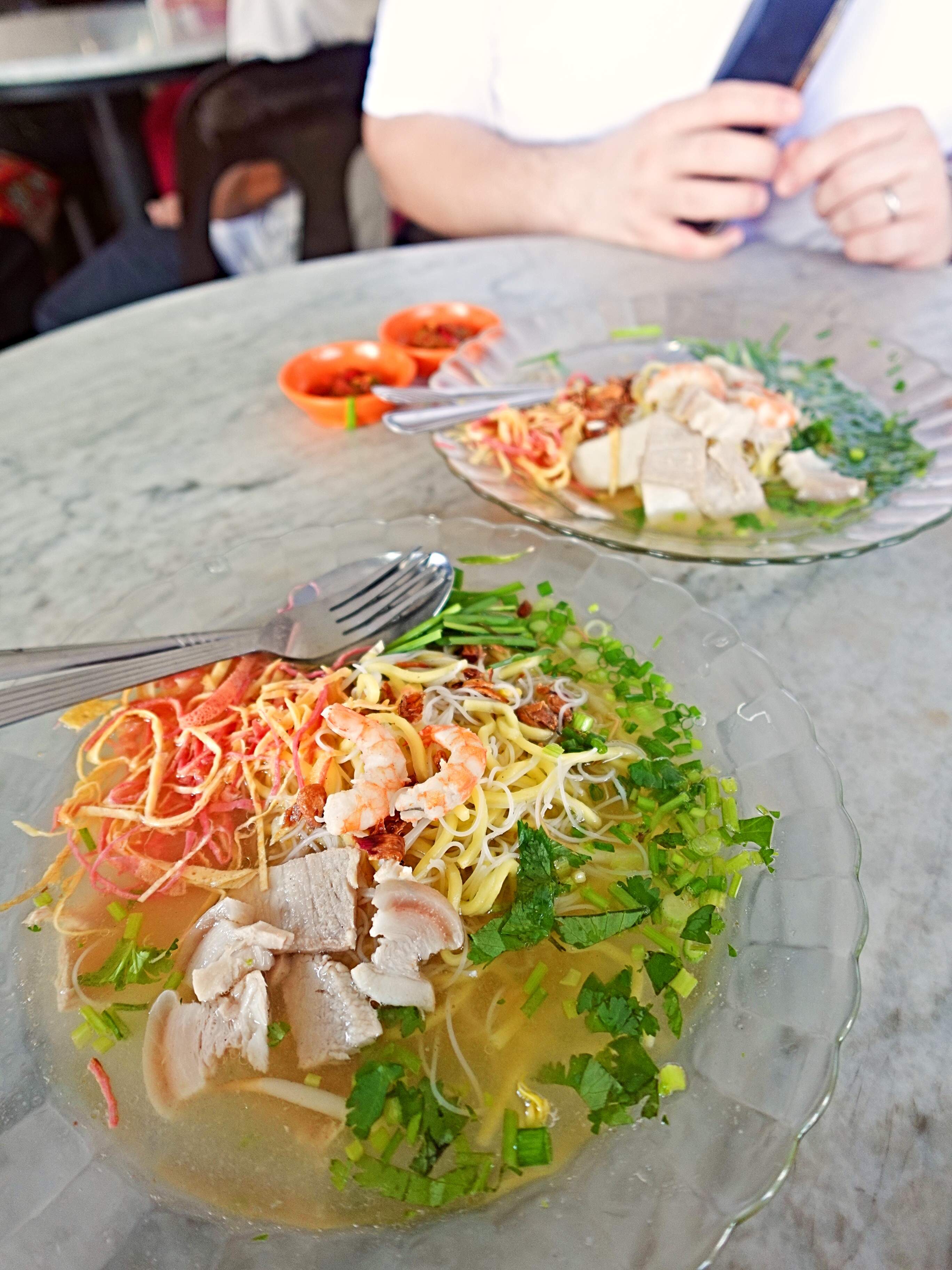
Raymond Teh’s fukui mee consists of the typical blend of blanched yellow Hokkien wheat noodles, fine rice noodles and beansprouts, steeped in an intensely-flavored pork-prawn-crab broth, garnished with thinly-sliced cooked pork belly, shrimps and julienned egg omelette (tinted “pink” to symbolise its “birthday dish” origin), and topped with chopped scallions and coriander leaves.

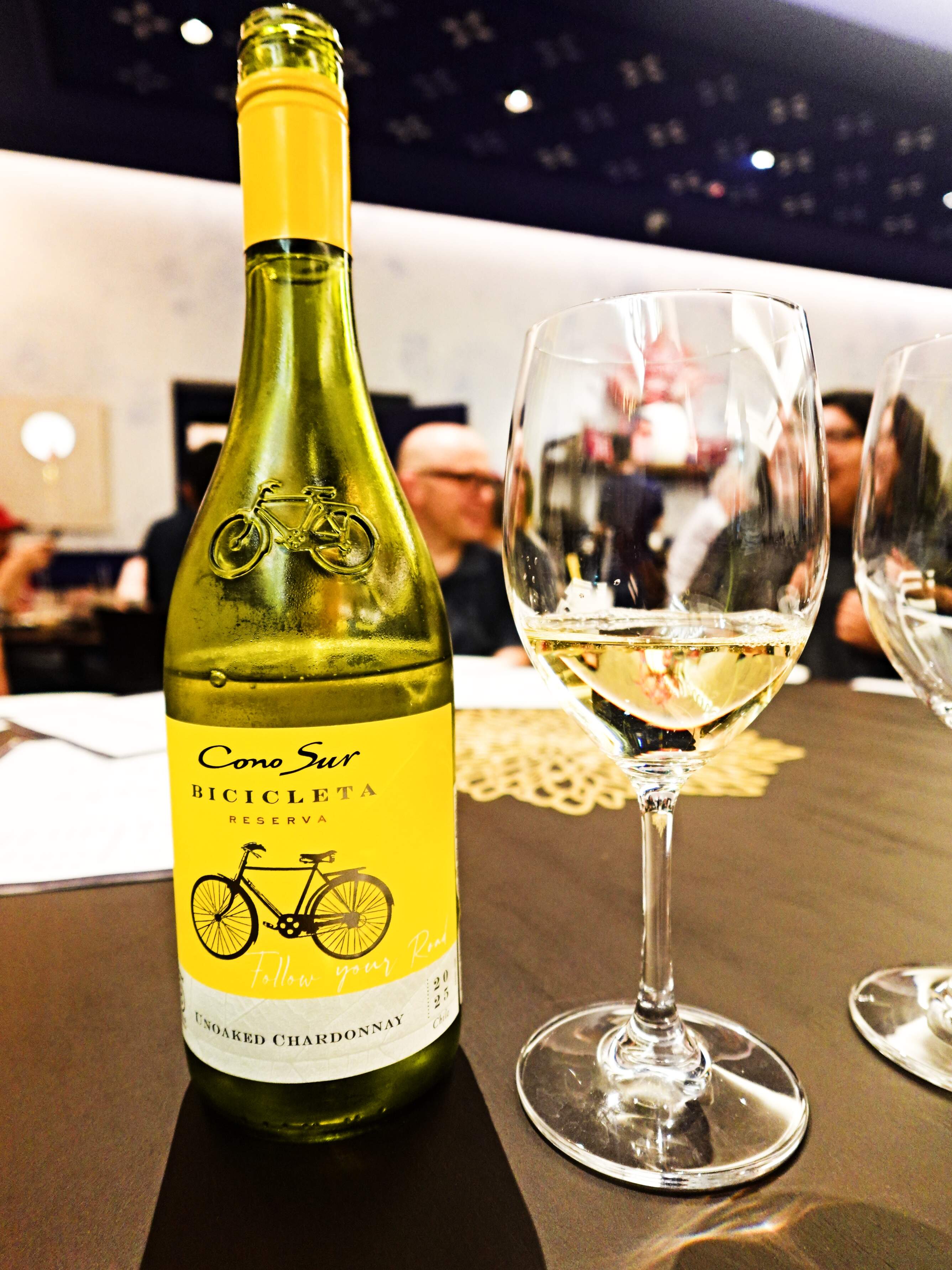
- Dinner was at 1-Michelin-star Auntie Gaik Lean’s Old School Eatery. Absolutely fabulous meal and brought back memories of our old Chowdowns in London.

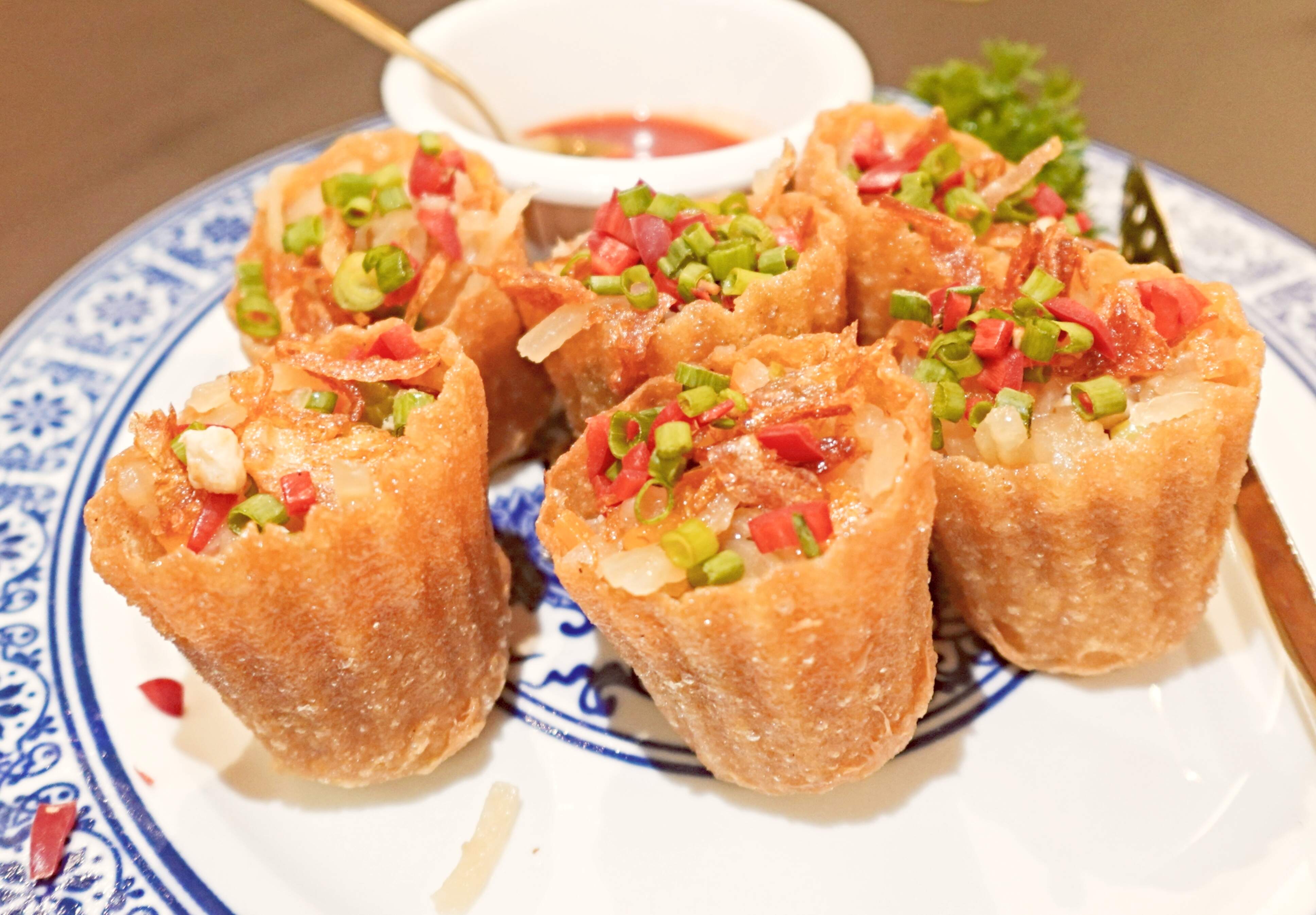
Kueh pai tee - braised finely-julienned jicama with chicken-meat, served in crisp-fried-shaped pastry shells.
Jiu hu char - braised jicama with dried cuttlefish strips, shitake mushrooms, garlic and chicken-meat.

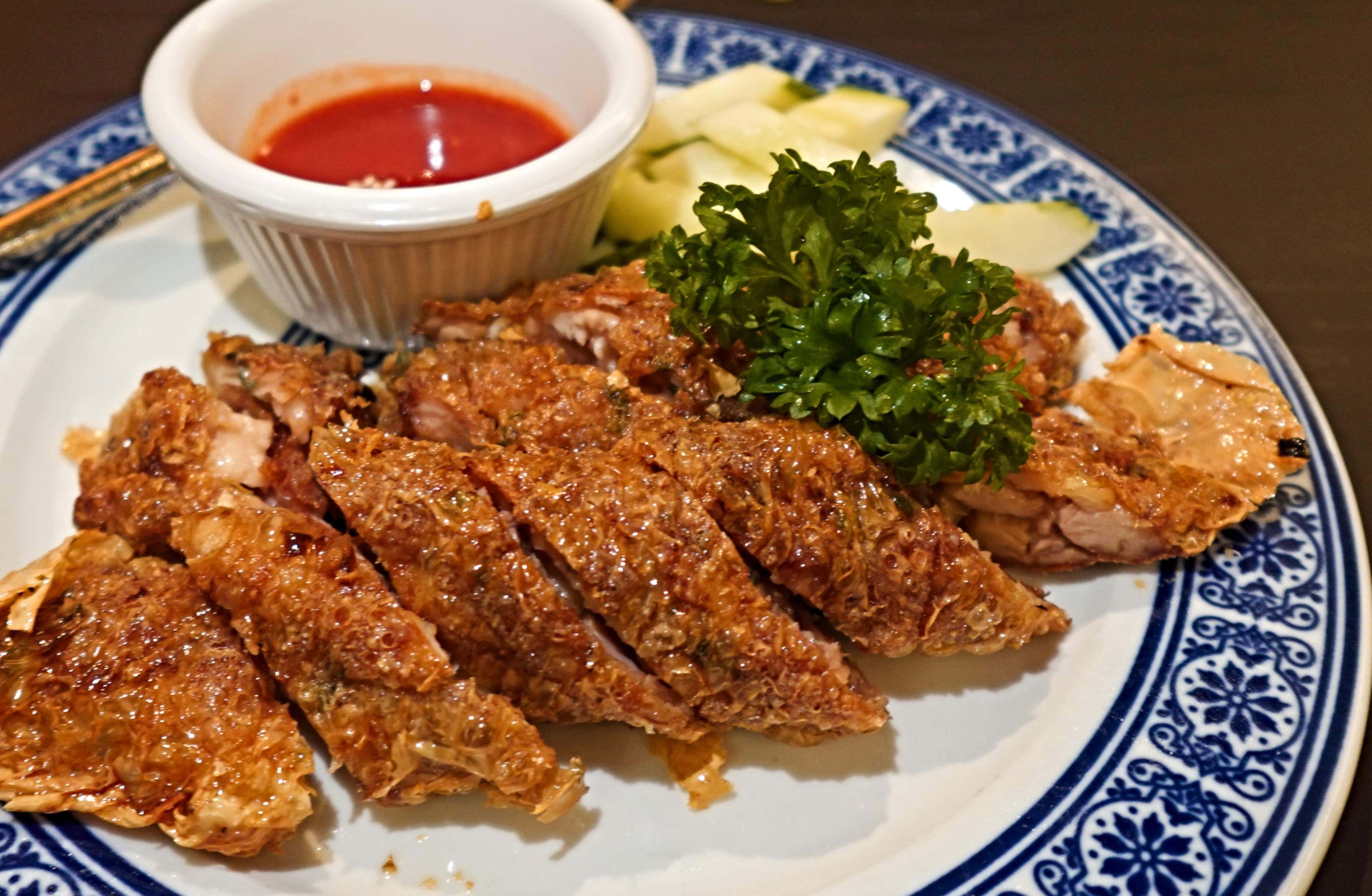
Lor bak - deep-fried 5-spiced minced pork-meat rolls in soybean sheets.
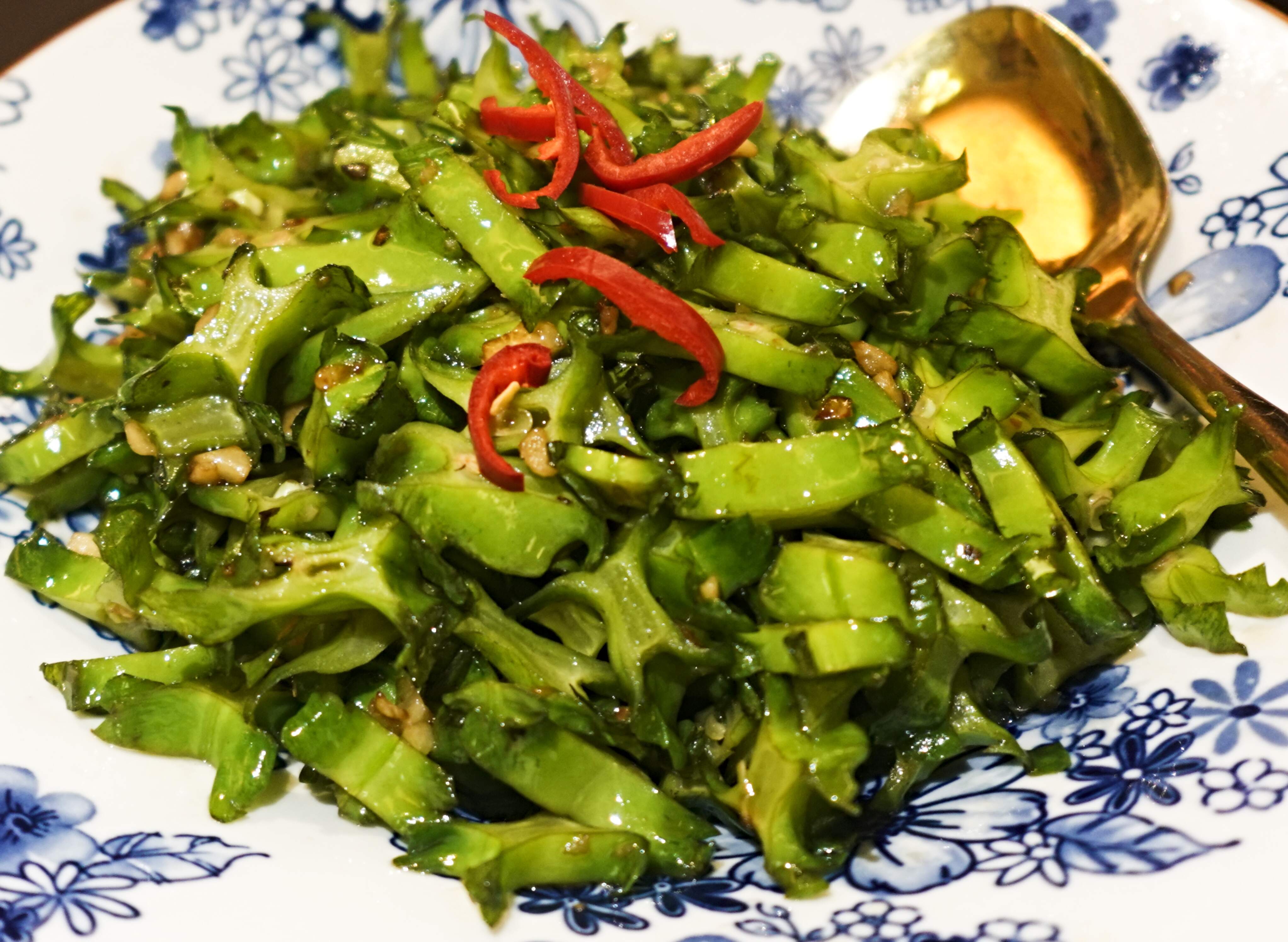
Stir-fried wing beans with garlic
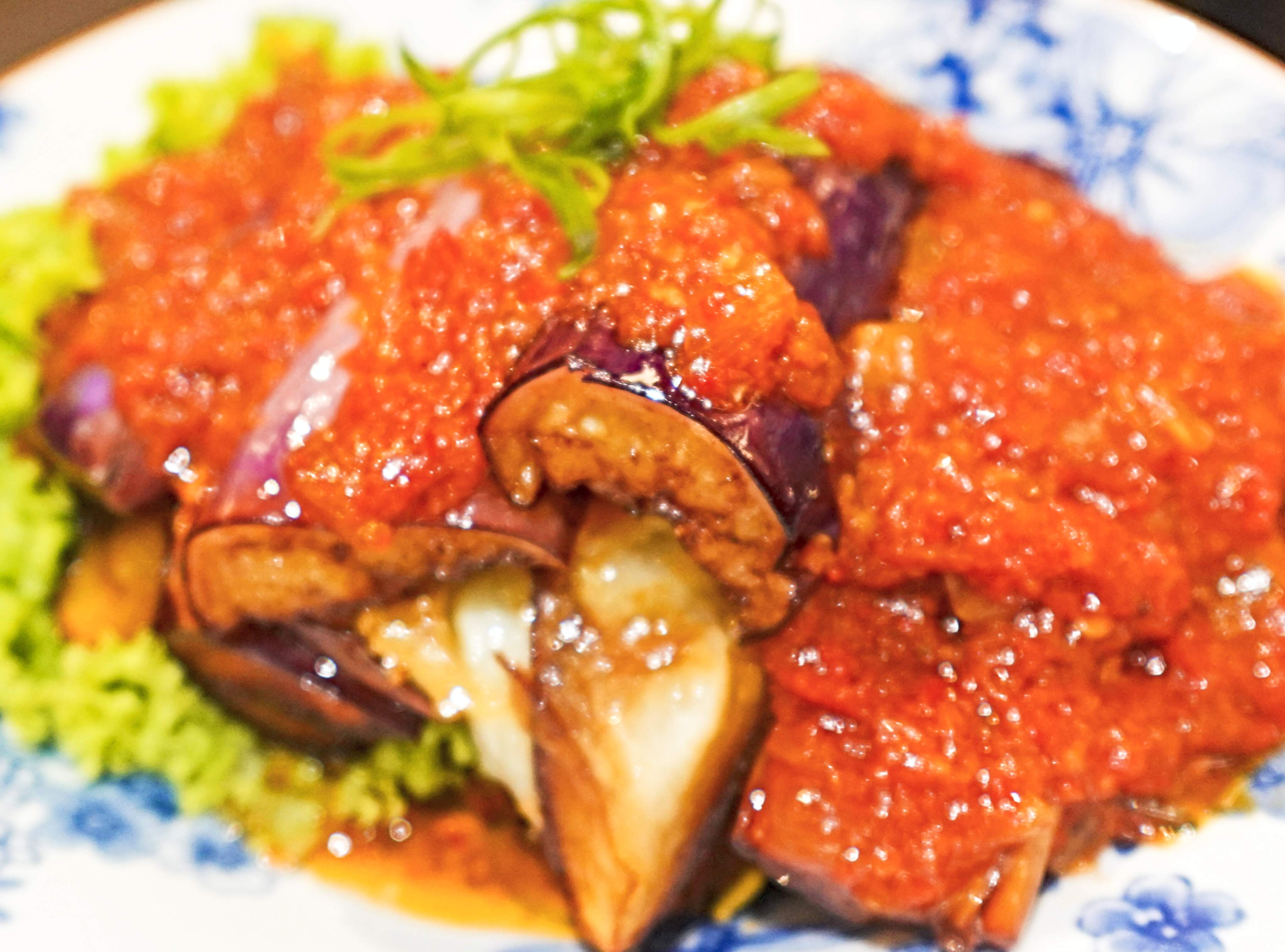
Sambal aubergines - very tasty dish of grilled aubergines topped with a piquant, spicy blended chili paste.
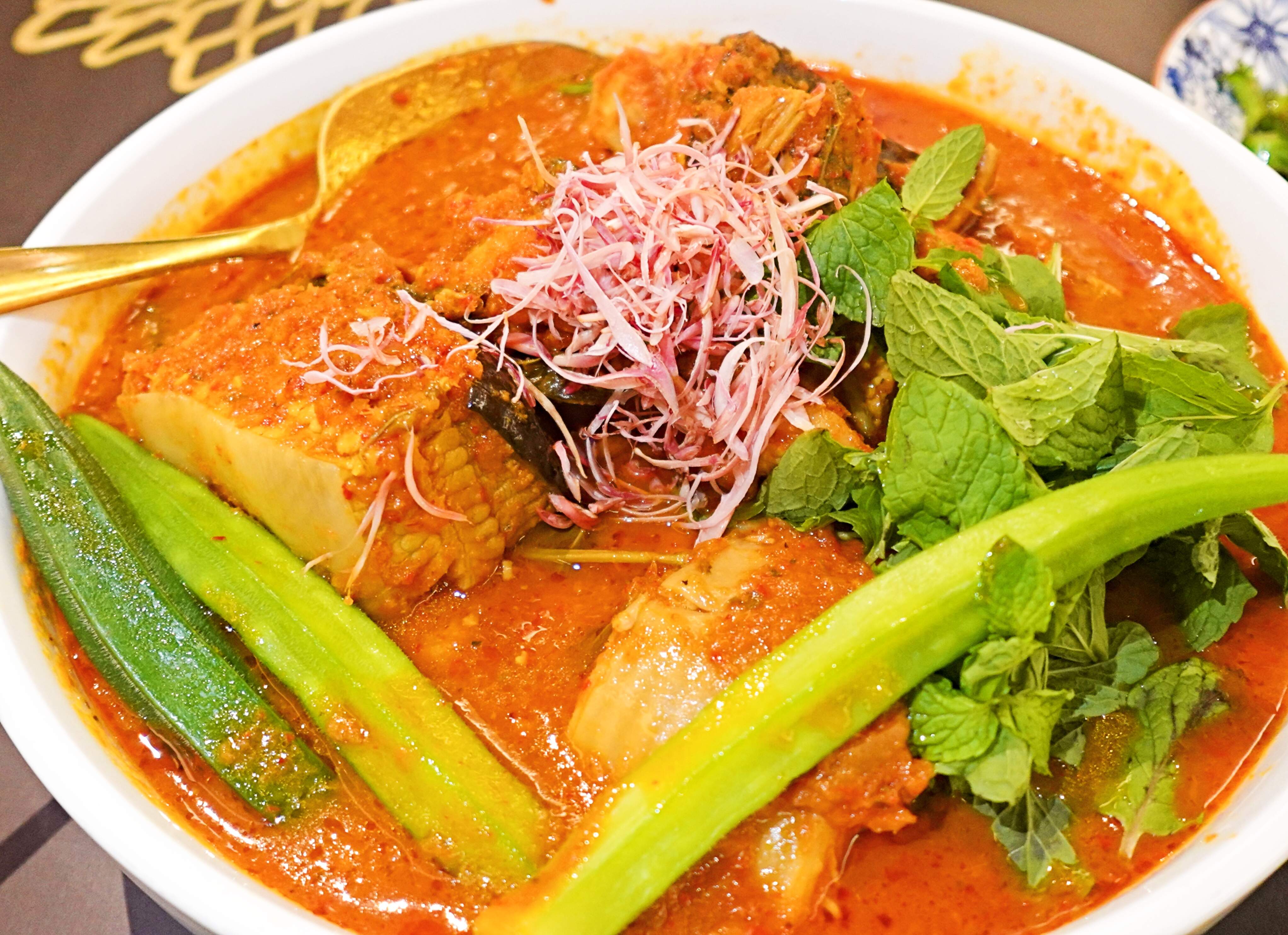
Stingray gulai tumis - a Nyonya classic of stingray steaks in a spicy-sour broth, served with blanched okra and garnished with finely-chopped pink torch ginger flower and fresh mint leaves.
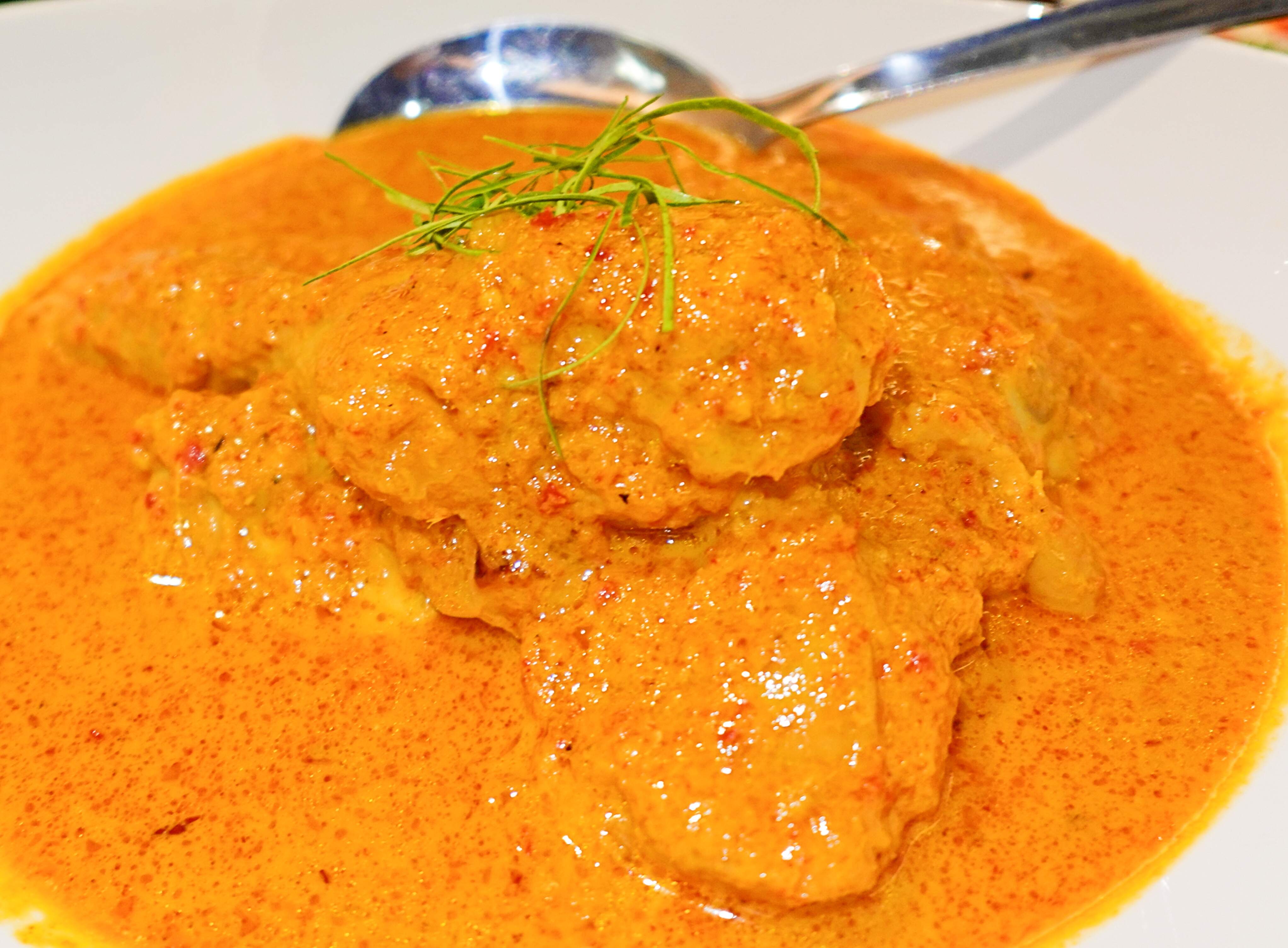
Chicken curry Kapitan- a rich chicken curry redolent of lemongrass, galangal, fresh turmeric and kaffir lime leaves. The spiced gravy is thickened with coconut milk.
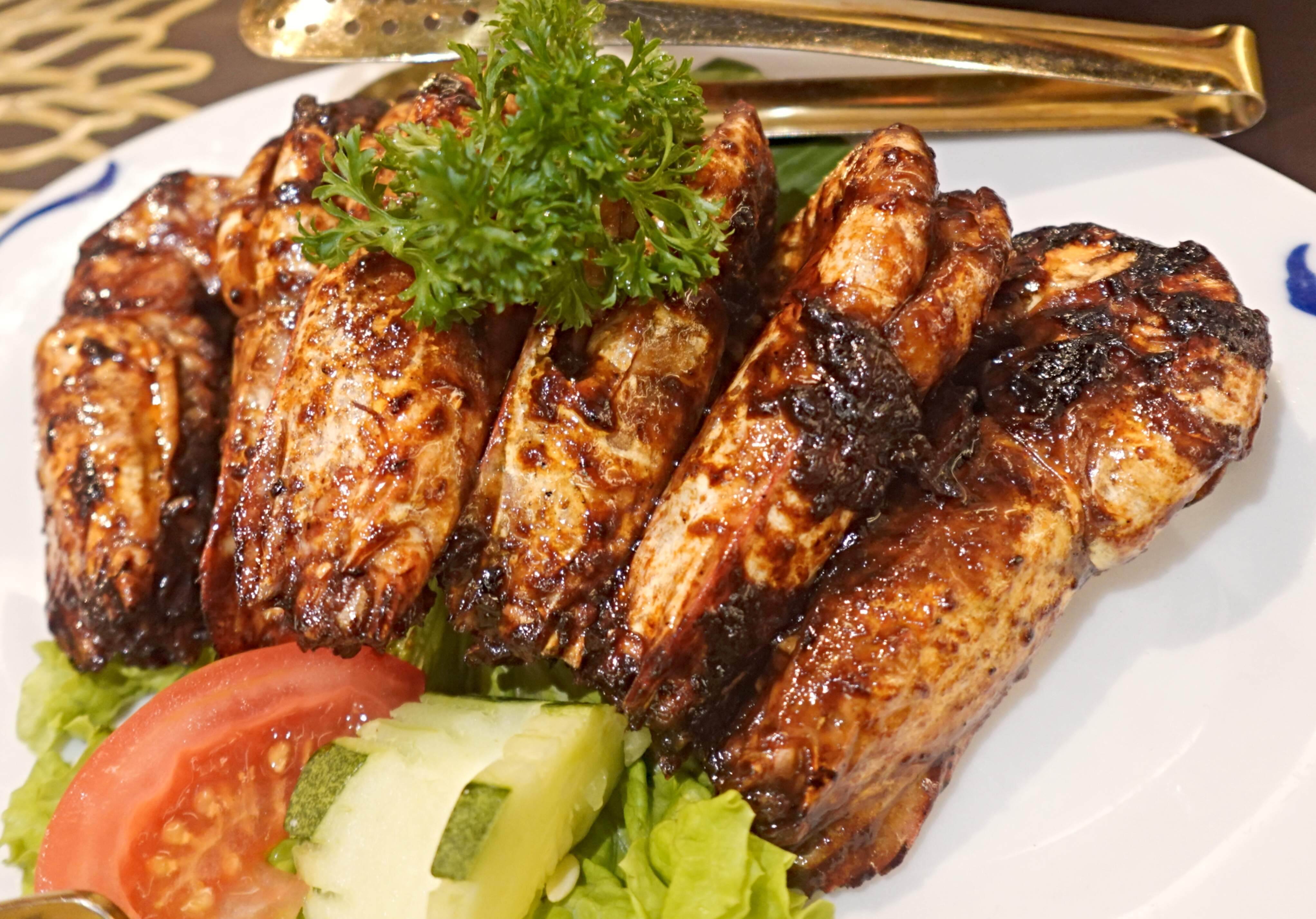
Assam prawns - pan-fried whole prawns covered with a tamarind-palm sugar glaze. Utterly delish.
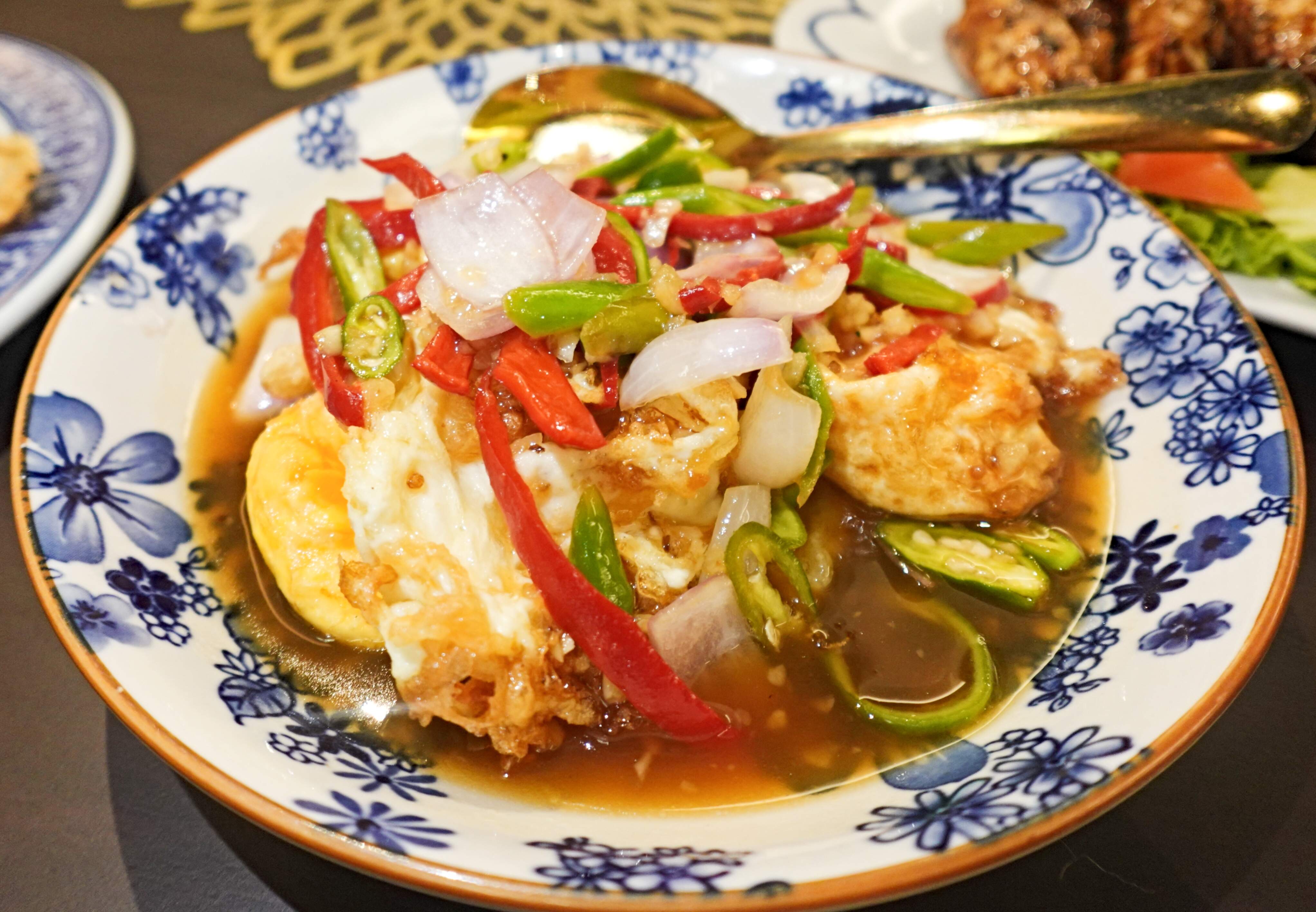
Eggs Belanda - a simple but very popular comfort food: pan-fried eggs tossed with onions slivers and chopped red and green chilis, and drenched in a light, sour-sweet tamarind-inflected gravy.
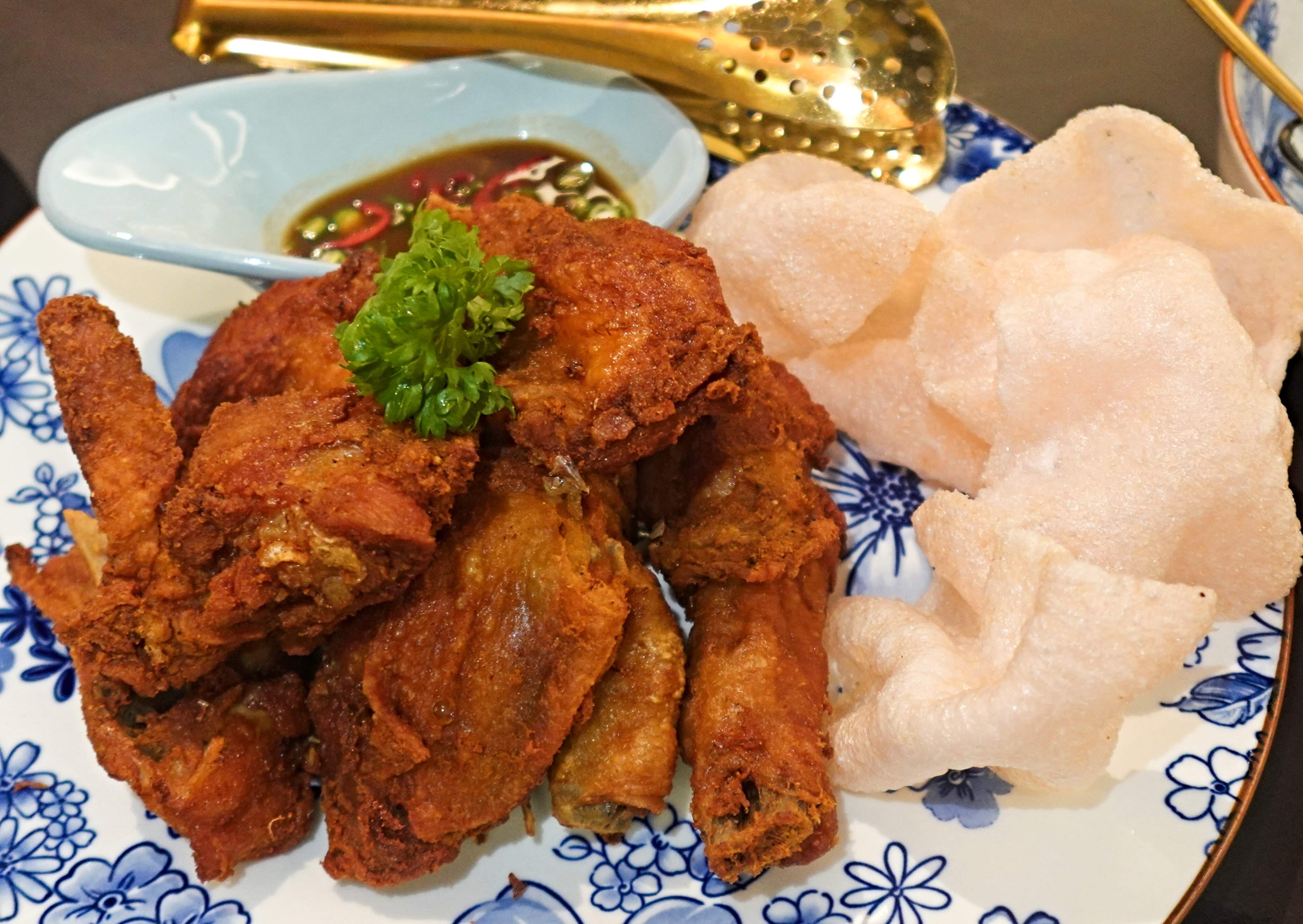
Inchi kabin - spiced chicken pieces, marinated in coconut milk overnight, then deep-fried till crisp on the outside but still moist inside. Served with crisp prawn crackers and a Worcestershire-chili dip.
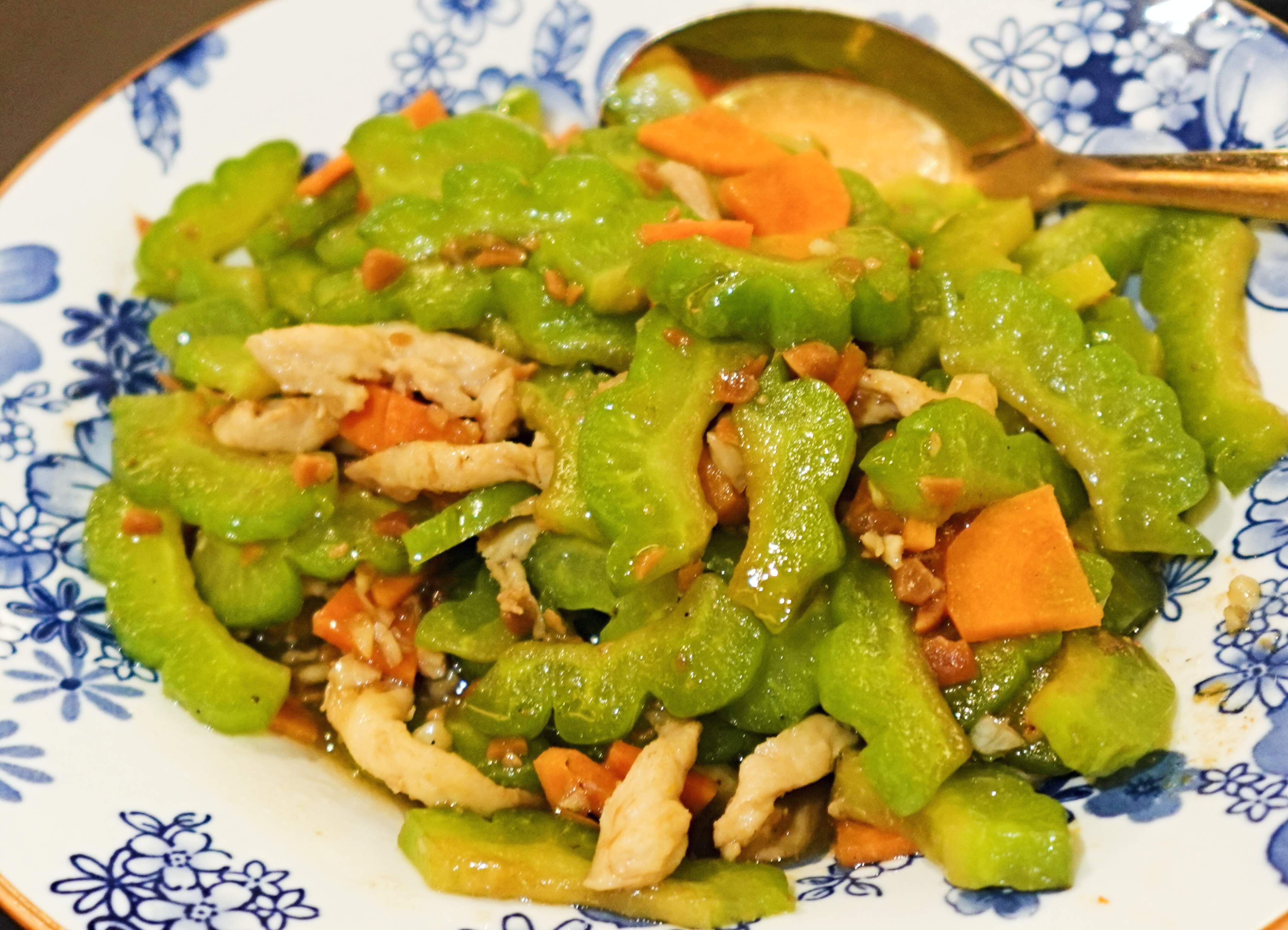
Bitter gourd with bean paste.
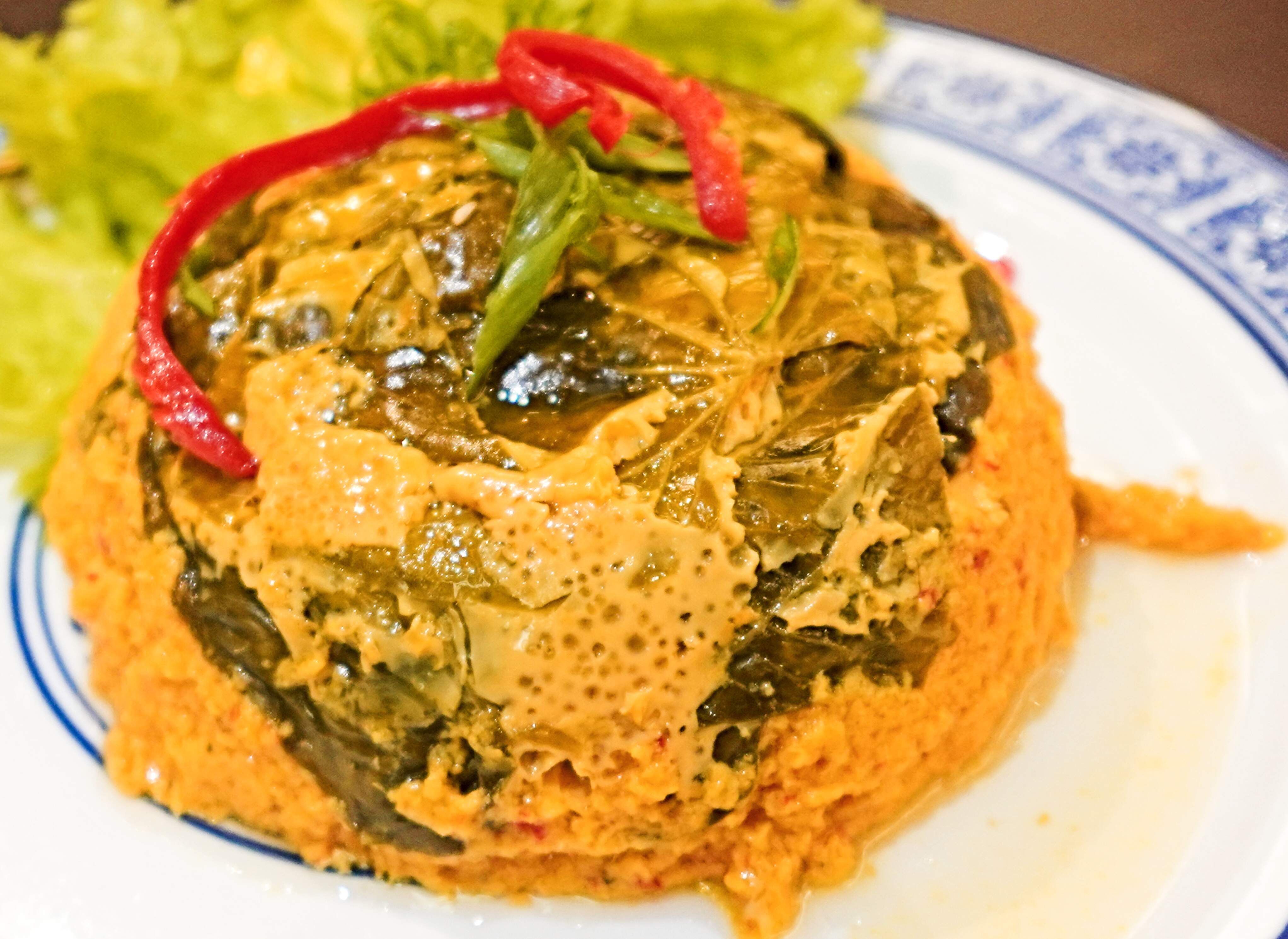
Otak-otak - a soft, savory fish souffle adapted from Thai “hor mok pla”.
Desserts
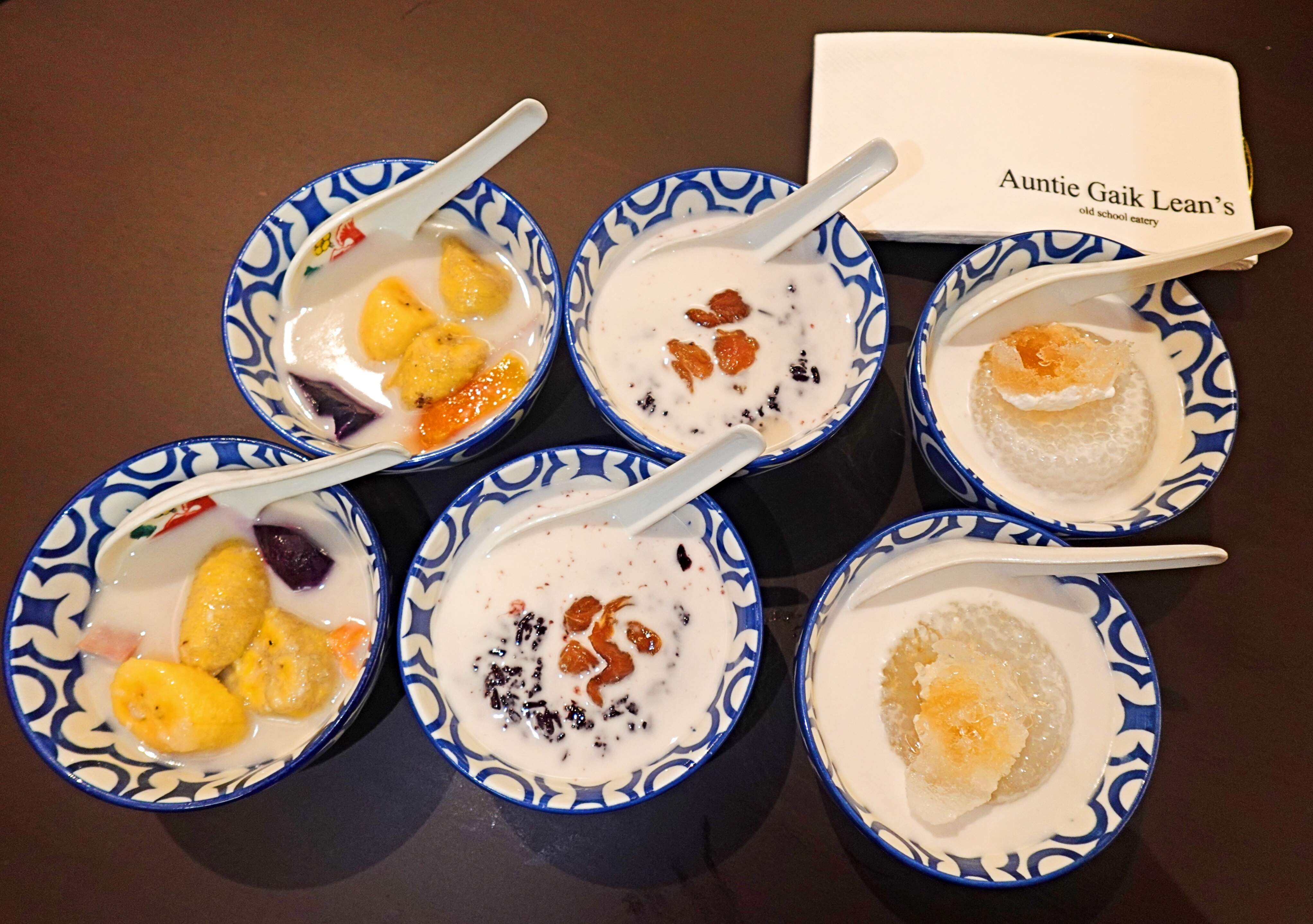
Bee koe moy (pulut hitam) - black glutinous rice and dried longans cooked in palm sugar, and enriched with fresh coconut milk.
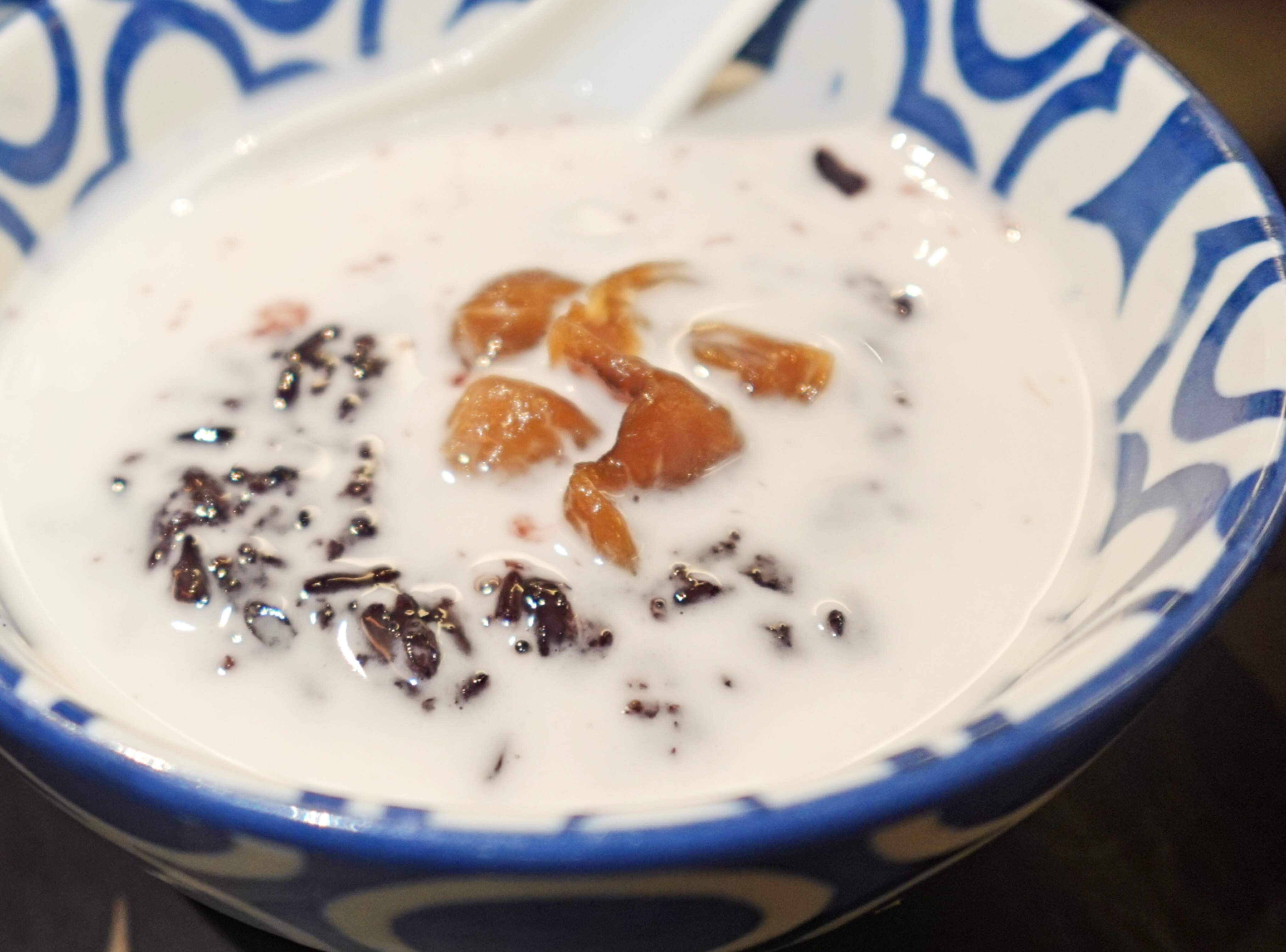
Sago Gula Melaka - sago pudding, served with thickened coconut milk and palm sugar syrup.
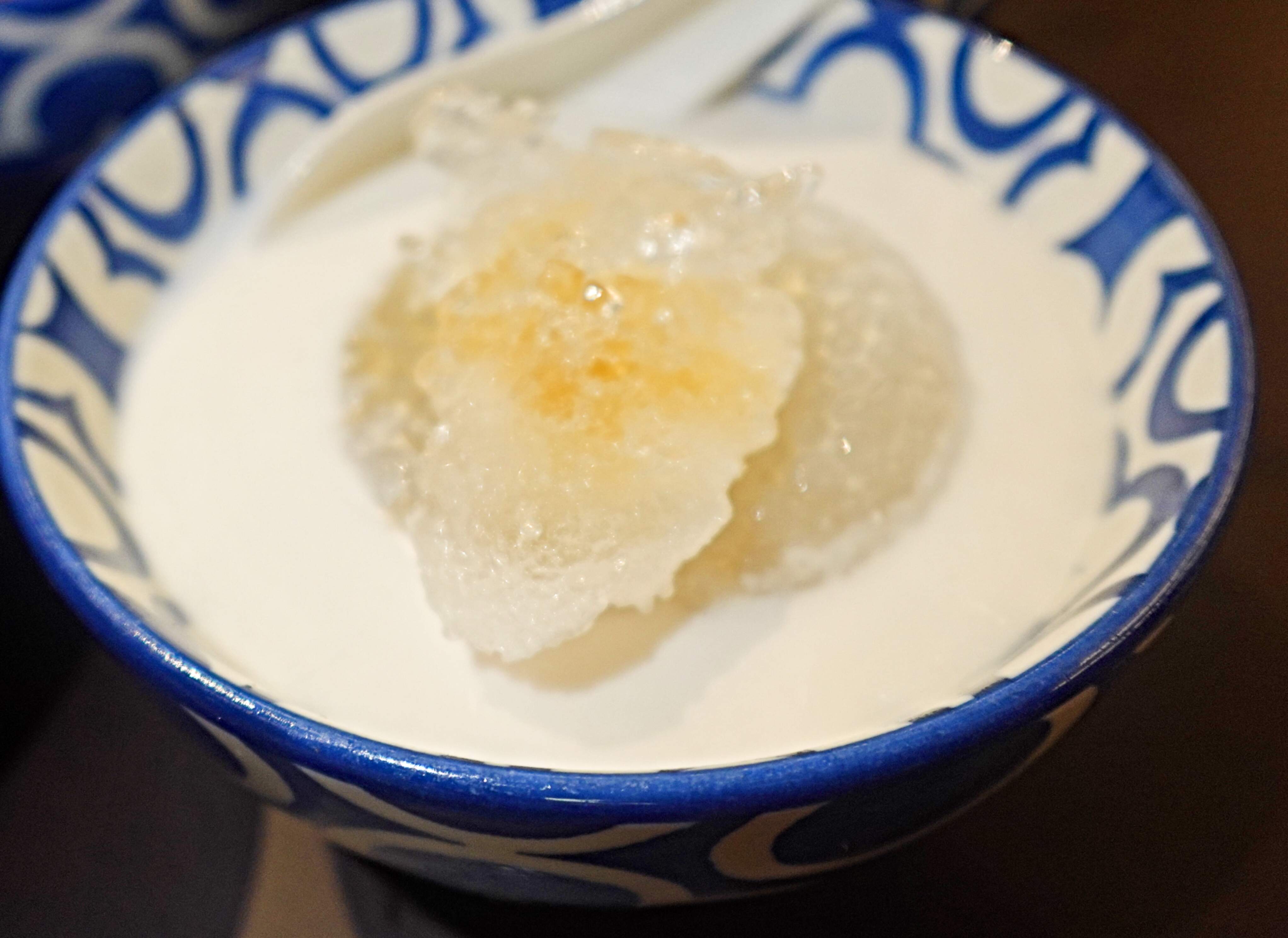
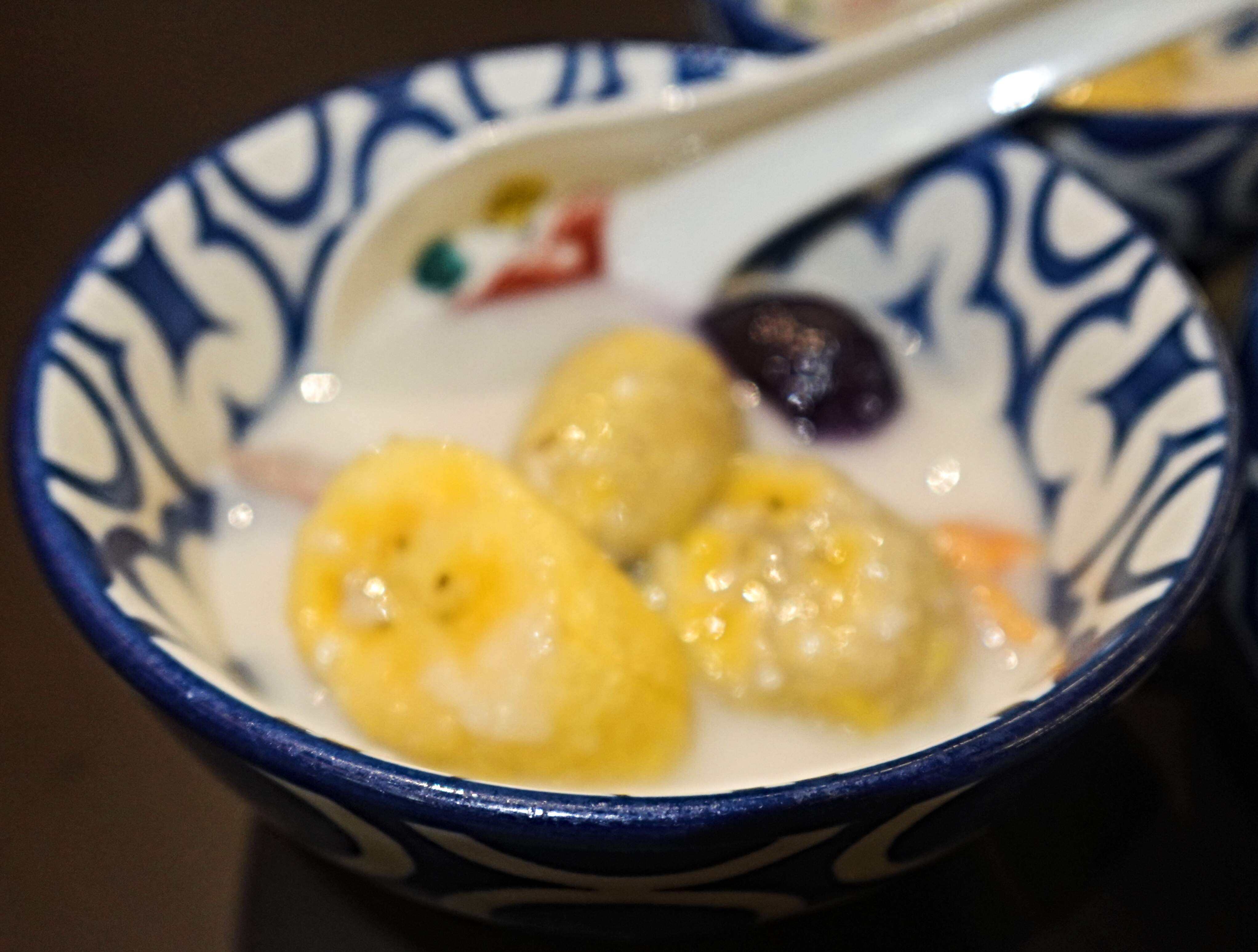
Pengat - a sweet, rich coconut milk-flavored broth containing three types of sweet potatoes (yellow, orange and purple-hued varieties), taro and banana.
More on Peranakan or Nyonya cuisine:
https://guide.michelin.com/my/en/article/features/the-different-types-of-peranakans-and-their-cuisines