After four nights in Sorrento, we arranged a car and driver to bring us, via Potenza, to Matera, where we will spend two nights at what is probably the most unique hotel in Italy, SEXTANTIO LE GROTTE DELLA CIVITA. There is a lot of information online about this project, and its siblings in Abruzzo and now..in Rwanda. This is not only a hotel, it is an experience, and probably one that no one who stays here will ever forget. We’d been in 2023 and, happily, found it to be as wonderful as before. Even considering then lofty rates, I think SEXTANTIO well worth the price, which includes an outstanding breakfast. But if you have difficulty walking, or climbing steps, inquire before you book.. Even beyond that, this is not a hotel for everyone, so do your due diligence…you are living in a renovated cave, albeit one with fluffy bathrobes and a freestanding soaking tub!
Matera is that magical combination of an “accogliente” large southern Italian town—elegant streets lined with venerable palazzi and handsome residences, many now housing shops and eateries, broad piazze, Baroque churches and contemporary art galleries… the “new town” alone is a charm!
And there is the “other” Matera down below–the one that draws the busloads…a pair of adjacent sassi districts, caves carved from the tufa n pre-historic times that once housing the poorest of the poor, along with their animals, in conditions which became known as “the shame of Italy” in the 1950s.
Although these same caves now house restaurants, shops, hotels and B&Bs–complete with running water and electricity-- and clots of tourists have replaced the destitute sharecroppingcontadini, I cannot imagine a more picturesque and indelible location anywhere in Europe.
TRATTORIA STANO had been one of two favorites from our 2023 visit, and so
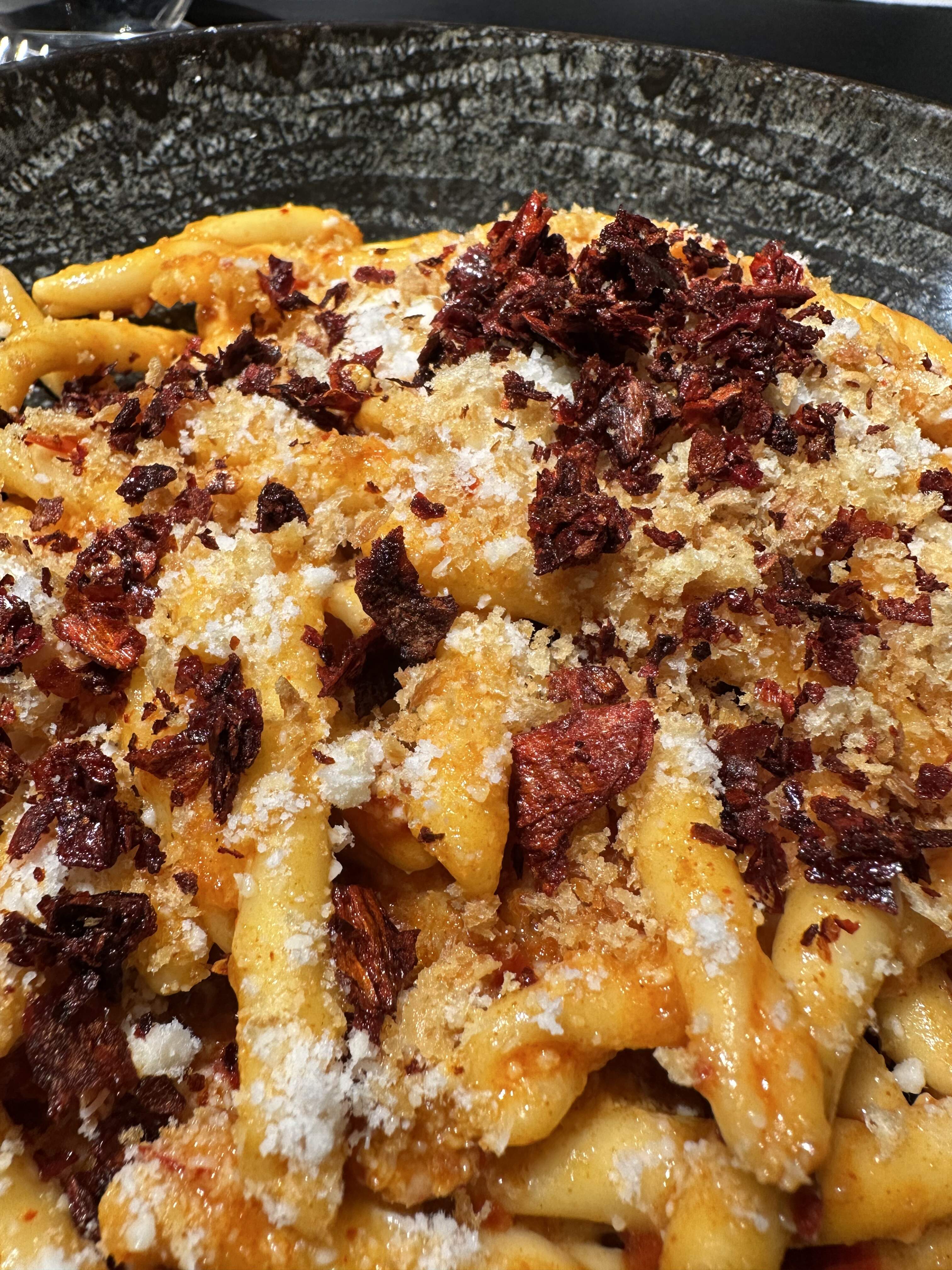
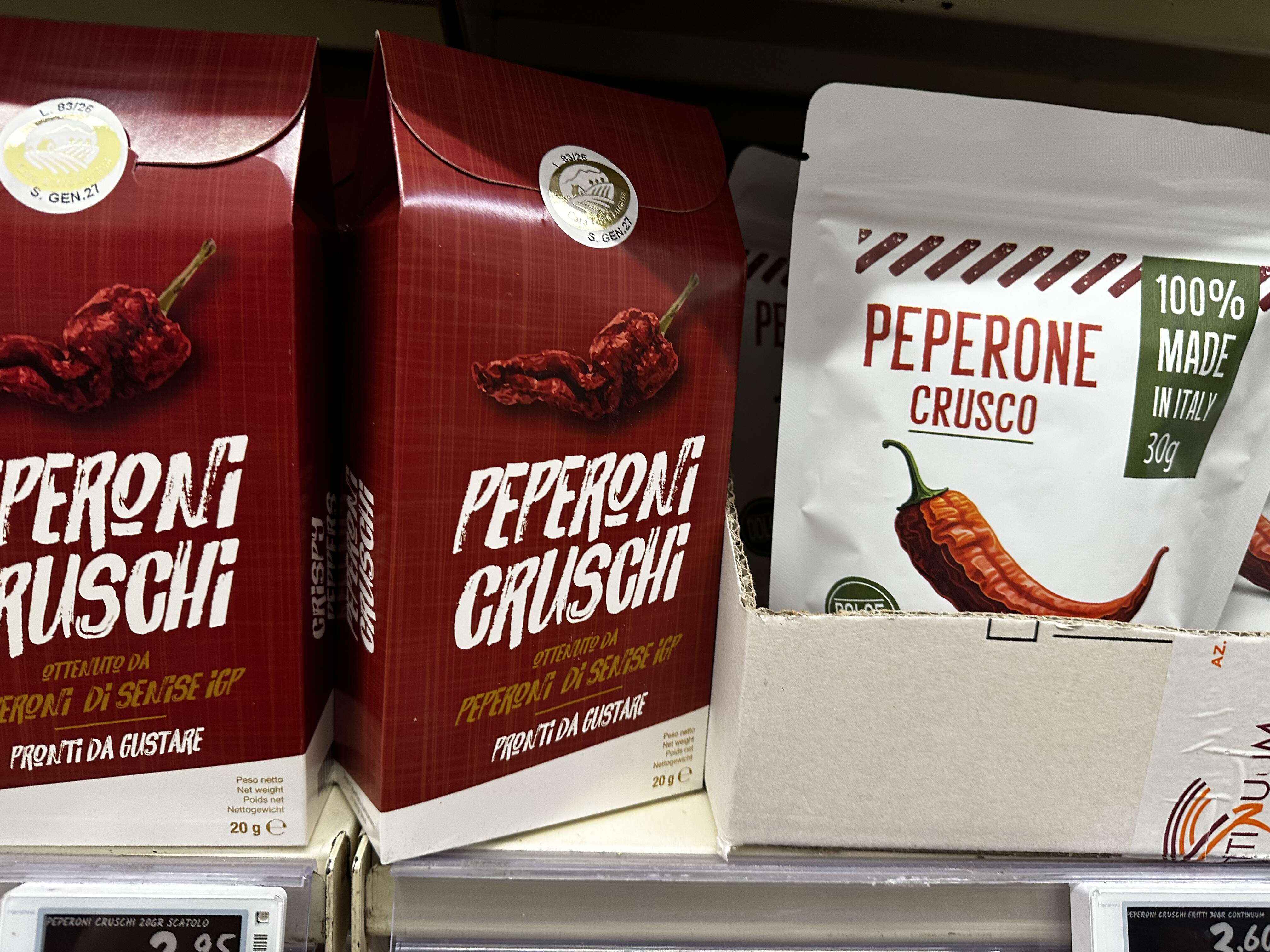
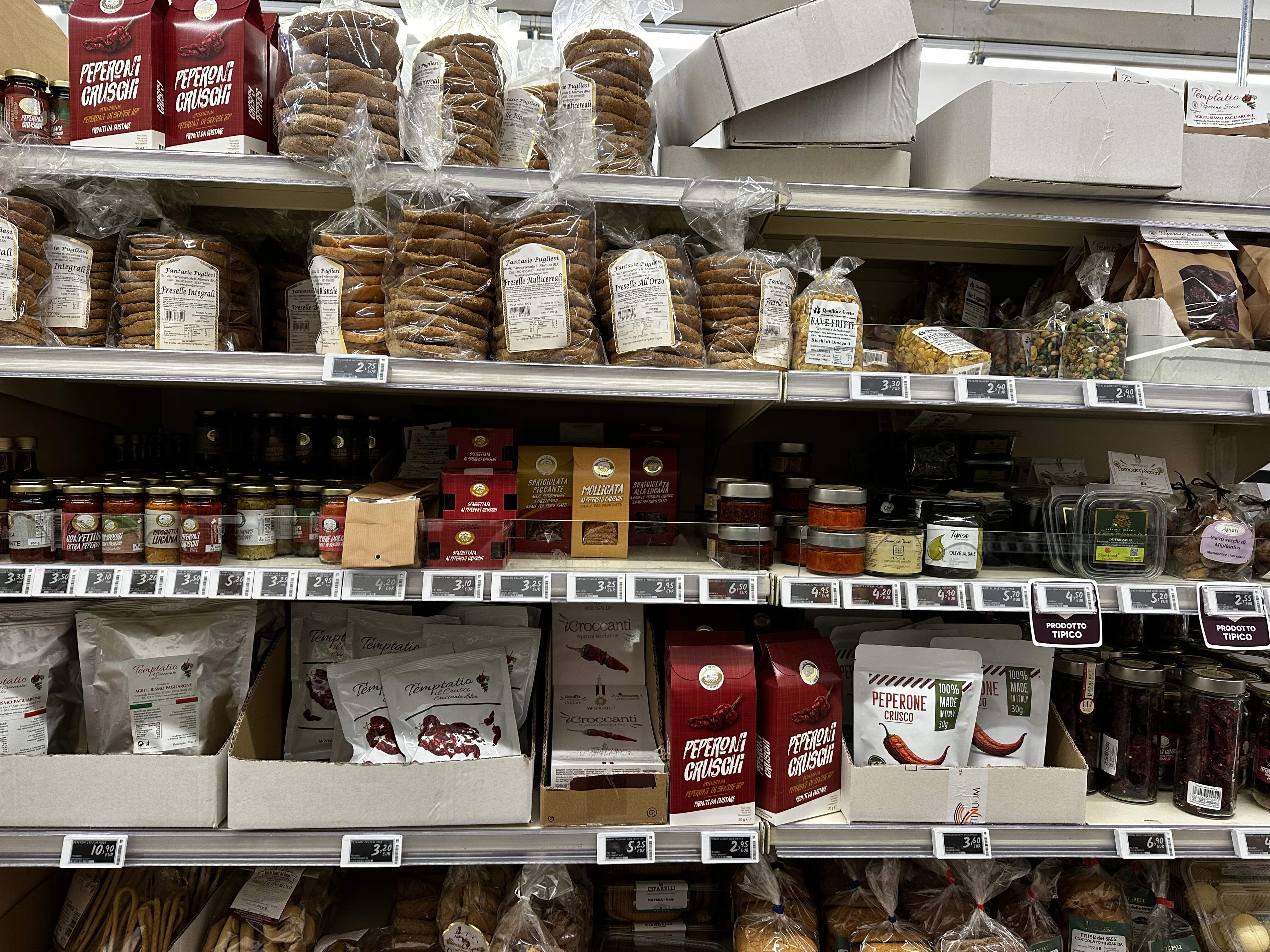
we booked this SlowFood Pick for last night and our meal confirmed my opinion that this contemporary venue must be among the best restaurants in the city.. . The offerings here, and in most local trattorie, typify the kitchens of inland Basilicata----lamb and pork dominate the meat selections; there is often beef from the prized Podolica cows; fresh fish is scarce so seafood is confined mostly to baccala; and vegetables and grains abound, exemplifying the cucina povera of this once destitute region. And the sweet peppers of Senise adorn many of the pasta dishes and, salted and fried, are a common antipasto.
Since our first visit around 2011, a number of “fancy” restaurants have appeared some with a Michelin star, but I have no interest in these although who knows..maybe they are marvelous…
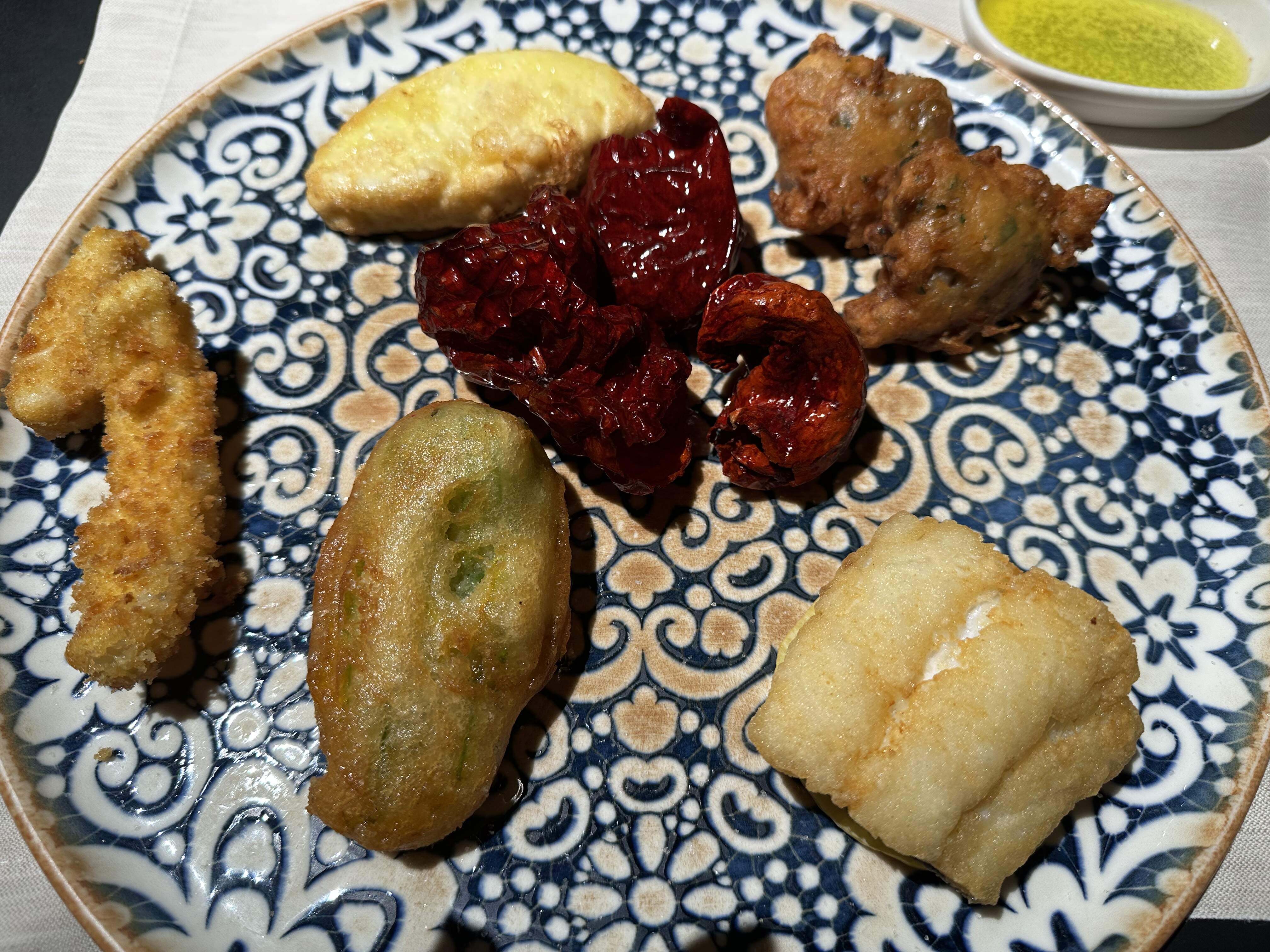
My platter of mixed, fried Matera specialties at STANO was spectacular: A large chunk of fried baccala; fried lampascioni (local delicacy of hyacinth bulbs; in season now); Senise peppers (cruschi); fried sticks of breaded mozzarella (forget your memories of that soggy “mozzarella in carozza” at your local Italian-American in the USA); zucchini flowers stuffed with ricotta; a slice of the most incredibly delicious fried ricotta.
The frying technique was masterful–so flavorful but not greasy…they could have fried cardboard and I would have probably devoured it. I can’t remember any better fried food..ever!! If they gave a class on flying I would be first online, and next time I am going to ask about a kitchen visit.
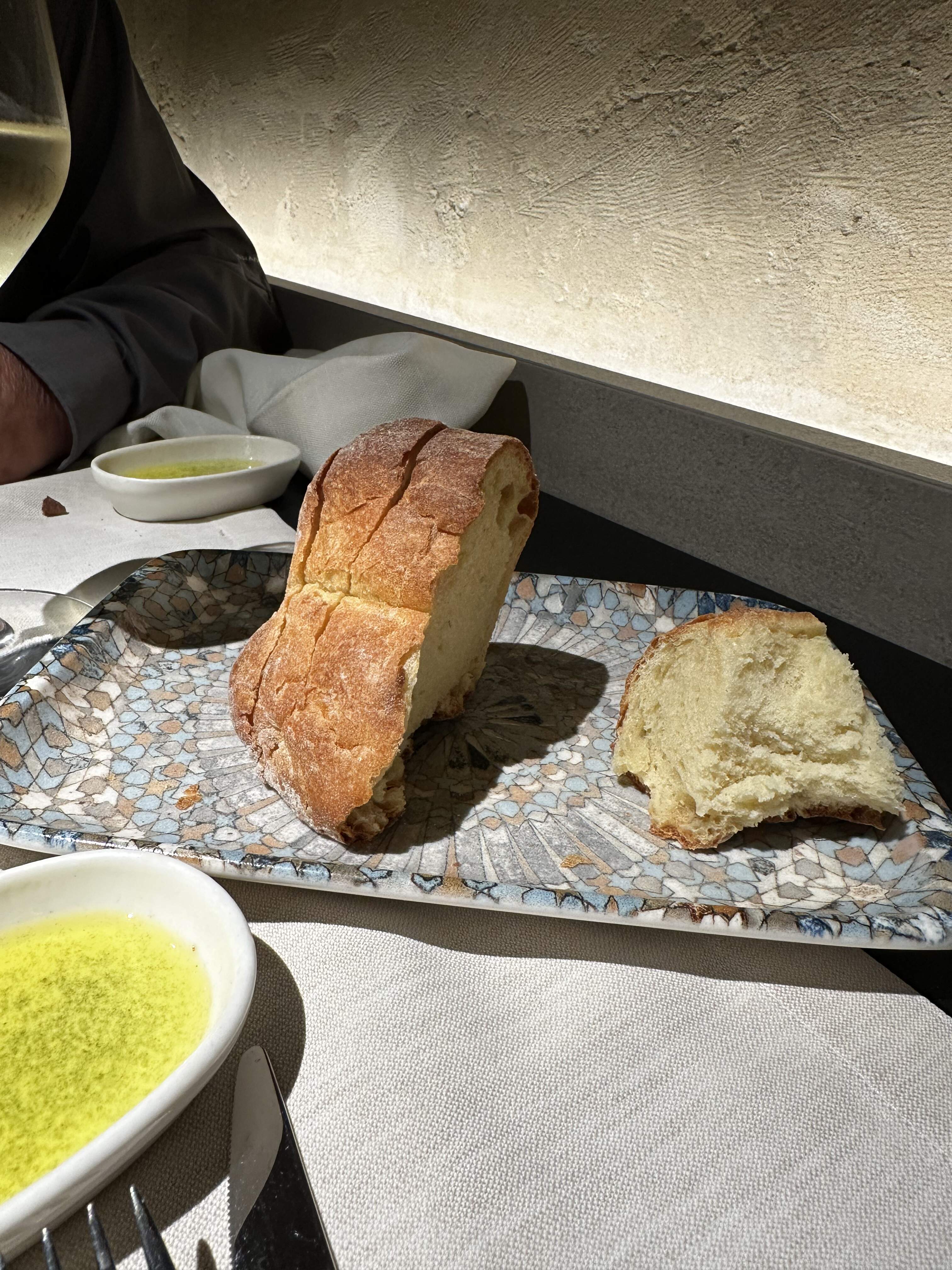
Local bread from this bread capital of Italy was out-of-this world!
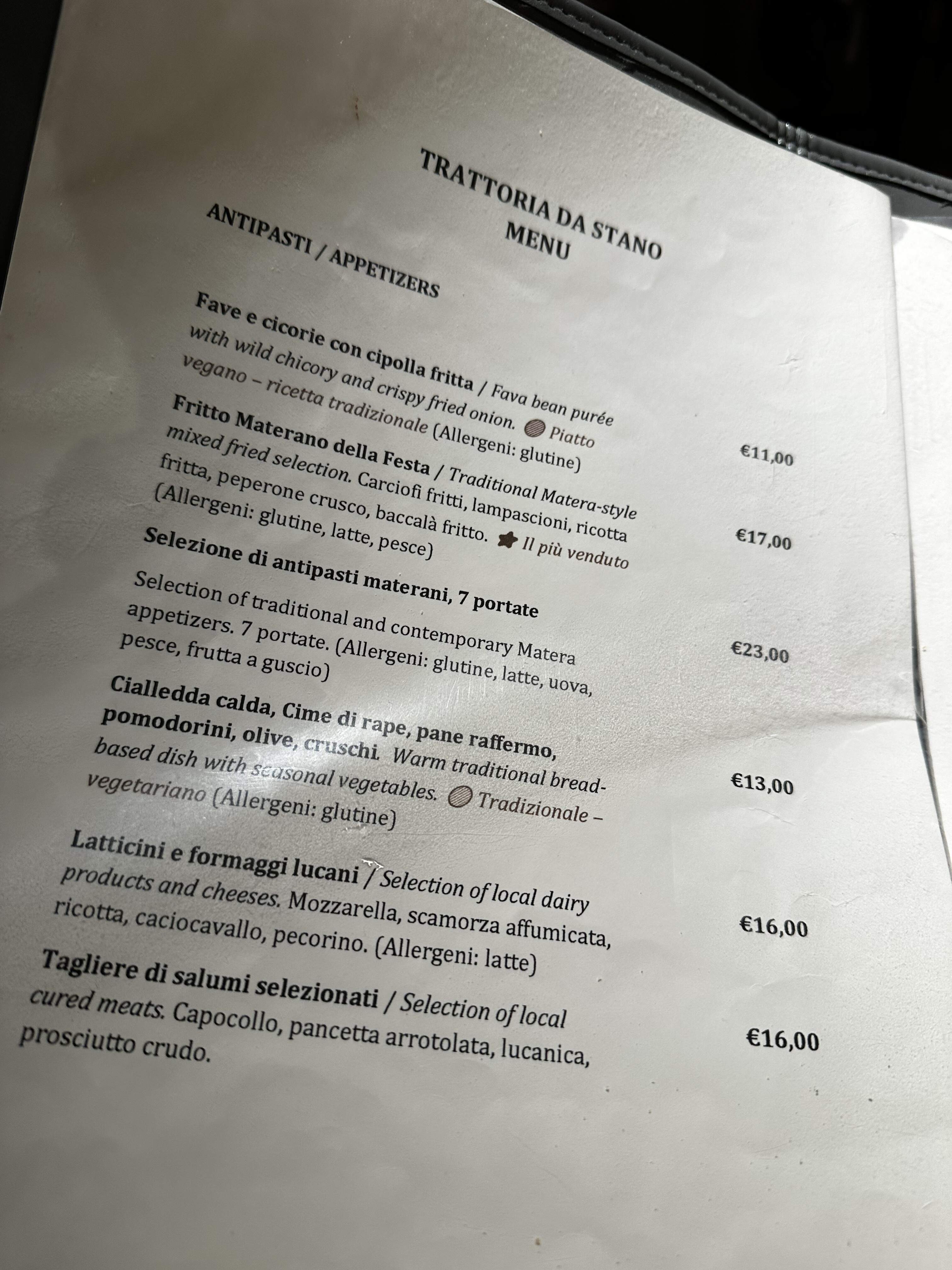
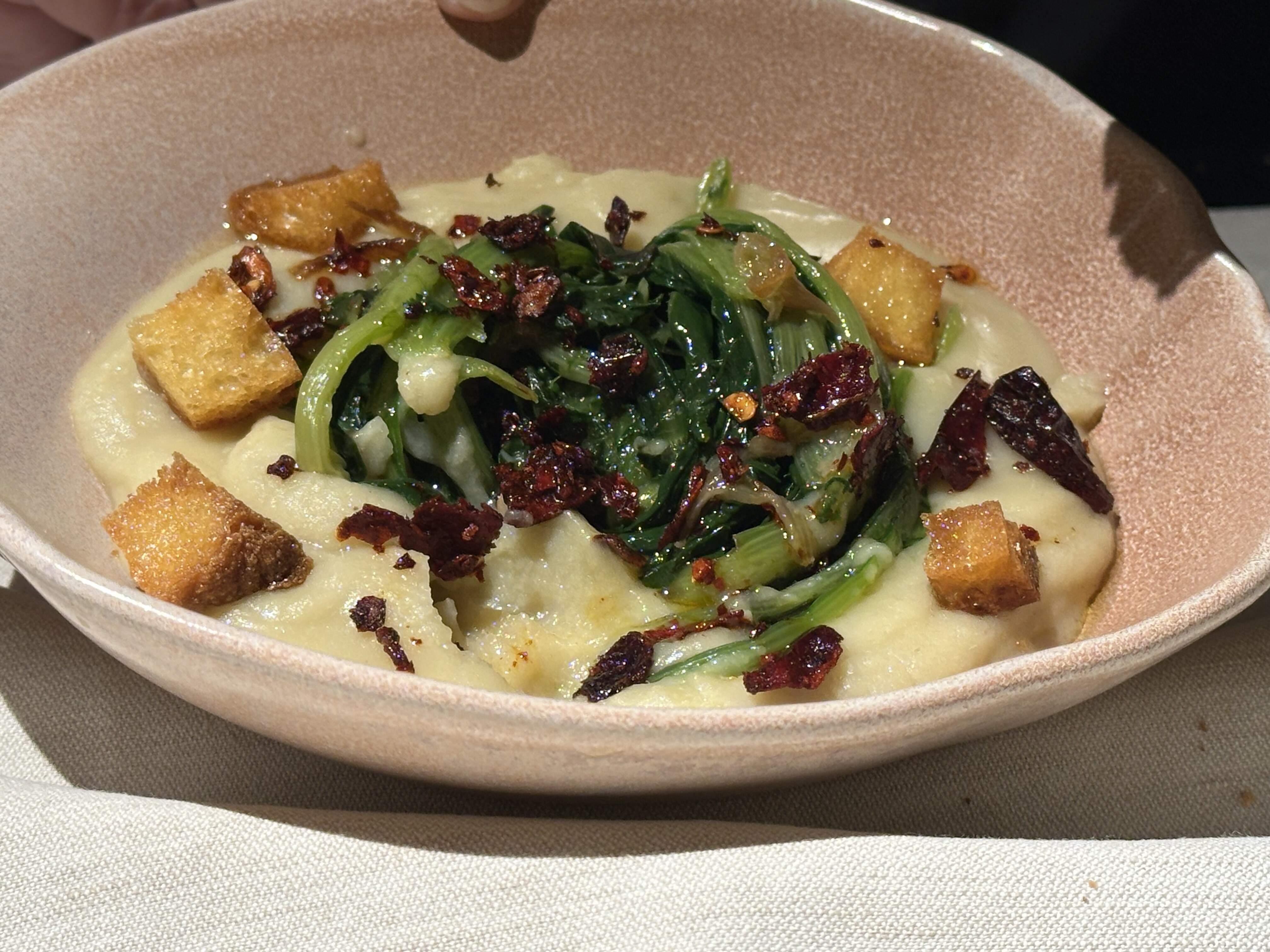
My partner chose, for primi, a dish that has become one of our favorites, the straightforward classic of Puglia and parts of Basilicata and a benchmark of cucina povera: Fave e cicorie–pureed, fried fava beans topped with chicory or any dark green vegetable that is in season; pepperoni cruschi scattered the top of this rendition. I am determined to make this a staple in my own kitchen.