A recent tête-à-tête with @ZivBnd touched upon the British colonial-era architecture in Kuala Lumpur. I personally felt that Kuala Lumpur’s present-day urban landscape seriously lacked character: with an over-emphasis on skyscrapers, and with (sadly) concrete winning over greenery everywhere.
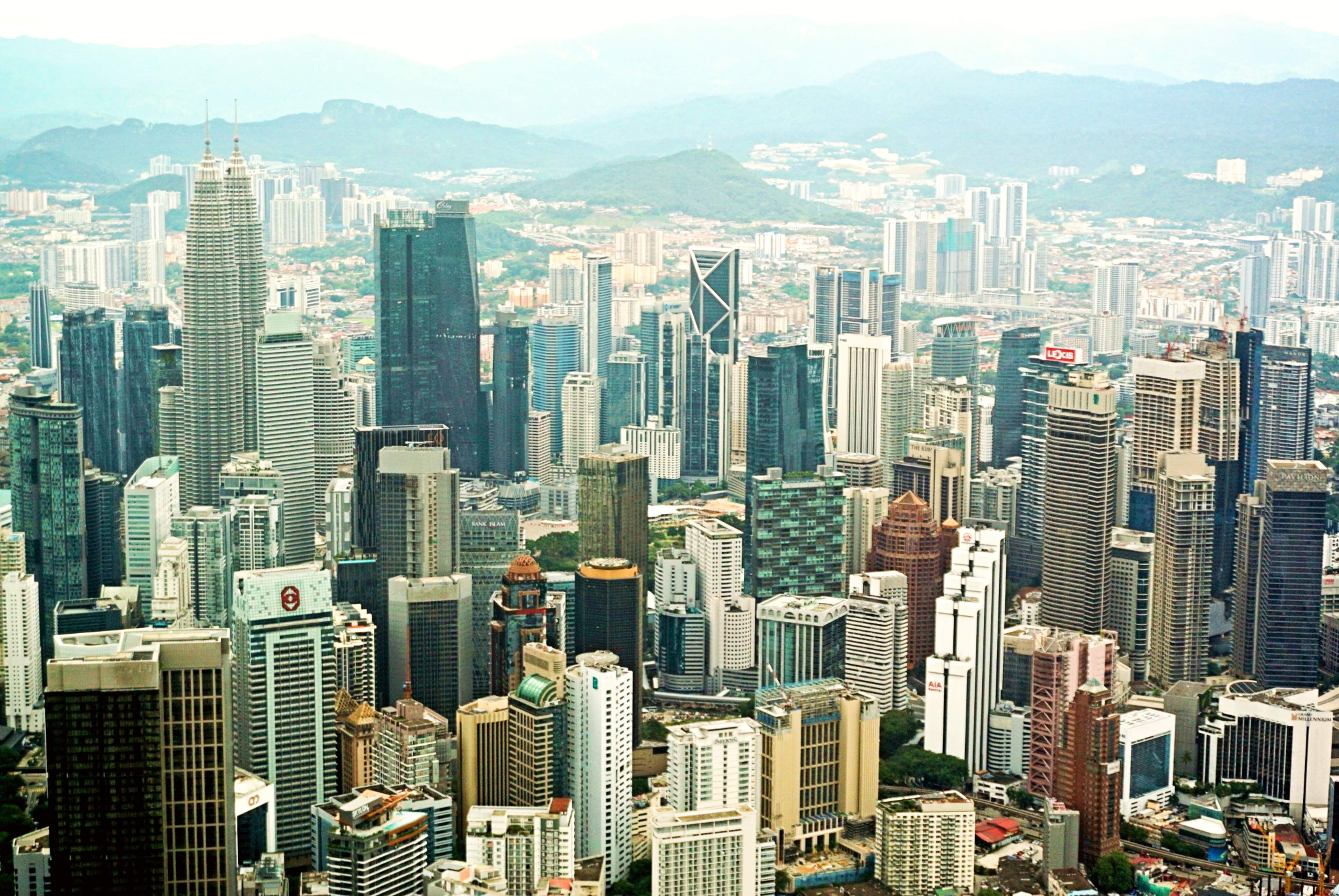
The elegant architecture from the Gilded Age is inestimably more beautiful, IMHO.
Anyhoo, that discussion actually inspired us to explore more architecture from that era, and we decided to pay a visit to Carcosa Seri Negara, which was built in 1986-97 as the official residence and guest house of the British High Commissioner in Malaya.
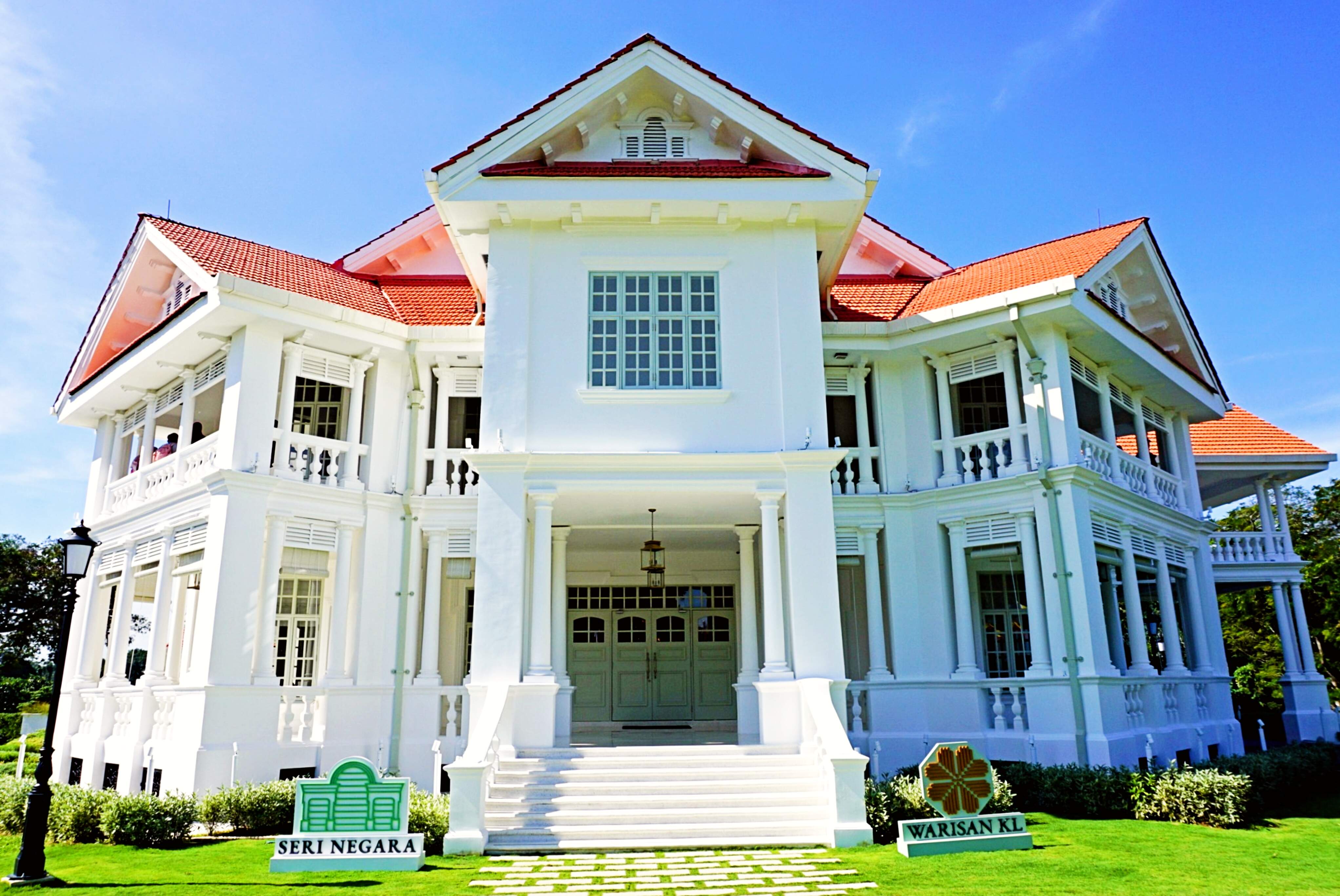
The mansion was built as the official residence of Sir Frank Swettenham, the first British High Commissioner for the Federated Malay States. It was designed by Arthur Benison Hubback under instruction from the Selangor State Engineer, Charles Edwin Spooner.
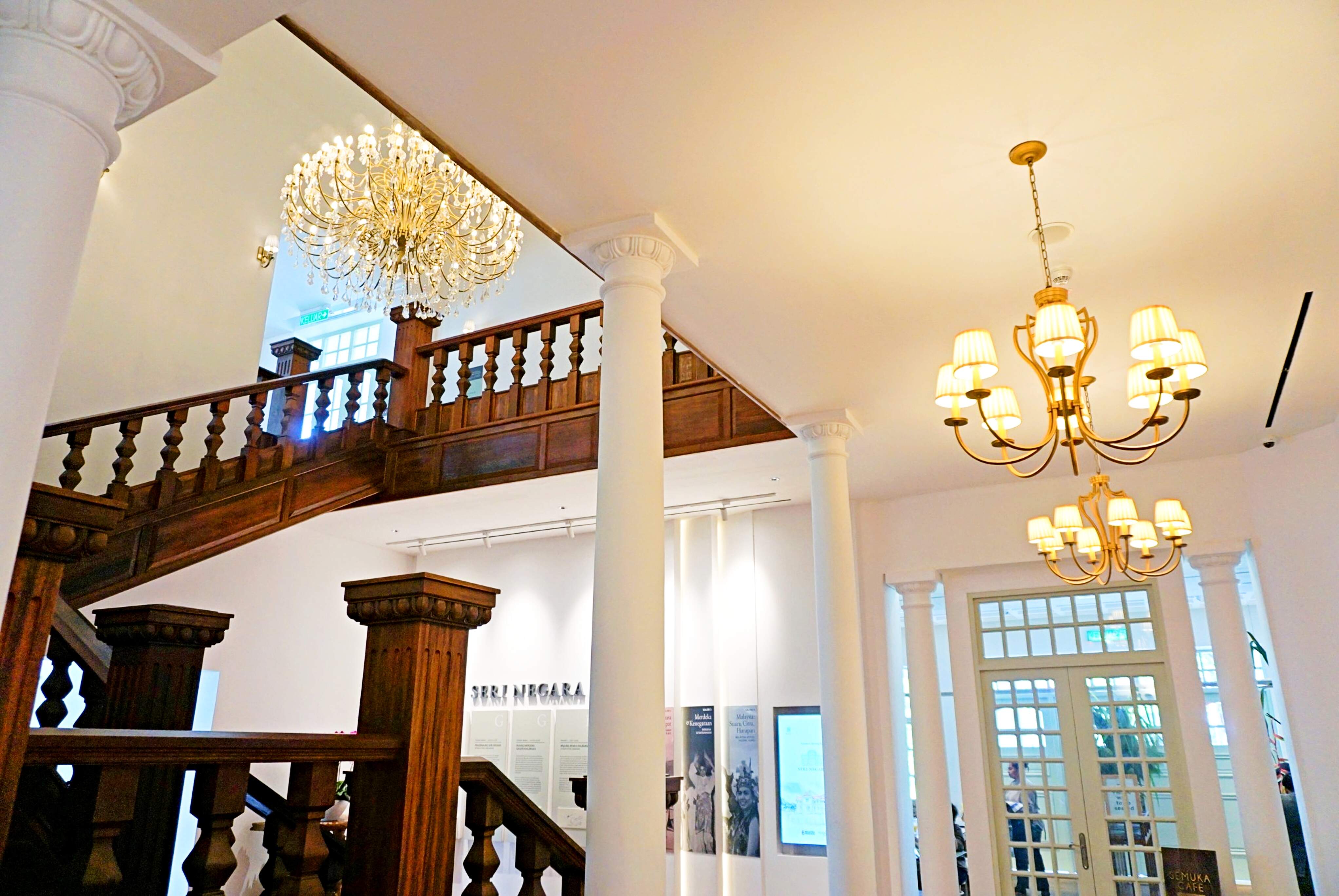
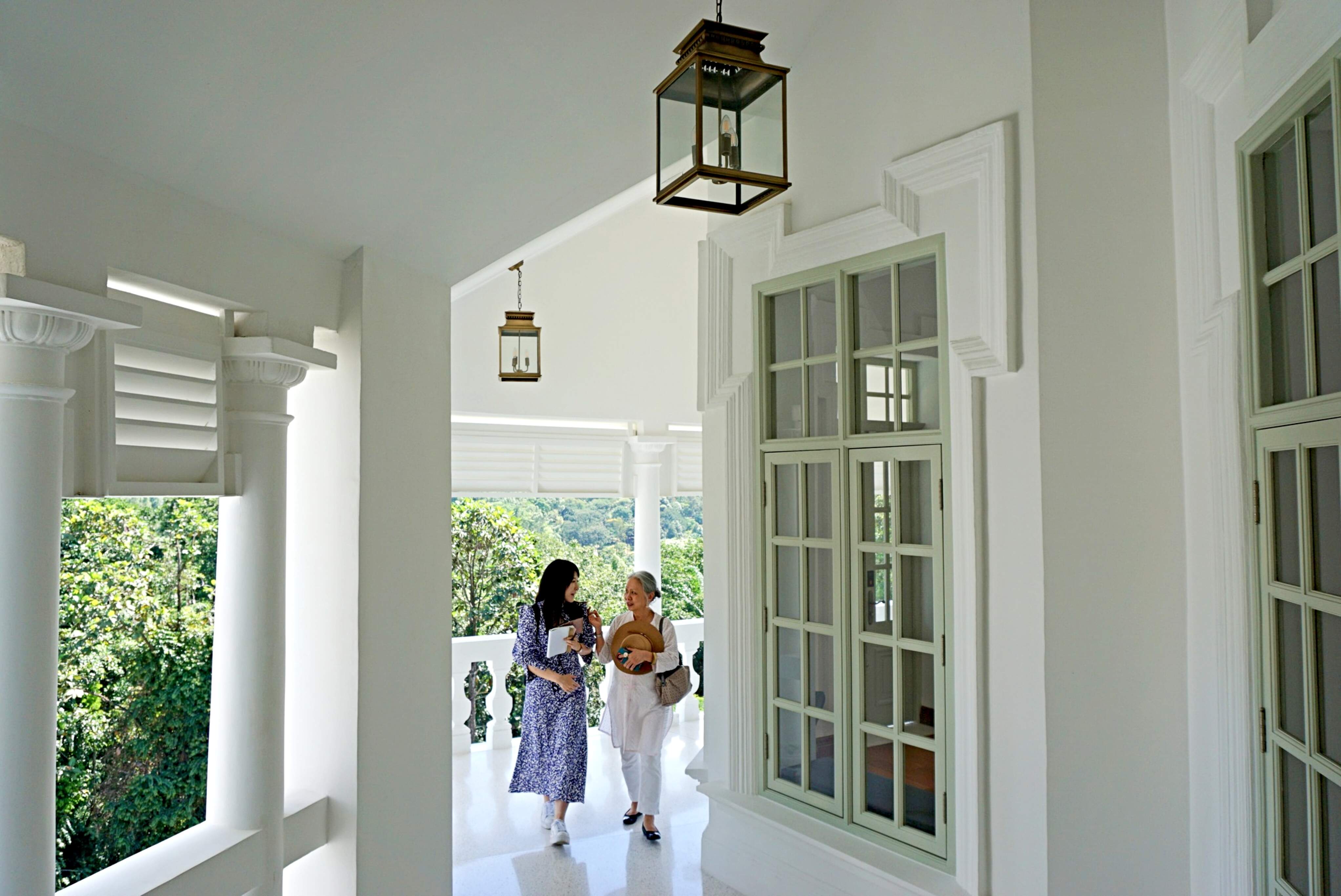
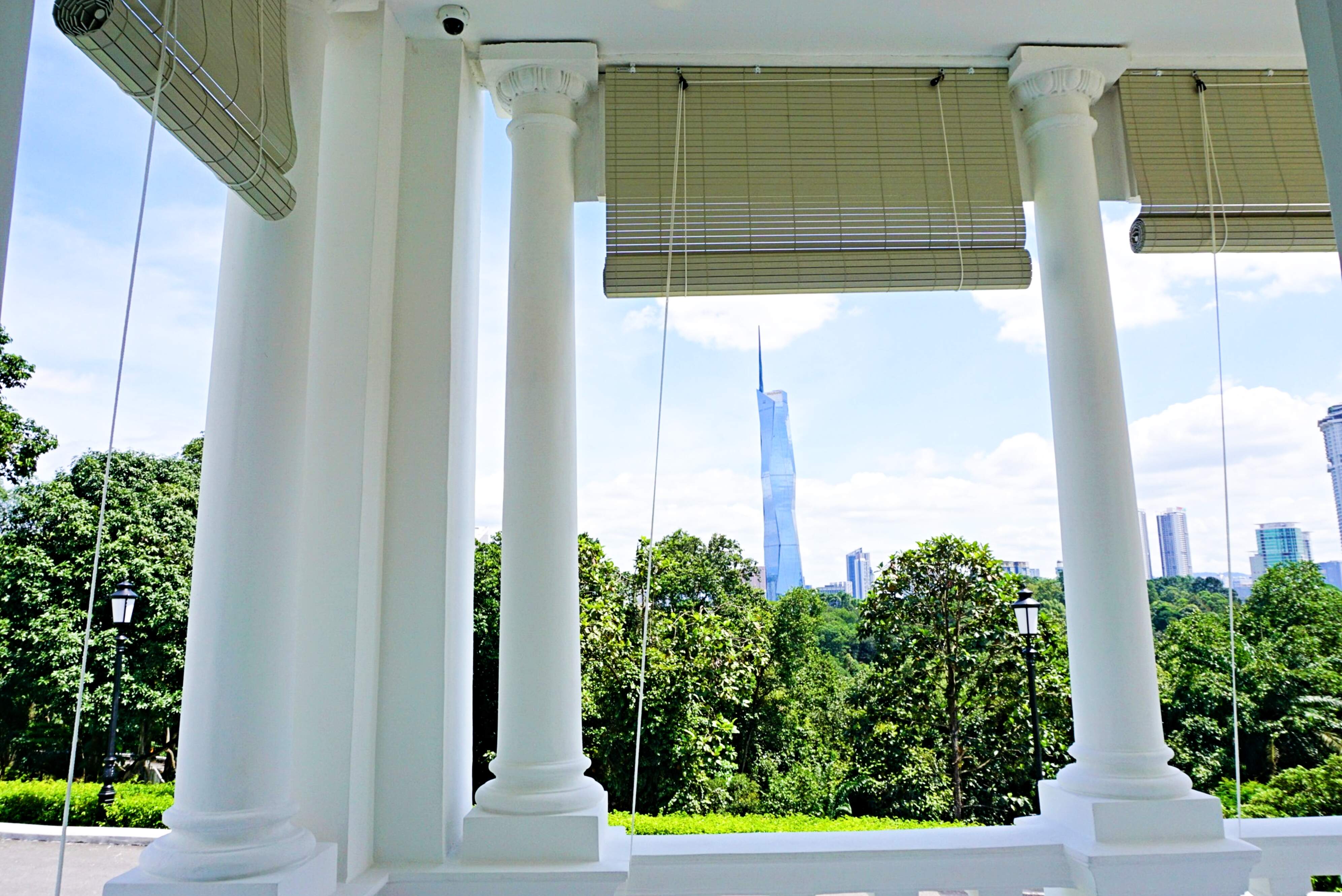
The mansion was last used as a film set for the 2018 film, “Crazy Rich Asians”. Although set in Singapore, many of the scenes in the movie were filmed in Kuala Lumpur and Penang. Today, Carcosa Seri Negara has been repurposed as an art gallery.
We stopped by Semuka for afternoon tea.
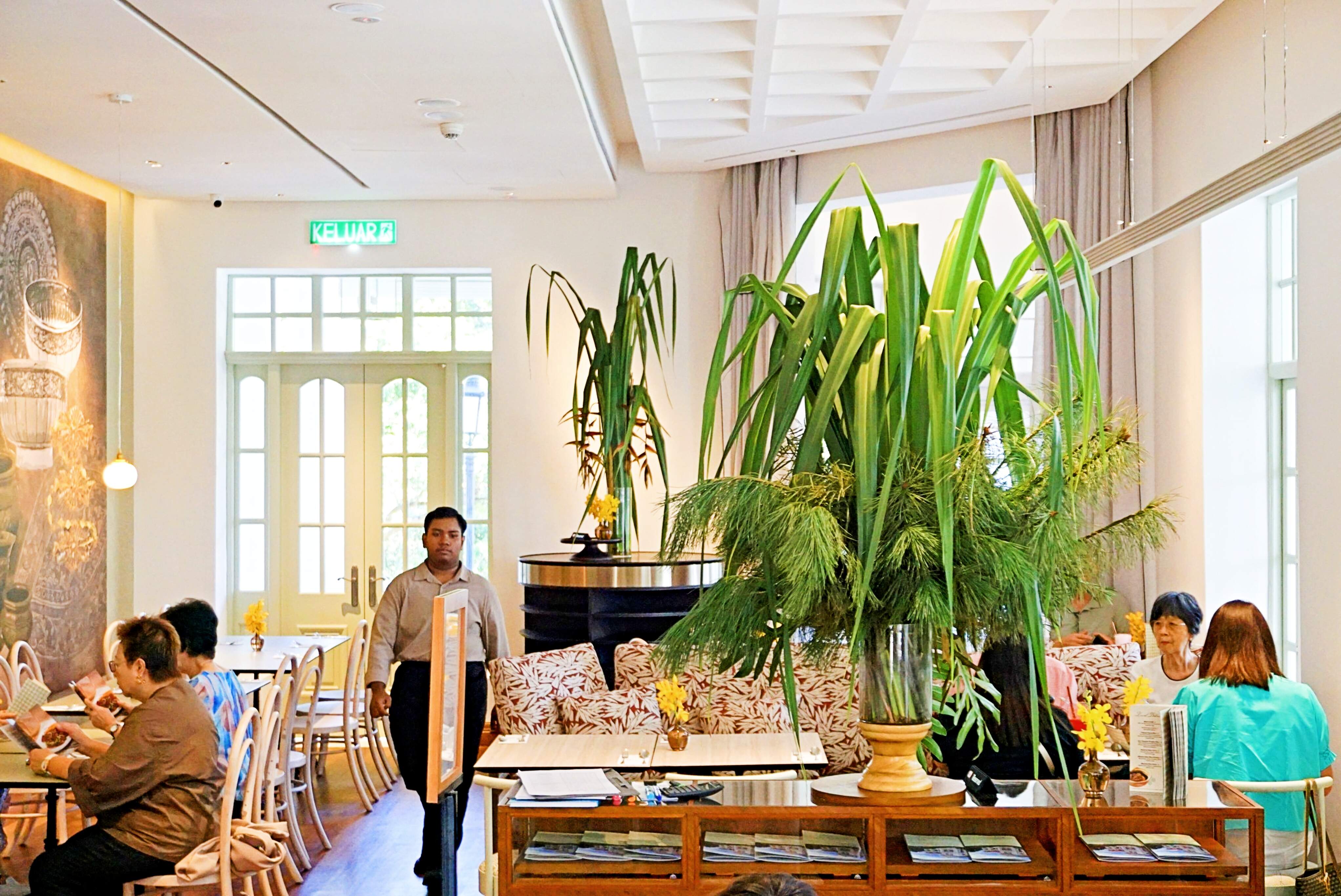
The indoor seating area was bright and airy, with the air-conditioned setting providing a cool respite from KL’s warm, muggy weather.

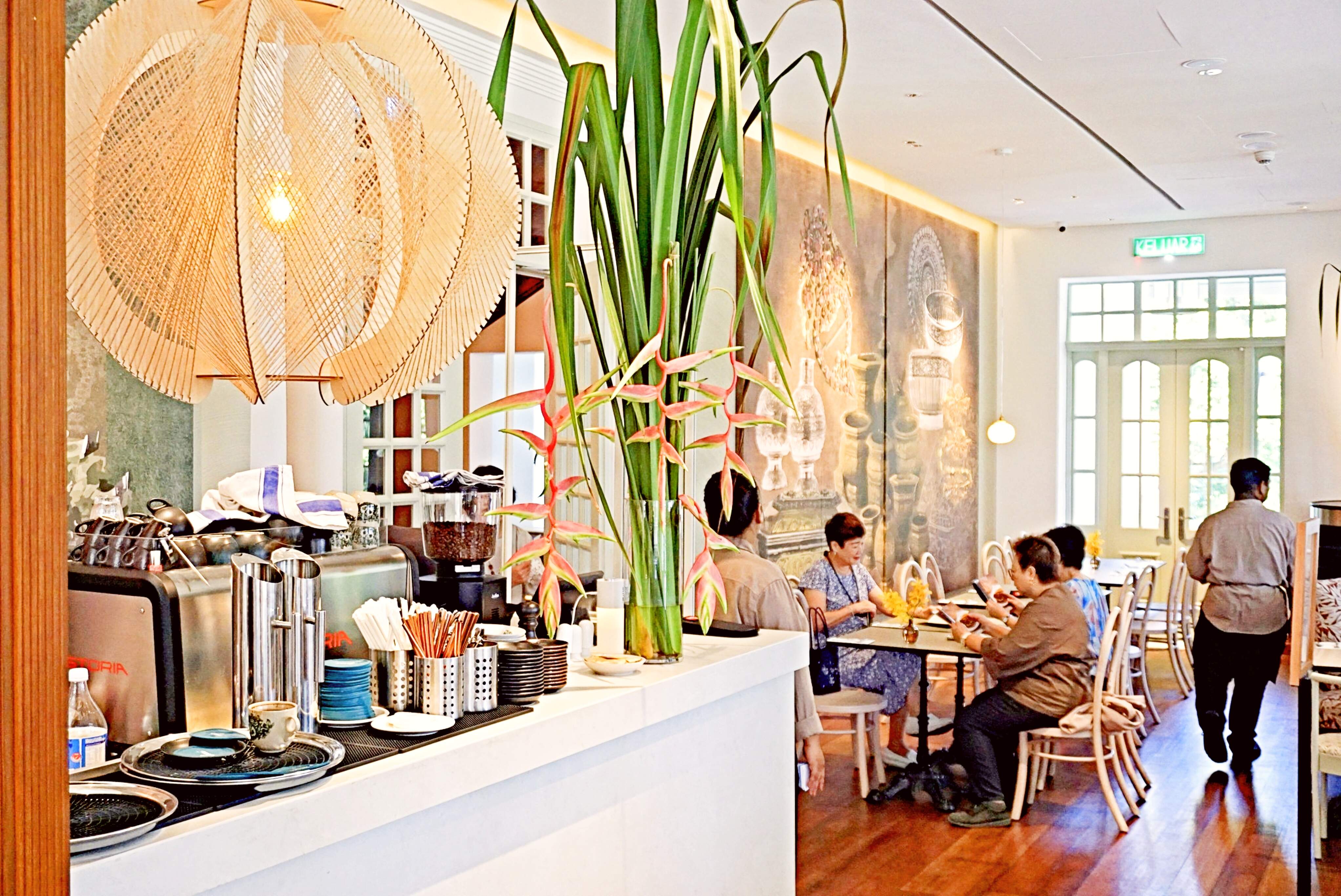
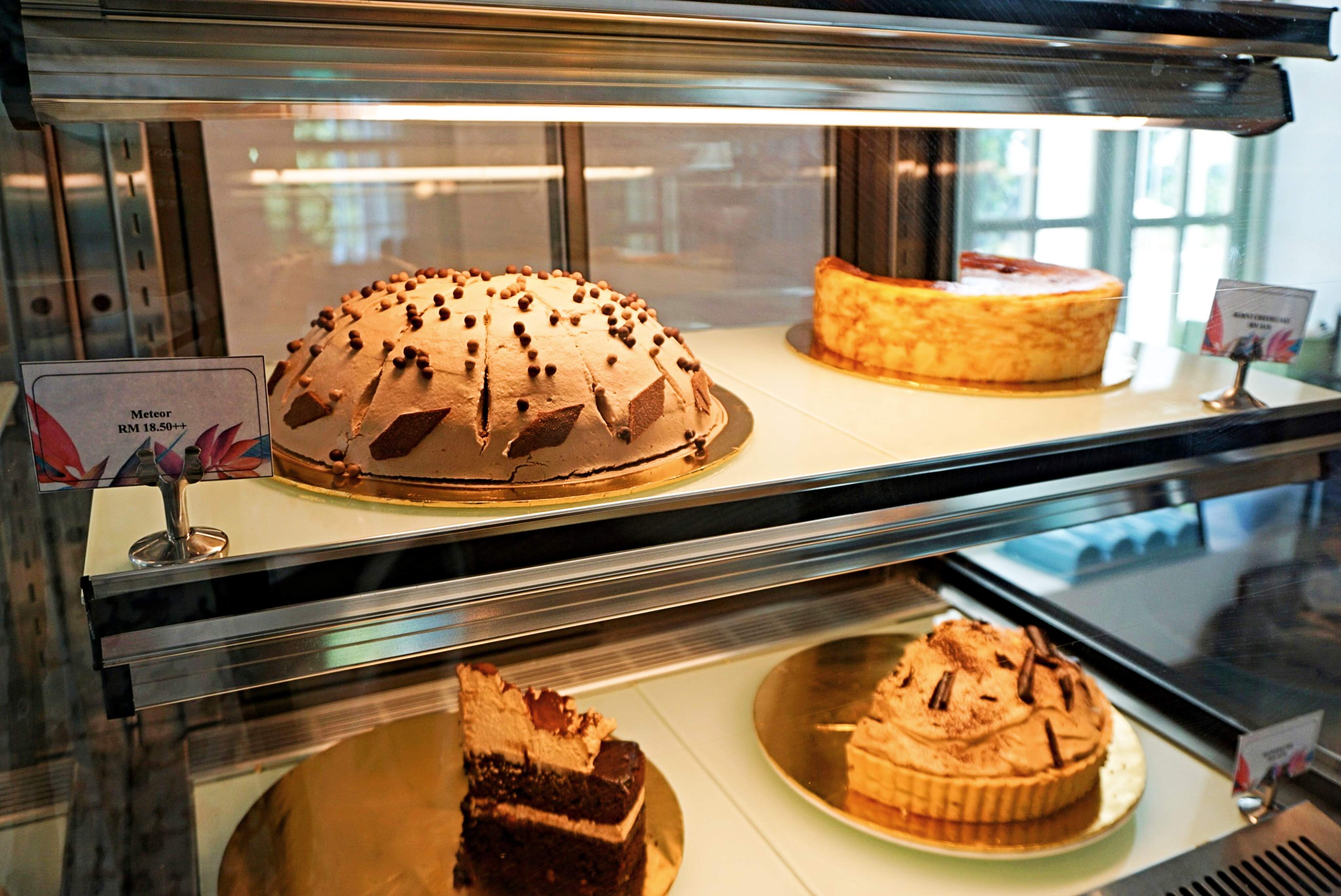
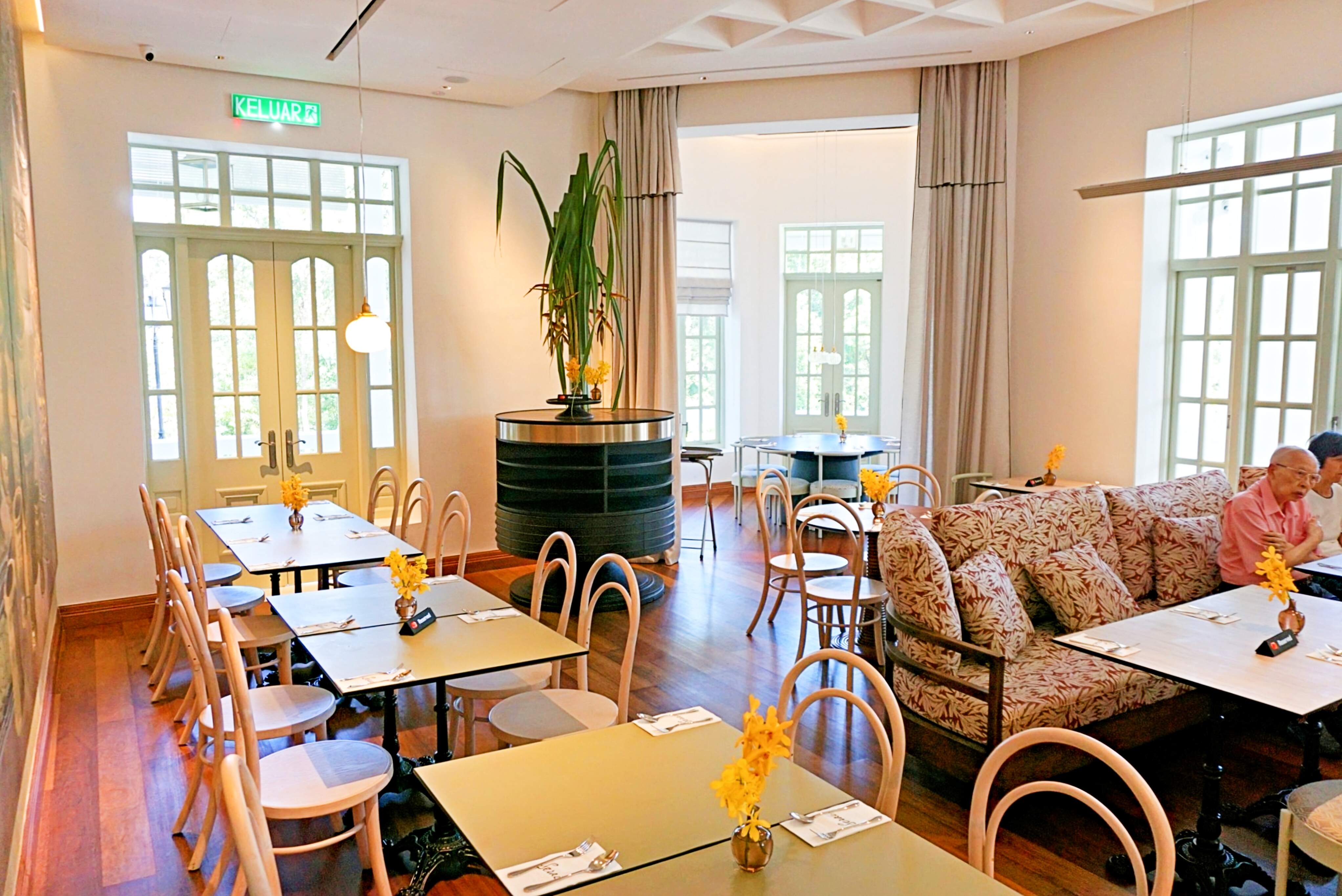
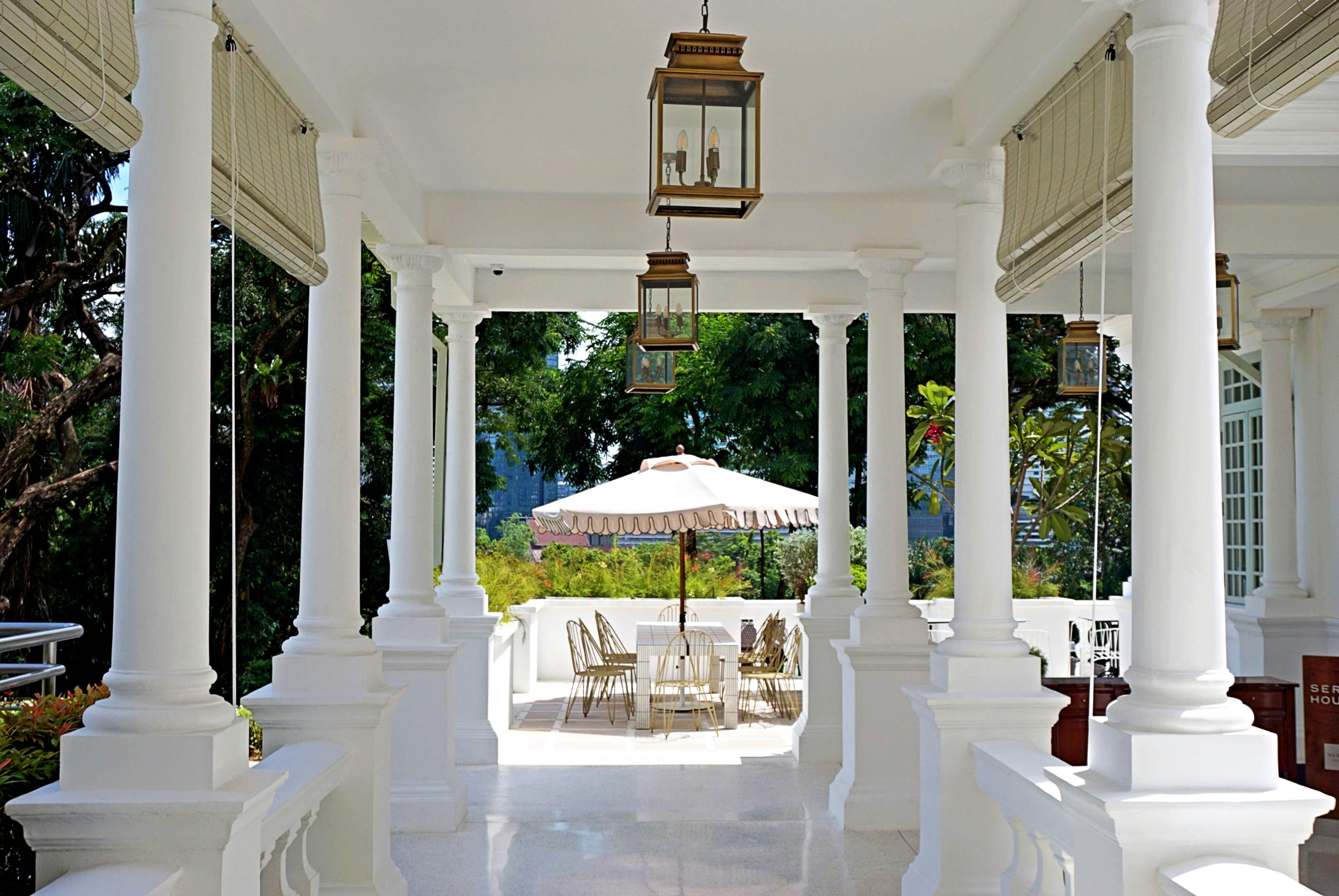
The outdoor areas are actually prettier but one will probably sweat buckets to sit outside under the present hot, humid tropical conditions.

Our orders:
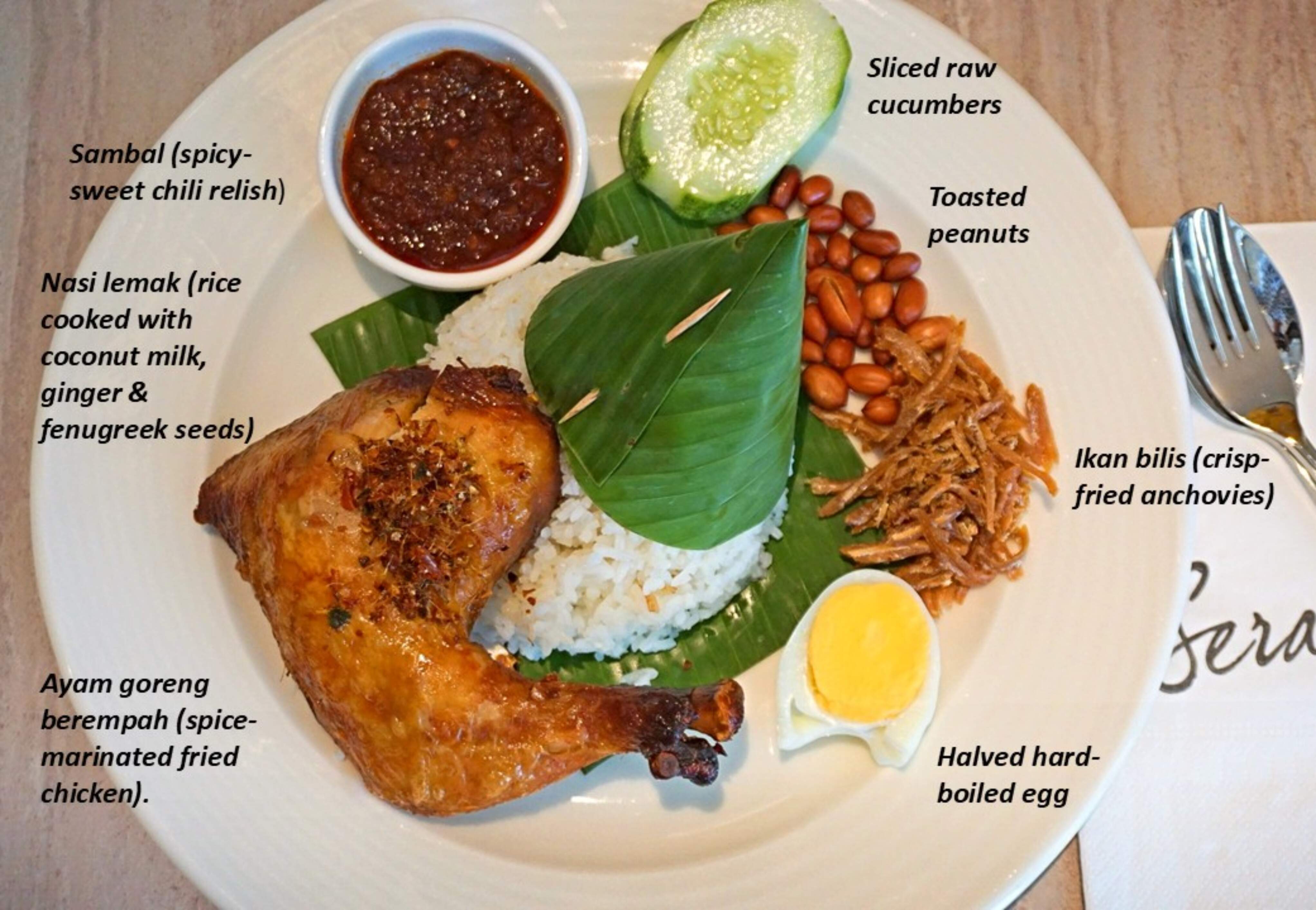
- Nasi lemak with spiced fried chicken - a classic Malay one-dish meal, which can be served at any time of the day: breakfast, lunch, tea-time or dinner!
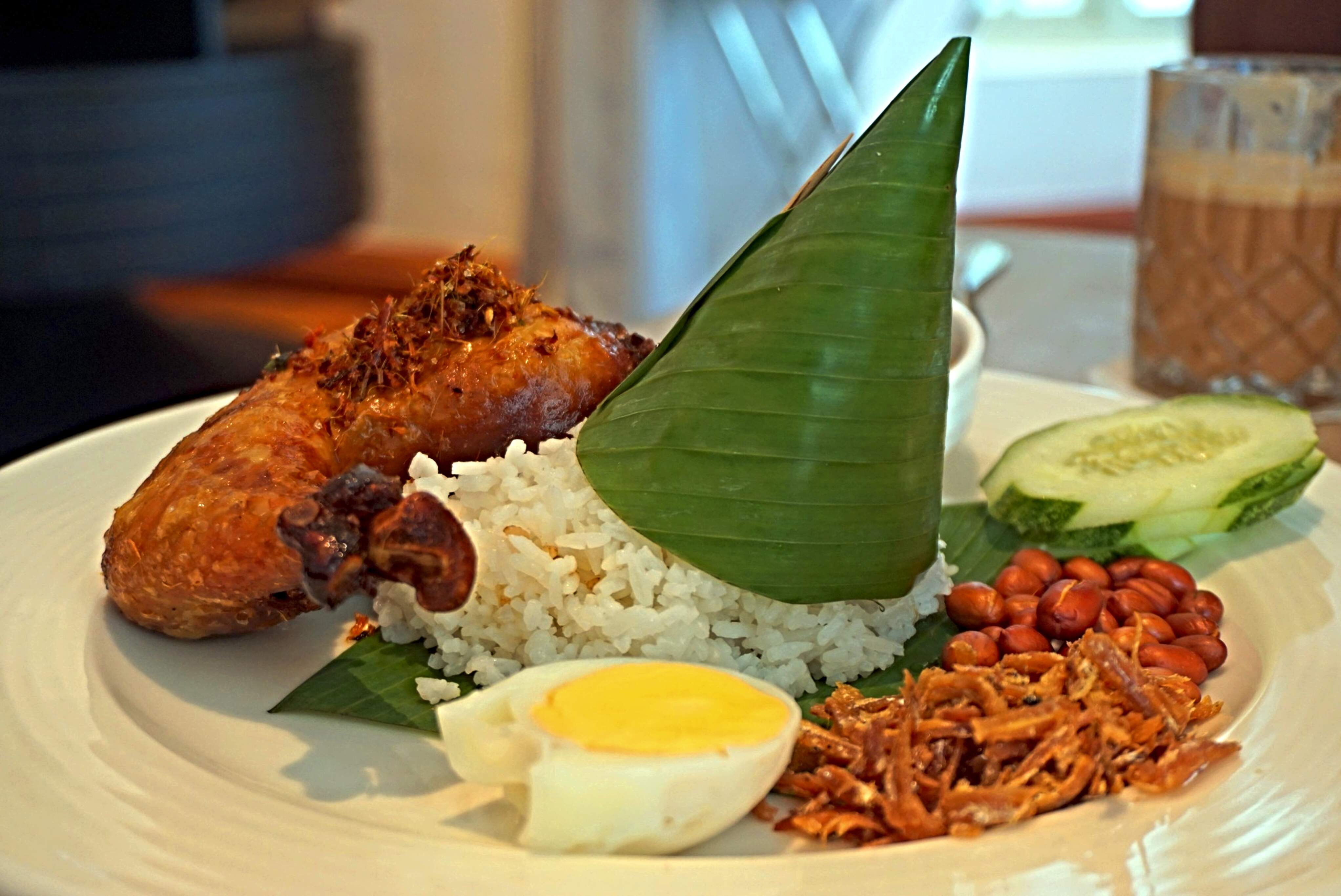
A standard serving of nasi lemak must have all these components, with the fried chicken being a ‘luxury’ add-on.
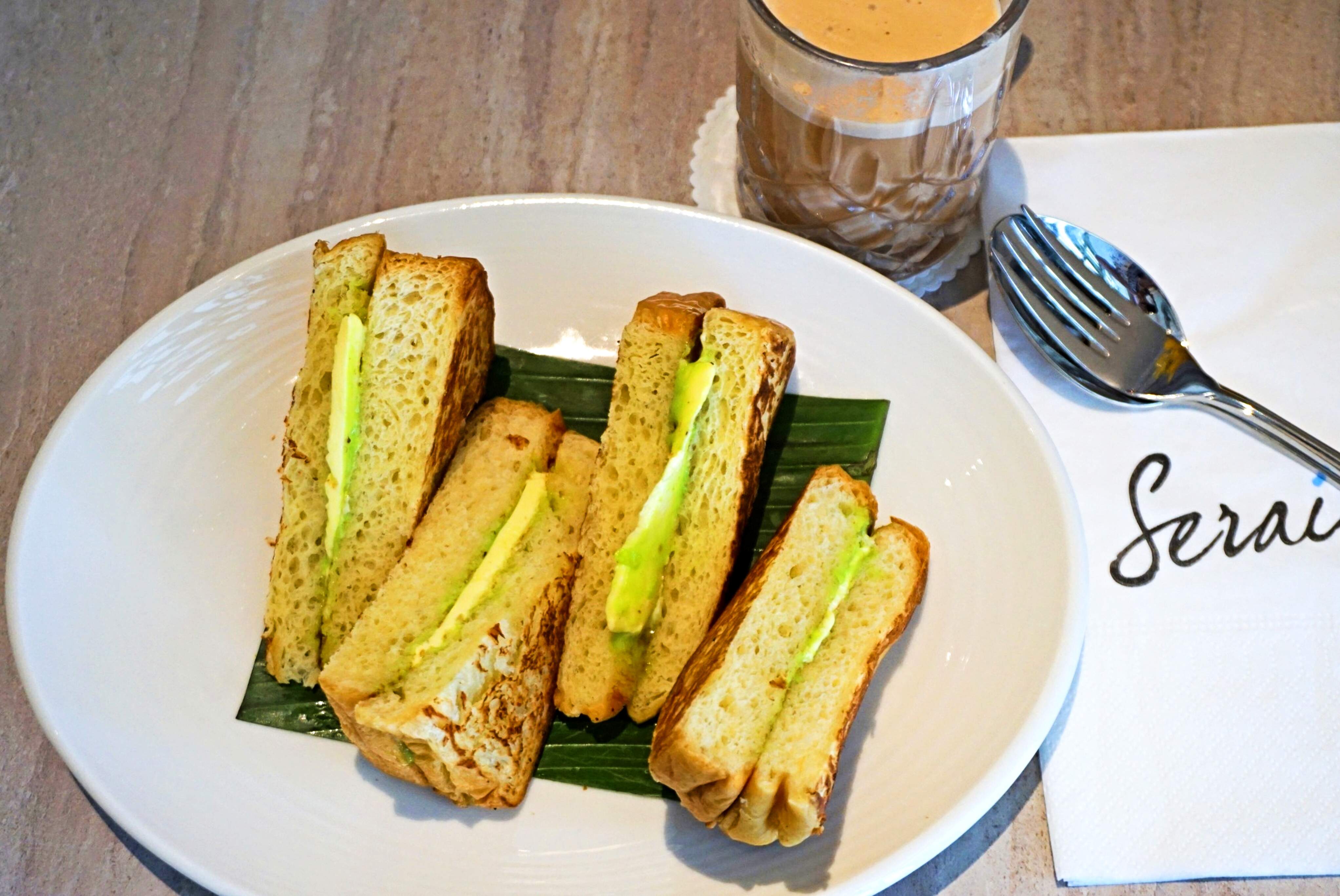
- Kaya-butter toast - a Hainanese-Chinese adaptation of British toast with butter-and-jam, by way of Thailand/Siam. The Hainanese-Chinese had also settled in the Kingdom of Siam in the 19th-century, where they traded in coffee. They slather their breads with Siamese sangkaya bai toey (pandan-flavored egg custard jam) - the Siamese themselves got this from 17th-century Portuguese-Eurasian royal chef, Maria Guyomar de Pinha, who’d adapted it from the Portuguese egg jam, doce de ovos.
The Hainanese-Chinese later came to dominate the culinary landscape of British Malaya and Singapore in the late-19th and early 20th-century - becoming the live-in chefs of the British colonialists, the Malay royalty, and the wealthy Peranakan-Chinese aristocrats. In time, their culinary prowess was such that they are often seen as the best & elite chefs - and image they’d retained in Malaysia and Singapore even up till today.
Through them, the kaya-butter toast became an indispensable feature of the local breakfast.
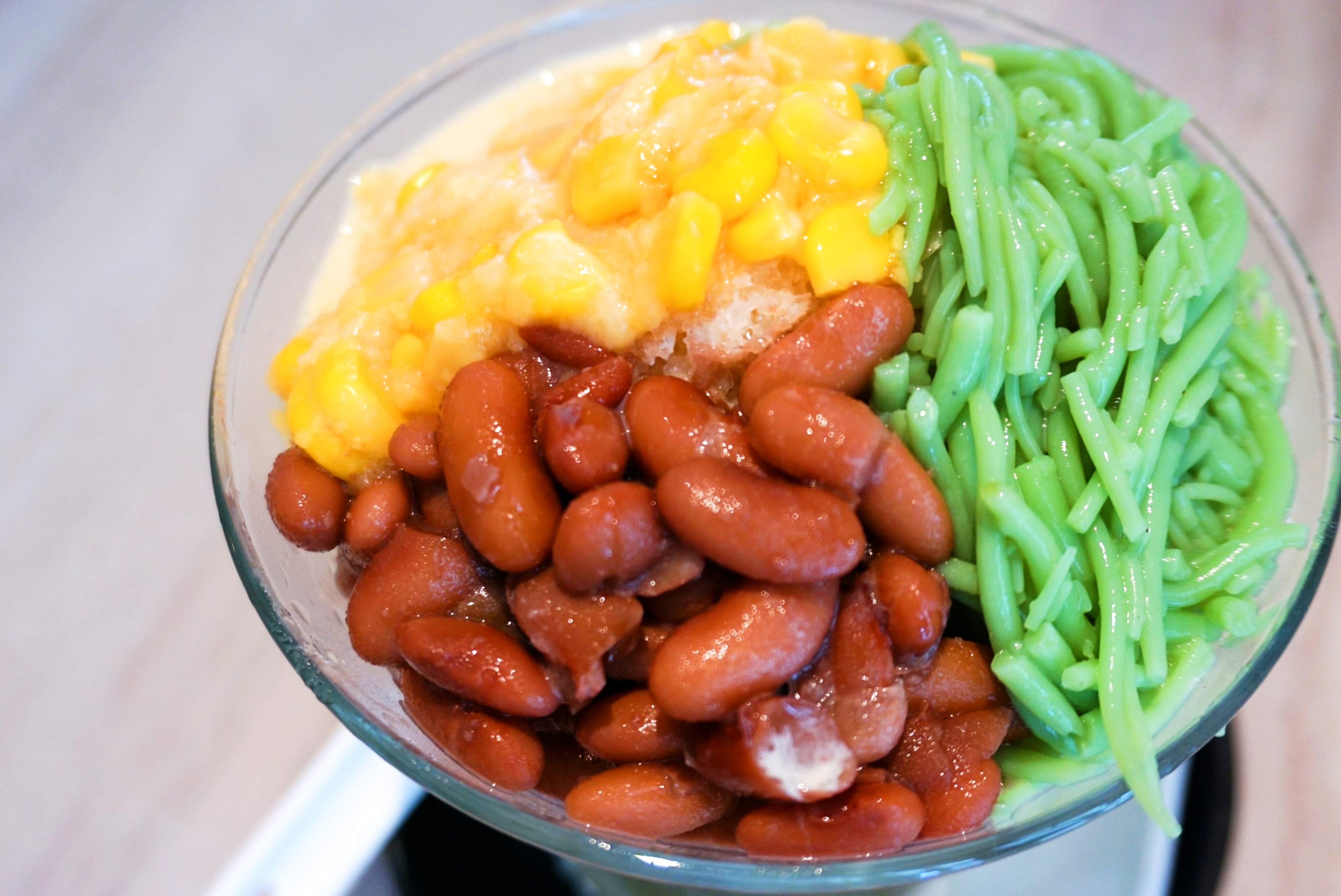
- Cendol - this ubiquitous iced dessert, often seen as “typically Malaysian”, is actually of Javanese origins. Cendol was first mentioned in Kakawin Kresnayana, written by East Javanese royal scribe and poet, Mpu Triguna, from the Kediri Kingdom circa 1104 AD. The local term for the dessert, “cendol,” actually comes from the Javanese word “tjendol,” which means “bulge” or “swell,” referring to the way the sun-dried noodles expand when rehydrated in water.
In its old form, the green noodles were served with coconut milk and palm sugar as a drink. In its modern-day incarnation as an iced dessert, cendol is usually green noodles with stewed red kidney beans, sweet corn kernels and other add-ons for extra flavors and textures, all slathered in chilled coconut milk and palm sugar.

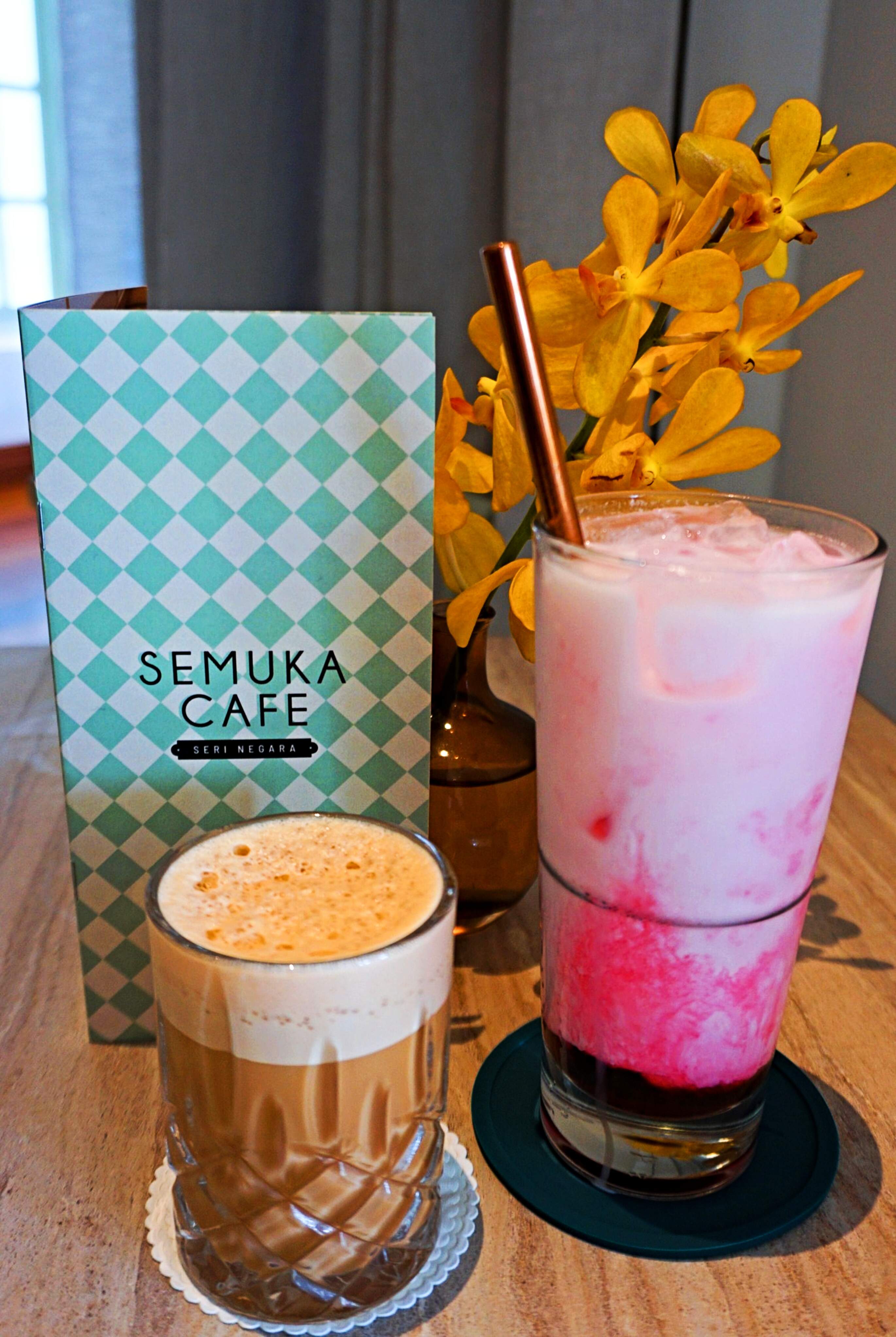
- Iced milk coffee and Bandung - Bandung is a classic Malay/Indonesian chilled drink consisting of milk and rose syrup.
Beautiful spot there.
Address
Semuka Cafe @ Carcosa Seri Negara
Persiaran Tuanku Ja’afar, Perdana Botanical Gardens, 50480 Kuala Lumpur, Malaysia.
Tel: +6011-6295 5377
Opening hours: 9am to 8pm daily


