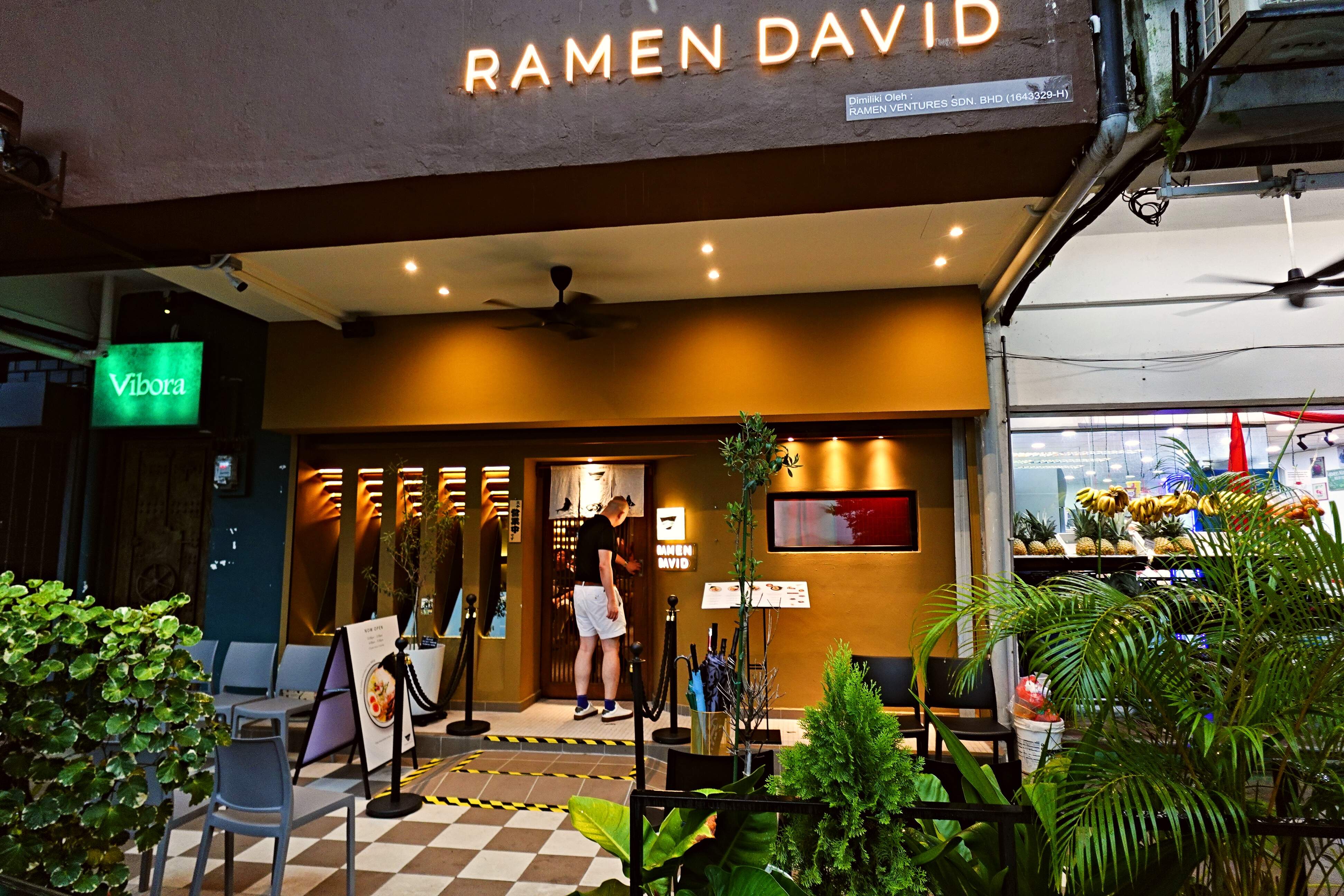
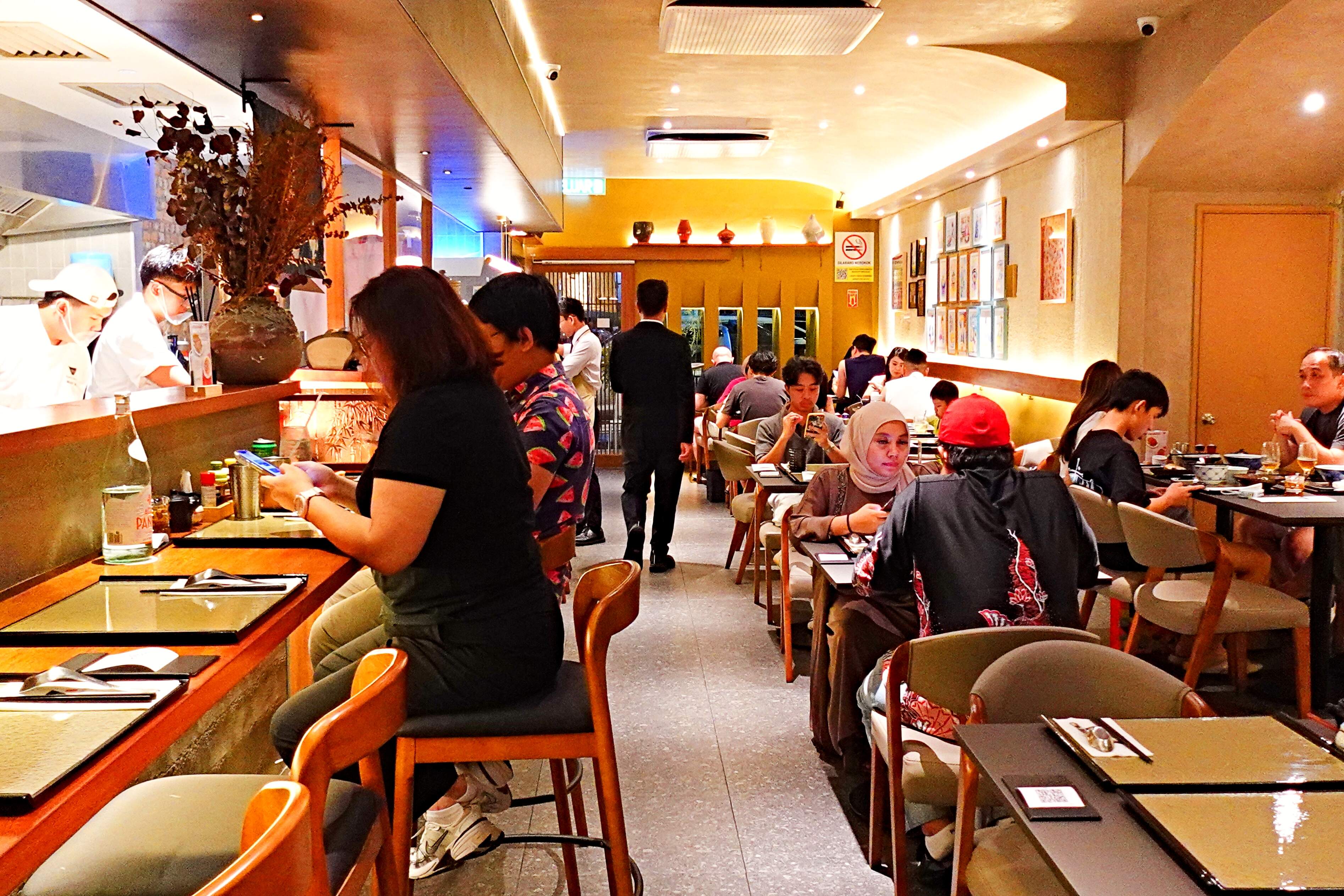
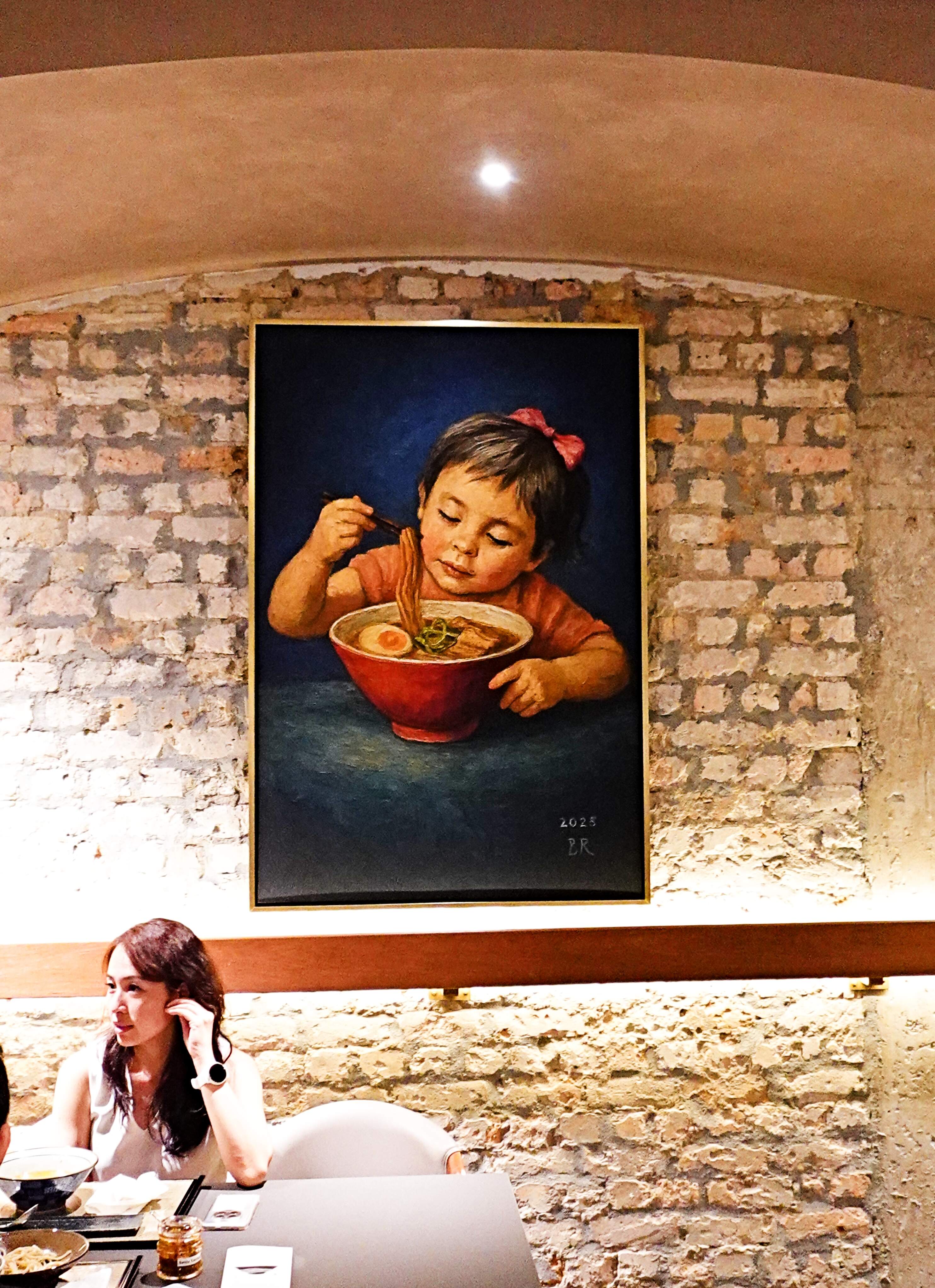
Veteran restaurateur, David Chin, has done it again - this time with an uber-cool, trend-setting ramen bistro that comfortably swaddles a traditional Japanese noodle eatery with sophisticated Gallic service, reminiscent of his 𝗖𝗮𝗳𝗲-𝗕𝗶𝘀𝘁𝗿𝗼𝘁 𝗗𝗮𝘃𝗶𝗱 two doors away.
Nearly four decades ago, David, together with his wife, Maureen Chin, started a small food kiosk in a small neighborhood mall’s food court, offering Western-style soups, roast chicken and gourmet pies. For New Zealand-educated David Chin, it was the culmination of his dream to offer good Kiwi food that he loved from his college days at reasonable prices. 𝗗𝗮𝘃𝗲’𝘀 𝗗𝗲𝗹𝗶, as his kiosk was known as, was an overnight sensation - long queues snaked out of the food court as KL folks couldn’t get enough of its popular spread of offerings, especially Dave’s quarter roast chicken, served with mashed potatoes, peas and gravy.
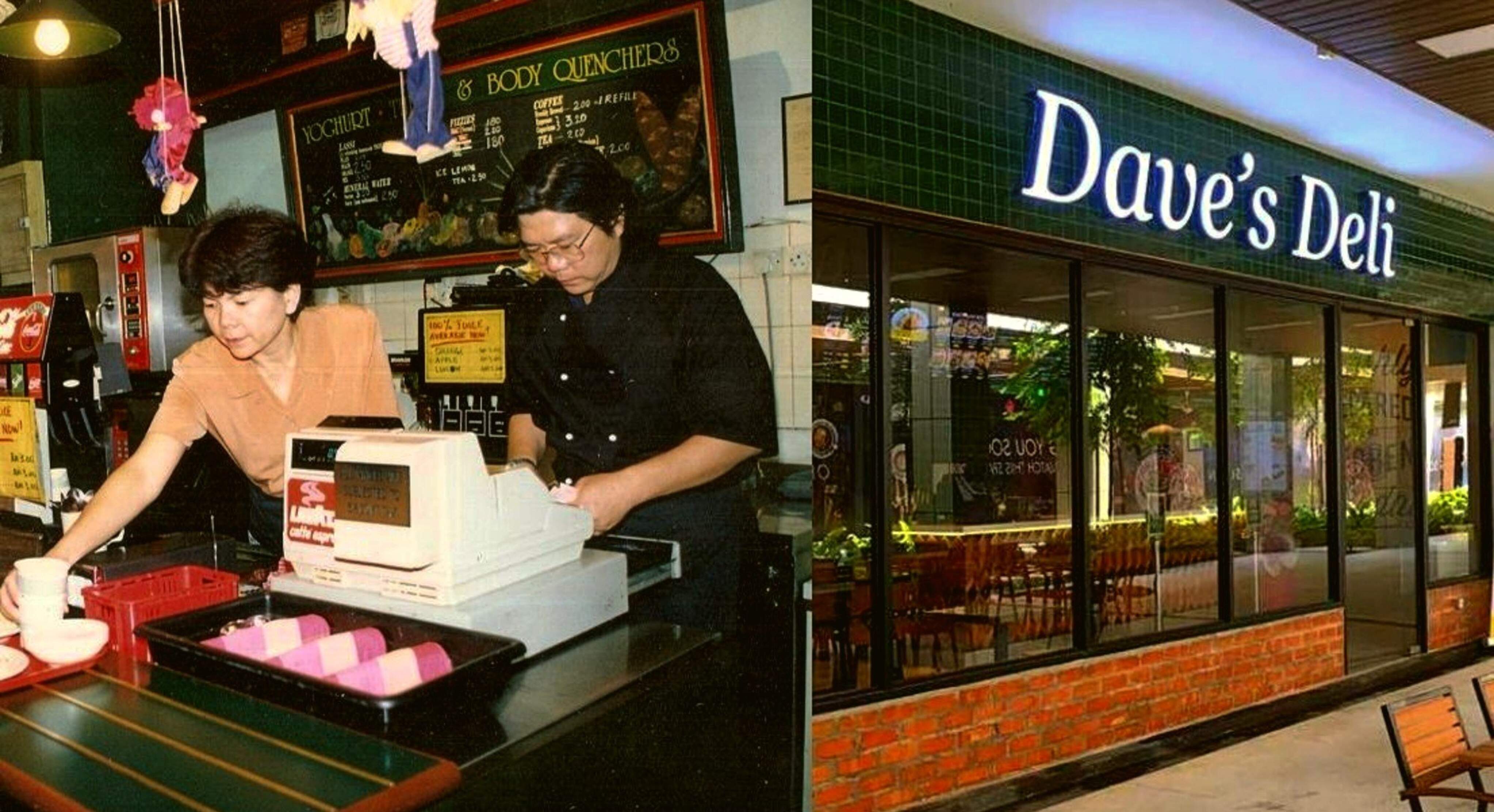
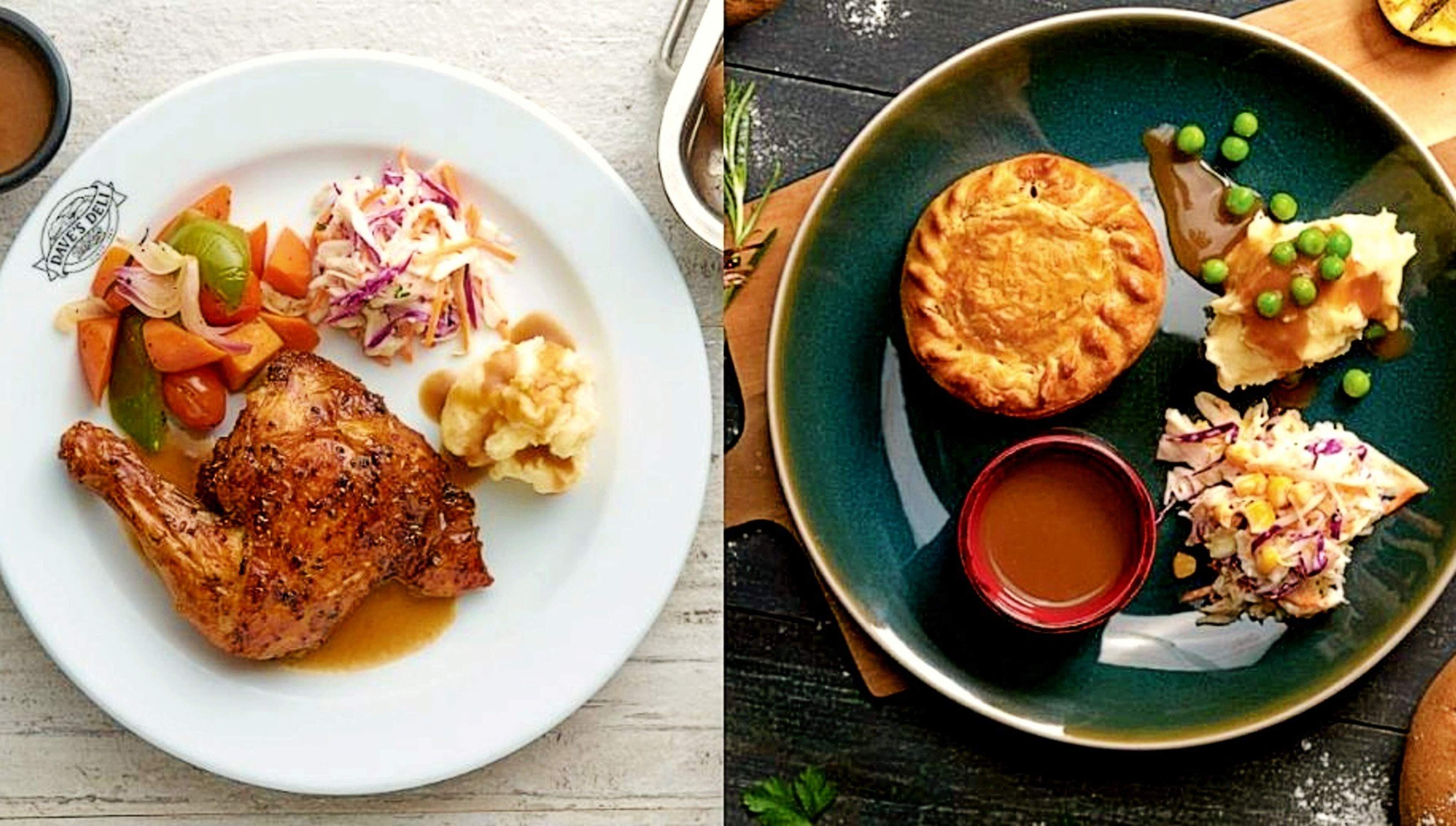
Fast forward to today, where 𝗗𝗮𝘃𝗲’𝘀 𝗗𝗲𝗹𝗶 is an established chain nationwide, whilst Dave Chin has gone on to establish his flagship 𝗖𝗮𝗳𝗲-𝗕𝗶𝘀𝘁𝗿𝗼𝘁 𝗗𝗮𝘃𝗶𝗱 in KL’s swish Taman Tun Dr Ismail neighborhood, which raised the bar and brought casual dining in the Klang Valley to newer heights of excellence. 𝗖𝗮𝗳𝗲-𝗕𝗶𝘀𝘁𝗿𝗼𝘁 𝗗𝗮𝘃𝗶𝗱 is so popular, bookings can run weeks in advance.
One amazing thing about David Chin, a cancer survivor no less, is that - at the age of 74, when most men think they ought to sit back and enjoy life, he had embarked on yet another new culinary adventure. Last year, he went to Osaka to seek out a ramen-making sensei, to learn how to make ramen, and how to concoct a perfect bowl of ramen from scratch! Of course, no Uma Thurman a la Kill Bill kung fu theatrics here, but David Chin did have to wake up at the break of dawn each day and, at the beginning of his training, spend 12 hours a day learning all the ramen-making basics from scratch!
For David Chin, it was a cross-over from his traditional European/Continental cooking background to the nuances of traditional Japanese noodle and broth-making. Also, to make things even more challenging, David Chin had wanted, from the onset, to make his ramen accessible to KL’s large Muslim clientele. So, he substitutes chicken for pork - not easy, as pork contains the fats which is harder to obtain from leaner chicken meat. David boils chicken parts for up to 12 hours in order to obtain an intensely-flavored broth. David also experimented with various condiments to replace the alcoholic elements in the seasoning, in keeping with his Muslim-friendly approach.
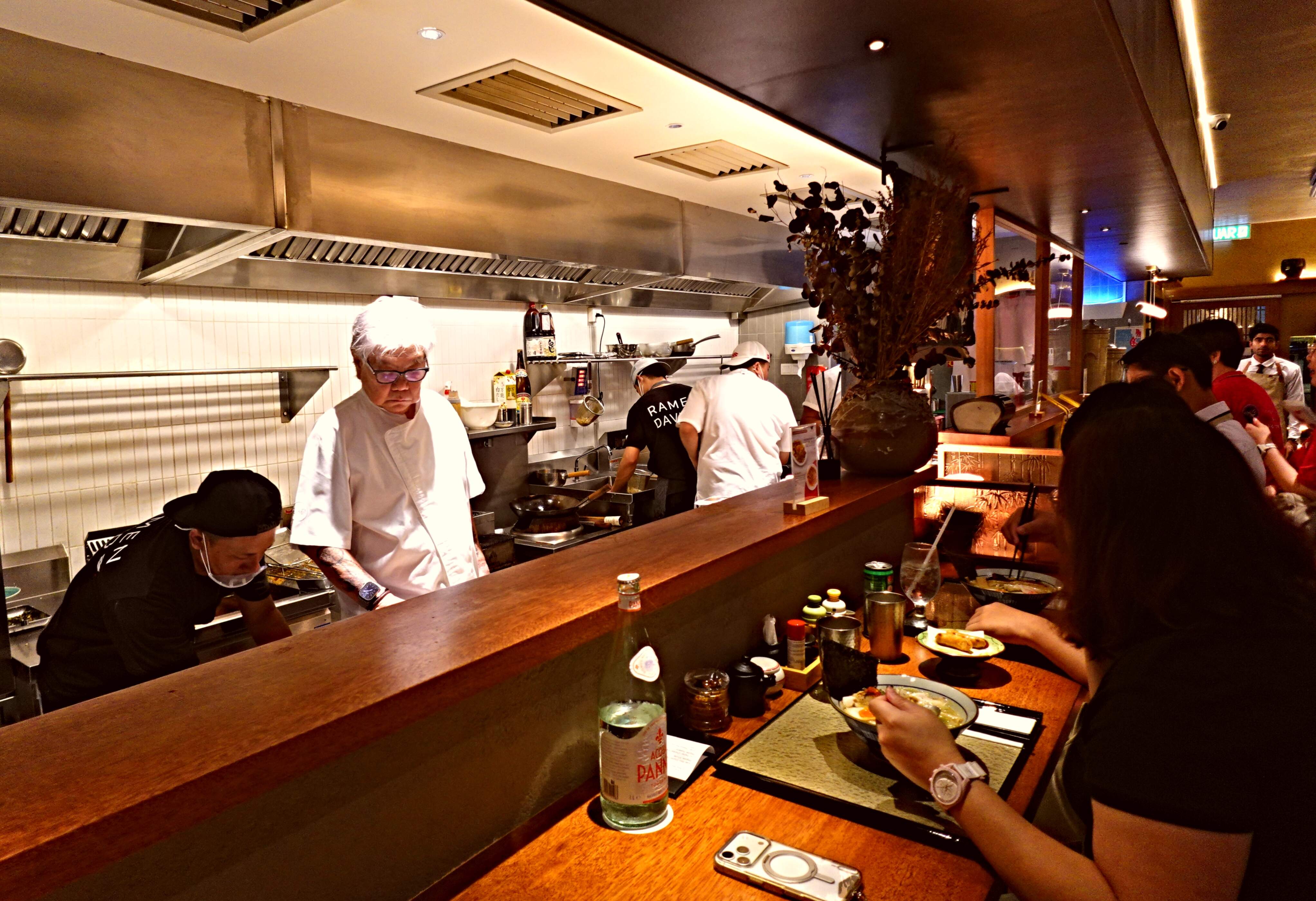
After more than a year of relentless research and tweaking in search of perfection, Ramen David finally opened its doors on January 10, 2026 - to an eager, expectant dining crowd who are used to David Chin’s reputation for excellence and authenticity. Queues were daunting in the first month, as everyone wanted to see if David can do for Japanese what he did for Antipodean pies, roasts, soups & sandwiches.
We were in Kuala Lumpur last weekend to catch the launch of Kuala Lumpur Festival 2026, and couldn’t resist dropping by Ramen David for dinner. Honestly speaking, I am one of those who are not a fan of Japanese ramen but, oh boy, if every bowl of ramen is as good as the ones we tasted here, I can easily live on this every day!
What we had:
- Kaki Shio (Oyster Ramen) - ramen noodles in a chicken paitan and gyokai seafood broth, enriched with oyster puree, then finished off with shio tare and chicken niboshi fragrant oil.
Paitan broth (“white broth”) is rich and creamy. It gets its opaque, milky appearance from rapidly boiling animal carcass/bones (chicken, in the case here) at high heat for 12 hours. This rapid boiling process forces the fat and bone gelatin to emulsify, and the resultant broth will be richer and creamier.
David then blends his chicken paitan broth with the “gyokai” broth. Gyokai (Japanese: 魚介) comes from the words “gyo” meaning fish, and “kai” meaning shellfish, and translates to mean “fish and shellfish”, or simply “seafood”. Here at Ramen David, crab, scallops and clams were added to the fish bones and dried fish during the cooking process. The result was an umami flavor explosion of Atlantean proportions.
The garnishes here included an amazing chicken chashu - my first time tasting it, and it was an absolute triumph. An absolute energy-sapping process to make “chashu” out of chicken instead of the usual pork. I’m in thrall that Ramen David’s kitchen actually went to that extent, so that their customers - Muslims or otherwise - get to savor this dish in its full manifestation.
Other garnishes in there included a wafer-thin slice of sous vide chicken breast - smooth as butter, a flavorsome ajitama egg (gently-boiled egg, slightly molten-centred, then marinated in soy sauce, mirin, and sake), kamaboko fish cake, Beech mushroom, pea sprouts, chopped negi (green scallions) and a leafy, black nori seaweed.
It was one of those bowls of noodles that was so good, you never want it to end.
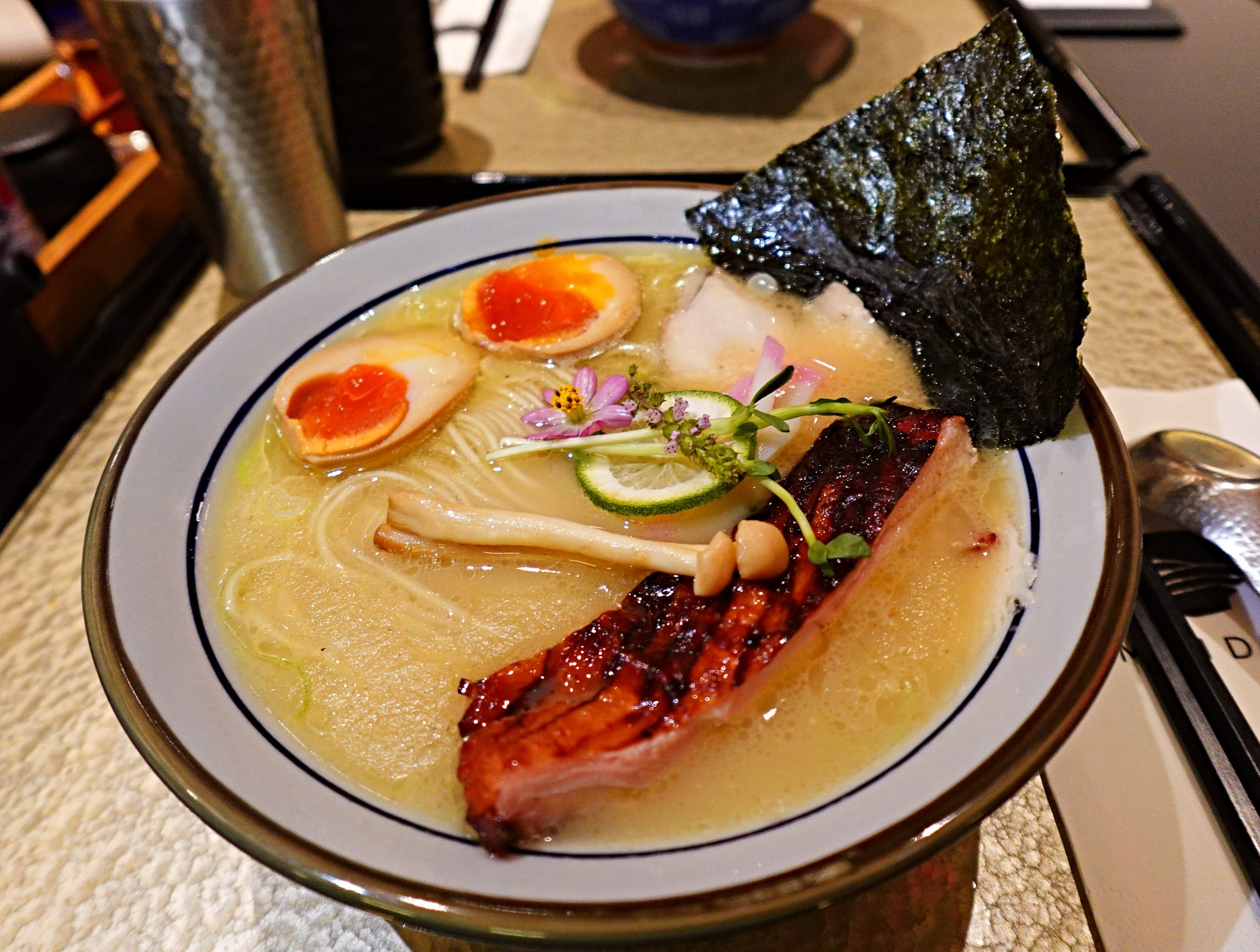
- Tori Paitan (Chicken Ramen) - this popular version also utilizes the rich, creamy 12-hour chicken broth, infused with rishiri kombu, a premium quality kelp from northern Hokkaido, particularly prized for producing a clear, aromatic dashi broth.
The addition of shio tare (sea salt with condiments like mirin, sake, kombu/kelp, katsuobushi/bonito flakes & vinegar) and niboshi fragrant oil (made from dried baby sardines) further add to the complexity of the broth.
What I particularly enjoyed here is the texture of the noodles: supple & firm, yet yielding with each bite. The broth here, like for the kaki shio had clearly defined flavors, and a light, clean after taste, unlike the heavy, collagenic ramen broths we usually encounter. This is really excellent ramen like I’d never encountered here before. Such meticulousness and attention to the minute details.
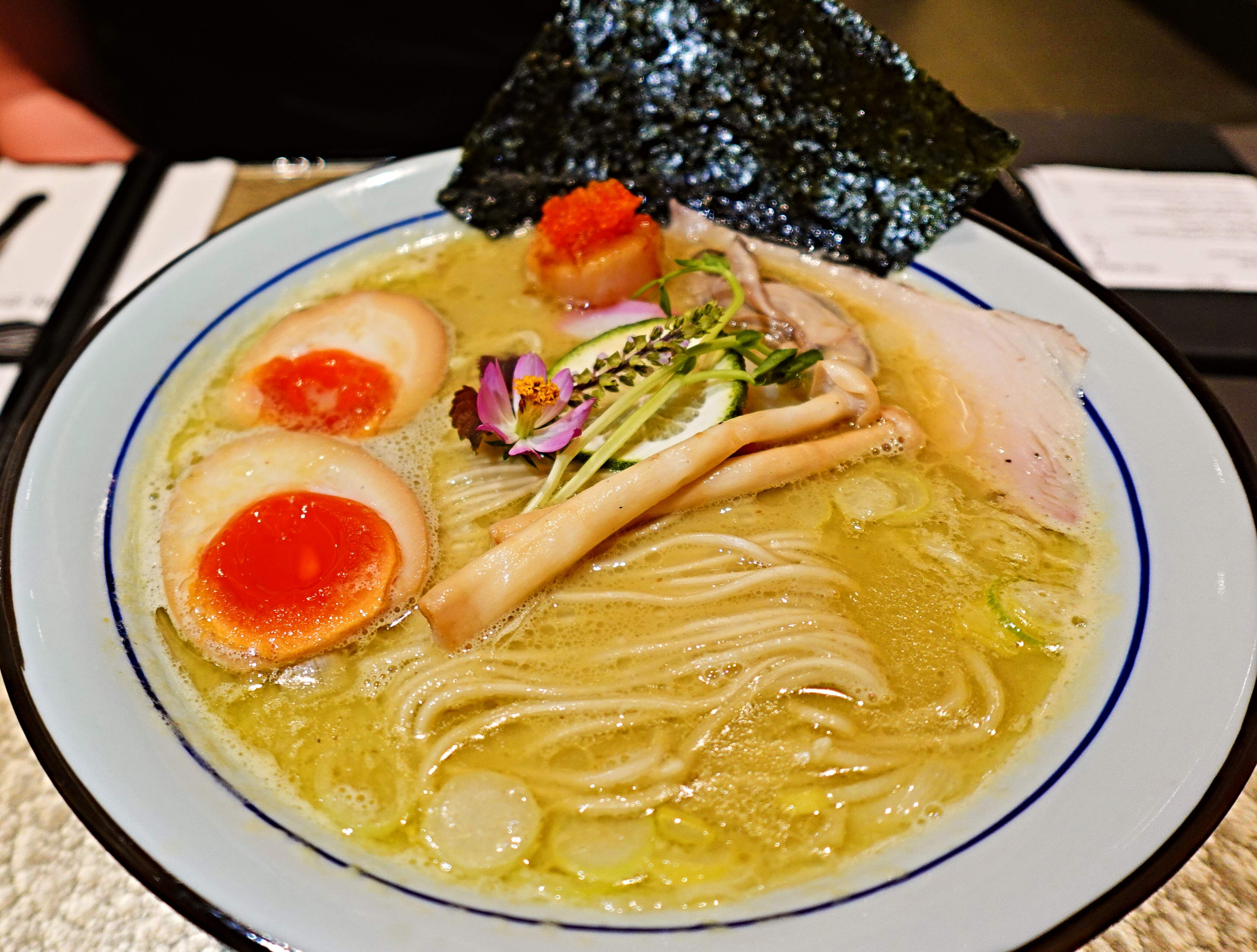
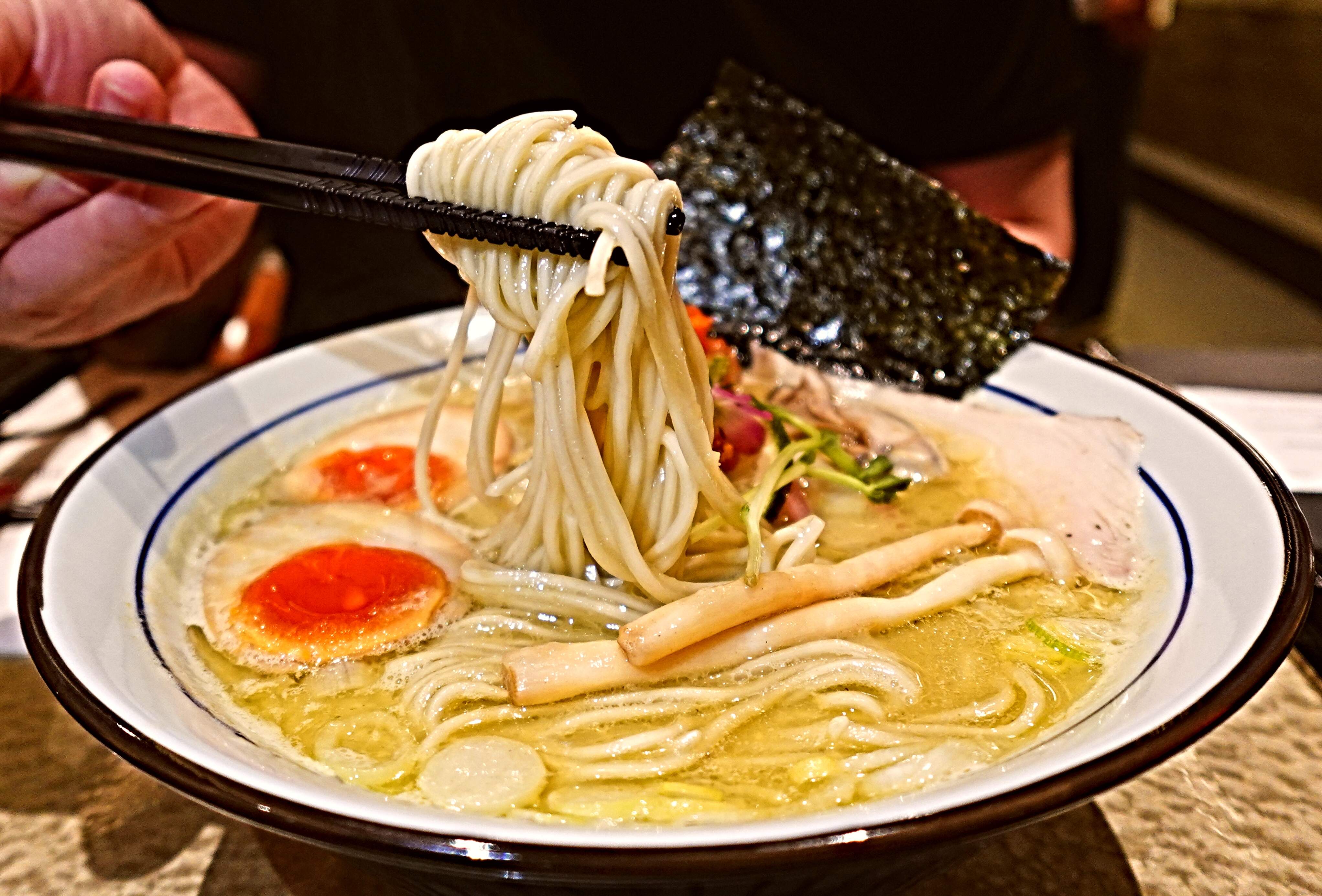
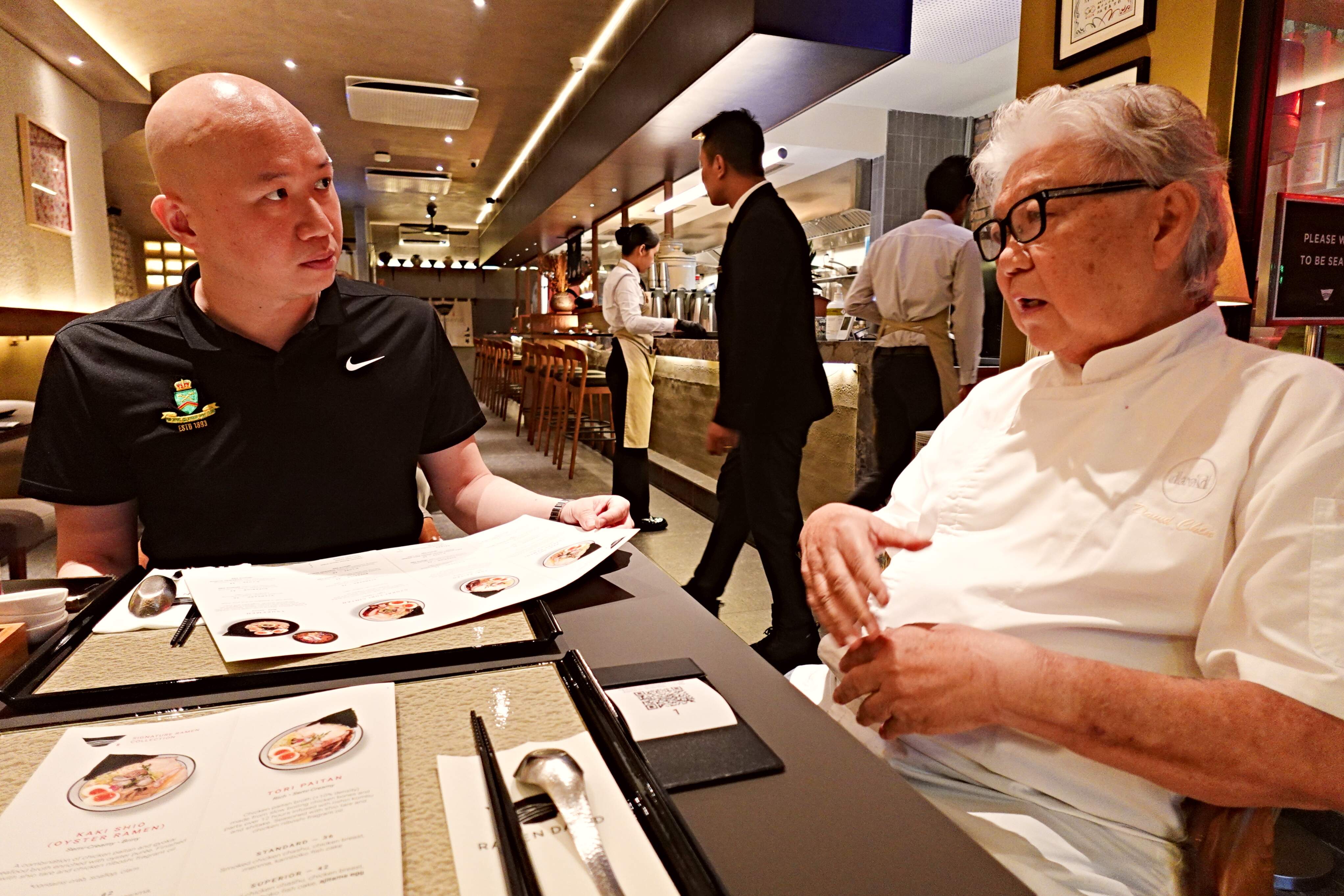
- And just when we thought it couldn’t get any better, David Chin himself appeared, and offered us a sneak preview of his about-to-be-launched Lobster & Sea Tiger Prawn Ramen. Needless to say, we were overwhelmed by the sheer luxuriousness of the sweet-fleshed crustaceans on ramen. Who could have guessed a humble bowl of noodles in clear soup can be elevated to such heights of flavor and delicacy. Here, the golden-hued broth took on a seductive bisque-like quality - you have a sip of this, and it’ll spoil any other broths or soups you’re going to have for a good time to come.


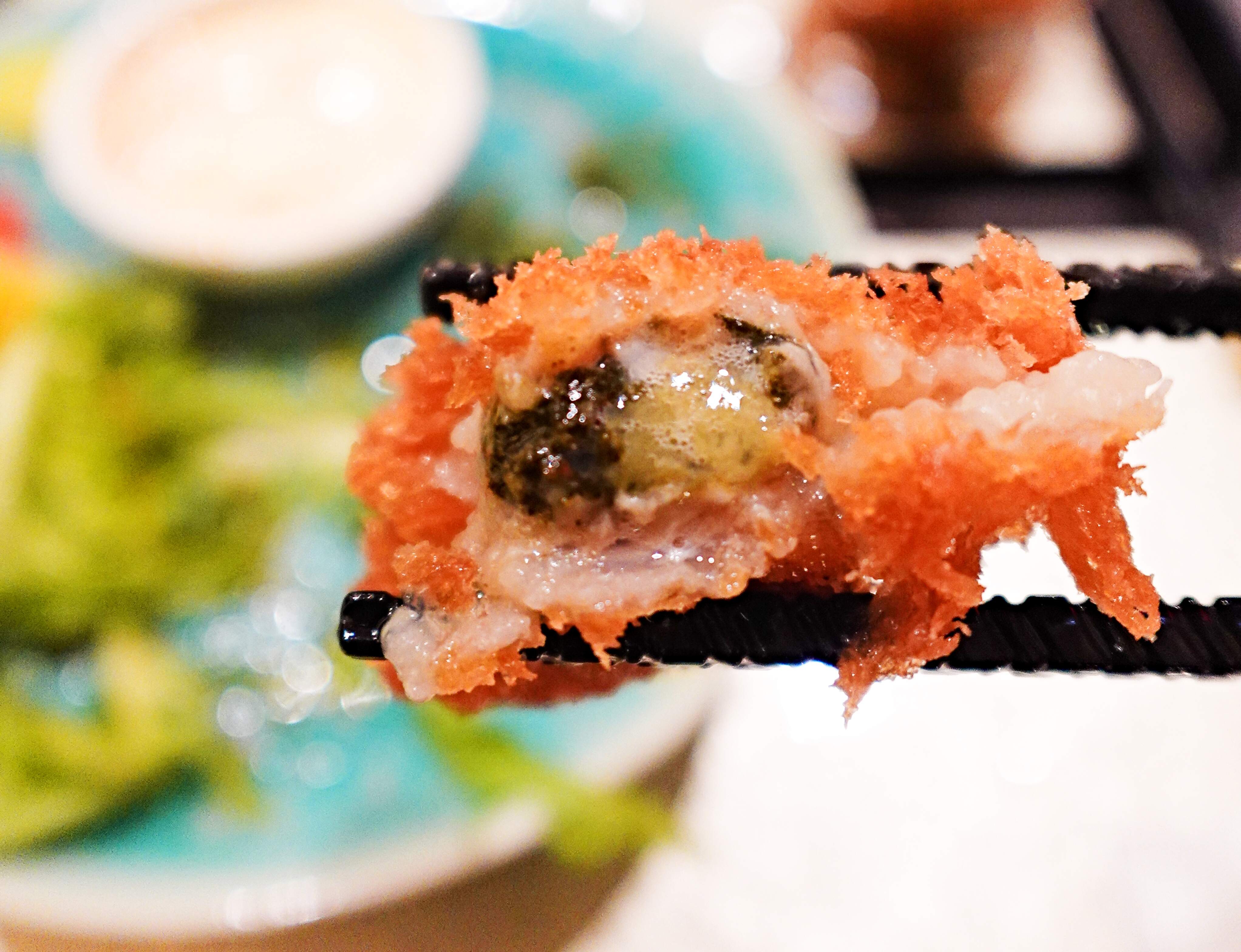
- Arabiki Chicken-Cheese Sausages, and Kaki Furai (panko-breaded, deep-fried oysters) These are both very good sides, served with a selection of Japanese pickles, frisée/curly endive leaves, and a creamy house-made sauce which tasted like a cross between tartare sauce and Thousand Island dressing, with finely-chopped pickles & hard-boiled egg, dusted with smokey paprika and a sprinkling of toasted black sesame seeds.
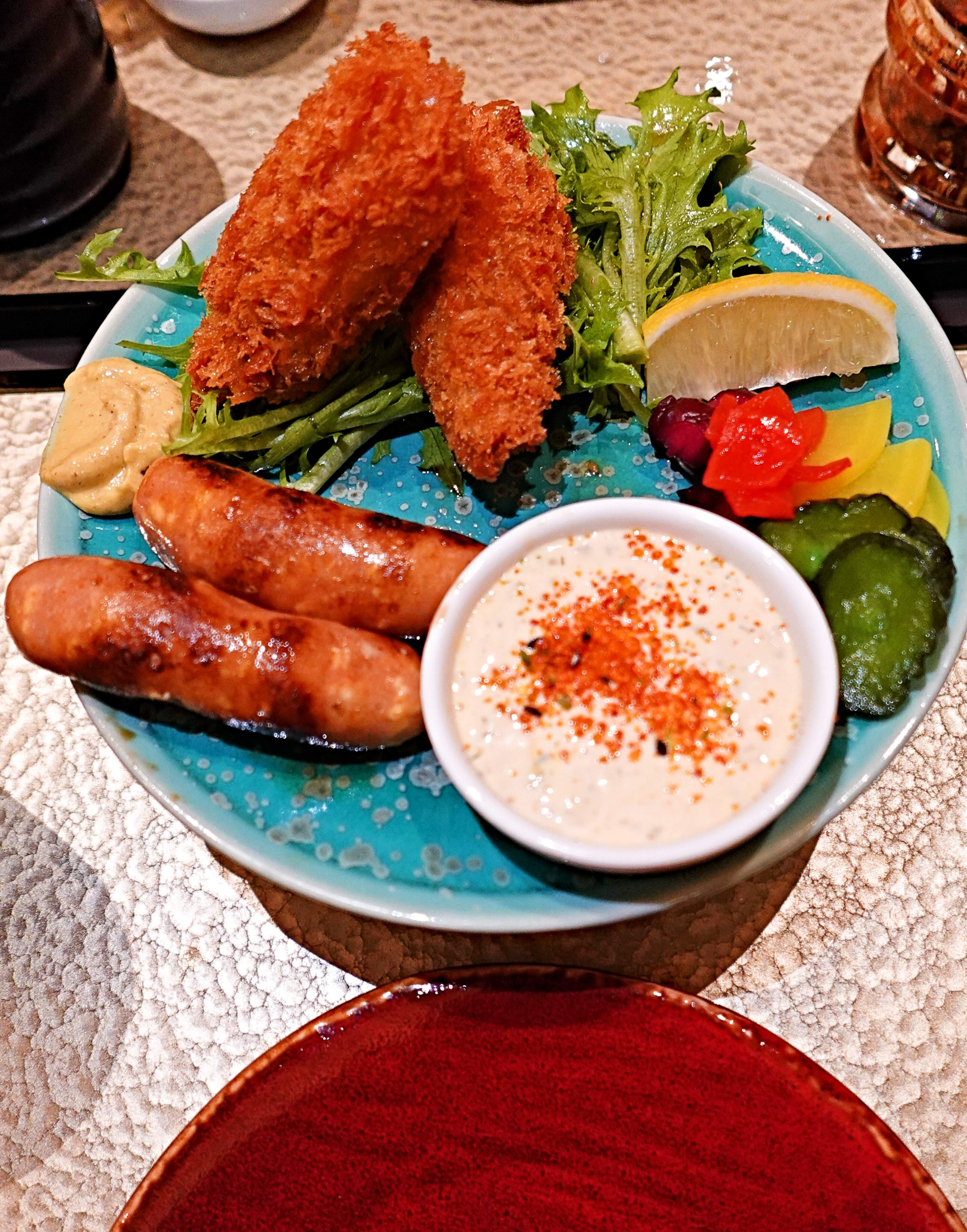
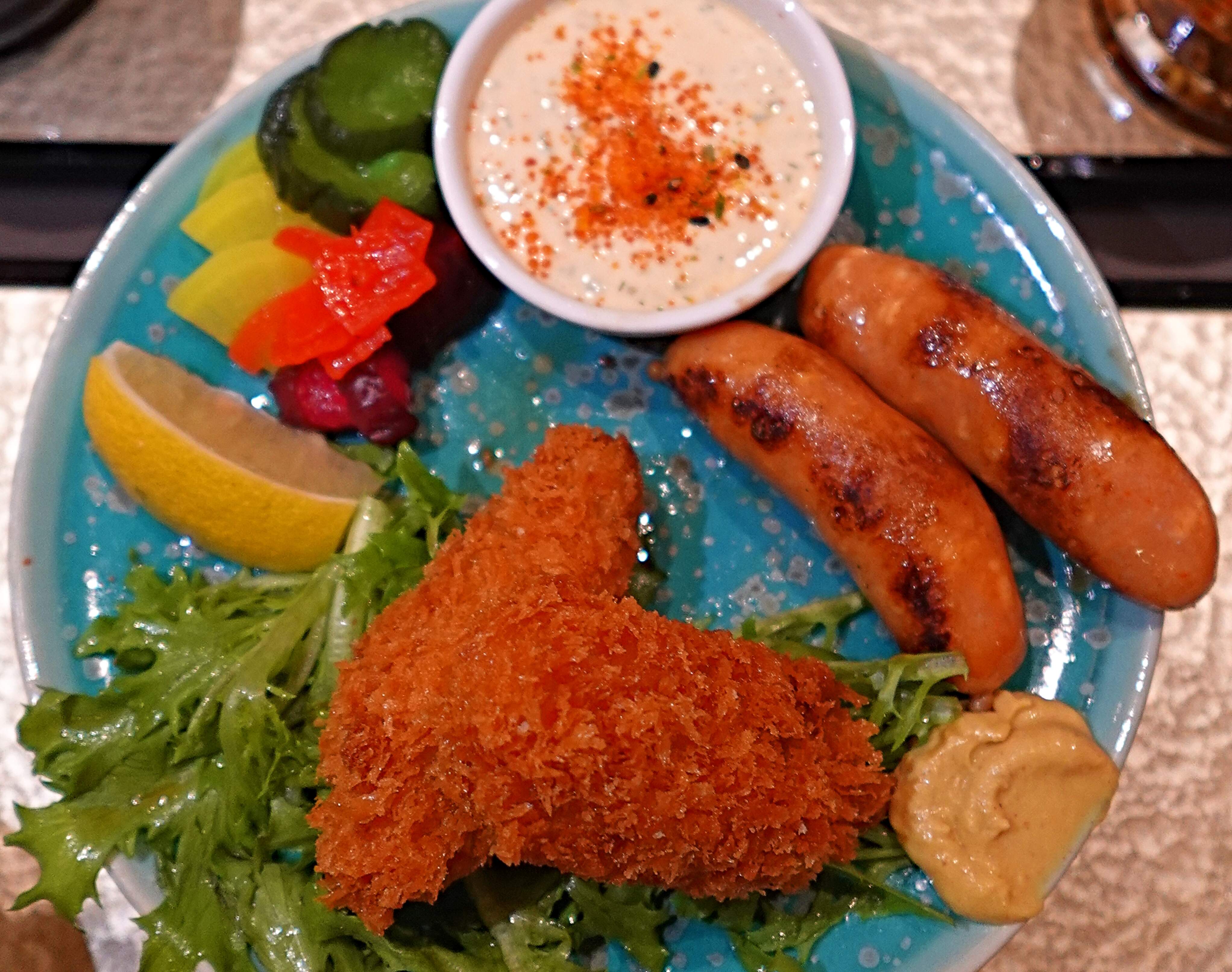
Kaki Furai (panko-breaded, deep-fried oyster)
- We were simply too full, but could not resist sharing a Daifuku (filled mochi) tasting platter.

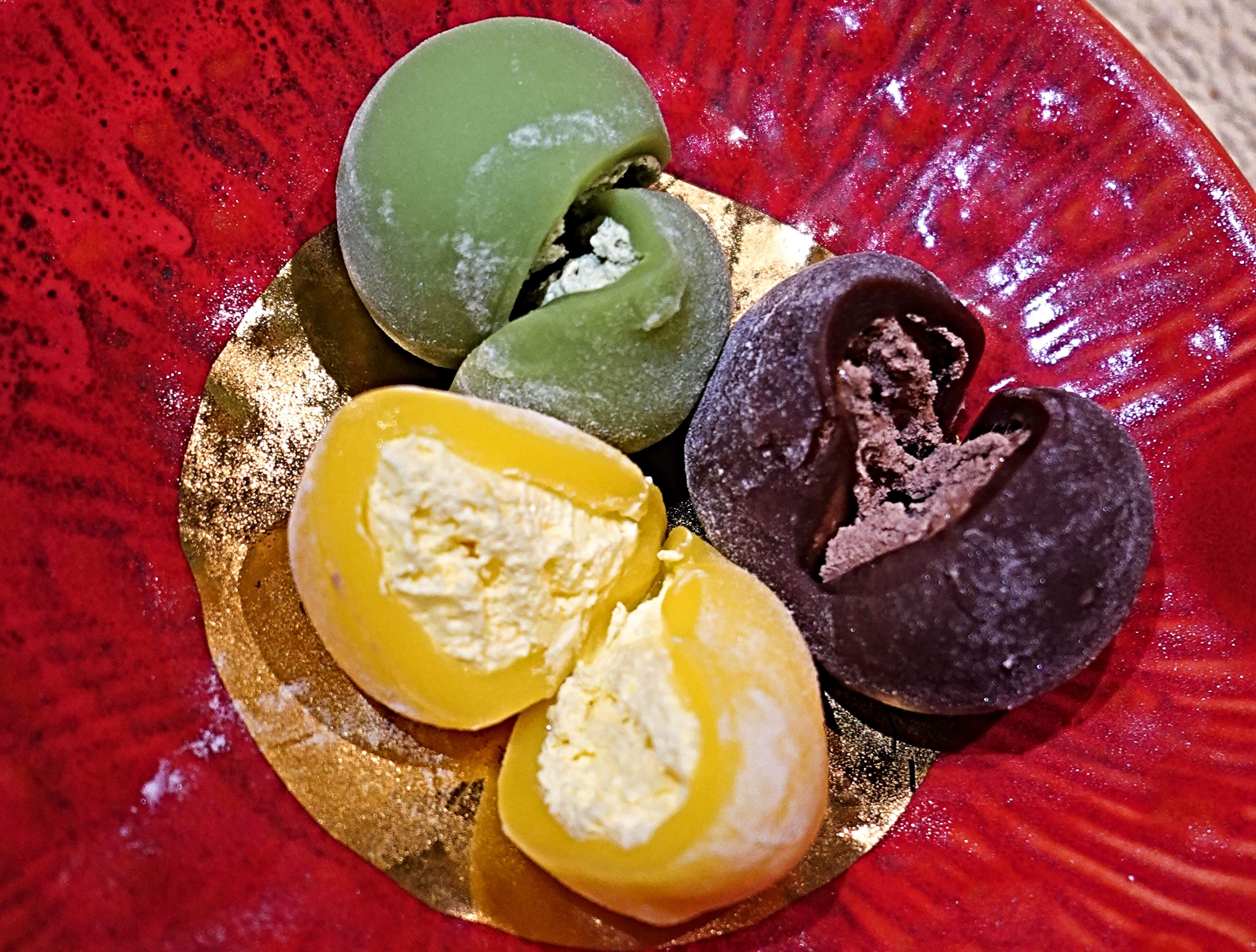
This restaurant is an absolute triumph. David Chin, in a recent interview with a local newspaper, announced that Ramen David will absolutely be his last new venture, and one which unequivocally pays tribute to his love for noodles - any form of noodles, be they Chinese, Japanese or European. But, I say, never discount such a driven man, one forever filled with joie de vivre. It’s anybody’s guess what David Chin can come up with next!
Address
Ramen David
139, Jalan Aminuddin Baki, Taman Tun Dr Ismail, 60000 Kuala Lumpur, Malaysia
Tel: +6017-301 9600
Opening hours: 12pm - 2.30pm, 6pm - 9.30pm daily, except Tuesday.

