Limapulo Terrace (opened Jan 2025) on Jalan Tong Shin in Bukit Bintang is an offshoot of the well-established Limapulo: Baba Can Cook (Est. 2013) by the late John Tan Kim Chye (better-known by his legion of fans as “Uncle John”) and his business partner, Alan Yun.
“Limapulo” is Malay for “50”, referring to the address of its original outlet on 50, Jalan Doraisamy (next to Sheraton Imperial Hotel Kuala Lumpur). “Baba Can Cook”, of course, referred to Uncle John himself - his rendition of the Nyonya laksa won him the title of “Best Curry Laksa in the Klang Valley” by The Star People’s Food Awards back in 2015.
Limapulo: Baba Can Cook’s famous laksa noodles is of Malaccan Nyonya origins - the same pedigree as Singapore’s popular Katong laksa (which is adapted from Malaccan Nyonya laksa), sharing the same taste profile. Uncle John’s wife was, of course, Florence Tan, one of Malaysia’s most famous Malaccan Nyonya food media personalities, and a prominent Nyonya cookbook writer.
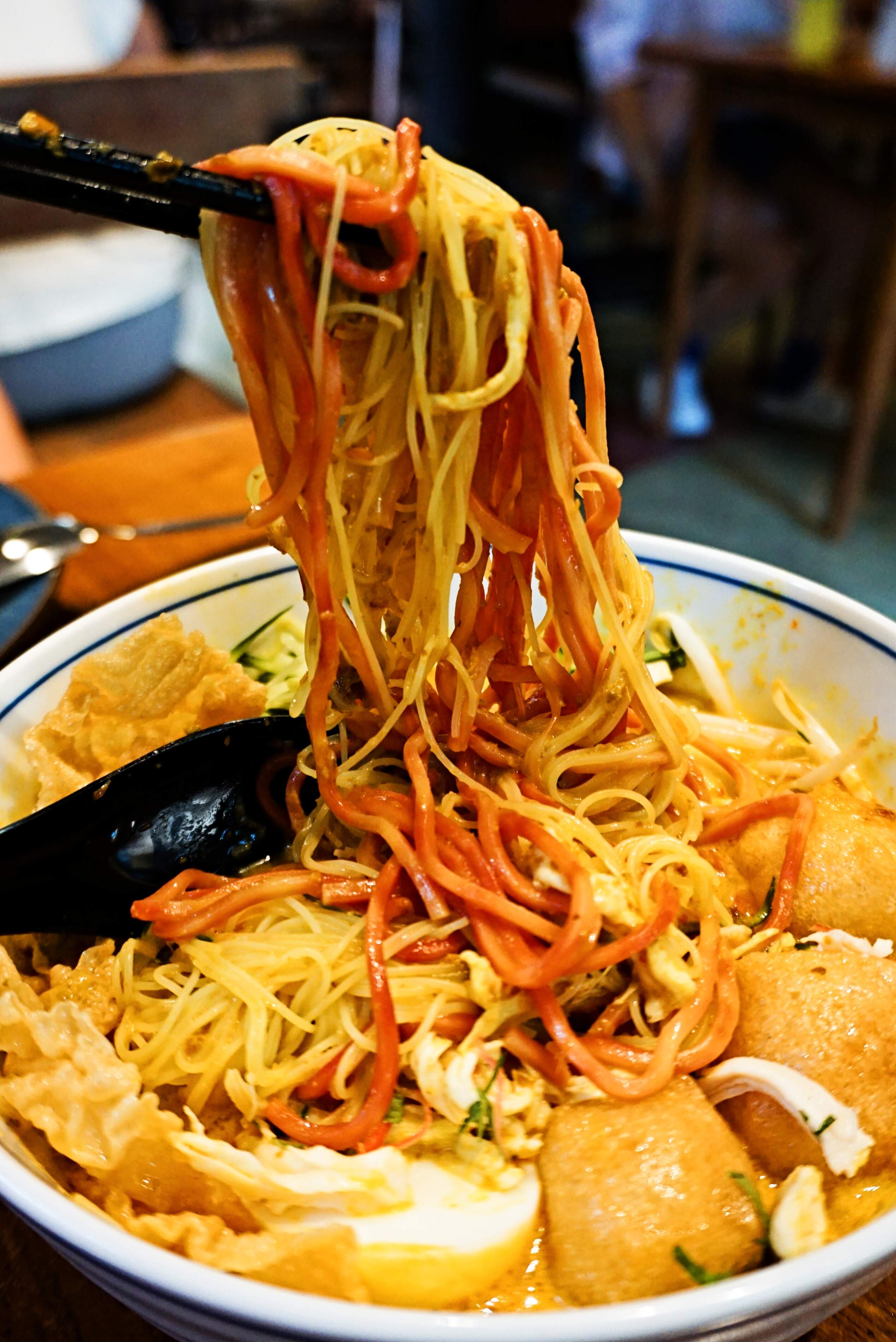
Despite Uncle John’s passing in 2022, Limapulo: Baba Can Cook continues his legacy in serving out one of the best Malaccan-Nyonya laksa in Kuala Lumpur: here, the mix of yellow wheat noodles and fine rice vermicelli are bathed in a rich, creamy (almost cloying) coconut milk-enriched, heavily-spiced curry gravy redolent of chilis, fresh turmeric, galangal, lemongrass, candlenuts, fermented shrimp paste (belacan), and a smidgen of pounded dried shrimps for that haunting umami hit.
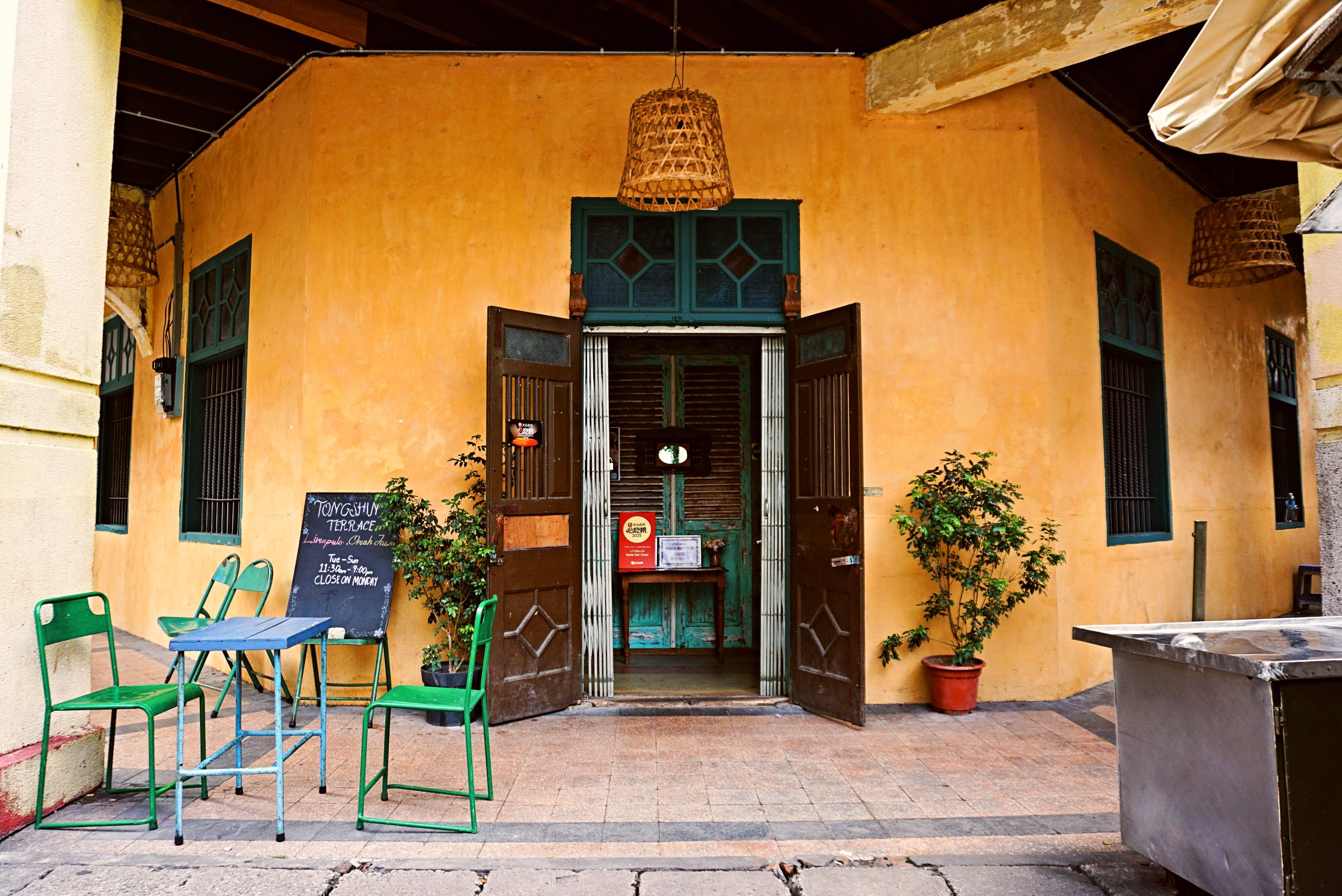
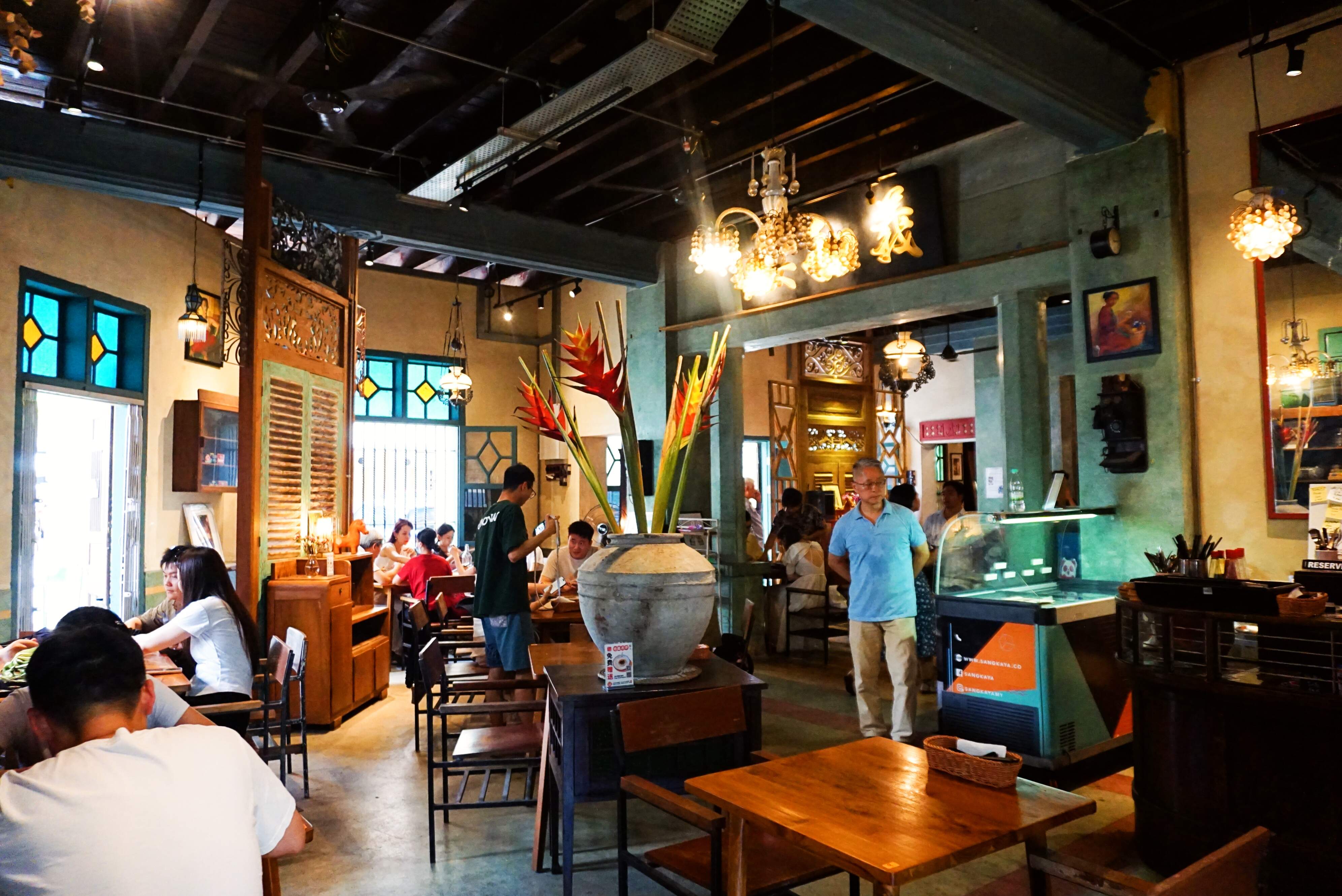
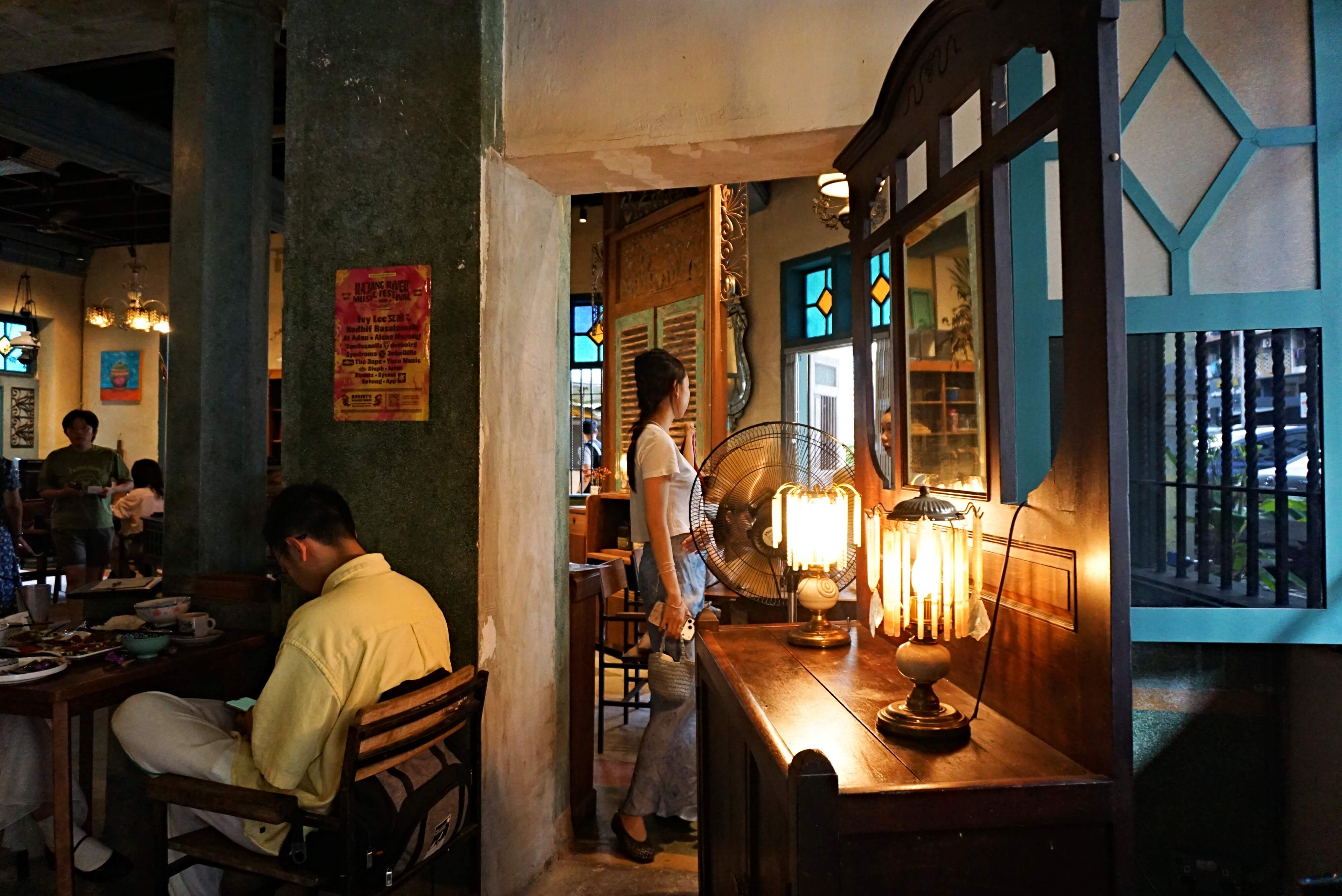
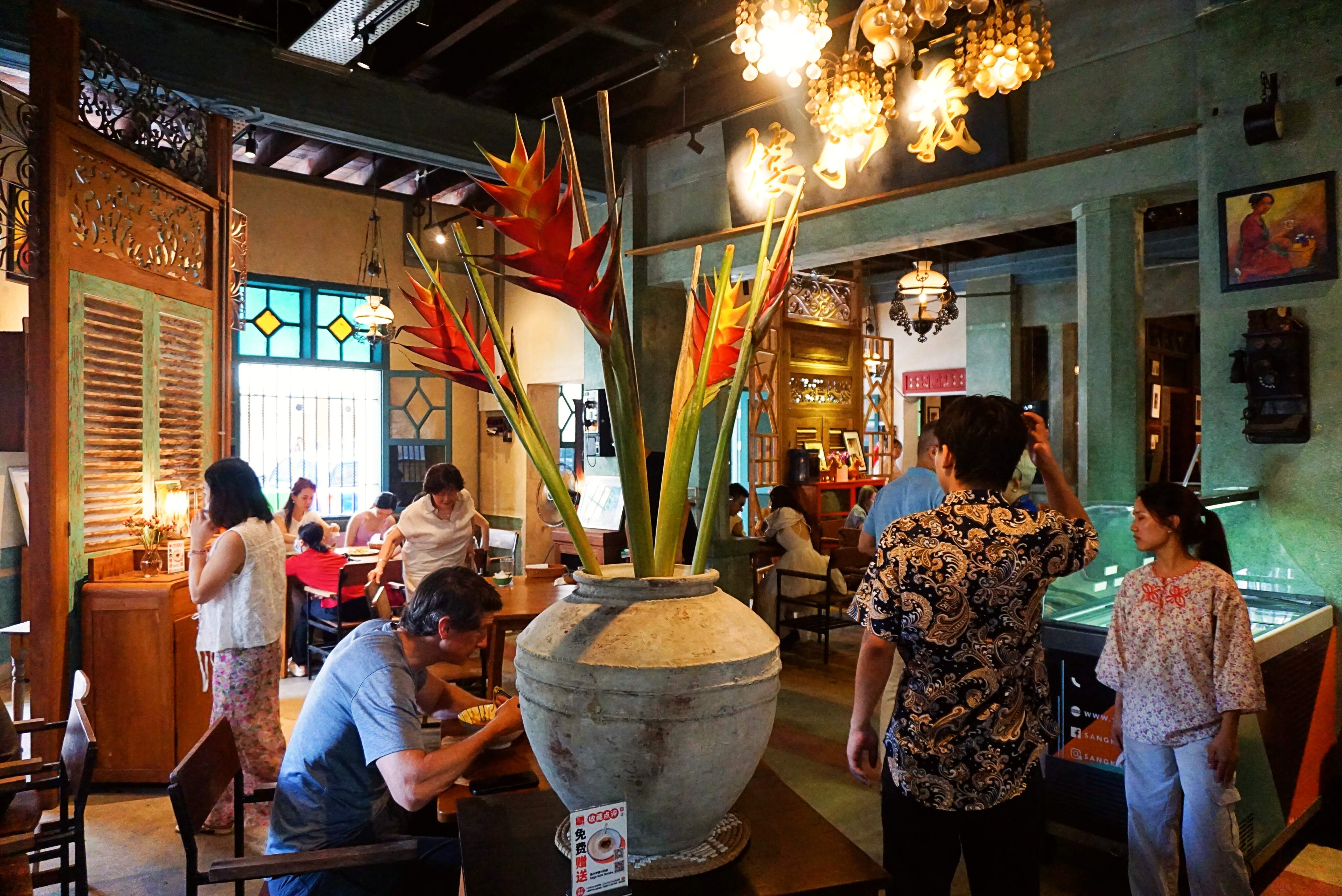
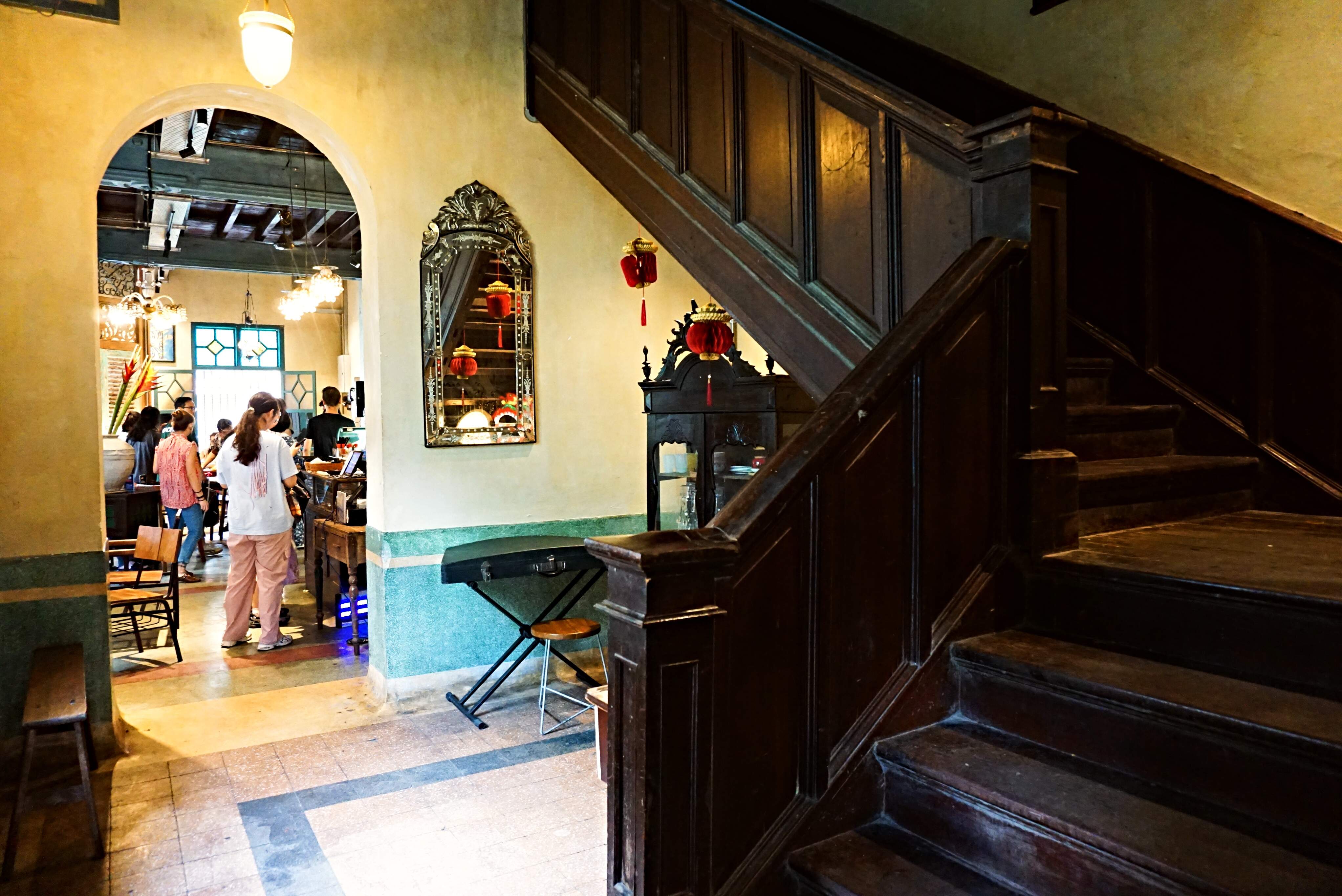
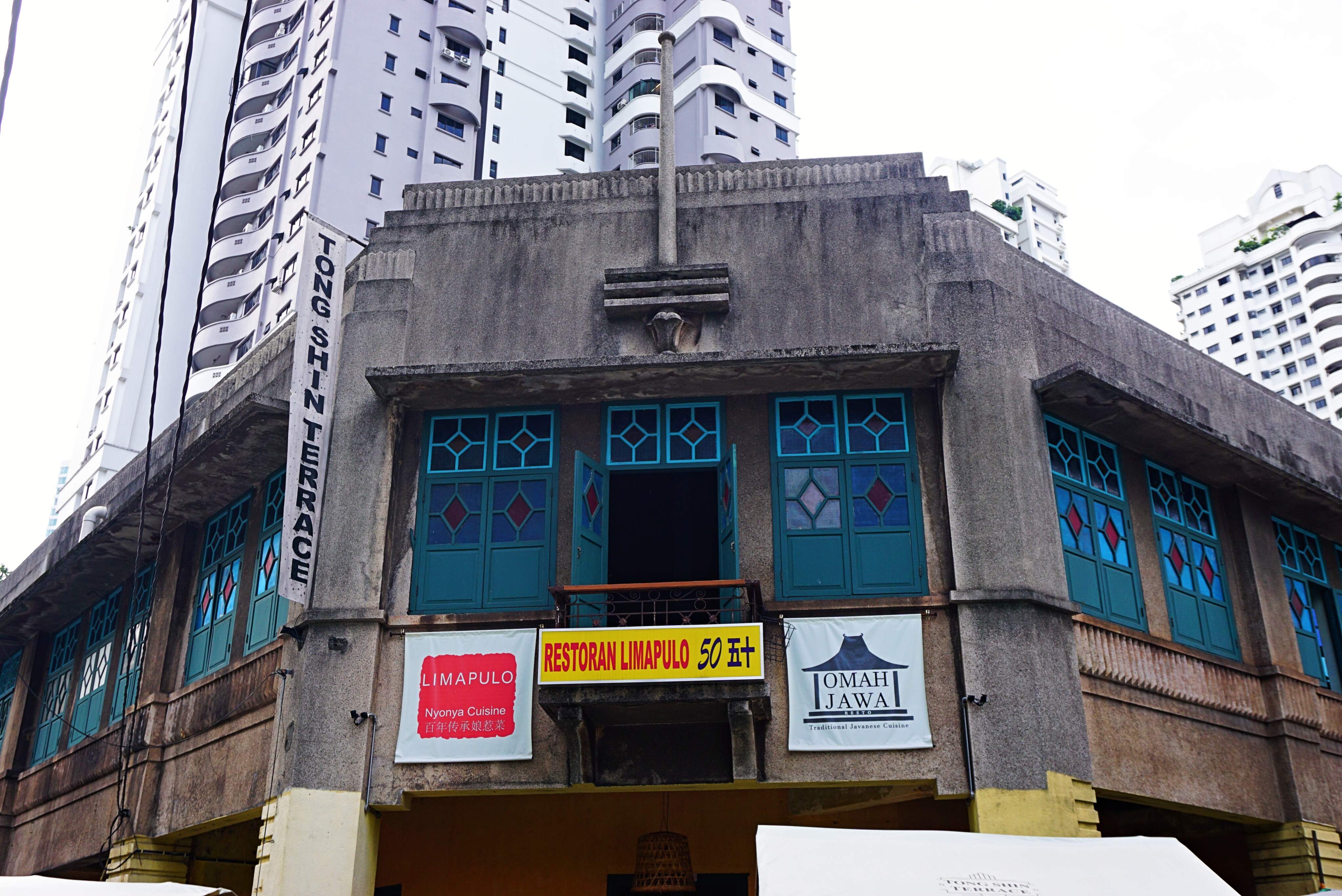
This newer, larger Limapulo Terrace is located in a beautifully restored pre-war building, situated in a rather grungy part of Bukit Bintang.

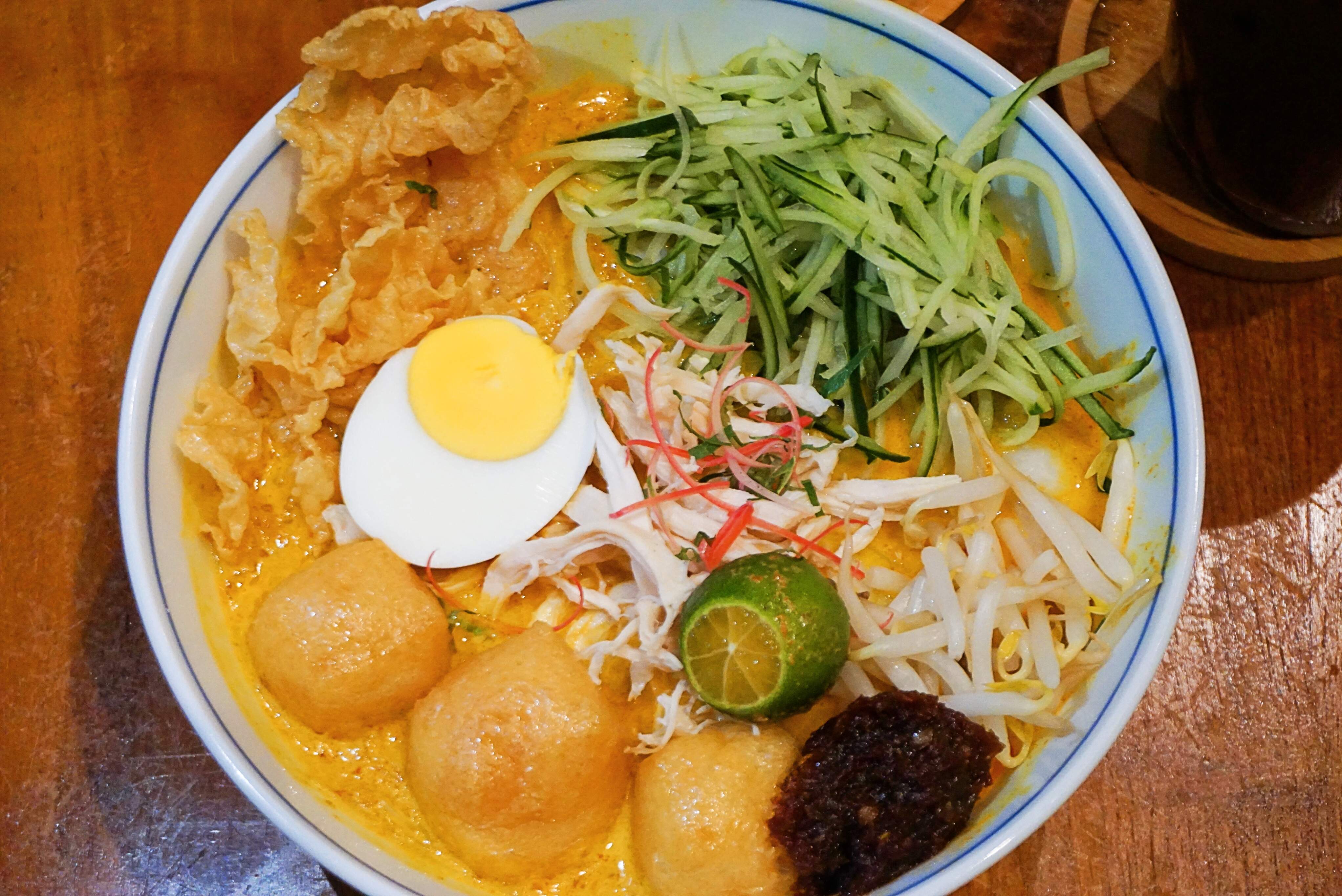
- The award-winning Nyonya Laksa is replicated here at Limapulo Terrace. Each bowl of laksa comes with garnishes of shredded chicken-meat, half a hard-boiled egg, a trio of fish-balls, tofu puffs, leafy tofu-skin crisps, finely julienned raw cucumber, beansprouts, a spoonful of spicy, aromatic fried sambal, a light sprinkling of pink torch-ginger flower, and a whole fresh calamansi lime to be squeezed over the dish to undercut the richness.
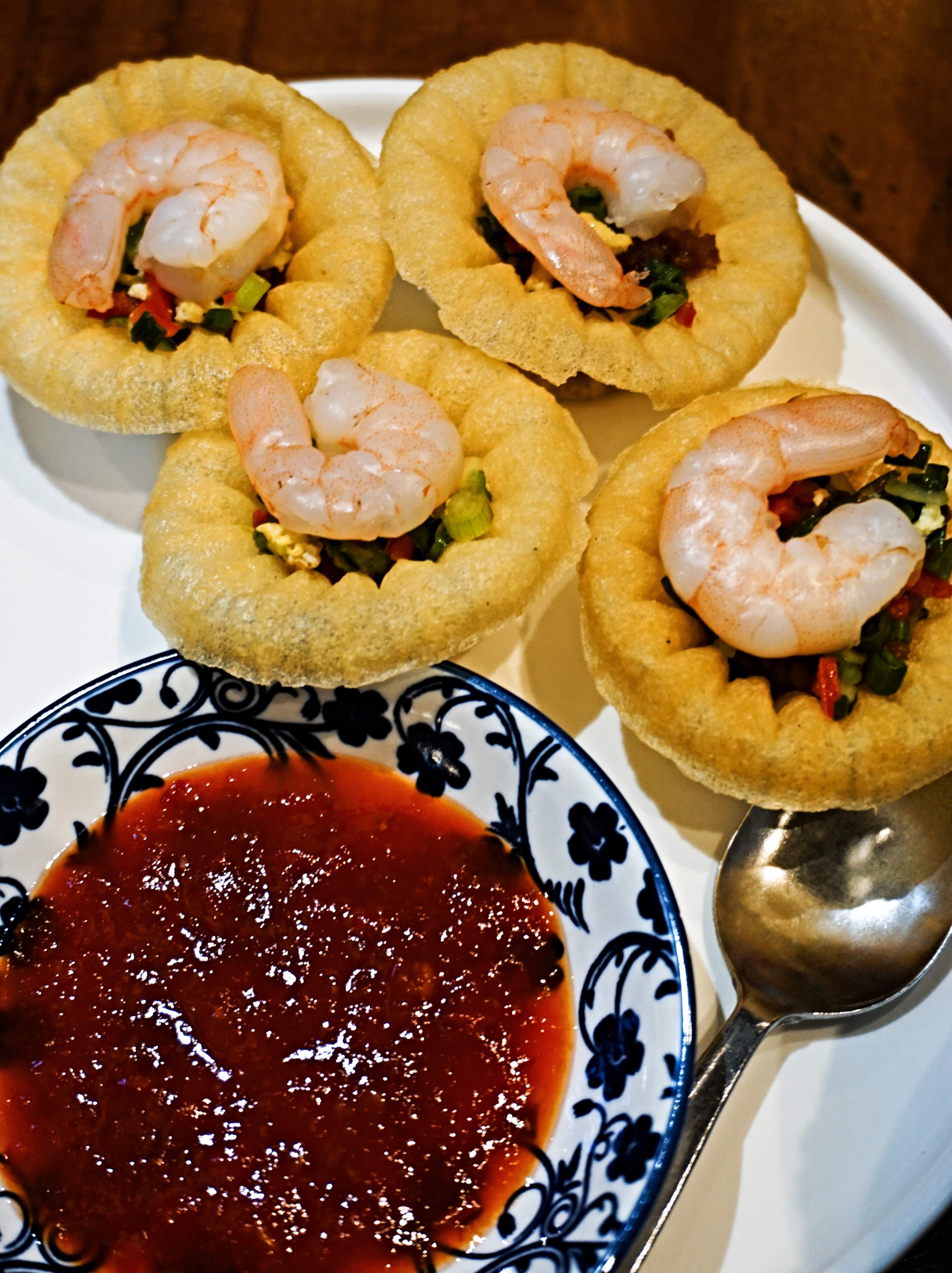
- Kueh Pai Tee - a classic Nyonya appetiser of delicate pastry cups filled with braised jicama & cabbage, each cup topped with a whole shrimp.
“Kueh pai tee” is adopted by Penang and Malacca’s Baba-Nyonya communities from their Singaporean counterpart, hence the dish was also known as “Singapore Top Hats” back in the 1960s and 70s. As for the dish’s actual origins - it was, in fact, first introduced to Singapore’s Baba-Nyonya community by Indonesian Peranakans in the early 20th-century. Indonesian author, Susie Hing’s 1956 cookbook, “In a Malayan Kitchen”, detailed a recipe for “Java kwei patti”, where the pastry cups were produced using American-Swedish pattie iron moulds.
As for the filling, the local Baba-Nyonya communities in Singapore, Malacca and Penang simply opted for the popular “popiah” filling.
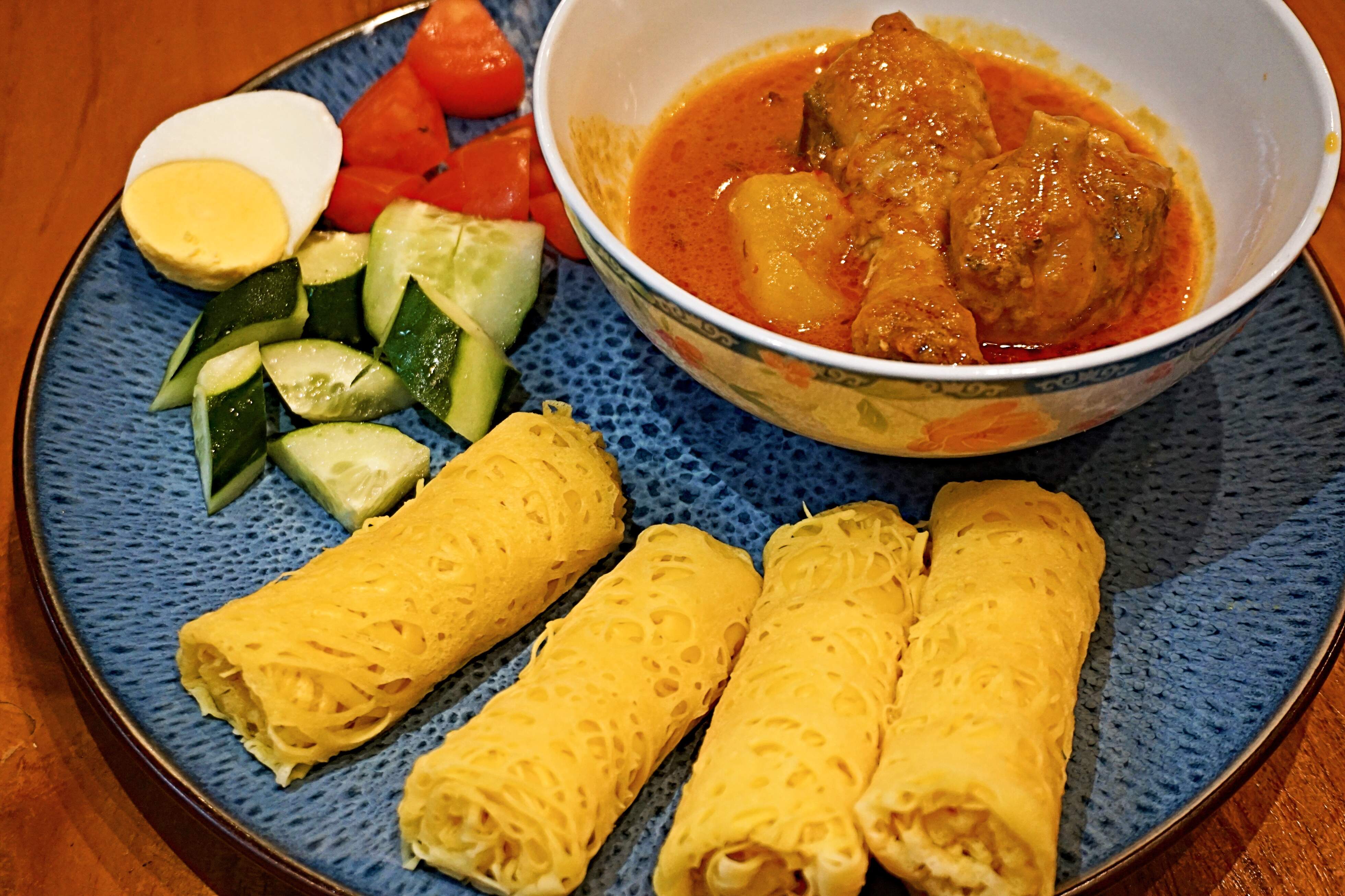
- Roti Jala with Chicken Curry - this very popular ethnic-Malay dish has a very interesting origin story. Roti jala gets its name from its net-like appearance – “jala” is Malay for “net”. It is also called roti kirai or roti renjis in Singapore & Johore. “Kirai” is a verb, meaning to swirl, whereas “renjis” means to drizzle – both using hands, letting the liquid batter drip off one’s fingers - without the use of any tools!
Roti jala is often misconstrued as having evolved from South Indian idiyappam: a misconception which quite likely occurred because of both dishes’ vermicelli-like appearance. But the composition and preparation techniques for roti jala vis-a-vis idiyappam are both very different – idiyappam is made from rice flour and is steamed, whereas roti jala uses wheat flour and is griddle-cooked.
The roti jala is more likely evolved from Siam (the name pre-dates Thailand, which only came into use in 1949). Roti jala shares the same characteristics as the Siamese royal dish la tiang, which was first mentioned in a poem, Kap He Chom Khrueang Khao Wan, composed during the reign of King Rama I (1782 to 1809).
La tiang itself evolved from an older net-like food time – the egg yolk-based dessert, foi thong, which was introduced by royal Siamese-Portuguese chef, Maria Guyomar de Pinha during the reign of King Petracha (1688 – 1703).
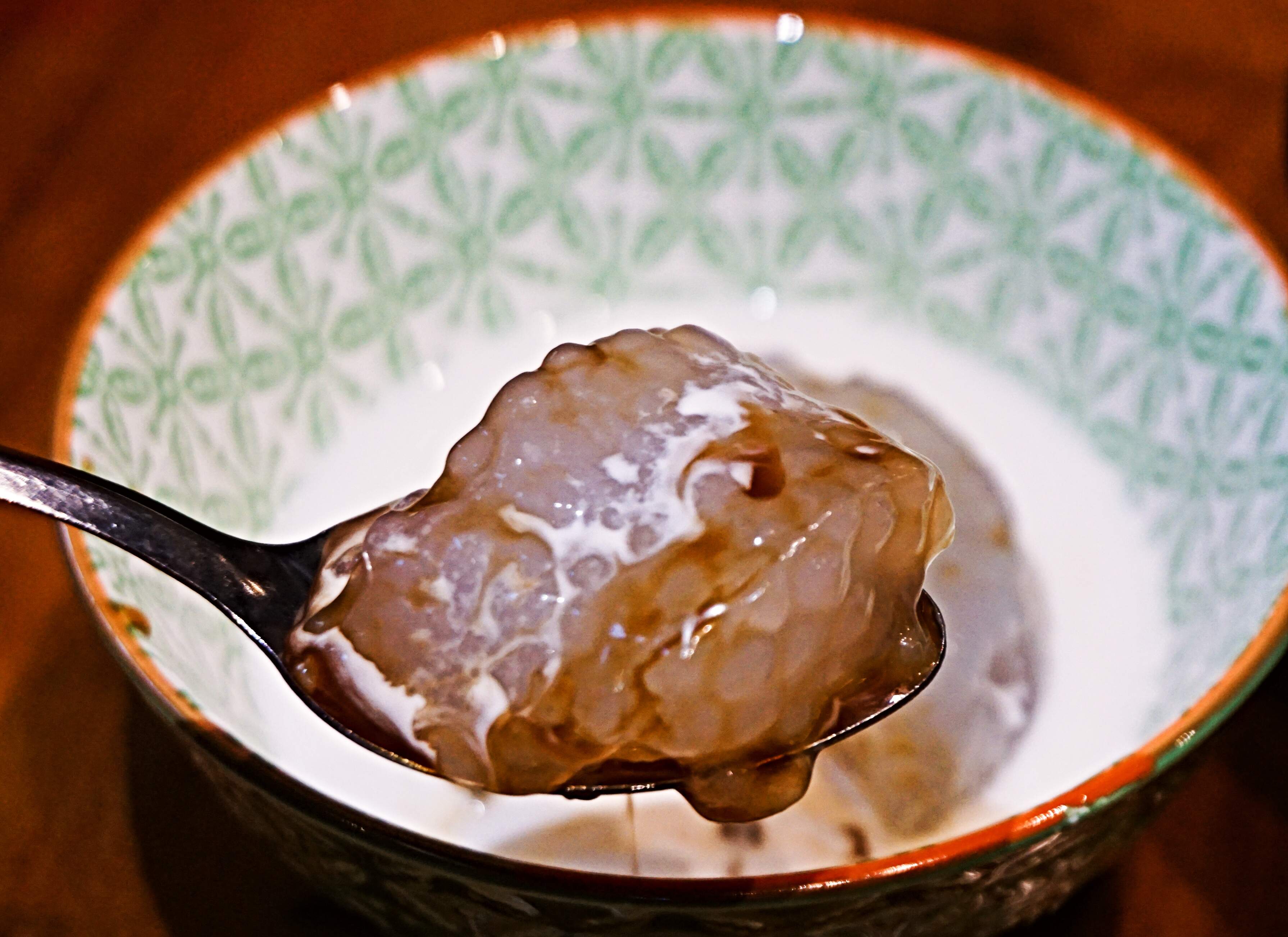
- Sago Gula Melaka - this popular Nyonya dessert consists of a sago pearl pudding, slathered with creamy coconut milk, and drizzled with thick, dark, smokey Gula Melaka palm sugar.
The sago palm actually originates in Southeast Asia, where it’s an essential source of carbohydrates among some native tribal communities. From here, British East India Company seaman brought sago back to their homeland as early as the 18th century. The British took to it so much, sago pudding (together with its tapioca counterpart) even became a school lunch staple during the post-war era.
Mrs. Beeton’s Book of Household Management (published in 1861) included a recipe for a sweet “Hasty Pudding” where sago was cooked with milk and sugar, and then served with cream and treacle. The whole thing came one full circle when British-style sago pudding was introduced to British Malaya in the early 20th-century. Here, Hainanese chefs which ran the kitchens for the British, concocted a local version, substituting dairy milk with more readily available fresh coconut milk, and treacle with Gula Melaka.
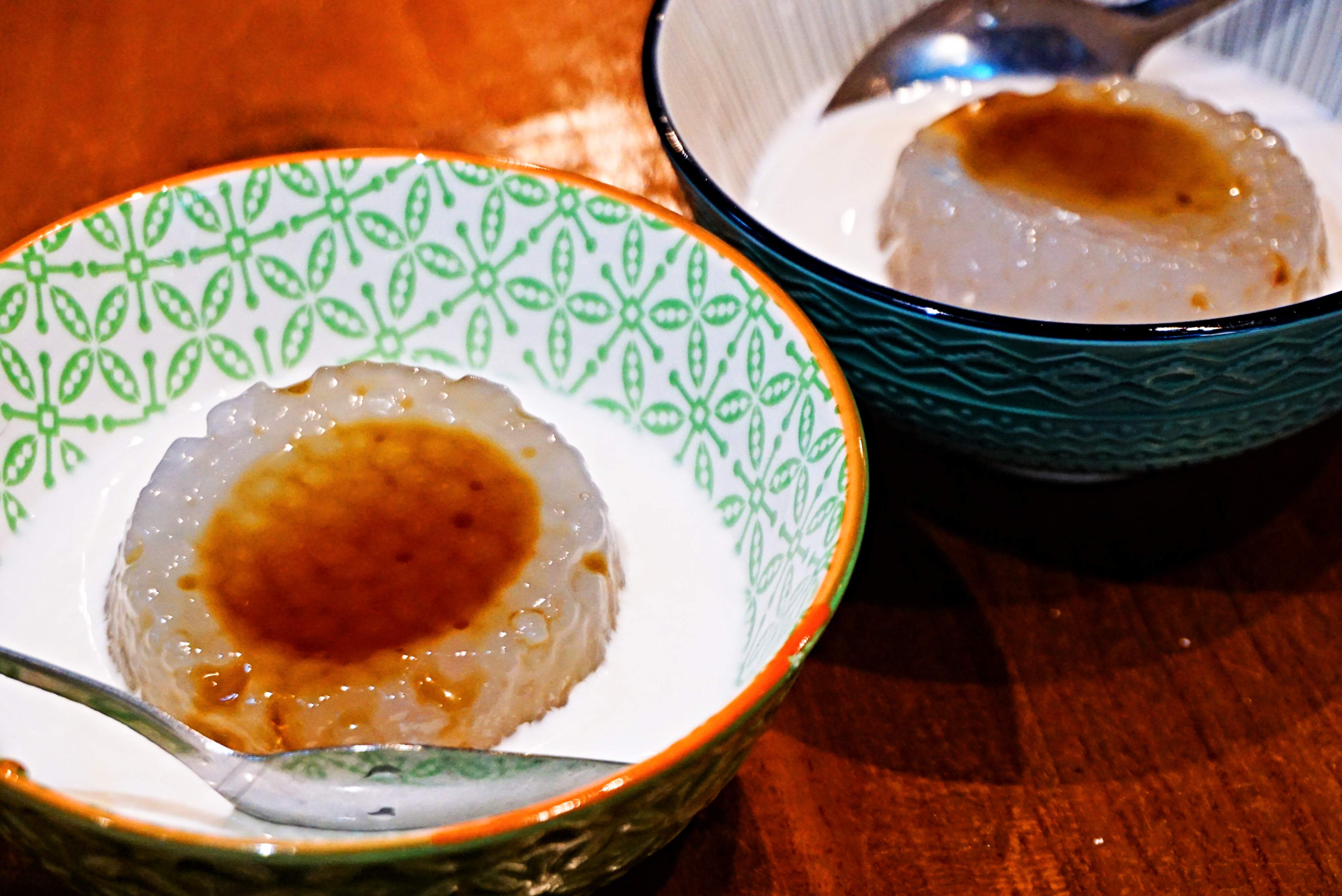
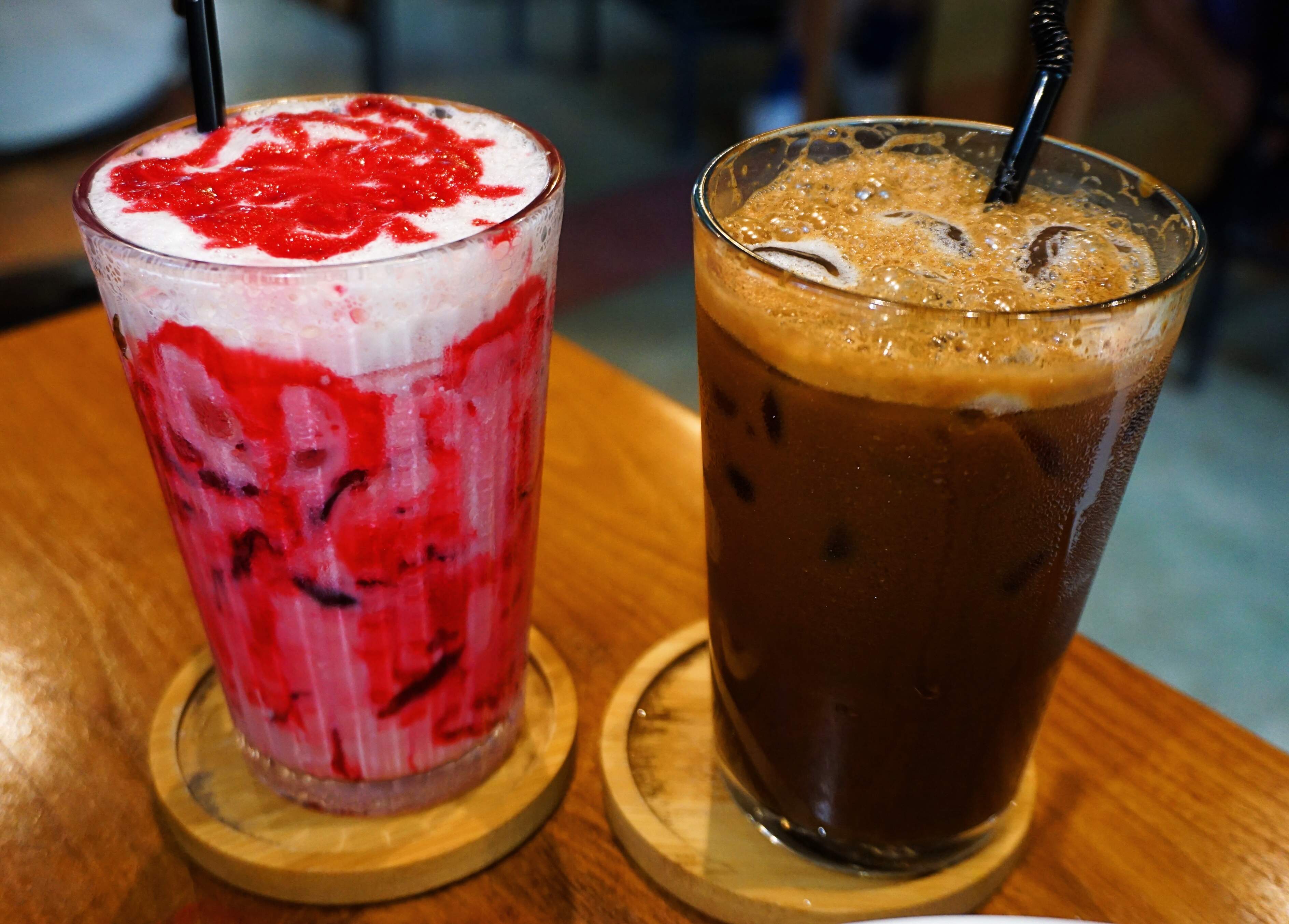
- Sirap Bandung Cincau (iced milk & rose syrup) & Iced Nyonya Coffee (iced coffee with milk and Gula Melaka palm sugar).
Absolutely beautiful space indoors, but quite grimy outdoors, as the building stood on the edge of the gentrified parts of Bukit Bintang, which makes it quite interesting.
Address
Limapulo
27, Jalan Tong Shin, Bukit Bintang, 50200 Kuala Lumpur, Malaysia
Tel: +6010-383 3238
Opening hours: 7.30am to 10pm Tue-Sun. Closed on Mondays.

