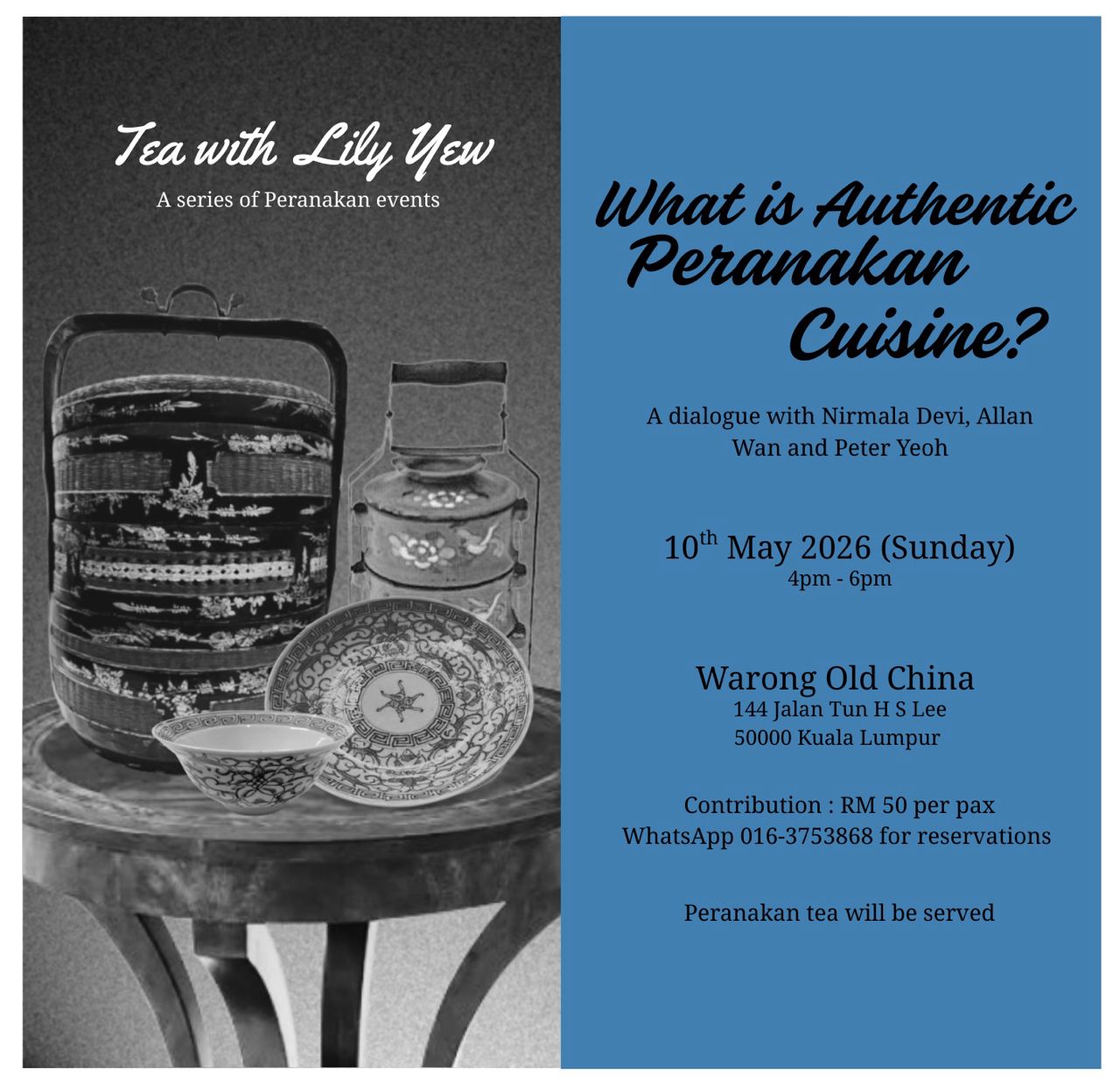
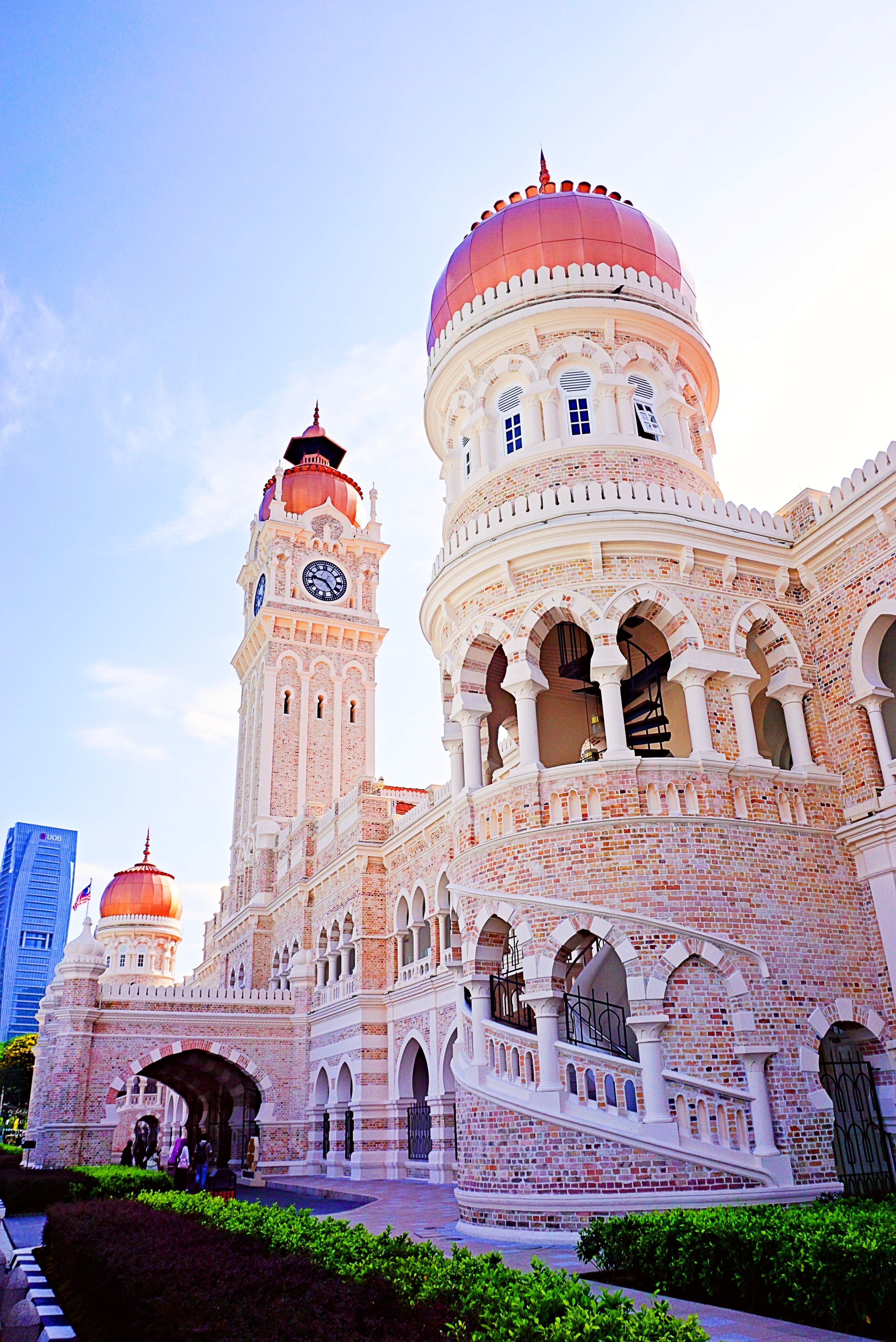
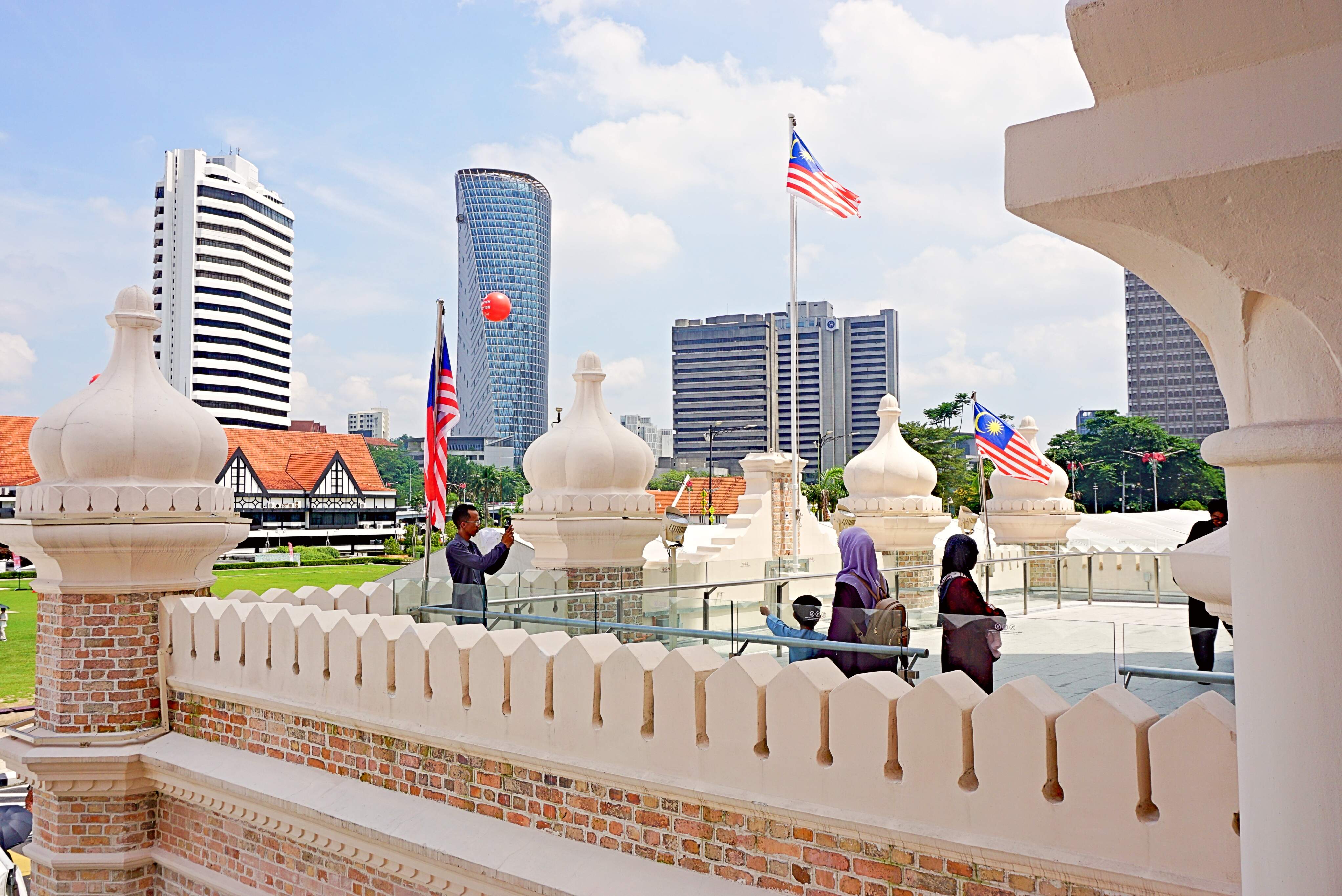
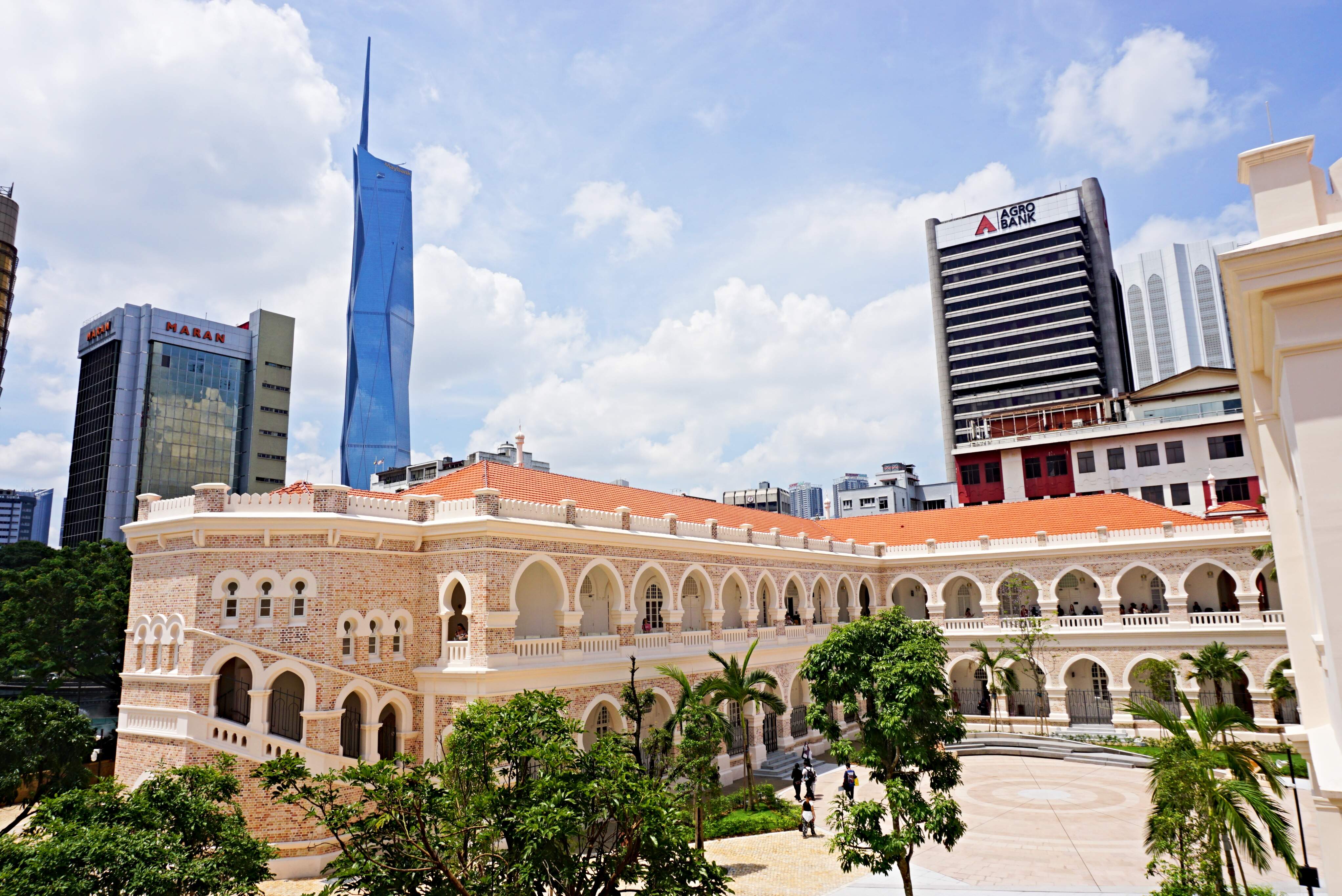
Originally constructed in 1897 to house British colonial administrative offices for the Sultanate of Selangor, one of the Federated Malay States, the Sultan Abdul Samad Building was designed by British architects, Arthur Charles Norman and Regent Alfred John Bidwell.
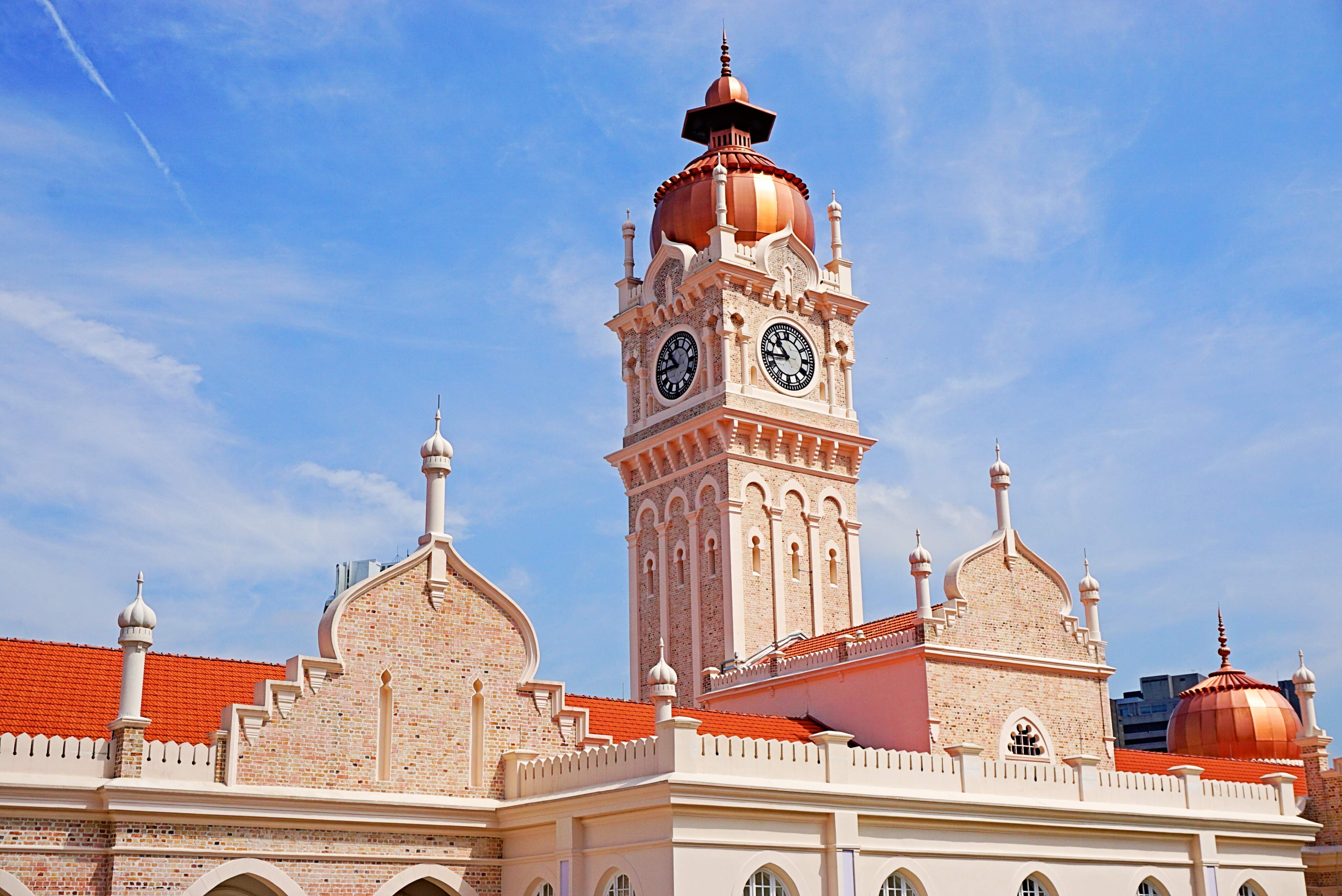
Its design, originally in Classical Renaissance style, was reworked with Indo-Saracenic and Neo-Mughal features adopted from British India, at the insistence of Charles Edwin Spooner, the Selangor State Chief Engineer then. This was perhaps the grandest government building in all of British Malaya at the time of its completion.
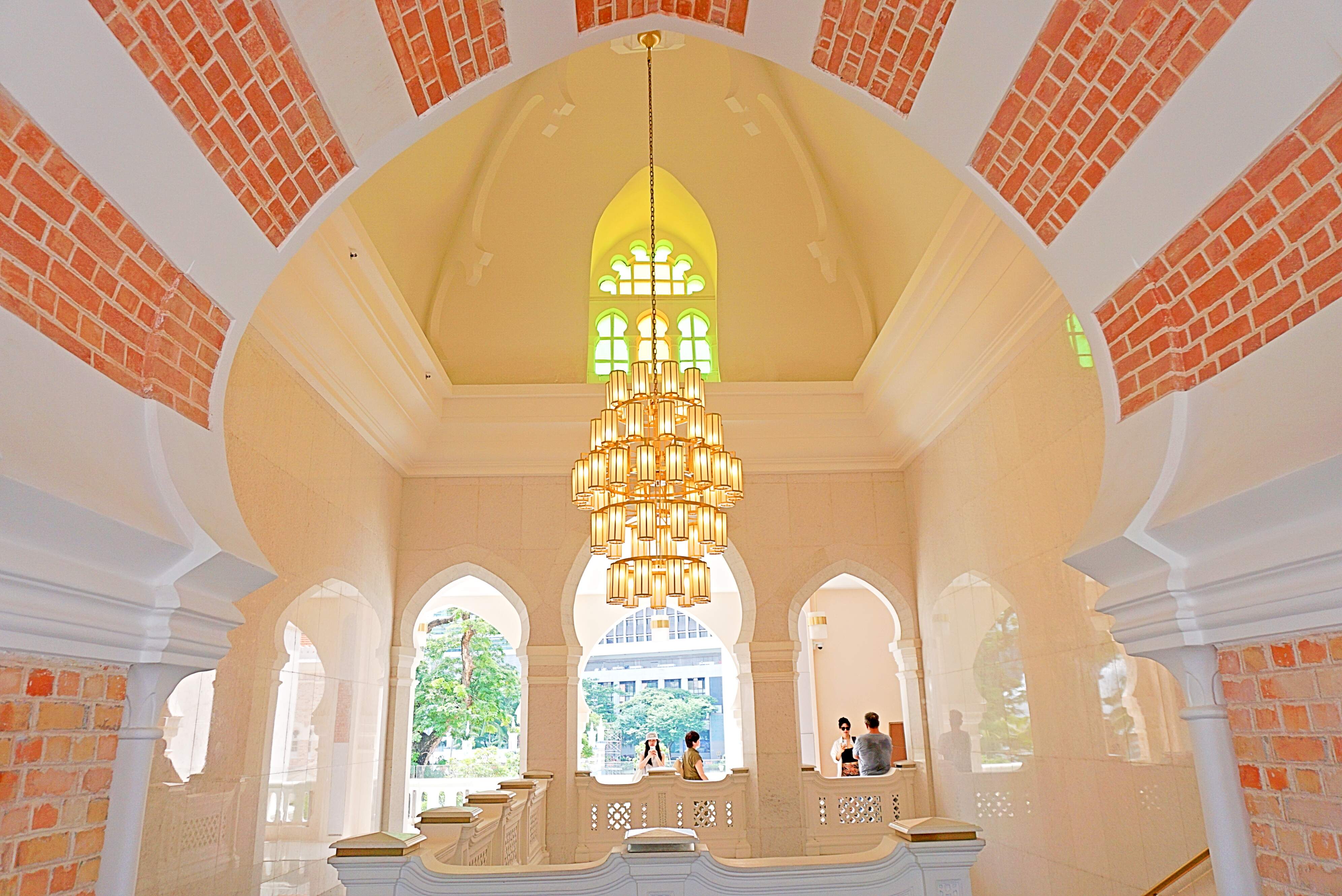
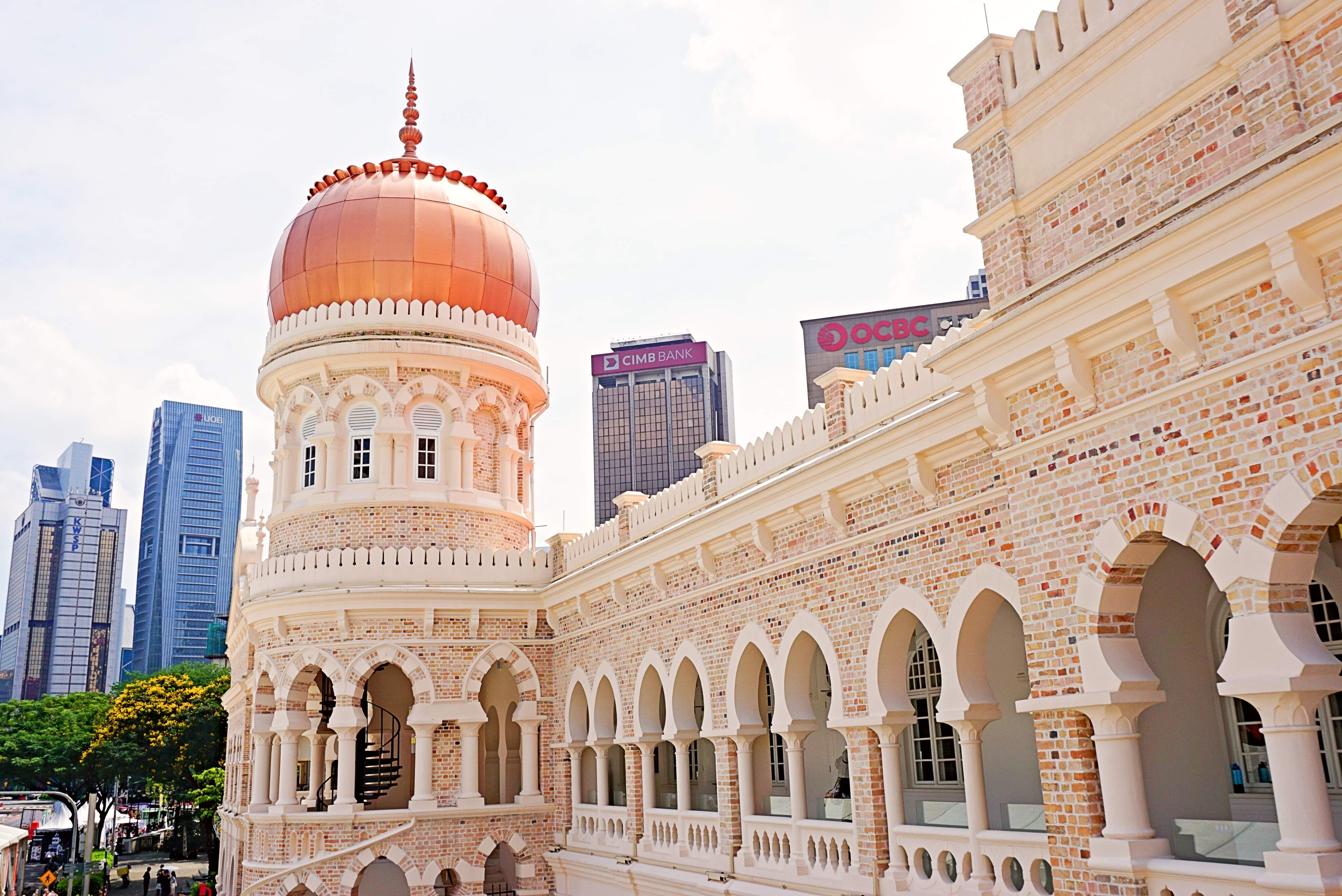
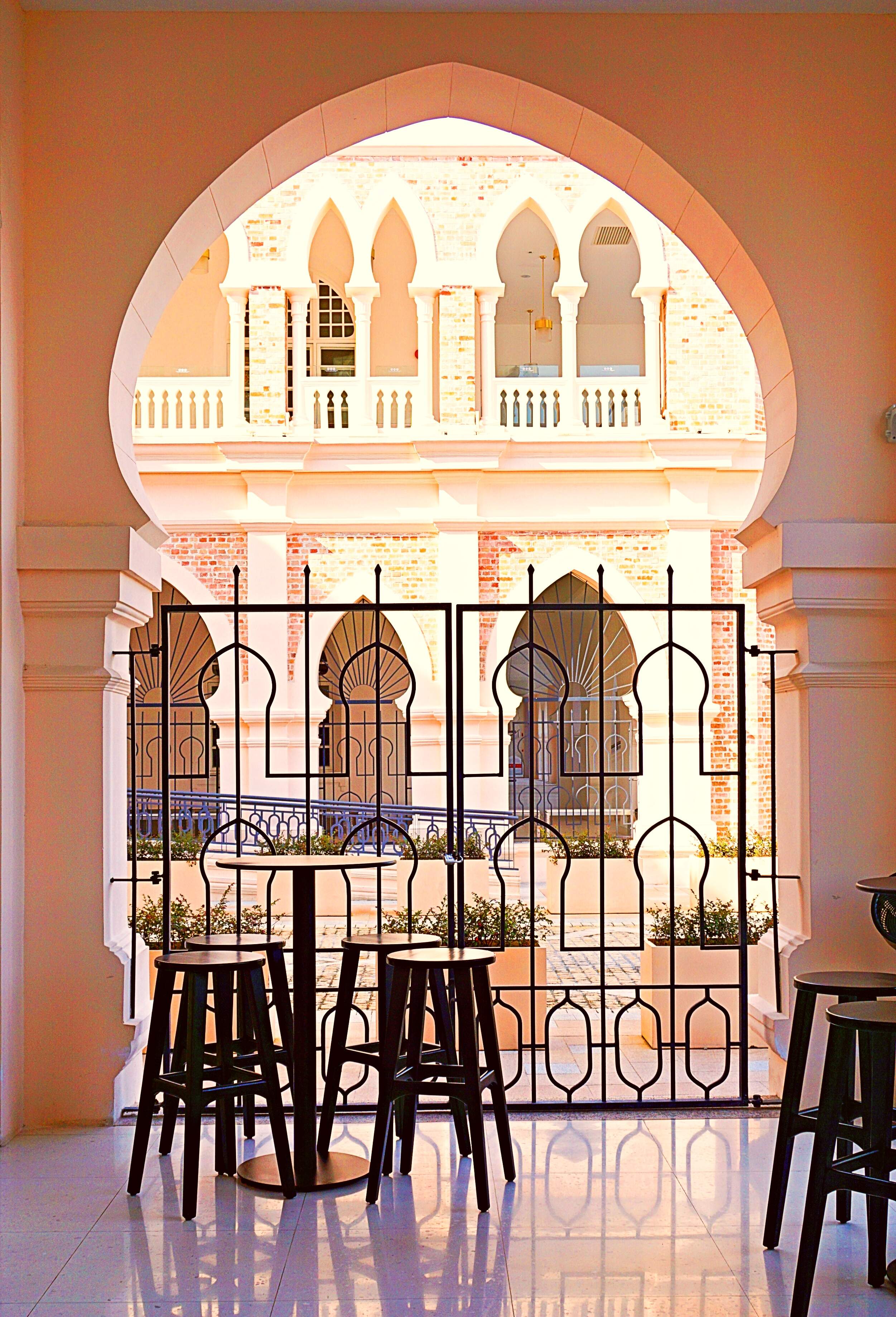
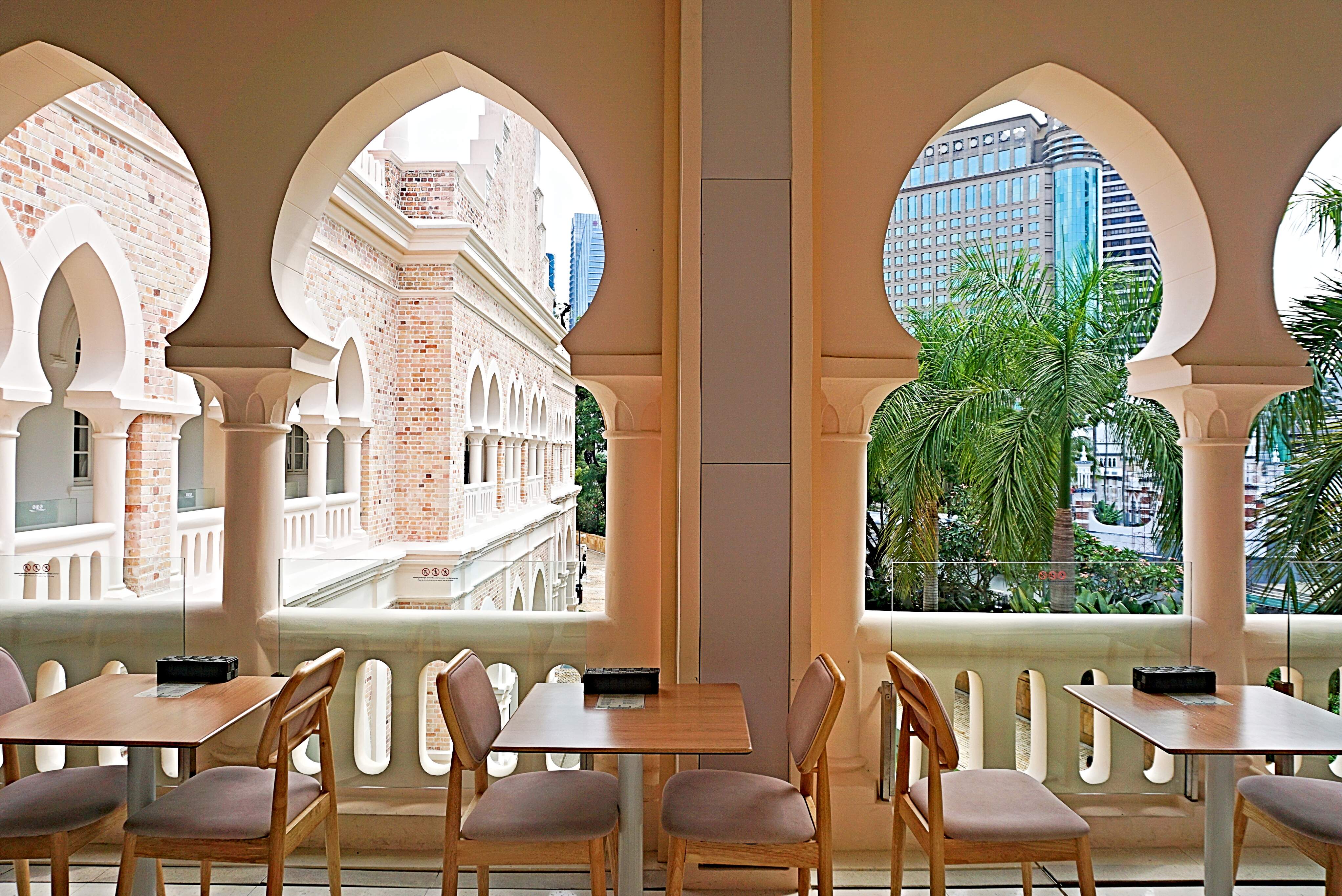
The Sultan Abdul Samad Building was recently refurbished and repurposed into a set of art galleries and exhibition spaces - right in the heart of Kuala Lumpur.
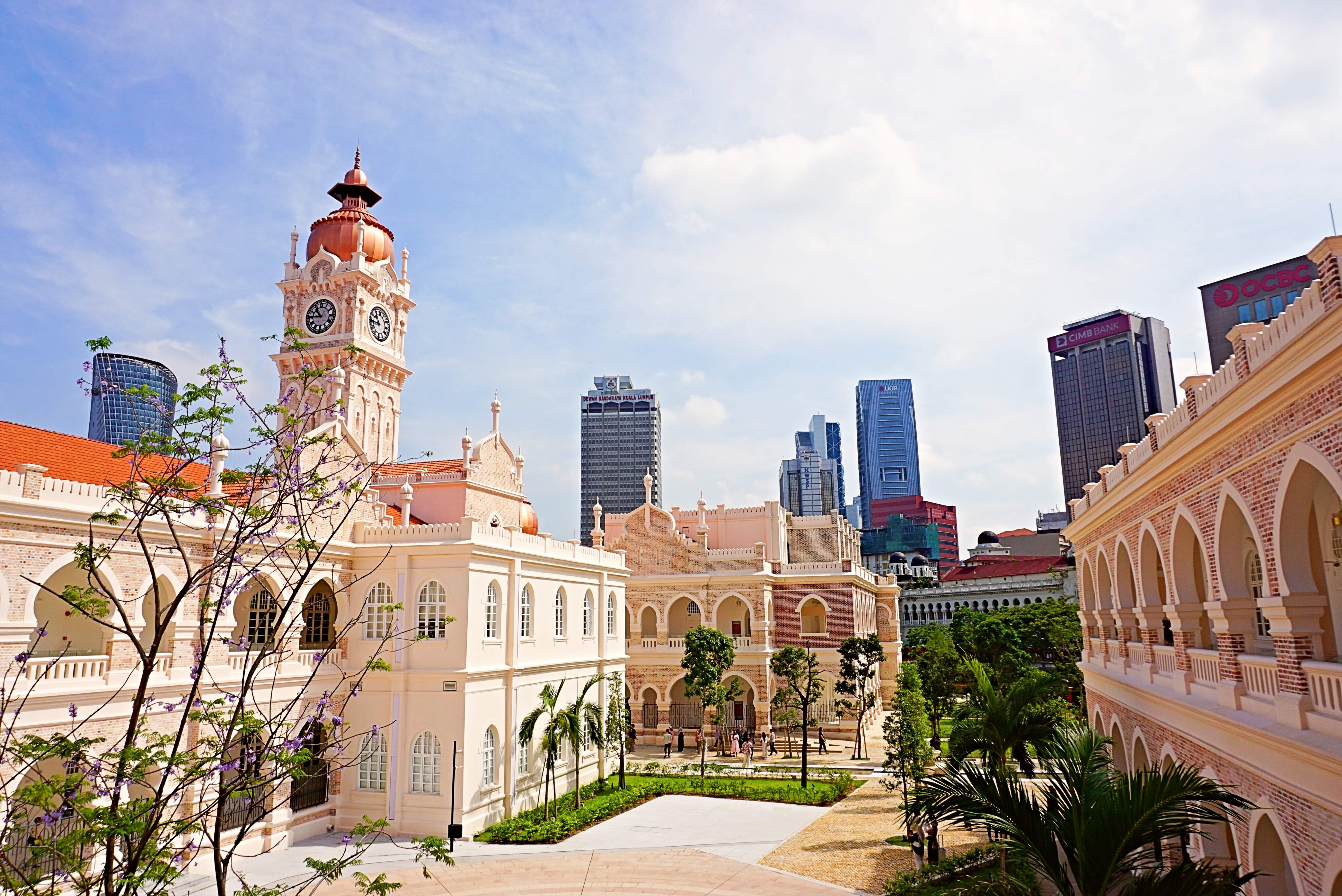
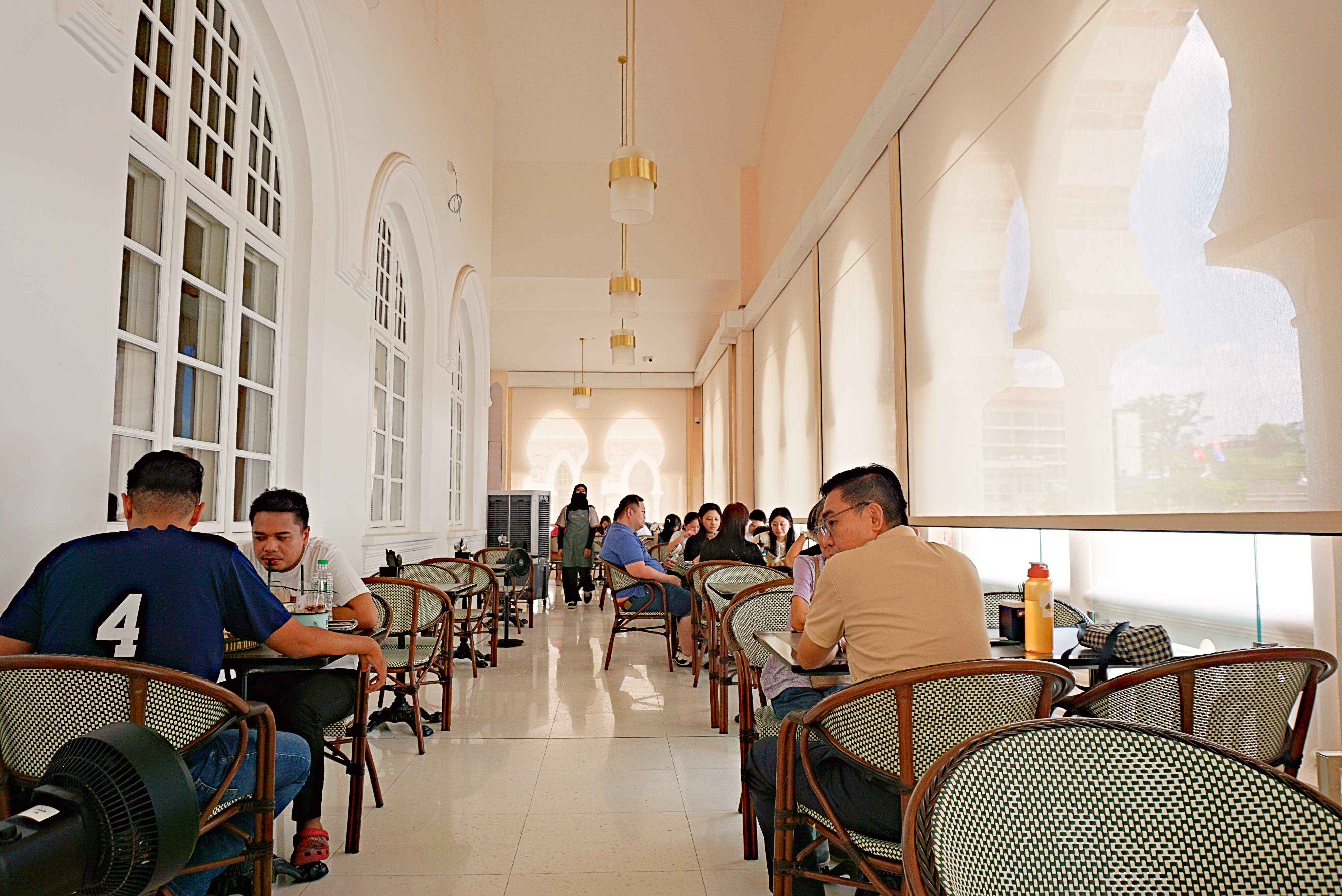
We were there to check out 3 of the cafes in the building, catering to the museum & gallery visitors.
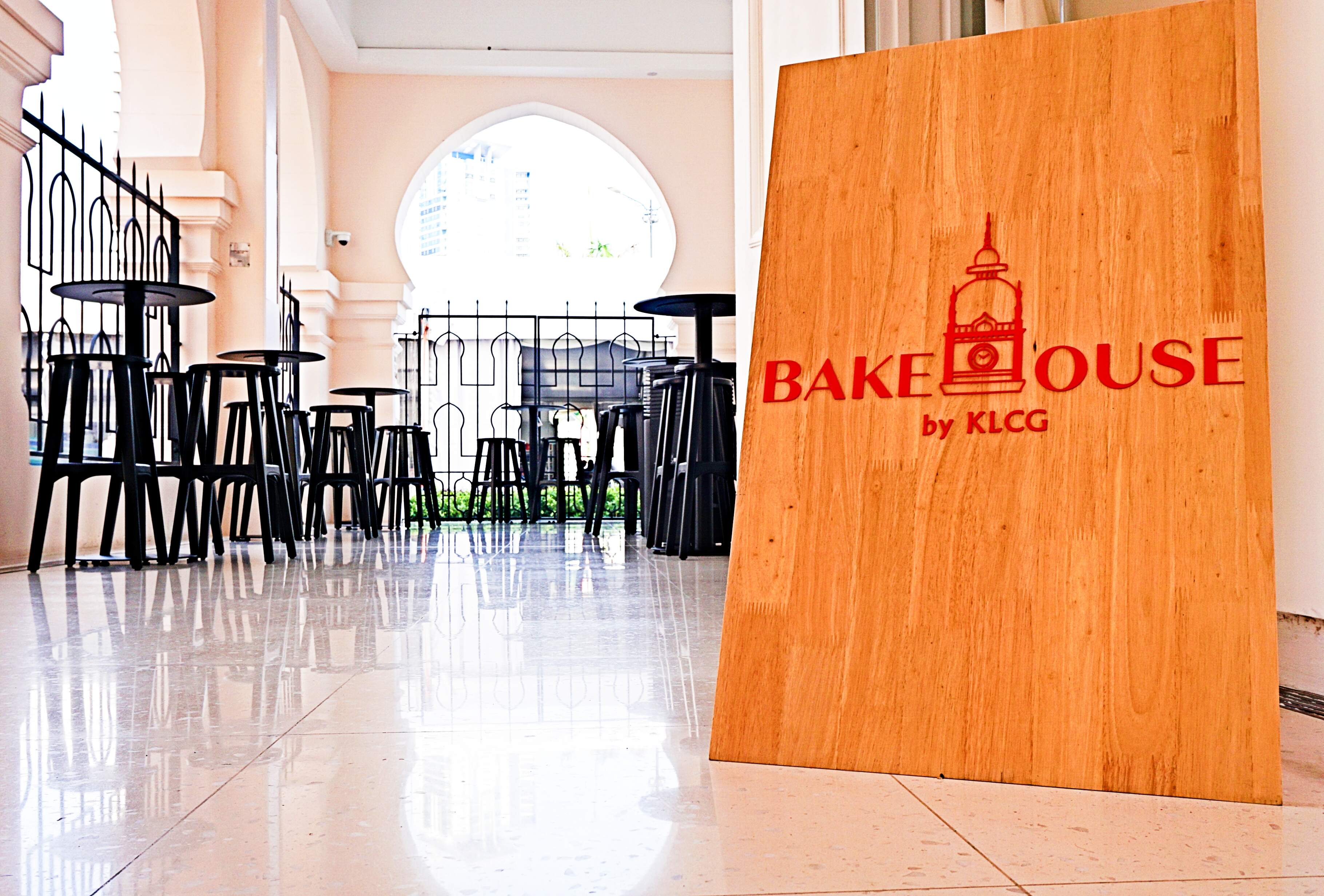
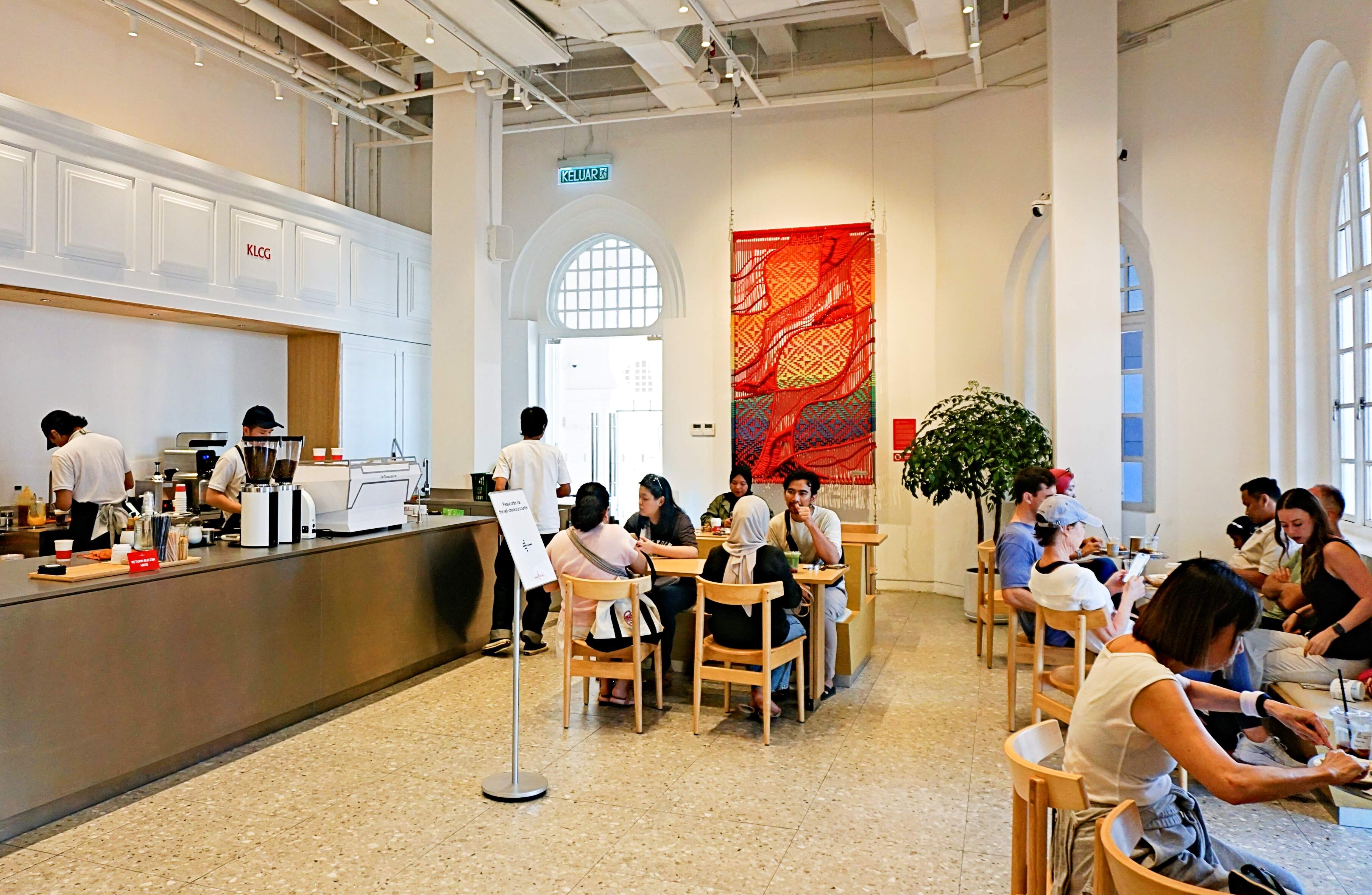
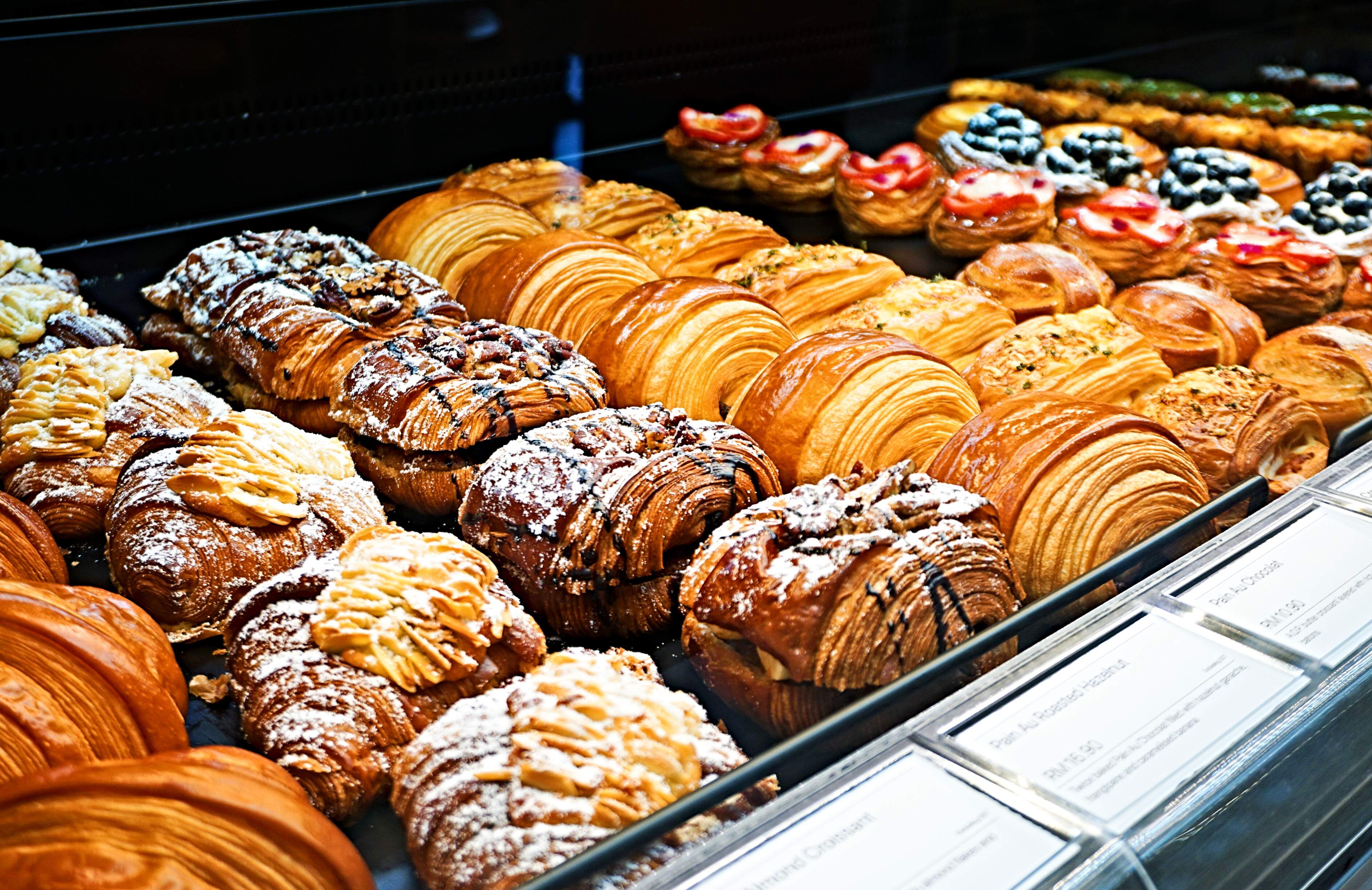
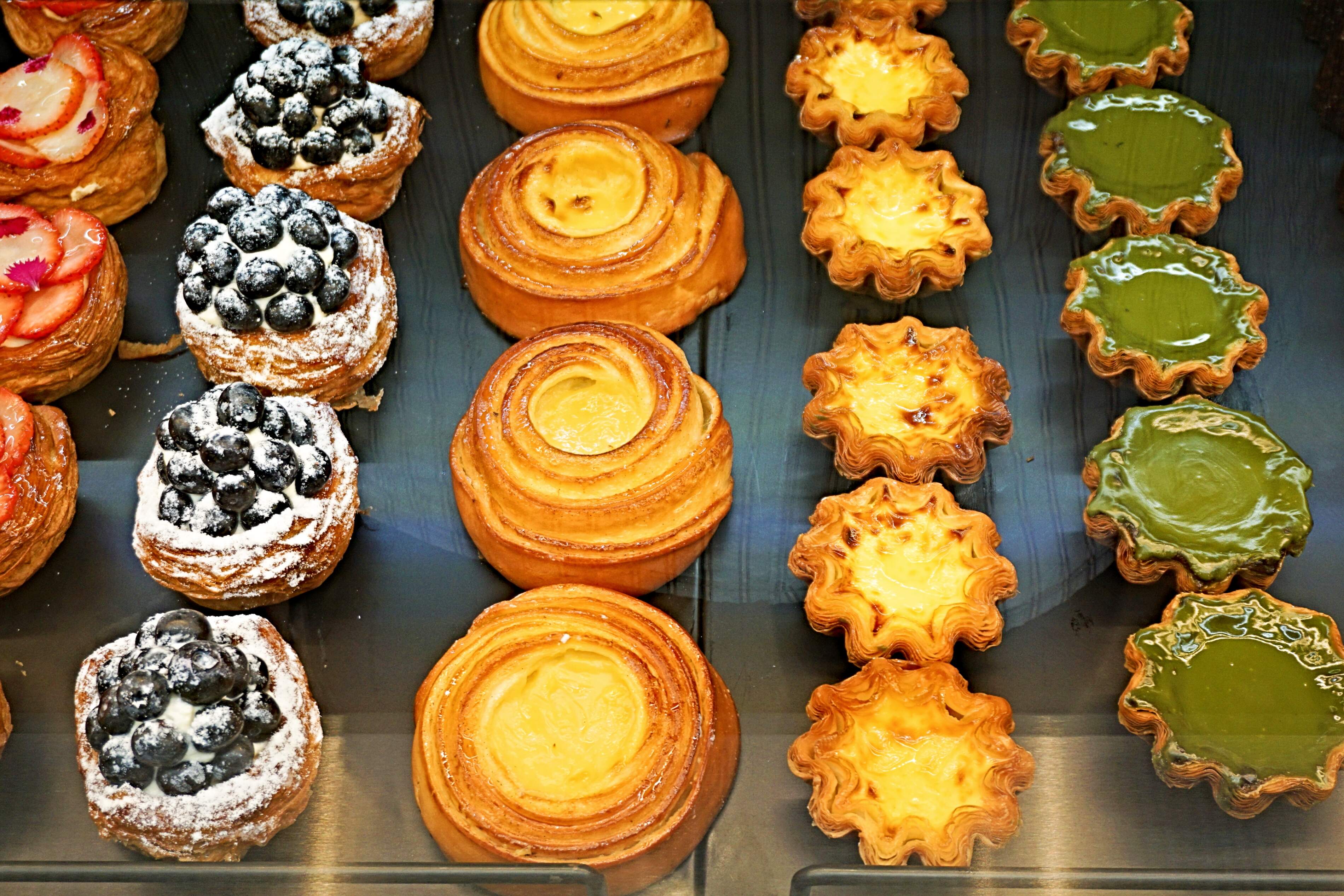
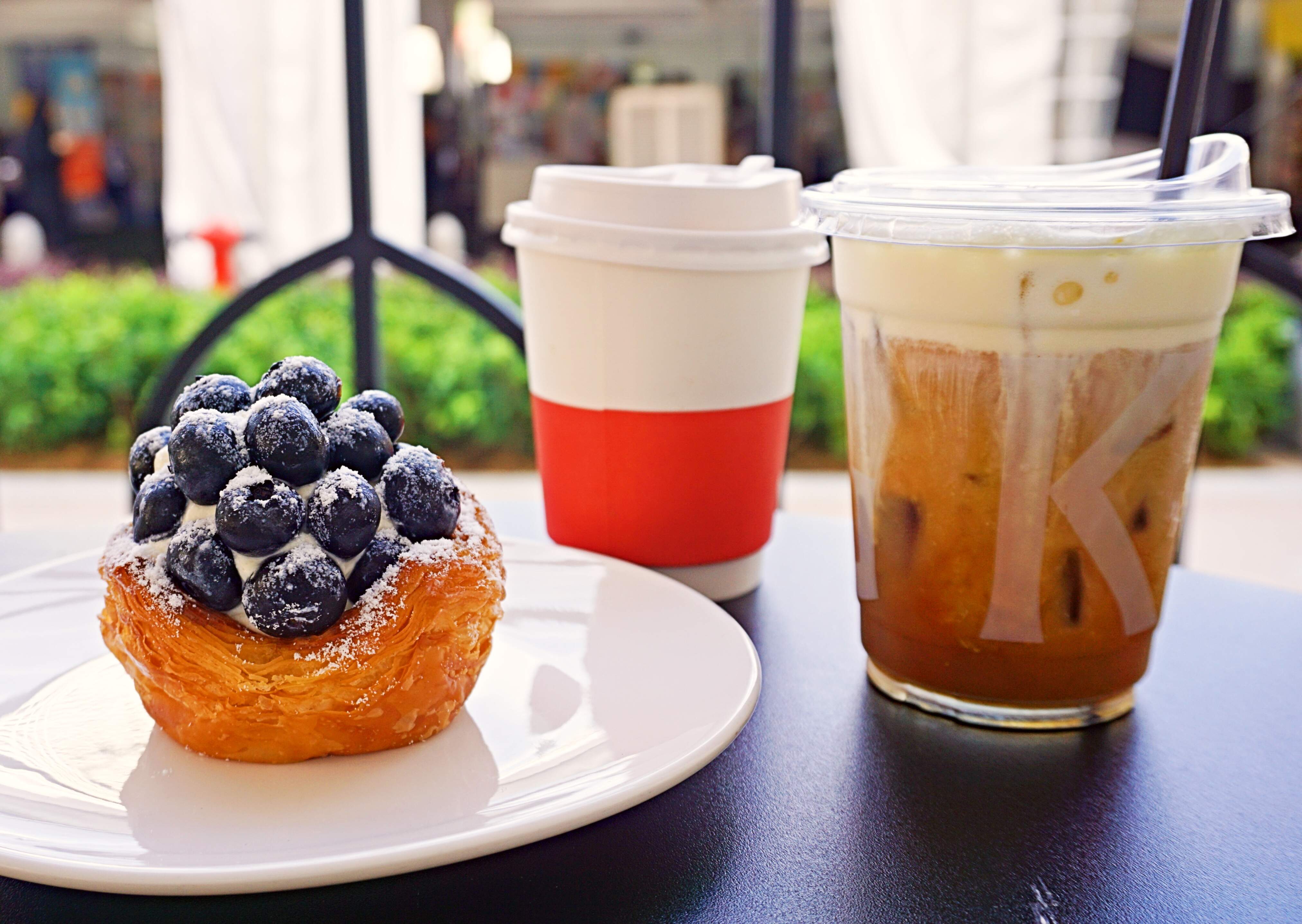
- Bakehouse, Level G-06 - offers a selection of beverages, snacks/sandwiches and French pastries.
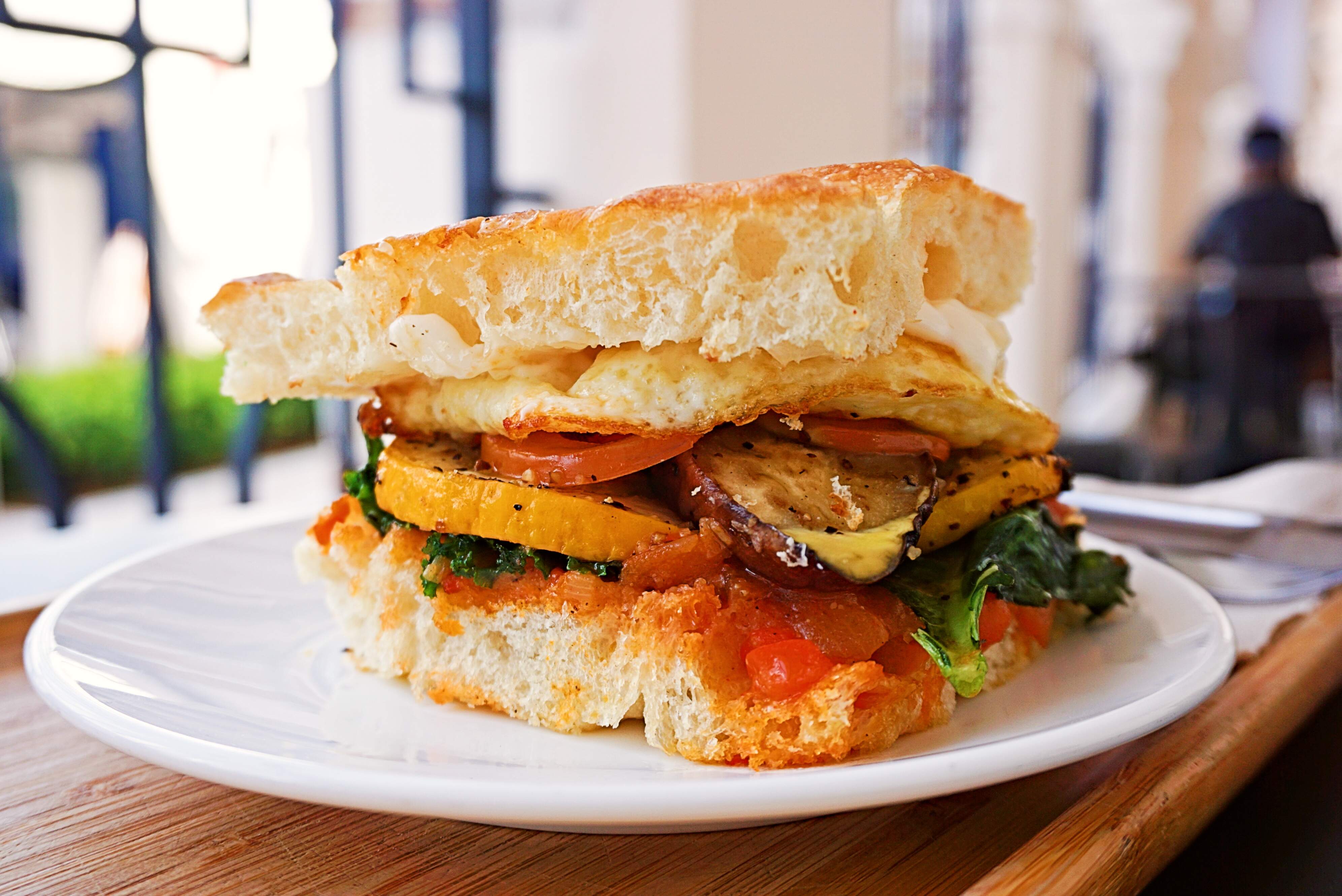
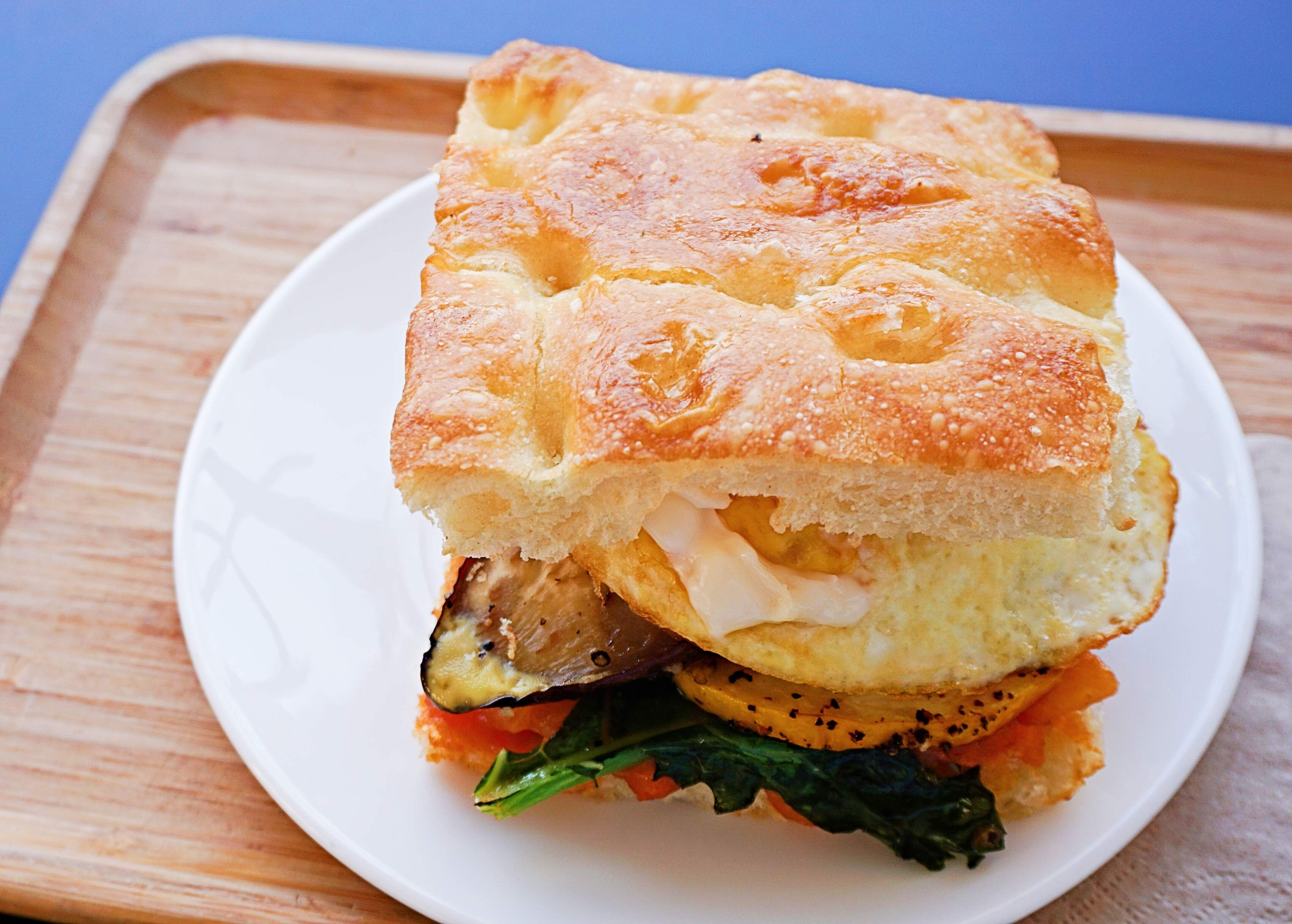
Focaccia sandwich with grilled vegetables:
Blueberry pastry, with iced latte.

- Gula Camca, Level 1-08 - offers traditional Malay sweetmeats (called “kueh”) and savory snacks.

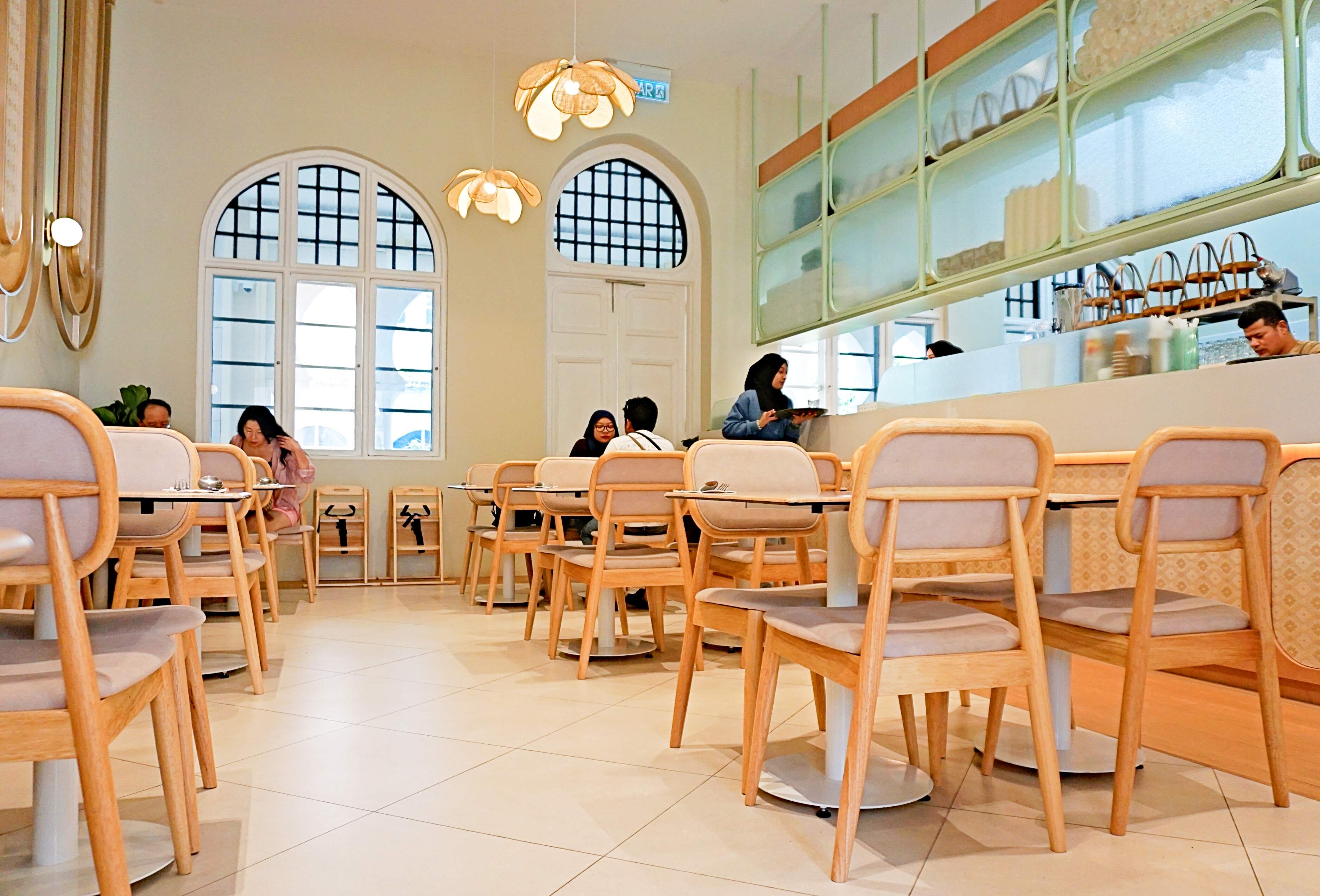
Malay curry puffs

Malay kuehs (sweetmeats): kueh serikaya, kueh lapis and lapis ubi
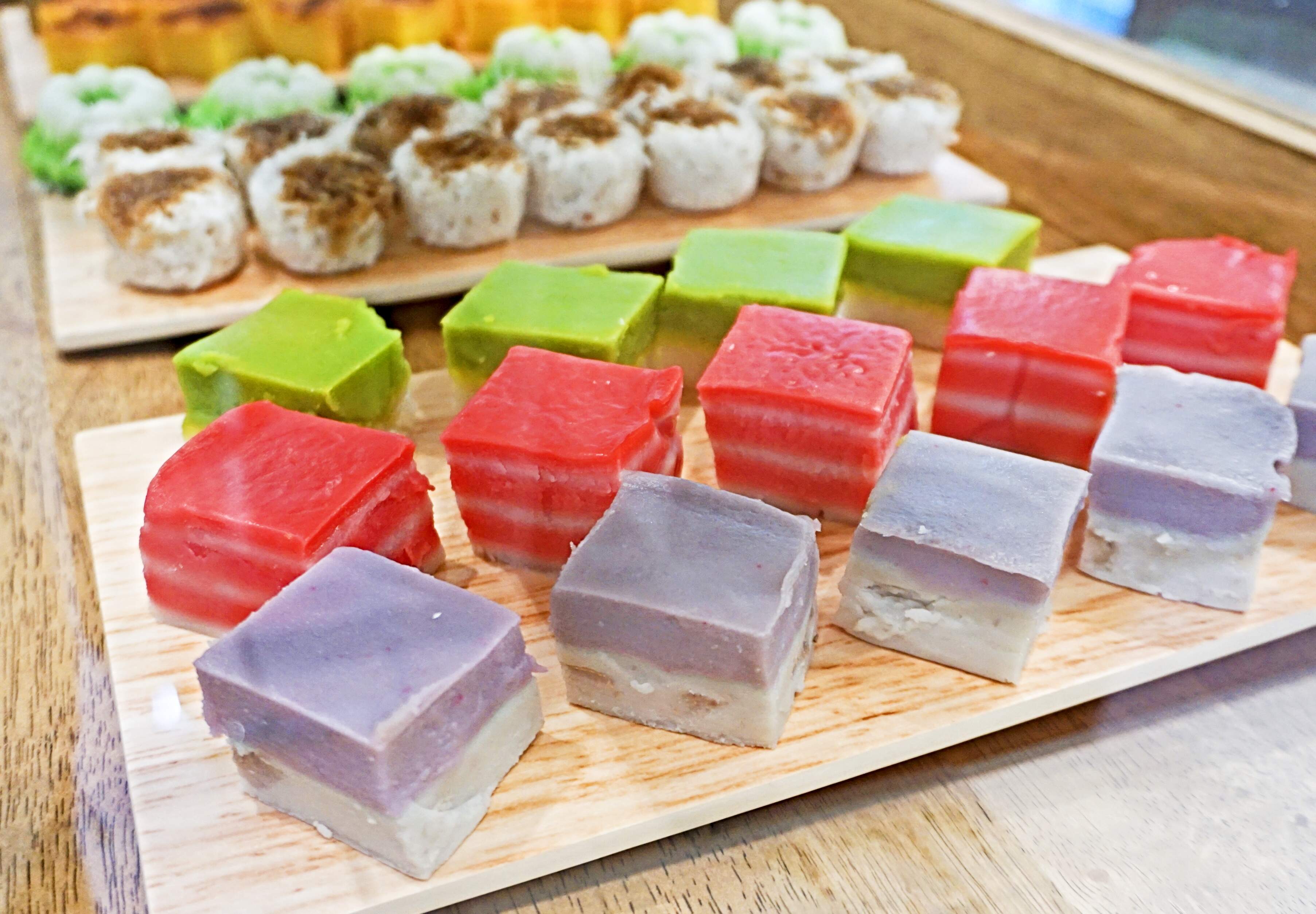
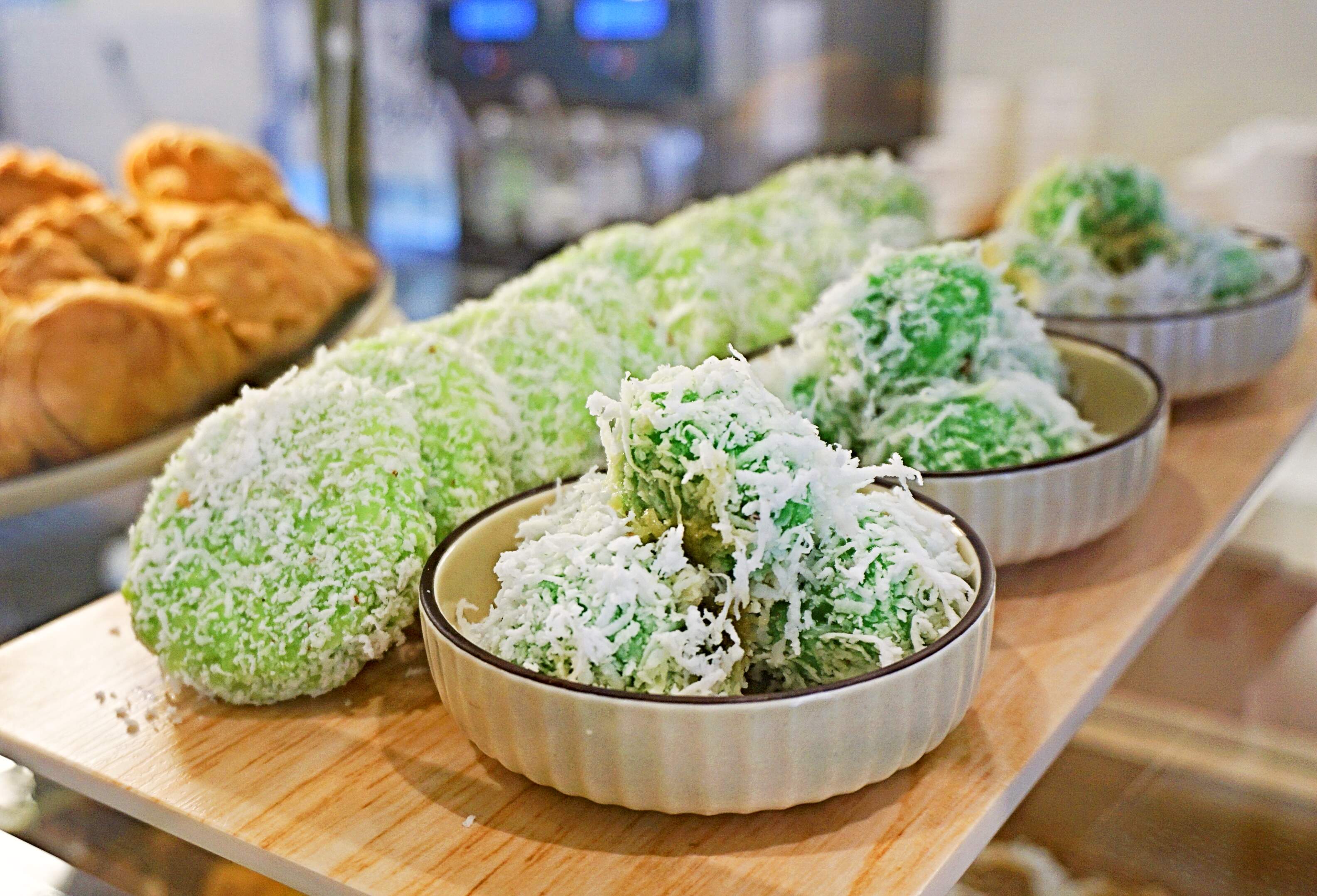
Malay kuehs: kueh lopis and onde-onde
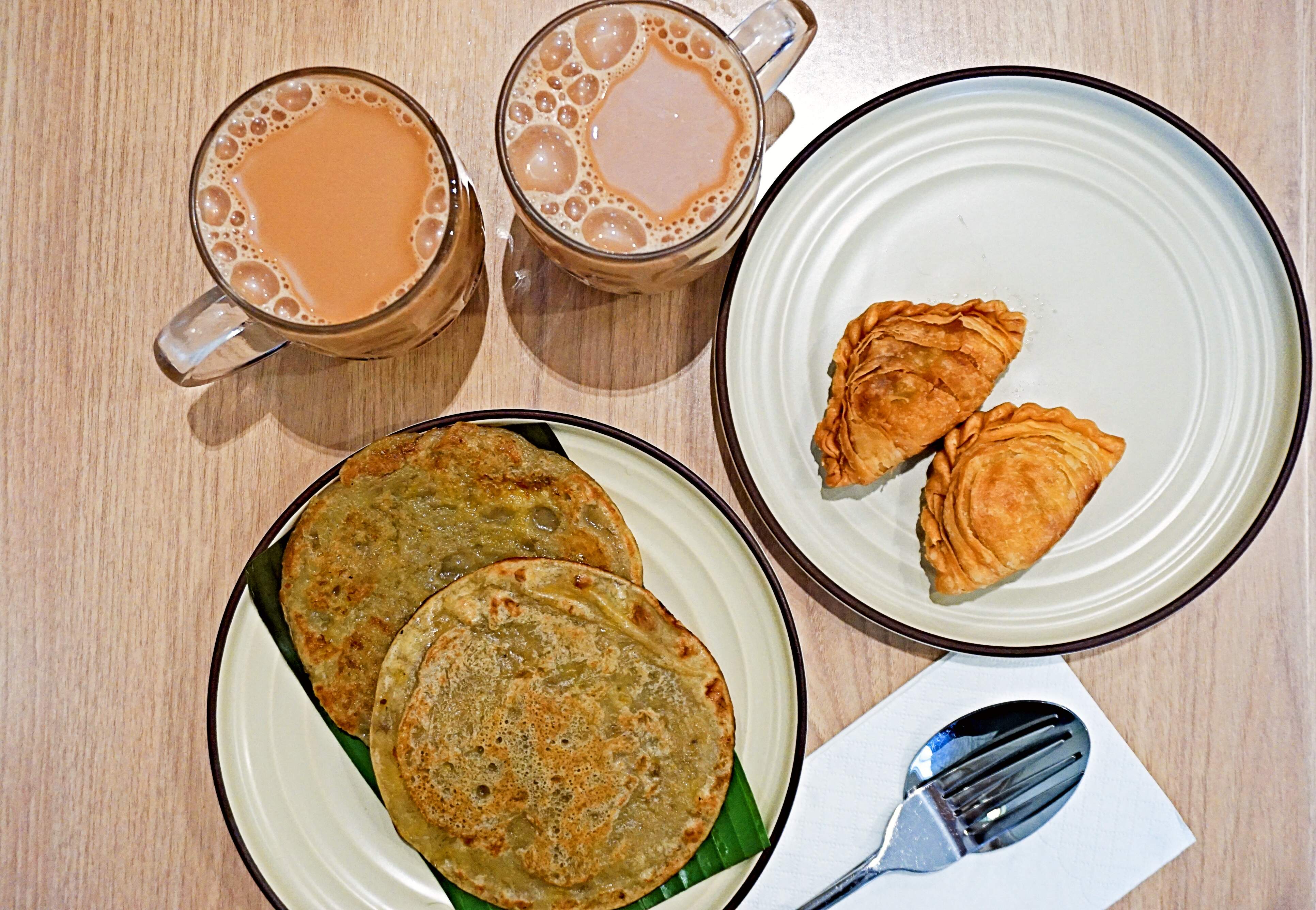
Curry puffs with mugs of hot “teh susu” (sweet milk tea)

Kueh lempeng (Malay pancakes)

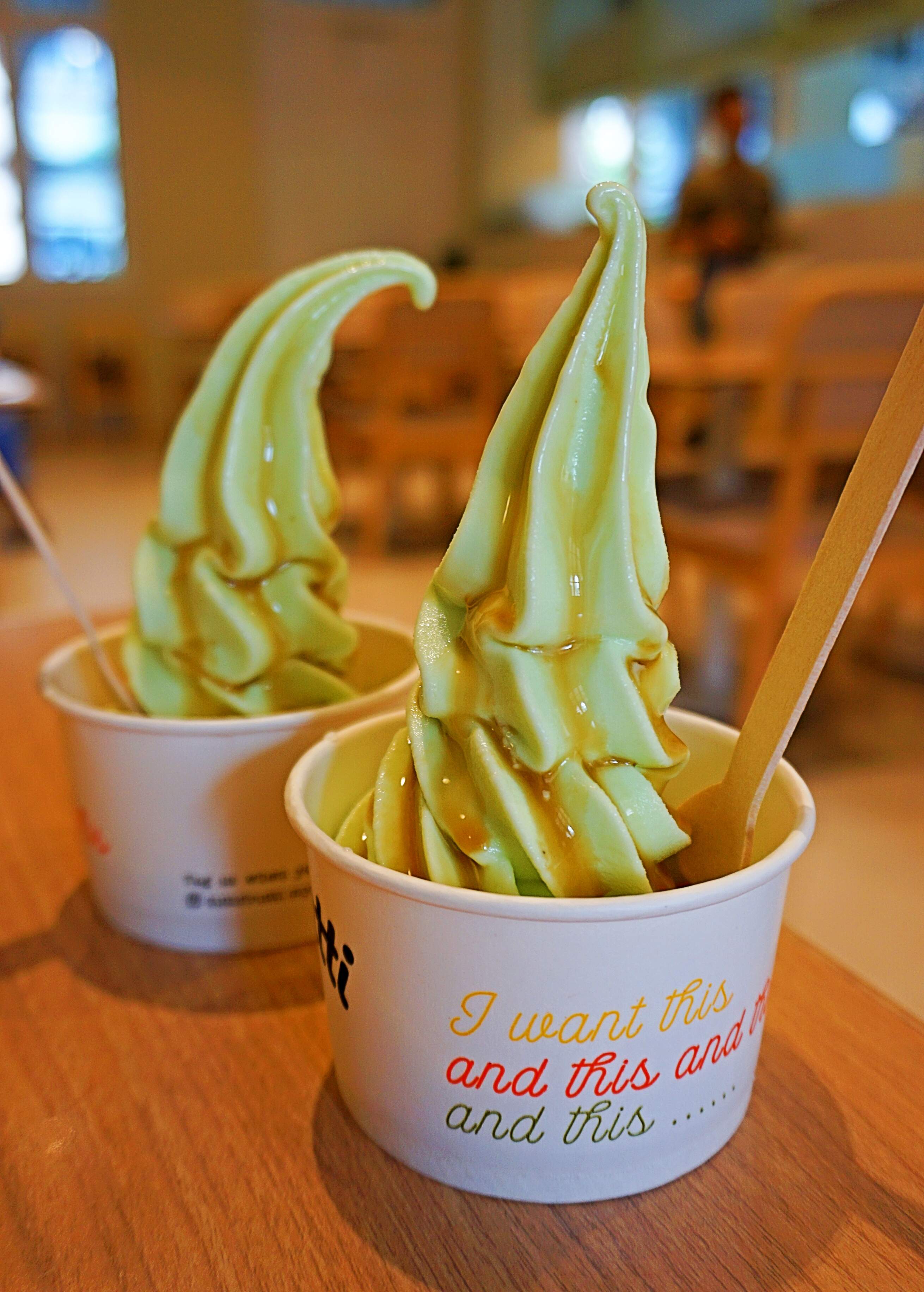
Yoghurt with pandan ad Gula Melaka flavors.
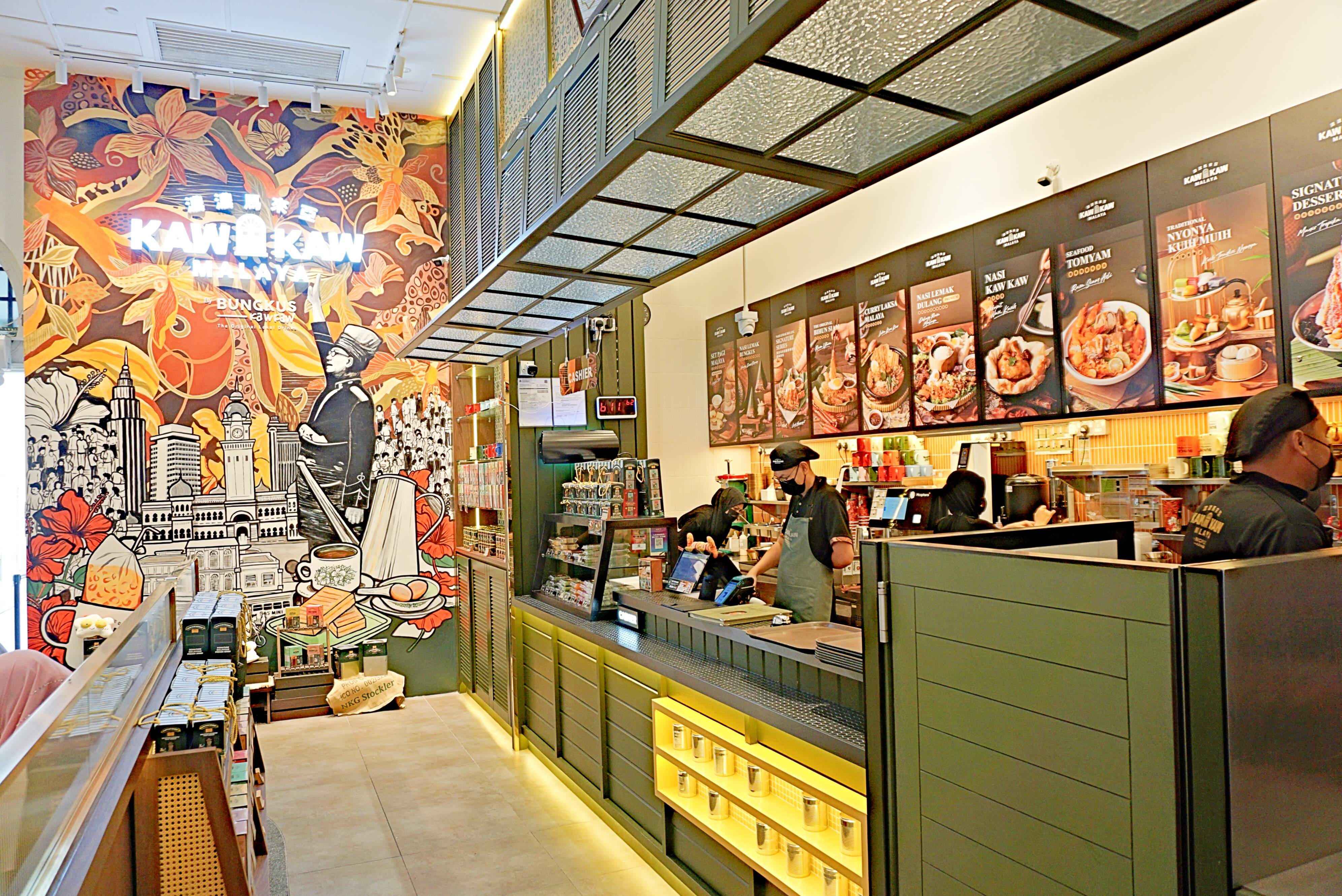
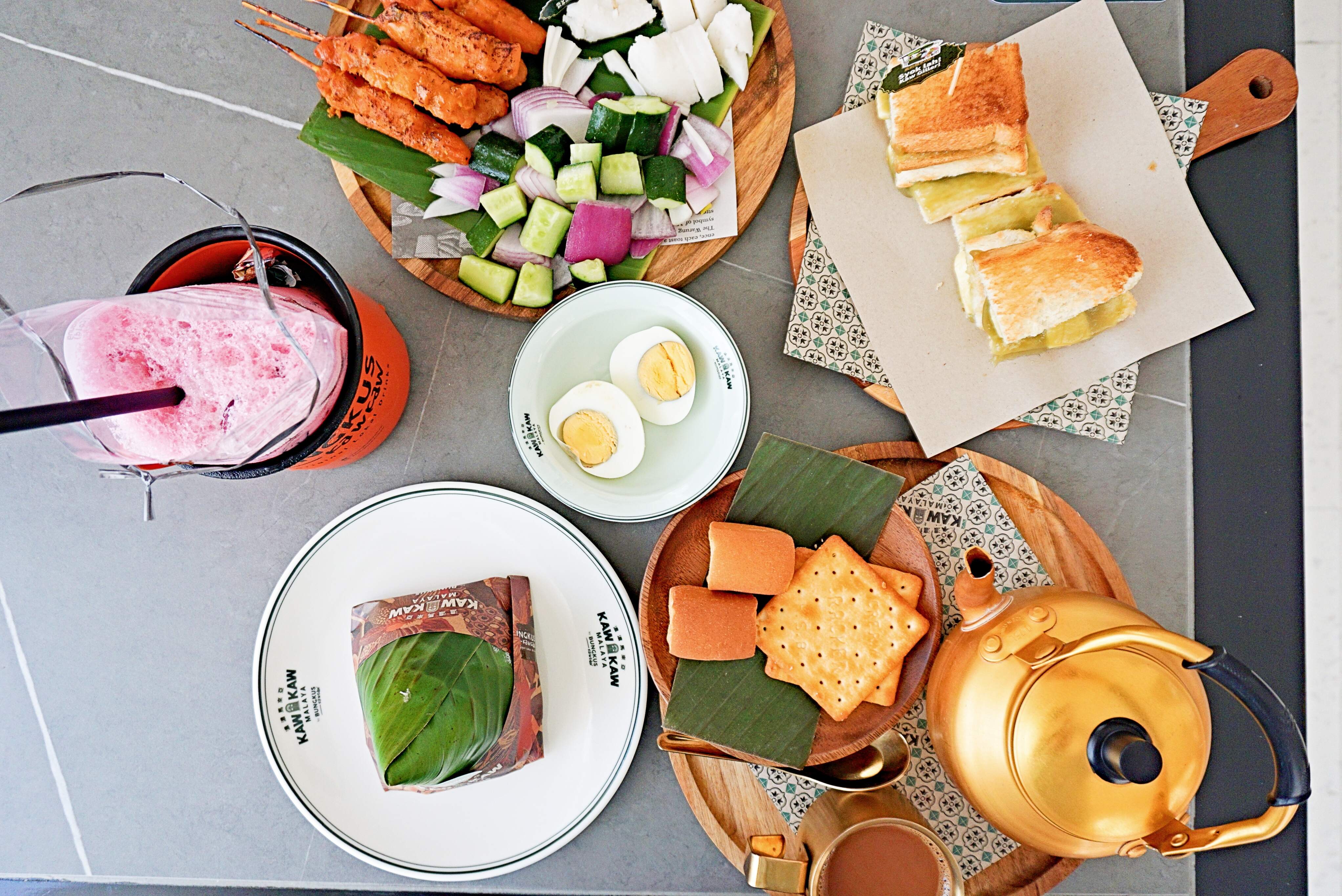
- Kaw Kaw Malaya, Level 1-07 - Malay-style bistro fare, including nasi lemak, roti jala with chicken curry, satay, curry laksa, bihun Siam, otak-otak, etc.

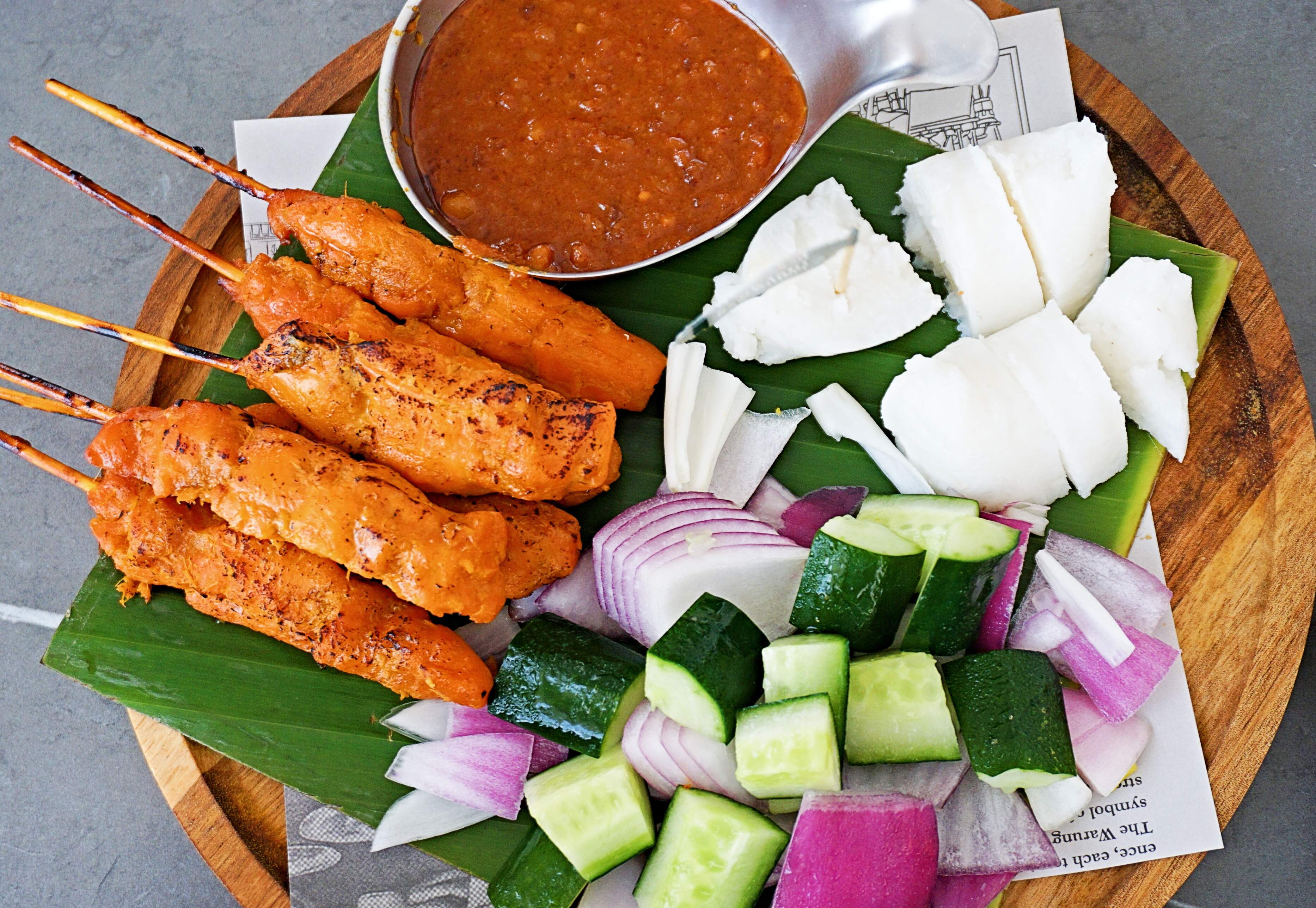
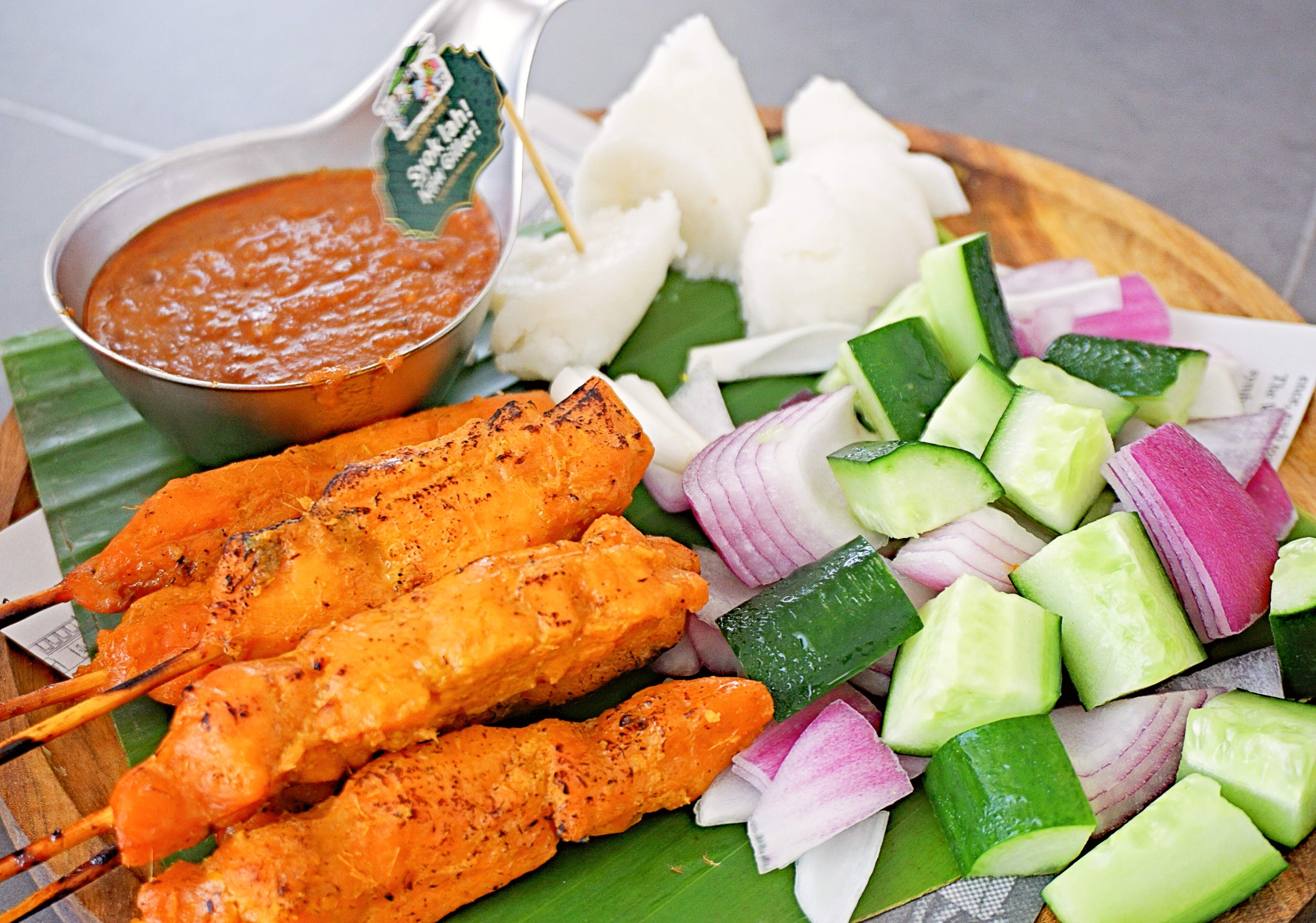
Chicken satay with peanut dip, compressed rice cakes (“nasi himpit”), raw cucumbers and purple onions.
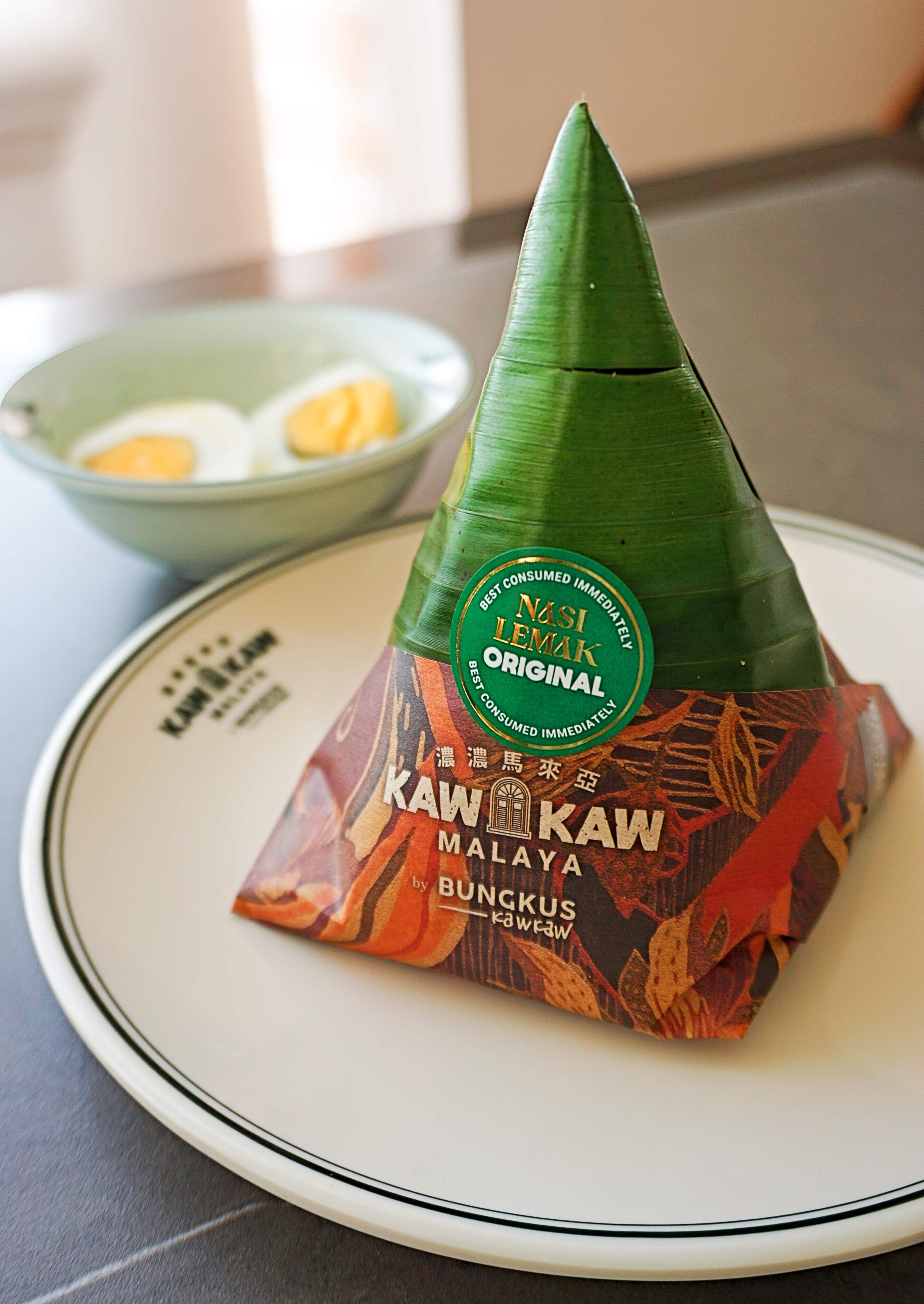
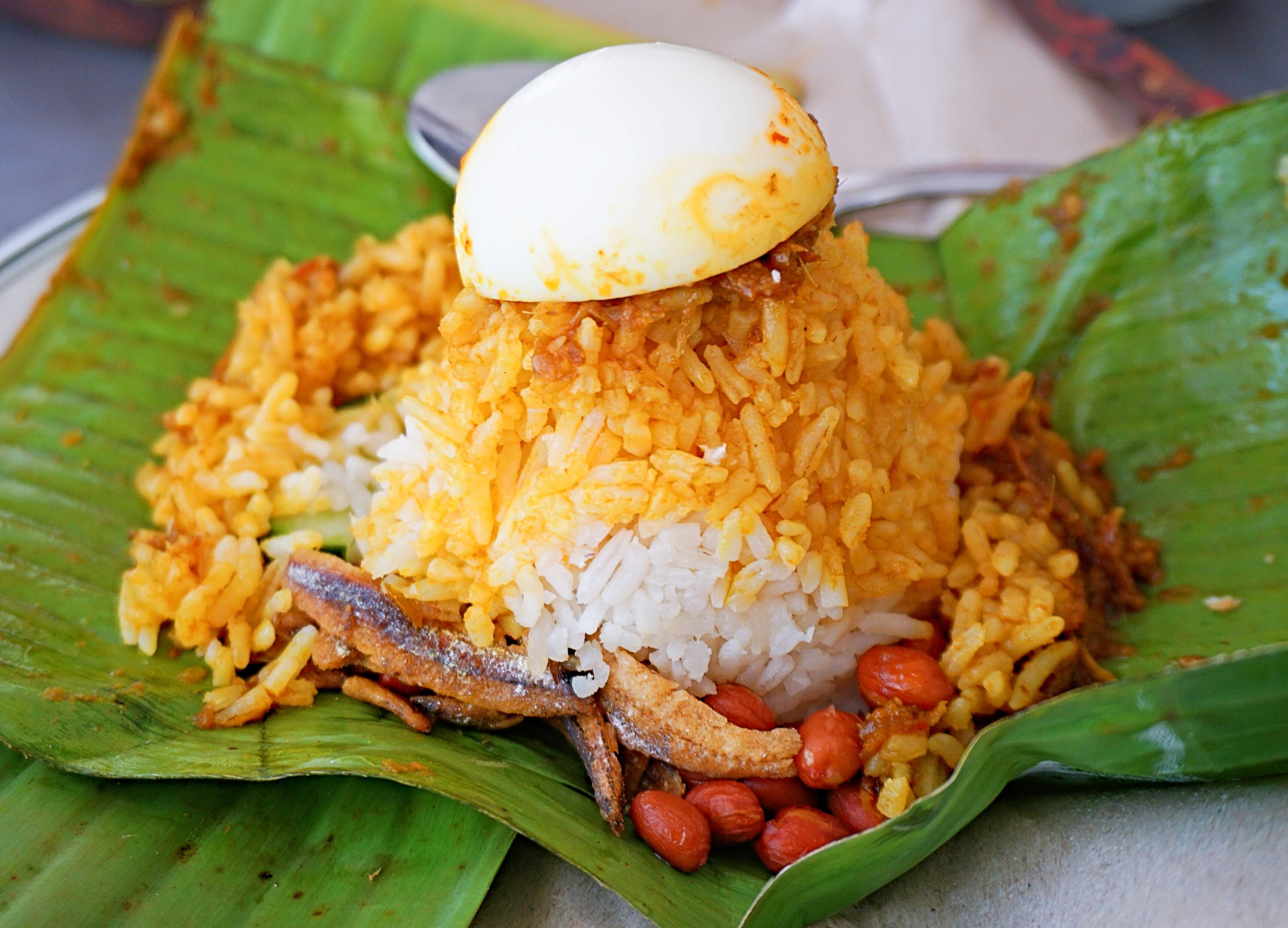
*Nasi lemak bungkus - coconut milk-flavored rice, with sambal, hard-boiled egg, crisp-fried anchovies (“ikan bilis”), peanuts and raw cucumber wedges. The “bungkus” refers to its being wrapped in banana leaf in a traditional conical form. *
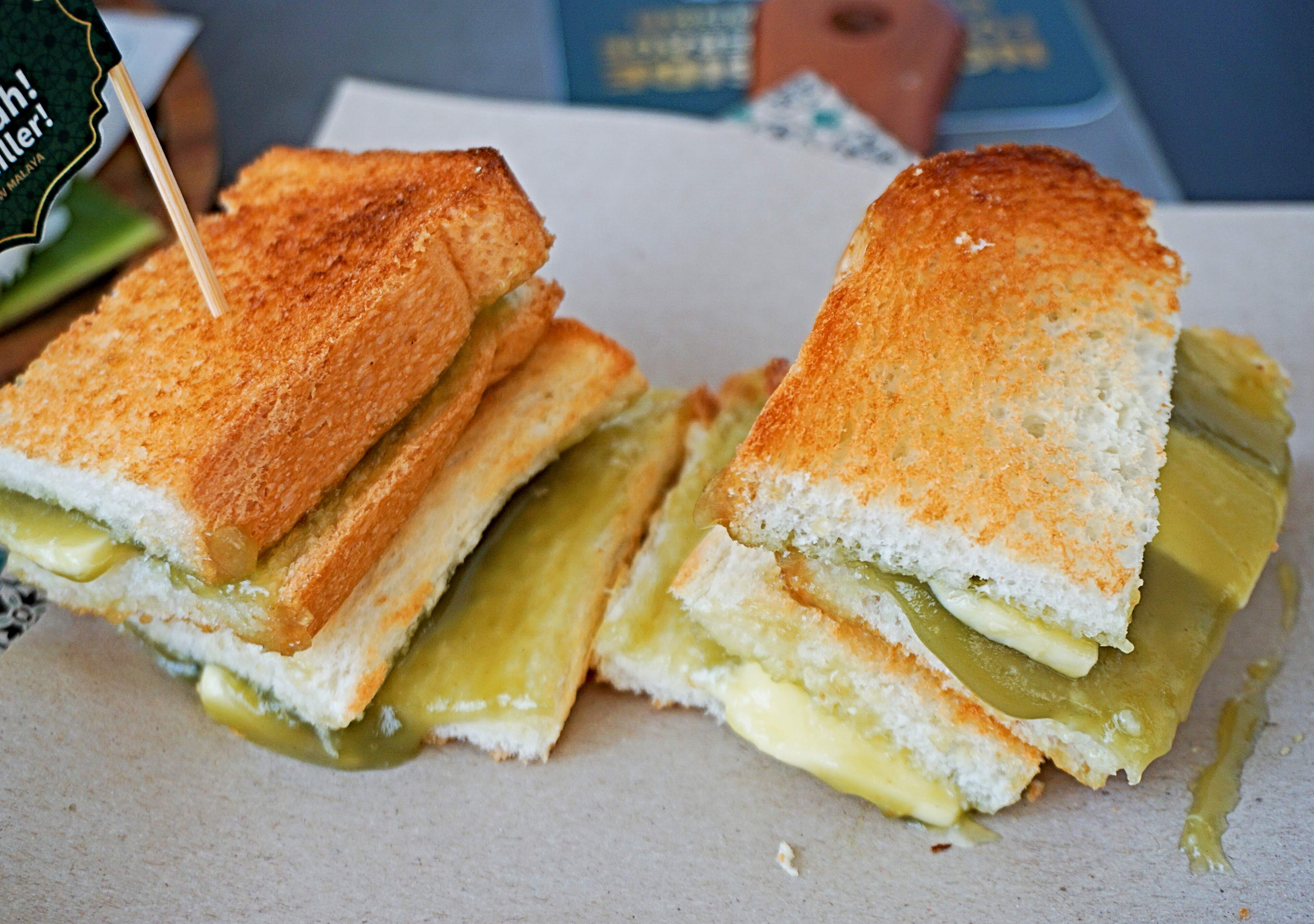
Kaya-butter toast - traditional white bread toast with butter and egg custard jam.
We need to return and explore the other two eateries in the building complex.

Address
Sultan Abdul Samad Building
Jalan Raja, Kuala Lumpur City Centre, 50050 Kuala Lumpur, Malaysia
Opening hours: 8am to 10pm daily