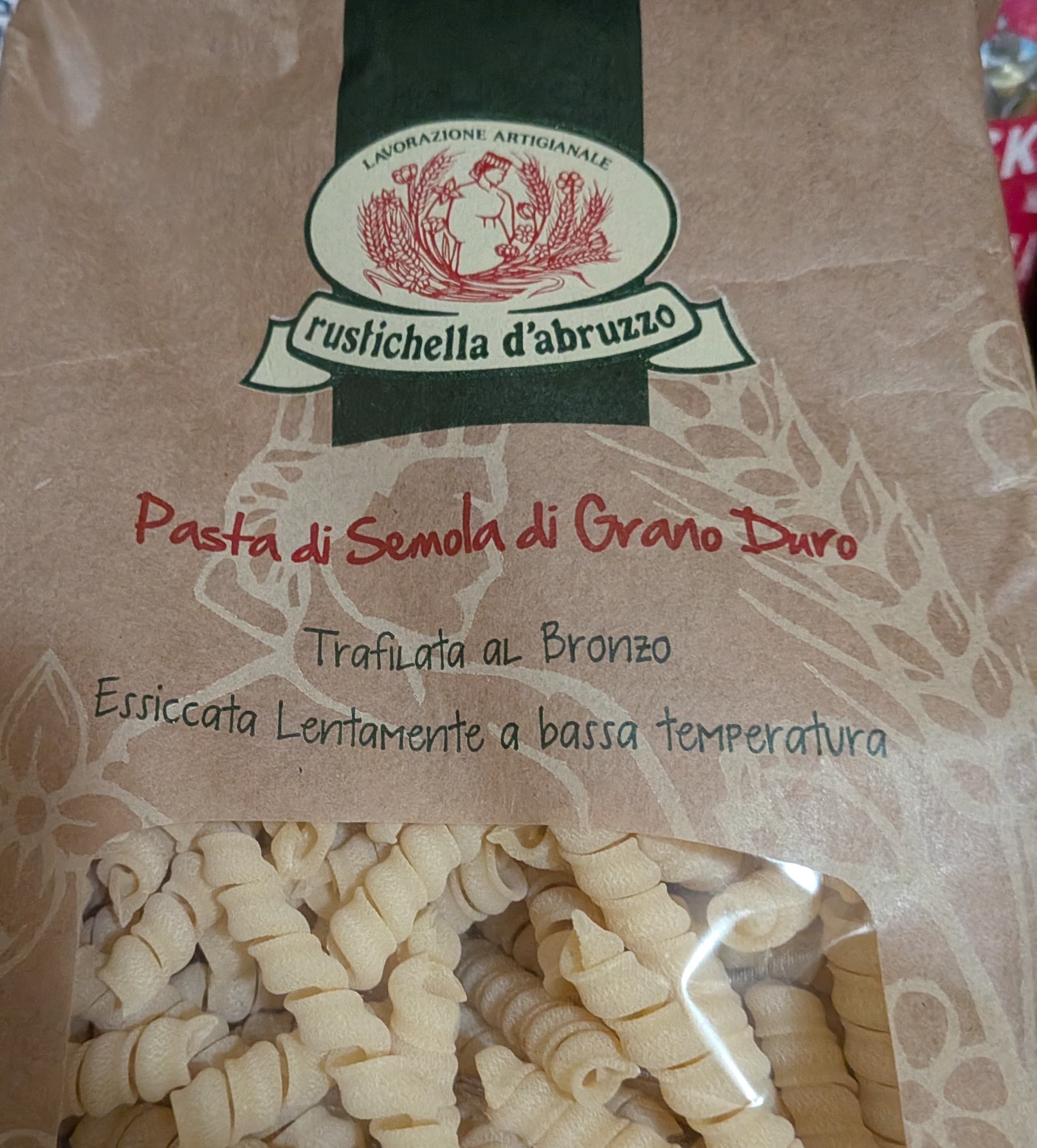
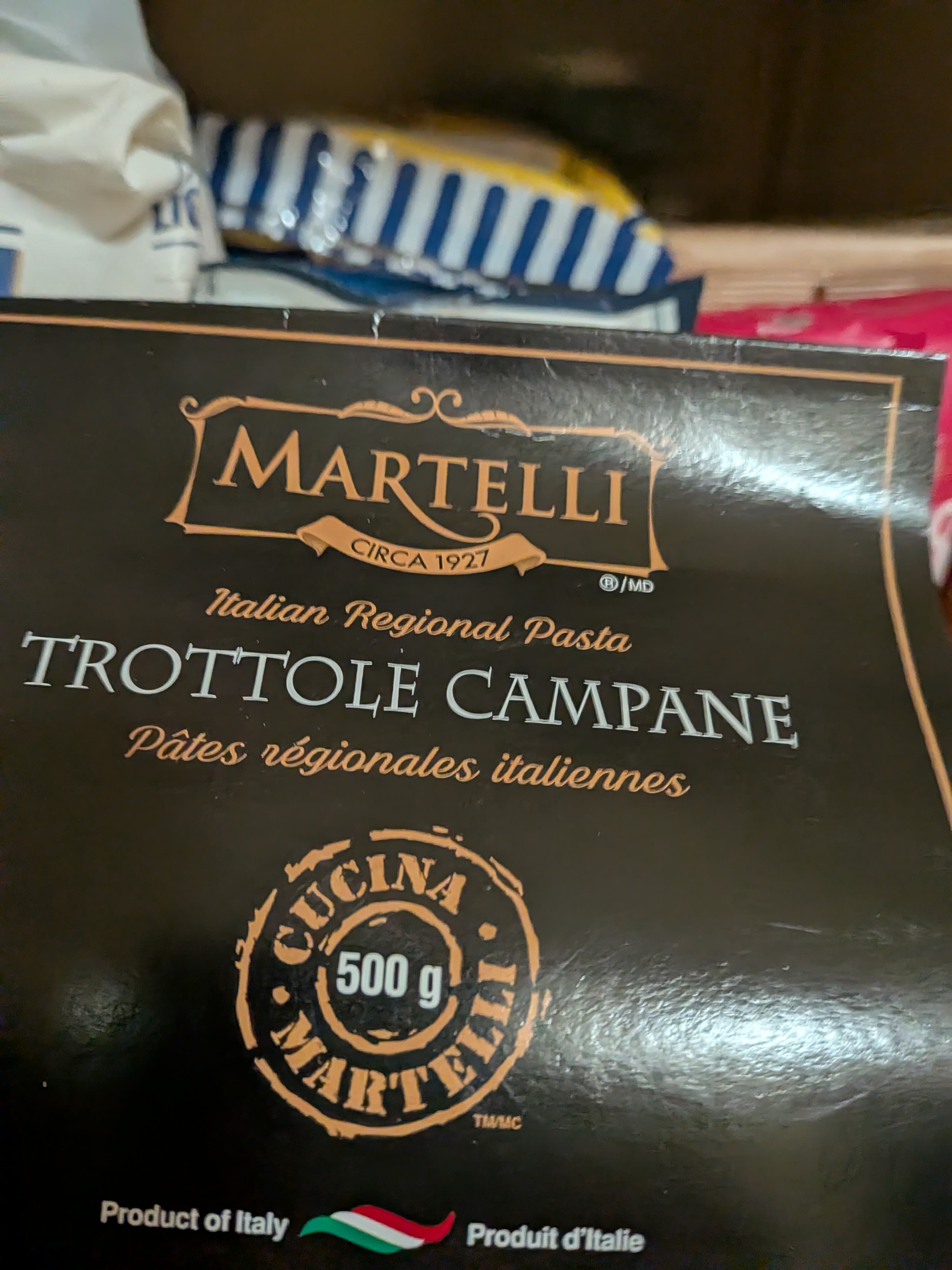
I don’t salt pasta (or other carbs cooked in water, like rice) unless there will not be a sauce to follow, or there’s some specific reason in the remaining prep that makes me think I need to.
However the Ideas in Food people are restaurant folks, so I doubt they missed this bit, nor Kenji.
Easy (and inexpensive) enough for you to test yourself with a few pieces of dry pasta soaked in salted water and cooked later, or soaked in unsalted water and boiled in salted water, or using salted water in both steps.
(Aside from that, at some point I read research that one consumes less salt if one used half the salt quantity while cooking, and finished with whatever extra was needed at the end to taste. So when I remember, I try to do that too, because there’s too much salt in pretty much everything these days – in no small part due to people’s palates having been trained for too much salt.)
Apparently soaking actually reduces the sticking, especially of long shapes. I’m glad I saw this again, as I had stopped doing it at some point, but the reminder will put me back on track!
Another thought I have about the pre-soak method is not having the delicious starchy cooking water to add to your pasta at the end. I almost always use some or even LOTS
The low-water method will yield that. But also, boiling at the end in just enough water to cover. You can vary the method to the recipe, for eg I don’t need starchy water in a tomato sauce prep. (And if I need starch at the end in something, a pinch of cornstarch can easily do the trick, as it does in many Chinese dishes. But that’s another discussion.)
Pipe pasta jumped into my cart from the special-sale on organic pasta shelf at the store Sunday. New to me, but it’s shaped a bit like giant elbow macaroni and package says good in a baked pasta dish. A package of gnocchi tagged along, for a repeat of last June’s gnocchi with Italian sausage, tomatoes and spinach.
You could use it in Pastitsio, which is a baked tomato, pasta and meat dish topped with béchamel . There are 2 sizes of Pastitsio noodles.
That’s the main dish Greeks would use long tubular pasta for.
This is the recipe I have liked the most.
I guess Long Ziti is probably pretty much the same as Pipe Pasta and Pastitsio No.2
I read that so and so knew that tagliatelle was the traditional pairing with ragu Bolognese, but this a a sauce that is such a delicious labor of love that I always break out the Atlas and make a fresh very wide, about 3/4", pappardelle.
Reading that baked Pastitsio recipe reminded me that I have a “Greek Spicy Meat and Pasta” recipe with very, very similar components, prepared as a 3-part (pasta, meat sauce, cheesy white sauce) meal stovetop in about 40 minutes. I haven’t made it in quite a while and likely will now.