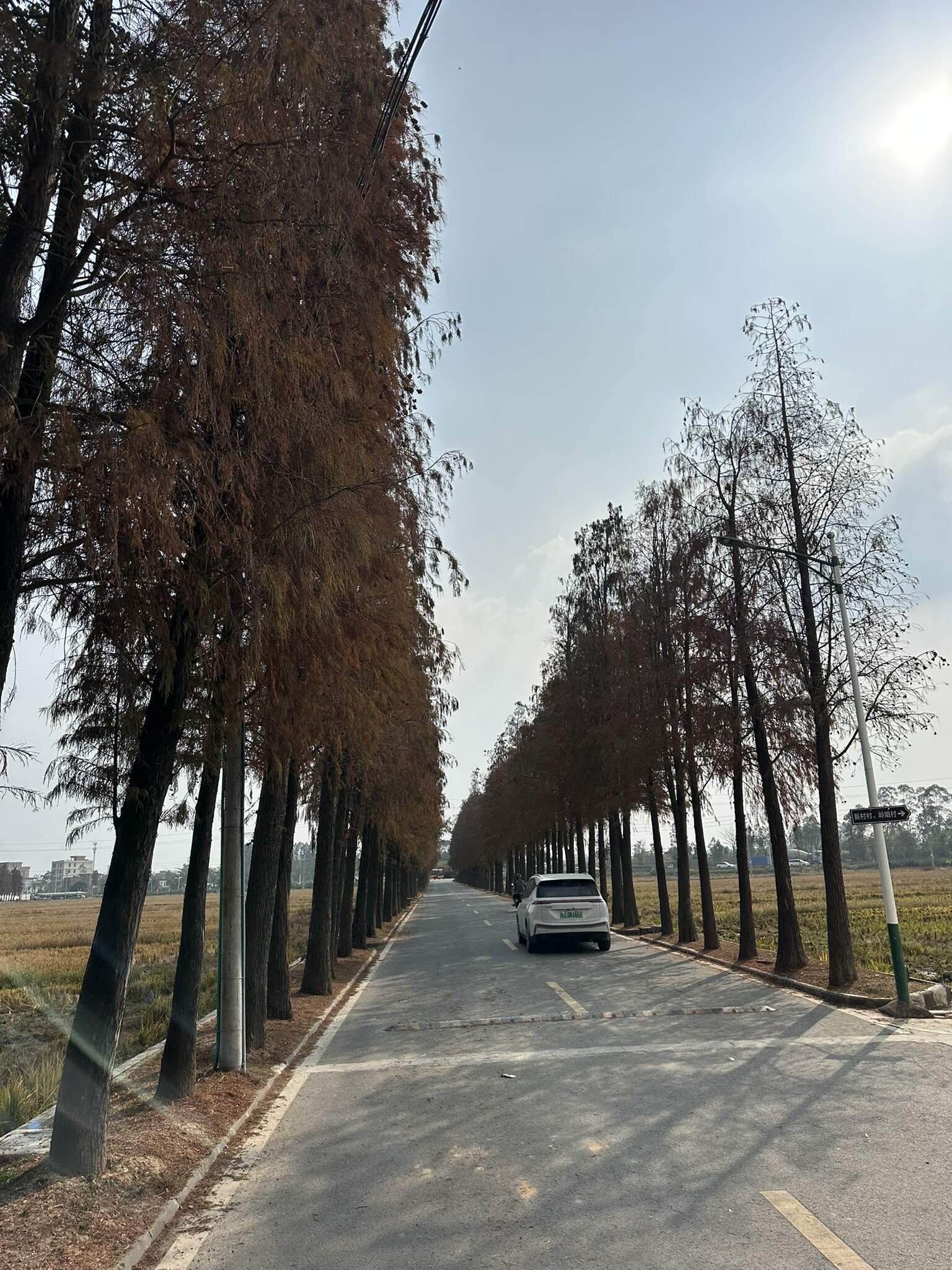
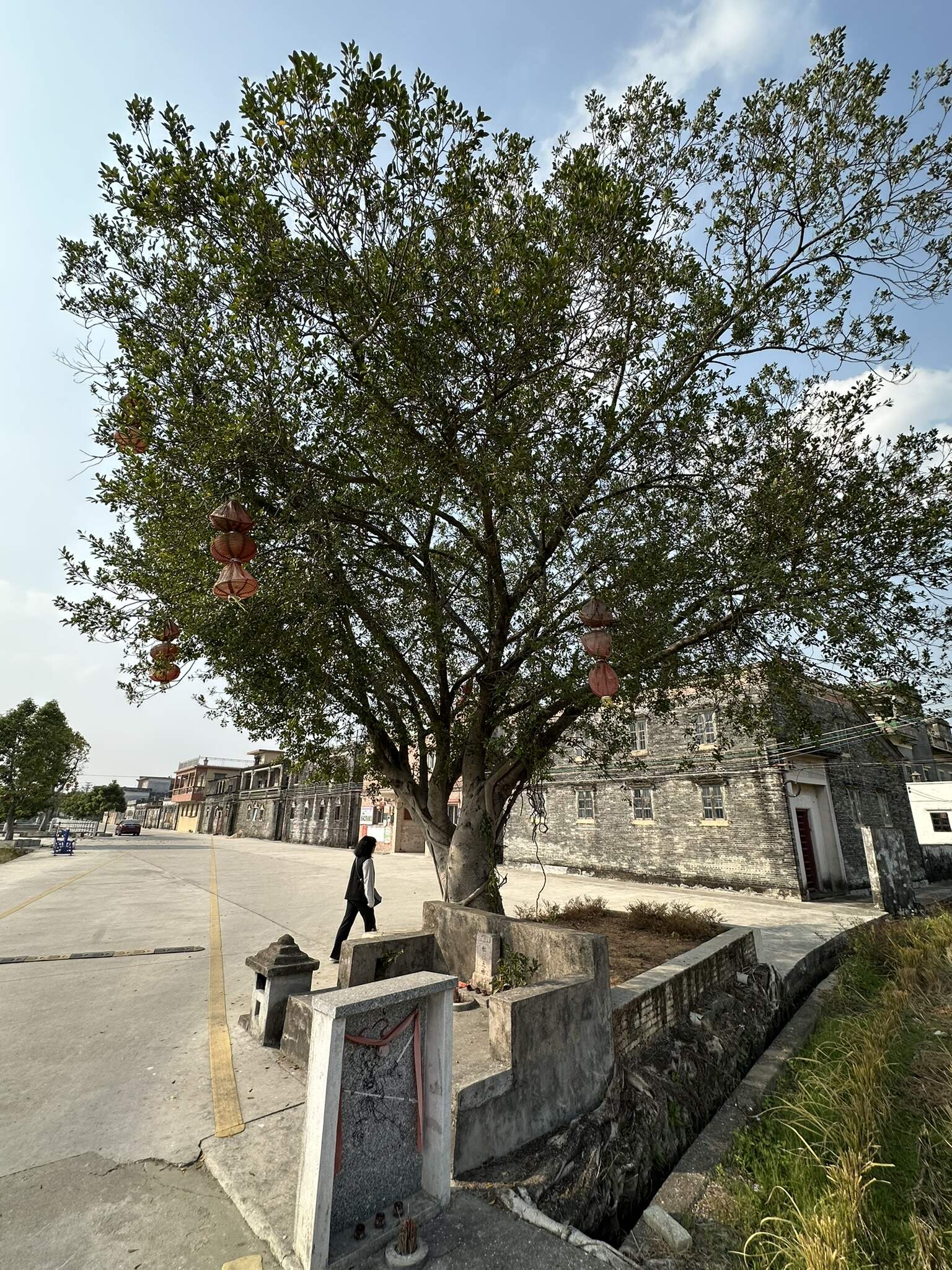
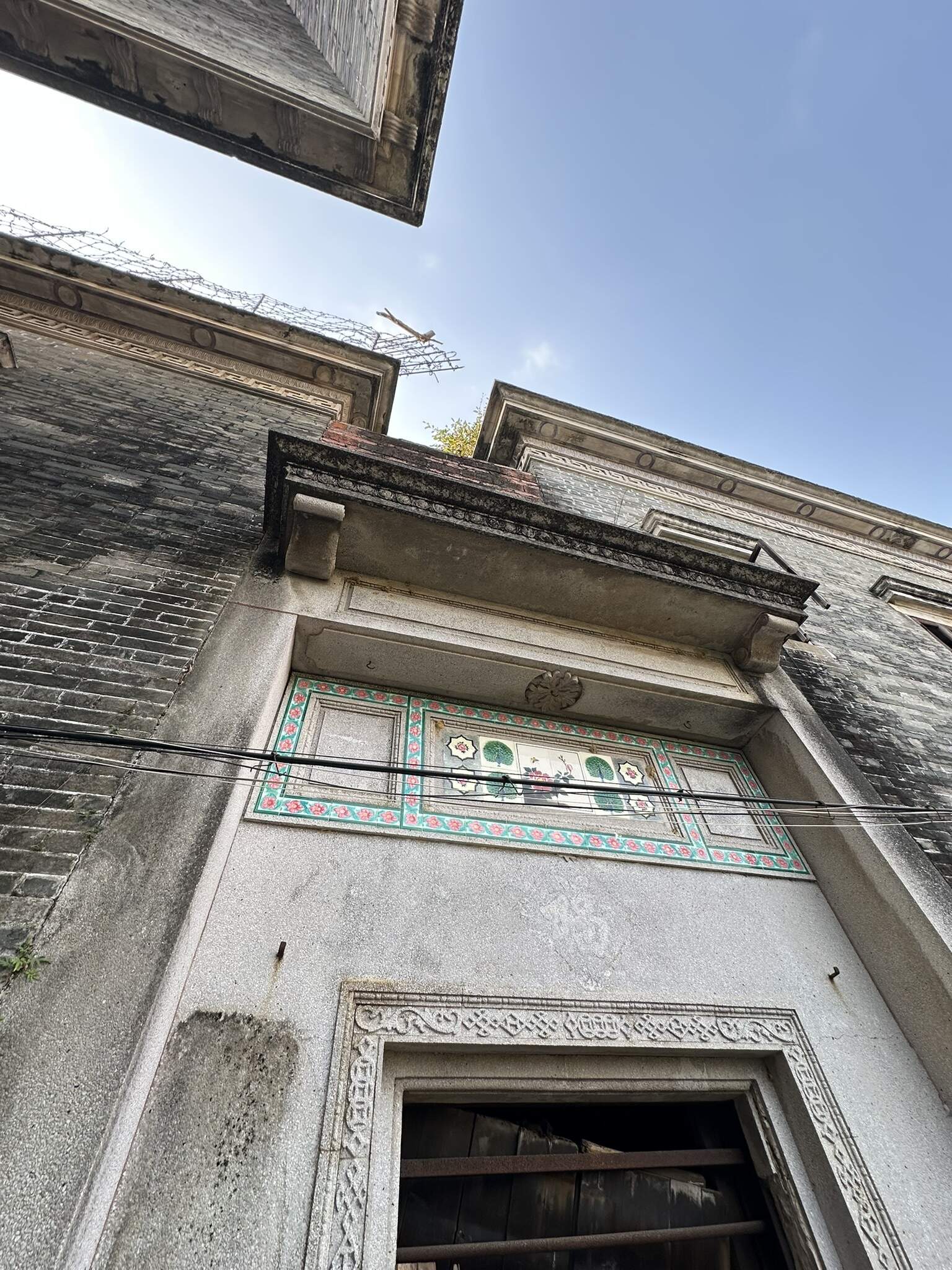
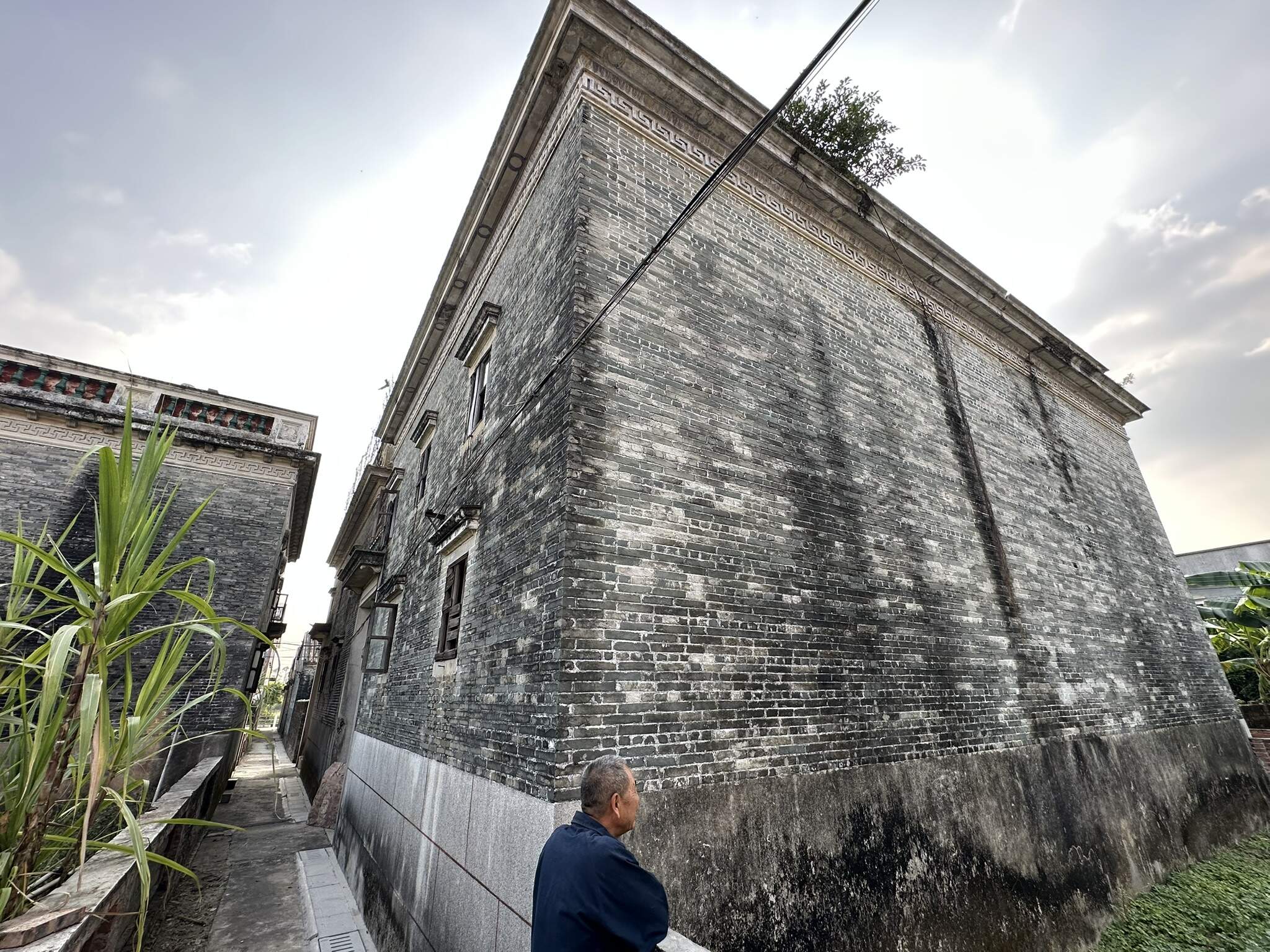
Visited my ancestral Hoi Ping village, to pay homage to my forebears. My Great grandfather had made his fortune in the United States at the turn of the 20th century, and returned to the village as a “Man of Means” over 100 years ago.
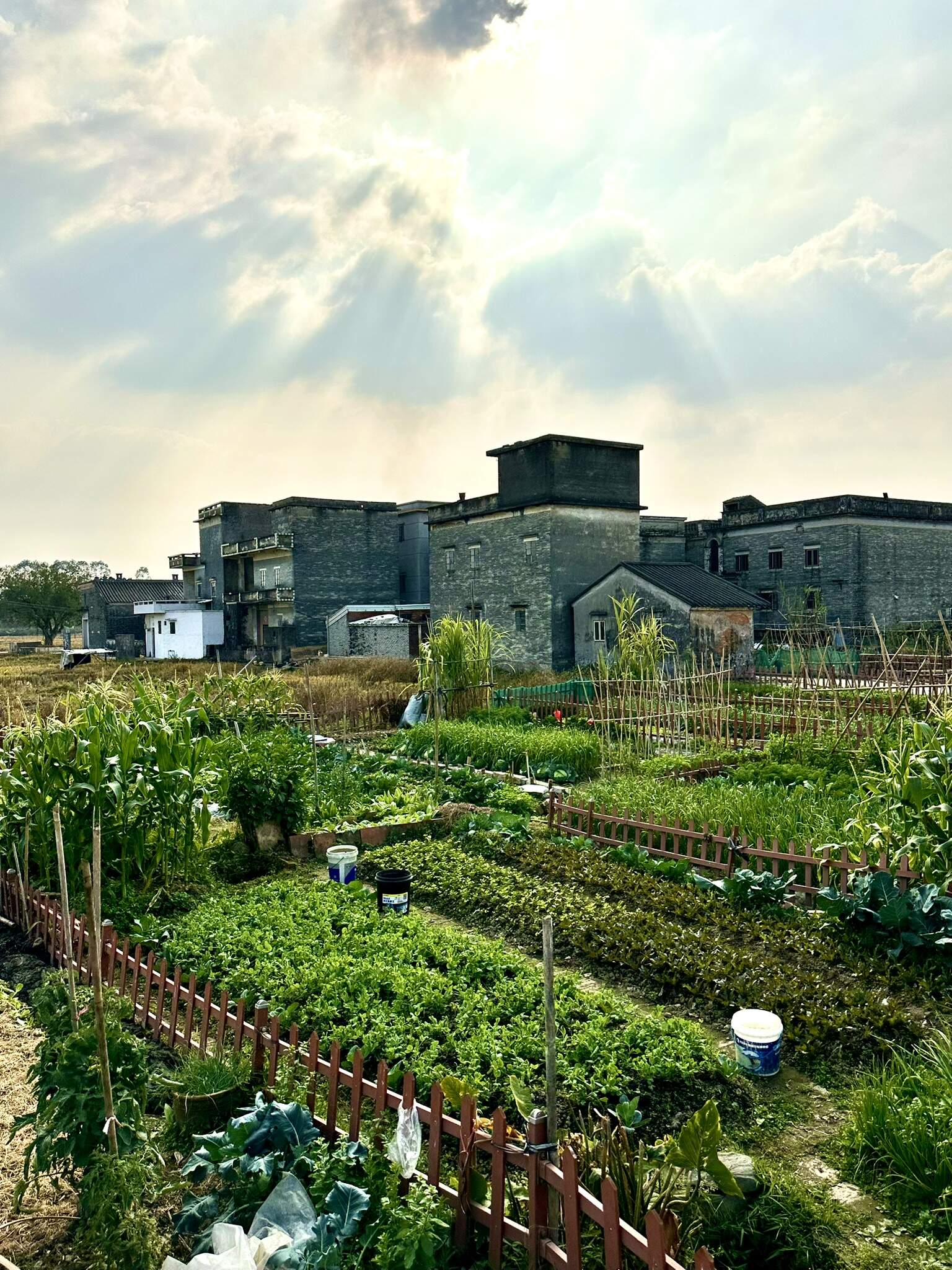
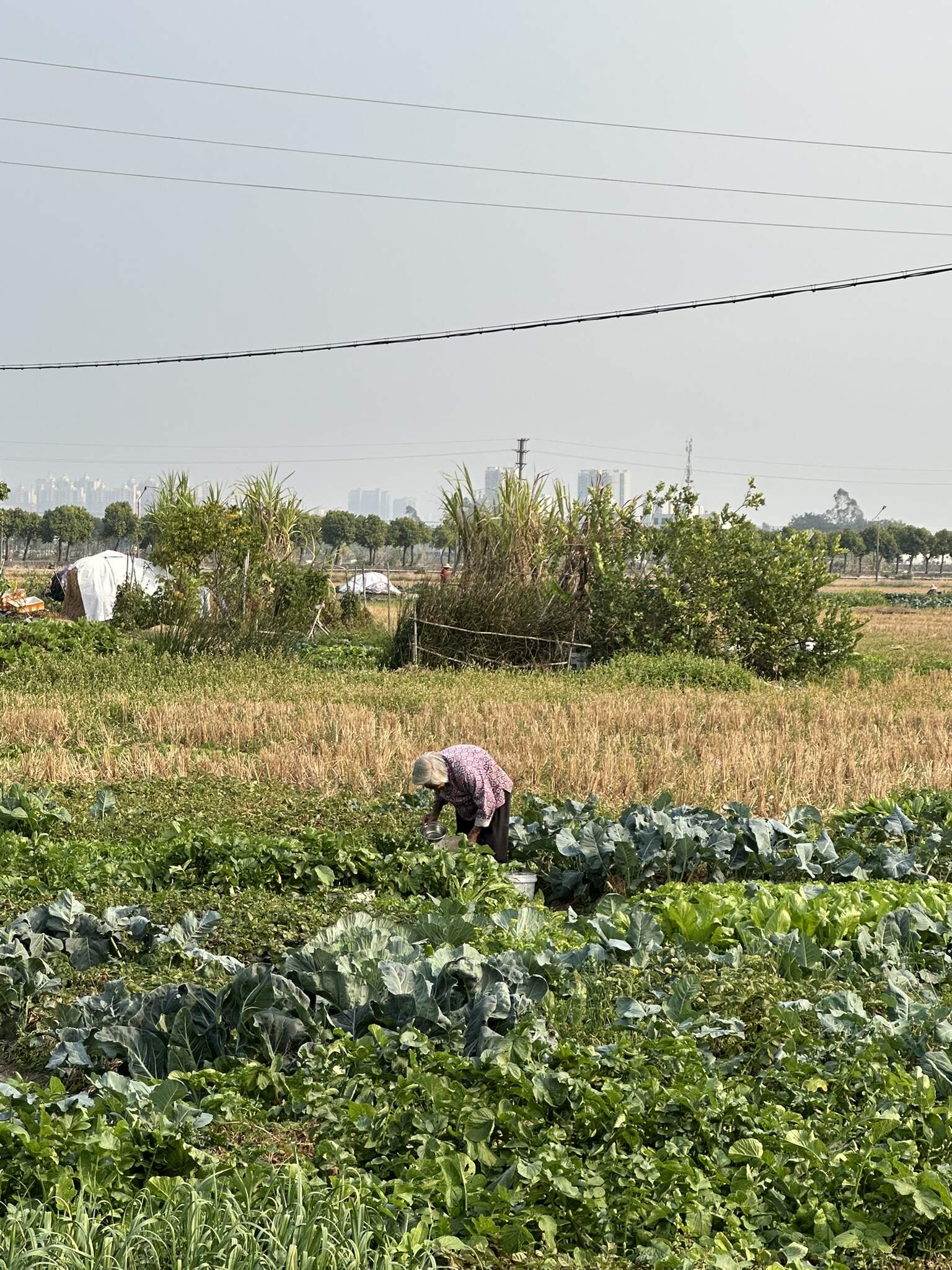
Secondly, I relished a meal with true appreciation for the products of this land. Rice harvested from surrounding paddies, fish raised in a nearby pond, vegetables cultivated in neighboring plots.
Our actual village is a tiny hamlet without any restaurants. We lunched in nearby Kaiping (Hoi Ping), about a 30 minute DIDI away. Even this larger burg did not qualify as a one stoplight town, as it did not yet have a stoplight.
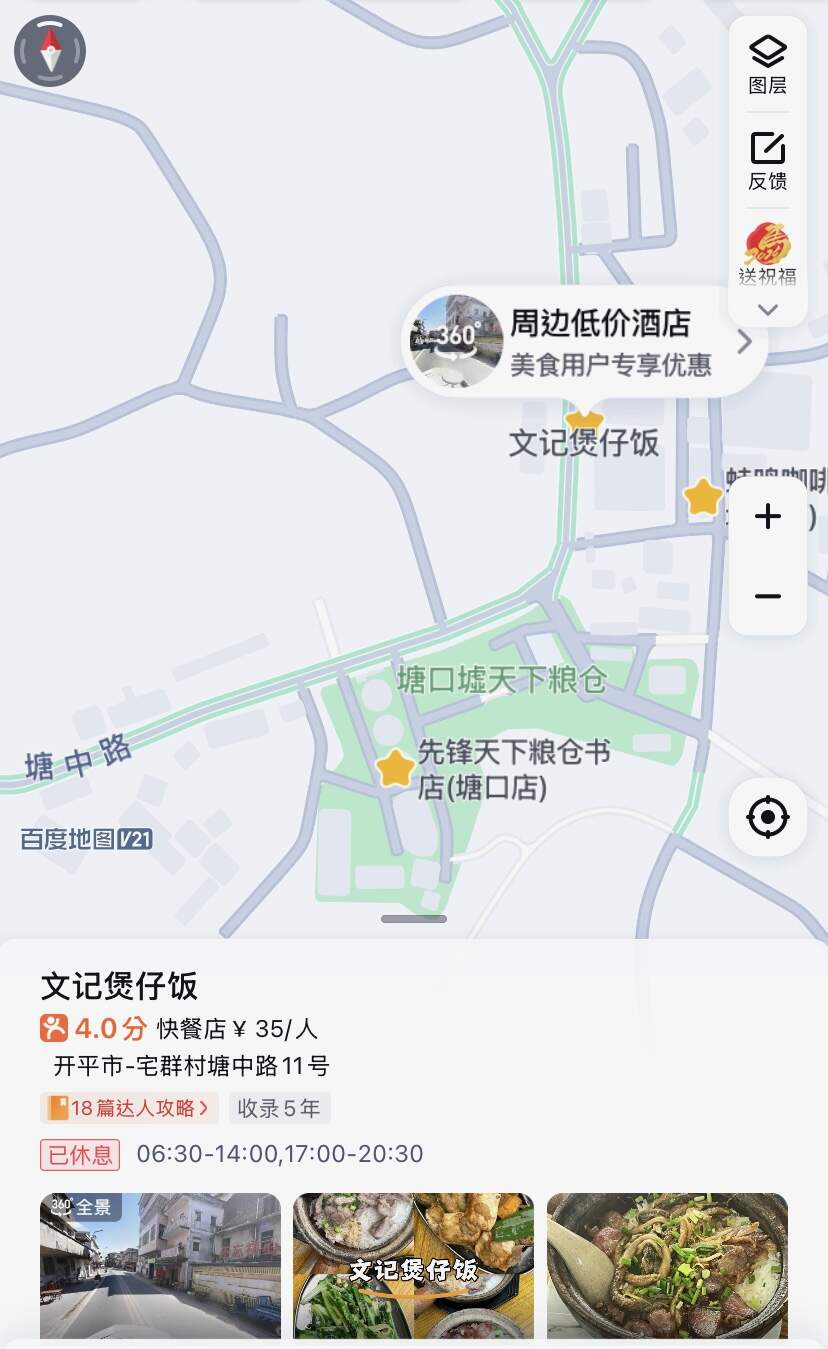
My wife had pinned a restaurant on Baidu Maps that makes an exceptional BO JAI FAN (Claypot Rice), a Cantonese specialty.

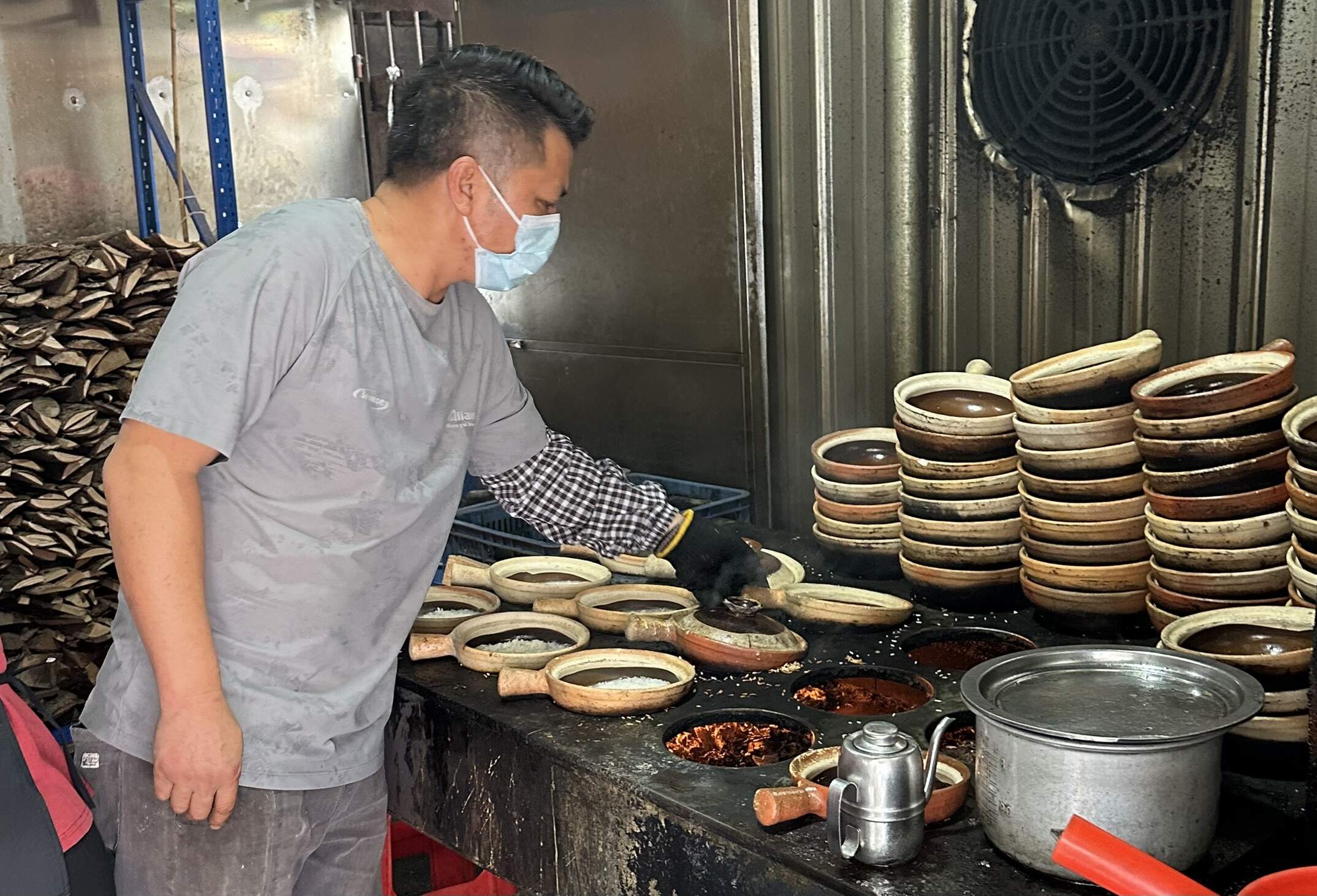
The Master working his magic in the Heart of the Restaurant, tending the glowing wood burning stove with the stacks of firewood and unglazed clay pots.
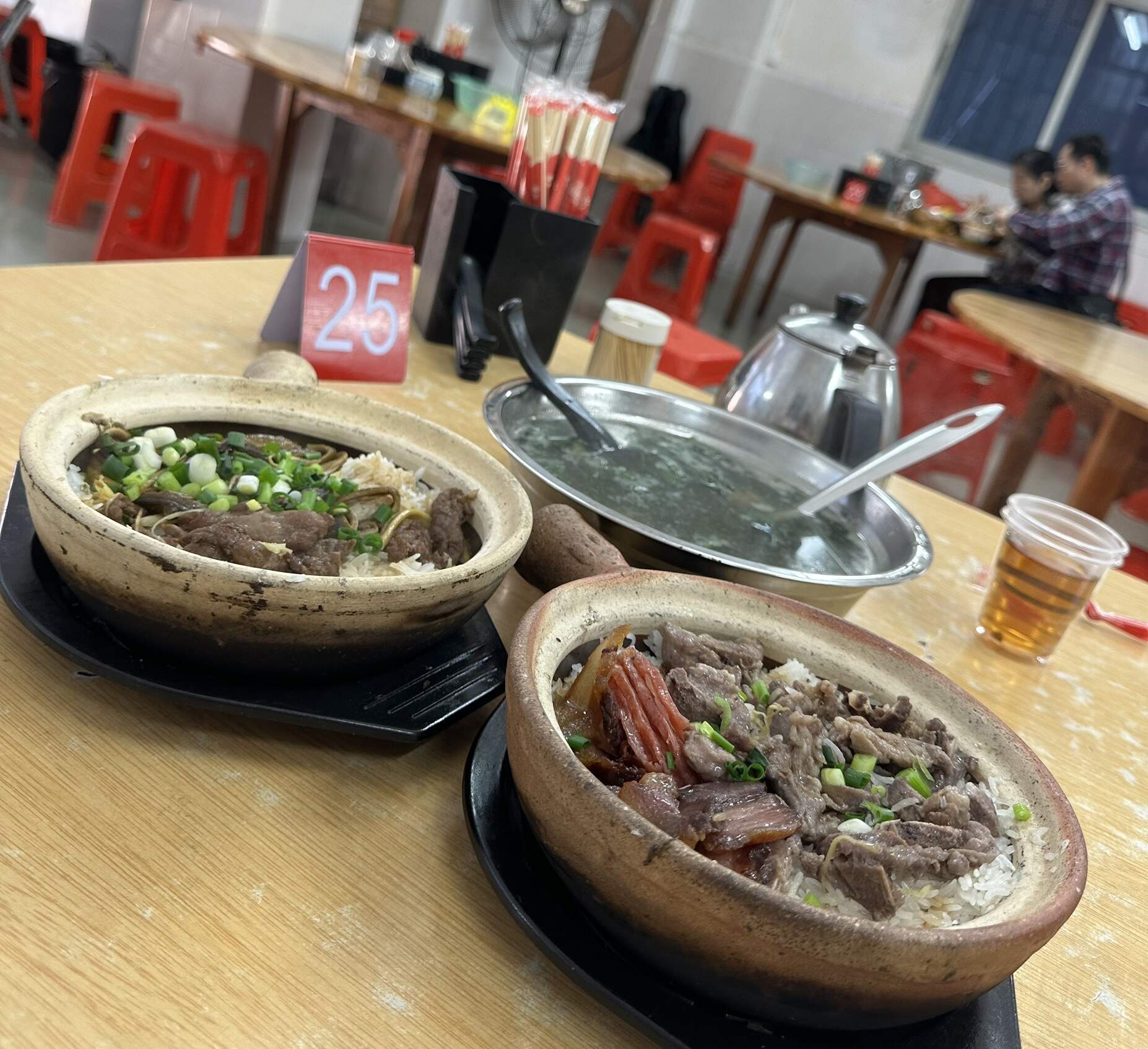
We ordered a simple country lunch. The most memorable meal, perhaps the BEST of the trip.
Bo Jai Fan with LAP MEI and MARINATED CHICKEN
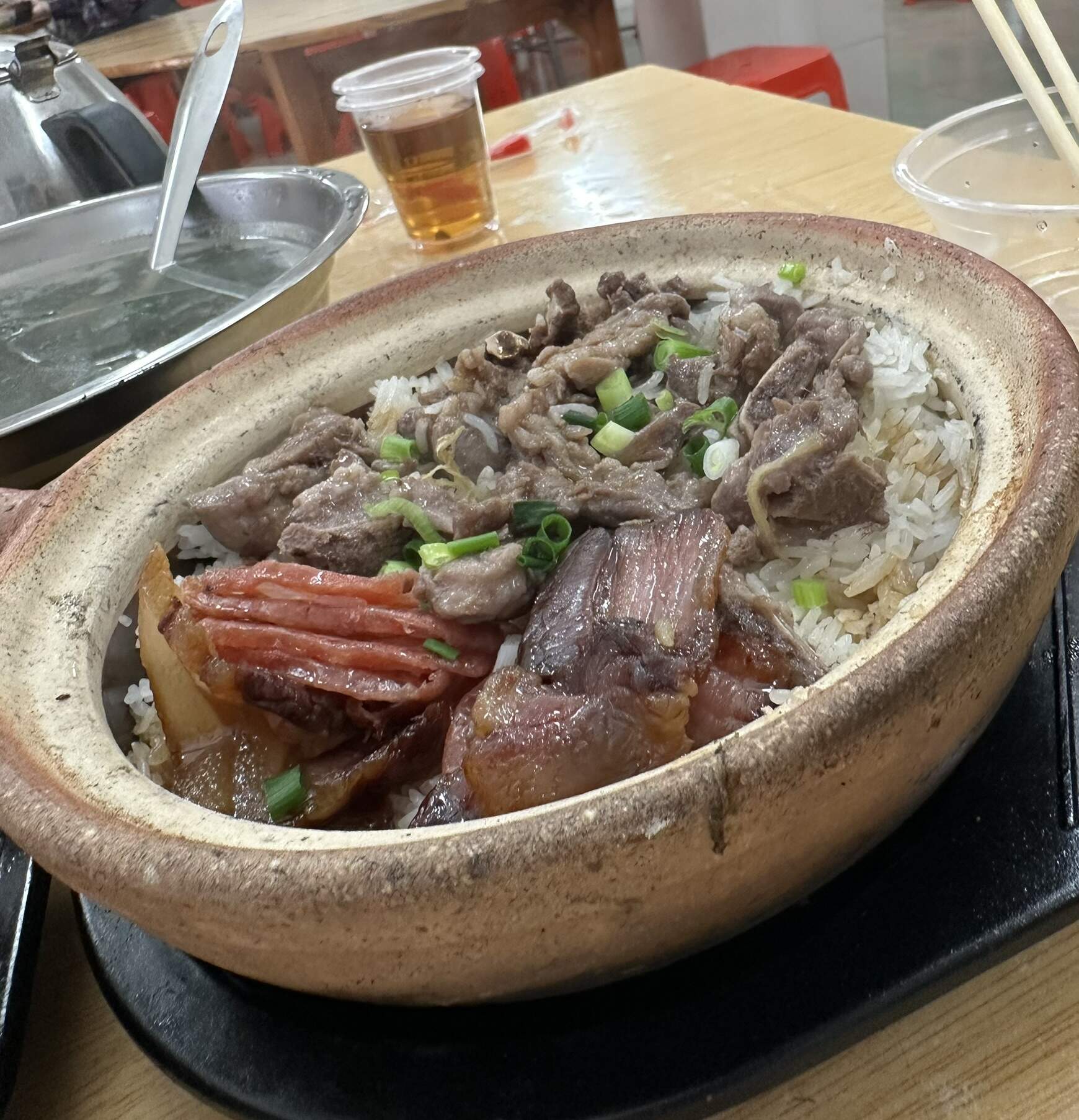

Bo Jai Fan with YELLOW EEL and BEEF. A traditional Toishanese comfort food.
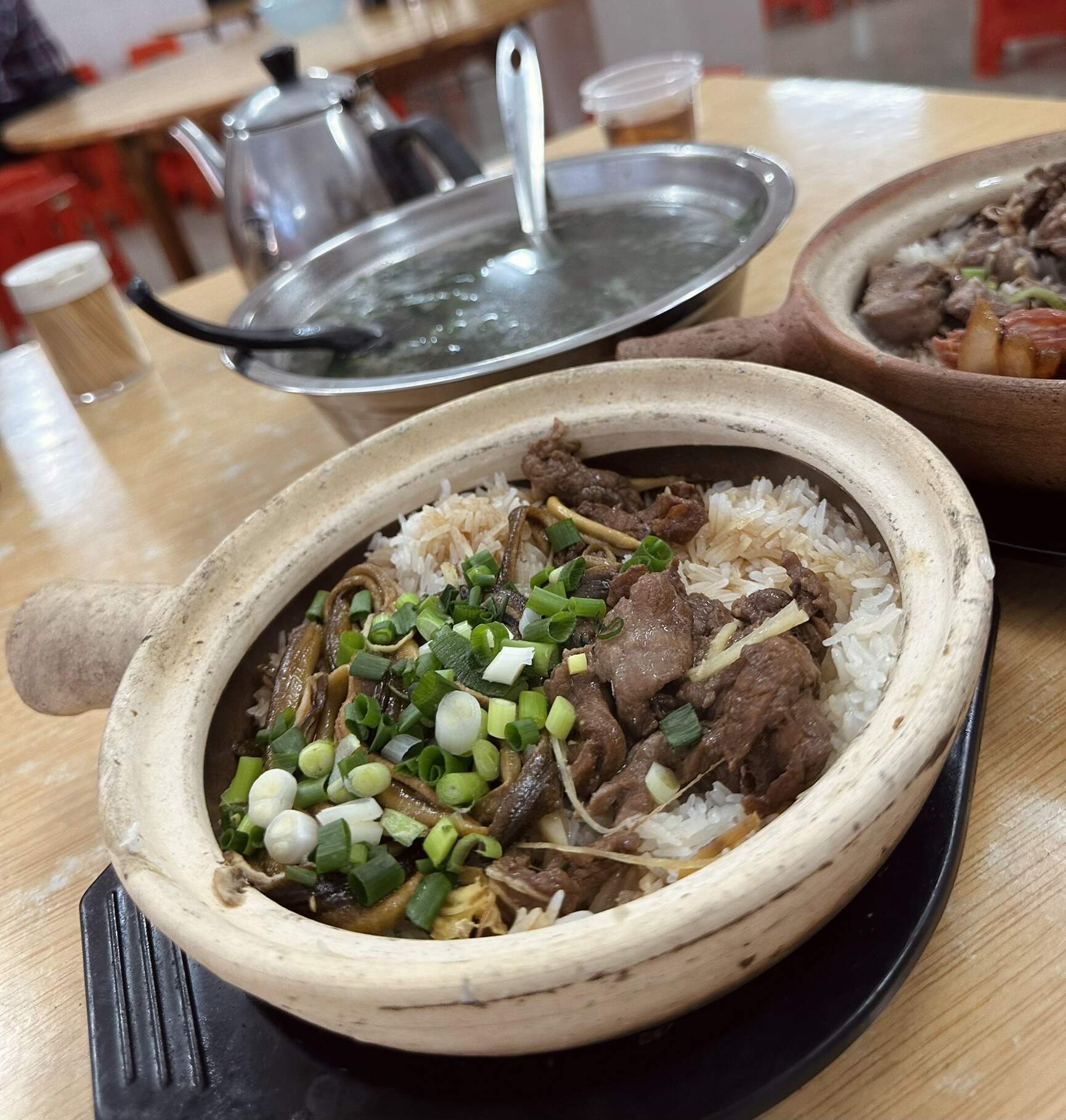
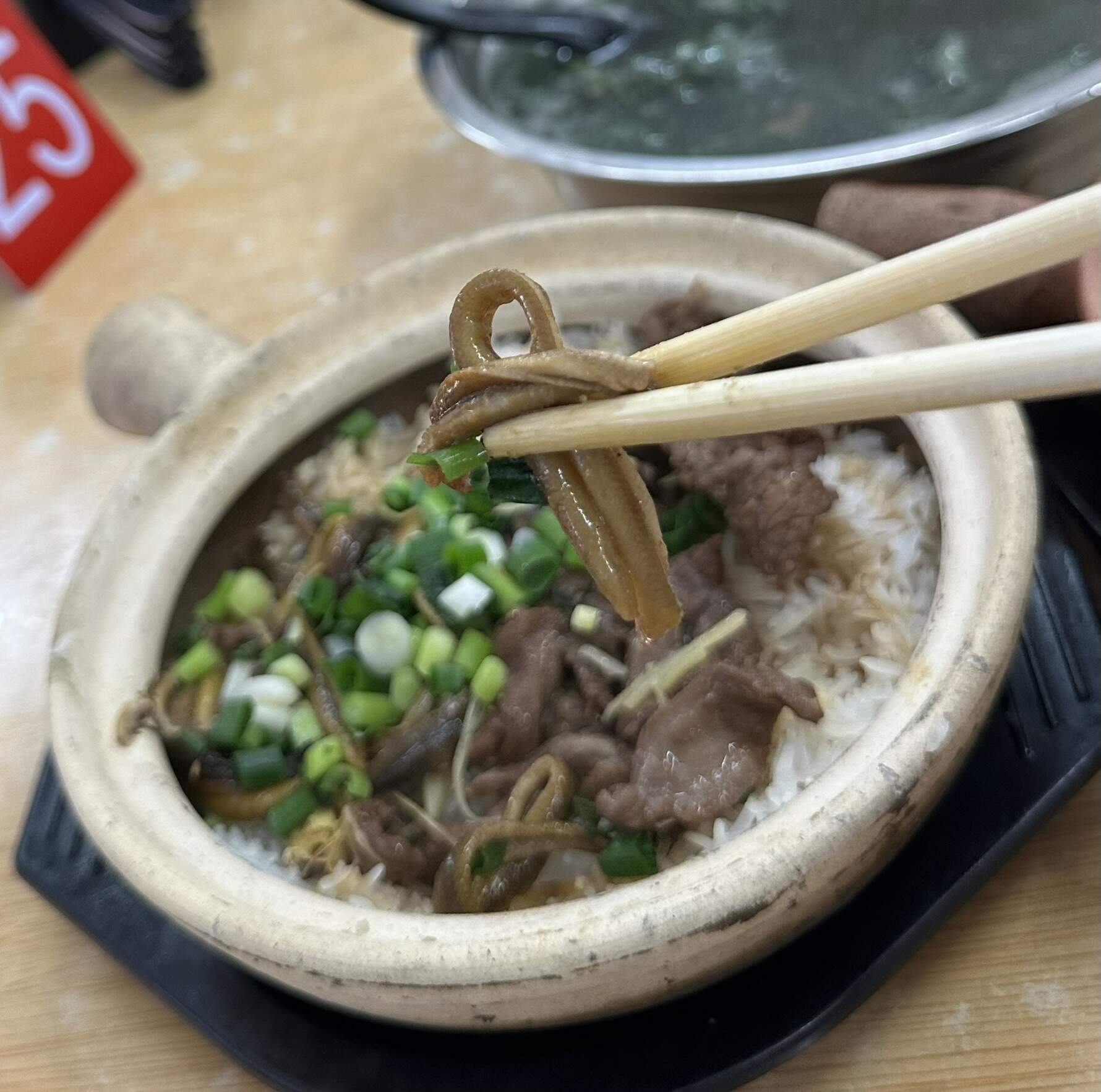
The ingredients were all so gratifying. The JASMINE RICE was some of the best rice I’d EVER eaten. Fragrant, fluffy with distinct individual grains. The perfect rice.
The Gnung (Socarrat) highlighted the chef’s expertise. Precise heat control and timing, all elements in sync for the perfect crispy, yet light Fan Jiu. The grease and flavors coaxed from the cured meats, marinated chicken and the rich fatty eel melding together with the master’s touch for the perfect pot of rice.

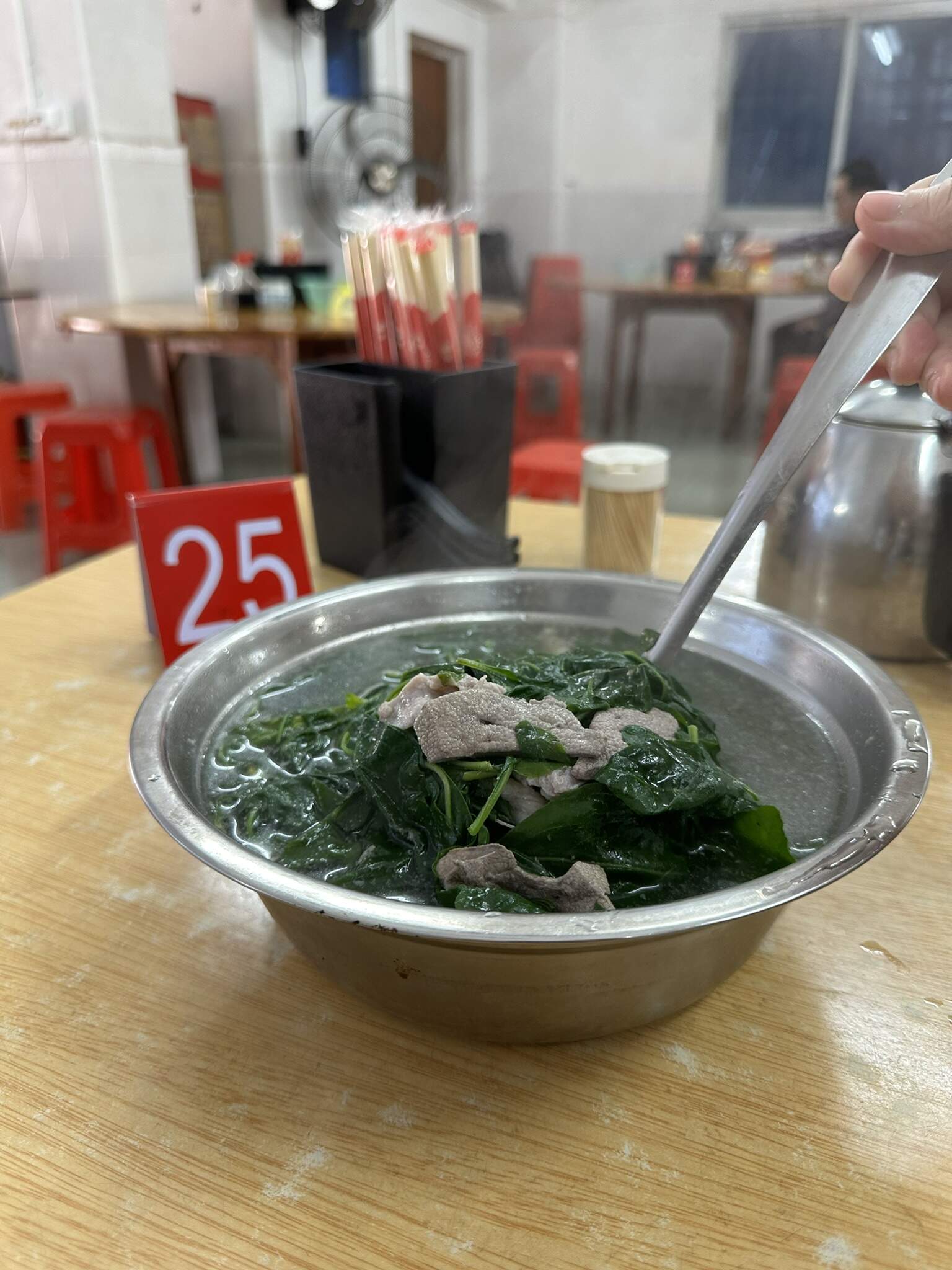
Any good toishanese meal must have a soup. We both loved the GOJI LEAVES with PORK and LIVER SOUP.
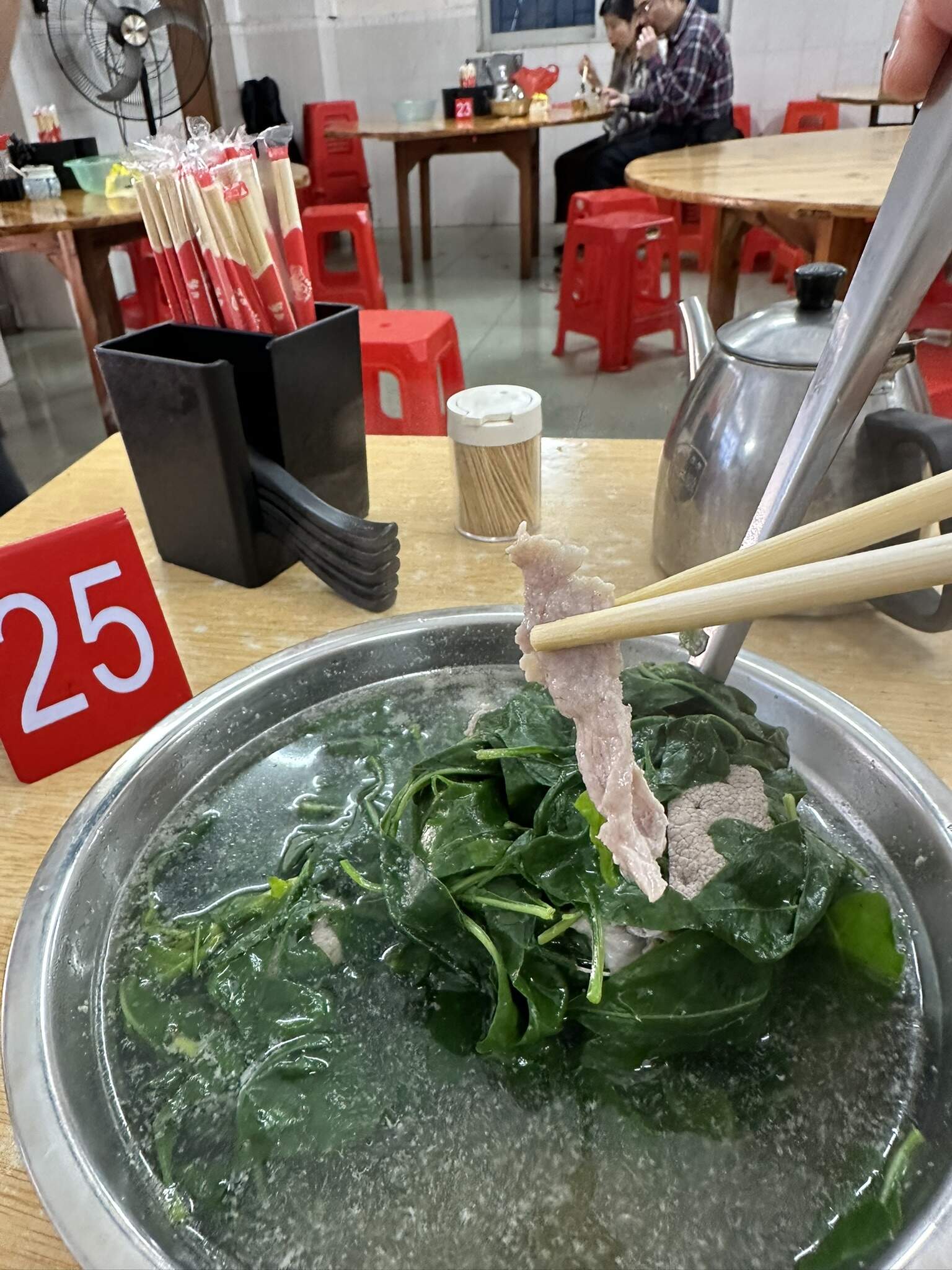
One slup, and I was back at my Mom’s kitchen table. REAL, pure clean flavors of the ingredients barely seasoned, Toishanese home cooking.
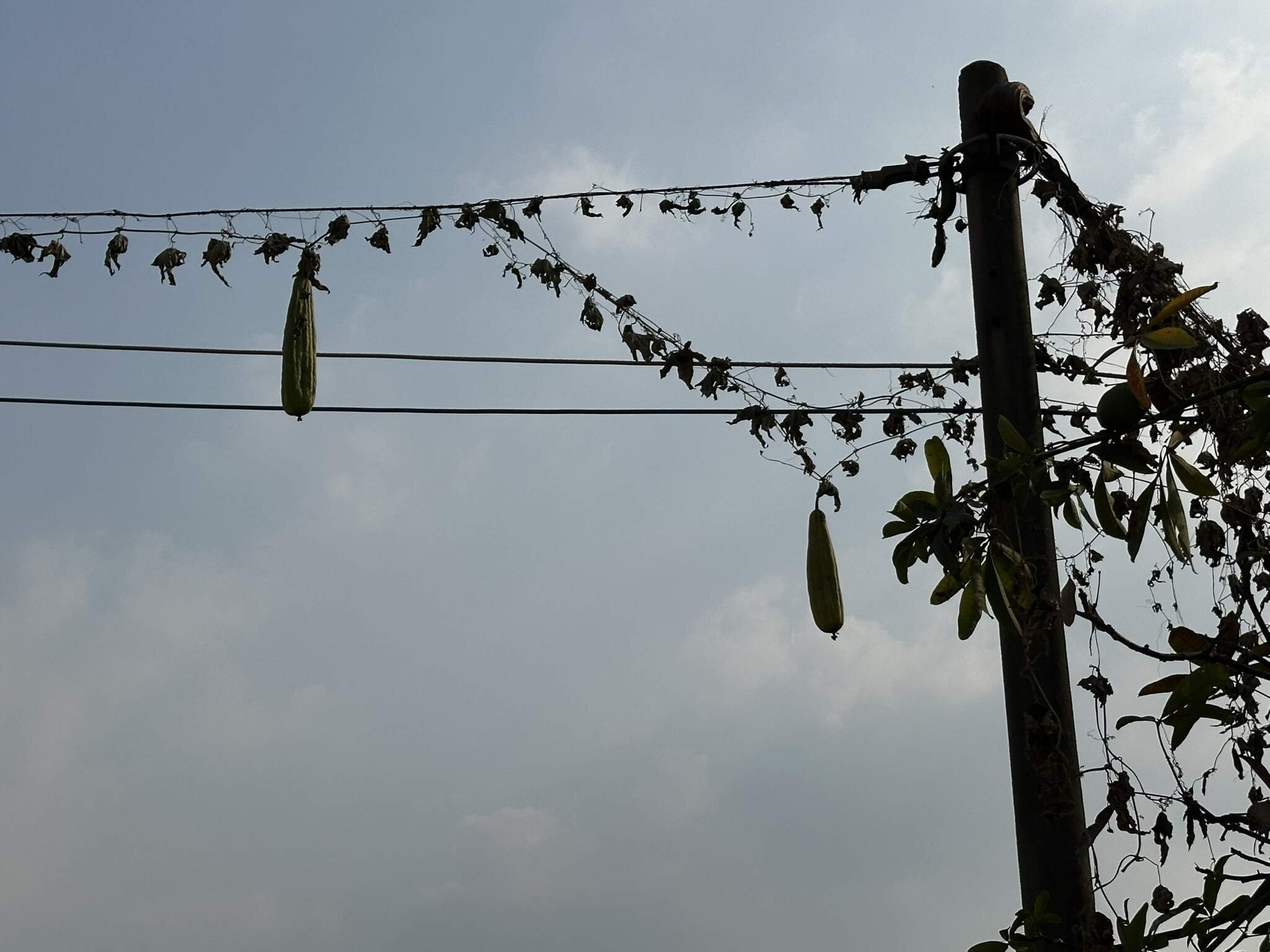
Some pics from my actual village. The terroir of these soils and waters were still on our tongues from our village lunch.
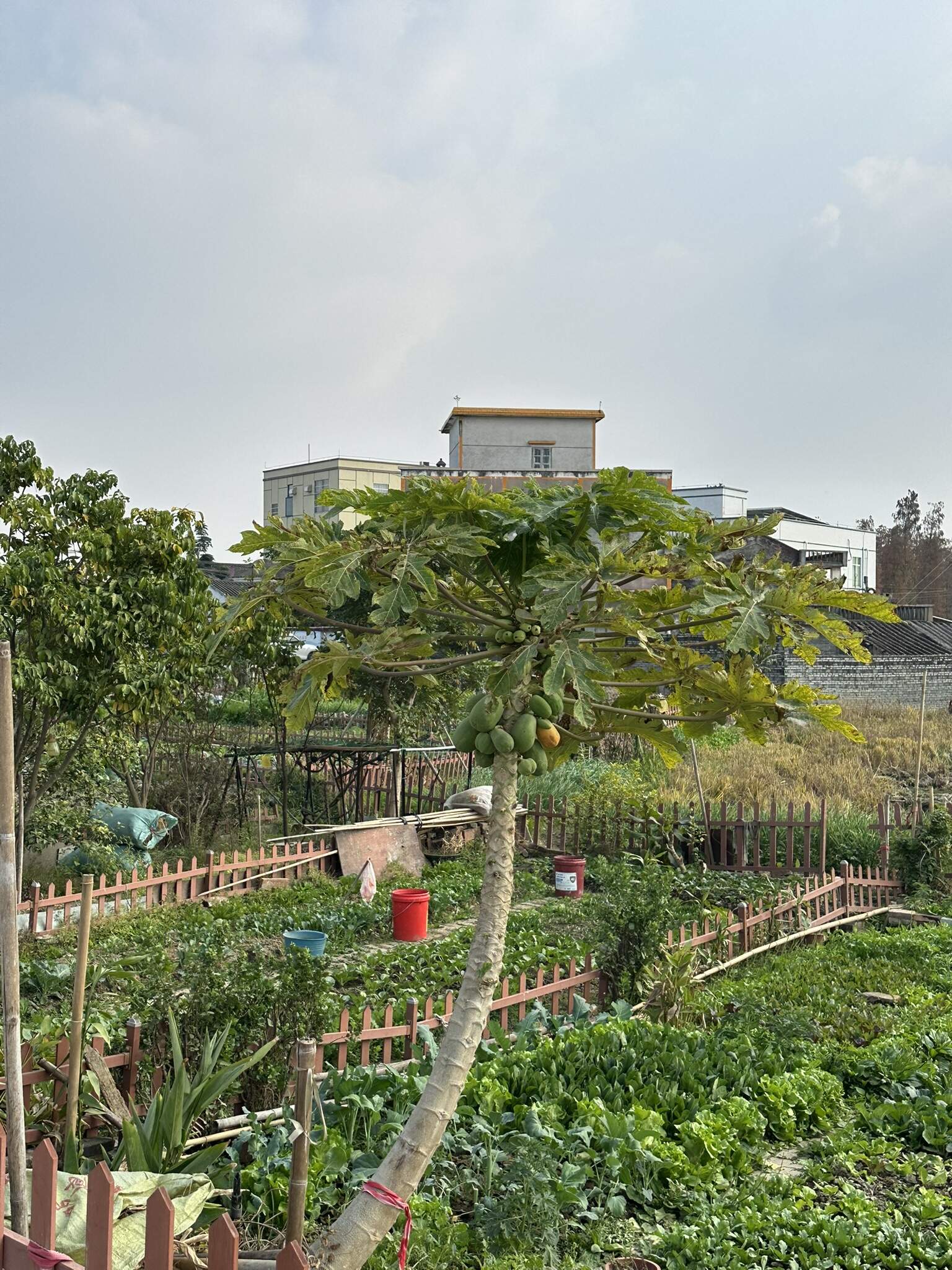

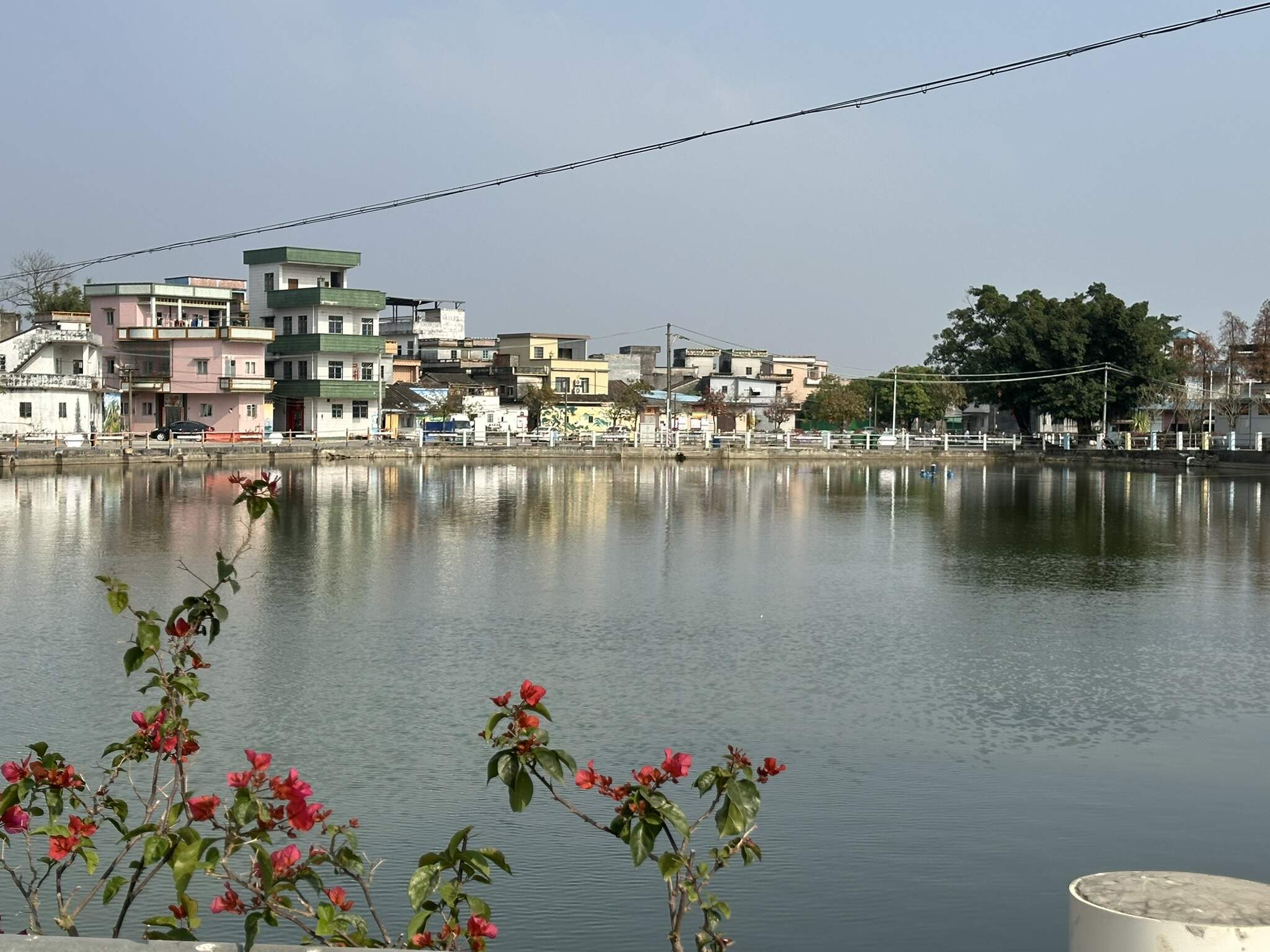
The Taishanese Diaspora was the major migration to North America, S.E. Asia and Australia in the 19th and 20th century. Most of the Chinatowns abroad in those days spoke Hoisan-wa.
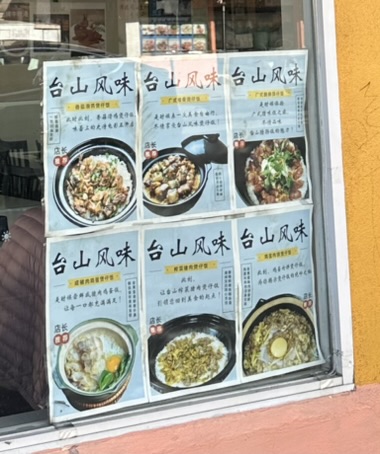
Interestingly, Taishan food and culture is pretty much ignored, let alone celebrated away from Taishan. I was somewhat surprised to see an actual Taishanese restaurant in Jiangmen. There, we ate a very interesting specialty that I will post about next.