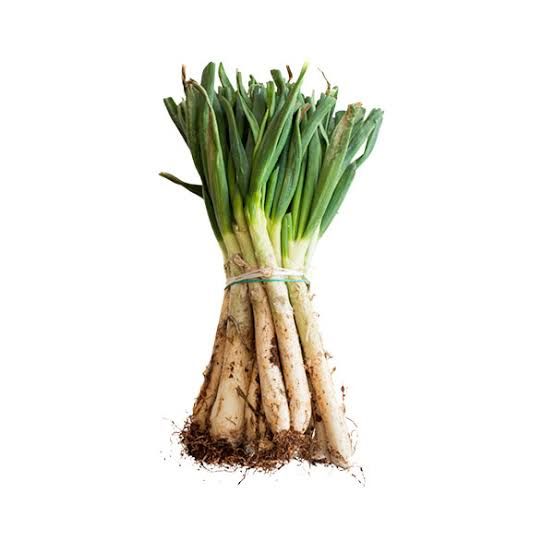
Calçots season is upon us, so I´m passing on info on where to dine on these catalán long, sweet, green onions.
They have now appeared here in Madrid both in markets and on restaurant menus. At the new (highly recommended) Barbudo, by Barcelona raised chef, José Carlos Fuentes, (formerly of the once Michelin starred, now closed Club Allard) we were offered a first course of calçots already peeled and ready to eat without the ensuing mess. At other catalán restaurants here (Can Bonet), diners are given a bib. It’s a delicious but messy endeavor.
There area few suggestions from my friend Marta of Forever Barcelona on this, erica1´s thread,
Barcelona, 6 nights(??)
More suggestions here and here.
And as Marta remarked, the calçotadas taken in the countryside are very much group events–one goes with one’s colla/cuadrilla/pandilla, or group of friends for a festive “barbeque” in the country. There aren’t many. solo participants, just like at the Basque cider houses, when groups of friends get together to partake of this festive meal.
The city of Valls is considered the “cradle” of the calçots and celebrated its festival on January 25, initiating the season, which goes on until the end of March, beginning of April.
Just 10 kilometers away, the Fortí del Rourell, a 12th century Templars castle in the countryside offers this season a complete gastronomic experience that includes guided tours of the plantations with an explanation of how the calçots are collected, followed by a calçotada, calçots grilled on an open flame, served along side a special sauce, the la salvitxada, and visit to this fortress.
The castle/fortress sits in the Camp Tarragona, the most important region for calçots cultivation, with an IGP (Indicación Geográfica Protegida). It has an official heritage site designation and is owned by the Marqueses de Vallgornera. The guided visit to the fortress is lead by the owners’ son.
In the patio of the castle, an aperitif of catalán vermouth, dry-cured sausage, fuet de payés, and olives is served.
Although the calçots are grilled outdoors, the banquet itself is served inside the castle. Participants partake of the calçots standing, as is customary, and can have as many as desired, although the rest of the banquet is served in the restaurant at long communal tables.
The rest of this 3-hour, gargantuan feast consists of lamb ribs, longaniza and butifarra sausages, white Ganxet beans, tomato, artichoke and potatoes with alioli and house made crema catalana with cookies for dessert. The price of €48 includes water, coffee, Montsant D.O. wine and a glass of Vallformosa cava.
During the season the Fortí del Rourell serves 5,000 calçots each week. One can also purchase them to take home, to grill or already prepared to heat.
The castle also offers cooking classes—-the preparation of the sauces that traditionally accompany the calçots and a master class on vermouth given by Bodega Casa Marion, who has twice won the “best white vermouth in Spain” award.
I have put this on my “must do” list for our next road trip to the catalán countryside.
More about calçots