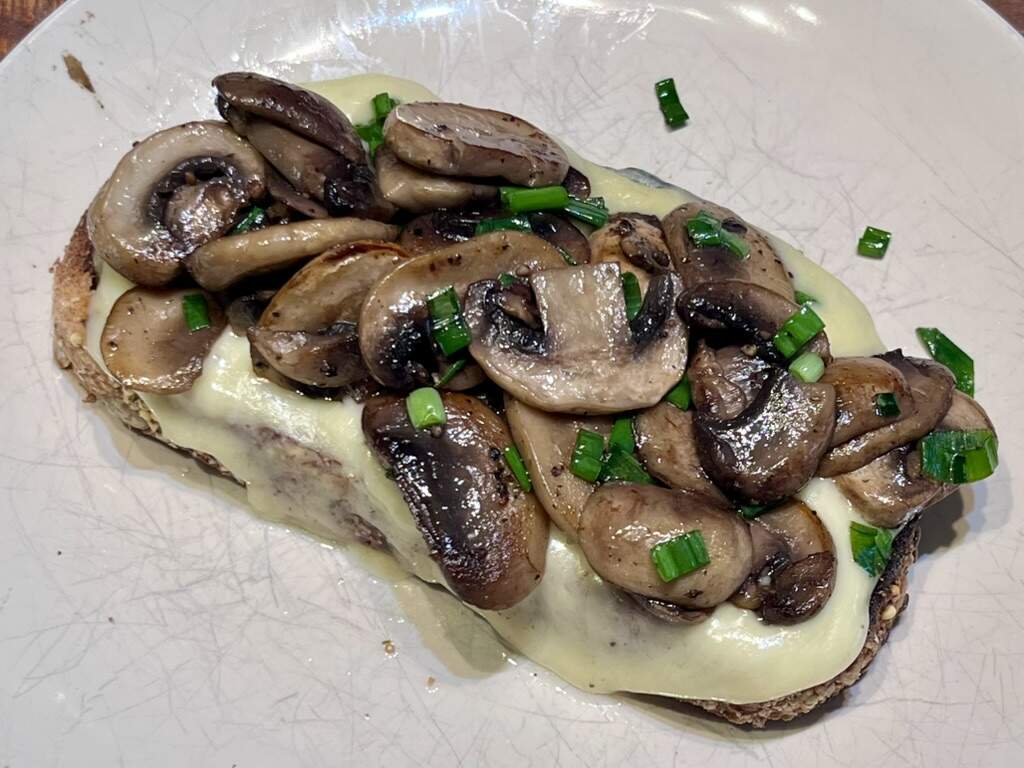
We eat a lot of mushrooms, and as a result we usually buy the least, or almost least, expensive ones like cremini. Often they are cleaned, sliced, and cooked in butter and peanut oil with finely minced onion or shallot, hit with a little wine and some herbs and seasoning, and served as a side or topping for a protein, accompanied by a salad. Lately I have really been enjoying either fines herbes or straight tarragon and white wine with them. As dinnertimes get warmer, this seems lighter and brighter than herbes de Provence and Sherry, the typical winter treatment. It goes really well with a pork tenderloin rubbed with the same herbs plus salt and pepper.
7 Likes
I’ve made this one maybe 4 times, not recently though. Glad to have it back in my mind, since we enjoyed a lot. It’s an Alton Brown recipe.
2 Likes
Inspired by your dish, I looked through various recipes on the internet.
Freshly cooked spinach (I can’t stand frozen spinach!)
Garlic
Shallot
Panko
Butter & Olive Oil
Pepper flakes
Parm
Bit of parsley and dill
Next time I’ll add some goat cheese! I probably should have put a little more olive oil to make it adhere better. I wanted to add pecorino but I couldn’t find it … I know it’s in there.

I sautéed in butter and olive oil on stove top a bit before I placed in a 400° oven for 10 minutes.
4 Likes
They look great!
1 Like
Whichever mushrooms get tempuracized do it for me. Throw in some green tea salt for gratuitous delight.
People who sampled them loved them … I followed your advice to sauté a bit on gas burner before going into the oven.
Now I want to try other variations, like adding finely chopped fresh water chestnuts, like I add for thanksgiving stuffing!
8 Likes
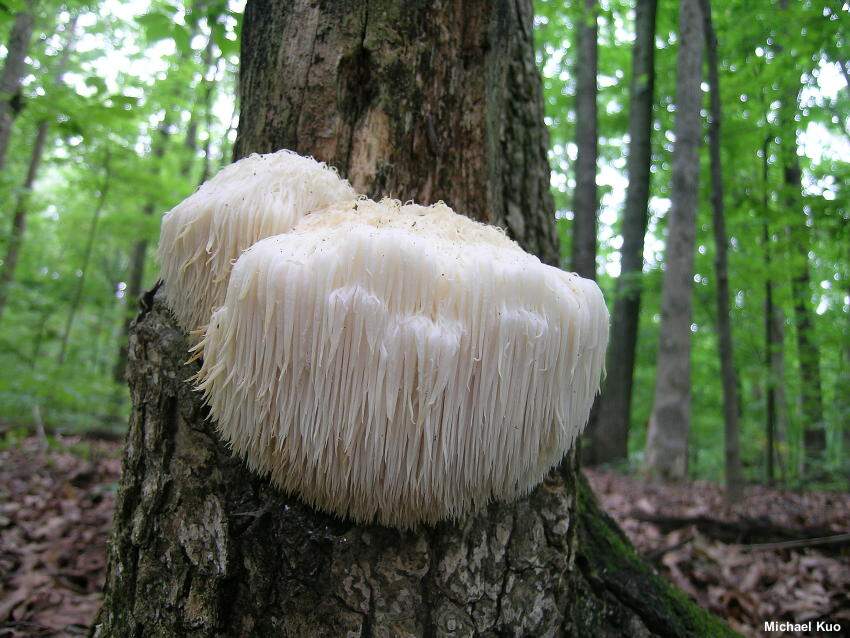
Those are nice mushrooms! The ones I have found have always been quite small, but yes, the seafood taste is definitely there.
I didn’t find that one. Copied it. by me everybody hunts morels, which are pretty mid to me, flavorwise.
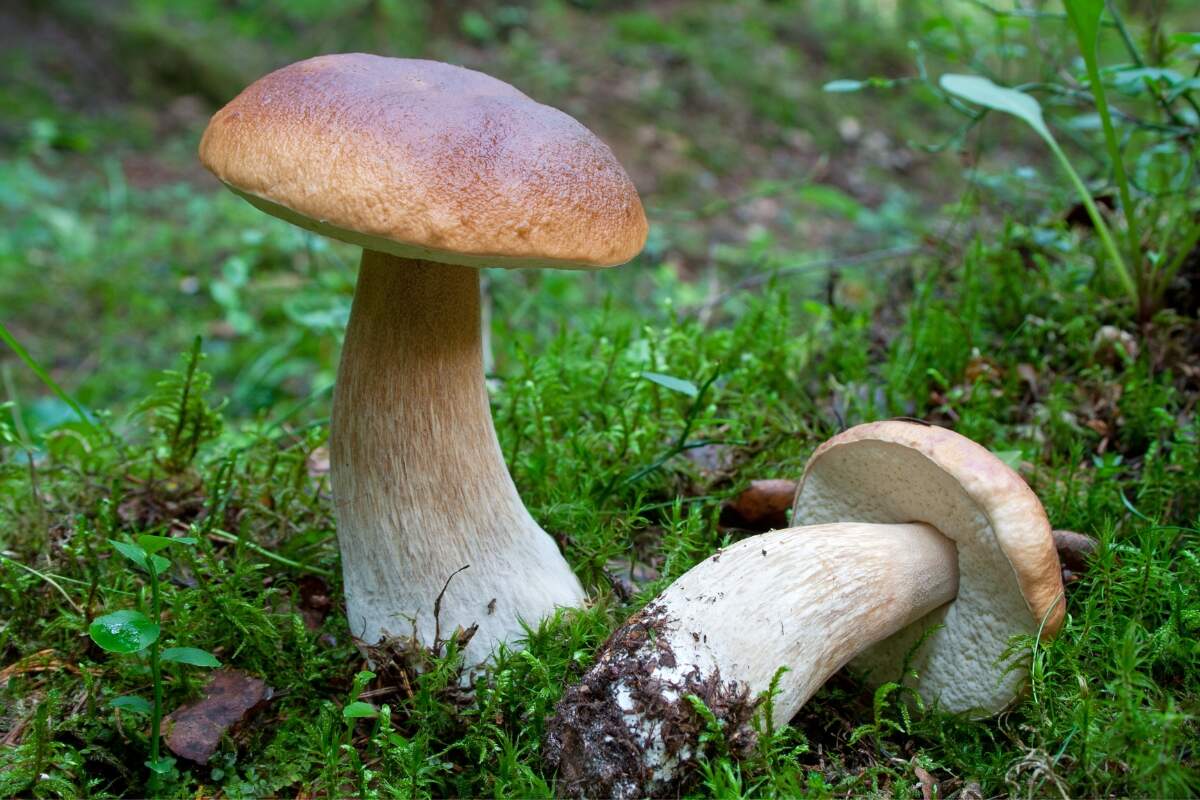
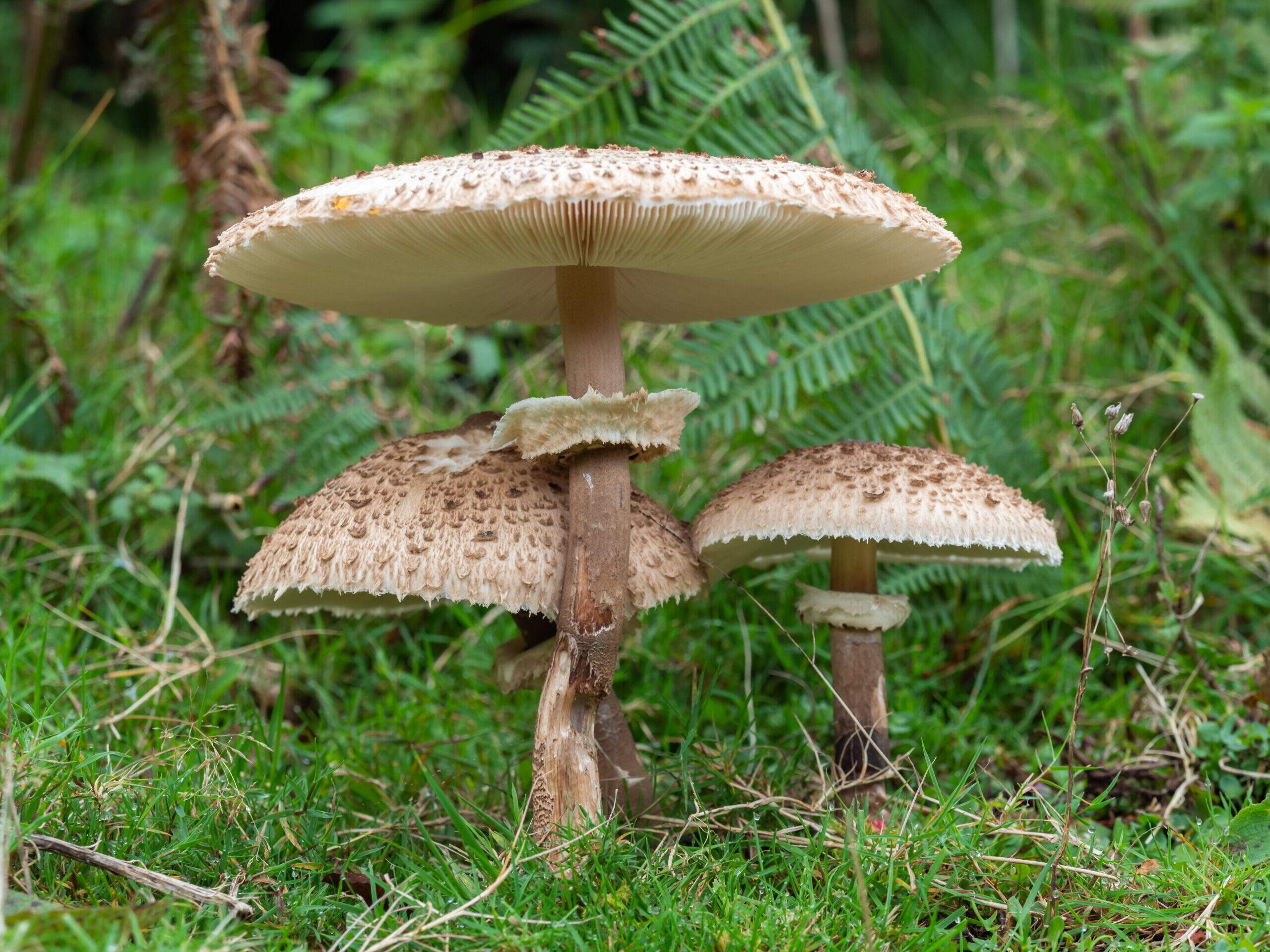
Other wild faves of mine are parasols (macrolepiota procera) and the few boletes that grow by me.
Both are pretty easy to ID; especially boletes. Got sponge holes instead of gills. Sponge side isn’t red, and has consistent round holes, it’s edible boletes. The photo below is king boletes I often find. Parasols can slightly resemble the real bad boys (amanitas) but the most poisonous amanitas are distinguishable from them.
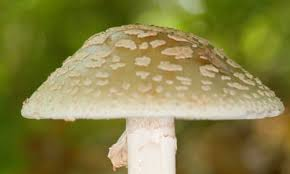
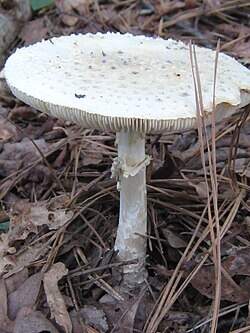
An amanita that can fool my colorblind eyes is cokeri.
1 Like
Sorry, the top one is a poisonous amanita. The problem with deadly amanitas is that they often hide among other , edibles, that enjoy similar substrate. If that cokeri is among parasols, I need to check the base of the stem, which will have a ball at the bottom if amanita.
1 Like
Sausage is great in the filling.
But given that the simplest version is about as delicious, I’ve been telling myself not to overcomplicate something that disappears so fast.
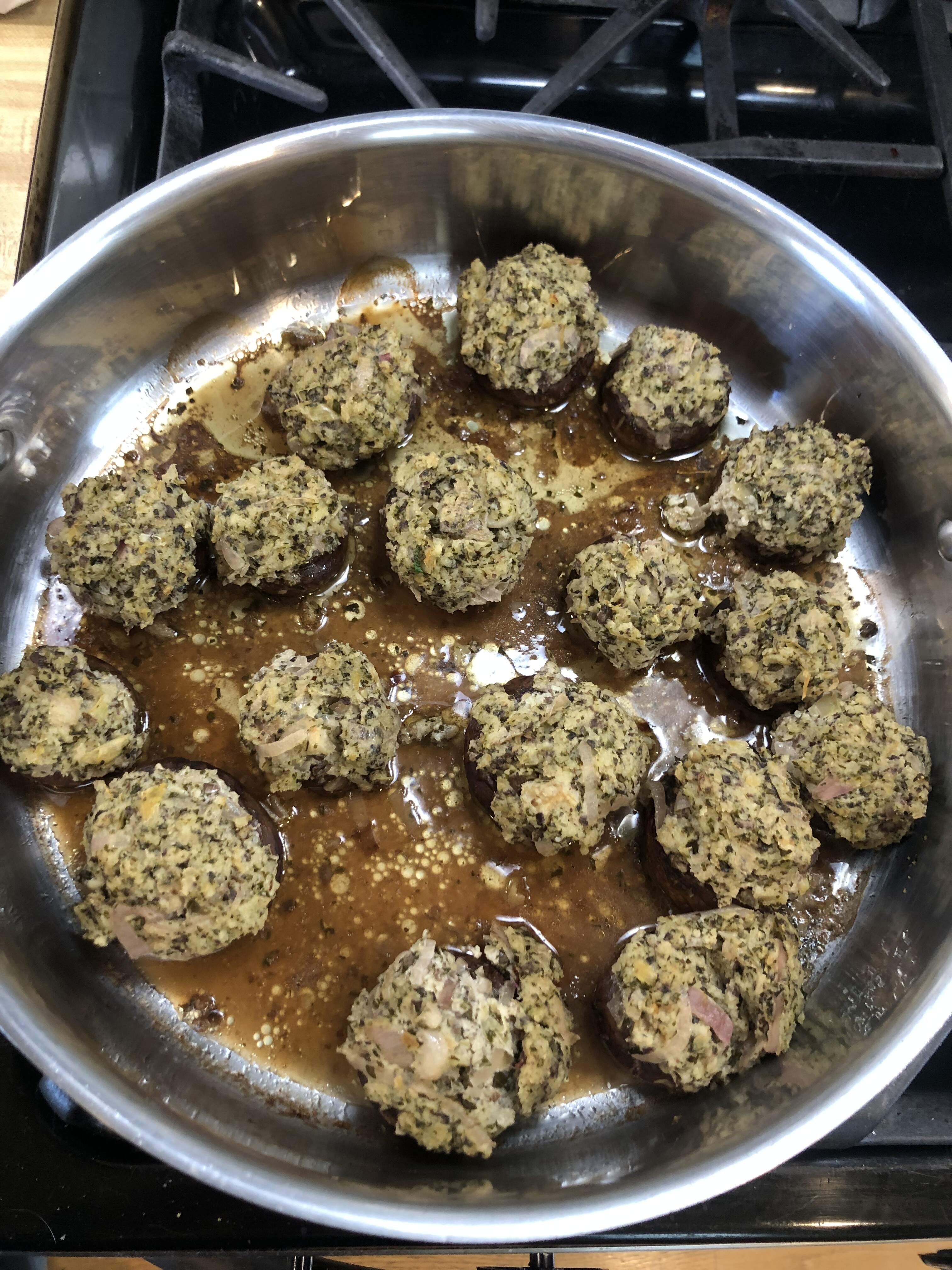
I just made more stuffed mushrooms, wanted to teach my young mushroom loving neighbor how to make them.
I found my Pecorino Romano, added chopped parsley and fresh basil, chopped marinated artichoke hearts, goat cheese, lemon zest and juice, sautéed shallots and garlic, panko, a bit of olive oil.
5 Likes
I love morels, but would not dare hunt for any mushroom. Does that make me a wus or wise?
2 Likes
Mostly wiser to be a live wus…Mostly.
1 Like
I am going to vote “wise”!
I think that mushrooms are a great treat but harvesting them yourself takes a lot of research and/or having grown up with parents that taught you the ones to avoid. It sounds like Deaths Cap mushrooms have been introduced to California and there have been some bad incidents there over the past 10+ years and the bad shrooms are moving north and south. So even here in the States where mushrooms were relatively safe in the past, not so much today if you do not know what you are doing. So that is a factor for me, even though I am up in Montana quite a ways from the nearest poisoning. (I think it was near Vancouver)
I am happy to let others do the harvesting if I can do the eating!
I am pretty much a novice, though. I use Cremini, Porcini and Baby Bellas and occasionally I will buy a couple of the big Portobellas, but that is the limit for cooking for myself. When I dine out I have tried chantarelles, king oysters and shiitake but that is about it.
I need to try some new ones. I saw a mushroom hunter bring a huge Lions Mane into the Ilchester Arms Pub the other day and now I want to try that.
how do you cook your Lion’s Mane?
1 Like