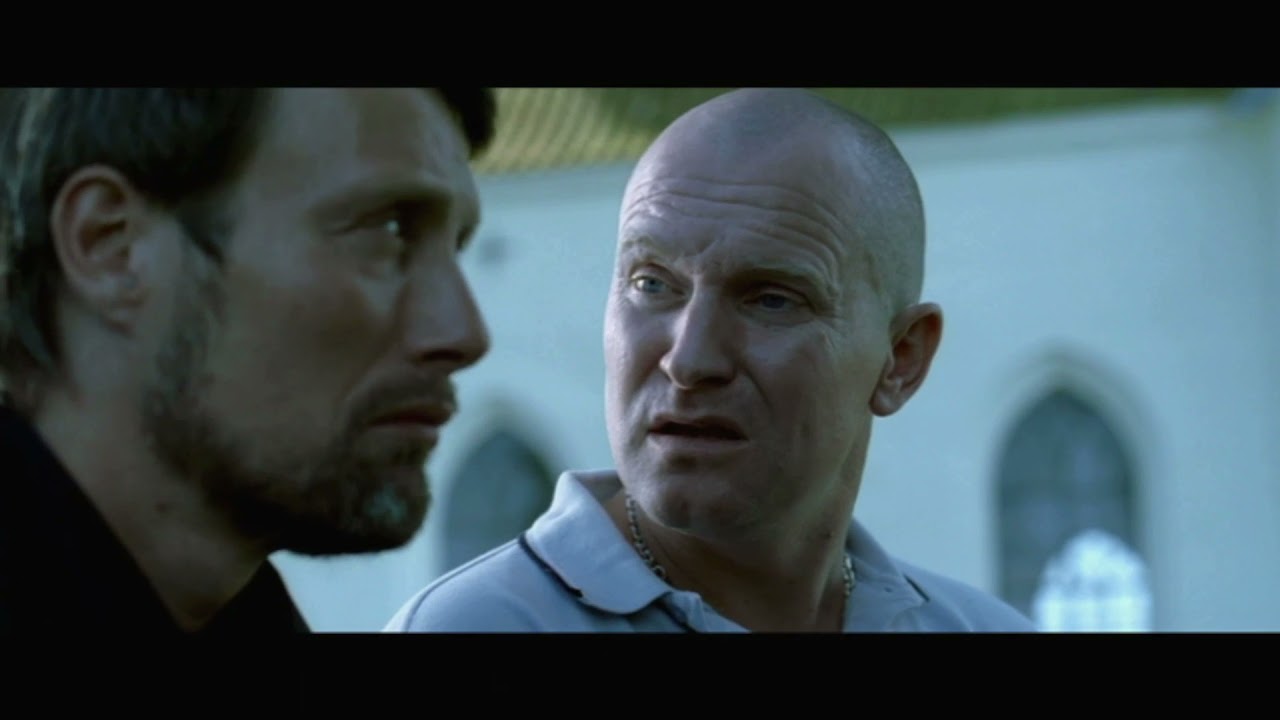
A Clockwork Orange (1971) - dir. Stanley Kubrick
Kubrick’s followup to 2001 was this adaptation of Anthony Burgess’s 1962 dystopian novel. Burgess wrote it from the point of view of Alex, and thus it’s written entirely in “Nadsat”, an invented, Russian-influenced slang. It leads to fabulous moments like the corruption of the Russian “horosho” (good) into “horrorshow”. Most of the dialogue in the film is a direct lift from the novel. In fact, insofar as adaptions go, this is actually very faithful to the source material. Sort of.
Burgess’s original novel has 21 chapters. The final chapter sees our protagonist, Alex, having voluntarily given up his criminal adolescence of rape and robbery and preparing to settle down as an acceptable member of society. However, through circumstances that are the subject of much debate, the US version of the novel was published with the final 21st chapter omitted. Which means the story ends with Alex’s violent tendencies once again allowed free rein. In Burgess’s estimation, this changed the meaning, making it a cynical fable rather than story of change and growth. Kubrick bases the film on the US version.
The only major change (discounting the missing ending) made in moving the story to film is to age up Alex and his droogs considerably. Malcom McDowell was 27 at the time of filming. In Burgess’s novel, Alex is only 15(!!).
McDowell carries the film on his wide eyes and rubber-faced sneer. He’s a savage bastard in the film’s first half, and is reduced to a pathetic, sniveling, involuntary victim in the second half, all while never losing that keen intelligence and sarcastic sense of politeness. Look out for great performances by the likes of Aubrey Morris as Alex’s sleazy truant officer Mr. Deltoid, and a minor part for Darth Vader himself, David Prowse, as a home health care worker in tiny little red booty shorts. Burgess was correct in saying that ending the story where the film ends it turns it into a fable. One about ethics, morality, and free will. It sits very nicely alongside Orwell and Huxley, and like those, remains all too relevant.
5 out of 5 Beethoven compositions performed on one of the original Moog synthesizers by Wendy Carlos.