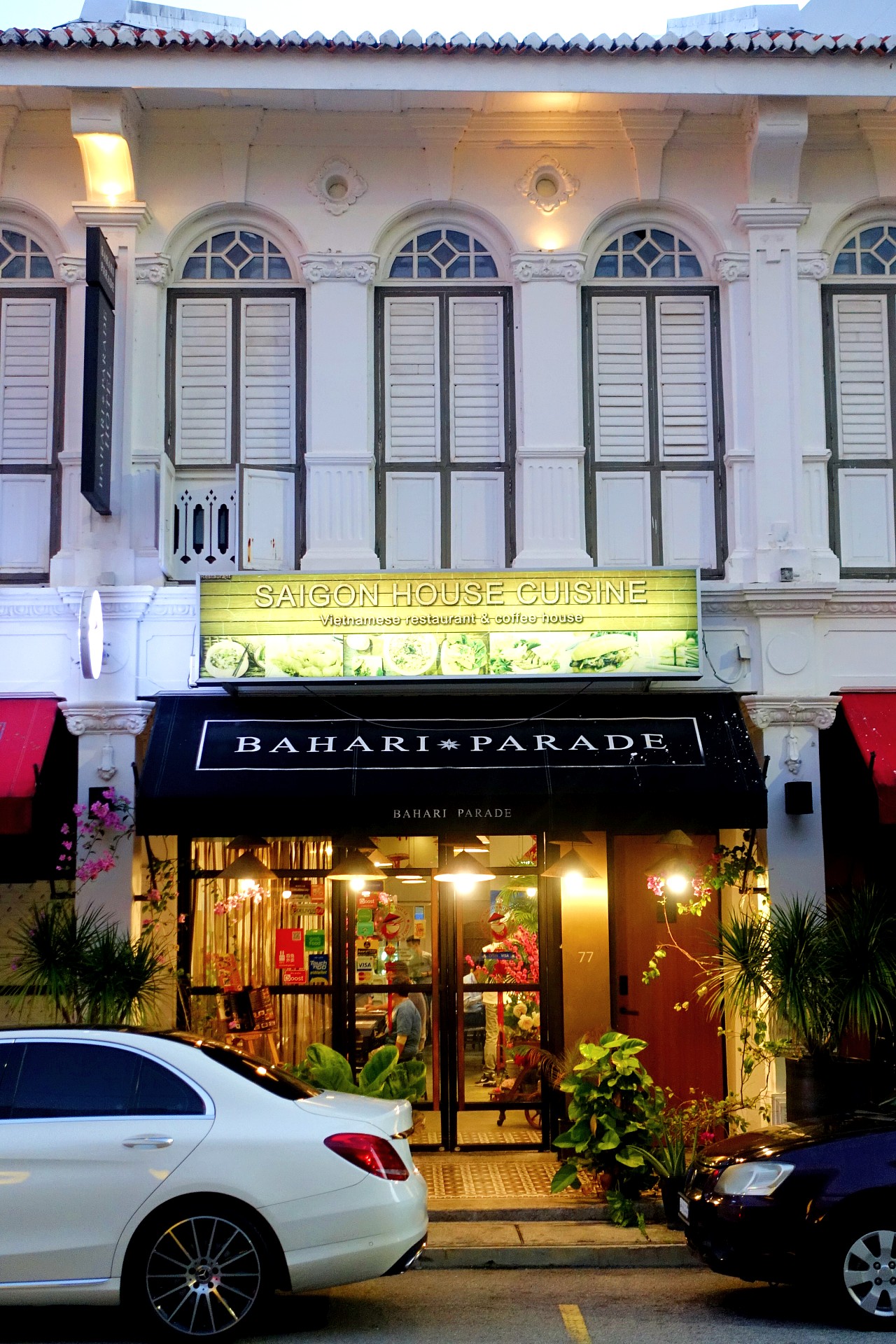
[Penang, Malaysia] Vietnamese dinner at Saigon House Cuisine

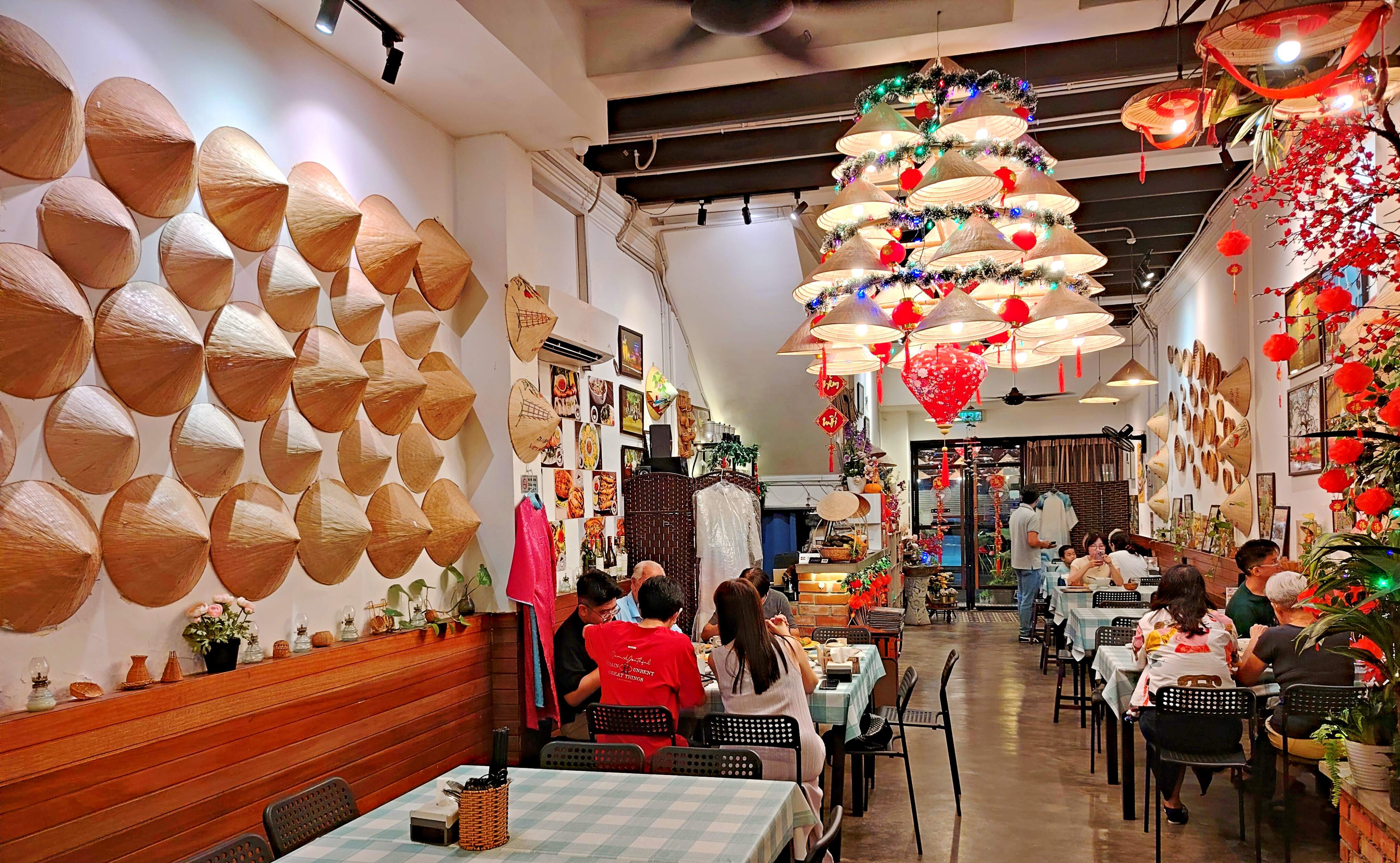
Dinner at our current Vietnamese restaurant of choice in Penang: Saigon House Cuisine on the Sri Bahari Road dining precinct. Opened in mid-2017 by the husband-and-wife team - Penangite, Michael Tan, and Hoi An native, Laurent Nguyen, the nifty family restaurant offered an amazing plethora of Vietnamese street snacks, like those I’d had at in Hue, Vietnam, last year at Bà Đỏ, besides the more complex Vietnamese dishes, some of which needed advance booking.
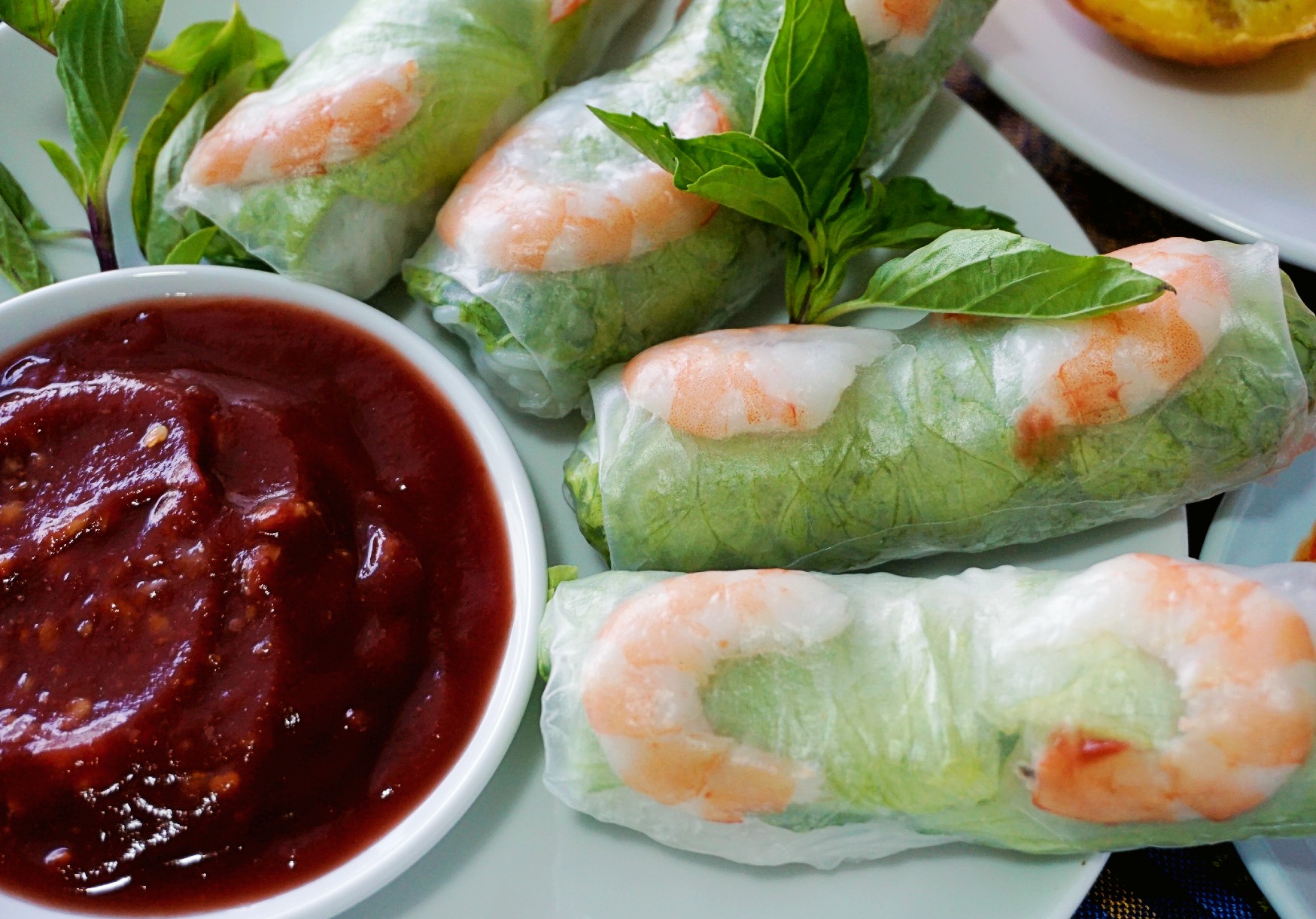
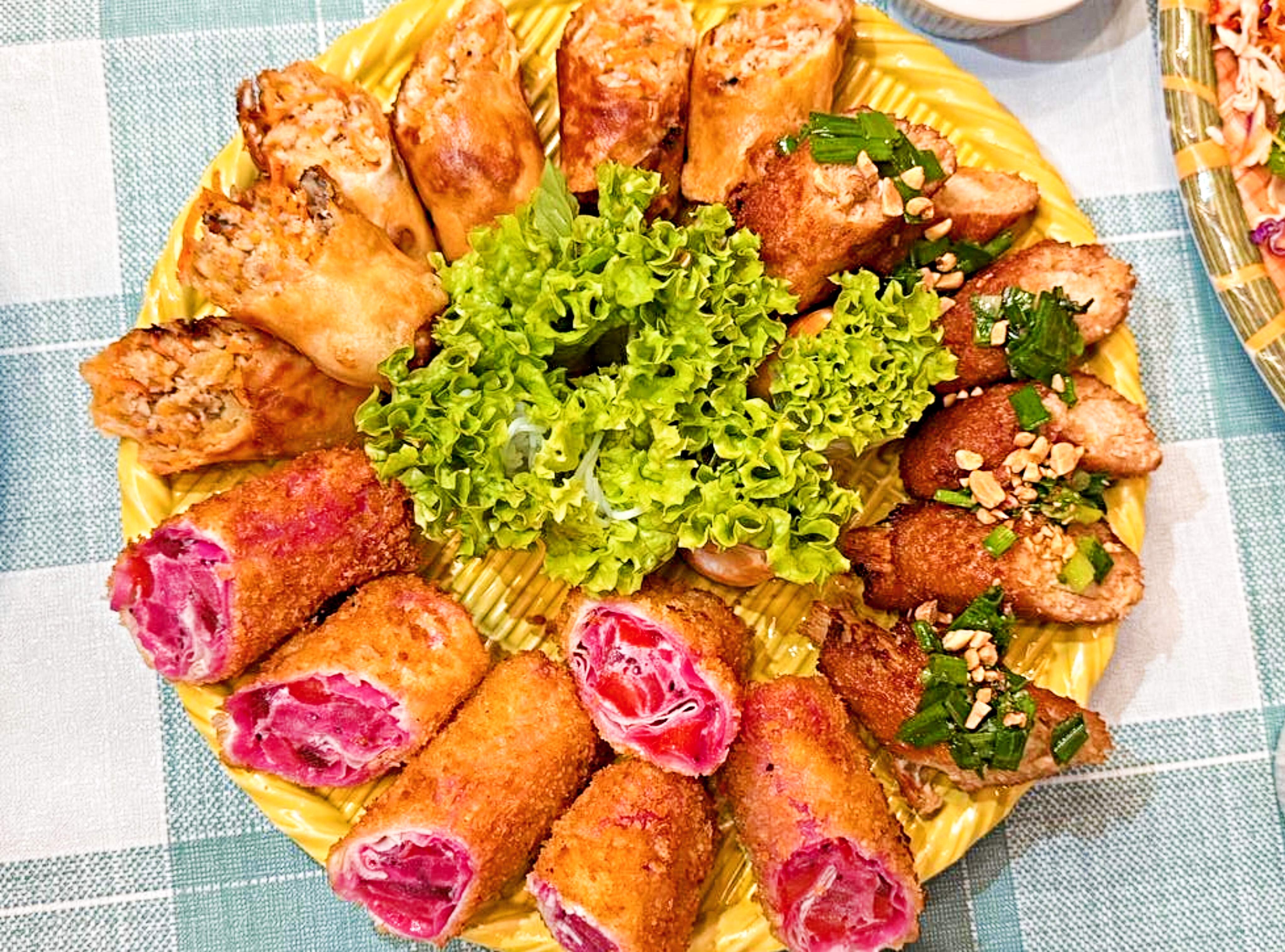
We started off with an appetizer platter which consisted of: chả giò trái cây hải sản (crisp spring roll with passionfruit, mango, apple, pineapple and shrimp filling); gỏi cuốn (fresh spring rolls); chả giò (crisp-fried spring rolls); and chạo tôm (shrimp mousse on sugarcane)

Gỏi rau tiến vua tôm thịt (Vietnamese king’s vegetable salad, with shrimps and pork-belly)

Like many salads we’d had in Vietnam, it’s served with crisp rice crackers:

Trứng vịt lộn (duck foetus egg) a delicacy in Vietnam, as well as the Philippines.

Whilst the Filipinos consume this with a dash of vinegar and a sprinkle of salt, the Vietnamese have theirs with a sprig of Vietnamese mint (rau ram) and flavoured salt.

Bánh bèo nóng (Vietnamese water-rice cakes) - I love these to a fault: steamed saucer-shaped rice cakes, topped with finely-chopped dried shrimp, scallions and crisp pork-crackling.
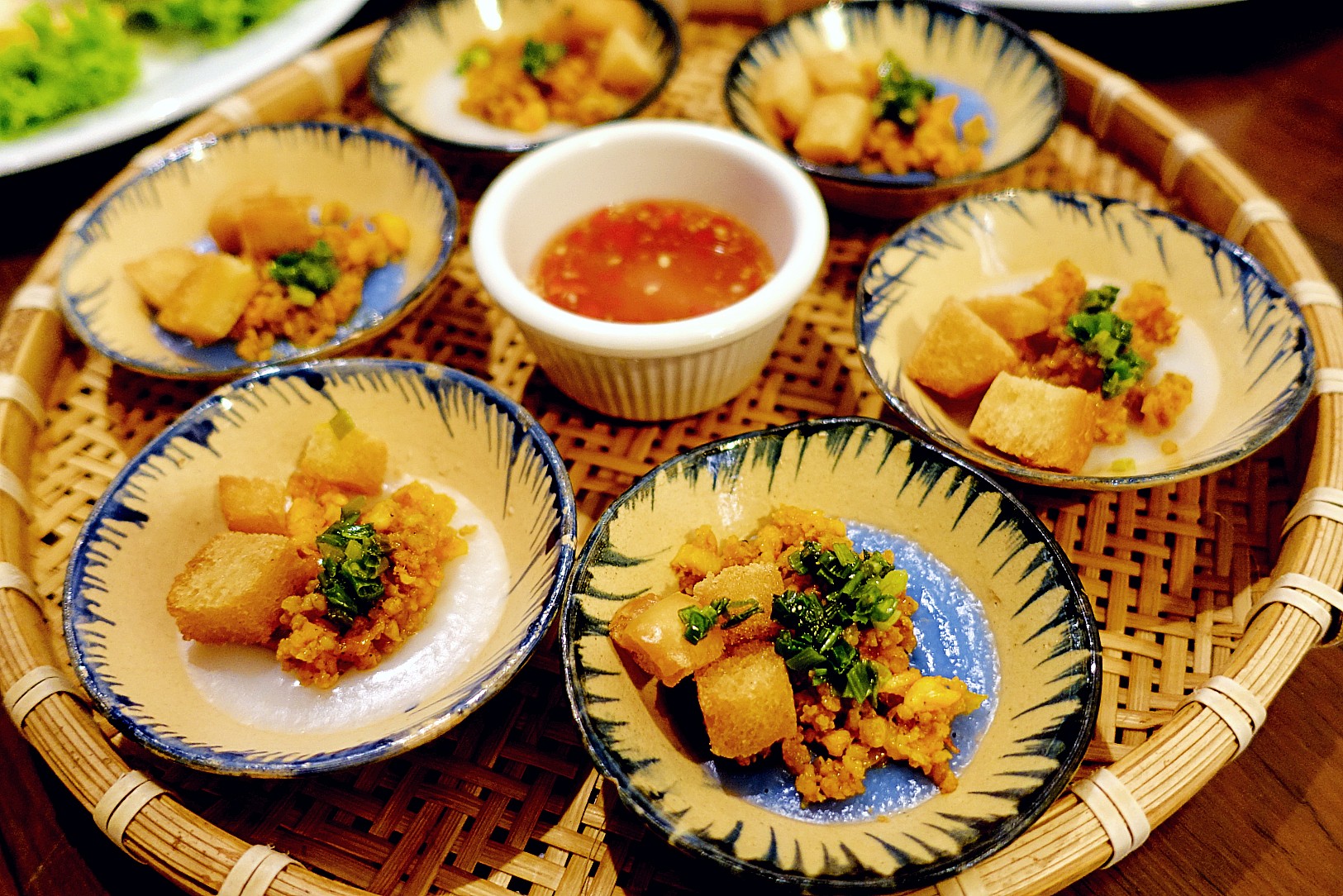
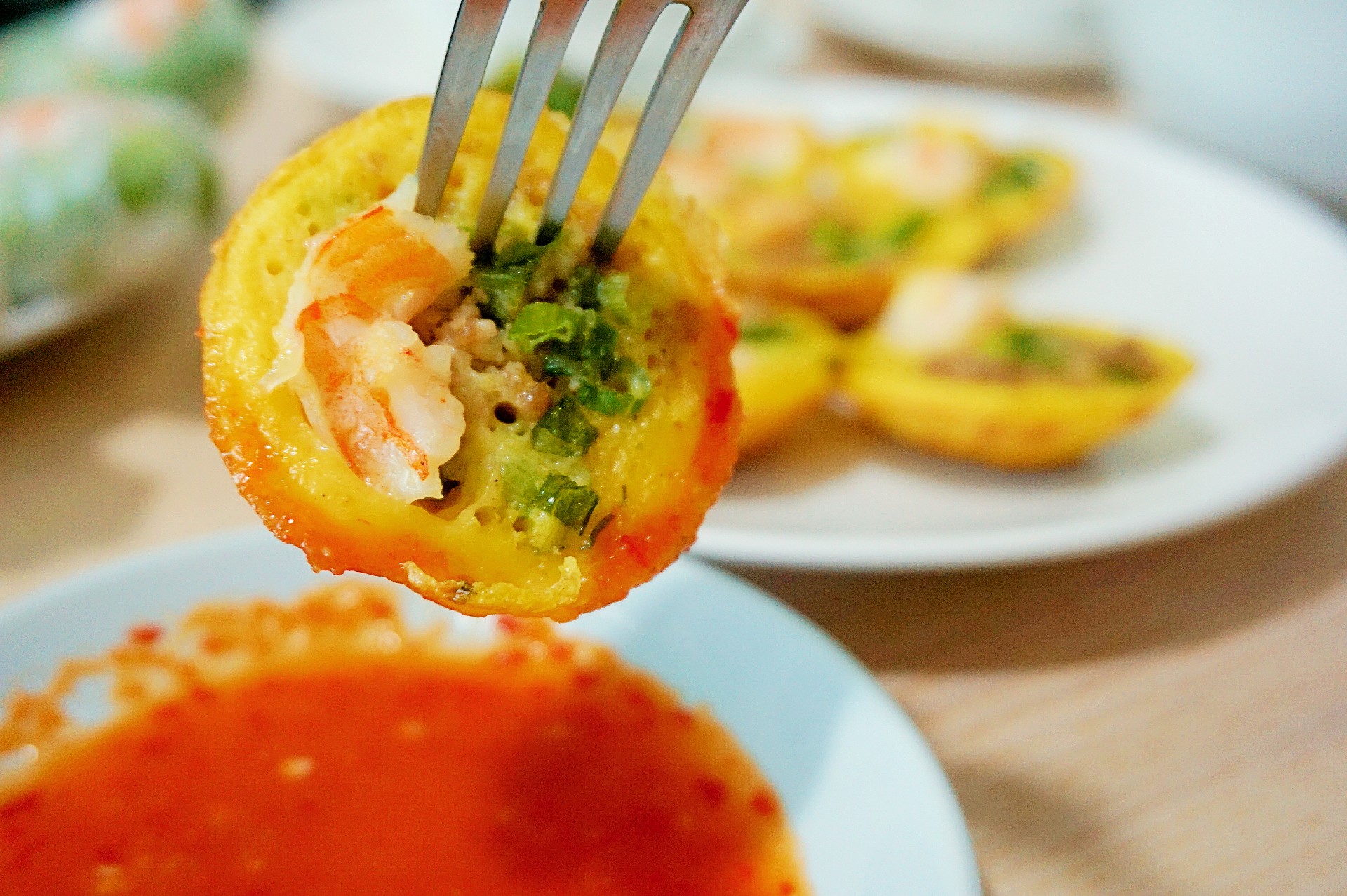
Bánh khọt (Vietnamese mini savoury pancakes) - these delicate little crepe-like hors d’oeuvres were topped with minced pork & shrimp, and went perfectly with the nước chấm dip.

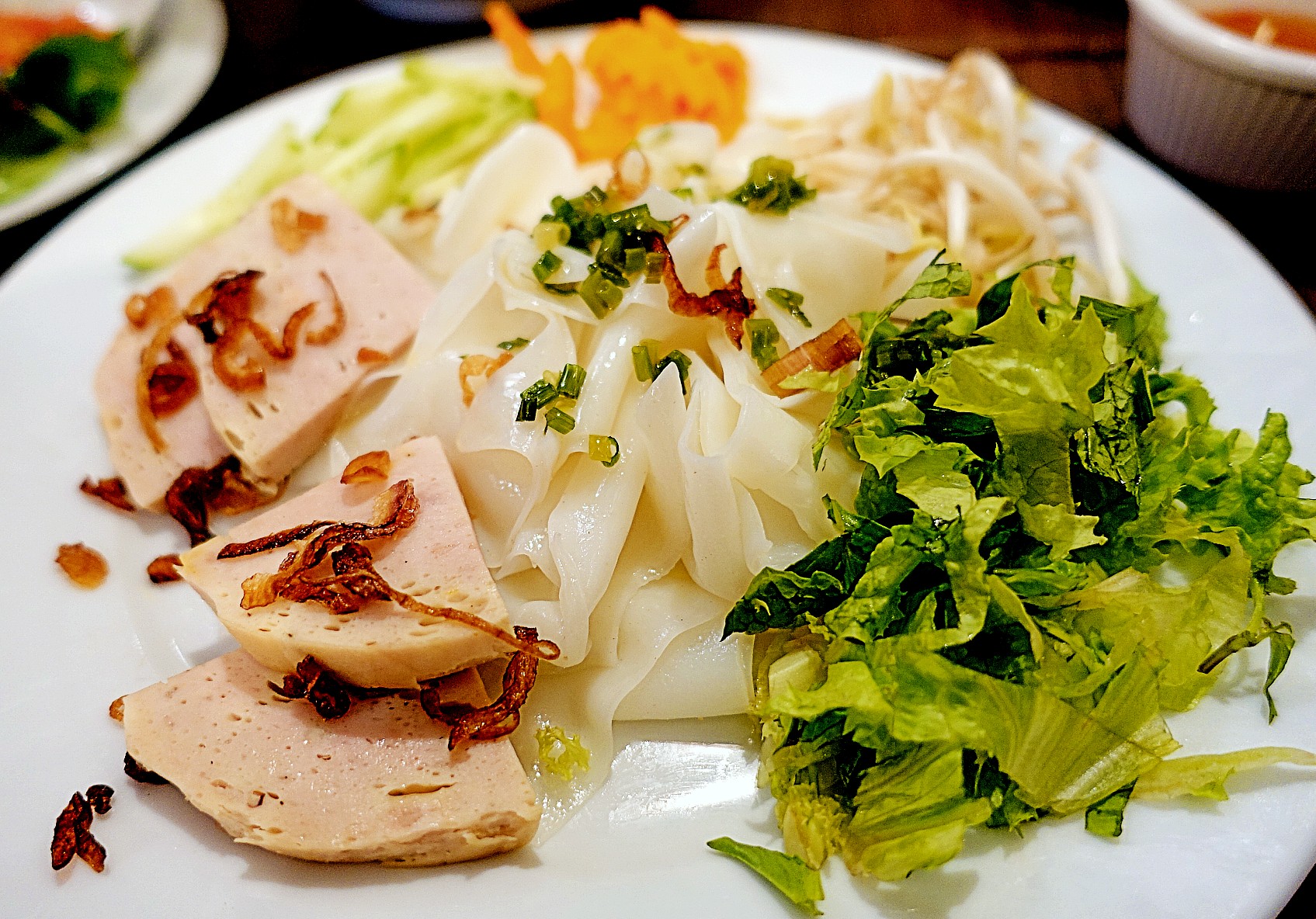
Bánh ướt chả lụa (rice noodle sheets, topped with fried shallots, and chả lụa/Vietnamese ham, drizzled with nước chấm dipping sauce)
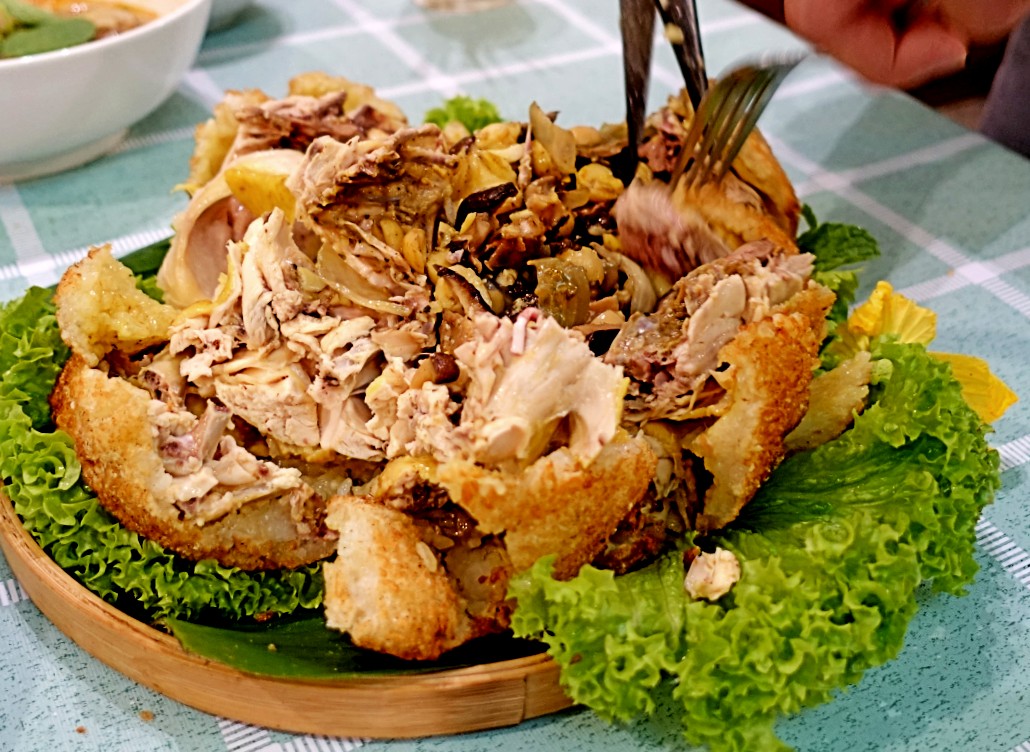
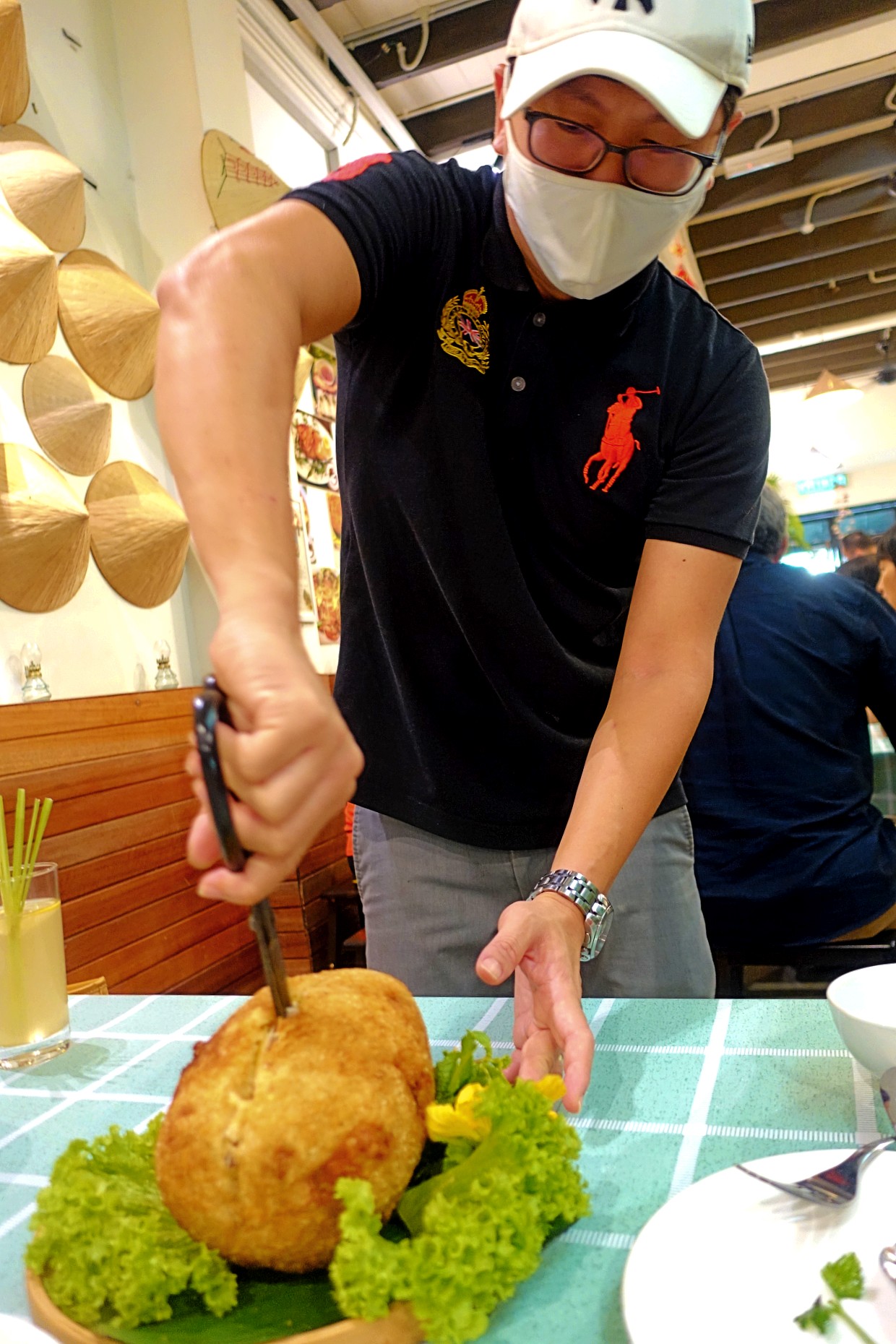
Gà Bó Xôi - this was the piece de resistance for the evening: a whole chicken encased in glutinous rice, stuffed with lotus seeds, gingko nuts and shitake mushrooms. The glutinous rice casing, cooked till crisp and golden-brown, was the best thing I’d tasted in a long while. The delicious edible crust also kept the chicken encased inside moist and flavoursome.
Desserts consisted of:
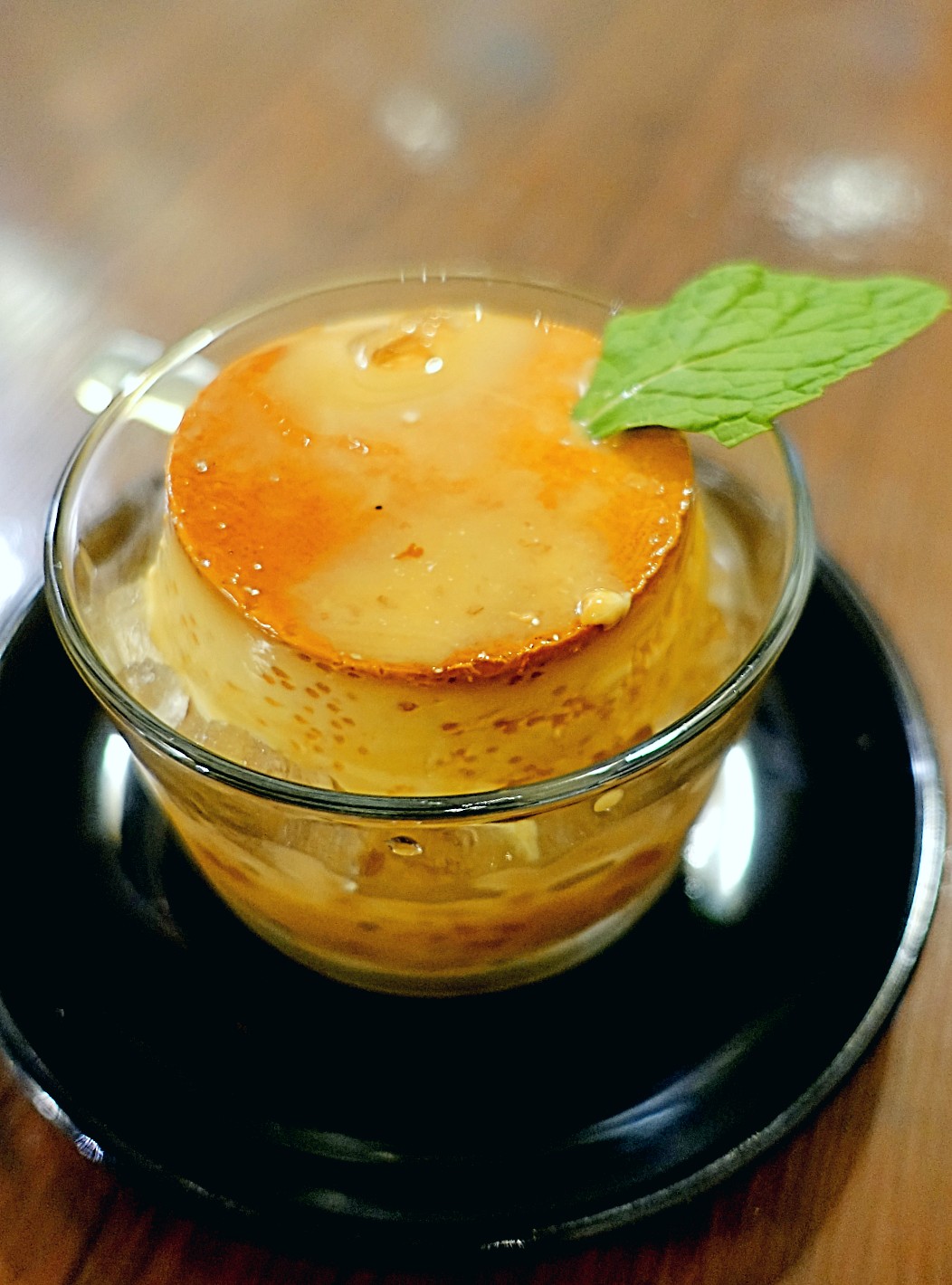
Bánh flan (Vietnamese crème caramel)
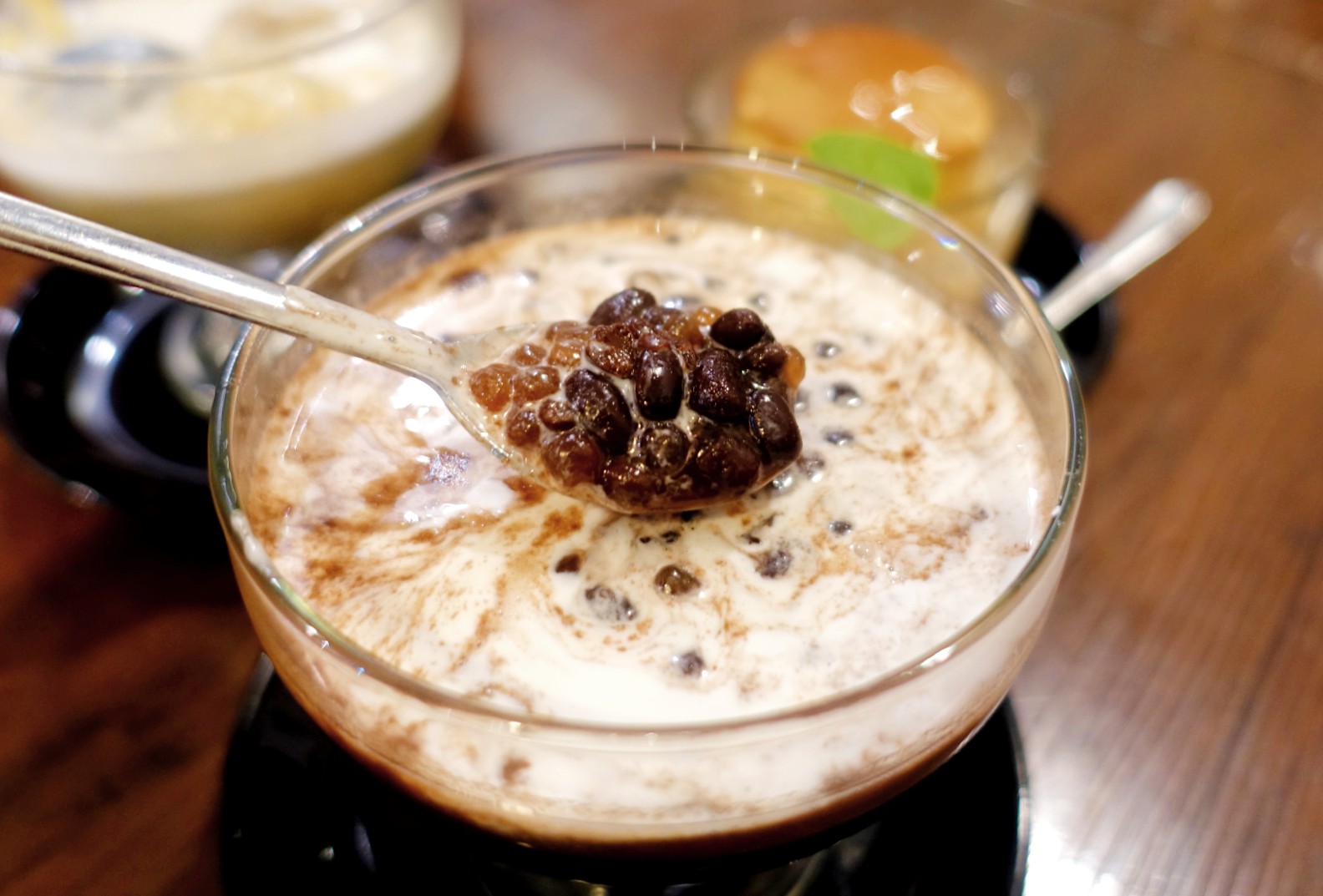
Chè Đậu Đen (Vietnamese black beans with coconut milk)
Chè trôi nước (sticky rice balls in ginger syrup)

We certainly enjoyed the meal, and the restaurant’s rather extensive menu meant that we can return again & again in the future, and can still choose new dishes to try.

Address
Saigon House Cuisine
77, Jalan Sri Bahari, 10050 George Town, Penang, Malaysia
Tel: +604-261 2301
Opening hours: 11am to 10pm daily

9 Likes

All looks lovely. Which is a contrast to Vietnamese places in my neck of the woods. Those are all very casual with quite limited menus - once you’ve been two or three times, you’ve fun out of things you fancy eating.

2 Likes

I know what you mean - most Vietnamese places in the UK tend to offer the standard pho bo beef & noodles in soup, cha gio spring rolls, and the like.

It was like this, too, here in Penang, even as recent as a decade back. The long Vietnam War drove an ideological divide between the West-leaning Thailand, Malaysia, Singapore and the Philippines on one side, and Communist Vietnam, Laos & Cambodia on the other.

Most of us grew up knowing next to nothing about the Vietnamese, despite our proximity. But in recent decades, because of the ASEAN economic grouping (modelled after the EU), and the resultant rapprochement between our countries, we started having Vietnamese students coming over to study in Penang’s colleges and universities, and Vietnamese workers in many sectors of our economy.

With the growth of the Vietnamese expat community here, the standards of the local Vietnamese restaurants in Penang improved drastically within the last 4-5 years alone, and the variety of dishes which we could only find in Vietnam previously started appearing here as well.

2 Likes

I guess many of the local people with Vietnamese heritage will be descendents of the group, known in the UK, as the “boat people” - those who fled Vietnam finding refuge first in Hong Kong. Many of them then relocated to the UK settling in London and Manchester. We have two Vietnamese restaurants in a neighbouring suburb. The serving crew in one all speak with Manchester accents whilst the vrew in the other must be more recent arrivals.

2 Likes

Yes, the Vietnamese “boat people” and their horrendous experience was something we’d always remember from the 70s/80s. Since most of those who fled were from the losing South Vietnamese side, they took their southern cuisine over to the West, where many of them resettled as war refugees. Many Westerners usually have their first taste of Vietnamese food in a South Vietnamese-run eatery - in America, UK, France or Australia - and, as a result, identify what they had as the Vietnamese food as they know it.

My first taste of Vietnamese food was from Kim Anh, a popular Vietnamese restaurant in Perth, Western Australia, where I grew up. I actually dreaded going to Kim Anh (a fave among my family and friends), because it served the spiciest food I’d ever had, and I couldn’t really take much chilis in my younger days. I couldn’t even eat its fried rice because of the amount of chilis added into it during the frying process! So, for many years, I tended to associate Vietnamese food with deadly spicy cuisine. It was only from 2000 onwards, with my constant business travel to Vietnam, that I realized what a misguided impression I’d had of the cuisine.

Vietnamese food is quite regional - from the mild-tasting North Vietnamese, to the spice-loving Southerners with their predilection for fresh herbs and vegetables. So, as one moves down Vietnam’s long coastline (3,260 km / 2,030 miles), the food gets spicier and spicier, and sweeter, too. Northern-style banh mi ham sandwiches start having fresh vegetables and crunchy pickles added to them, whilst pho bo has chili-spiked nuoc cham as a side-condiment.

Saigon House Cuisine here remains rooted to the Southern-style cuisine of Vietnam, which probably suits the spice-loving palate of Malaysians and Singaporeans.

3 Likes

Is that the picture of the owner on the wall too?

2 Likes

Yes, the wife’s portrait, painted by the husband!! :grin: :+1:

4 Likes

Day 536 since Malaysia started its Movement Control Order (MCO) back in 18 March 2020. Fully-vaccinated individuals are now allowed to dine out at restaurants. Unfortunately, I’m not one yet, so I had to be content with take-outs at the moment.

Dinner this evening was from Saigon House Cuisine:

  1. 𝗚ỏ𝗶 𝗰𝘂ố𝗻 - fresh spring rolls with shrimp & rice vermicelli.

  1. 𝗕á𝗻𝗵 𝗸𝗵ọ𝘁 - mini-savoury pancakes.

  1. 𝗣𝗵ở 𝗯ò - beef with rice noodles.

  1. 𝗕á𝗻𝗵 𝗰𝘂ố𝗻 𝗰𝗵ả 𝗹ụ𝗮 - flat rice noodles with Vietnamese ham.

Somehow, Vietnamese food taste so much better when it’s served immediately - piping hot and fresh from the stove. Take-outs just don’t quite cut it, but we just have to make do with whatever we can get at the moment.

6 Likes

Also my experience.

3 Likes

Today, Jan 29 2025, is the Chinese New Year, where we welcome the Year of the Snake.

In Vietnam, it is known as Tết Nguyên Đán or simply Tết, the Vietnamese Spring Festival and the largest celebratory event in Vietnam.

Thanks to Laurent Nguyen of Saigon House Cuisine, I was able to procure these hard-to-find Vietnamese rice dumplings which are specially made during the Vietnamese Lunar New Year or Tết, which coincides with the Chinese New Year.

These glutinous rice dumplings are 𝗻𝗼𝘁 available at Saigon House Cuisine itself, as they are very labour-intensive to produce. Instead, they are made by Laurent’s friend who’s part of the Vietnamese diaspora in Penang, and who specialises in making these. I’d placed my orders in advance a few weeks back.

The cylindrical 𝙗á𝙣𝙝 𝙩é𝙩 is South Vietnamese, whereas the squarish 𝙗á𝙣𝙝 𝙘𝙝ư𝙣𝙜 is North Vietnamese. Both have the same filling, consisting of glutinous rice, mung beans, pork, green beans, and pork belly.

Wrapped in banana leaves then cooked in boiling water, the cooked glutinous rice dumplings are then served with pickled scallion bulbs called 𝙘𝙪 𝙠𝙞𝙚𝙪.

𝘾𝙪 𝙠𝙞𝙚𝙪 - scallion bulbs pickled in vinegar and sugar. It’s got an oniony-garlicky scent that takes a bit of getting used to.

6 Likes

I was told by various Vietnamese friends here to cut leftover bánh tét into thick slices, then slowly pan-fry the slices in a bit of oil in a saucepan, squashing the softened slices of compressed glutinous rice into a largish, flat pancake - they called it bánh tét chiên.

Wow, they never told me how GOOD bánh tét chiên tastes!! It’s double-textured: soft & moist inside, but covered by a delicious golden crusty exterior. In fact, I think I rather like it much, MUCH more than the original bánh tét itself!

5 Likes

The Chinese welcomed the Year of the Horse on Feb 17 2026. As always, there will be the traditional family reunion dinners on the eve. We opted for Vietnamese this year, and chose Saigon House, which offers some of the best Vietnamese food in town.

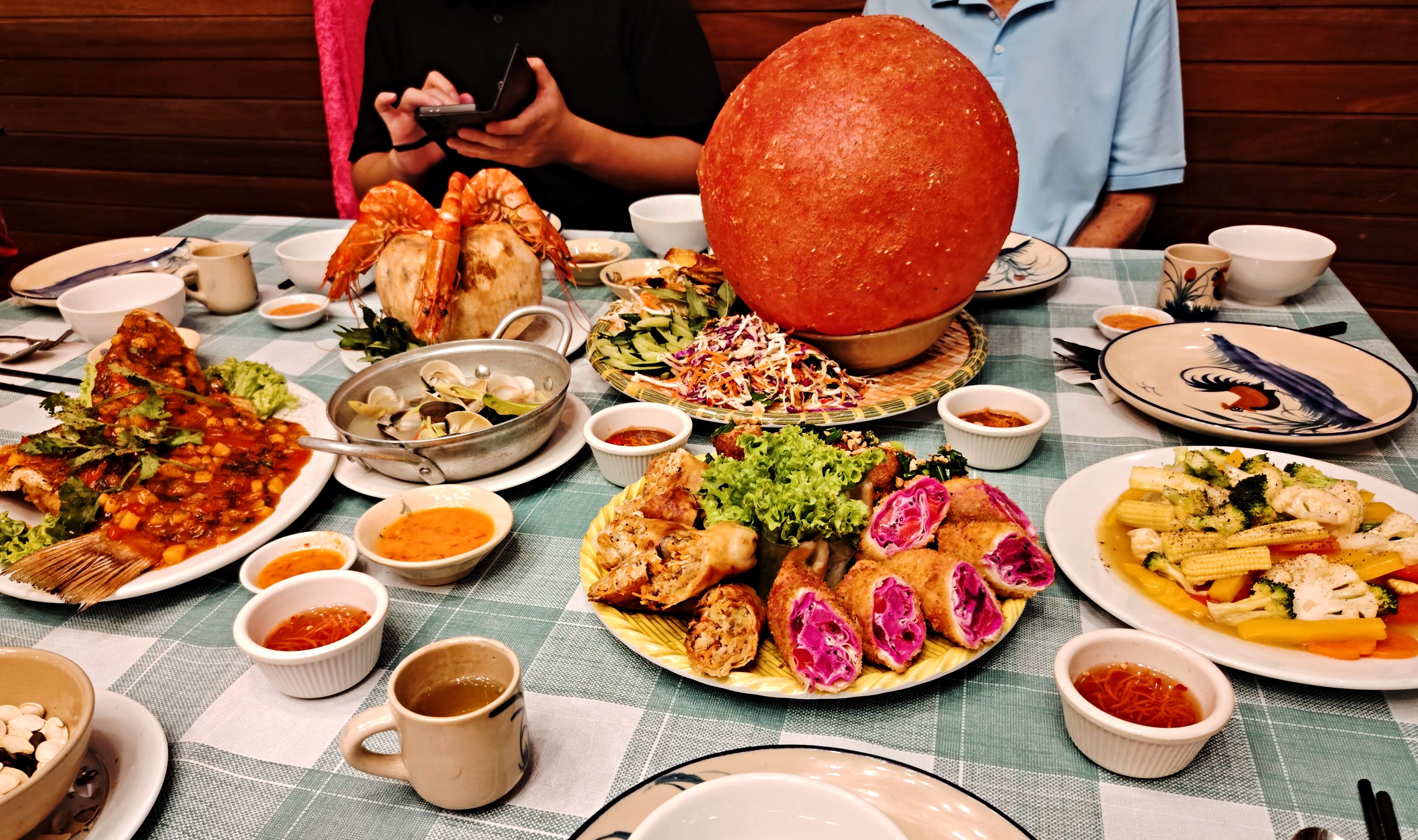
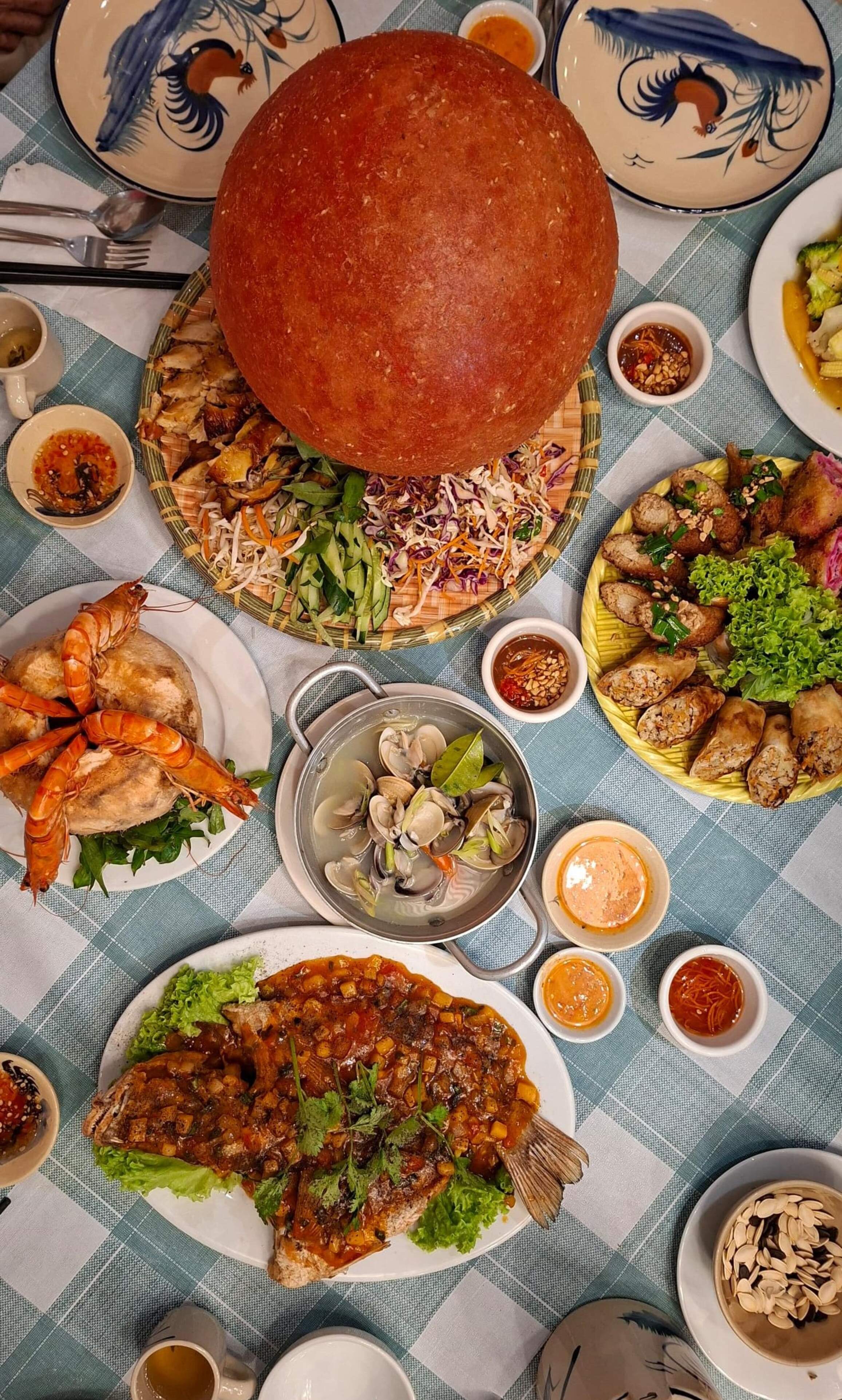
Our Lunar New Year’s Eve dinner spread:

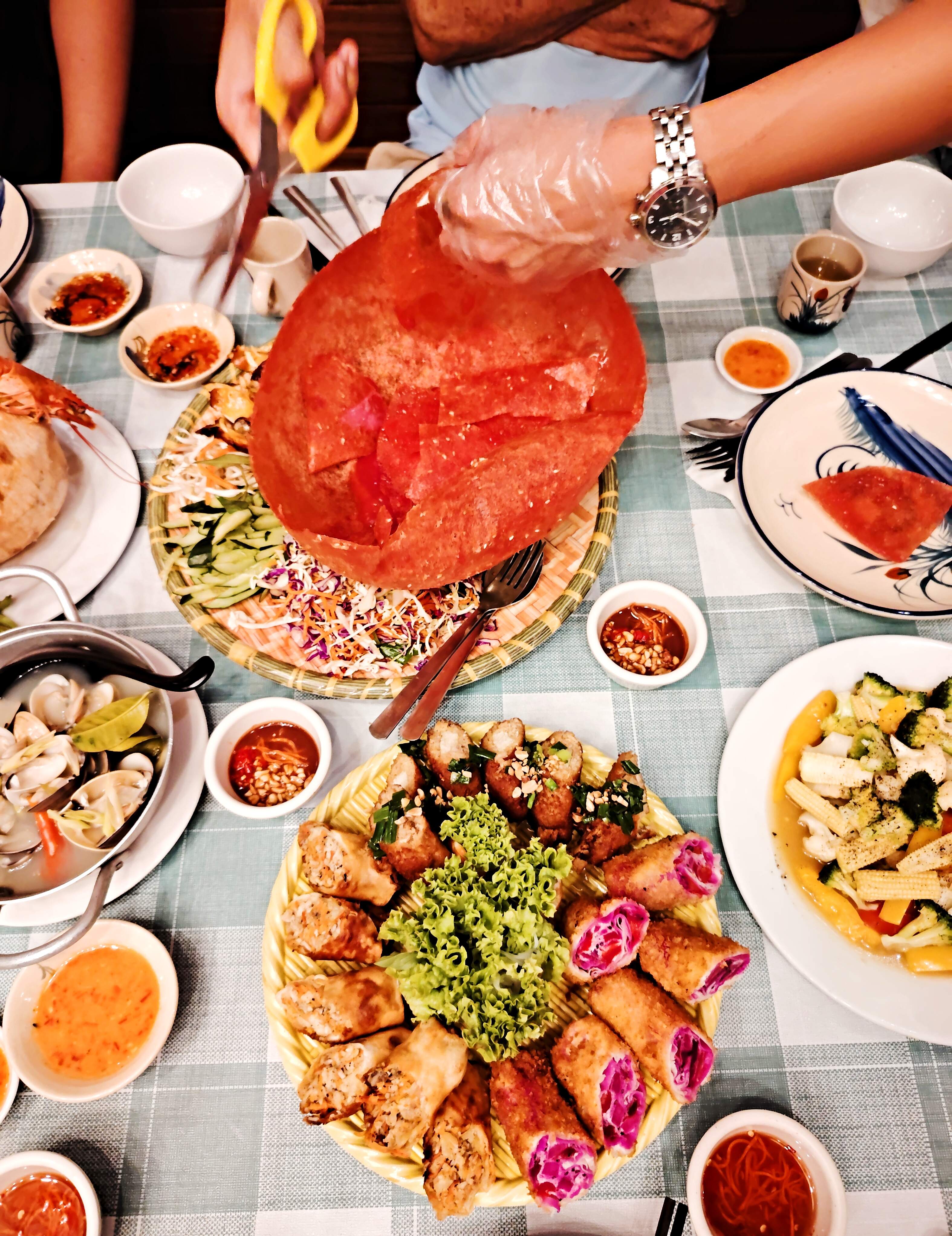
  1. Appetiser combo platter (clockwise from top): Chả Giò – crisp-fried spring rolls, Chạo Tôm – Vietnamese sugarcane shrimp, Chả Giò Hải Sản Trái Cây - mixed fruit spring rolls and at the centre (topped with Chinese lettuce leaves) Gỏi Cuốn - fresh Vietnamese spring rolls.
    All the flavors and textures were spot-on - the cooking at Saigon House has really improved by leaps & bounds on the past few years.

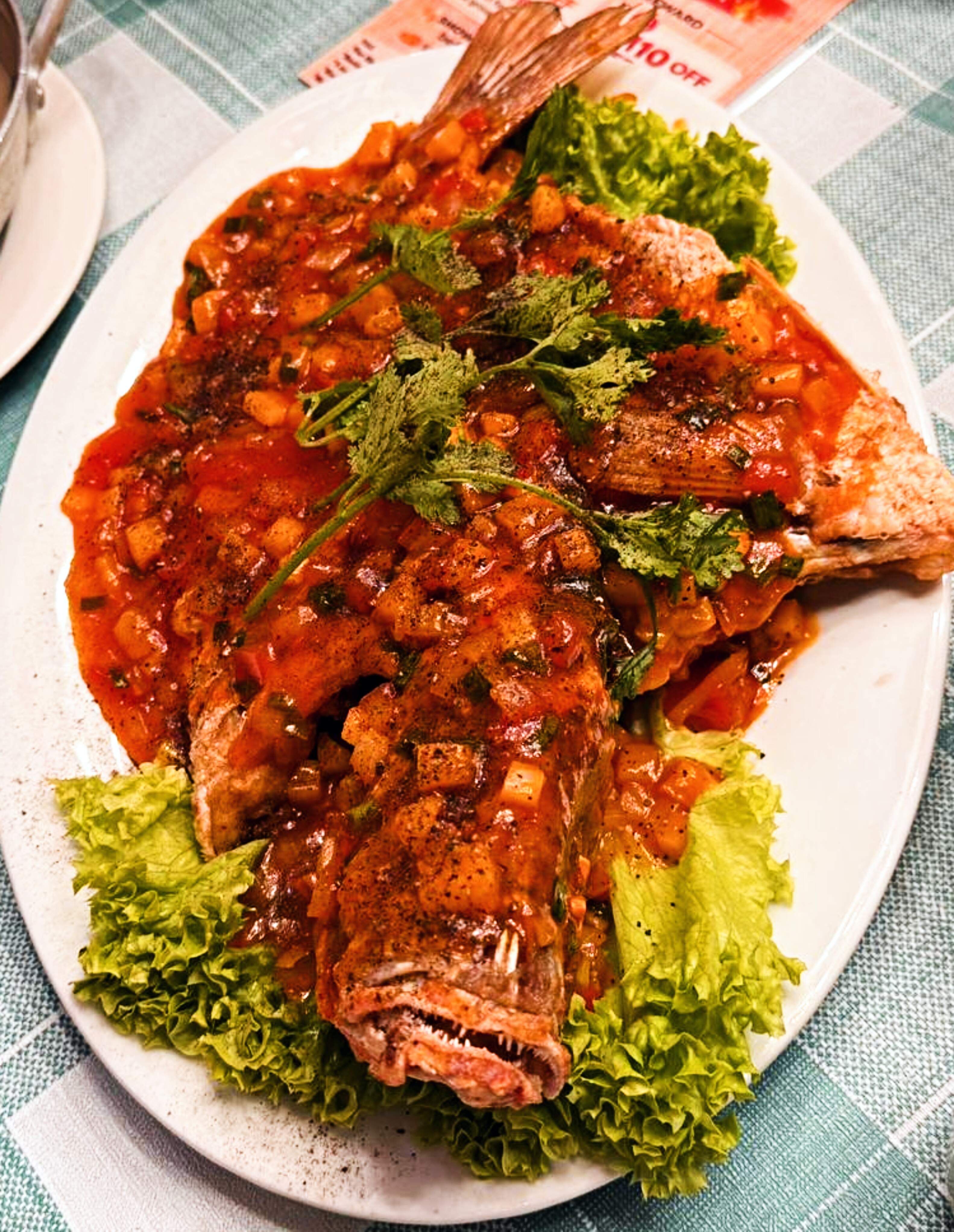
  2. Cá Diêu Hồng Sốt Cà Chua - Vietnamese-Style fried red snapper. In Penang, one can always be assured of some of the best seafood, and this was no exception: super-fresh fish, scored and lightly batter-fried, then smothered with a flavorsome sweet-sour sauce reminiscent of Cantonese cooking, and every bit as tasty.

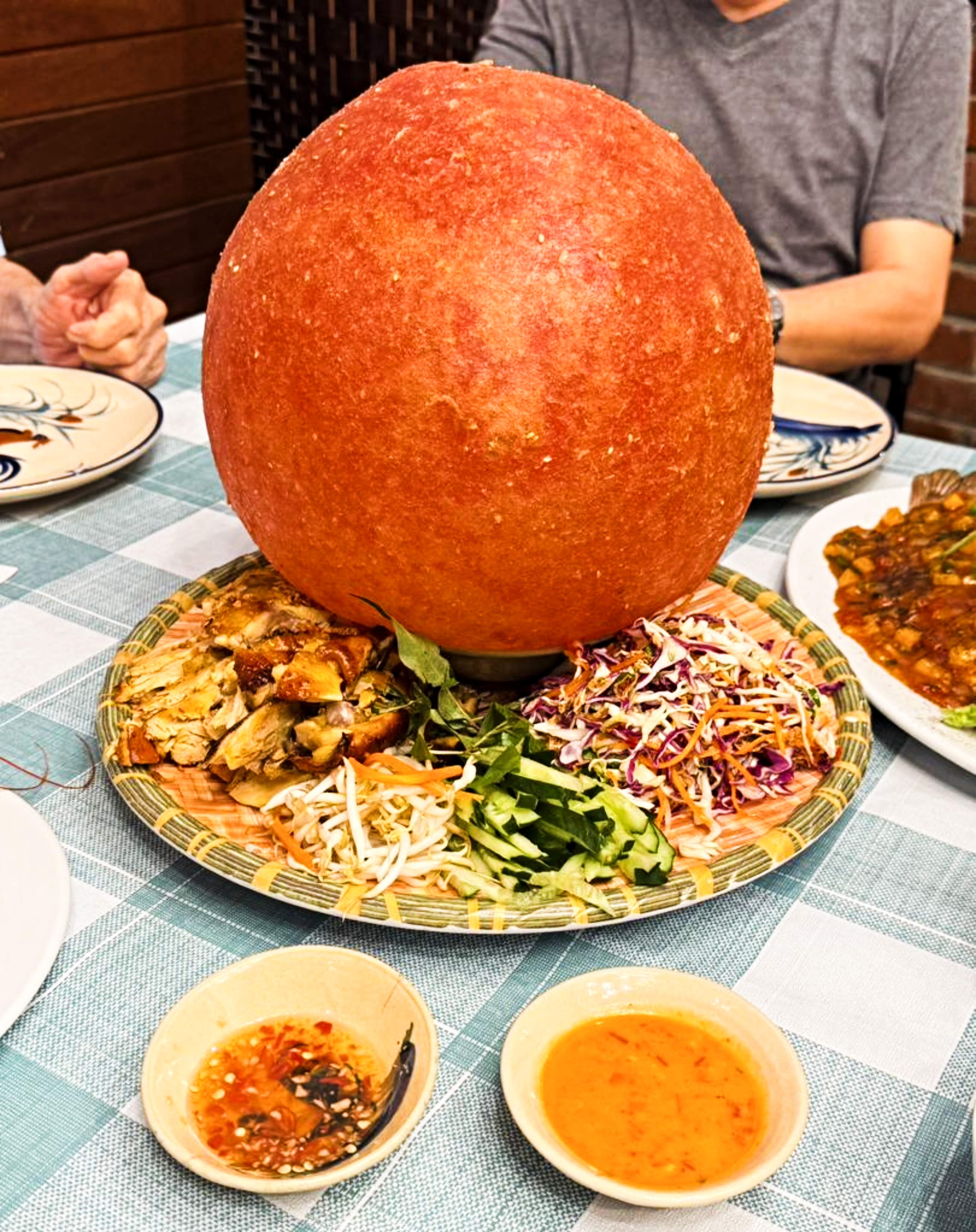
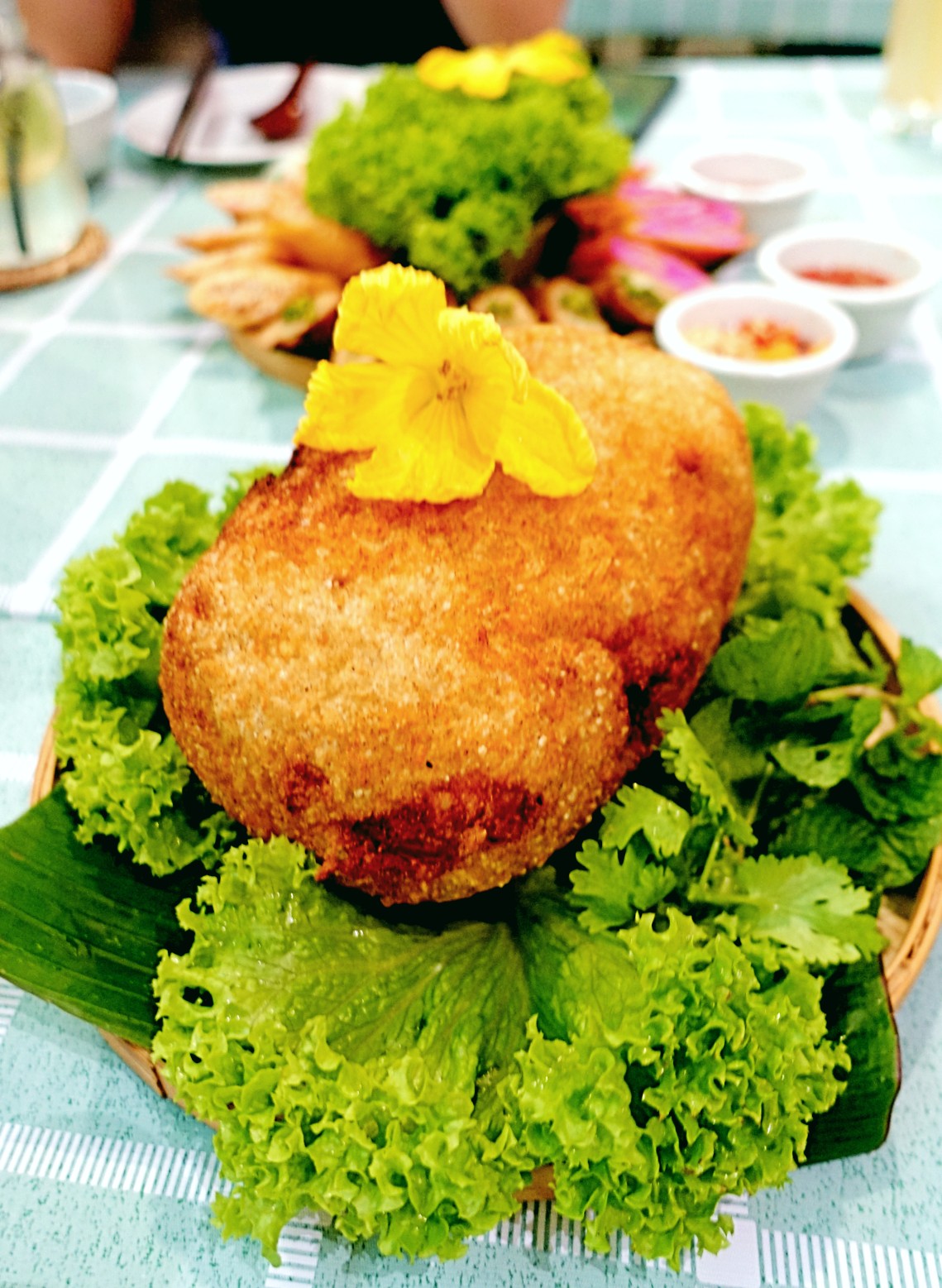
  3. Xôi Chiên Phồng – crispy golden-fried sticky rice ball. This is a soccer ball-sized sticky rice ball, hollow on the inside, and golden-crisp on the outside, served with roast chicken, fresh vegetable slaw, pickles, and fresh leafy herbs. Absolutely scrumptious.

  1. Rau Xào - Vietnamese-style stir-fried mixed vegetables. Quite similar to a typical Southern Chinese stir-fry: cauliflower, broccoli, carrots, and baby corn. The sauce tasted of fish sauce and oyster sauce, and was very, very tasty - better than those we’d tasted in Chinese/Cantonese restaurants around town. I’d order this dish again if we’re back here.

  2. Tôm Hấp Trái Dừa - steamed prawns with coconut water. Very fresh, large prawns given the lightest treatment: lightly steamed with coconut water giving it a subtle fragrance.

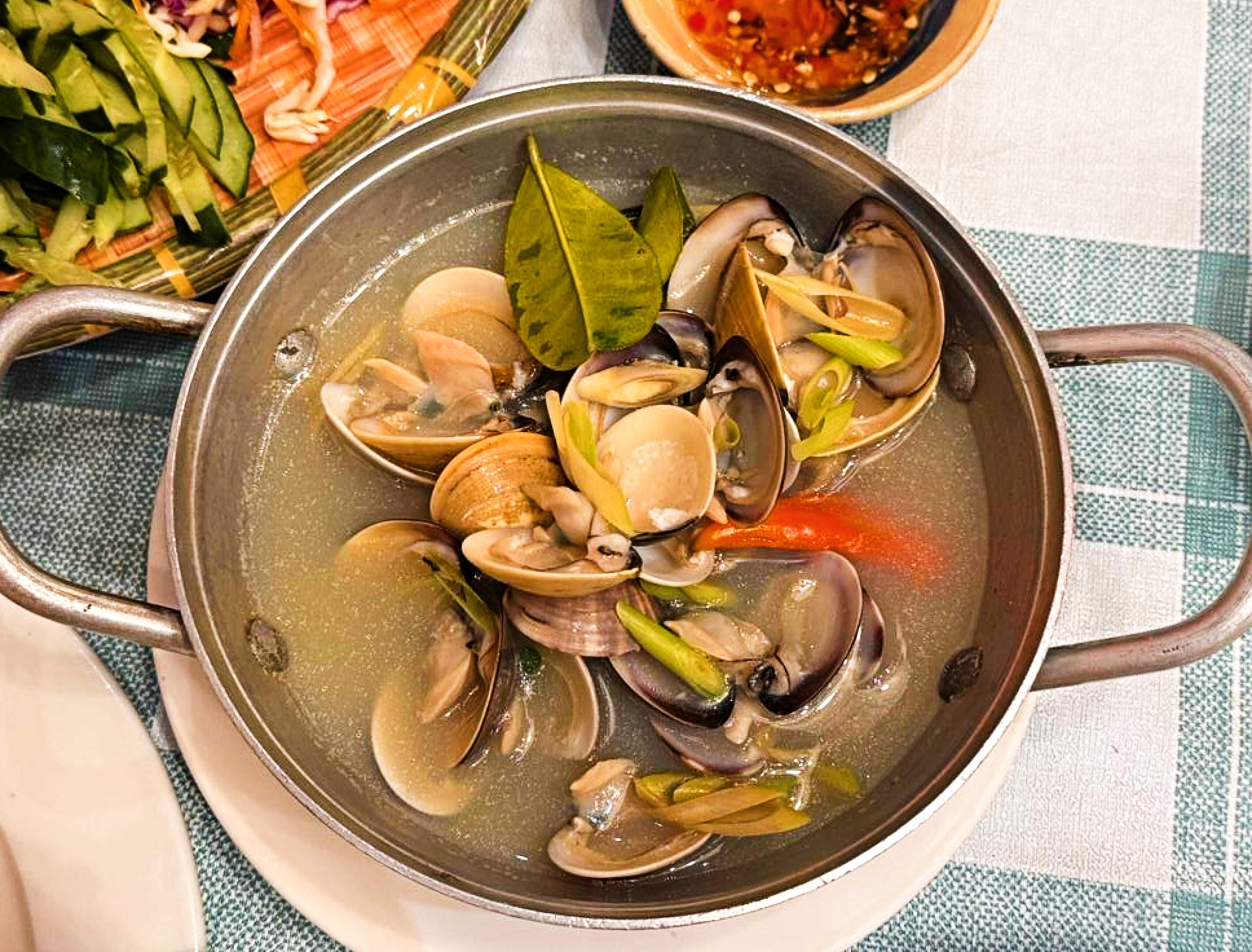
  3. Nghêu Hấp Sả - steamed clams with lemongrass. Another Vietnamese classic, although Malaysians/Singaporeans in general would prefer some chili heat, and may prefer Thai-style tom yum/lime-chili-garlic recipes over this mild-flavored Vietnamese one.

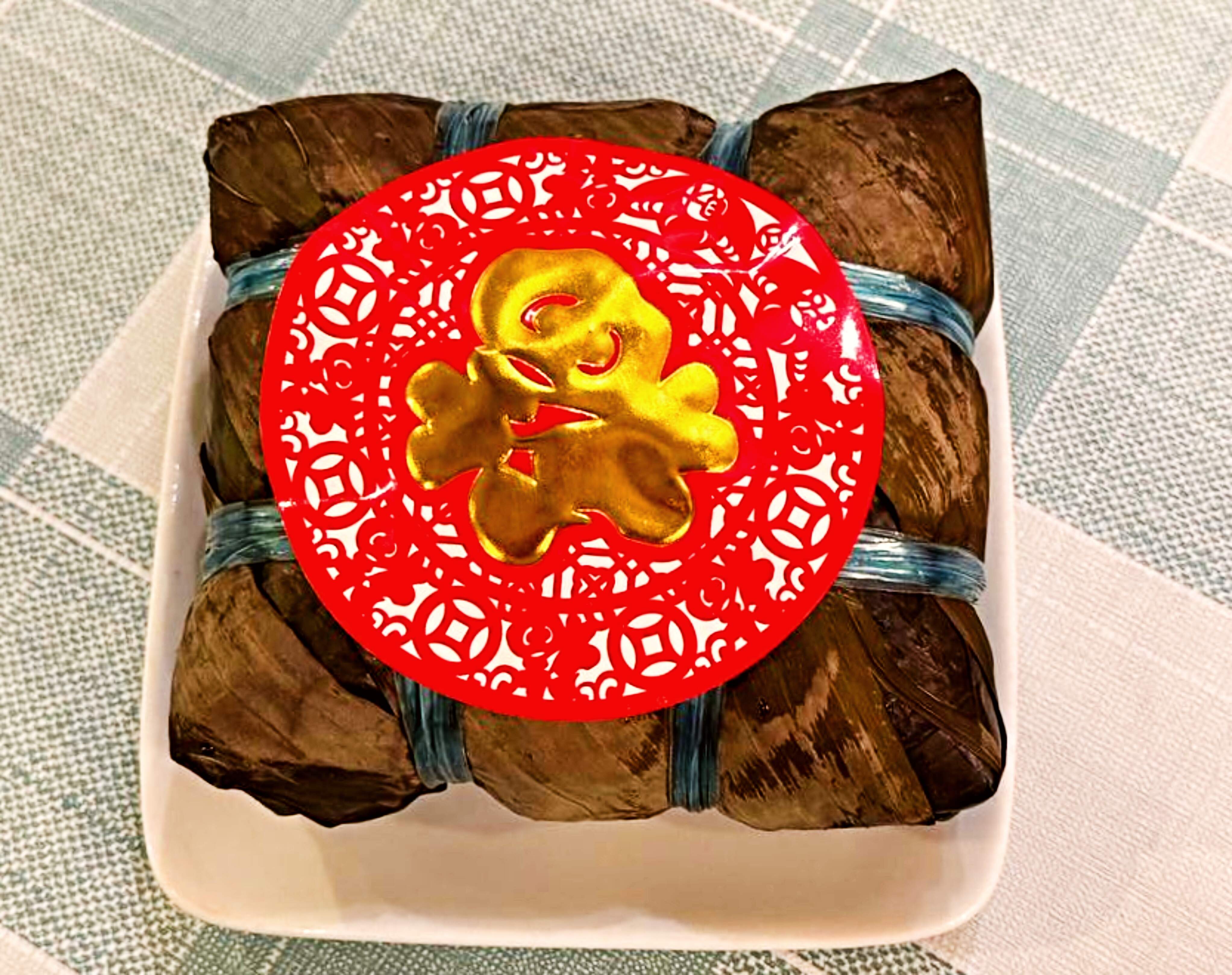
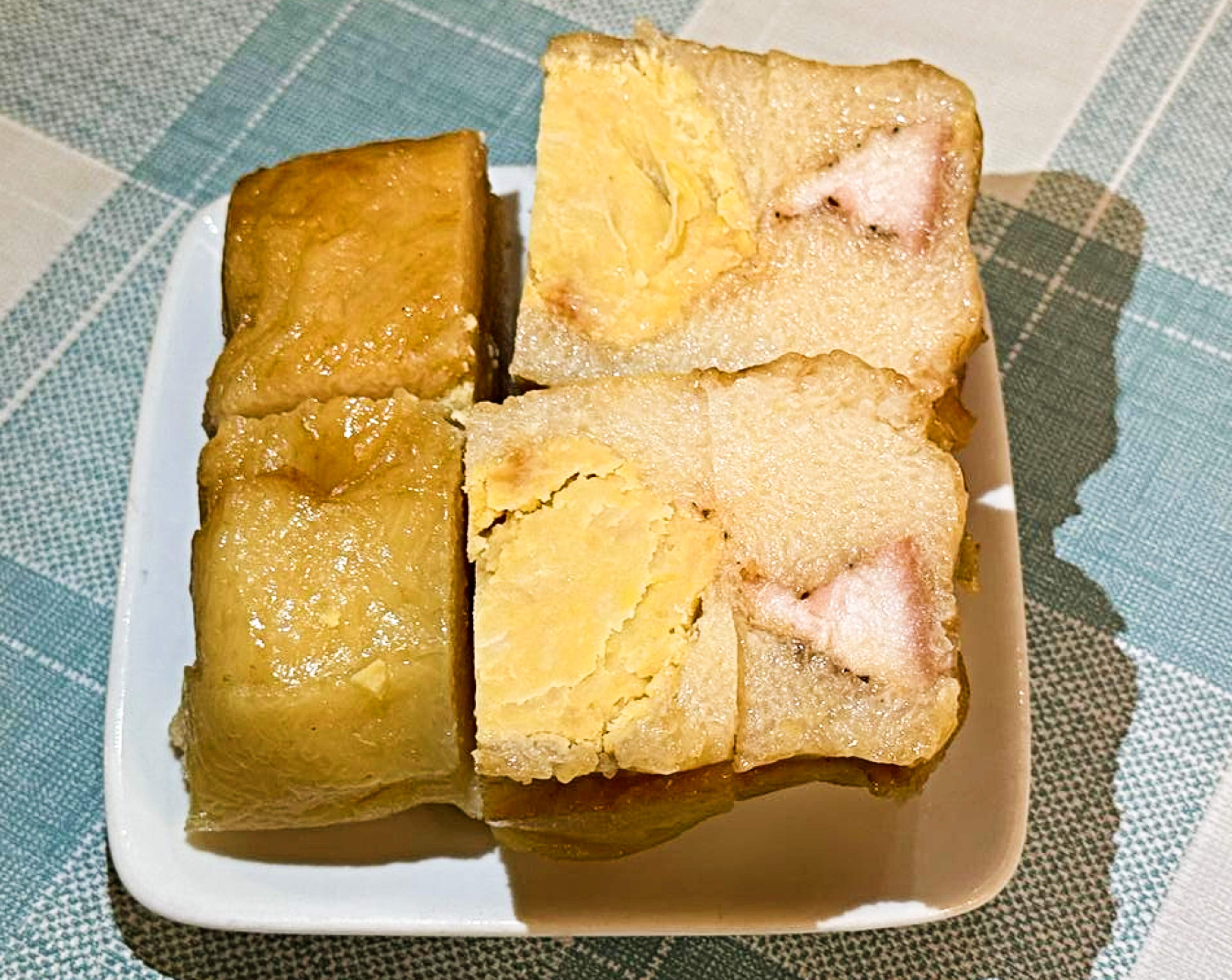
  4. Bánh Chưng - the traditional square-shaped Vietnamese sticky rice cake which is essential for the Tet (Lunar New Year) celebrations. It consists of glutinous rice, mashed mung beans, and seasoned pork belly, wrapped in banana leaves (or dong leaves) and boiled for 8–10 hours. This iconic dish symbolizes gratitude to ancestors and represents the Earth.

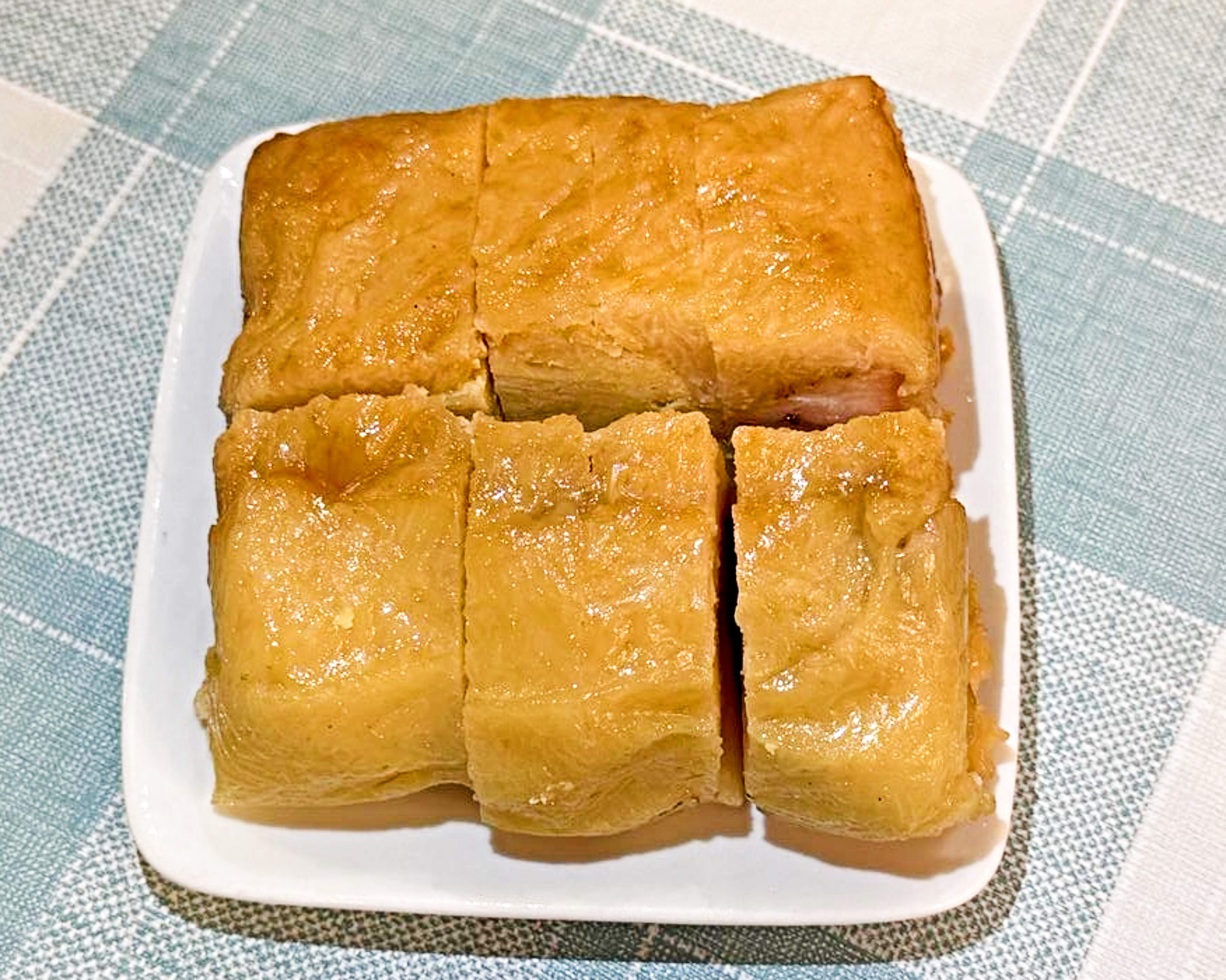
Bánh chưng unwrapped.

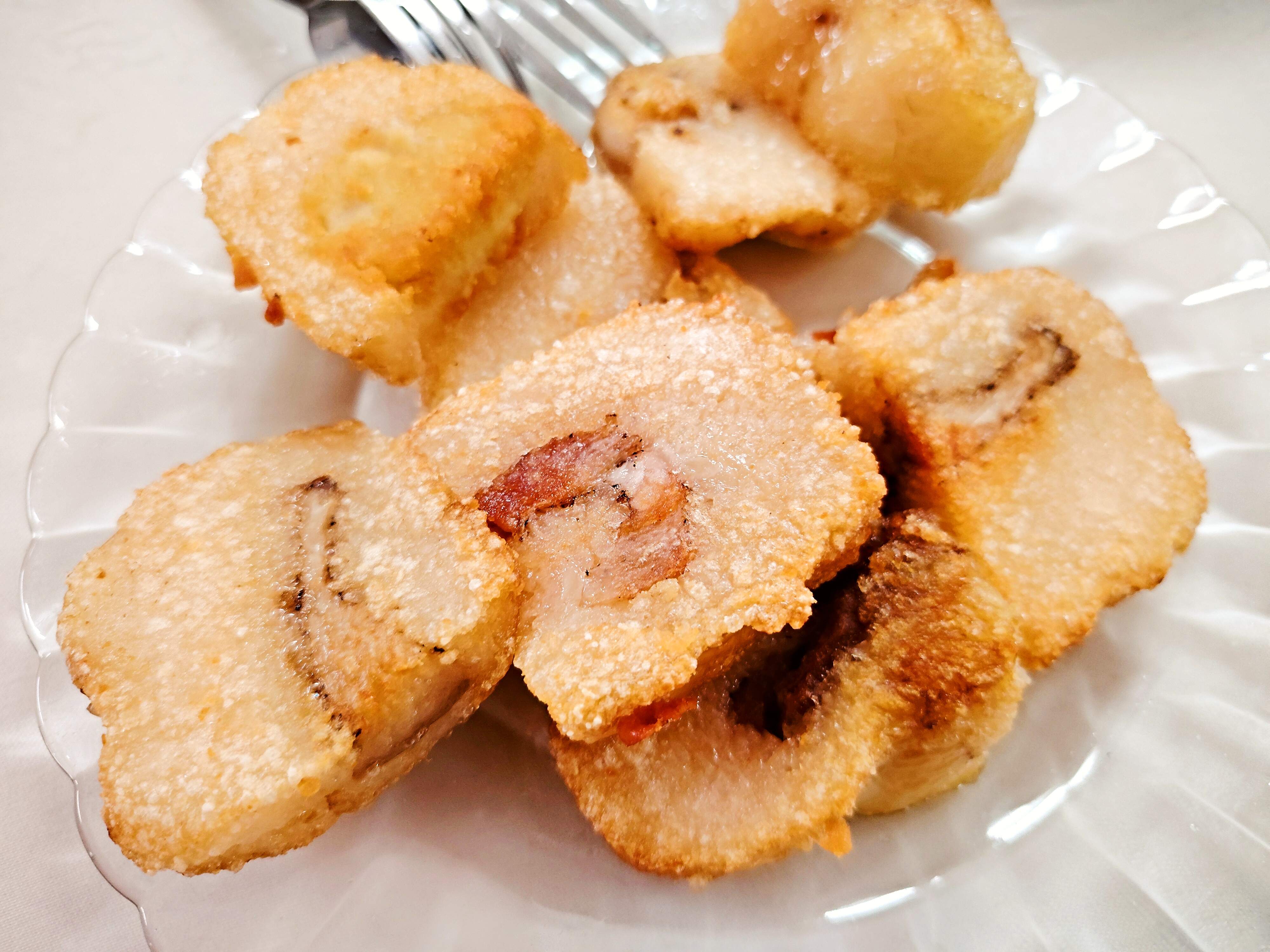
We could not finish the bánh chưng, which came at the end of a heavy meal, so we took away the leftover - to be pan-fried the next day for breakfast! Pan-fried leftover sticky rice, or bánh chưng chiên is absolutely fantastic, and a favorite of many Vietnamese.

11 Likes

Looks fantastic! Happy Year of the Horse!

This looks so tempting! Reminds me of the temptation of popping a bhatura :sweat_smile:

1 Like

Much the same concept! :joy:

1 Like

Nothing like adding some drama and fun to the deliciousness!

1 Like