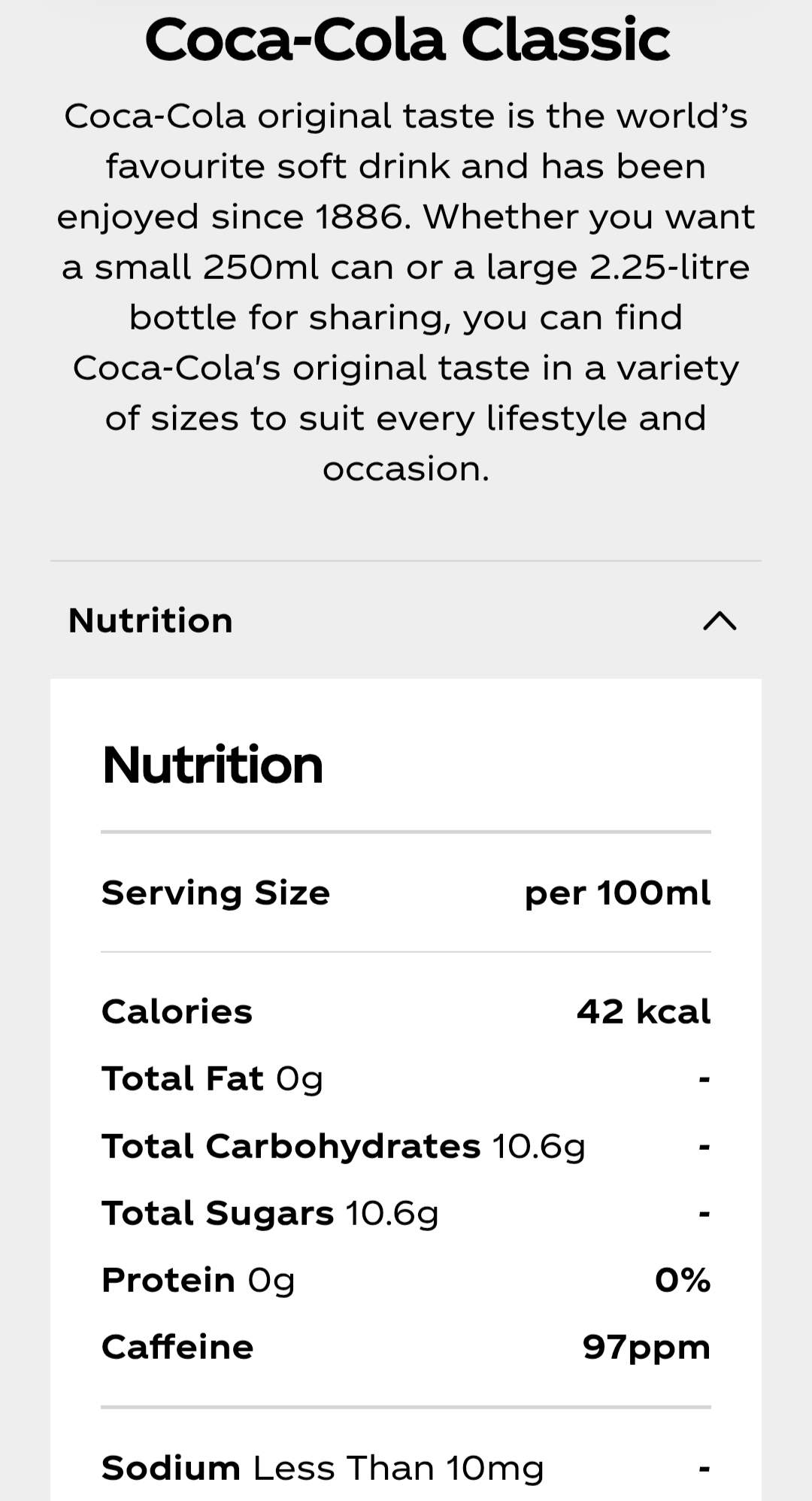
Has 5 grams of sugar per 100 ml.
And Coke is 42 kcal per 100 ml:
kcal ≠ calories? Huh.
Not sure where I saw 42 cal (not kcal). I knew Coke was sweet but 42 kcal seems crazy.
A quick check of the interwebs reveals many web sites have it pegged at 42 cal, not kcal. I imagine the LLMs are in a tizzy. After all, cal only differs from kcal by one letter 
I always thought that kcal and cal are the same, but you’re the scientist 
I got that screenshot off the Coca Cola website.
Kcal = 1000 cal
I take that as an authoritative source
I know what kilo stands for 
Still the same numbers as far as nutritional info goes — unlike KJ.
I had the same thought. I would swear that I have seen snack wrappers in Asia that stated that snacks had 200 or 300 kcal. It just seemed odd that 8 Ritz type crackers would have 200,000 calories but it said 200 kcal.
I have never seen kcal used in the US or Europe. But it may simply be that i did not look for it in Europe or that my memory is wrong.
I do not know what to think about this.
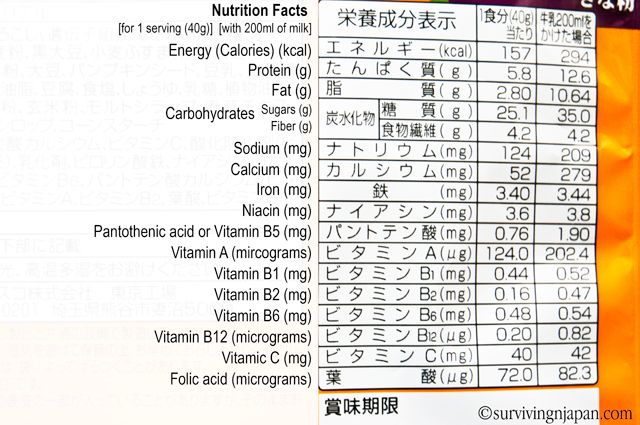
Here is a photo of a Japanese label that seems odd.
On edit:
I also found this on a Japanese fitness FAQ.
" What is a Japanese calorie?
In Japan, the United States, or anywhere else, 1 kcal is the same. People began using the word calorie when they meant kilocalorie because they enjoy making up shorthand terms. We make the distinction in diet with “calories,” with a capital C, which means kilocalorie. Therefore, 1 kcal is equal to 1 calorie and 1000 calories. "
Honkman, i added this after you made your comment. I think it agrees with what you stated.
Nutritional Equivalency: 1 Calorie (food) = 1 kcal = 1,000 calories (scientific)
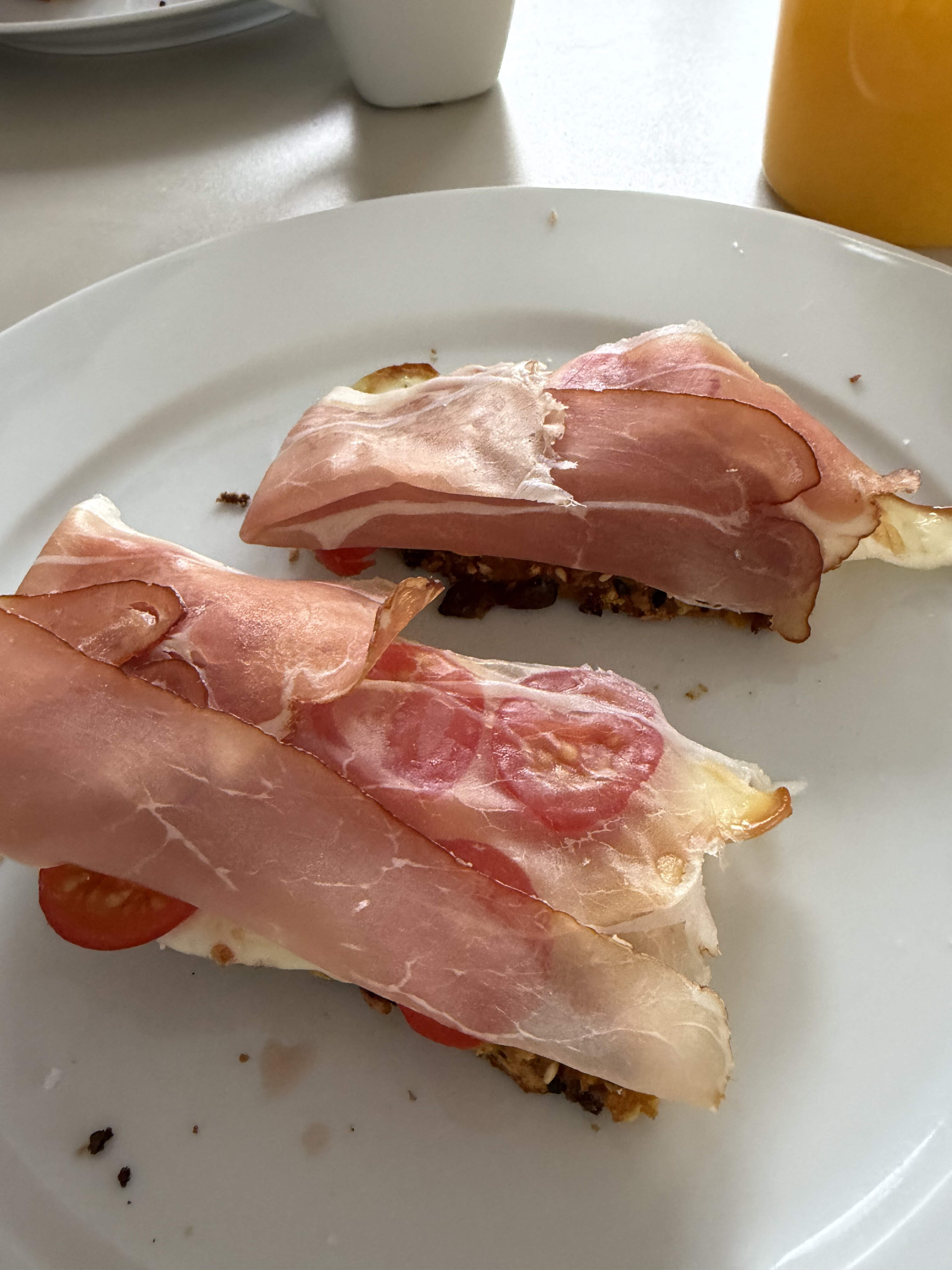
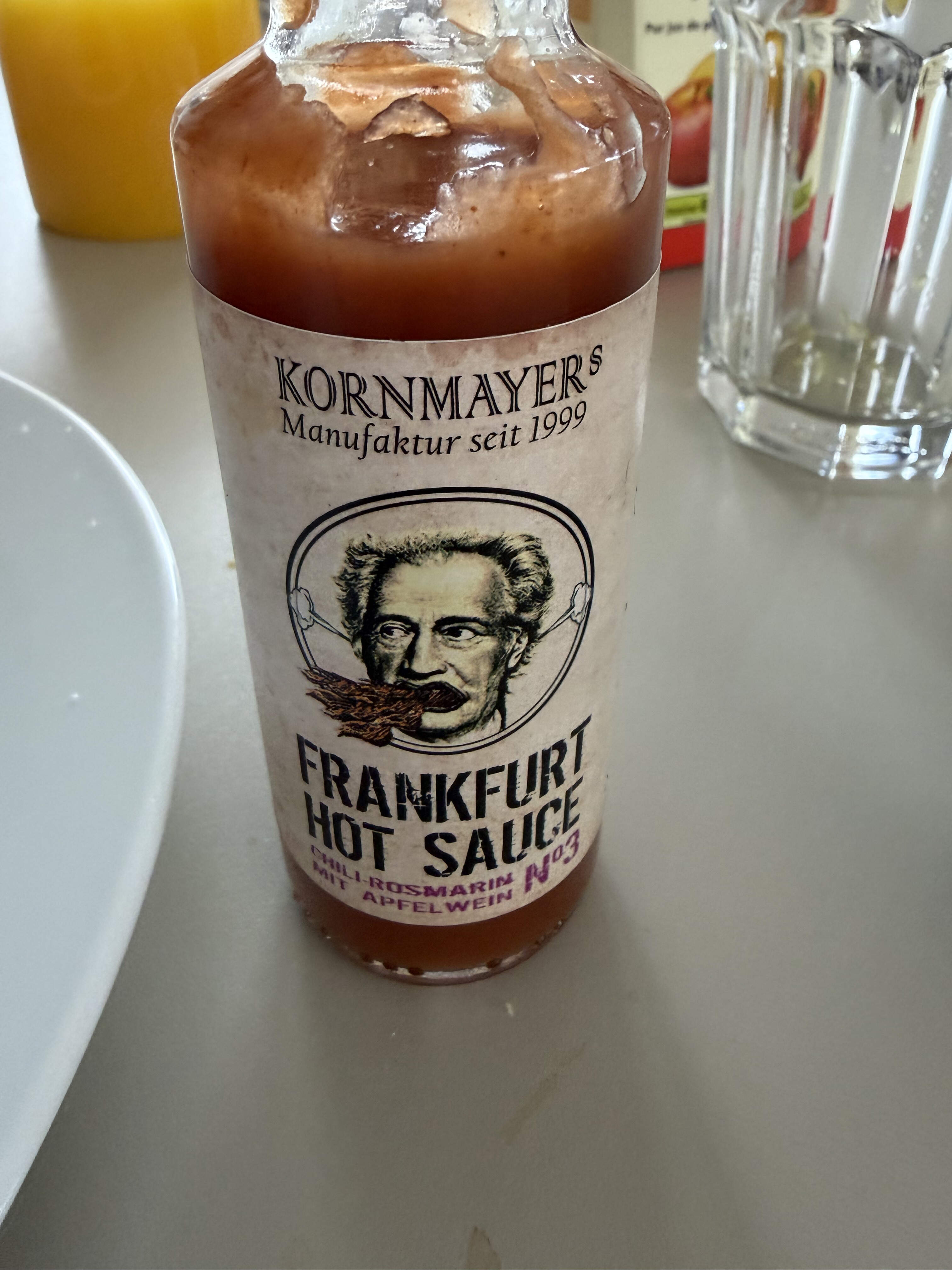
Fortifying ourselves for a day trip to Heidelberg, the schloss, funicular etc. A late Saturday morning breakfast sandwich of toasted bread from Lautenschlager, käse, fried egg - beautiful free-range eggs from the wochenmarkt - sliced cherry tomato, a schmear of Frankfurt hot sauce (mit apfelwein!) and topped with Schwarzwald schinke.
Our breakfasts and Abendbrote in Berlin are often our favorite meals 
We picked a rainy Saturday for our day trip to Heidelberg. A somewhat disturbing sight on the drive north was a wreck on the southbound side. The lack of speed limits on the autobahn has a downside, and many German drivers seem oblivious to wet roads and poor visibility. I’ve never seen such mangled cars. I counted 5 ambulances. They may have been too little too late.
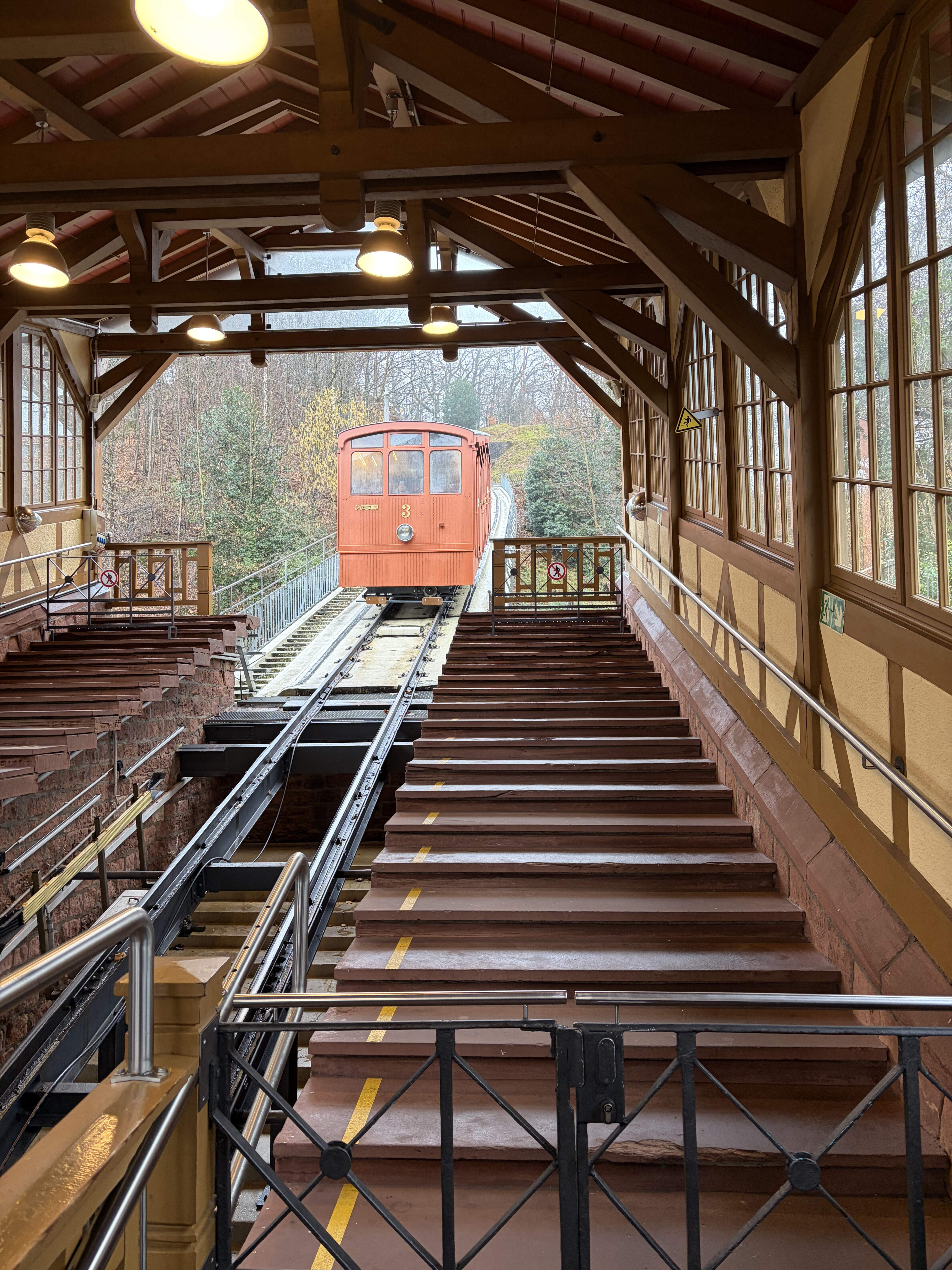
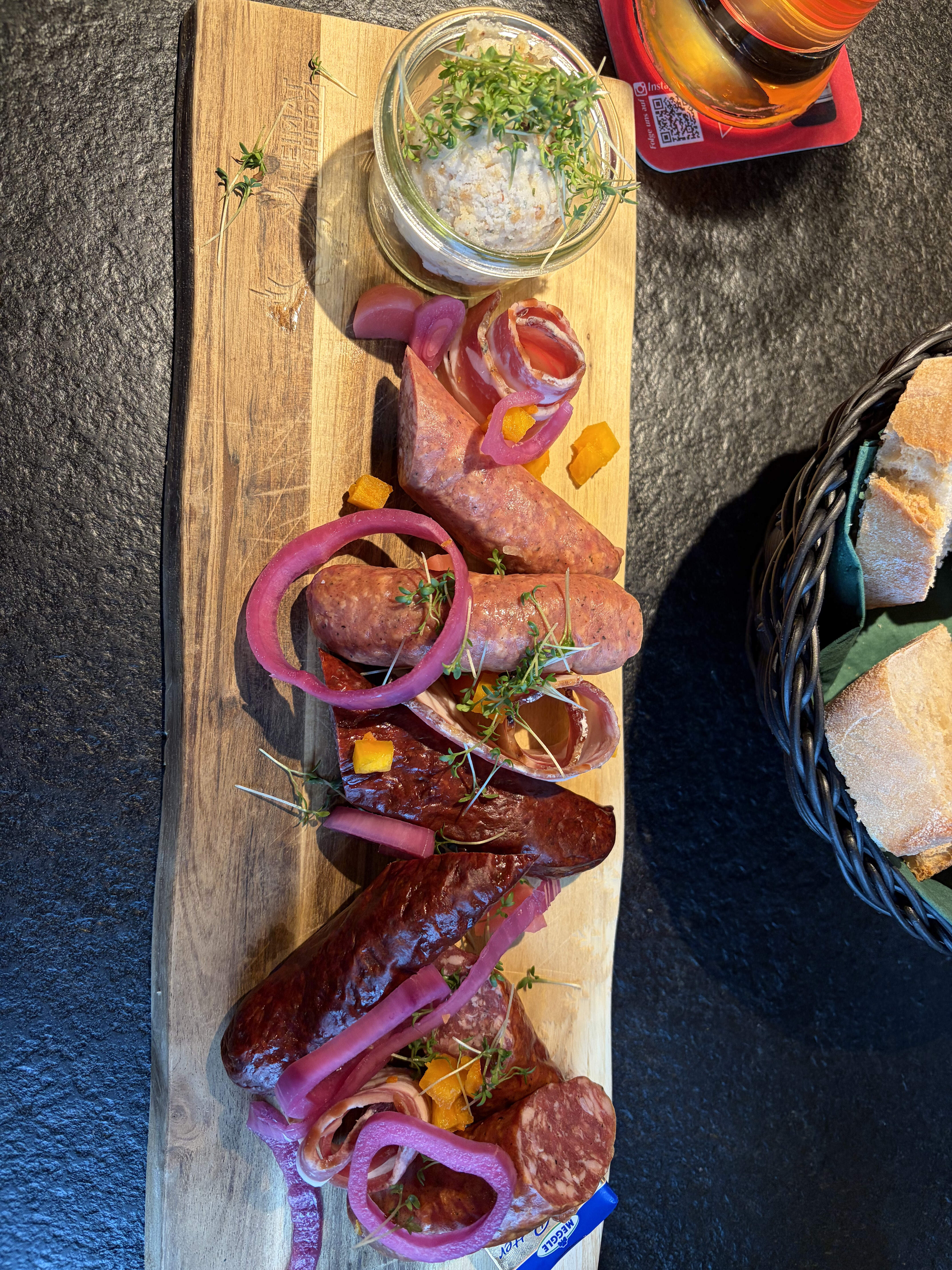
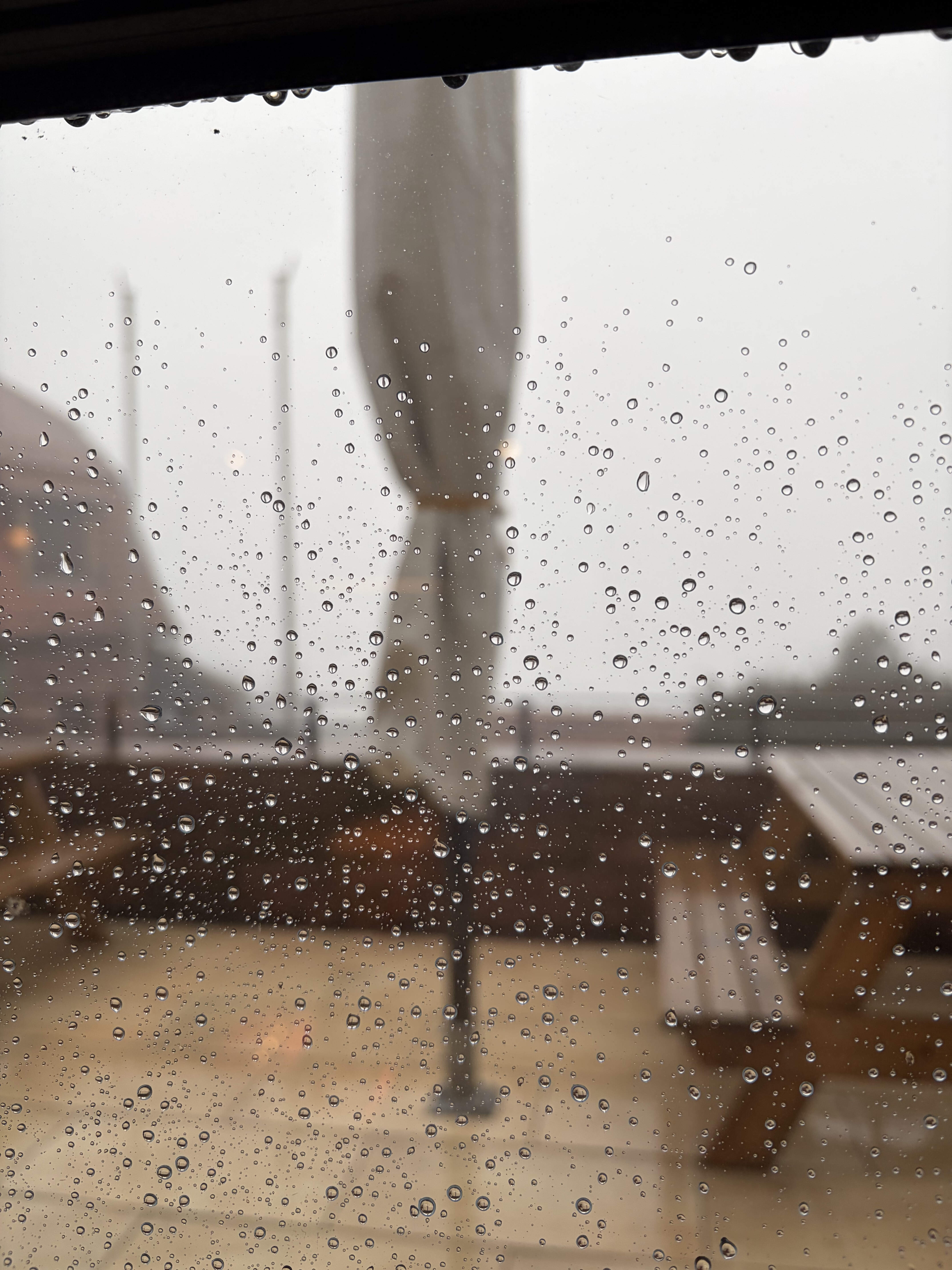
The rain dampened our enthusiasm for walking around the old town and the bridge, so we parked near the kornmarkt and took the funicular up to the schloss. A guided tour got us out of the rain. The hour-long tour was pretty entertaining and informative thanks to our guide. Afterward we continued up the mountain in the funicular, changing from a modern one to a vintage funicular for the last leg up to König Stuhl. A US colleague who has a house in Heidelberg recommended the restaurant Bergstube at the Berg-Gasthof. It turned out to be just steps from the funicular station. The room is all blond wood with a slightly alpine feel, and a few alpine dishes on the menu (raclette and fondue) cement the first impression. A starter of assorted German sausages (and a hefeweizen with more body that a typical hefeweizen) was a highlight. One of them was called “chimney root” – I have no clue what that means. Schnitzel with sauteed onions, schinke, and raclette for me, and pot roast for SO were serviceable but not particularly noteworthy. But the room was pleasant (warm and dry!), the service efficient and solicitous, and getting there on the funicular was great fun. It supposedly has a nice view overlooking the schloss and Heidelberg, and though we had a window seat the view remained a rumor.
Just…bizarre. Some foods use the chemical definition, others the “food” definition. Bizarre may not be the word I’m looking for.
Day trip to Leipzig. It’s becoming clearer that a 9-week mini-sabbatical isn’t enough to scratch the surface of this fascinating country. Leipzig has been through a lot, and shows amazing resilience. Wars, GDR, reunification (which wasn’t kind to small industries that suddenly had to compete with the west…). The city has a remarkable mix of old and new; apparently there is a German word for it (of course). The markt square is apparently the point where north-south and east-west Roman roads crossed.
My only culinary excursion in Leipzig was lunch at Da Salvo, a short walk from the university hospital. An unassuming facade contains a wood-burning oven that is turning out pizza way better than it needs to be.
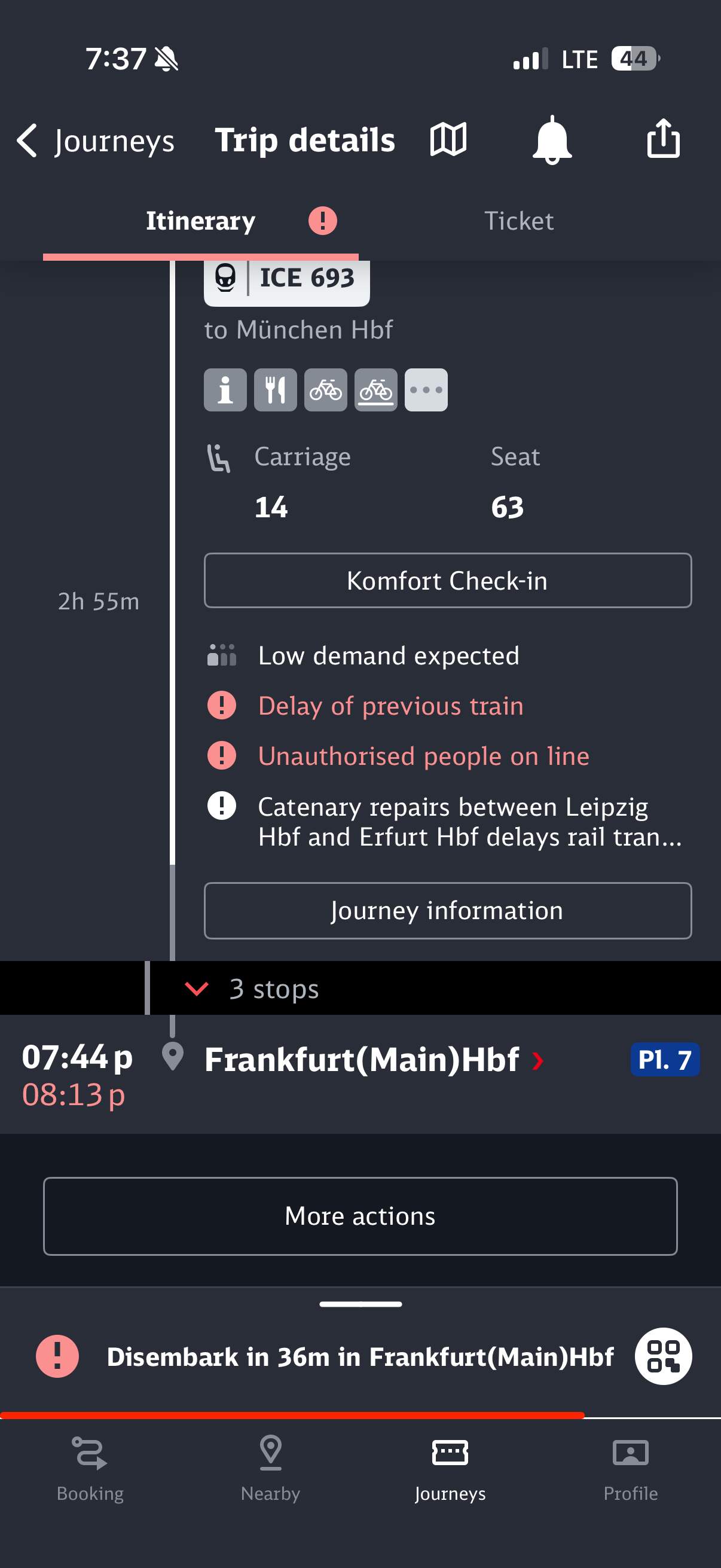
The train ride home is crowded and delayed. Gotta hand it to DB…they have an abundance of reasons.
One thing you could consider to “learn” more about German culture is visiting a Bundesliga soccer game. Germany in general has some of the best atmosphere you will experience in any soccer stadium. You have to interesting stadiums close by with the Waldstadion in Frankfurt (which is rather large) and MeWa Arena in Mainz (which smaller but you can sit even closer to the action)
Have you visited any Ratskellers for a meal? I visited the Ratskeller in Leipzig on my last visit.
Have you had a chance to visit some museums and art galleries?
If you have the interest to visit Nuremberg and Franconia, it’s also located within a 2 hr high speed train from Frankfurt.
Drei im Weggla, 3 little Nurnberg sausages in a bun, is my favourite German sausage. (Make your own Drei im Weggla on Home Cooking )
I’ve only spent an afternoon and evening in Leipzig to catch my cousin’s acting debut. It’s a pretty city, and not as overrun with tourists as Berlin.
The entire former east of Germany was basically bought up by big companies, which has created great resentment among the population.
I do hope you have a chance to spend a couple of days in Berlin, although it shines most in late spring & summer. And the food, oh my … 
I suspect a football game will be beyond our reach given our schedule. Also as much as I enjoy opera I don’t think I’m ready for Wagner  .
.